

HIPEC in India for Congolese Patients: What It Costs, and How to Decide Well
A practical guide covering HIPEC eligibility, cytoreductive surgery, costs, ICU requirements, medical records, visas and treatment planning for Congolese patients.
Hyperthermic intraperitoneal chemotherapy, known as HIPEC, combines a lengthy surgical operation with a heated chemotherapy wash delivered directly into the abdominal cavity, treating cancers that have spread across the lining of the abdomen. In 24 years of advising cancer patients, I have found this to be one of the most resource-intensive procedures in all of oncology — and, correspondingly, one of the least available across Africa. This guide sets out plainly where HIPEC currently exists on the continent, what treatment in India costs against the Western alternatives some patients consider, and what to weigh before deciding.
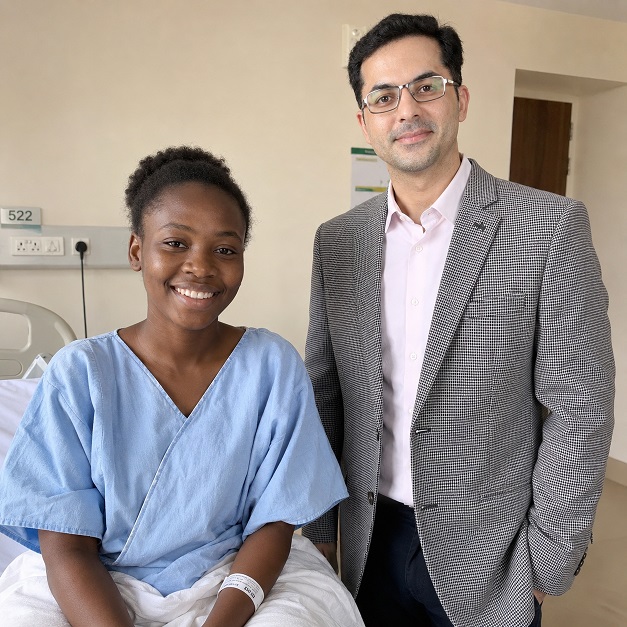
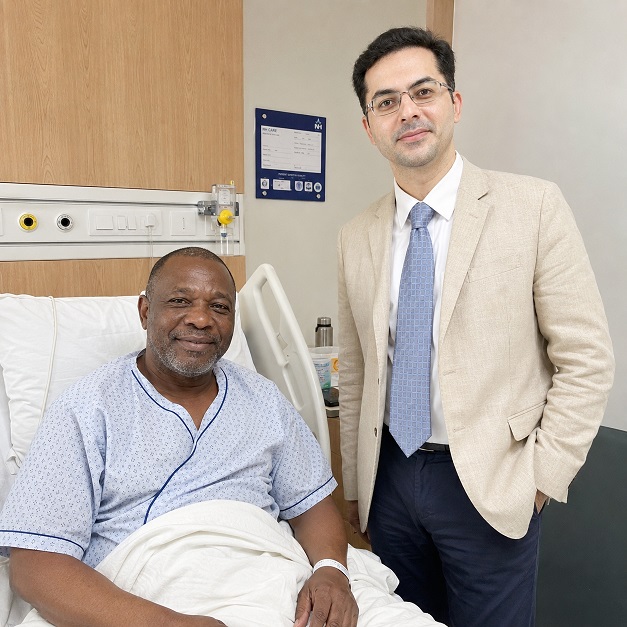
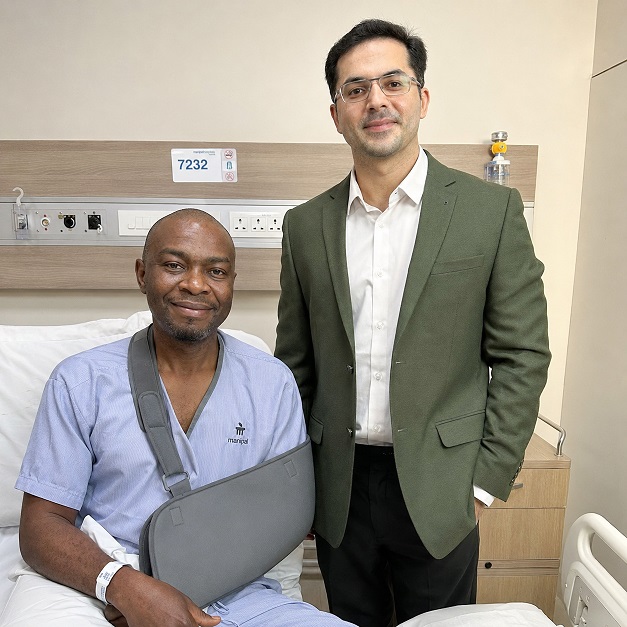
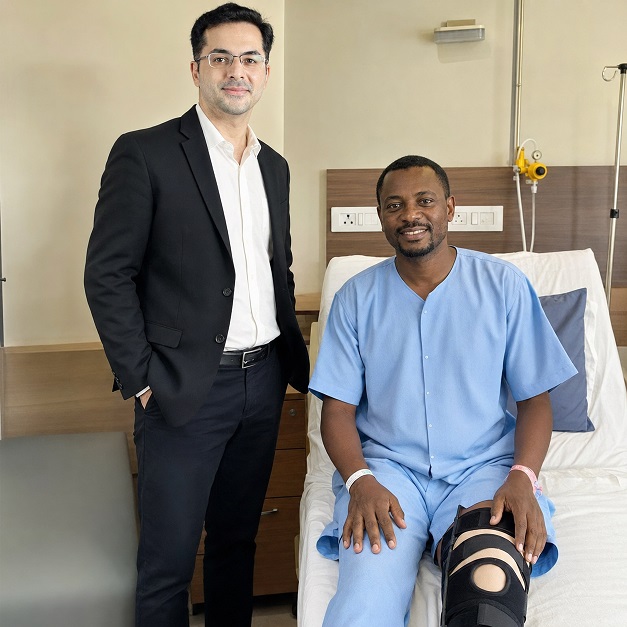
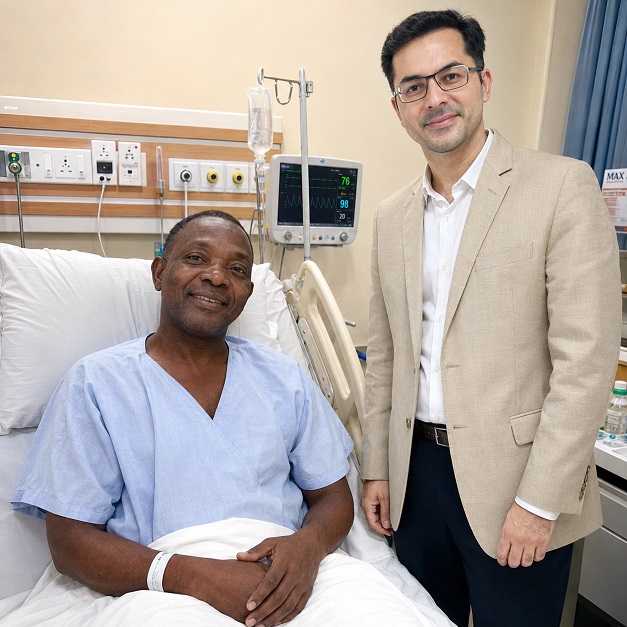
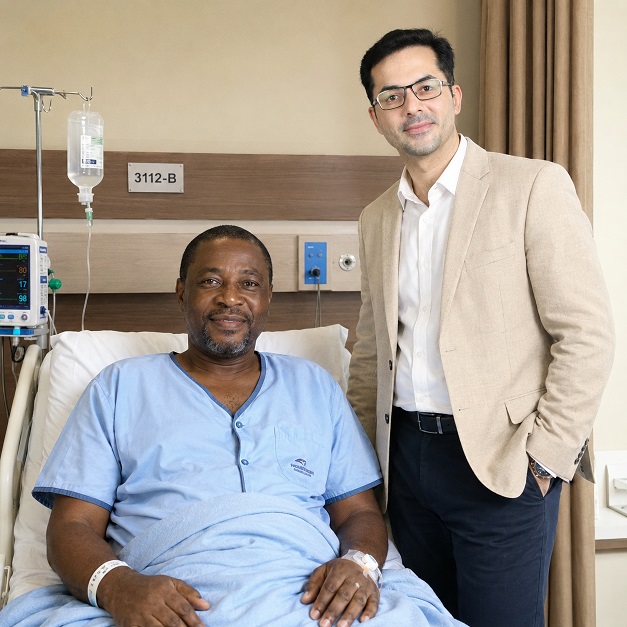
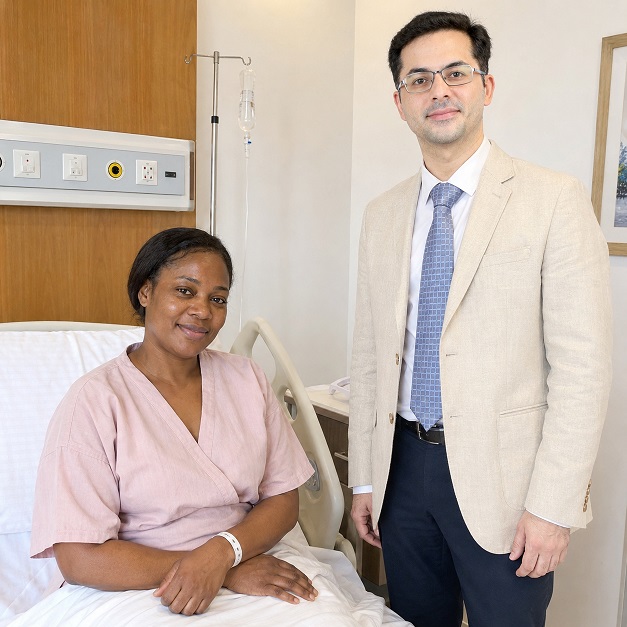
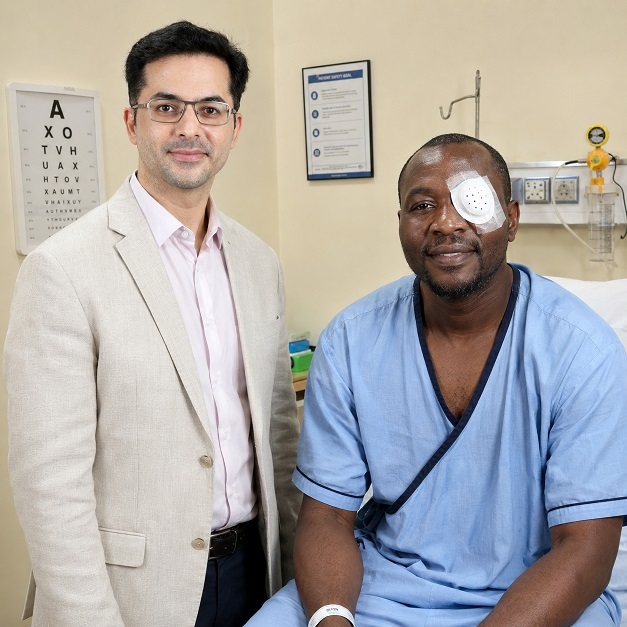
Healing Journeys of Congolese Patients
Key Takeaways
- The guide explains that HIPEC combines extensive cytoreductive surgery with heated chemotherapy delivered inside the abdomen. It is a highly resource-intensive treatment requiring specialised surgical expertise, equipment and postoperative monitoring, which helps explain why access remains limited across Africa.
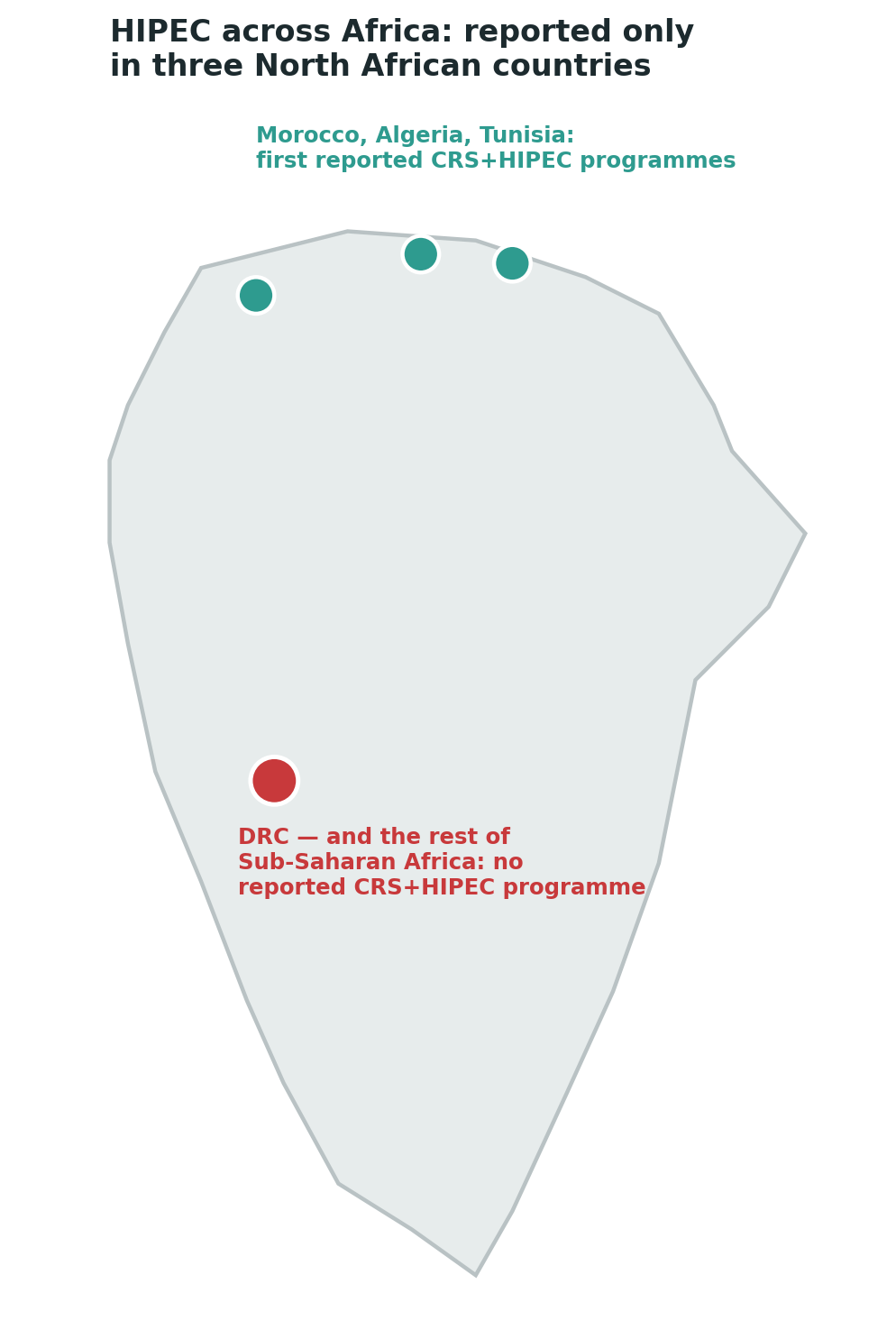
- The page 2 graphic shows that reported CRS and HIPEC programmes in Africa are limited to Morocco, Algeria and Tunisia, while no published programme has been reported in the DRC or wider Sub-Saharan Africa. The guide explains that establishing HIPEC safely requires sustained institutional investment and specialised training.
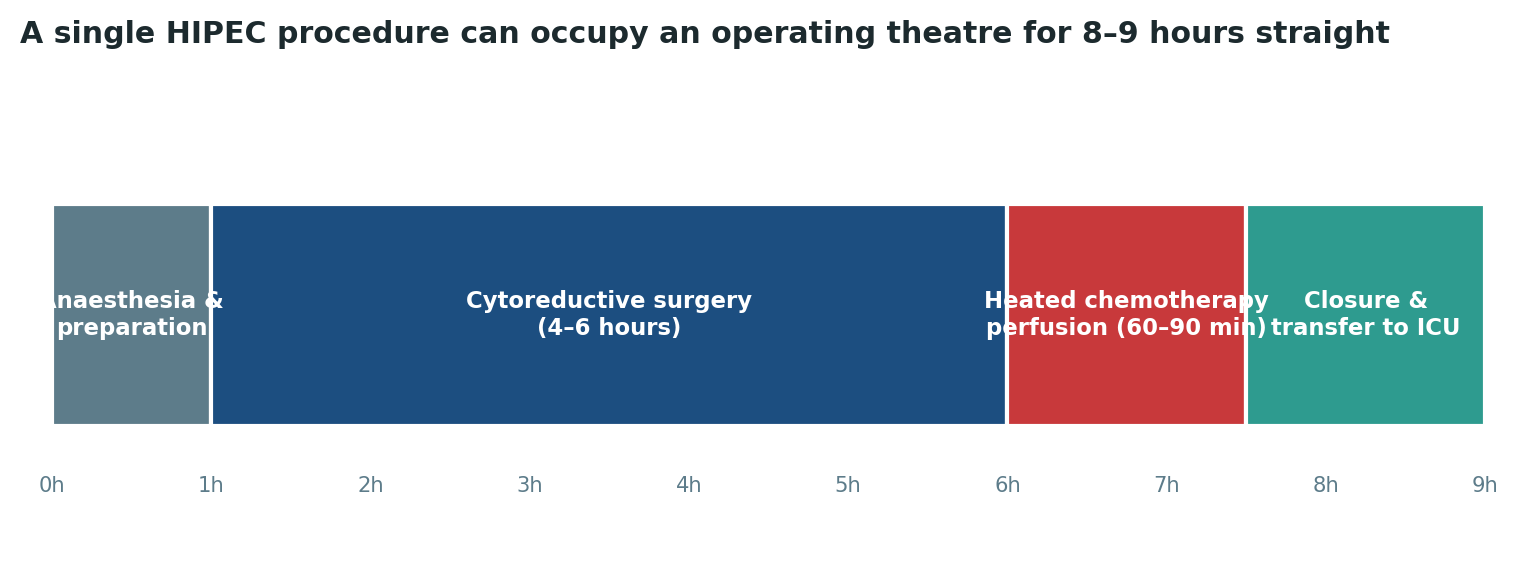
- The guide highlights that HIPEC is not a quick procedure. Cytoreductive surgery and heated chemotherapy can occupy the operating theatre for approximately 8–9 hours, followed by intensive postoperative monitoring. Patients should therefore assess the hospital's surgical and ICU capabilities rather than focusing only on the availability of HIPEC.
- The page 4 cost chart gives an indicative combined CRS and HIPEC cost of US$7,000–20,000 in India, compared with US$40,000–90,000 in France/Belgium, US$50,000–110,000 in the UK and US$80,000–180,000 in the US. The final cost depends significantly on the extent of cytoreductive surgery required.
- For Congolese patients, the guide recommends confirming that their specific cancer type with peritoneal spread is suitable for HIPEC, sending pathology, staging and imaging results, checking the surgical team's CRS-HIPEC case volume and asking about expected ICU stay and recovery. A 15–20% financial buffer, early medical and attendant visa preparation and current yellow-fever documentation are also recommended.
- The guide identifies four warning signs: HIPEC recommended without explaining why the specific cancer qualifies, no disclosed CRS-HIPEC case volume, no pathology or staging supporting the recommendation and pressure to pay the full balance before a complete written treatment plan.
Quick Facts
- Author
- Dr. Dheeraj Bojwani
- Experience
- 24+ Years
- Treatment
- HIPEC with Cytoreductive Surgery
- Patients
- Congolese Patients
- First Assessment
- Confirm whether the specific cancer qualifies for HIPEC
- Key Specialist
- Surgical Oncology Team with CRS-HIPEC Experience
- Case Volume
- Total CRS and HIPEC experience
- Treatment Duration
- Approximately 8–9 hours for surgery and HIPEC
- ICU
- Extended postoperative monitoring
- India Cost
- US$7,000–20,000 indicative range
- Cost Check
- Cytoreductive surgery extent and ICU stay clearly specified
- Financial Buffer
- 15–20%
- Medical Records
- Pathology, staging and imaging
- Visa
- Paper medical and attendant visa
- Entry Requirement
- Current yellow-fever certificate
- Follow-Up
- Recovery and follow-up plan
- Key Warning
- Avoid HIPEC recommendations without clear eligibility and CRS-HIPEC experience
- Decision Principle
- Choose demonstrated CRS-HIPEC expertise and appropriate hospital infrastructure, not simply availability of the treatment.
In Brief
For Congolese patients considering HIPEC in India, the guide recommends first confirming whether the specific cancer and peritoneal spread genuinely qualify for HIPEC. Patients should then verify the centre's CRS-HIPEC experience, expected ICU stay, treatment costs and recovery requirements before travelling.
A Treatment Reported in Only Three African Countries
The first multicentre study of cytoreductive surgery combined with HIPEC in Africa was published only recently, drawing on cases from four tertiary centres in Morocco, Tunisia, and Algeria. Across the rest of the continent, including all of Sub-Saharan Africa and the DRC, no published CRS and HIPEC programme has yet been reported.
The North African study itself is worth noting for what it demonstrated: despite operating in a resource-limited setting compared to Western health systems, the participating centres achieved survival outcomes broadly comparable to those seen in high-income countries. This suggests the barrier to establishing HIPEC programmes elsewhere in Africa is not that the treatment cannot work well outside wealthy health systems — it is that the sustained investment and training required to build such a programme safely has not yet happened.
This is not simply a story of one country lagging behind its neighbours. It reflects how genuinely demanding this procedure is to establish: it requires a surgical oncology team, a dedicated ICU with the capacity for extended post-operative monitoring, specialised equipment for heated chemotherapy perfusion, and a level of institutional experience that takes years to build safely.
Four Decades Old Globally, Still Absent from Most of Africa
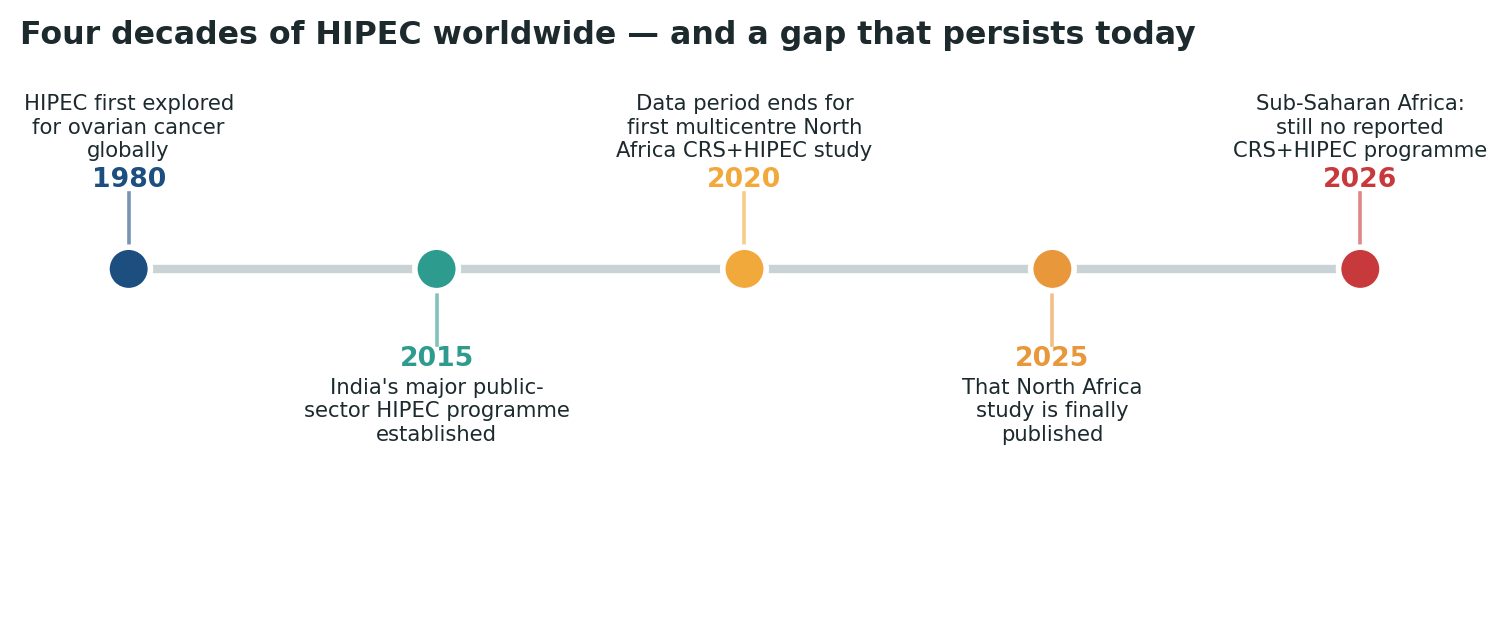
HIPEC is not experimental or new technology — it was first explored for ovarian cancer in the 1980s and has been refined over more than four decades of clinical use worldwide. Yet the gap between its global availability and its presence in Africa has persisted for the entire span of that history.
India's own trajectory offers a useful point of comparison. Its major public-sector HIPEC programme, established in 2015 at a high-volume cancer centre, has since treated hundreds of patients and helped train the surgical teams now working at other centres across the country. That decade-long process of building institutional experience is precisely what remains to happen across most of Africa.
The one fact worth remembering
HIPEC is not a single quick procedure — it is typically combined with a lengthy cytoreductive surgery beforehand, together occupying an operating theatre for eight to nine hours in a single sitting. This is part of why establishing a HIPEC programme requires such sustained institutional investment, and why it remains genuinely rare even among otherwise well-resourced health systems, let alone ones facing the many other competing demands on a limited healthcare budget.
Why a Single Procedure Takes an Entire Working Day
Understanding the sheer duration of HIPEC helps explain why it is concentrated in a small number of dedicated centres worldwide, rather than being widely available.
What HIPEC Costs: DRC Reality vs India vs the West
Cost depends heavily on how extensive the cytoreductive surgery needs to be, but the relative gap between India and Western options holds fairly consistently.
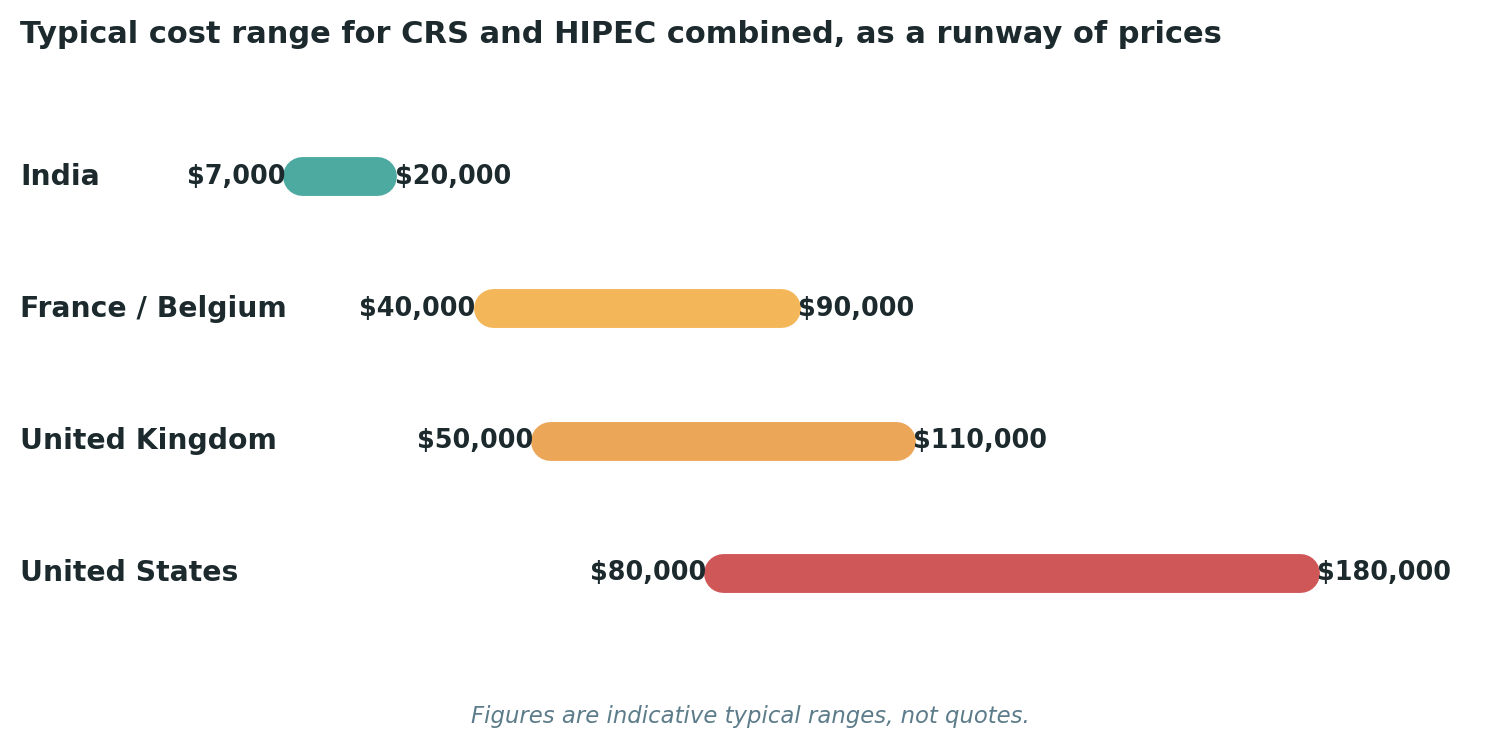
In India, combined cytoreductive surgery and HIPEC typically costs US$7,000 to US$20,000. In France or Belgium, costs typically run US$40,000 to US$90,000. In the UK, costs range roughly US$50,000 to US$110,000. In the US, the same combined procedure commonly costs US$80,000 to US$180,000. India's typical price sits at roughly a tenth of the uninsured US figure.
What the number on the quote does not always show
A written estimate should specify the expected extent of cytoreductive surgery and the length of ICU stay included, since both can vary considerably once the surgical team sees the actual extent of disease. In 24 years of reviewing these quotes, I have found disputes almost never concern the headline figure — they concern what it silently left out. Get every line item in writing, and never pay the full balance before surgery.
What a Congolese Patient Should Weigh, Specifically
- Confirm your cancer type is genuinely suited to HIPEC — this treatment applies to specific cancers with peritoneal spread, not cancer generally.
- Ask directly about the surgical team's total CRS and HIPEC case volume, since institutional experience matters enormously for this specific procedure.
- Send the actual pathology, staging, and imaging results, not just a description of your diagnosis, since eligibility for HIPEC depends on precise assessment.
- Ask about expected ICU stay and recovery time, since this procedure typically requires a longer hospital stay than most other cancer surgeries.
- Budget in US dollars, with margin. The Congolese franc has weakened considerably against the dollar (roughly CDF 2,300–2,350 per US$1 in mid-2026, and it moves); build in a 15–20% buffer above the initial estimate.
- Start the visa process early. DRC passport holders need a paper medical visa through the Embassy of India in Kinshasa (Avenue Batetela, Gombe), typically around two weeks once the hospital's invitation letter is ready; apply for an attendant visa at the same time.
- Confirm your yellow fever certificate is current — mandatory for entry into India, at least 10 days before travel.
Four signals that should make you pause
- HIPEC recommended without a clear explanation of why your specific cancer type qualifies.
- No disclosed case volume for the surgical team specifically in CRS and HIPEC.
- No staging or pathology results behind the recommendation.
- Pressure to pay the full balance before a written, complete treatment plan exists.
Why India Specifically for HIPEC for Congolese Patients?
India established major public-sector and private HIPEC programmes over the past decade, building genuine institutional experience across hundreds of cases at leading cancer centres. Combined with English-language consultation throughout and hospital accreditation (NABH domestically, JCI internationally) that mirrors the standards used to evaluate hospitals in the US and Europe, India offers access to a genuinely established HIPEC programme that remains entirely unavailable across Sub-Saharan Africa, at a fraction of the Western cost, backed by surgical teams with the accumulated case volume that this particular procedure demands.
A closing word
HIPEC's near-total absence from Sub-Saharan Africa reflects how demanding this specific procedure is to establish safely, not any doubt about whether it works for the right patients. What matters most is confirming your specific cancer type genuinely qualifies, and finding a centre with real, demonstrated experience in this exact combination of surgery and treatment. If you are able to share your pathology and staging results, I am glad to give a direct, honest view on what would genuinely help in your case.
Sources
- 🌐 National Medical Commission of India — verify any surgeon's registration · nmc.org.in
- 🌐 National Accreditation Board for Hospitals & Healthcare Providers (NABH) · nabh.co
- 🌐 Embassy of India, Kinshasa — medical visa requirements · eoikinshasa.gov.in
- 🌐 "Advancing Treatment Outcomes for Peritoneal Surface Malignancies in LMICs: First Multicenter Study in North Africa" · ncbi.nlm.nih.gov/pmc
- 🌐 "Feasibility and outcomes of CRS and HIPEC...a single-center experience of 232 cases," World Journal of Surgical Oncology · wjso.biomedcentral.com
- 🌐 World Health Organization — yellow fever vaccination requirements · who.int/health-topics/yellow-fever
Frequently Asked Questions by Congolese Patients about HIPEC in India
What is HIPEC?
HIPEC combines cytoreductive surgery with heated chemotherapy delivered directly into the abdominal cavity to treat selected cancers that have spread within the abdomen.
Is HIPEC suitable for every cancer?
No. The guide stresses that HIPEC applies to specific cancers with peritoneal spread, so eligibility must be assessed individually.
How long does a HIPEC procedure take?
The guide explains that cytoreductive surgery followed by HIPEC can occupy the operating theatre for approximately 8–9 hours.
What does HIPEC cost in India?
The guide gives an indicative range of US$7,000–20,000 for combined cytoreductive surgery and HIPEC.
Why can the final cost vary?
The extent of cytoreductive surgery and the required ICU stay can vary considerably, affecting the overall treatment cost.
What should patients ask about the surgical team?
Patients should ask for the team's total CRS and HIPEC case volume, as institutional experience is particularly important for this complex treatment.
What medical records should be sent?
Patients should send actual pathology, staging and imaging results so the centre can properly assess HIPEC eligibility.
How much financial buffer should patients keep?
The guide recommends maintaining a 15–20% buffer above the initial estimate.
What travel documents are important?
Congolese patients should arrange paper medical and attendant visas and ensure their yellow-fever certificate is current and meets India's entry requirements.
What are the main warning signs?
Be cautious if HIPEC is recommended without a clear eligibility explanation, the centre will not disclose its CRS-HIPEC experience, staging is incomplete or there is pressure to pay the full balance before receiving a written treatment plan.
Page Summary
This six-page guide explains the limited availability of HIPEC across Africa, why the procedure requires substantial surgical and ICU infrastructure, and what Congolese patients should consider when travelling to India. The page 4 chart compares CRS-HIPEC costs across India and Western destinations, while page 5 focuses on eligibility, case volume, ICU stay, costs, visas and warning signs.
Citation Block
| Field | Information |
|---|---|
| Topic | HIPEC in India for Congolese Patients |
| Treatment | HIPEC with Cytoreductive Surgery |
| Patients | Congolese Patients |
| First Assessment | Confirm specific cancer and peritoneal spread are suitable for HIPEC |
| Key Specialist | Surgical Oncology Team with CRS-HIPEC Experience |
| Case Volume | Total CRS and HIPEC case experience |
| Procedure Duration | Approximately 8–9 hours |
| ICU | Extended postoperative monitoring |
| India Cost | US$7,000–20,000 indicative range |
| Cost Check | Surgery extent and ICU stay clearly specified |
| Medical Records | Pathology, staging and imaging |
| Financial Buffer | 15–20% |
| Visa | Paper medical and attendant visa |
| Yellow Fever | Current certificate |
| Recovery | Longer hospital stay and recovery expected |
| Follow-Up | Post-treatment recovery plan |
| Warning Signs | Unclear eligibility, no CRS-HIPEC case volume, inadequate staging or early full-payment pressure |
| Key Decision | Choose demonstrated CRS-HIPEC expertise with appropriate ICU and hospital infrastructure |


Our Mission Statement
Our mission is to place patients at the centre of every healthcare decision by providing trustworthy, evidence-based, and unbiased medical information. We believe that informed patients make better decisions. Backed by personalised guidance from our experienced advisory team, we help patients understand their treatment options, compare them objectively, and confidently choose the path that best suits their medical needs and personal circumstances.
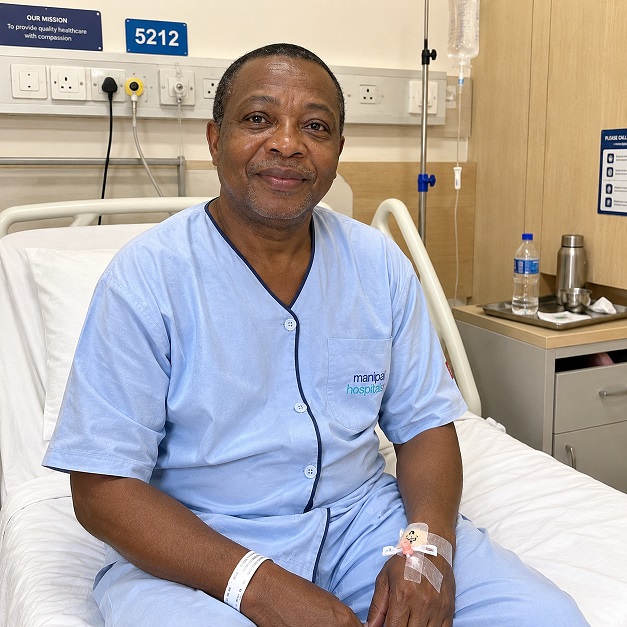
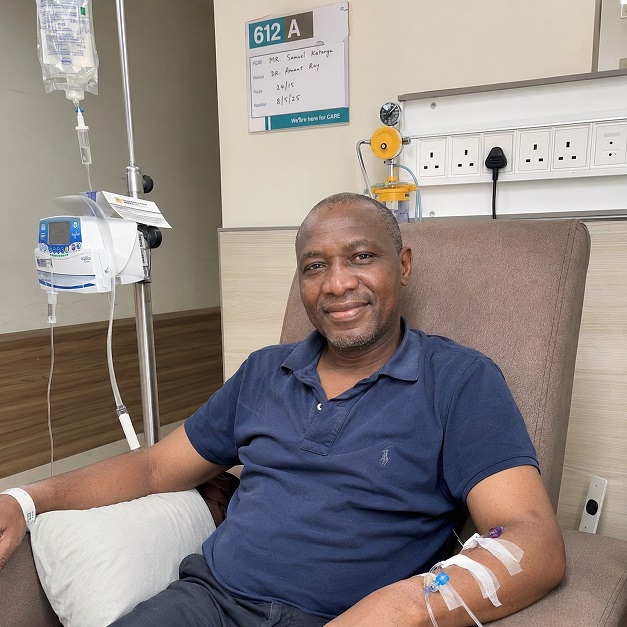
Patient Testimonials from Congo

Ready to Take the First Step?
Share your medical reports with our healthcare managers today and receive a FREE CONSULTATION, a personalized treatment plan and complete support from your arrival to your recovery.
Get Your Free ConsultationAreas We Serve
At Indian Health Guru Consultants, we proudly assist patients from Congo and neighboring countries across Central, East and Southern Africa who travel to India for advanced medical treatment. Our experienced international patient team provides end-to-end support, including medical opinions, hospital selection, Medical Visa assistance, travel planning, accommodation, interpreter services and post-treatment follow-up.
We regularly serve patients from:
- Gabon
- Cameroon
- Angola
- Uganda
- Rwanda
- Burundi
- Tanzania
- Zambia
- Djibouti
- Comoros
- Madagascar
- Seychelles
- South Sudan
- Central African Republic
- Republic of the Congo
- Democratic Republic of the Congo
No matter where you are located in the region, Indian Health Guru Consultants is committed to making your medical journey to India safe, affordable, seamless and completely patient-focused.
From Congo to India: Your Complete Patient Guide
- Brain Tumor Surgery in India for Congolese Patients
- Best Brain Tumour Surgeons & Hospitals in India for Congo Patients
- Knee Replacement in India for Congolese Patients
- Best Knee Replacement Surgeons & Hospitals in India for Congolese Patients
- Spine Surgery in India for Congolese Patients
- Best Spine Surgeons & Hospitals in India for Congolese Patients
- Liver Transplant in India for Congolese Patients: Cost & Guide
- Best Liver Transplant Centres and Hospitals in India for Congolese Patients
- Cardiac Surgery in India for Congolese Patients: Cost & Guide
- Best Cardiac Surgeons & Hospitals in India for Congolese Patients
- Bone Marrow Transplant in India for Congolese Patients: Cost & Guide
- Best Bone Marrow Transplant Centres and Hospitals in India for Congolese Patients
- Prostate Cancer Treatment in India for Congolese Patients: Cost & Guide
- Best Prostate Cancer Centres and Hospitals in India for Congolese Patients
- HIPEC in India for Congolese Patients: Cost & Treatment Guide
- Best HIPEC Centres and Hospitals in India for Congolese Patients
- Kidney Transplant in India for Congolese Patients: Cost & Guide
- Best Kidney Transplant Centres and Hospitals in India for Congolese Patients