

Selecting the Best Scoliosis Surgeons and Hospitals in India — A Congolese Patient's Guide
A practical guide for Congolese patients comparing scoliosis surgeons and hospitals in India based on curve severity, deformity expertise, neuromonitoring, staged surgery and follow-up.
Because scoliosis so often presents late in the DRC, a Congolese patient is statistically more likely to need a surgeon genuinely comfortable with severe, rigid curves than a milder, more straightforward case. In 24 years of guiding families through this decision, I have seen how much this specific experience matters — a surgeon skilled with moderate curves is not automatically the right choice for a curve exceeding 90 degrees. This guide sets out, plainly, how to judge both the surgeon and the hospital behind a scoliosis correction programme.
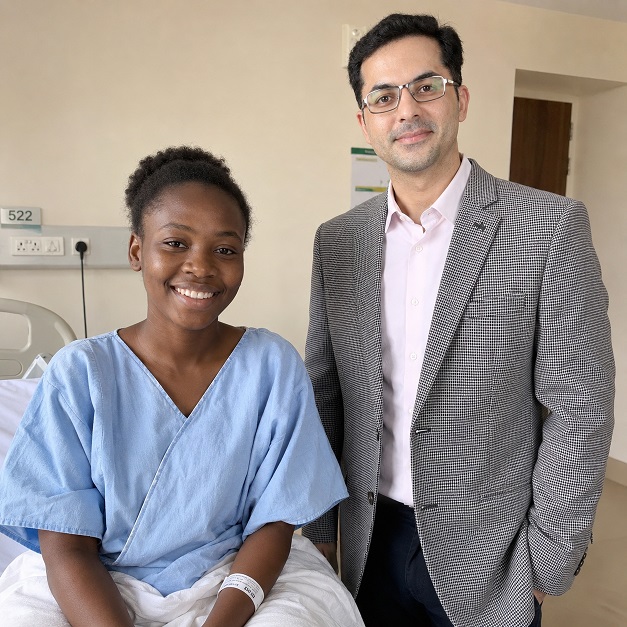
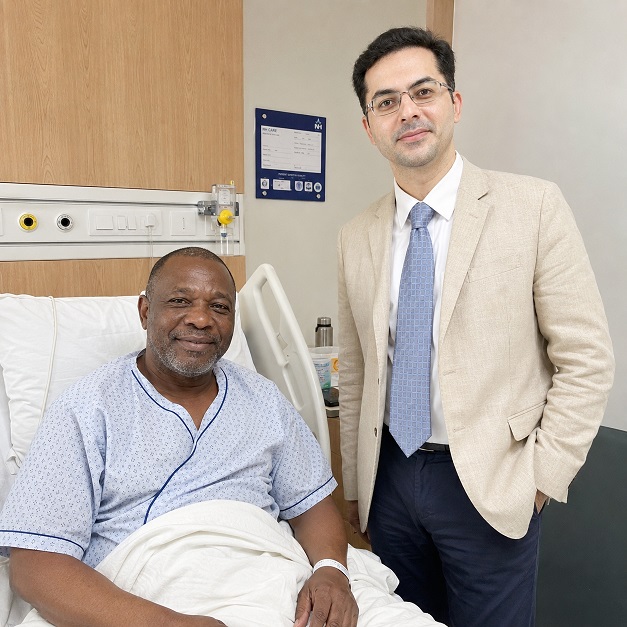
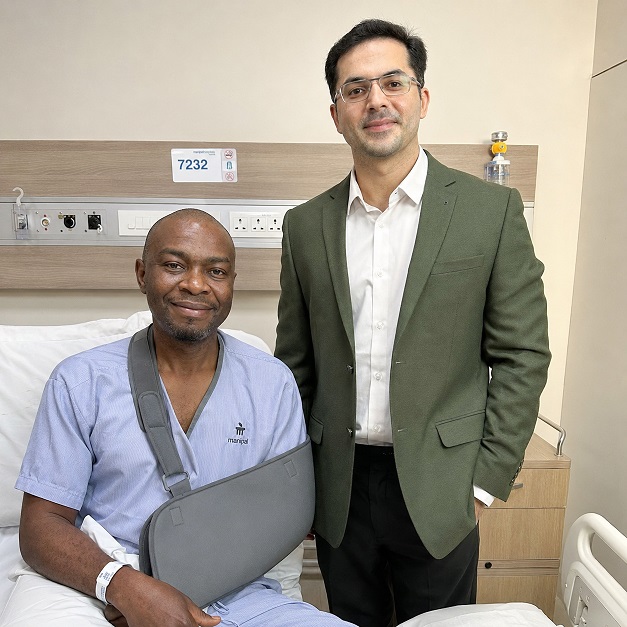
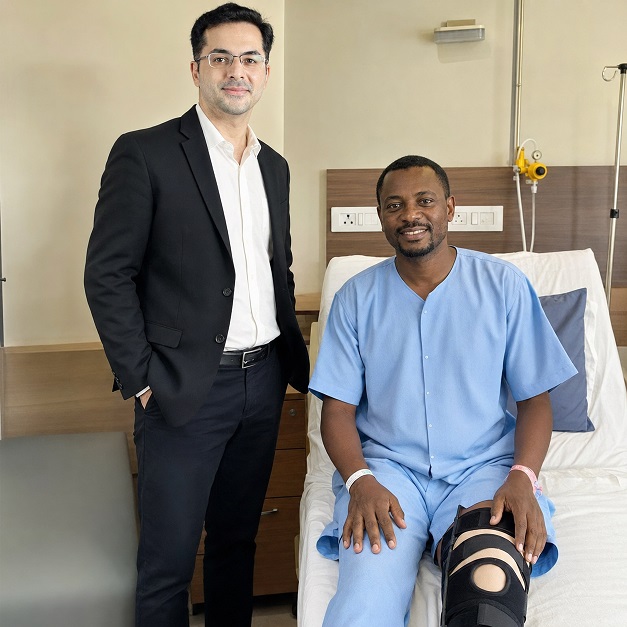
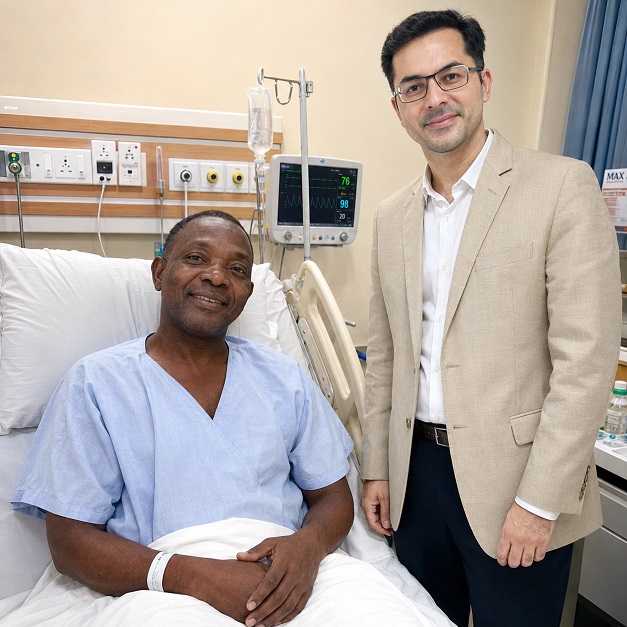
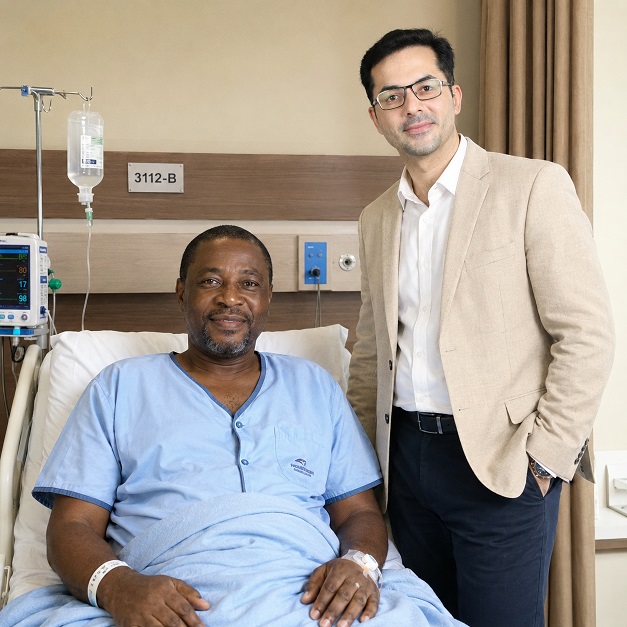
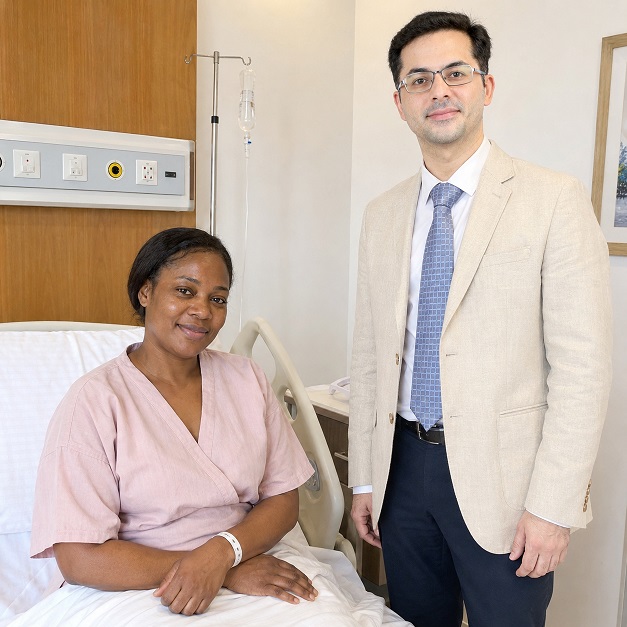
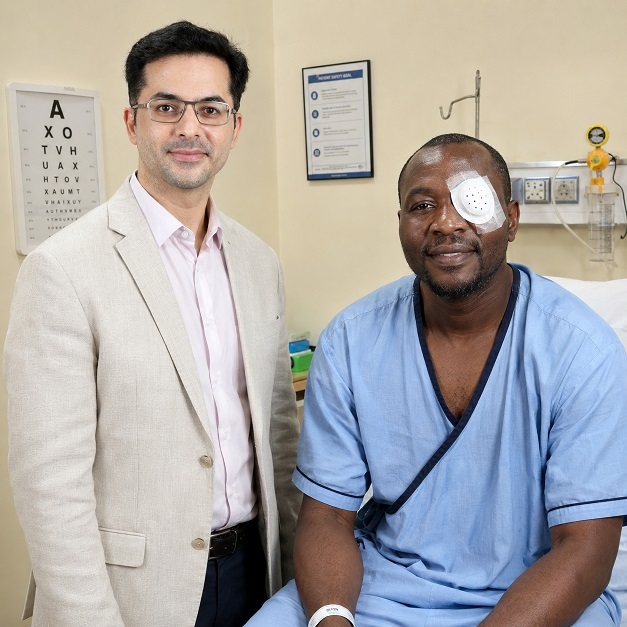
Healing Journeys of Congolese Patients
Key Takeaways
- The guide explains that curve severity should determine the type of scoliosis expertise a patient seeks. Curves under 40 degrees may still respond to bracing, curves between 40 and 70 degrees commonly require fusion, while curves exceeding 70–90 degrees, particularly when rigid, may require complex deformity-correction techniques. The guide recommends obtaining the exact Cobb angle before comparing surgeons.
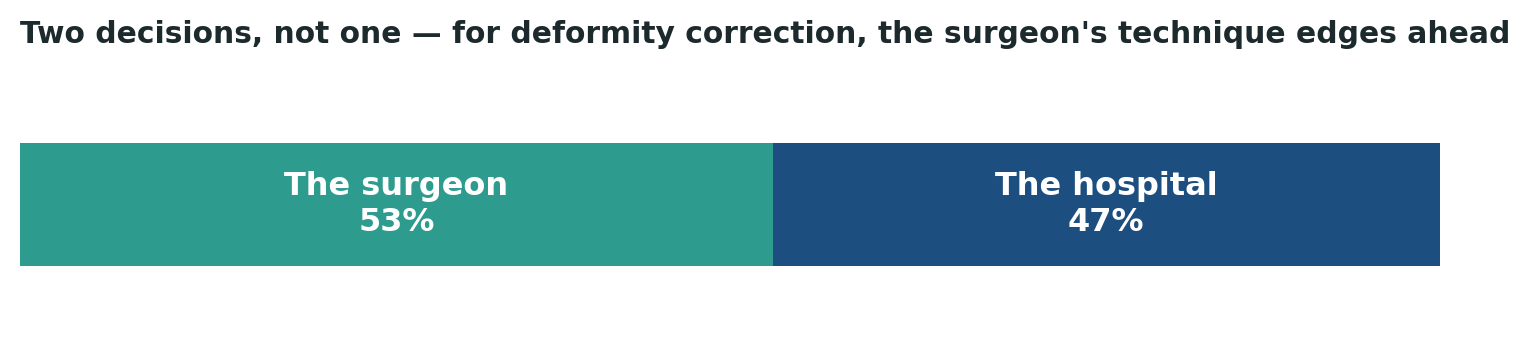
- The page 1 graphic gives 53% weight to the surgeon and 47% to the hospital, reflecting the importance of specialist technique in severe and complex deformity correction. The guide recommends choosing a surgeon with documented experience in severe or rigid curves rather than relying on general spine-surgery experience.
- The guide recommends a named, fellowship-trained spine deformity specialist, scoliosis-specific case volume during the previous 12 months and an honest assessment of achievable correction. For very severe curves, the surgeon may need experience with osteotomies, vertebral-column procedures and staged operations.
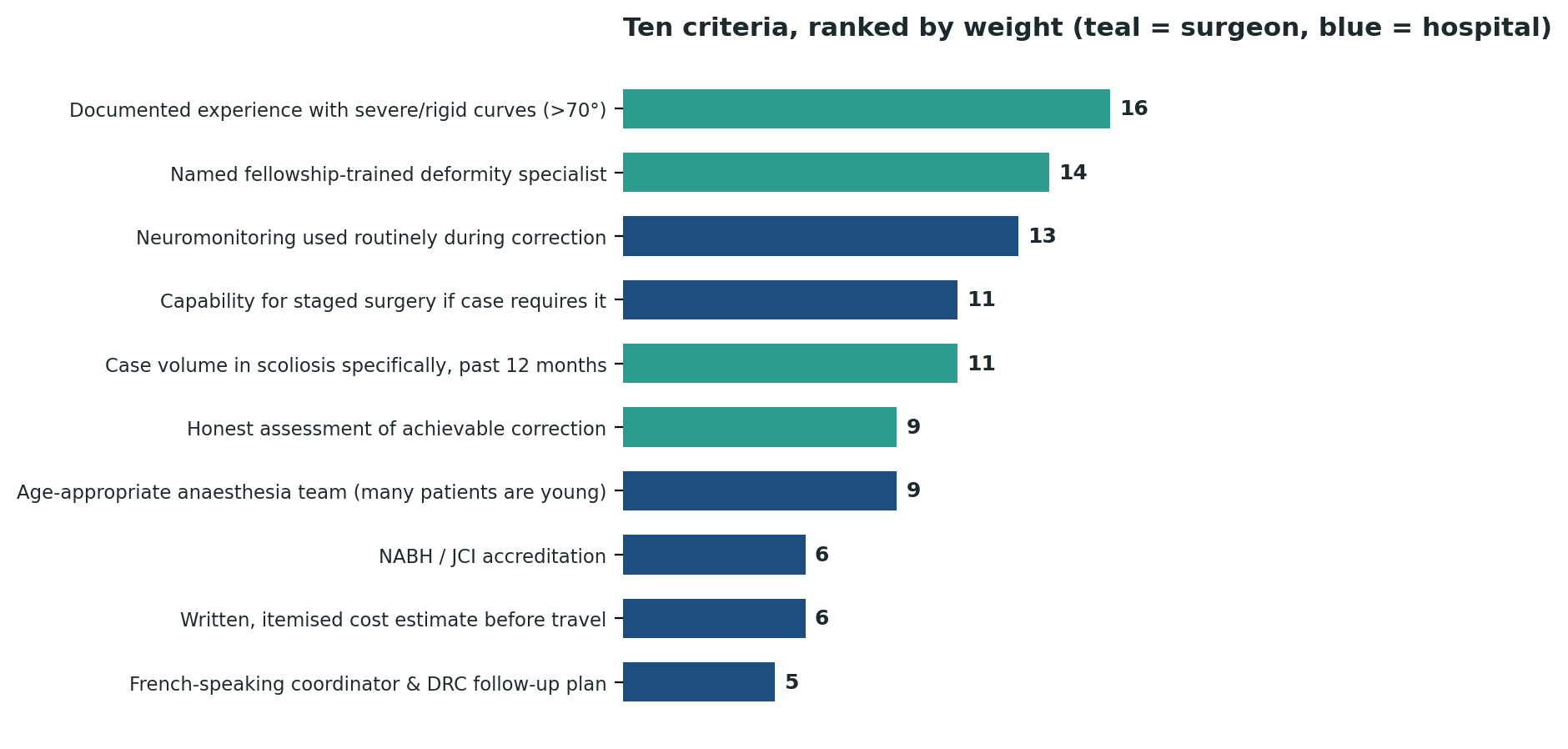
- The page 3 criteria chart ranks documented experience with severe or rigid curves above 70 degrees highest at 16 points, followed by a named fellowship-trained deformity specialist at 14, routine neuromonitoring at 13, staged-surgery capability and scoliosis-specific case volume at 11 each. Honest correction assessment and age-appropriate anaesthesia each score 9 points.
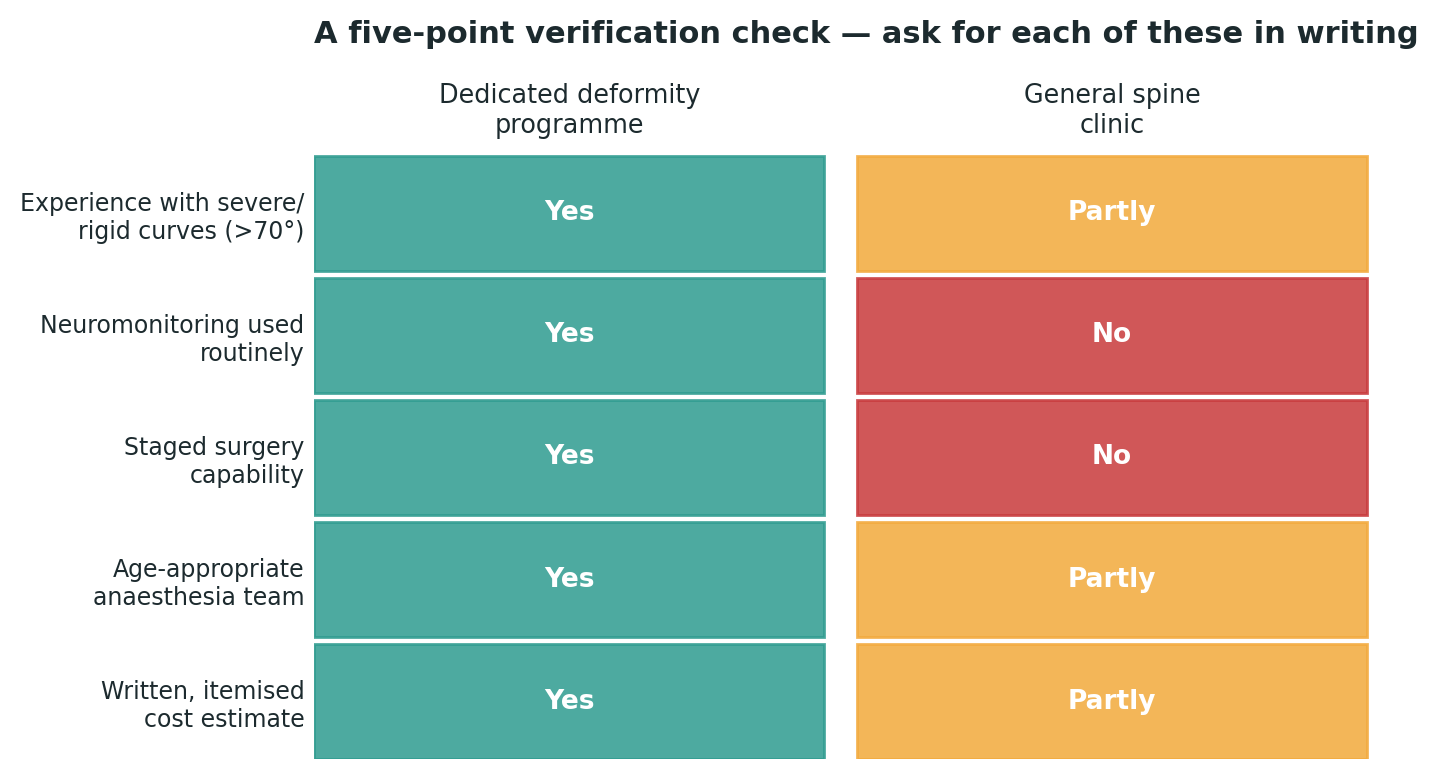
- Hospital assessment focuses on routine neuromonitoring, staged-surgery capability, age-appropriate anaesthesia, NABH or JCI accreditation and a written itemised quotation. The page 3 verification chart contrasts a dedicated deformity programme with a general spine clinic and shows that neuromonitoring, staged surgery and age-appropriate anaesthesia should be confirmed in writing.
- The guide places strong emphasis on cost transparency, because the final number of vertebral levels requiring fusion may become clearer after complete imaging is reviewed by the operating surgeon. Patients should therefore confirm every line item, including possible second-stage surgery, before paying a deposit and maintain a 15–20% financial buffer.
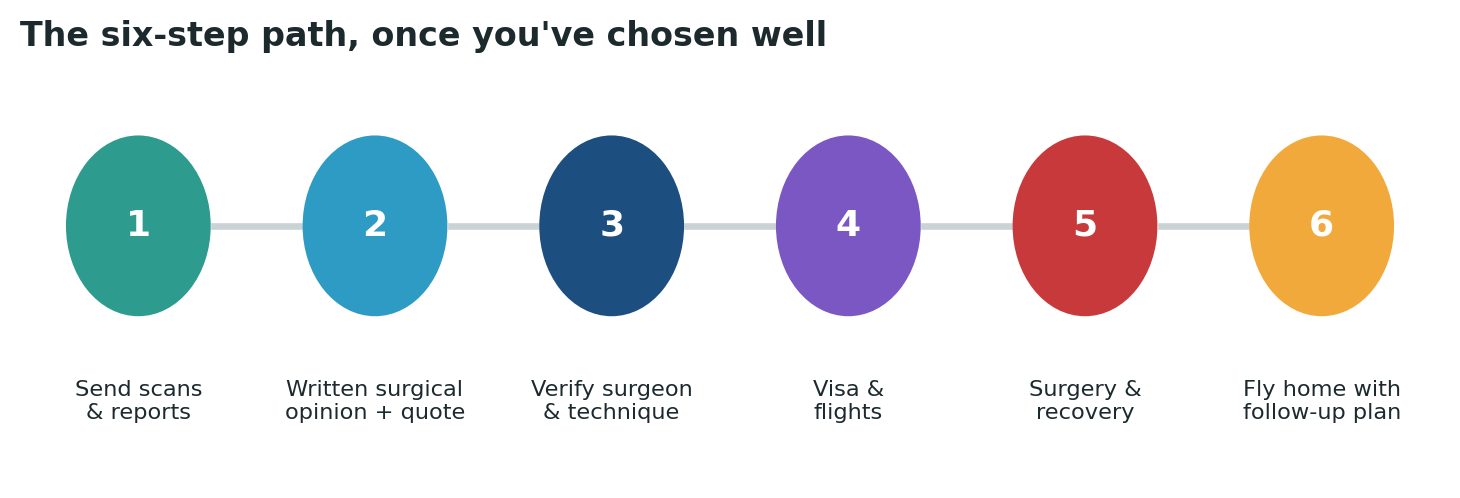
- For Congolese patients, the guide recommends sending actual scan files rather than typed reports, confirming the Cobb angle, arranging the paper medical and attendant visas early, carrying a current yellow-fever certificate and planning connecting flights from Kinshasa. The six-step pathway on page 4 covers scan review, written surgical opinion and quotation, surgeon verification, travel arrangements, surgery and recovery, followed by return home with a follow-up plan.
Quick Facts
- Author
- Dr. Dheeraj Bojwani
- Experience
- 24+ Years
- Treatment
- Scoliosis Surgery
- Patients
- Congolese Patients
- Key Specialist
- Fellowship-Trained Spine Deformity Specialist
- Decision Weighting
- Surgeon 53% / Hospital 47%
- First Step
- Confirm the Cobb angle and curve severity
- Severe Curve
- Above 70° requires specific deformity-correction experience
- Surgeon Check
- Severe/rigid curve experience and scoliosis-specific case volume
- Qualification
- Spine deformity/scoliosis fellowship training
- Correction Planning
- Realistic assessment of achievable correction
- Neuromonitoring
- Routine use during complex correction
- Staged Surgery
- Capability when required
- Anaesthesia
- Age-appropriate anaesthesia team
- Accreditation
- NABH or JCI
- Cost Check
- Written, itemised estimate including possible additional stages
- Financial Buffer
- 15–20% above written estimate
- Imaging
- Actual scan files
- Visa
- Paper medical visa and attendant visa
- Follow-Up
- Planned care after returning home
- Key Warning
- Avoid promises of full correction regardless of curve severity
- Decision Principle
- Choose a deformity specialist and hospital equipped for the actual severity of the scoliosis.
In Brief
For Congolese patients considering scoliosis surgery in India, the guide recommends matching the surgeon to the severity and rigidity of the spinal curve, especially when the Cobb angle exceeds 70 degrees. Patients should verify fellowship-trained deformity expertise, scoliosis-specific case volume, routine neuromonitoring, staged-surgery capability, age-appropriate anaesthesia, transparent costs and a clear follow-up plan before travelling.
First, Understand What Category Your Case Falls Into
Curve severity changes everything about what to look for in a surgeon. A curve under 40 degrees may still respond to bracing; a curve between 40 and 70 degrees typically needs standard fusion surgery; a curve exceeding 70 to 90 degrees, especially if rigid, needs a surgeon and hospital with specific experience in more extensive deformity correction techniques. Ask for your curve's Cobb angle in degrees, specifically, before comparing surgeons — it is the single number that most determines what kind of expertise your case actually requires.
This matters more for a Congolese patient than it might elsewhere, given how much later curves are typically caught without a screening system. A significant share of patients seeking surgery from the DRC will fall into the more severe category, and choosing a surgeon accordingly is not overcaution — it reflects the statistical reality of how the diagnosis usually arrives.
Two Decisions, Not One
Choosing well depends on two things: the surgeon's own technique and experience with deformity correction, and the hospital's genuine capability to support a longer, more complex operation if your case requires it. For scoliosis specifically, and especially for the more severe curves common in the DRC, the surgeon's specific technique weighs slightly more heavily than for most other spine conditions, though the hospital's neuromonitoring and staged-surgery capability still matter considerably.
Part One: Choosing the Surgeon
These four points matter more for a Congolese patient than they would for one whose curve was caught through routine screening.
- Documented experience with severe or rigid curves, above 70 degrees, if that describes your case — ask specifically, since this is a genuinely different skill set from moderate-curve correction.
- A named, fellowship-trained spine deformity specialist — not a general spine surgeon who occasionally takes on scoliosis cases.
- Case volume in scoliosis specifically, in the last 12 months — general spine surgery volume does not indicate deformity-specific experience.
- An honest assessment of achievable correction — a good specialist will explain realistically how much correction your specific curve can achieve, rather than promising a fully straight spine regardless of severity.
| Stage | What it means |
|---|---|
| MBBS | Basic medical degree — the entry point, not evidence of deformity-correction skill on its own. |
| MS (Orthopaedics) or MCh/DNB (Neurosurgery) | The base surgical qualification — scoliosis surgery is practised from both training pathways. |
| Fellowship in Spine Deformity / Scoliosis Surgery | An additional one to two years focused specifically on complex spinal deformity — the credential that actually confirms experience with severe and rigid curves, distinct from general spine training. |
A surgeon can be genuinely skilled at standard spine surgery — discectomies, straightforward fusions — without holding the specific technique needed for a curve exceeding 90 degrees, which often requires osteotomies, vertebral column procedures, and sometimes staged operations. The fellowship line on this ladder is where that distinction becomes verifiable, and it is worth confirming directly given how much this affects outcomes for the more complex cases common among Congolese patients.
Part Two: Verifying the Hospital
- Neuromonitoring used routinely during correction, protecting the spinal cord during the more extensive manipulation severe curves require.
- Capability for staged surgery, if your case turns out to need it — some very severe curves are corrected across more than one operation.
- An age-appropriate anaesthesia team, since many scoliosis patients are children or adolescents, requiring paediatric-specific anaesthesia expertise.
- NABH accreditation in India, or JCI internationally, auditing patient safety and clinical governance in depth.
- A written, itemised cost estimate that explains how it might change if your case proves more complex than initial imaging suggested.
What the quote doesn't always show
In 24 years of reviewing these estimates, I have found the disputes almost never concern the headline number — they concern what it silently left out: an assumed level count that turns out too low once full imaging is complete, or a second-stage surgery not costed in advance. Get every line item in writing before paying any deposit, and never pay the full balance before surgery.
This point deserves particular weight for scoliosis specifically, since the exact number of vertebral levels that need fusing is sometimes only fully clear once complete imaging has been reviewed by the operating surgeon, not the referring physician. A quote that assumes a lower level count than your case ultimately needs is not necessarily dishonest — but it should be revisited, in writing, the moment fuller imaging changes the picture.
What a Congolese Patient Should Weigh in Particular
Beyond verifying the surgeon and hospital, a handful of practical realities specific to travelling from the DRC deserve their own attention, and are worth settling well before booking any flights.
Send scan files, not just typed reports, to every centre being compared — a real, comparable opinion depends on the actual imaging and precise Cobb angle measurement, not a summary paragraph.
Currency and budget. The Congolese franc has weakened considerably against the dollar (roughly CDF 2,300–2,350 per US$1 in mid-2026, and it moves), and Indian hospitals quote and expect payment in dollars; budget with a 15–20% margin above the written estimate.
Visa timing. DRC passport holders need a paper medical visa, not an e-visa, through the Embassy of India in Kinshasa (Avenue Batetela, Gombe), typically around two weeks once the hospital's invitation letter is ready; apply for the attendant visa in the same batch.
Yellow fever certificate, current and dated at least 10 days before travel — the DRC is yellow fever-endemic and India requires proof at entry.
No direct flight. Ethiopian Airlines via Addis Ababa is the most frequent route from Kinshasa; Kenya Airways, Air France, and Qatar Airways offer workable alternatives, at roughly 16 to 20 hours total.
Four signals that should make you pause
- No documented experience with severe or rigid curves, if that describes your case.
- A promise of full correction regardless of curve severity.
- No mention of neuromonitoring for a complex correction.
- Pressure to pay the full balance before a written surgical plan exists.
| Ask the surgeon | Ask the hospital |
|---|---|
| How many curves over 70 degrees have you corrected this year? | Is neuromonitoring used routinely for deformity cases? |
| What correction is realistically achievable for my curve? | Do you have paediatric-specific anaesthesia expertise? |
| Who coordinates my follow-up care once I'm home? |
Would my case need staged surgery?
Send these two short lists in writing, by email, before agreeing to travel. A programme genuinely experienced with severe curves will answer both directly and specifically; one that responds only with general reassurance is telling you something too.
A closing word
Because so many Congolese patients present with more severe curves than a screened population would, verifying genuine deformity-specific experience matters more here than in almost any other category in this series. A named, fellowship-trained specialist with documented severe-curve experience, backed by a hospital with neuromonitoring and staged-surgery capability, is the baseline worth insisting on, and no programme confident in its own capability will hesitate to demonstrate it. If you can share your scans and any quotes you've already received, I am glad to review them honestly, including telling you if a proposed surgeon or hospital does not look like the right match for the specific severity of your case.
Sources
- 🌐 National Medical Commission of India — verify any surgeon's registration · nmc.org.in
- 🌐 National Accreditation Board for Hospitals & Healthcare Providers (NABH) · nabh.co
- 🌐 Embassy of India, Kinshasa — medical visa requirements · eoikinshasa.gov.in
- 🌐 "The Adolescent Idiopathic Scoliosis International Disease Severity Study," Spine Deformity · sciencedirect.com/science/article/abs/pii/S2212134X19300668
- 🌐 World Health Organization — yellow fever vaccination requirements · who.int/health-topics/yellow-fever
Frequently Asked Questions by Congolese Patients about Selecting the Best Scoliosis Surgeons and Hospitals in India
Why is the Cobb angle important?
The guide identifies the Cobb angle as the single number that most determines the type of scoliosis expertise required. More severe curves can require more complex deformity-correction techniques.
How are the surgeon and hospital weighted?
The page 1 graphic assigns 53% to the surgeon and 47% to the hospital, giving slightly greater importance to the surgeon's deformity-correction technique and experience.
What type of surgeon should I choose for severe scoliosis?
The guide recommends a named, fellowship-trained spine deformity/scoliosis specialist with documented experience treating severe and rigid curves.
How should I check the surgeon's experience?
Ask how many scoliosis cases, particularly curves above 70 degrees, the surgeon has corrected during the previous 12 months. General spine-surgery volume does not establish deformity-specific expertise.
Should the surgeon promise a completely straight spine?
No. The guide considers an honest assessment of achievable correction an important selection criterion. A promise of full correction regardless of curve severity is identified as a warning sign.
Why is neuromonitoring important?
Severe scoliosis correction can involve extensive spinal manipulation. The guide recommends routine neuromonitoring to help protect the spinal cord during complex deformity correction.
When might staged surgery be required?
Some very severe curves may require more than one operation, so patients should confirm whether the hospital has the capability to perform staged correction if the surgeon determines it is necessary.
What should the quotation include?
The written estimate should explain the expected fusion levels and how the cost could change if fuller imaging identifies additional levels or a second-stage operation becomes necessary.
What should Congolese patients send before travelling?
Send actual scan files rather than only typed reports, allowing the operating team to assess the Cobb angle, curve rigidity and likely treatment requirements accurately.
What are the main warning signs?
Pause if there is no documented severe-curve experience, a promise of complete correction regardless of severity, no mention of neuromonitoring for a complex correction or pressure to pay the full balance before a written surgical plan exists.
Page Summary
This guide helps Congolese patients select scoliosis surgeons and hospitals in India by focusing first on curve severity and then on specialist and hospital capability. The page 1 graphic assigns 53% to the surgeon and 47% to the hospital, while the page 3 criteria chart gives the greatest weight to severe/rigid-curve experience, fellowship-trained deformity expertise, neuromonitoring and staged-surgery capability. The page 4 pathway adds practical guidance on imaging, quotations, visas, travel, surgery and follow-up.
Citation Block
| Field | Information |
|---|---|
| Topic | Selecting Scoliosis Surgeons and Hospitals in India for Congolese Patients |
| Treatment | Scoliosis Surgery / Spinal Deformity Correction |
| Patients | Congolese Patients |
| Key Specialist | Fellowship-Trained Spine Deformity Specialist |
| Decision Weighting | Surgeon 53% / Hospital 47% |
| First Assessment | Cobb angle and curve severity |
| Severe Curves | Above 70°, particularly rigid curves |
| Surgeon Criteria | Severe-curve experience, fellowship and scoliosis-specific volume |
| Correction Planning | Realistic achievable correction |
| Complex Techniques | Osteotomies, vertebral-column procedures and staged surgery where required |
| Neuromonitoring | Routine during complex deformity correction |
| Staged Surgery | Hospital capability when clinically required |
| Anaesthesia | Age-appropriate anaesthesia |
| Accreditation | NABH or JCI |
| Cost Transparency | Written, itemised estimate and possible additional stages |
| Imaging | Actual scan files |
| Financial Planning | 15–20% buffer above written estimate |
| Visa | Paper medical visa and attendant visa |
| Entry Requirement | Current yellow-fever certificate |
| Travel | Connecting flights from Kinshasa |
| Follow-Up | Planned care after returning home |
| Warning Signs | No severe-curve experience, promise of full correction or no neuromonitoring |
| Key Decision | Match deformity expertise and hospital capability to the actual curve severity |

Our Mission Statement
Our mission is to place patients at the centre of every healthcare decision by providing trustworthy, evidence-based, and unbiased medical information. We believe that informed patients make better decisions. Backed by personalised guidance from our experienced advisory team, we help patients understand their treatment options, compare them objectively, and confidently choose the path that best suits their medical needs and personal circumstances.
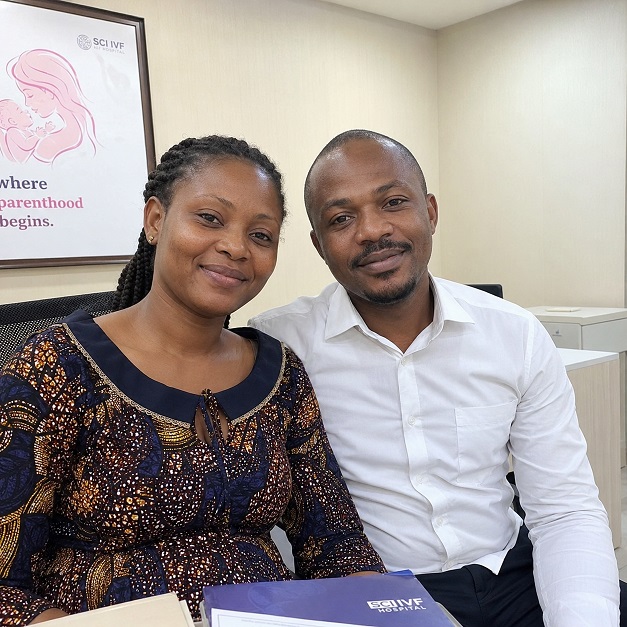
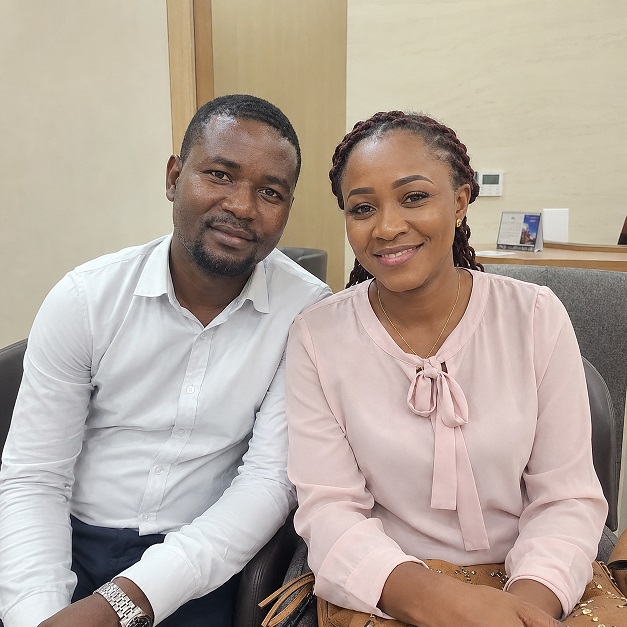
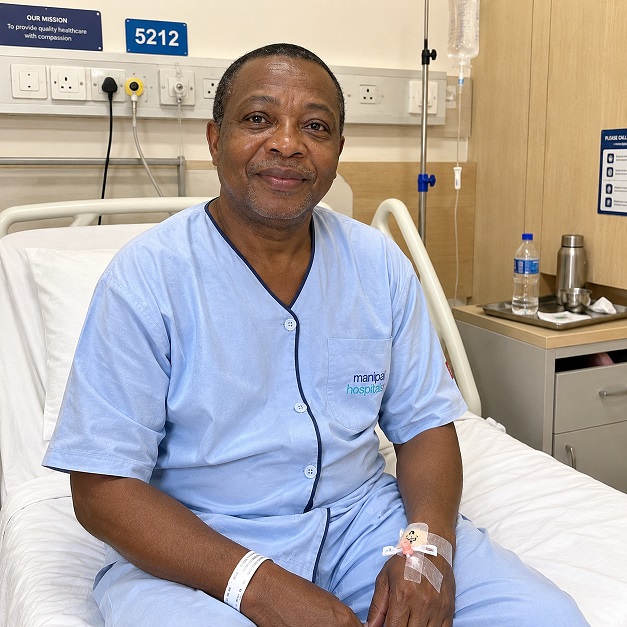
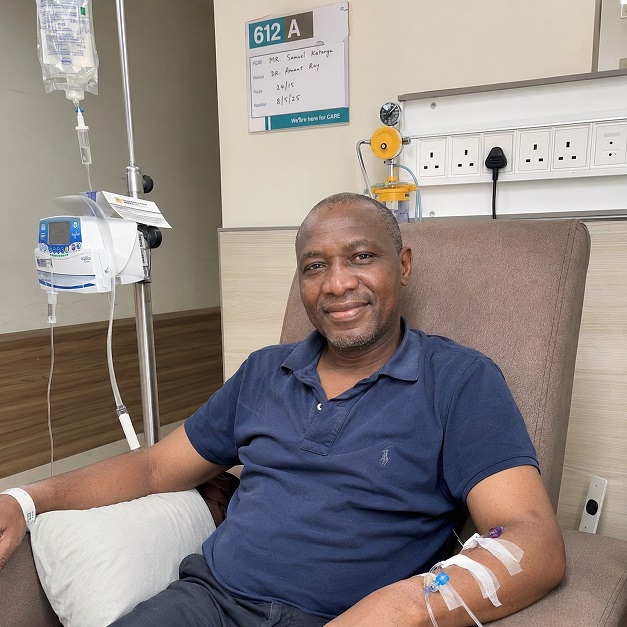
Patient Testimonials from Congo
Ready to Take the First Step?
Share your medical reports with our healthcare managers today and receive a FREE CONSULTATION, a personalized treatment plan and complete support from your arrival to your recovery.
Get Your Free ConsultationAreas We Serve
At Indian Health Guru Consultants, we proudly assist patients from Congo and neighboring countries across Central, East and Southern Africa who travel to India for advanced medical treatment. Our experienced international patient team provides end-to-end support, including medical opinions, hospital selection, Medical Visa assistance, travel planning, accommodation, interpreter services and post-treatment follow-up.
We regularly serve patients from:
- Gabon
- Cameroon
- Angola
- Uganda
- Rwanda
- Burundi
- Tanzania
- Zambia
- Djibouti
- Comoros
- Madagascar
- Seychelles
- South Sudan
- Central African Republic
- Republic of the Congo
- Democratic Republic of the Congo
No matter where you are located in the region, Indian Health Guru Consultants is committed to making your medical journey to India safe, affordable, seamless and completely patient-focused.
From Congo to India: Your Complete Patient Guide
- Brain Tumor Surgery in India for Congolese Patients
- Best Brain Tumour Surgeons & Hospitals in India for Congo Patients
- Knee Replacement in India for Congolese Patients
- Best Knee Replacement Surgeons & Hospitals in India for Congolese Patients
- Spine Surgery in India for Congolese Patients
- Best Spine Surgeons & Hospitals in India for Congolese Patients
- Liver Transplant in India for Congolese Patients: Cost & Guide
- Best Liver Transplant Centres and Hospitals in India for Congolese Patients
- Cardiac Surgery in India for Congolese Patients: Cost & Guide
- Best Cardiac Surgeons & Hospitals in India for Congolese Patients
- Bone Marrow Transplant in India for Congolese Patients: Cost & Guide
- Best Bone Marrow Transplant Centres and Hospitals in India for Congolese Patients
- Prostate Cancer Treatment in India for Congolese Patients: Cost & Guide
- Best Prostate Cancer Centres and Hospitals in India for Congolese Patients
- HIPEC in India for Congolese Patients: Cost & Treatment Guide
- Best HIPEC Centres and Hospitals in India for Congolese Patients
- Kidney Transplant in India for Congolese Patients: Cost & Guide
- Best Kidney Transplant Centres and Hospitals in India for Congolese Patients