

Selecting the Best Leukaemia and Lymphoma Centres and Hospitals in India — A Congolese Patient's Guide
A practical guide covering specialist selection, complete treatment planning, maintenance therapy, costs, follow-up and travel preparation for Congolese patients.
Choosing a leukaemia or lymphoma centre is different from choosing a centre for most other cancers in this series, because so much of what determines a good outcome depends on structured support for completing a treatment course that often runs a year or more, not on a single procedure or operation. In 24 years of guiding patients through this exact decision, I have found that families sometimes focus entirely on the specialist's individual reputation, without asking how the centre helps ensure the full course is actually completed. This guide sets out, plainly, how to judge both. Given how directly treatment completion determines outcome for this specific group of cancers, this question deserves as much attention as choosing the specialist who will lead your care.
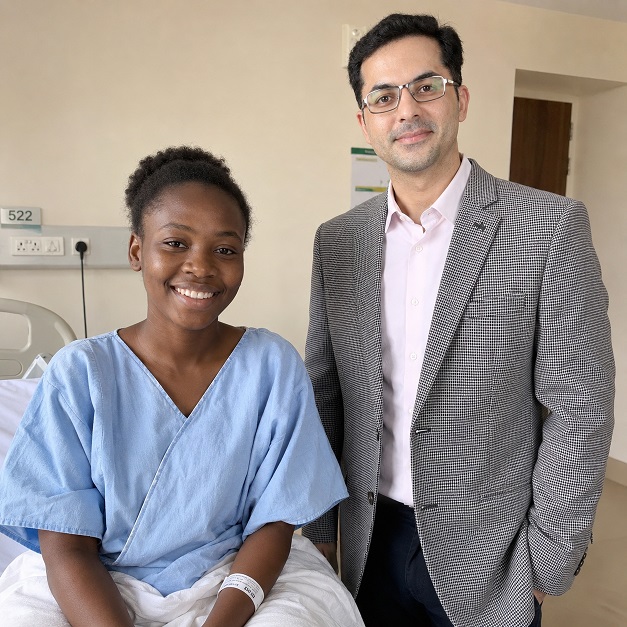
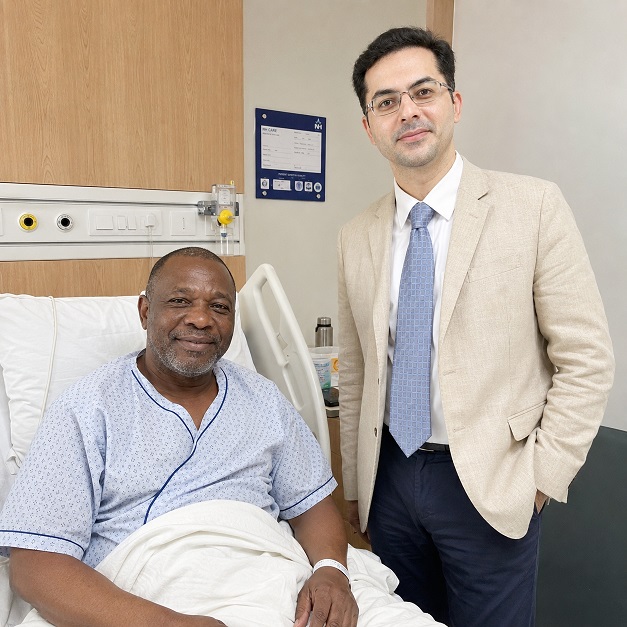
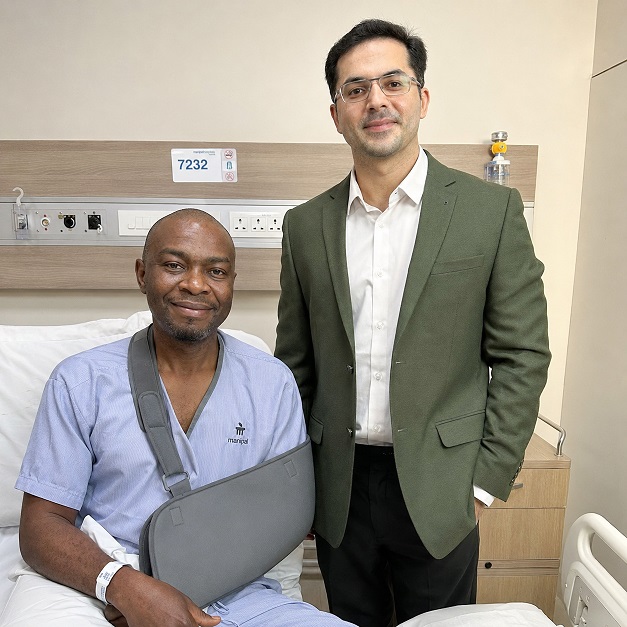
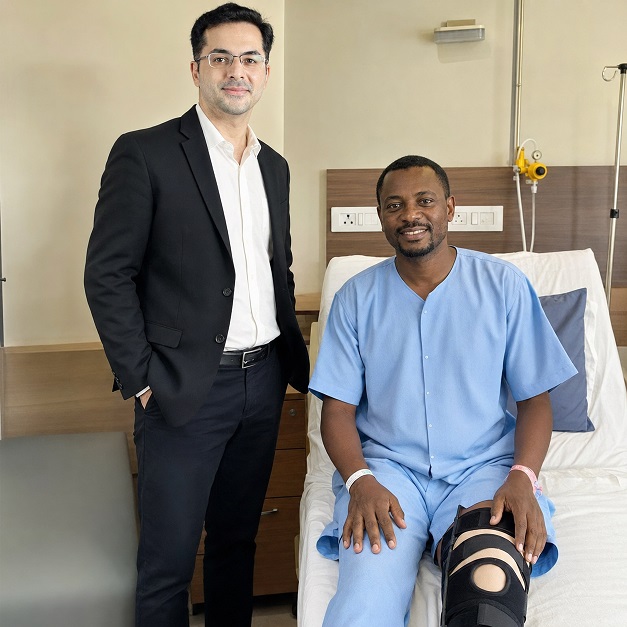
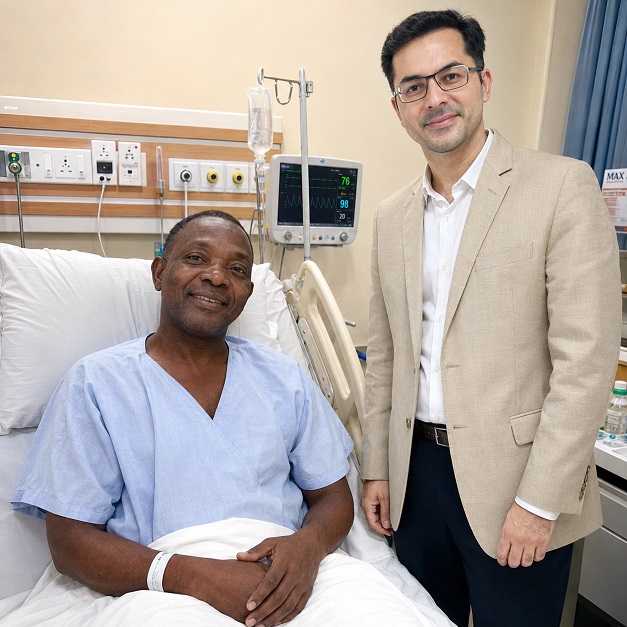
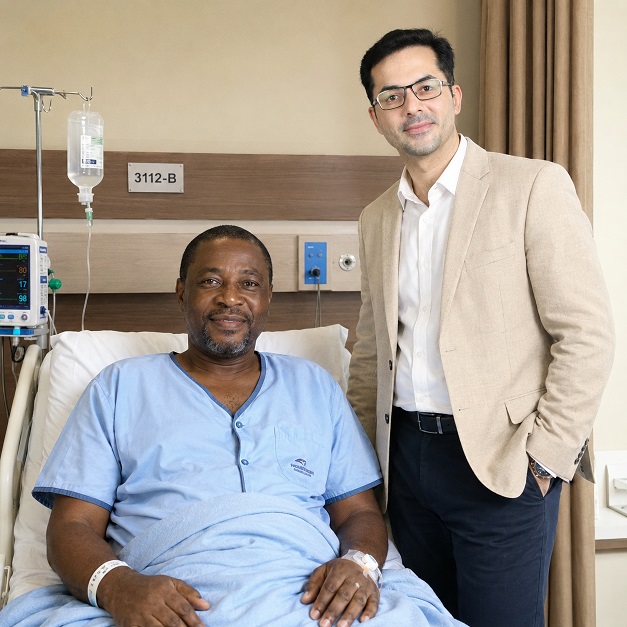
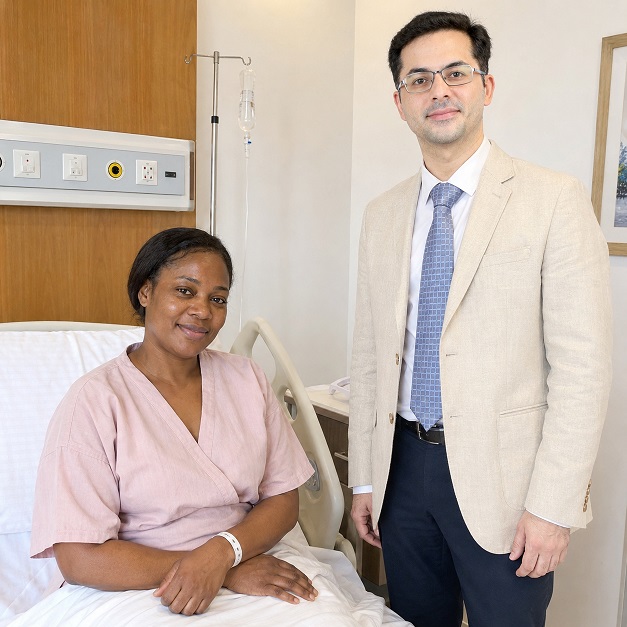
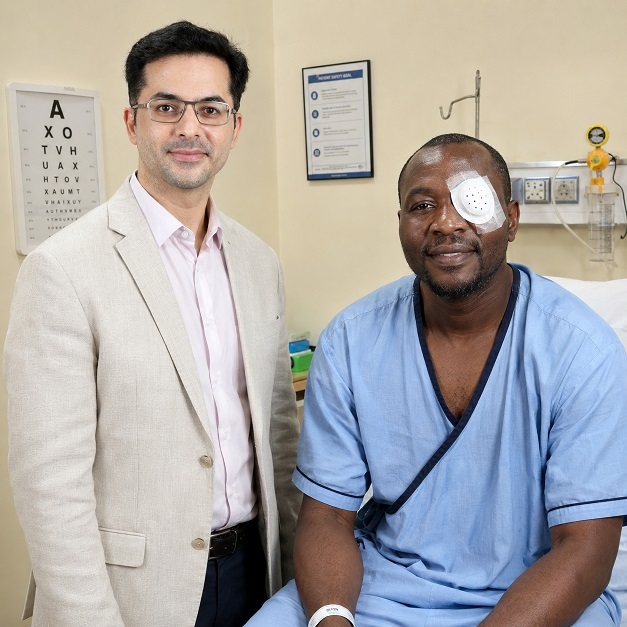
Healing Journeys of Congolese Patients
Key Takeaways
- The guide explains that leukaemia and lymphoma treatment depends heavily on completing the full treatment course, which may continue for one to three years. Patients should therefore assess how well the hospital can support treatment completion rather than focusing only on the specialist's reputation.
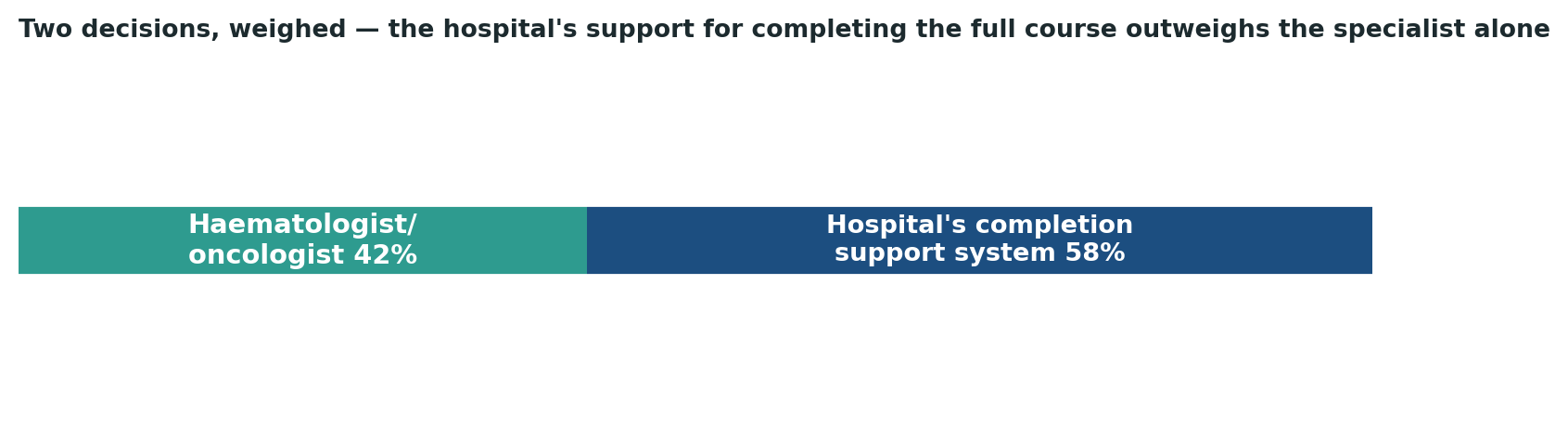
- The page 1 weighting graphic gives 42% importance to the haematologist/oncologist and 58% to the hospital's completion support system. This reflects the importance of coordinated care throughout induction, consolidation, maintenance and follow-up.
- The guide recommends choosing a named haematologist or oncologist with genuine case volume, ensuring a complete diagnostic workup including biopsy and blood tests, and obtaining an honest explanation of why every treatment phase needs to be completed even when symptoms improve.
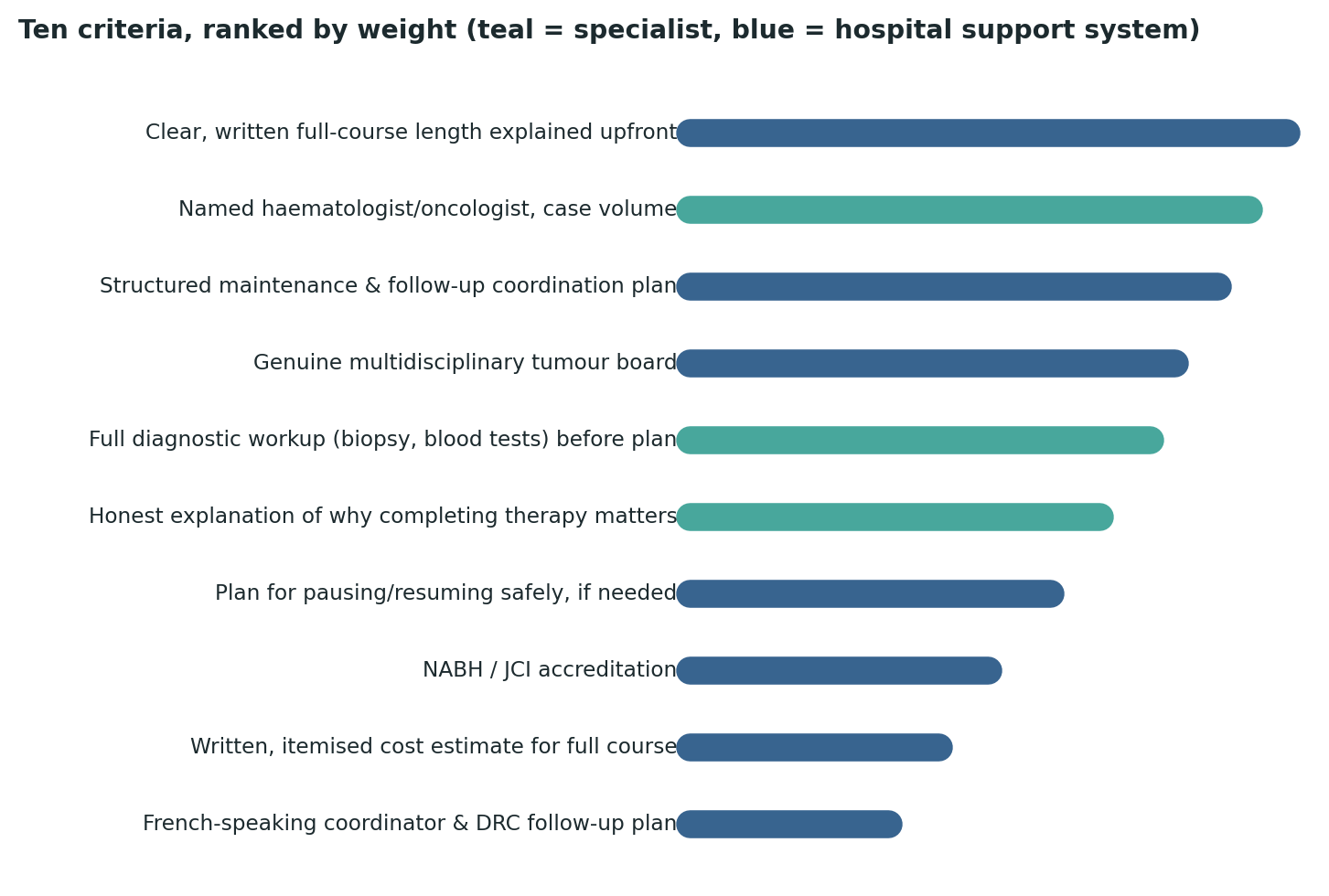
- The page 3 criteria chart places a clear written explanation of the full treatment length at the top, followed by specialist case volume, structured maintenance and follow-up coordination, a multidisciplinary tumour board and complete diagnostic workup.
- The guide warns that treatment quotations may cover only the initial induction phase, while consolidation and maintenance costs are disclosed later. Patients should therefore obtain the expected full-course cost in writing and avoid paying the entire balance before treatment.
- For Congolese patients, the guide recommends sending actual pathology, biopsy and blood-test results, confirming how maintenance therapy will be coordinated after returning to the DRC, budgeting with a 15–20% margin, and arranging medical and attendant visas and current yellow-fever documentation.
- The guide identifies four warning signs: no clear full-course treatment duration, no structured home maintenance plan, no genuine diagnostic workup and pressure to pay the full balance before a complete written treatment plan exists.
Quick Facts
- Author
- Dr. Dheeraj Bojwani
- Experience
- 24+ Years
- Treatment
- Leukaemia & Lymphoma Treatment
- Patients
- Congolese Patients
- First Assessment
- Complete diagnostic workup
- Key Specialist
- Haematologist / Oncologist
- Decision Weighting
- Specialist 42% / Hospital Support 58%
- Treatment Duration
- Full course may extend 1–3 years
- Specialist Check
- Genuine blood-cancer case volume
- Hospital Check
- Full-course completion support
- Team
- Multidisciplinary tumour board
- Follow-Up
- Structured maintenance and DRC coordination
- Cost Check
- Written full-course estimate
- Financial Buffer
- 15–20%
- Medical Records
- Pathology, biopsy and blood tests
- Visa
- Paper medical and attendant visa
- Entry Requirement
- Current yellow-fever certificate
- Key Warning
- Avoid centres that cannot explain the complete treatment course
- Decision Principle
- Choose a centre capable of supporting the full treatment journey, not just the initial treatment phase.
In Brief
For Congolese patients seeking leukaemia or lymphoma treatment in India, the guide recommends verifying the specialist's experience while giving greater importance to the hospital's ability to support the complete treatment course. Full-course planning, maintenance coordination and follow-up should be established before travel.
First, Get a Clear, Written Picture of the Full Course
Before comparing centres, insist on a clear, written explanation of how long your specific treatment is expected to take from start to finish, not just the first phase. Leukaemia and lymphoma protocols often unfold over one to three years, and understanding this fully from the outset is the single most protective step against the treatment being interrupted partway through.
A centre confident in its own completion support will offer this explanation readily, often before you even ask. Reluctance to give a clear answer about the full course length is itself a useful signal about how seriously that centre takes the completion problem this group of cancers is genuinely prone to.
Two Decisions, Weighed
Choosing well depends on two things: the haematologist's or oncologist's own experience, and the hospital's genuine support system for completing a long course of treatment. For leukaemia and lymphoma specifically, this support system carries more weight than the specialist alone, because outcomes depend heavily on sustained treatment completion, not just on the quality of any single consultation or procedure.
Part One: Choosing the Haematologist or Oncologist
These three points matter more than a hospital's overall reputation or general marketing claims.
- A named haematologist or oncologist with genuine case volume — ask directly how many leukaemia or lymphoma patients they treat in a typical year.
- A full diagnostic workup, including biopsy and blood tests, before any treatment plan, since precise diagnosis determines the correct protocol.
- An honest explanation of why completing the full course matters, even once symptoms appear to improve early in treatment.
This last point deserves particular attention. Blood cancers often respond visibly and quickly to the first phase of treatment, which can create a false sense that the disease has already been dealt with. A specialist who takes time to explain, clearly and early, why consolidation and maintenance remain essential even after apparent improvement is doing genuine preventive work against the single biggest risk this group of cancers faces.
Part Two: Verifying the Hospital's Support System
This is the part most families cannot judge from a brochure alone, which is exactly why it needs direct, specific questions rather than general reassurance.
- A clear, written full-course length explained upfront, not discovered gradually as treatment progresses.
- A structured maintenance and follow-up coordination plan, including how care would continue once you return home to the DRC.
- A genuine multidisciplinary tumour board, where haematology, oncology, and other relevant specialists review your case together.
- A clear plan for pausing and safely resuming treatment, should a genuine interruption become necessary.
- NABH accreditation in India, or JCI internationally, auditing patient safety and clinical governance in depth.
What the quote doesn't always show
In 24 years of reviewing these estimates, I have found the disputes almost never concern the headline number — they concern what it silently left out: a quote covering only the first induction phase, with consolidation and maintenance costs disclosed only later. Get every line item for the full expected course in writing before paying any deposit, and never pay the full balance before treatment.
What a Congolese Patient Should Weigh in Particular
Beyond verifying the specialist and the hospital's support system, a handful of practical realities specific to travelling from the DRC deserve their own attention.
Send your actual pathology, biopsy, and blood test results, not just a description of symptoms, to every centre being compared.
Ask directly how maintenance therapy would be coordinated once you return home, since this phase often continues for a year or more.
Currency and budget. The Congolese franc has weakened considerably against the dollar (roughly CDF 2,300–2,350 per US$1 in mid-2026, and it moves); budget with a 15–20% margin above the written estimate.
Visa timing. DRC passport holders need a paper medical visa through the Embassy of India in Kinshasa (Avenue Batetela, Gombe), typically around two weeks once the hospital's invitation letter is ready; apply for the attendant visa in the same batch.
Yellow fever certificate, current and dated at least 10 days before travel.
Plan financially and logistically for the full course, not just the initial hospital stay, from the very beginning.
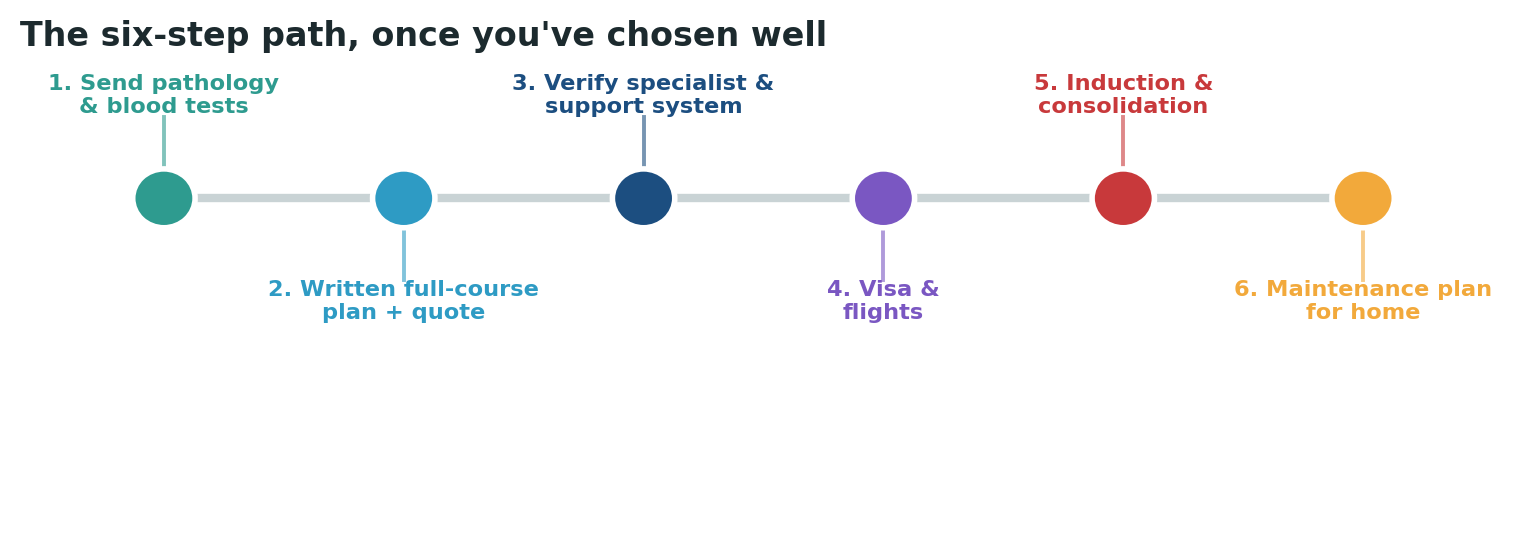
Four signals that should make you pause
- No clear, written explanation of the full expected treatment length from the first consultation.
- No structured plan for maintenance therapy coordination once you return home.
- No genuine diagnostic workup behind the treatment plan.
- Pressure to pay the full balance before a written, complete treatment plan exists.
| Ask the specialist | Ask the hospital |
|---|---|
| How many cases like mine do you treat yearly? | How is maintenance therapy coordinated once I'm home? |
| What's the full expected length of my treatment? | Do you have a multidisciplinary tumour board? |
| Why does completing every phase matter? | What's the plan if treatment needs to pause? |
Send these two short lists in writing, by email, before agreeing to travel. A centre genuinely equipped to support full-course completion will answer both directly and specifically; one without that structure may struggle to answer the follow-up-related questions at all.
A closing word
Leukaemia and lymphoma treatment succeeds as much on completing the full, multi-year course as on any single specialist's skill. A named, experienced haematologist backed by a hospital with a genuine, structured plan for completing and coordinating that full course is the baseline worth insisting on before any deposit is paid. If you can share your pathology and blood test results, I am glad to review them honestly, including telling you if a proposed centre's support system does not look sufficiently complete for your specific case.
Sources
- 🌐 National Medical Commission of India — verify any surgeon's registration · nmc.org.in
- 🌐 National Accreditation Board for Hospitals & Healthcare Providers (NABH) · nabh.co
- 🌐 Embassy of India, Kinshasa — medical visa requirements · eoikinshasa.gov.in
- 🌐 "Tackling childhood cancer in sub-Saharan Africa," The Lancet Child & Adolescent Health · thelancet.com
- 🌐 World Health Organization — yellow fever vaccination requirements · who.int/health-topics/yellow-fever
Frequently Asked Questions by Congolese Patients about Selecting the Best Leukaemia and Lymphoma Centres and Hospitals in India
Why is treatment completion so important?
Leukaemia and lymphoma treatment can continue for one to three years, and completing all planned phases is an important part of the treatment strategy.
How should patients assess the specialist?
Ask for the haematologist's or oncologist's genuine annual leukaemia or lymphoma case volume.
What diagnostic workup is recommended?
The guide recommends a complete diagnostic workup, including biopsy and blood tests, before finalising treatment.
Why is the hospital support system important?
Long treatment courses require maintenance coordination, follow-up and support for completing treatment, including after the patient returns home.
What should the treatment quotation include?
It should cover the full expected course, rather than only the initial induction phase.
What should be planned after returning to the DRC?
Patients should confirm how maintenance therapy and follow-up will be coordinated in the DRC.
How much financial buffer is recommended?
The guide recommends keeping a 15–20% margin above the written estimate.
What records should patients send?
Send pathology, biopsy and blood-test results to the centres being compared.
What travel documents are highlighted?
The guide highlights paper medical and attendant visas and a current yellow-fever certificate dated at least 10 days before travel.
What are the main warning signs?
Be cautious if there is no written treatment duration, no maintenance plan, no proper diagnostic workup or pressure to pay the full balance before a complete written plan.
Page Summary
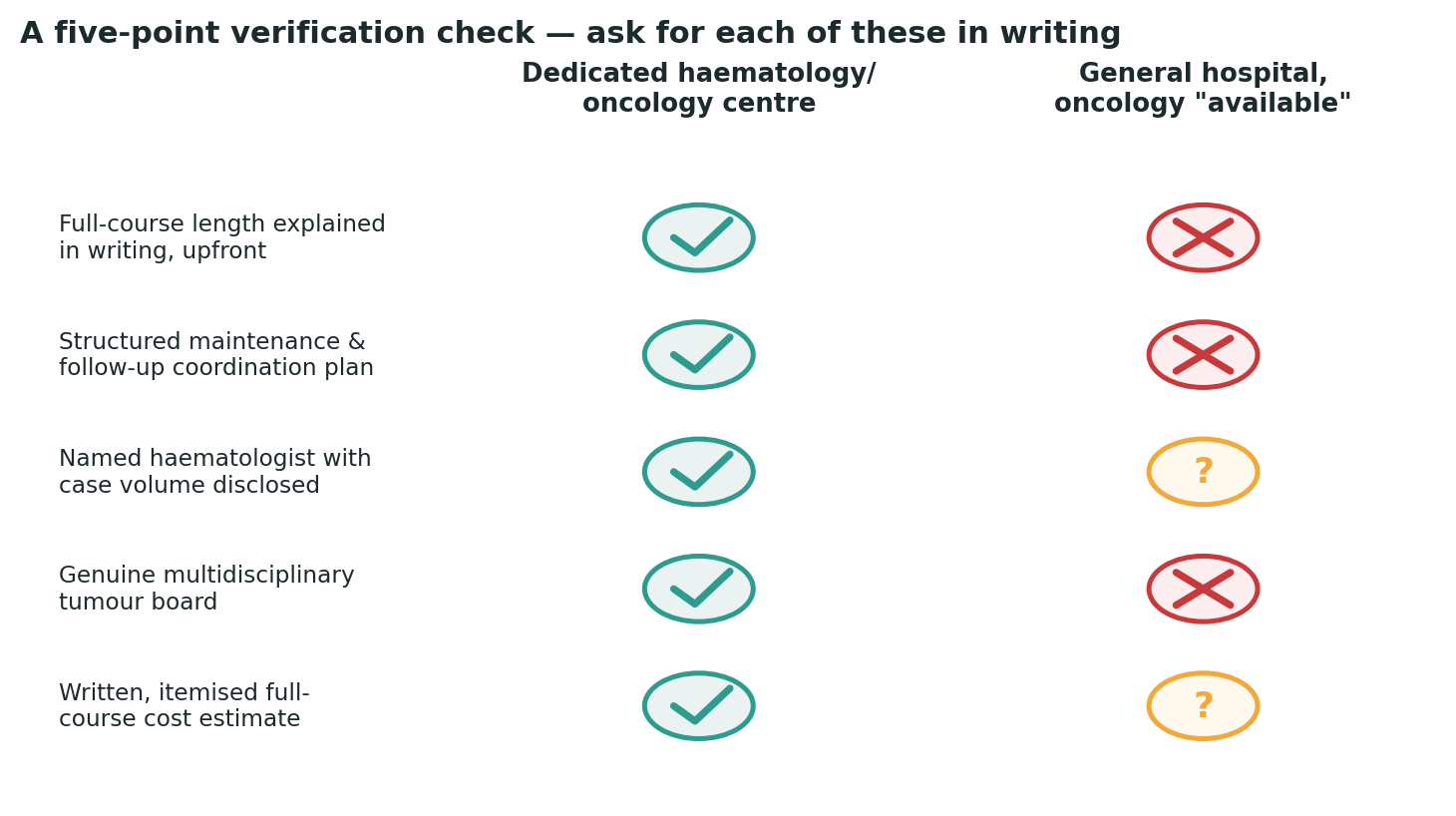
This five-page guide focuses on treatment completion as the central consideration when selecting a leukaemia or lymphoma centre. The page 1 graphic gives greater weight to hospital completion support, while page 3 ranks full-course planning, specialist experience and structured follow-up among the leading criteria. Page 4 highlights hidden costs, maintenance coordination and travel planning.
Citation Block
| Field | Information |
|---|---|
| Topic | Leukaemia & Lymphoma Treatment in India for Congolese Patients |
| Treatment | Leukaemia & Lymphoma Treatment |
| Patients | Congolese Patients |
| First Assessment | Biopsy, blood tests and complete diagnostic workup |
| Key Specialist | Haematologist / Oncologist |
| Decision Weighting | Specialist 42% / Hospital Support 58% |
| Treatment Duration | Often 1–3 years |
| Hospital Check | Full-course completion support |
| Team Check | Multidisciplinary tumour board |
| Follow-Up | Maintenance and DRC coordination |
| Cost Check | Full-course written estimate |
| Financial Buffer | 15–20% |
| Medical Records | Pathology, biopsy and blood tests |
| Visa | Medical and attendant visa |
| Warning Signs | No full-course plan, follow-up system, diagnostic workup or complete written treatment plan |
| Key Decision | Prioritise complete treatment-course support |


Our Mission Statement
Our mission is to place patients at the centre of every healthcare decision by providing trustworthy, evidence-based, and unbiased medical information. We believe that informed patients make better decisions. Backed by personalised guidance from our experienced advisory team, we help patients understand their treatment options, compare them objectively, and confidently choose the path that best suits their medical needs and personal circumstances.
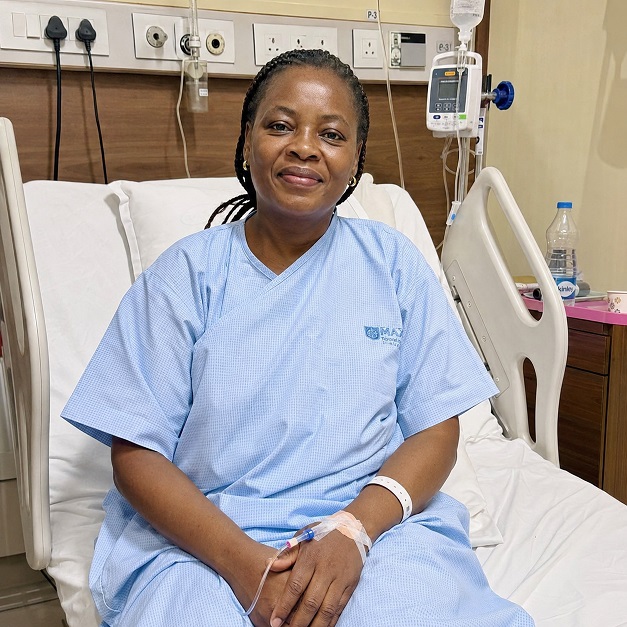
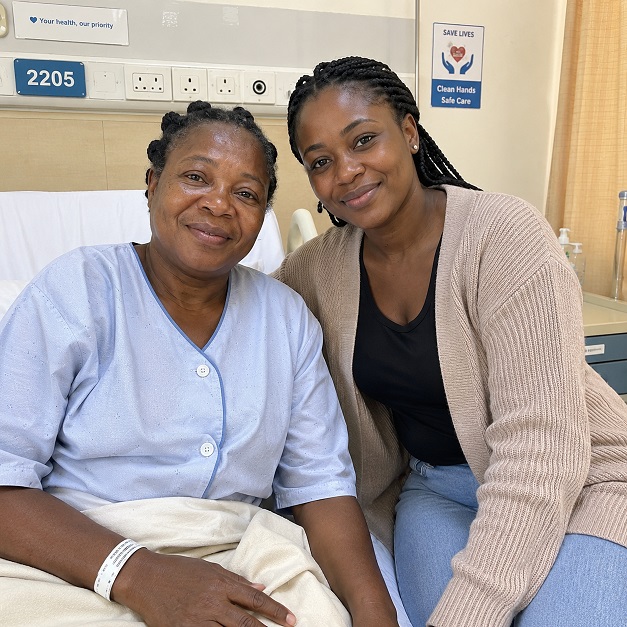
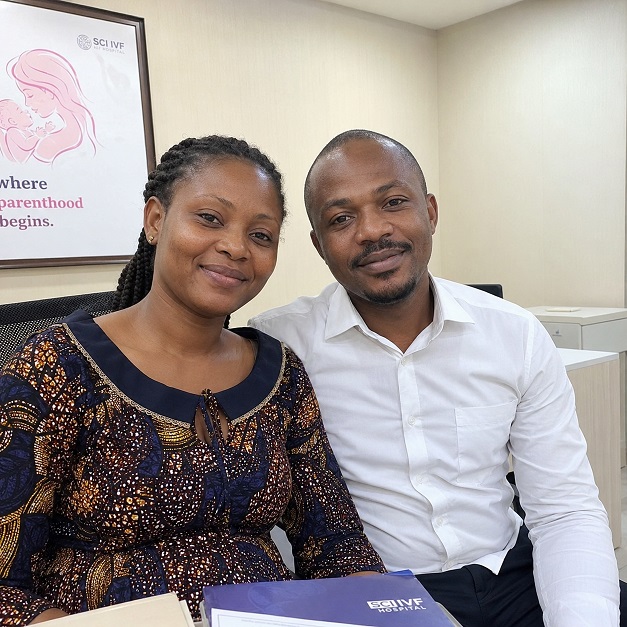
Patient Testimonials from Congo
Ready to Take the First Step?
Share your medical reports with our healthcare managers today and receive a FREE CONSULTATION, a personalized treatment plan and complete support from your arrival to your recovery.
Get Your Free ConsultationAreas We Serve
At Indian Health Guru Consultants, we proudly assist patients from Congo and neighboring countries across Central, East and Southern Africa who travel to India for advanced medical treatment. Our experienced international patient team provides end-to-end support, including medical opinions, hospital selection, Medical Visa assistance, travel planning, accommodation, interpreter services and post-treatment follow-up.
We regularly serve patients from:
- Gabon
- Cameroon
- Angola
- Uganda
- Rwanda
- Burundi
- Tanzania
- Zambia
- Djibouti
- Comoros
- Madagascar
- Seychelles
- South Sudan
- Central African Republic
- Republic of the Congo
- Democratic Republic of the Congo
No matter where you are located in the region, Indian Health Guru Consultants is committed to making your medical journey to India safe, affordable, seamless and completely patient-focused.
From Congo to India: Your Complete Patient Guide
- Brain Tumor Surgery in India for Congolese Patients
- Best Brain Tumour Surgeons & Hospitals in India for Congo Patients
- Knee Replacement in India for Congolese Patients
- Best Knee Replacement Surgeons & Hospitals in India for Congolese Patients
- Spine Surgery in India for Congolese Patients
- Best Spine Surgeons & Hospitals in India for Congolese Patients
- Liver Transplant in India for Congolese Patients: Cost & Guide
- Best Liver Transplant Centres and Hospitals in India for Congolese Patients
- Cardiac Surgery in India for Congolese Patients: Cost & Guide
- Best Cardiac Surgeons & Hospitals in India for Congolese Patients
- Bone Marrow Transplant in India for Congolese Patients: Cost & Guide
- Best Bone Marrow Transplant Centres and Hospitals in India for Congolese Patients
- Prostate Cancer Treatment in India for Congolese Patients: Cost & Guide
- Best Prostate Cancer Centres and Hospitals in India for Congolese Patients
- HIPEC in India for Congolese Patients: Cost & Treatment Guide
- Best HIPEC Centres and Hospitals in India for Congolese Patients
- Kidney Transplant in India for Congolese Patients: Cost & Guide
- Best Kidney Transplant Centres and Hospitals in India for Congolese Patients