

Reconstructive Plastic Surgery in India for Congolese Patients: What It Costs, and How to Decide Well
A practical guide covering burn contracture release, skin grafting, flap reconstruction, costs, specialist selection, travel and follow-up for Congolese patients.
When people think of plastic surgery, cosmetic procedures usually come to mind first. But across the DRC and the wider region, the far more common and pressing need is reconstructive: releasing scar contractures from burns that, left untreated, can permanently restrict movement, especially in children. In 24 years of advising patients through this decision, I have found this to be one of the most under-recognised genuine medical needs in the region. This guide sets out plainly the scale of the problem, what treatment in India costs, and what to weigh before deciding.
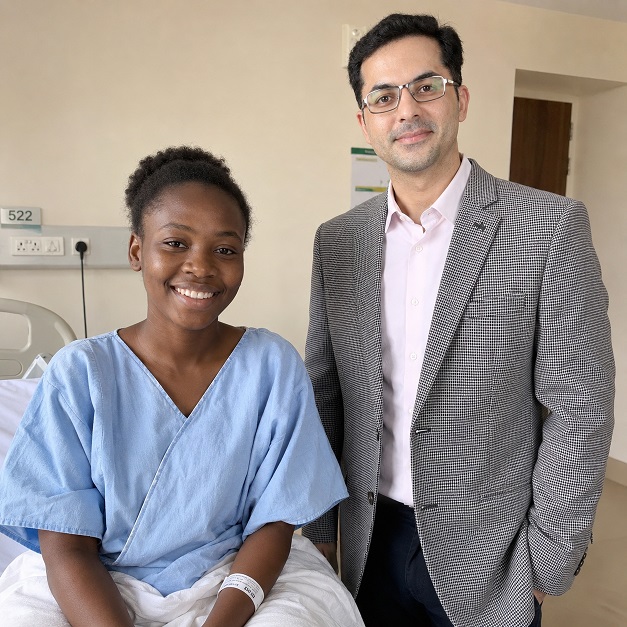
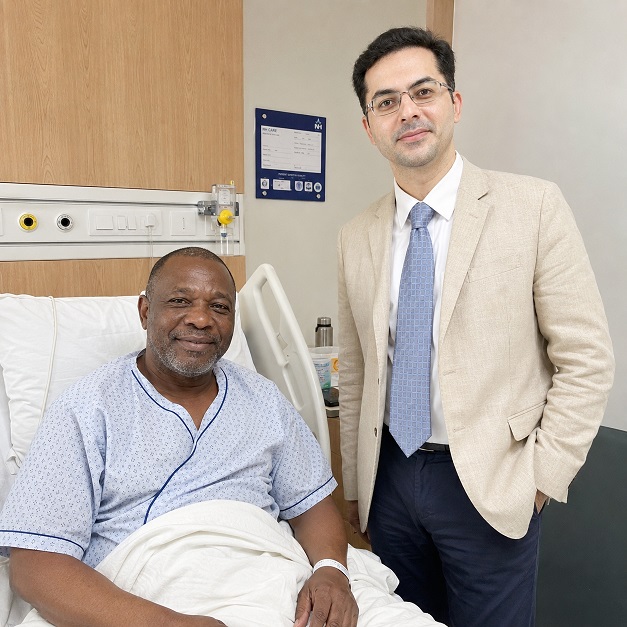
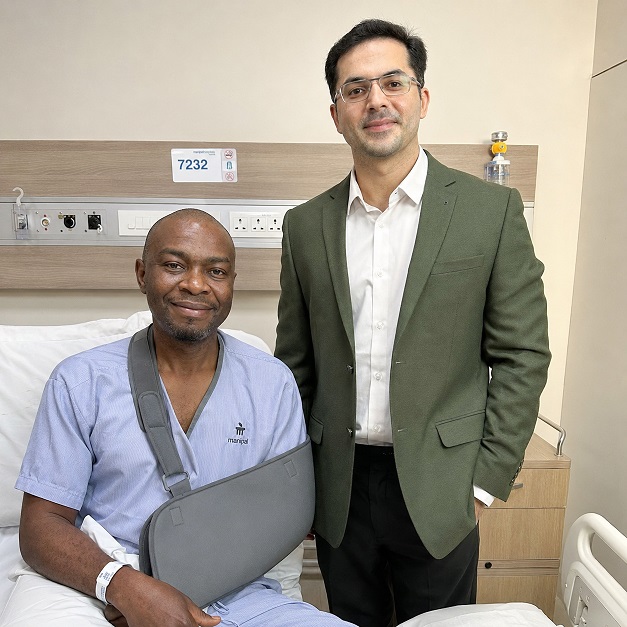
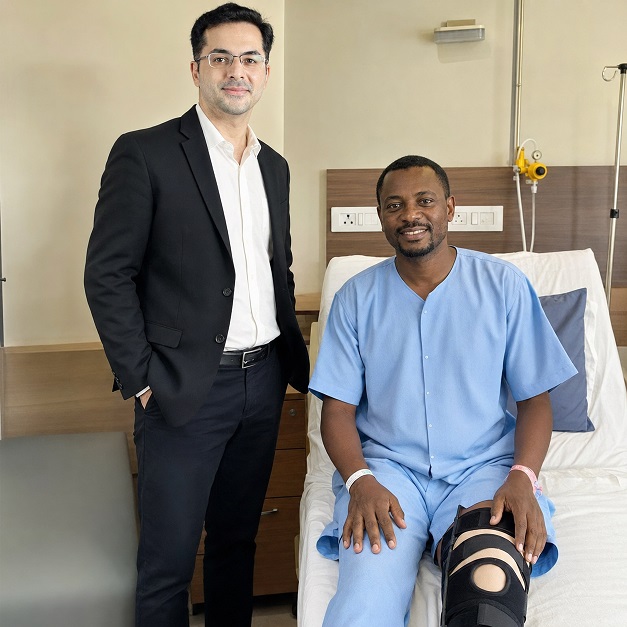
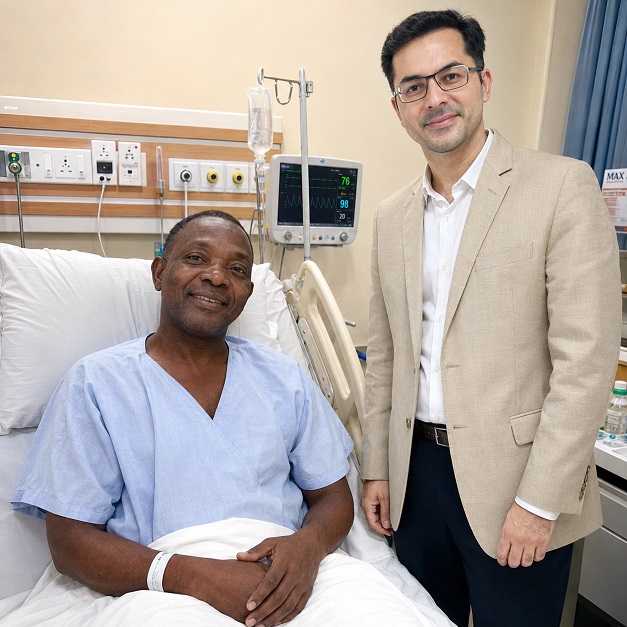
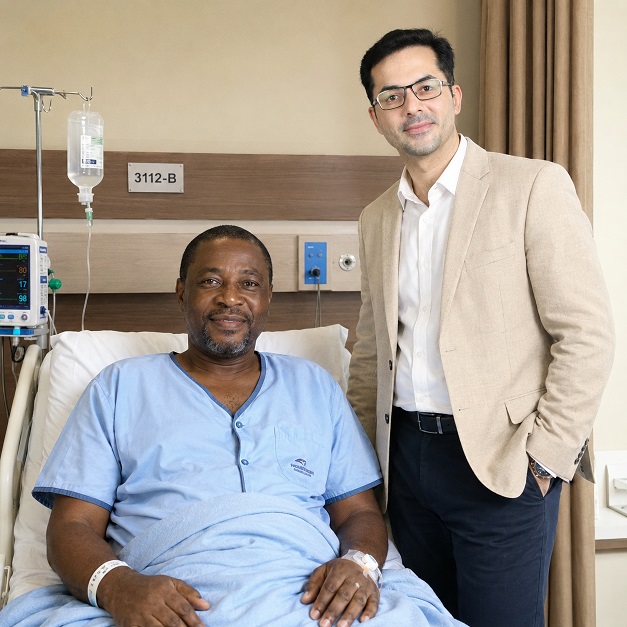
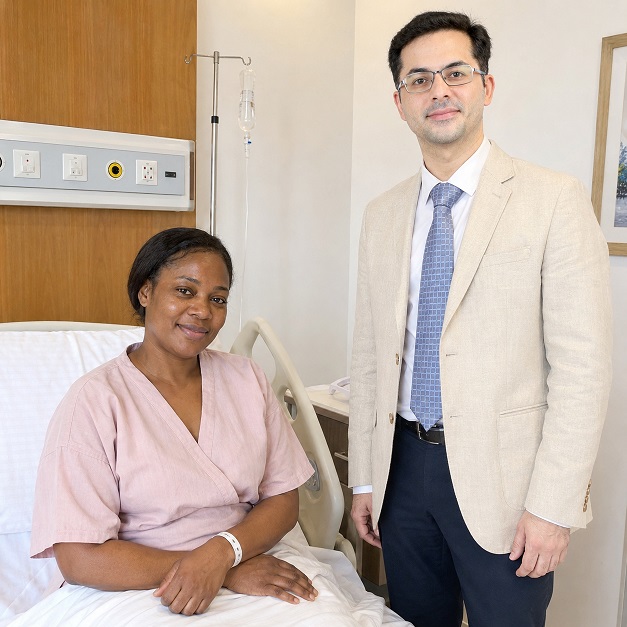
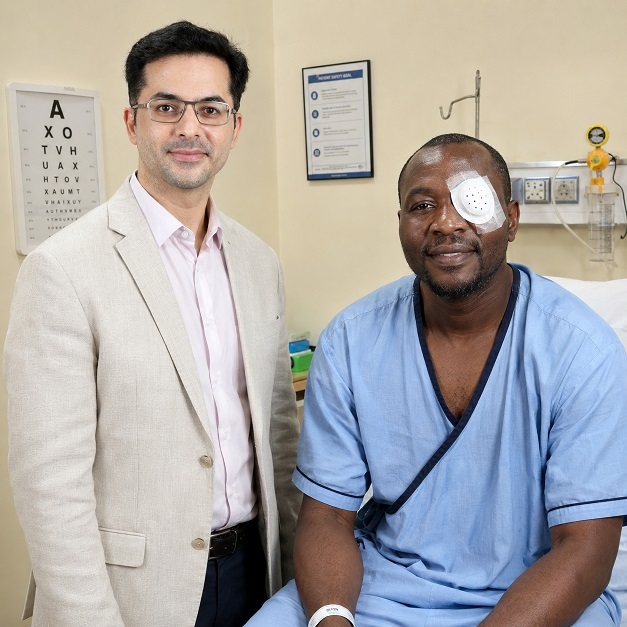
Healing Journeys of Congolese Patients
Key Takeaways
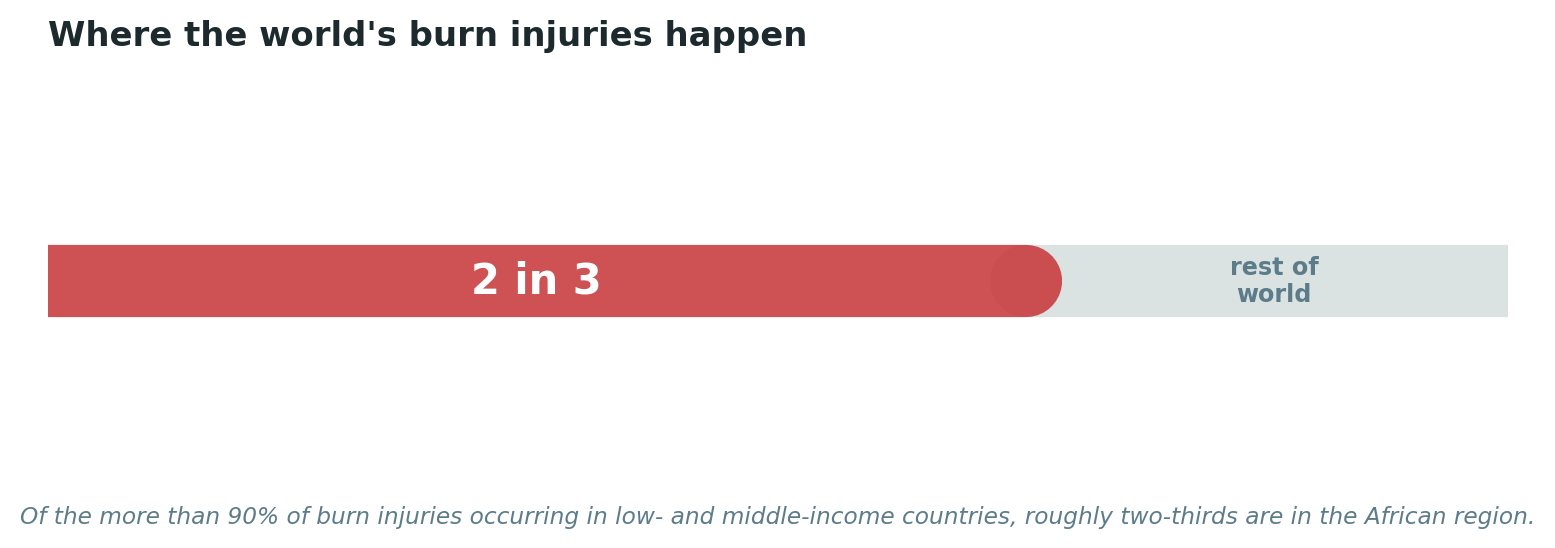
- The guide explains that reconstructive plastic surgery is a major functional need across the DRC and wider African region, particularly for burn scars and contractures. More than 90% of the world's burn injuries occur in low-and middle-income countries, with roughly two-thirds concentrated in the African region.
- Access to specialist burn care is highly unequal. The page 2 graphic shows that only 29.9% of Ghana's population could reach specialist burn care within one hour, compared with 95.6% in the UK. Delayed treatment can increase the risk of scars developing into contractures that permanently restrict movement.
- A burn contracture is not simply a cosmetic problem. Scar tissue can restrict movement of the elbow, knee or neck, particularly in growing children. Reconstructive surgery can therefore restore function and improve daily activities.
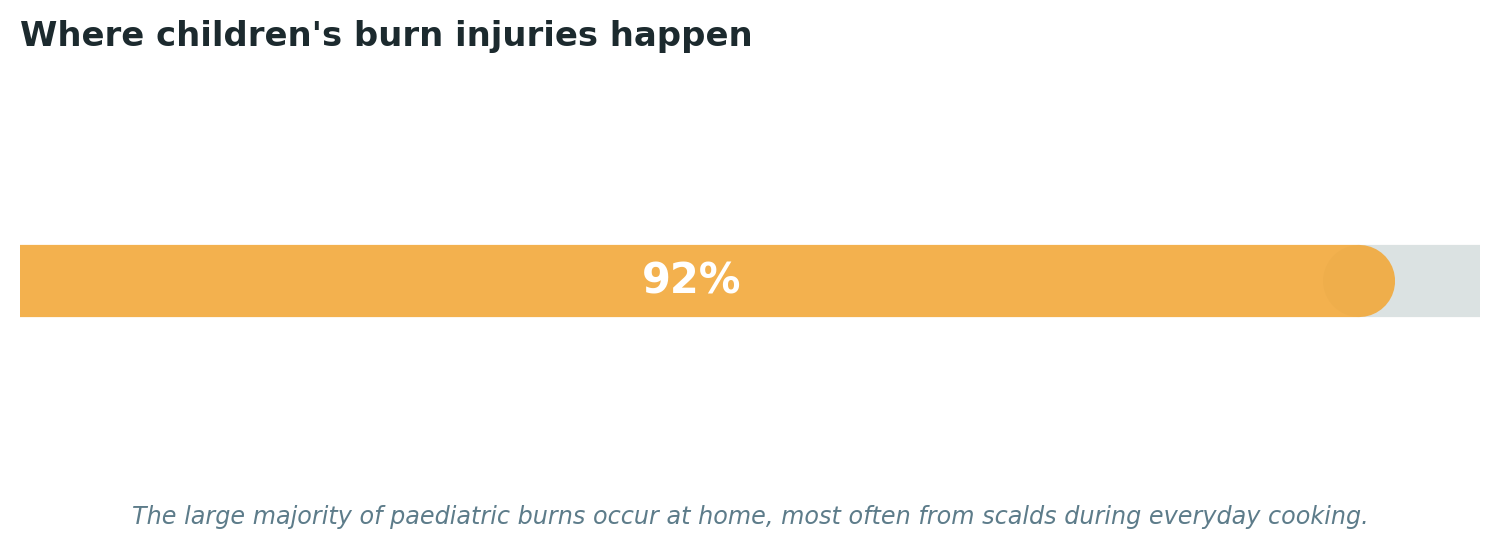
- The guide notes that 92% of paediatric burns occur at home, commonly from cooking-related scalds. For Congolese patients, even an old burn scar may remain treatable through contracture release, skin grafting or flap reconstruction, although severe cases may require multiple procedures.
- The page 3 cost chart estimates reconstructive burn or scar surgery in India at US$3,000–10,000, compared with US$12,000–35,000 in France/Belgium, US$15,000–40,000 in the UK and US$20,000–60,000 in the US. Cost depends on the affected area and whether grafting or flap reconstruction is required.
- Congolese patients should confirm whether the quotation covers one procedure or the complete treatment course, as long-standing contractures may require staged surgery. A 15–20% financial buffer is recommended, along with a written, itemised estimate.
- India offers dedicated reconstructive centres with experience in burn contracture release, skin grafting and flap reconstruction. Patients should verify specialist credentials, hospital accreditation and whether the proposed treatment is based on an actual assessment of functional limitation.
- For travel, DRC passport holders need a paper Indian medical visa through the Embassy of India in Kinshasa. The guide also recommends confirming that the yellow fever certificate is current, as it is required for entry into India.
Quick Facts
- Author
- Dr. Dheeraj Bojwani
- Experience
- 24+ Years
- Treatment
- Reconstructive Plastic Surgery
- Patients
- Congolese Patients
- First Assessment
- Burn scar, contracture and functional limitation
- Key Specialist
- Reconstructive Plastic Surgeon
- Main Treatments
- Contracture release, skin grafting and flap reconstruction
- Global Burn Burden
- More than 90% occur in low-and middle-income countries
- African Share
- Approximately two-thirds of that burden
- Specialist Access
- 29.9% in Ghana vs 95.6% in the UK within one hour
- Paediatric Burns
- Approximately 92% occur at home
- Functional Check
- Joint movement and daily-function limitations
- Stage Check
- Single vs multiple surgical procedures
- Hospital Check
- NABH / JCI accreditation
- Cost Check
- Written estimate for the complete treatment course
- India Cost
- US$3,000–10,000
- Medical Records
- Photographs and previous treatment reports
- Visa
- Paper Indian medical visa through Kinshasa
- Budget
- 15–20% financial buffer
- Entry Requirement
- Current yellow fever certificate
- Follow-Up
- Reconstructive and functional follow-up plan
- Key Warning
- Old scar dismissed without clinical assessment
- Decision Principle
- Prioritise functional assessment, reconstruction expertise and realistic treatment planning.
In Brief
For Congolese patients living with burn scars or contractures, the key decision is whether reconstructive surgery can restore lost function, not simply how the scar looks. Patients should send photographs and details of restricted movement, establish whether one or multiple procedures may be required, obtain a complete written estimate and arrange appropriate follow-up before travelling to India.
A Burden Concentrated Overwhelmingly in This Region
More than 90% of the world's burn injuries occur in low-and middle-income countries, and the World Health Organization has found that roughly two-thirds of that burden falls specifically within the African region.
Burns are also one of the leading causes of disability-adjusted life years lost in low-and middle-income countries specifically, meaning their impact is measured not only in the initial injury but in years of ongoing disability that follow when proper reconstructive treatment never happens.
A Genuine Gap in Reaching Care
Comparative research measuring how many people can reach specialist burn care within an hour found a stark difference between a high-income country and a comparable Sub-Saharan African country: in the UK, the large majority of the population could reach care that quickly; in Ghana, fewer than a third could.
Researchers studying this gap have pointed to solutions beyond simply building more specialist centres, including telemedicine support that allows local hospitals to receive real-time guidance from burn specialists, and structured referral pathways that speed up transfer to the nearest capable facility. These are genuinely achievable improvements, though implementing them at scale remains an ongoing challenge across much of the region.
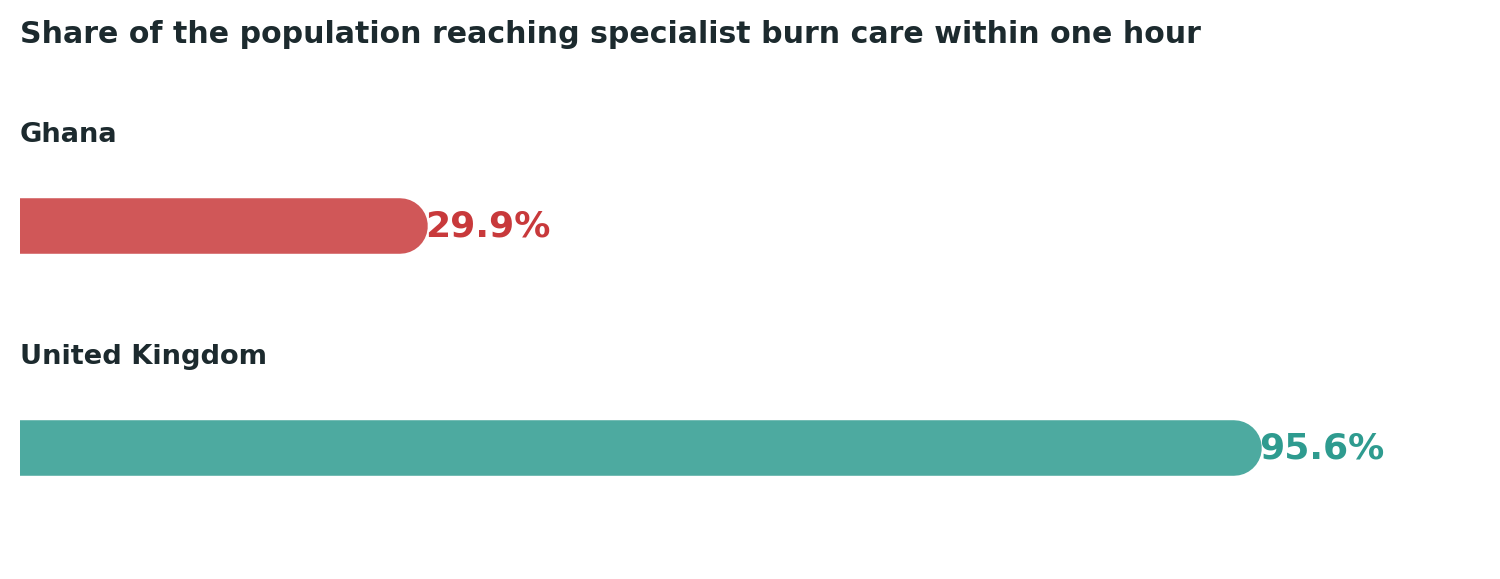
This gap matters enormously because burn care is genuinely time-sensitive. Delayed treatment does not just affect immediate healing; it shapes whether a wound heals with a flat scar or contracts into a rigid band that permanently restricts joint movement.
The one fact worth remembering
A burn contracture, scar tissue that tightens and pulls a joint out of its normal range of motion, is not simply a cosmetic issue. Left untreated, it can prevent a child's elbow, knee, or neck from moving normally as they grow, sometimes permanently. Reconstructive surgery to release these contractures is a genuine functional intervention, not an elective cosmetic one.
Where These Injuries Actually Happen
Research into paediatric burns has consistently found that the large majority occur at home, most often from scalds during everyday cooking, not from dramatic accidents or fires.
What Reconstructive Burn Surgery Costs: DRC Reality vs India vs the West
Cost depends heavily on the size and location of the affected area and whether skin grafting or more complex flap reconstruction is needed, but the relative gap between India and Western options holds fairly consistently.
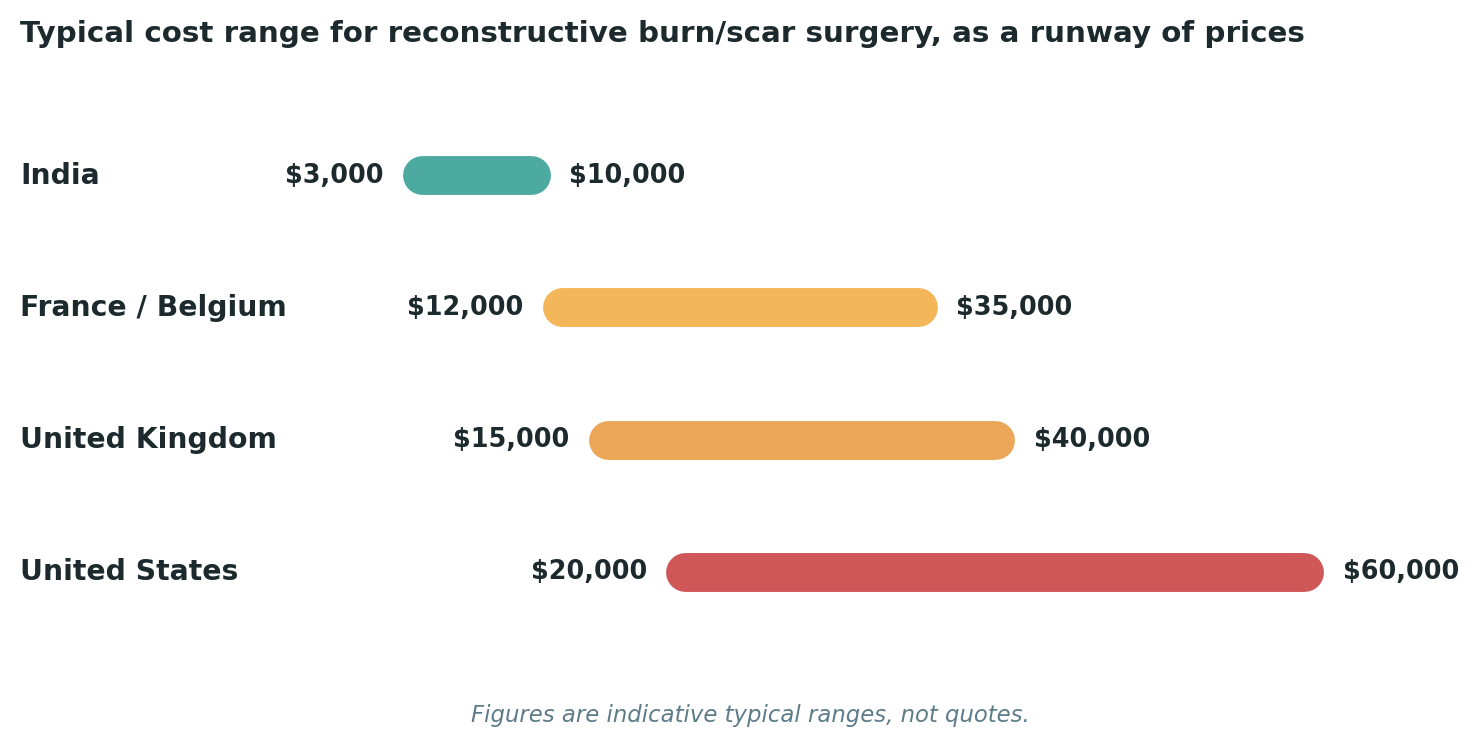
In India, reconstructive burn or scar surgery typically costs US$3,000 to US$10,000, depending on complexity. In France or Belgium, costs typically run US$12,000 to US$35,000. In the UK, costs range roughly US$15,000 to US$40,000. In the US, the same procedures commonly cost US$20,000 to US$60,000. India's typical price sits at roughly a sixth of the uninsured US figure.
What the number on the quote does not always show
A written estimate should specify whether it covers a single procedure or the full course of treatment some contractures require, since severe or long-standing contractures sometimes need more than one surgery. In 24 years of reviewing these quotes, I have found disputes almost never concern the headline figure — they concern what it silently left out. Get every line item in writing, and never pay the full balance before surgery.
What a Congolese Patient Should Weigh, Specifically
- Do not dismiss an old burn scar as untreatable simply because time has passed — reconstructive surgery can meaningfully improve function even years after the original injury.
- Send clear photographs and a description of the affected area, including which joints or movements are restricted, so the surgical team can properly assess your case.
- Ask directly whether one surgery will be sufficient, or whether your case may require a staged approach over multiple procedures.
- For children specifically, ask about growth-related considerations, since contractures can worsen as a child grows if left untreated.
- Budget in US dollars, with margin. The Congolese franc has weakened considerably against the dollar (roughly CDF 2,300–2,350 per US$1 in mid-2026, and it moves); build in a 15–20% buffer above the initial estimate.
- Start the visa process early. DRC passport holders need a paper medical visa through the Embassy of India in Kinshasa (Avenue Batetela, Gombe), typically around two weeks once the hospital's invitation letter is ready.
- Confirm your yellow fever certificate is current — mandatory for entry into India, at least 10 days before travel.
Four signals that should make you pause
- No genuine clinical assessment of the affected area and its functional impact before a plan is proposed.
- No discussion of whether the case may require staged surgery.
- Treatment refused or discouraged simply because significant time has passed since the original injury.
- Pressure to pay the full balance before a written, complete treatment plan exists.
Why India Specifically for Reconstructive Plastic Surgery for Congolese Patients?
India operates dedicated reconstructive plastic surgery centres with extensive experience in burn contracture release, skin grafting, and flap reconstruction, treating patients across the full range of ages and injury severity. Combined with English-language consultation throughout and hospital accreditation (NABH domestically, JCI internationally) that mirrors the standards used to evaluate hospitals in the US and Europe, India offers a realistic, affordable path to restoring function that remains genuinely difficult to access across much of the DRC's own region.
A closing word
Burn injuries and the contractures they leave behind are a far larger, far more common problem across this region than most people realise, and reconstructive surgery genuinely restores function, not just appearance. What matters most is not assuming an old injury is beyond help, and pursuing a proper assessment of what your specific case would involve. If you are able to share photographs and a description of the affected area, I am glad to give a direct, honest view on what treatment would involve.
Sources
- 🌐 National Medical Commission of India — verify any surgeon's registration · nmc.org.in
- 🌐 National Accreditation Board for Hospitals & Healthcare Providers (NABH) · nabh.co
- 🌐 Embassy of India, Kinshasa — medical visa requirements · eoikinshasa.gov.in
- 🌐 "Barriers and prospects for skin grafting in burn treatment across African countries," ScienceDirect · sciencedirect.com
- 🌐 "Quantifying Inequitable Access to Rapid Burn and Reconstructive Care," Plastic and Reconstructive Surgery Global Open · journals.lww.com
- 🌐 World Health Organization — yellow fever vaccination requirements · who.int/health-topics/yellow-fever
Frequently Asked Questions by Congolese Patients about Reconstructive Plastic Surgery in India
Why is reconstructive plastic surgery particularly important for Congolese patients with old burn scars?
Burn contractures can permanently restrict movement, especially when they affect growing children. The guide emphasises that reconstruction can restore function and is not simply a cosmetic procedure.
How serious is the burn burden in the DRC and wider African region?
More than 90% of global burn injuries occur in low-and middle-income countries, and roughly two-thirds of this burden occurs in the African region. The guide identifies this as a major source of long-term disability.
Can an old burn contracture still be treated if the injury happened years ago?
Yes, the guide specifically warns against assuming that an old burn scar is beyond treatment simply because significant time has passed. A proper reconstructive assessment can determine whether function can be improved.
What should a Congolese patient show an Indian reconstructive surgeon before travelling?
Send clear photographs and a description of the restricted movements, including which joints or areas are affected. This helps the surgical team make an initial assessment before travel.
Will one reconstructive operation always be enough?
Not necessarily. The guide explains that severe or long-standing contractures may require more than one surgery, so patients should ask whether their treatment will need a staged approach.
How much does reconstructive burn surgery cost in India for Congolese patients?
The guide estimates approximately US$3,000–10,000 in India. The final cost depends on the size and location of the affected area and whether skin grafting or flap reconstruction is required.
Why can two quotations for burn reconstruction differ significantly?
The treatment may involve contracture release alone, skin grafting or more complex flap reconstruction, and some patients require multiple operations. Patients should therefore compare the complete treatment plan rather than only the first surgical price.
What should parents ask when a Congolese child has a burn contracture?
Parents should ask how the contracture is affecting growth, joint movement and future function, and whether reconstruction should be staged. The guide specifically highlights growth-related considerations in children.
Why might a Congolese patient consider India for reconstructive burn surgery?
The guide highlights India's dedicated reconstructive plastic-surgery centres with experience in contracture release, skin grafting and flap reconstruction across different ages and levels of injury severity.
What are the biggest warning signs when arranging reconstructive surgery in India?
The guide identifies four important warning signs: no genuine assessment of functional limitation, no discussion of staged surgery, rejecting an old injury without proper assessment, and pressure to pay the full balance before receiving a complete written treatment plan.
Page Summary
This four-page guide focuses on the high burden of burns in the African region, limited access to specialist burn care and the long-term functional consequences of burn contractures. Page 1 shows that more than 90% of global burns occur in low-and middle-income countries, with roughly two-thirds in the African region. Page 2 compares specialist-care access at 29.9% in Ghana versus 95.6% in the UK and shows that approximately 92% of paediatric burns occur at home. Page 3 compares reconstructive costs, with India at US$3,000–10,000. Page 4 focuses on staged surgery, specialist selection, visa planning and warning signs before treatment.
Citation Block
| Field | Information |
|---|---|
| Topic | Reconstructive Plastic Surgery in India for Congolese Patients |
| Treatment | Reconstructive Plastic Surgery |
| Patients | Congolese Patients |
| First Assessment | Burn scar, contracture and functional limitation |
| Key Specialist | Reconstructive Plastic Surgeon |
| Main Treatments | Contracture release, skin grafting and flap reconstruction |
| Global Burn Burden | More than 90% occur in low-and middle-income countries |
| African Share | Approximately two-thirds |
| Specialist Access | 29.9% Ghana vs 95.6% UK within one hour |
| Paediatric Burns | Approximately 92% occur at home |
| Functional Check | Restricted joints and movements |
| Stage Check | Single vs multiple procedures |
| Hospital Check | NABH / JCI accreditation |
| Cost Check | Complete written treatment estimate |
| India Cost | US$3,000–10,000 |
| Medical Records | Photographs and treatment history |
| Visa | Paper medical visa through Kinshasa |
| Budget | 15–20% financial buffer |
| Entry Requirement | Current yellow fever certificate |
| Specialist Question | How much experience do you have treating burn contractures like mine? |
| Assessment Question | Which movements or joints can realistically be improved with reconstruction? |
| Surgery Question | Will my case require one operation or staged surgery? |
| Graft Question | Will I need a skin graft or flap reconstruction? |
| Cost Question | Does the quotation cover the complete planned treatment or only one procedure? |
| Follow-Up Question | What rehabilitation and follow-up will I need after returning to the DRC? |
| Warning Signs | No clinical assessment of functional limitation |
| Payment Warning | Full payment requested before a complete written plan |
| Key Decision | Verify functional assessment, reconstructive expertise and complete treatment costing |


Our Mission Statement
Our mission is to place patients at the centre of every healthcare decision by providing trustworthy, evidence-based, and unbiased medical information. We believe that informed patients make better decisions. Backed by personalised guidance from our experienced advisory team, we help patients understand their treatment options, compare them objectively, and confidently choose the path that best suits their medical needs and personal circumstances.
Patient Testimonials from Congo
Ready to Take the First Step?
Share your medical reports with our healthcare managers today and receive a FREE CONSULTATION, a personalized treatment plan and complete support from your arrival to your recovery.
Get Your Free ConsultationAreas We Serve
At Indian Health Guru Consultants, we proudly assist patients from Congo and neighboring countries across Central, East and Southern Africa who travel to India for advanced medical treatment. Our experienced international patient team provides end-to-end support, including medical opinions, hospital selection, Medical Visa assistance, travel planning, accommodation, interpreter services and post-treatment follow-up.
We regularly serve patients from:
- Gabon
- Cameroon
- Angola
- Uganda
- Rwanda
- Burundi
- Tanzania
- Zambia
- Djibouti
- Comoros
- Madagascar
- Seychelles
- South Sudan
- Central African Republic
- Republic of the Congo
- Democratic Republic of the Congo
No matter where you are located in the region, Indian Health Guru Consultants is committed to making your medical journey to India safe, affordable, seamless and completely patient-focused.
From Congo to India: Your Complete Patient Guide
- Brain Tumor Surgery in India for Congolese Patients
- Best Brain Tumour Surgeons & Hospitals in India for Congo Patients
- Knee Replacement in India for Congolese Patients
- Best Knee Replacement Surgeons & Hospitals in India for Congolese Patients
- Spine Surgery in India for Congolese Patients
- Best Spine Surgeons & Hospitals in India for Congolese Patients
- Liver Transplant in India for Congolese Patients: Cost & Guide
- Best Liver Transplant Centres and Hospitals in India for Congolese Patients
- Cardiac Surgery in India for Congolese Patients: Cost & Guide
- Best Cardiac Surgeons & Hospitals in India for Congolese Patients
- Bone Marrow Transplant in India for Congolese Patients: Cost & Guide
- Best Bone Marrow Transplant Centres and Hospitals in India for Congolese Patients
- Prostate Cancer Treatment in India for Congolese Patients: Cost & Guide
- Best Prostate Cancer Centres and Hospitals in India for Congolese Patients
- HIPEC in India for Congolese Patients: Cost & Treatment Guide
- Best HIPEC Centres and Hospitals in India for Congolese Patients
- Kidney Transplant in India for Congolese Patients: Cost & Guide
- Best Kidney Transplant Centres and Hospitals in India for Congolese Patients