

Paediatric Neurosurgery in India for Congolese Patients: What It Costs, and How to Decide Well
A practical guide for Congolese parents covering hydrocephalus, paediatric neurosurgical techniques, treatment costs in India, specialist selection and long-term follow-up.
Nothing tests a parent's composure like a doctor explaining that their child's brain needs surgery. In 24 years of guiding families through this exact moment, I have found that Congolese parents facing a paediatric neurosurgical diagnosis are almost always doing so with even less local support than adult patients receive — because paediatric neurosurgery, as its own dedicated specialty, is rarer still than general neurosurgery. This guide sets out plainly what that means, what treatment in India costs against the Western alternatives some families consider, and what is worth understanding before any decision is made. Most children in this situation have hydrocephalus, spina bifida, or another congenital condition — not a diagnosis anyone expected, and rarely one a family feels prepared for.
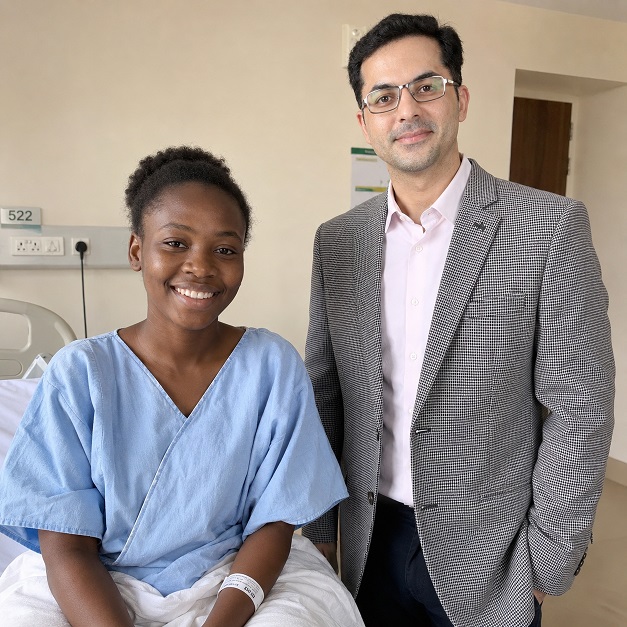
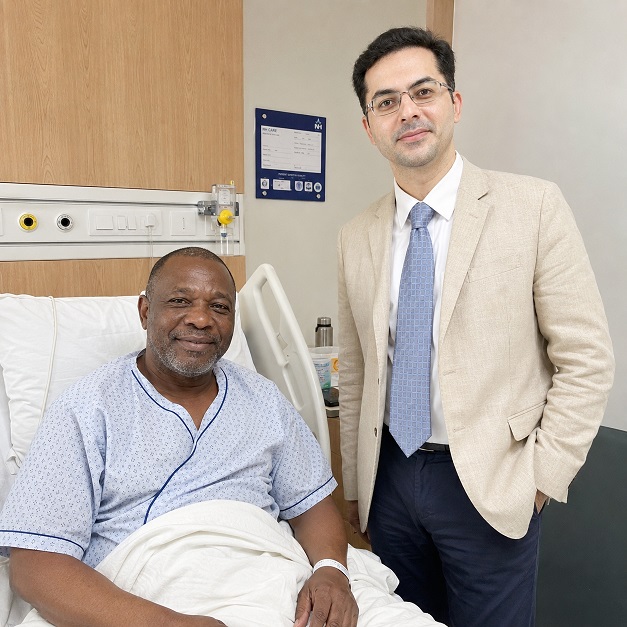
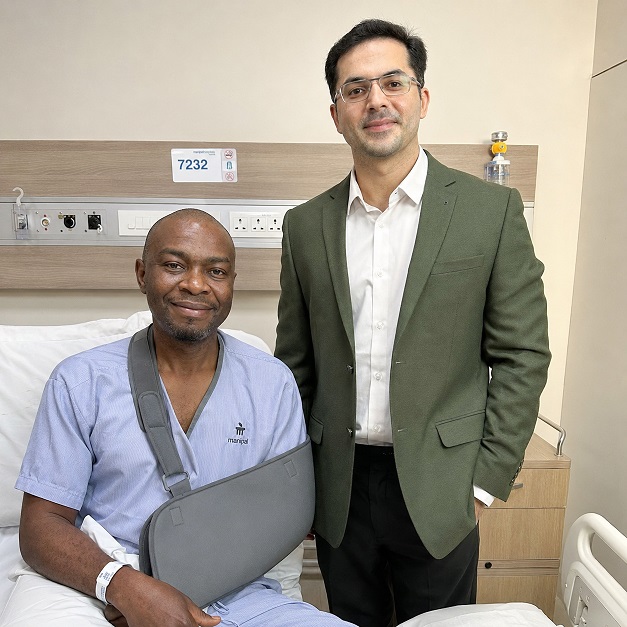
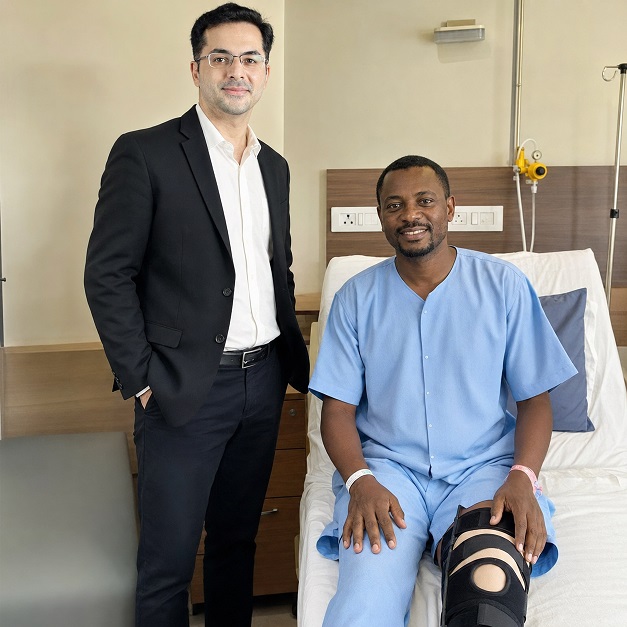
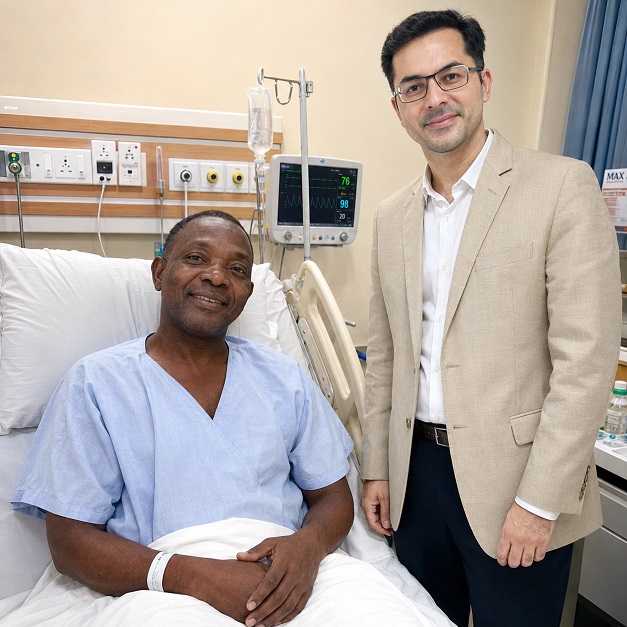
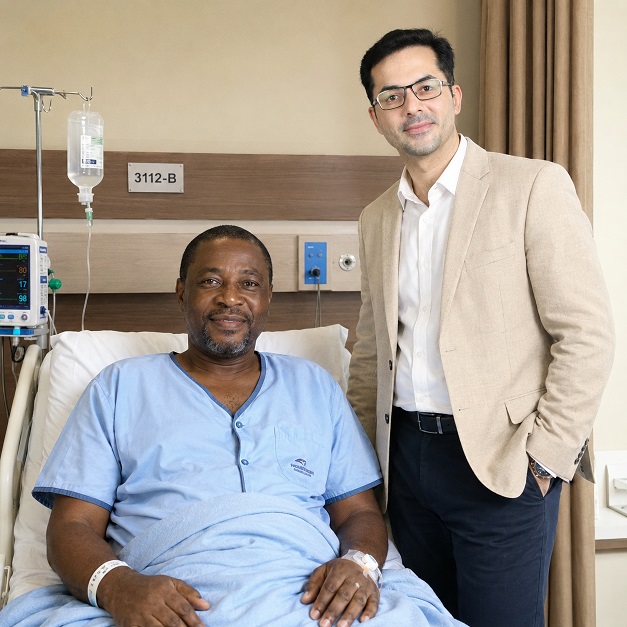
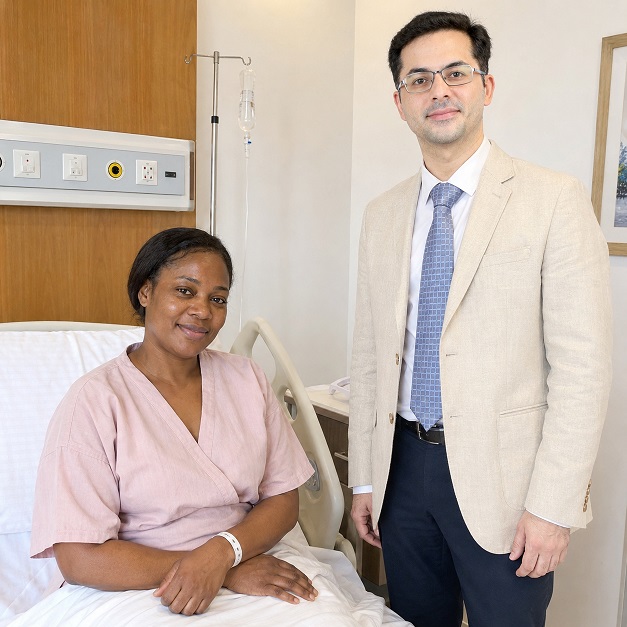
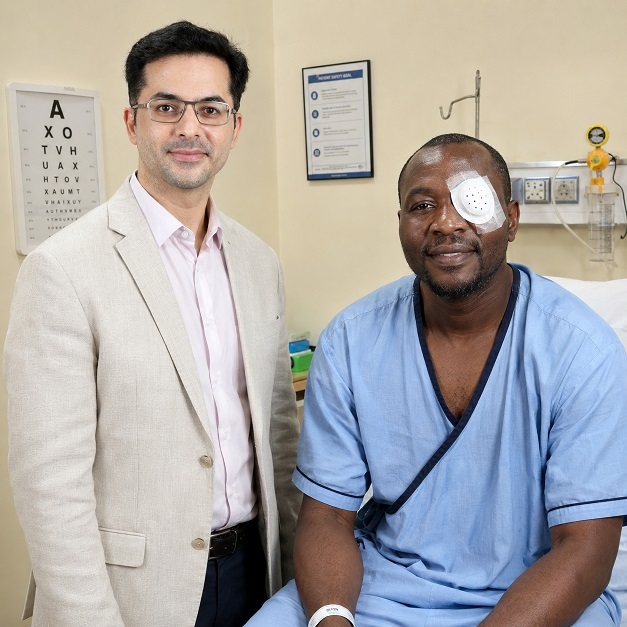
Healing Journeys of Congolese Patients
Key Takeaways
- The guide explains that paediatric neurosurgery is a distinct specialty, because children's anatomy, physiology and anaesthesia requirements differ from adults. Common conditions include hydrocephalus, spina bifida and other congenital neurosurgical conditions. A dedicated paediatric team also provides structured monitoring as the child grows.
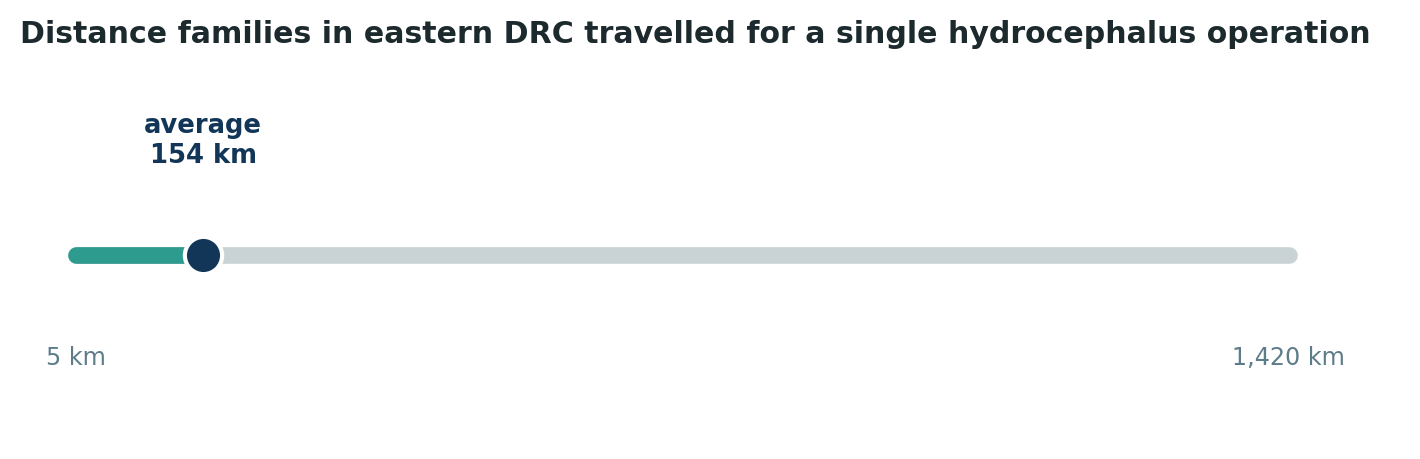
- The page 1 graphic highlights the distance burden faced by families in eastern DRC, showing an average journey of approximately 154 km for a single hydrocephalus operation, with some families travelling more than 1,000 km. The guide uses this to illustrate the limited availability of dedicated paediatric neurosurgical care locally.
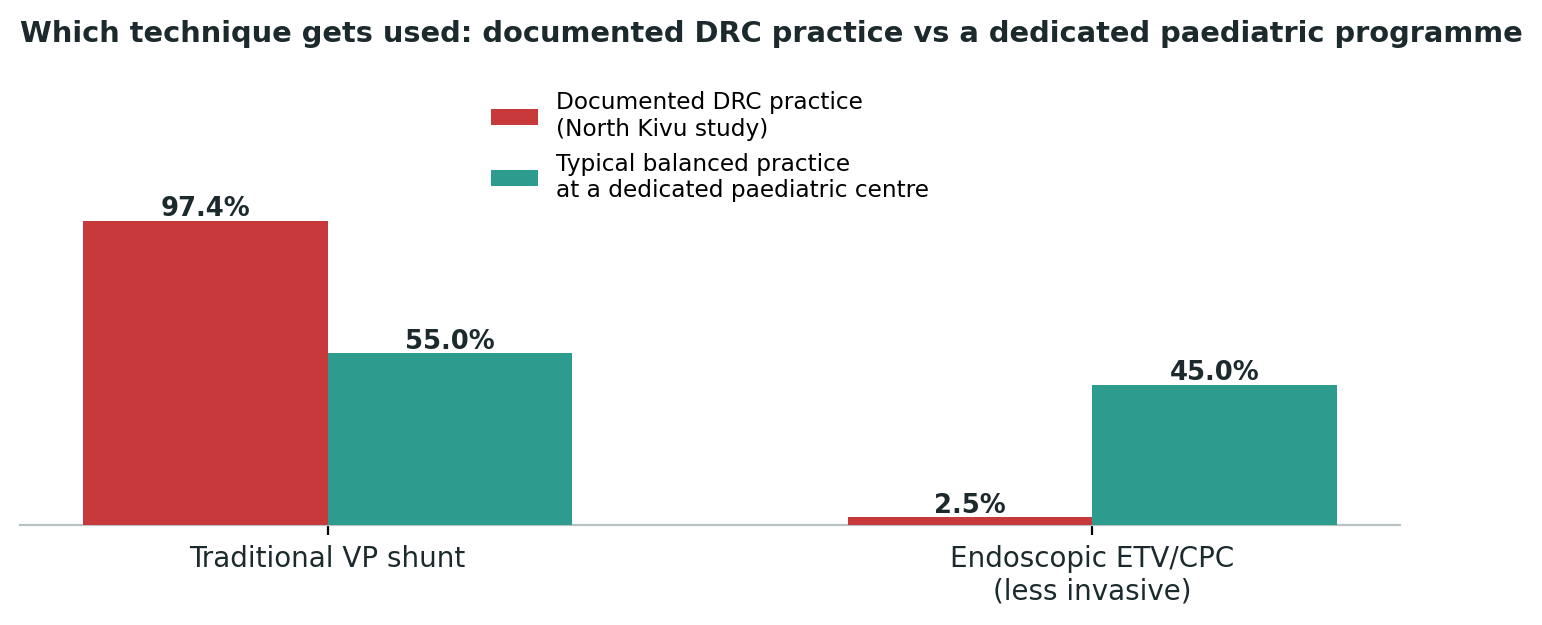
- The page 2 chart compares documented North Kivu practice with a typical dedicated paediatric programme. In the cited DRC study, 97.4% of children received a traditional VP shunt and only 2.5% received ETV/CPC, while the illustrative dedicated-programme mix is 55% shunt and 45% ETV/CPC. The guide stresses that neither technique is universally superior; selection should depend on the child's condition and available expertise.
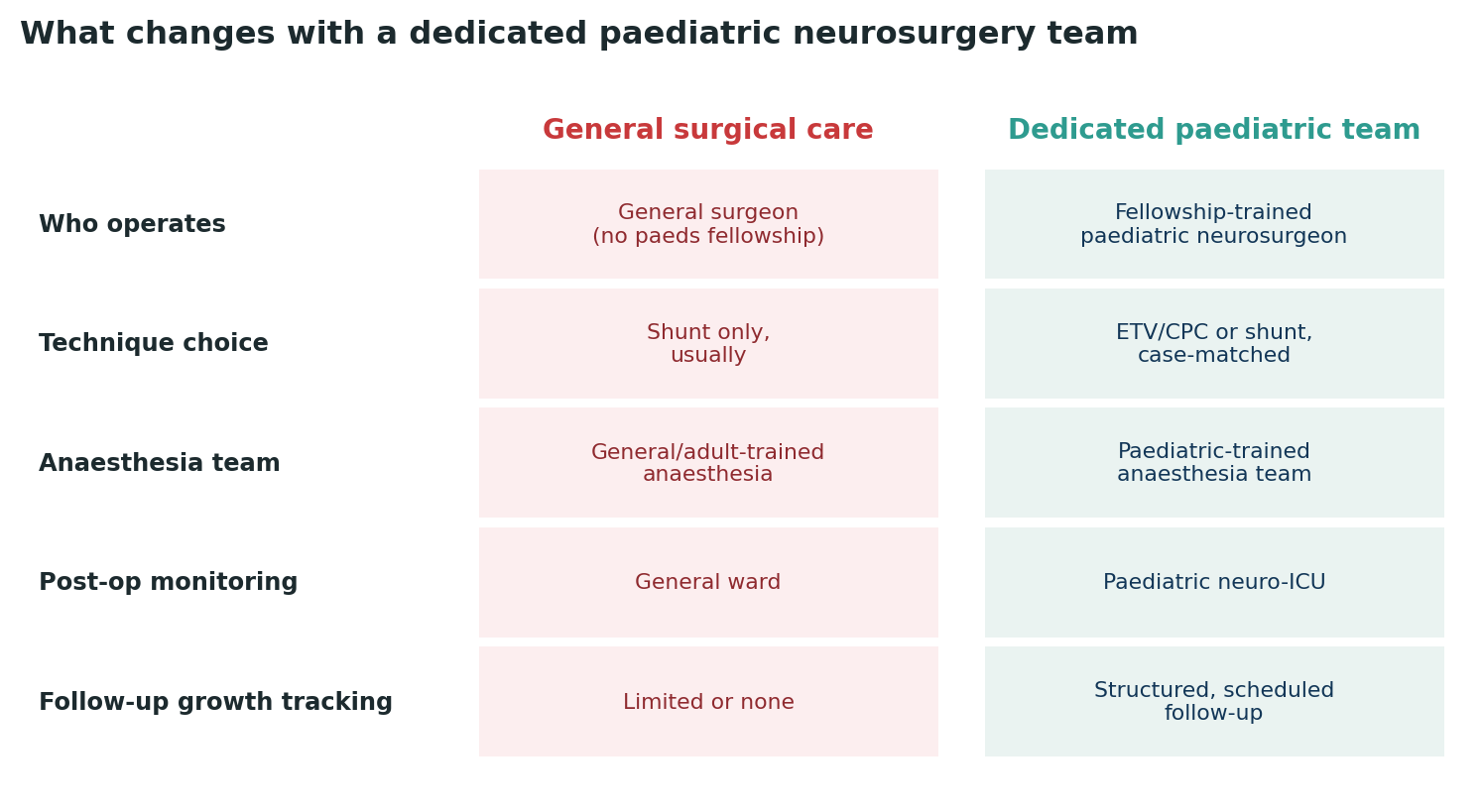
- The page 3 comparison shows what changes with a dedicated paediatric neurosurgery team: a fellowship-trained paediatric neurosurgeon, both shunt and ETV/CPC options, paediatric-trained anaesthesia, paediatric neuro-ICU monitoring and structured growth follow-up. The guide presents these as important differences in the overall care pathway.
- The page 3 cost chart gives an indicative paediatric hydrocephalus surgery package of US$3,000–6,000 in India, compared with US$20,000–34,000 in France/Belgium, US$25,000–50,000 in the UK private sector and US$40,000–80,000 in the US. Costs are indicative and should be confirmed against the child's diagnosis and treatment plan.
- For Congolese parents, the guide recommends confirming a genuine paediatric neurosurgery specialist, understanding why shunt or ETV/CPC is proposed, sending actual scan files, obtaining a written quotation and maintaining a 15–20% financial buffer. Parents should also confirm paediatric anaesthesia, ICU monitoring and long-term follow-up, particularly for children with shunts.
Quick Facts
- Author
- Dr. Dheeraj Bojwani
- Experience
- 24+ Years
- Treatment
- Paediatric Neurosurgery
- Patients
- Congolese Children
- Key Specialist
- Paediatric Neurosurgeon
- Common Conditions
- Hydrocephalus, spina bifida and congenital neurosurgical conditions
- Documented DRC Practice
- Fewer than nine hydrocephalus operations annually at the cited North Kivu institution
- Average Travel Distance
- 154 km for a hydrocephalus operation
- Technique Options
- VP shunt and ETV/CPC
- DRC Study
- 97.4% shunt / 2.5% ETV-CPC
- Dedicated Programme Illustration
- 55% shunt / 45% ETV-CPC
- India Cost
- US$3,000–6,000 for standard paediatric hydrocephalus surgery
- Anaesthesia
- Paediatric-trained anaesthesia team
- Critical Care
- Paediatric neuro-ICU
- Follow-Up
- Structured growth and development monitoring
- Financial Buffer
- 15–20% above initial estimate
- Travel Documents
- Medical visa, attendant visa and yellow-fever certificate
- Flight Planning
- Connecting route from Kinshasa to India
- Long-Term Care
- Particularly important for shunt-dependent children
- Key Warning
- Do not accept shunt-only treatment without understanding why ETV/CPC is or is not suitable
- Decision Principle
- Choose a dedicated paediatric team that matches the surgical technique to the child's specific condition.
In Brief
For Congolese children requiring neurosurgical care, the guide recommends choosing a dedicated paediatric neurosurgery programme with condition-specific expertise, appropriate technique selection, paediatric anaesthesia and ICU support, and a long-term follow-up system. Parents should send actual imaging before travelling and confirm the complete treatment, cost and follow-up plan in writing.
The Reality of Paediatric Neurosurgery in the DRC
A published study from North Kivu province in eastern DRC gives a rare, honest window into this reality. Over a thirteen-year period, a single institution performed hydrocephalus surgery on children at a rate of fewer than nine operations a year — and the surgeries were performed not by a paediatric neurosurgeon, but by a general surgeon, in the near-total absence of specialist support. Families travelled an average of over 150 kilometres for that single operation, with some travelling well over 1,000 kilometres.
This is not a criticism of the doctors involved — a general surgeon willing to learn and perform these operations, in a region with essentially no alternative, has likely saved many children's lives. It is, instead, an honest picture of what "available locally" actually means for many Congolese families, and why it differs so much from what a dedicated paediatric neurosurgery programme can offer.
Across Africa as a whole, an estimated 100,000 to 200,000 children develop hydrocephalus every year, the majority following preventable neonatal infection. This is not a rare condition — it is a common one, meeting a profoundly under-resourced specialist workforce.
Why the Technique Used Matters
Two main surgical approaches exist for hydrocephalus: a ventriculoperitoneal (VP) shunt, which drains fluid through a permanent tube, and endoscopic third ventriculostomy with choroid plexus cauterization (ETV/CPC), a less invasive technique that can avoid lifelong shunt dependence in suitable cases. In the North Kivu study, 97.4% of children received a shunt, while barely 2.5% received the endoscopic alternative — not necessarily because shunts were always the better choice, but because the equipment and specific training ETV/CPC requires were not available.
The one fact worth remembering
Neither technique is universally superior — the right choice depends on the cause and pattern of the hydrocephalus, and a properly resourced programme should be able to offer either, matched to the child's specific case, rather than being limited to one option by equipment availability. A centre that only ever proposes a shunt, regardless of the case, may simply lack the equipment or training for the alternative.
What Changes with a Dedicated Paediatric Team
Paediatric neurosurgery is not simply adult neurosurgery performed on a smaller body. Children's anatomy, physiology, and anaesthesia requirements differ meaningfully, and a dedicated paediatric neurosurgical team reflects that at every stage of care, from the operating theatre through to years of growth monitoring afterward.
What This Costs: DRC Reality vs India vs the West
Cost varies with the specific condition and technique, but the relative gap between India and Western options holds fairly consistently, using hydrocephalus surgery as the anchor comparison.
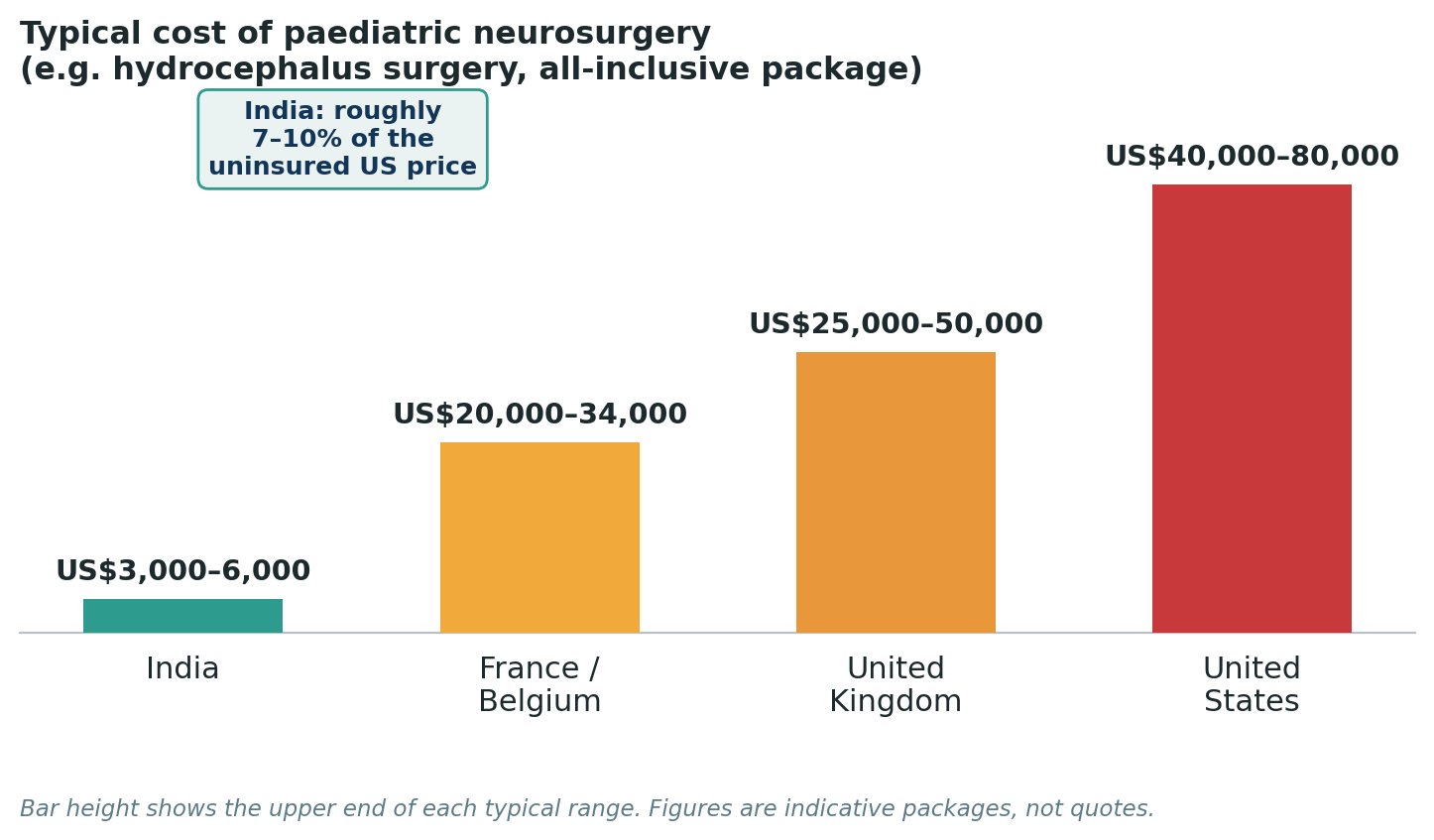
In India, a standard paediatric hydrocephalus procedure typically costs US$3,000 to US$6,000. In France or Belgium, private-sector costs typically run US$20,000 to US$34,000. In the UK's private sector, costs range roughly US$25,000 to US$50,000. In the US, the same procedure commonly costs US$40,000 to US$80,000. India's typical price sits at roughly a tenth of the uninsured US figure.
What the number on the quote does not always show
A written estimate should specify whether it covers a paediatric-trained anaesthesia team, paediatric ICU monitoring, and a defined schedule of growth and development follow-up, not just the surgery itself. In 24 years of reviewing these quotes, I have found disputes almost never concern the headline figure — they concern what it silently left out. Get every line item in writing, and never pay the full balance before surgery.
What a Congolese Parent Should Weigh, Specifically
- Confirm the surgeon is a genuine paediatric neurosurgery specialist, not a general or adult neurosurgeon extending their practice to children.
- Ask which technique is proposed, and why — a good specialist will explain the choice between shunt and ETV/CPC specifically for your child's case.
- Send the actual scan files, not just the typed report, since surgical planning depends on precise imaging.
- Budget in US dollars, with margin. The Congolese franc has weakened considerably against the dollar (roughly CDF 2,300–2,350 per US$1 in mid-2026, and it moves); build in a 15–20% buffer above the initial estimate.
- Start the visa process early. DRC passport holders need a paper medical visa through the Embassy of India in Kinshasa (Avenue Batetela, Gombe), typically around two weeks once the hospital's invitation letter is ready; apply for an attendant visa for the accompanying parent at the same time.
- Confirm your child's yellow fever certificate is current — mandatory for entry into India, at least 10 days before travel (check the minimum age for vaccination with a paediatrician beforehand).
- Plan the route realistically. There is no direct flight from Kinshasa to India; Ethiopian Airlines via Addis Ababa is the most frequent option, with Kenya Airways, Air France, and Qatar Airways as alternatives.
- Arrange follow-up care in the DRC before you fly — a shunt, in particular, needs monitoring for years, and identifying a doctor at home to track this before you travel matters as much as the operation itself.
Four signals that should make you pause
- No named paediatric neurosurgery specialist — only a general promise of "our surgical team."
- No explanation of why a specific technique (shunt vs ETV/CPC) is proposed for your child.
- No paediatric-specific anaesthesia or ICU arrangement mentioned.
- No clear long-term follow-up plan for a shunt-dependent child.
Why India Specifically for Paediatric Neurosurgery for Congolese Patients?
India operates dedicated paediatric neurosurgery centres with genuine sub-specialist volume, offering both shunt and endoscopic techniques matched to each child's specific condition rather than defaulting to whichever equipment is available. Combined with paediatric-trained anaesthesia and ICU teams, English-language consultation, and hospital accreditation (NABH domestically, JCI internationally) that mirrors the standards used to evaluate hospitals in the US and Europe, India offers a depth of paediatric-specific care that is difficult to access locally, at a fraction of the Western cost.
A closing word
A child's neurosurgical diagnosis is frightening precisely because it feels urgent and technical at once, for parents who did not choose to become experts in shunts and ventricles overnight. What matters most is a genuine paediatric specialist, matched to your child's specific condition, with a clear plan for years of follow-up, not just the day of surgery. If you are able to share your child's scans, I am glad to look them over and give a direct, honest view on what treatment would involve, including how it compares with what may already be achievable closer to home.
Sources
- 🌐 National Medical Commission of India — verify any surgeon's registration · nmc.org.in
- 🌐 National Accreditation Board for Hospitals & Healthcare Providers (NABH) · nabh.co
- 🌐 Embassy of India, Kinshasa — medical visa requirements · eoikinshasa.gov.in
- 🌐 Cairo et al., "Neurosurgical management of hydrocephalus by a general surgeon...North Kivu, DRC," Pediatric Surgery International (2018) · doi.org/10.1007/s00383-018-4238-0
- 🌐 Dewan et al., "Global hydrocephalus epidemiology and incidence," Journal of Neurosurgery (2019) · thejns.org
- 🌐 World Health Organization — yellow fever vaccination requirements · who.int/health-topics/yellow-fever
Frequently Asked Questions by Congolese Patients about Paediatric Neurosurgery in India
Why is paediatric neurosurgery different from adult neurosurgery?
Children have different anatomy, physiology and anaesthesia requirements, and their care also requires monitoring through growth and development.
What conditions commonly require paediatric neurosurgery?
The guide identifies hydrocephalus, spina bifida and other congenital neurosurgical conditions as common reasons children may require specialist treatment.
What are the main surgical options for hydrocephalus?
The two approaches discussed are ventriculoperitoneal (VP) shunting and ETV/CPC. The appropriate choice depends on the cause and pattern of the child's hydrocephalus.
Is ETV/CPC better than a VP shunt?
Not universally. The guide specifically states that neither technique is automatically superior. A properly equipped paediatric programme should select the method according to the child's individual condition.
How much does paediatric hydrocephalus surgery cost in India?
The guide gives an indicative package of US$3,000–6,000, including surgery, anaesthesia and a typical hospital stay.
What specialist should parents choose?
Parents should confirm that the surgeon is a genuine paediatric neurosurgery specialist, rather than a general or adult neurosurgeon who occasionally treats children.
What should the hospital provide besides the surgeon?
The guide recommends checking for paediatric-trained anaesthesia, paediatric neuro-ICU support and structured growth and development follow-up.
Should parents send the child's actual scans?
Yes. The guide recommends sending the actual scan files rather than only the typed report, because treatment planning depends on precise imaging.
Why is long-term follow-up important after a shunt?
A shunt may require monitoring for years, so parents should identify a doctor in the DRC who can continue follow-up after the child returns home.
What should Congolese parents arrange before travelling?
Parents should begin the medical and attendant visa process, confirm the child's yellow-fever documentation, plan connecting flights and arrange long-term follow-up care in the DRC before travelling.
Page Summary
This guide helps Congolese parents understand paediatric neurosurgery in India, particularly for hydrocephalus, spina bifida and other childhood neurosurgical conditions. The page 1 graphic highlights the distance families may travel for hydrocephalus treatment, while the page 2 chart compares shunt and ETV/CPC use in documented DRC practice with an illustrative dedicated paediatric programme. The page 3 comparison and cost chart emphasise paediatric-specific teams, treatment options, ICU care, structured follow-up and India's lower indicative treatment costs.
Citation Block
| Field | Information |
|---|---|
| Topic | Paediatric Neurosurgery in India for Congolese Patients |
| Treatment | Paediatric Neurosurgery |
| Patients | Congolese Children |
| Key Specialist | Paediatric Neurosurgeon |
| Conditions | Hydrocephalus, spina bifida and congenital neurosurgical conditions |
| Documented DRC Practice | Fewer than nine hydrocephalus operations annually at cited institution |
| Average Travel Distance | 154 km |
| Hydrocephalus Techniques | VP shunt and ETV/CPC |
| DRC Study Practice | 97.4% shunt / 2.5% ETV-CPC |
| Dedicated Programme Illustration | 55% shunt / 45% ETV-CPC |
| India Cost | US$3,000–6,000 for standard paediatric hydrocephalus surgery |
| Specialist Requirement | Fellowship-trained paediatric neurosurgeon |
| Anaesthesia | Paediatric-trained anaesthesia team |
| Critical Care | Paediatric neuro-ICU |
| Follow-Up | Structured growth and development monitoring |
| Imaging | Actual scan files before treatment planning |
| Cost Transparency | Surgery, anaesthesia, ICU monitoring and follow-up |
| Second Opinion | Shunt versus ETV/CPC where clinically appropriate |
| Financial Planning | 15–20% buffer above initial estimate |
| Travel Requirement | Medical visa, attendant visa and yellow-fever certificate |
| Follow-Up in DRC | Named doctor for long-term monitoring |
| Warning Signs | No named paediatric specialist, unexplained technique choice, no paediatric ICU plan or no long-term follow-up |
| Key Decision | Match the child's condition with the appropriate paediatric neurosurgical technique and team |

Our Mission Statement
Our mission is to place patients at the centre of every healthcare decision by providing trustworthy, evidence-based, and unbiased medical information. We believe that informed patients make better decisions. Backed by personalised guidance from our experienced advisory team, we help patients understand their treatment options, compare them objectively, and confidently choose the path that best suits their medical needs and personal circumstances.
Patient Testimonials from Congo
Ready to Take the First Step?
Share your medical reports with our healthcare managers today and receive a FREE CONSULTATION, a personalized treatment plan and complete support from your arrival to your recovery.
Get Your Free ConsultationAreas We Serve
At Indian Health Guru Consultants, we proudly assist patients from Congo and neighboring countries across Central, East and Southern Africa who travel to India for advanced medical treatment. Our experienced international patient team provides end-to-end support, including medical opinions, hospital selection, Medical Visa assistance, travel planning, accommodation, interpreter services and post-treatment follow-up.
We regularly serve patients from:
- Gabon
- Cameroon
- Angola
- Uganda
- Rwanda
- Burundi
- Tanzania
- Zambia
- Djibouti
- Comoros
- Madagascar
- Seychelles
- South Sudan
- Central African Republic
- Republic of the Congo
- Democratic Republic of the Congo
No matter where you are located in the region, Indian Health Guru Consultants is committed to making your medical journey to India safe, affordable, seamless and completely patient-focused.
From Congo to India: Your Complete Patient Guide
- Brain Tumor Surgery in India for Congolese Patients
- Best Brain Tumour Surgeons & Hospitals in India for Congo Patients
- Knee Replacement in India for Congolese Patients
- Best Knee Replacement Surgeons & Hospitals in India for Congolese Patients
- Spine Surgery in India for Congolese Patients
- Best Spine Surgeons & Hospitals in India for Congolese Patients
- Liver Transplant in India for Congolese Patients: Cost & Guide
- Best Liver Transplant Centres and Hospitals in India for Congolese Patients
- Cardiac Surgery in India for Congolese Patients: Cost & Guide
- Best Cardiac Surgeons & Hospitals in India for Congolese Patients
- Bone Marrow Transplant in India for Congolese Patients: Cost & Guide
- Best Bone Marrow Transplant Centres and Hospitals in India for Congolese Patients
- Prostate Cancer Treatment in India for Congolese Patients: Cost & Guide
- Best Prostate Cancer Centres and Hospitals in India for Congolese Patients
- HIPEC in India for Congolese Patients: Cost & Treatment Guide
- Best HIPEC Centres and Hospitals in India for Congolese Patients
- Kidney Transplant in India for Congolese Patients: Cost & Guide
- Best Kidney Transplant Centres and Hospitals in India for Congolese Patients