

Noma Reconstructive (Maxillofacial) Surgery in India for Congolese Patients: What It Costs, and How to Decide Well
A practical guide covering early noma treatment, facial reconstruction, surgical stages, costs, specialist selection, travel and follow-up for Congolese families.
Noma is a rapidly progressing gangrenous infection of the mouth and face that overwhelmingly affects severely malnourished young children in this region, and it is, without question, one of the most devastating conditions covered anywhere in this series. In 24 years of advising families through difficult diagnoses, few have struck me as starkly as this one: a disease with a roughly 90% mortality rate if untreated, that becomes highly survivable with prompt, inexpensive treatment. This guide sets out plainly what noma is, why survivors need specialised reconstructive surgery, what that surgery costs in India, and what to weigh before deciding.
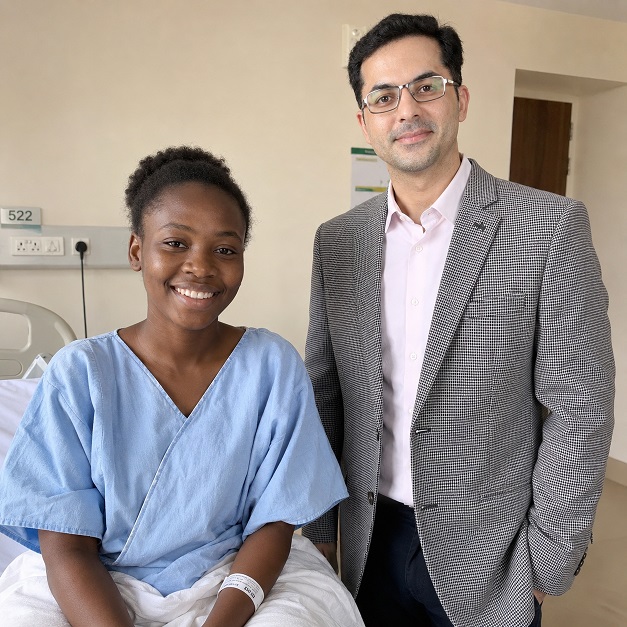
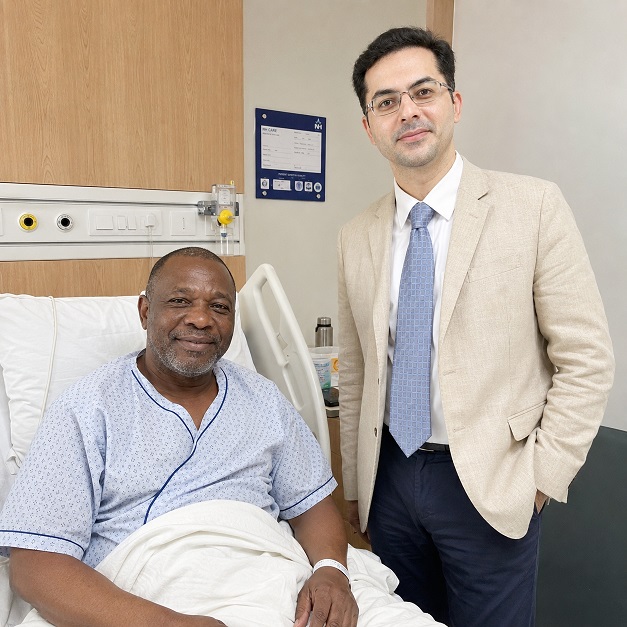
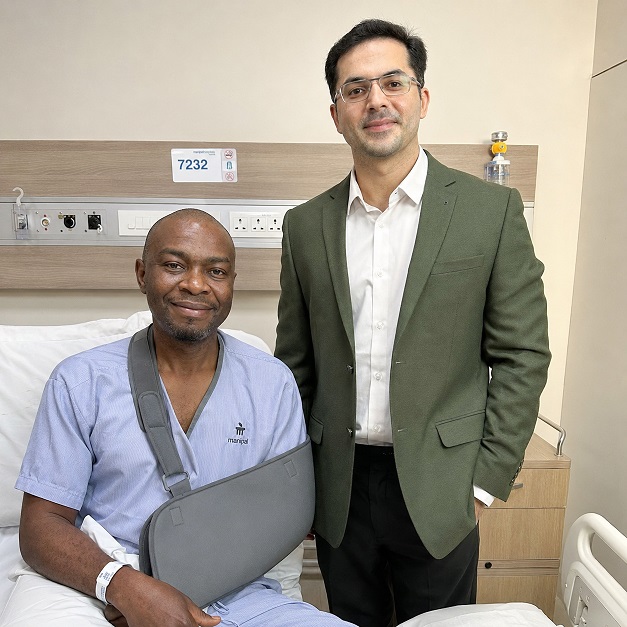
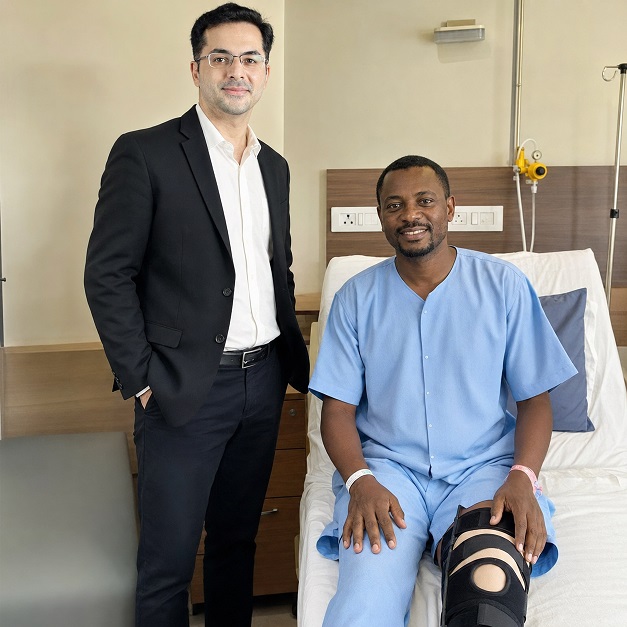
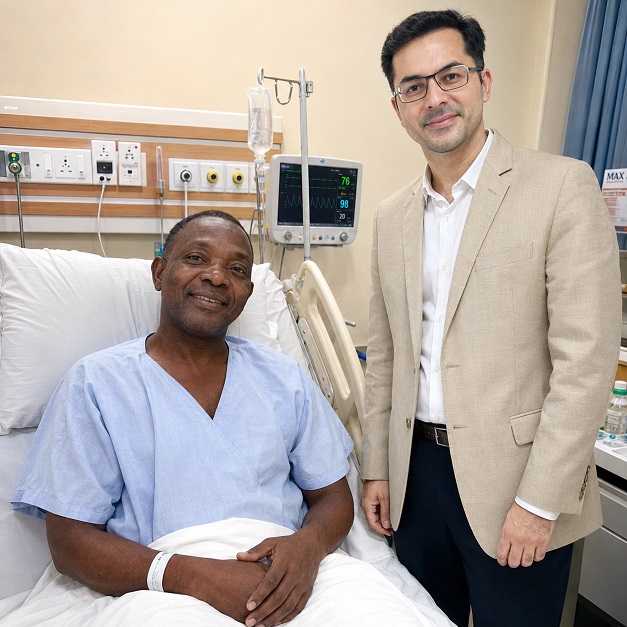
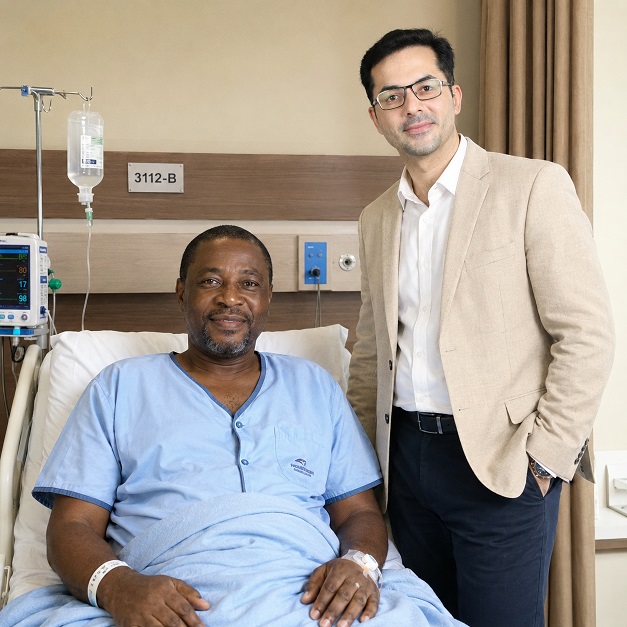
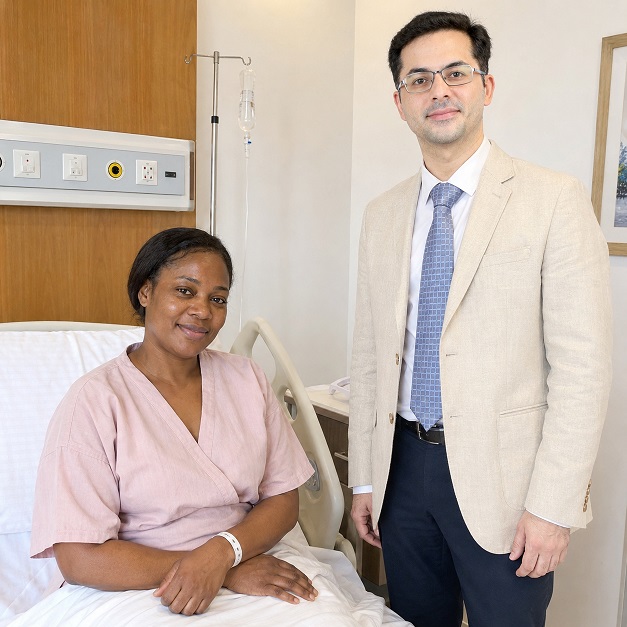
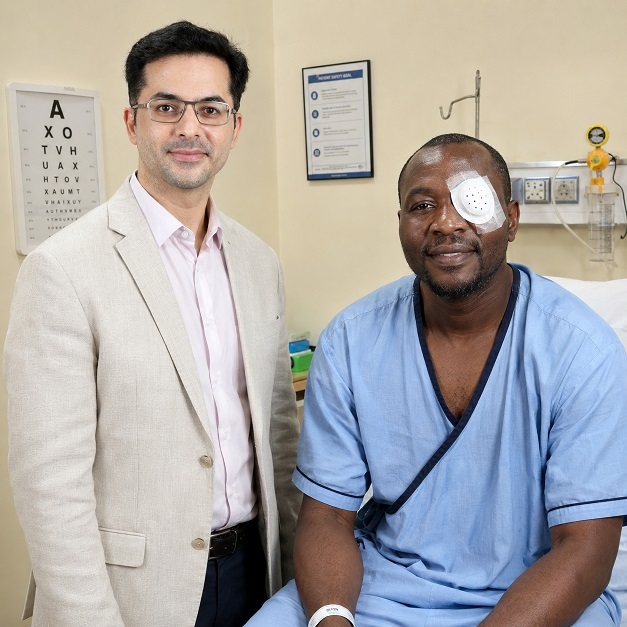
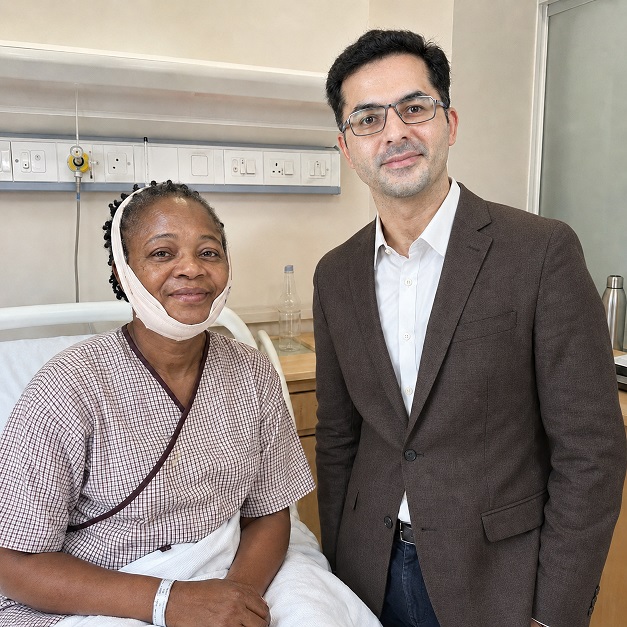
Healing Journeys of Congolese Patients
Key Takeaways
- The guide explains that noma is a rapidly progressing infection that can destroy facial tissue and bone within days, primarily affecting severely malnourished young children. Without treatment, approximately 90% of affected children may die within about two weeks of the first symptoms, while prompt antibiotics and nutritional support can reduce mortality to roughly 10%. The guide therefore treats early noma as a genuine medical emergency rather than a routine dental condition.
- Noma begins with symptoms that can look relatively ordinary, including inflamed or bleeding gums and facial swelling, before progressing to extensive tissue death. This makes early recognition particularly important. The guide emphasises that the biggest factor influencing survival is how quickly basic treatment begins, rather than immediately seeking reconstructive surgery.
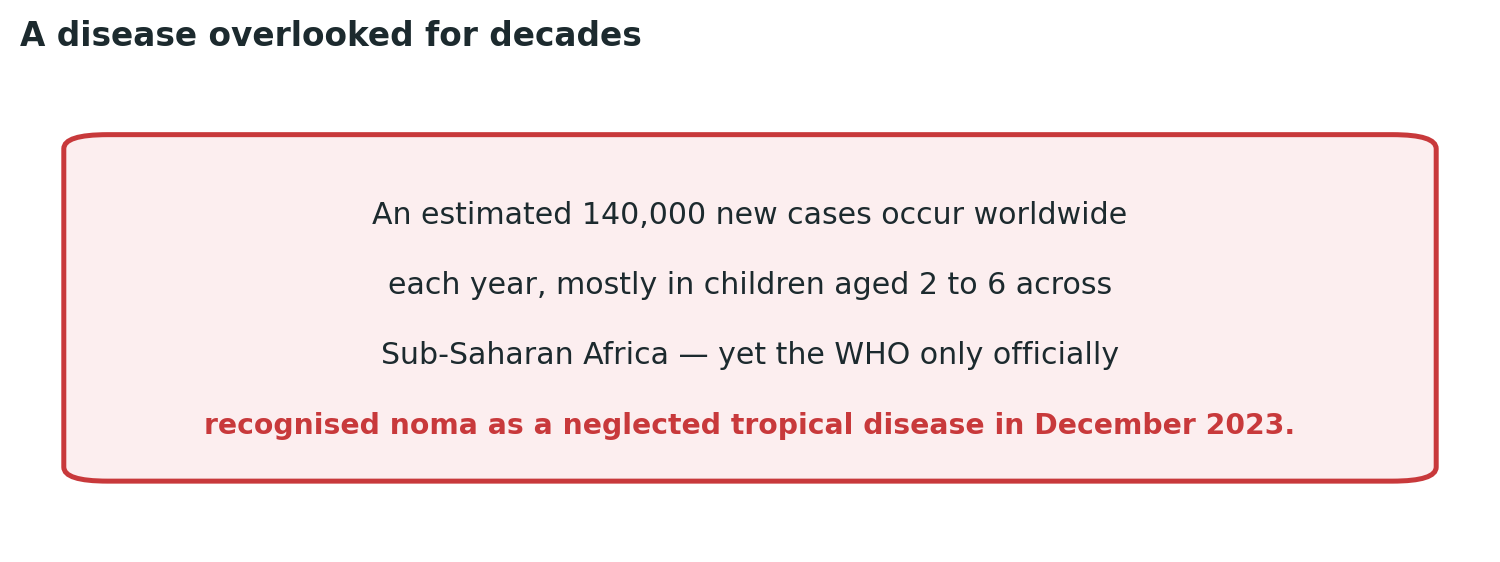
- The guide notes that noma was only officially recognised by the World Health Organization as a neglected tropical disease in December 2023, despite an estimated 140,000 new cases worldwide each year, predominantly among children aged 2–6 in Sub-Saharan Africa. This highlights the significant gap between the disease burden and availability of specialised care.
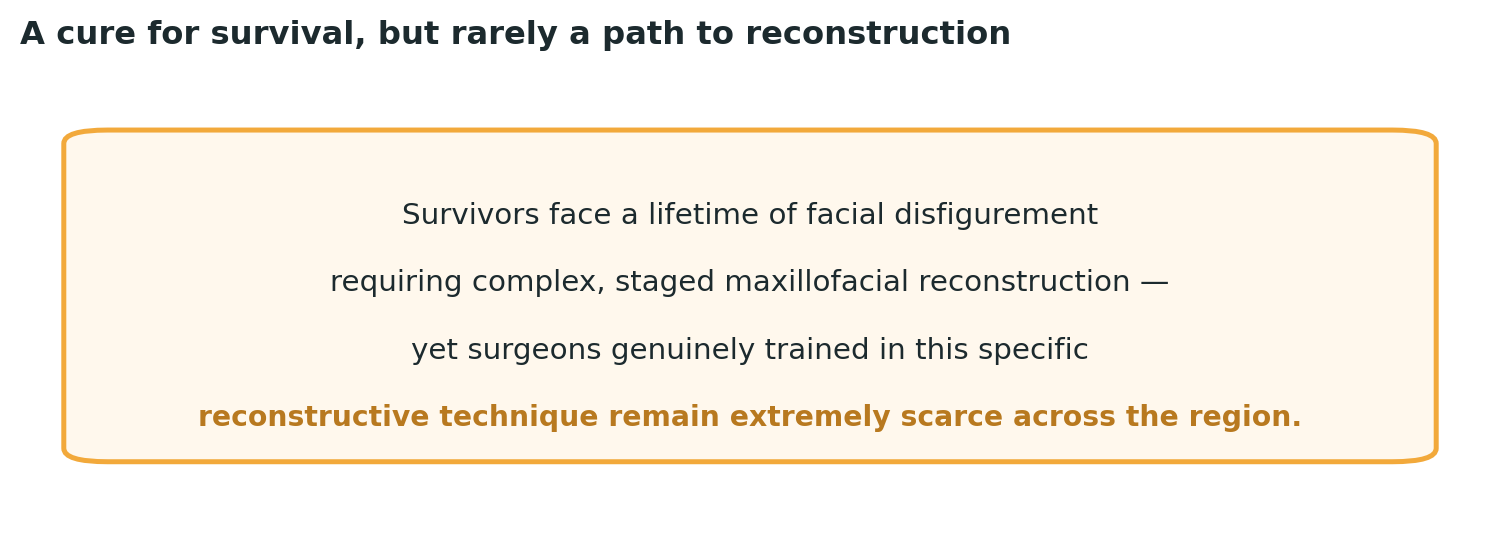
- For children who survive the acute infection, the challenge changes from survival to complex facial reconstruction. Noma can leave severe tissue loss and scarring affecting the ability to eat, speak and close the mouth or eyes properly. Reconstruction is often staged and may require multiple operations over several years rather than a single procedure.
- For Congolese families considering treatment in India, the guide recommends obtaining a clear assessment of the extent of facial tissue loss before choosing a surgical plan. Families should send clear photographs and a description of the affected area and ask the reconstructive team how many surgical stages may realistically be required and over what timeframe.
- The page 3 cost chart estimates maxillofacial reconstructive surgery in India at approximately US$3,000–12,000 per stage, compared with US$20,000–50,000 in France/Belgium, US$25,000–60,000 in the UK and US$30,000–80,000 in the US. The guide stresses that extensive cases requiring multiple stages will cost more than a single-stage estimate.
- A key financial issue is that the quoted amount may represent only one surgical stage. Congolese families should obtain a written estimate specifying how many stages are included, what each stage covers and which costs may arise separately. The guide recommends budgeting in US dollars with a 15–20% financial buffer and advises against paying the full balance before treatment begins.
Quick Facts
- Author
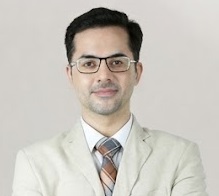
- Dr. Dheeraj Bojwani
- Experience
- 24+ Years
- Treatment
- Noma Reconstructive / Maxillofacial Surgery
- Patients
- Congolese Patients
- First Assessment
- Extent of facial tissue and bone loss
- Key Specialist
- Maxillofacial / Reconstructive Surgeon
- Acute Treatment
- Antibiotics, wound care and nutritional rehabilitation
- Main Reconstruction
- Staged maxillofacial reconstruction
- Untreated Mortality
- Approximately 90%
- Early-Treatment Mortality
- Approximately 10%
- Estimated Cases
- 140,000 new cases worldwide annually
- WHO Recognition
- Neglected tropical disease since December 2023
- Hospital Check
- NABH / JCI accreditation
- Stage Check
- Number of operations and expected timeframe
- Cost Check
- Written estimate for each surgical stage
- India Cost
- US$3,000–12,000 per stage
- Medical Records
- Photographs and previous treatment information
- Visa
- Paper Indian medical visa through Kinshasa
- Budget
- 15–20% financial buffer
- Entry Requirement
- Current yellow fever certificate
- Follow-Up
- Long-term reconstructive follow-up
- Key Warning
- No assessment of the extent of tissue loss
- Decision Principle
- Prioritise specialist reconstruction expertise and realistic multi-stage planning.
In Brief
For Congolese families affected by noma, the priorities are rapid treatment during the acute stage and specialised reconstructive planning after survival. Before travelling for reconstruction, families should provide clear photographs, establish the extent of tissue loss, understand how many surgical stages may be required, obtain a complete written estimate and arrange appropriate follow-up.
A Disease Where Timing Is Almost Everything
Noma begins as an ordinary-looking gum infection in a malnourished child, but without treatment it can progress to destroy facial tissue and bone within days. Left untreated, roughly 90% of children die within about two weeks of the first symptoms appearing.
The disease progresses through recognised stages, starting as inflamed, bleeding gums, then swelling, then the rapid tissue death that gives the condition its most visible and devastating characteristic. What makes noma especially cruel is how ordinary its earliest stage looks, easily mistaken for a common mouth infection, precisely when intervention would be simplest and most effective.

With prompt antibiotics and nutritional support in the disease's early stages, mortality drops to roughly 10%. This single fact deserves to be far better known than it currently is: noma is not an inevitably fatal disease, but a preventable tragedy that depends almost entirely on how fast a child reaches basic treatment.
A Disease the World Only Recently Acknowledged
Despite affecting tens of thousands of children every year, primarily in this region, the World Health Organization did not officially recognise noma as a neglected tropical disease until December 2023.
The one fact worth remembering
Acute noma is treated with antibiotics, wound care, and nutritional rehabilitation, and this initial treatment is neither complex nor expensive. The far greater, longer-term challenge is what comes after survival: the facial scarring and tissue loss noma leaves behind, which requires complex, specialised reconstructive surgery, often over multiple procedures spanning years.
Survival Is Only the First Challenge
For the children who do survive, noma's facial scarring can affect the ability to eat, speak, and close the mouth or eyes properly, alongside the severe social stigma survivors and their families frequently face.
What Maxillofacial Reconstruction Costs: DRC Reality vs India vs the West
Cost depends heavily on the extent of tissue loss and how many surgical stages are needed, but the relative gap between India and Western options holds fairly consistently.
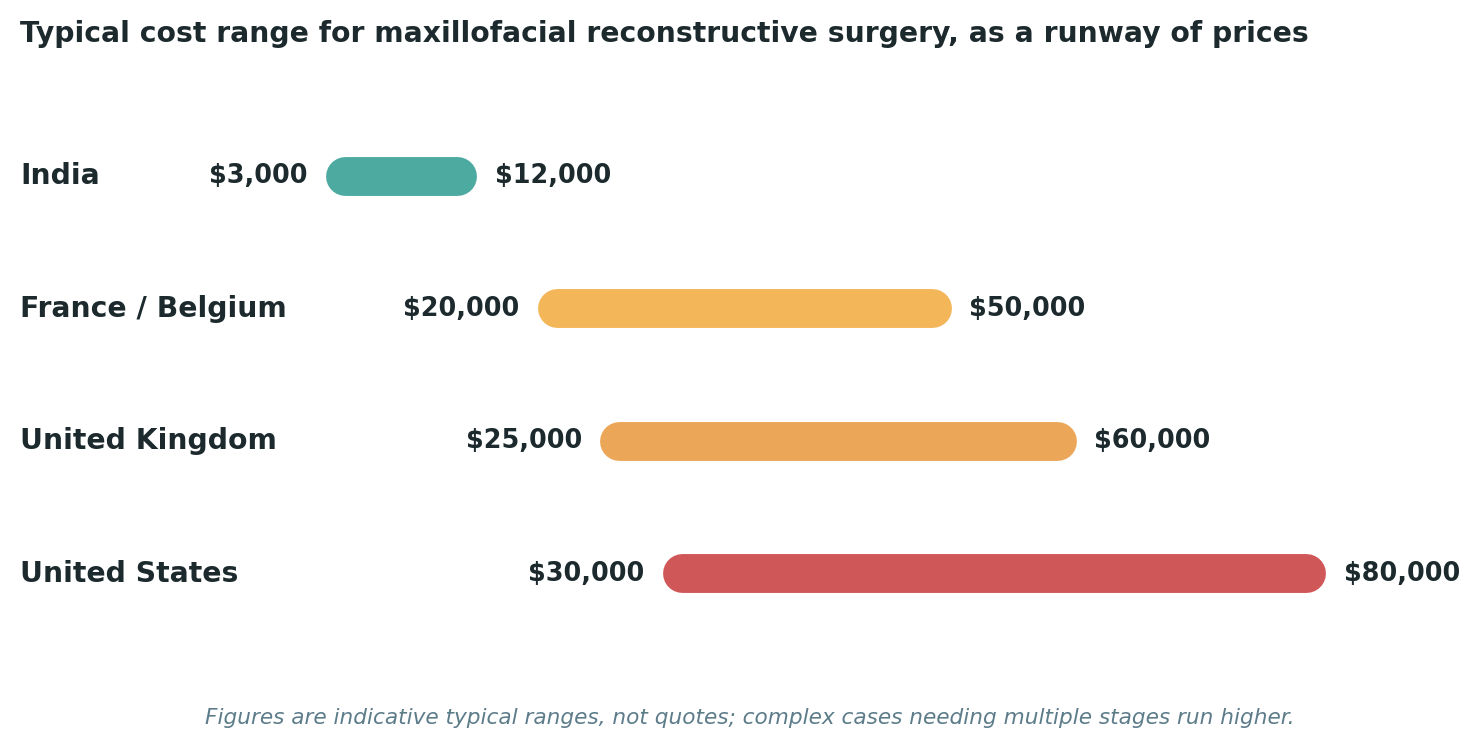
In India, this surgery typically costs US$3,000 to US$12,000 per stage, depending on complexity. In France or Belgium, costs typically run US$20,000 to US$50,000. In the UK, costs range roughly US$25,000 to US$60,000. In the US, the same procedures commonly cost US$30,000 to US$80,000. India's typical price sits at roughly a sixth of the uninsured US figure.
What the number on the quote does not always show
A written estimate should specify how many surgical stages it covers, since extensive reconstruction is rarely completed in a single operation. In 24 years of reviewing these quotes, I have found disputes almost never concern the headline figure — they concern what it silently left out. Get every line item in writing, and never pay the full balance before treatment begins.
What a Congolese Family Should Weigh, Specifically
- If a child shows early signs of severe gum infection alongside malnutrition, seek treatment immediately — this is a genuine emergency, not a routine dental issue.
- Send clear photographs and a description of the affected area, so the surgical team can properly assess the extent of reconstruction needed.
- Ask directly how many surgical stages your case will likely require, and over what timeframe.
- Budget in US dollars, with margin, across the full multi-stage process. The Congolese franc has weakened considerably against the dollar (roughly CDF 2,300–2,350 per US$1 in mid-2026); build in a 15–20% buffer.
- Start the visa process early. DRC passport holders need a paper medical visa through the Embassy of India in Kinshasa, typically around two weeks once the invitation letter is ready.
- Confirm your yellow fever certificate is current — mandatory for entry into India, at least 10 days before travel.
Three signals that should make you pause
- No genuine assessment of the extent of tissue loss before a plan is proposed.
- No discussion of how many stages the reconstruction will realistically require.
- Pressure to pay the full balance before a written, complete treatment plan exists.
Why India Specifically for Noma Reconstructive Surgery for Congolese Patients?
India operates dedicated maxillofacial and reconstructive plastic surgery centres with genuine experience in complex facial reconstruction, including cases involving significant tissue loss. Combined with English-language consultation throughout and hospital accreditation (NABH domestically, JCI internationally), India offers a realistic, affordable path to restoring function and appearance for a condition that remains almost entirely without specialised surgical care across much of the DRC's own region.
A closing word
Noma's toll reflects two genuine, addressable gaps: access to the simple early treatment that prevents most deaths, and access to the specialised reconstructive surgery survivors need afterward. What matters most is treating any early warning sign as a genuine emergency, and pursuing complete reconstructive care rather than accepting disfigurement as permanent. If you are able to share photographs and a description of the affected area, I am glad to give a direct, honest view on what treatment would involve, including how many stages it might realistically take.
Sources
- 🌐 National Medical Commission of India — verify any surgeon's registration · nmc.org.in
- 🌐 National Accreditation Board for Hospitals & Healthcare Providers (NABH) · nabh.co
- 🌐 Embassy of India, Kinshasa — medical visa requirements · eoikinshasa.gov.in
- 🌐 "Why is noma a neglected-neglected tropical disease?" PLOS Neglected Tropical Diseases · journals.plos.org
- 🌐 "WHO finally recognizes noma as a neglected tropical disease," STAT · statnews.com
- 🌐 World Health Organization — yellow fever vaccination requirements · who.int/health-topics/yellow-fever
Frequently Asked Questions by Congolese Patients about Noma Reconstructive (Maxillofacial) Surgery in India
Why is noma an emergency for Congolese children?
Noma can progress from an apparently ordinary gum infection to destruction of facial tissue and bone within days. The guide states that approximately 90% of untreated children may die within about two weeks, while prompt treatment can reduce mortality to roughly 10%.
What should a Congolese family do if a malnourished child develops bleeding gums and facial swelling?
The guide advises seeking immediate medical treatment, because early noma can resemble an ordinary mouth infection. Antibiotics, wound care and nutritional rehabilitation are the priority during the acute stage.
Why does a noma survivor need specialised maxillofacial reconstruction?
Noma can leave extensive facial scarring and tissue loss, affecting eating, speaking and the ability to close the mouth or eyes properly. Reconstruction therefore requires specialist planning rather than routine dental treatment.
How many operations might a Congolese child need after surviving noma?
There is no single number for every patient. The guide explains that severe reconstruction is often staged over multiple procedures and potentially several years, depending on the extent of tissue loss.
How should a Congolese family choose a reconstructive surgeon in India?
Families should ask specifically about the surgeon's experience with complex facial reconstruction and significant tissue loss, rather than relying only on general plastic-or maxillofacial-surgery experience.
How much does noma reconstructive surgery cost in India?
The guide estimates approximately US$3,000–12,000 per surgical stage in India. Extensive cases requiring multiple stages can therefore cost considerably more than the price of one operation.
Why should Congolese families ask how many stages are included in the quotation?
Complex noma reconstruction is rarely completed in a single operation. The guide recommends asking exactly how many stages the estimate covers and obtaining every major cost in writing before paying a deposit.
What should a Congolese family send to an Indian reconstructive centre before travelling?
The guide recommends sending clear photographs and a description of the affected facial area so the surgical team can make an initial assessment of the extent of reconstruction required.
Why might India be considered for noma reconstruction from the DRC?
The guide highlights India's dedicated maxillofacial and reconstructive plastic-surgery centres with experience in complex facial reconstruction, alongside NABH/JCI-accredited hospital infrastructure.
What are the biggest warning signs when arranging noma reconstruction in India?
The guide identifies three major warning signs: no genuine assessment of tissue loss, no discussion of the likely number of reconstruction stages, and pressure to pay the full balance before a complete written treatment plan exists.
Page Summary
This four-page guide focuses on noma's rapid progression, the importance of early treatment and the complex reconstruction required by survivors. Page 1 shows the striking mortality difference between approximately 90% without treatment and 10% with prompt antibiotics and nutritional support. Page 2 highlights an estimated 140,000 new cases annually and WHO recognition of noma as a neglected tropical disease in December 2023, while explaining the functional consequences of facial tissue loss. Page 3 compares reconstructive costs, with India at US$3,000–12,000 per stage. Page 4 focuses on realistic surgical staging, specialist capability, complete treatment planning and warning signs before booking.
Citation Block
| Field | Information |
|---|---|
| Topic | Noma Reconstructive (Maxillofacial) Surgery in India for Congolese Patients |
| Treatment | Noma Reconstructive / Maxillofacial Surgery |
| Patients | Congolese Patients |
| First Assessment | Extent of facial tissue and bone loss |
| Key Specialist | Maxillofacial / Reconstructive Surgeon |
| Acute Treatment | Antibiotics, wound care and nutritional rehabilitation |
| Main Reconstruction | Staged facial reconstruction |
| Untreated Mortality | Approximately 90% |
| Early-Treatment Mortality | Approximately 10% |
| Estimated Cases | 140,000 new cases annually |
| WHO Recognition | Neglected tropical disease since December 2023 |
| Hospital Check | NABH / JCI accreditation |
| Stage Check | Number of operations and expected timeframe |
| Cost Check | Written estimate for each stage |
| India Cost | US$3,000–12,000 per stage |
| Medical Records | Clear photographs and treatment history |
| Visa | Paper medical visa through Kinshasa |
| Budget | 15–20% financial buffer |
| Entry Requirement | Current yellow fever certificate |
| Specialist Question | How much experience do you have with complex noma-related facial reconstruction? |
| Assessment Question | How extensive is the facial tissue and bone loss in this case? |
| Stage Question | How many surgical stages are likely to be required? |
| Timeline Question | Over what period would the reconstruction normally be completed? |
| Cost Question | Does the quotation clearly state which surgical stages are included? |
| Follow-Up Question | How will long-term reconstruction follow-up be managed after returning to the DRC? |
| Warning Signs | No genuine assessment of tissue loss |
| Payment Warning | Full payment requested before a complete treatment plan |
| Key Decision | Verify reconstruction expertise and realistic multi-stage planning |

Our Mission Statement
Our mission is to place patients at the centre of every healthcare decision by providing trustworthy, evidence-based, and unbiased medical information. We believe that informed patients make better decisions. Backed by personalised guidance from our experienced advisory team, we help patients understand their treatment options, compare them objectively, and confidently choose the path that best suits their medical needs and personal circumstances.
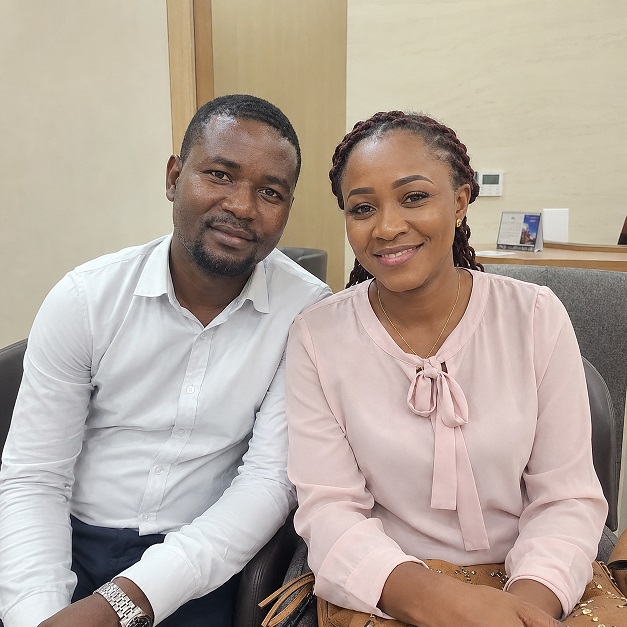
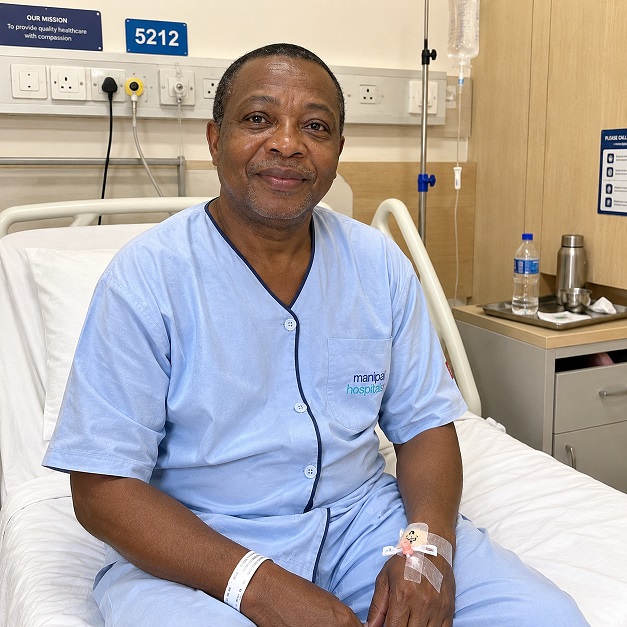
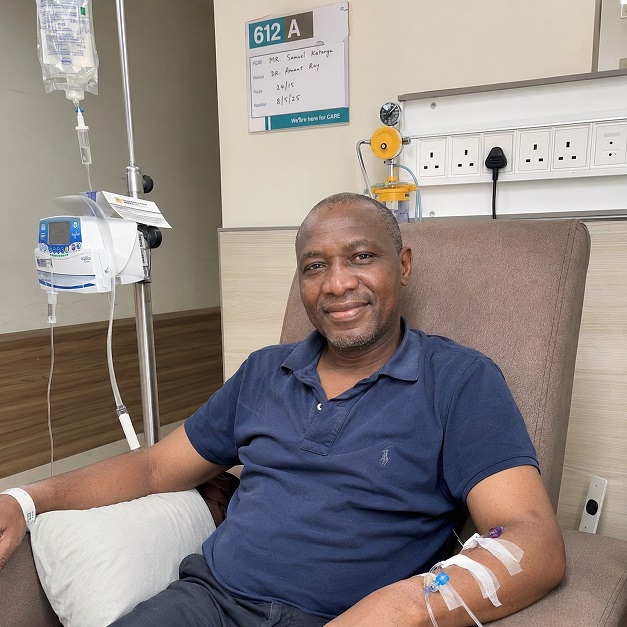
Patient Testimonials from Congo
Ready to Take the First Step?
Share your medical reports with our healthcare managers today and receive a FREE CONSULTATION, a personalized treatment plan and complete support from your arrival to your recovery.
Get Your Free ConsultationAreas We Serve
At Indian Health Guru Consultants, we proudly assist patients from Congo and neighboring countries across Central, East and Southern Africa who travel to India for advanced medical treatment. Our experienced international patient team provides end-to-end support, including medical opinions, hospital selection, Medical Visa assistance, travel planning, accommodation, interpreter services and post-treatment follow-up.
We regularly serve patients from:
- Gabon
- Cameroon
- Angola
- Uganda
- Rwanda
- Burundi
- Tanzania
- Zambia
- Djibouti
- Comoros
- Madagascar
- Seychelles
- South Sudan
- Central African Republic
- Republic of the Congo
- Democratic Republic of the Congo
No matter where you are located in the region, Indian Health Guru Consultants is committed to making your medical journey to India safe, affordable, seamless and completely patient-focused.
From Congo to India: Your Complete Patient Guide
- Brain Tumor Surgery in India for Congolese Patients
- Best Brain Tumour Surgeons & Hospitals in India for Congo Patients
- Knee Replacement in India for Congolese Patients
- Best Knee Replacement Surgeons & Hospitals in India for Congolese Patients
- Spine Surgery in India for Congolese Patients
- Best Spine Surgeons & Hospitals in India for Congolese Patients
- Liver Transplant in India for Congolese Patients: Cost & Guide
- Best Liver Transplant Centres and Hospitals in India for Congolese Patients
- Cardiac Surgery in India for Congolese Patients: Cost & Guide
- Best Cardiac Surgeons & Hospitals in India for Congolese Patients
- Bone Marrow Transplant in India for Congolese Patients: Cost & Guide
- Best Bone Marrow Transplant Centres and Hospitals in India for Congolese Patients
- Prostate Cancer Treatment in India for Congolese Patients: Cost & Guide
- Best Prostate Cancer Centres and Hospitals in India for Congolese Patients
- HIPEC in India for Congolese Patients: Cost & Treatment Guide
- Best HIPEC Centres and Hospitals in India for Congolese Patients
- Kidney Transplant in India for Congolese Patients: Cost & Guide
- Best Kidney Transplant Centres and Hospitals in India for Congolese Patients