

Joint Arthroscopy and Sports Medicine in India for Congolese Patients: What It Costs, and How to Decide Well
A practical guide for Congolese athletes and active patients considering arthroscopy and sports injury treatment in India, covering ACL surgery, costs, MRI diagnosis and rehabilitation.
Football is, without question, the most popular sport in the DRC, played on everything from proper pitches to hard, dusty, uneven ground in neighbourhoods across the country. In 24 years of advising patients on sports injuries, I have learned that this popularity comes with a real cost: research across Africa has specifically identified rough, irregular training surfaces as a significant risk factor for serious knee ligament injuries. This guide sets out plainly why timing matters so much once such an injury happens, what treatment in India costs against the Western alternatives some patients consider, and what to weigh before deciding. None of this is meant to discourage the sport itself — only to explain why the injuries it sometimes causes deserve faster, more informed attention than they typically receive.
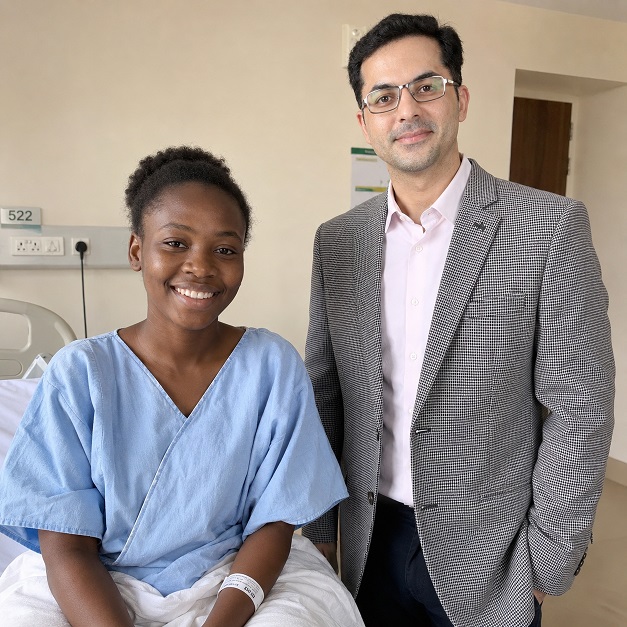
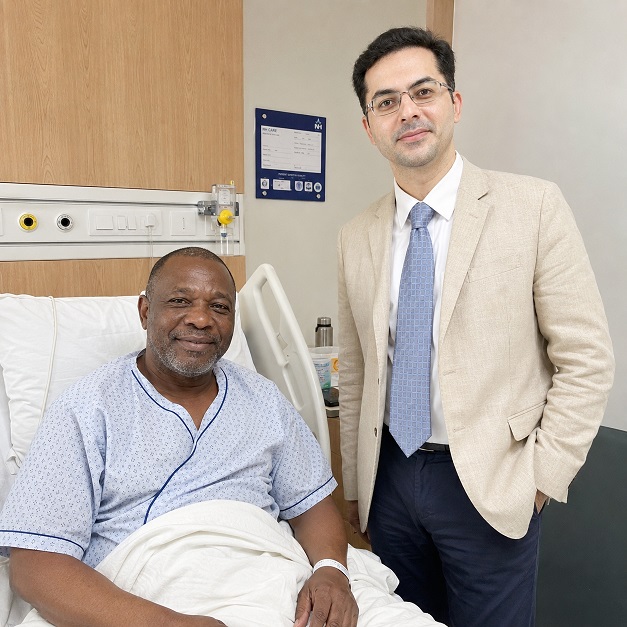
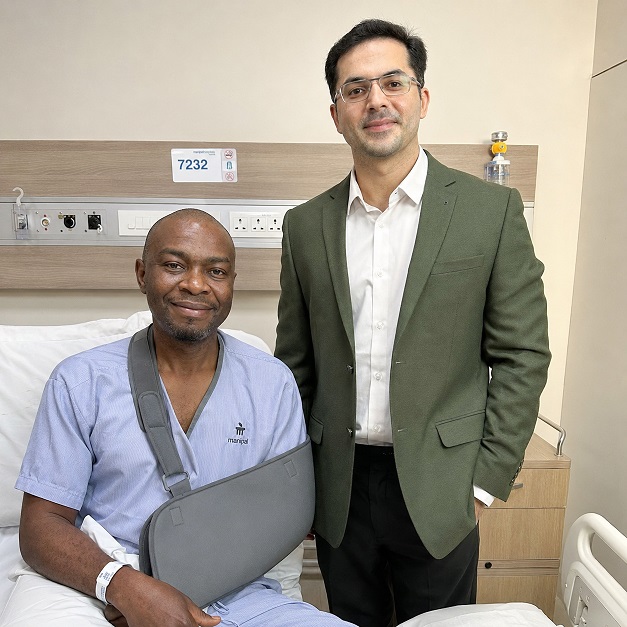
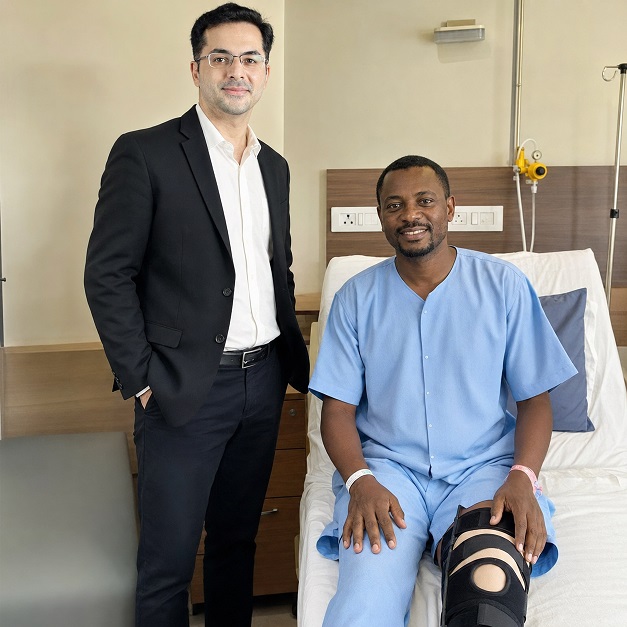
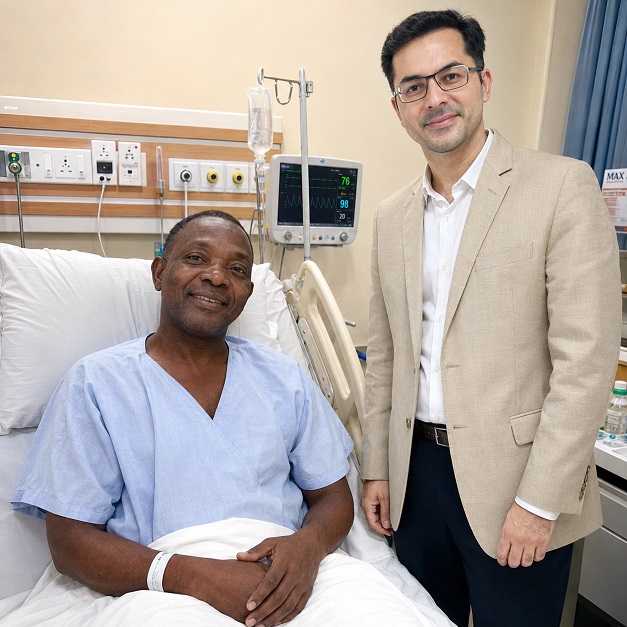
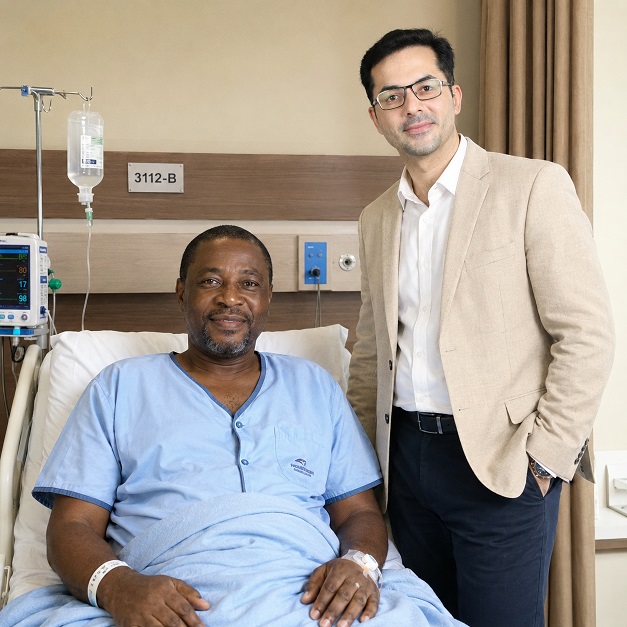
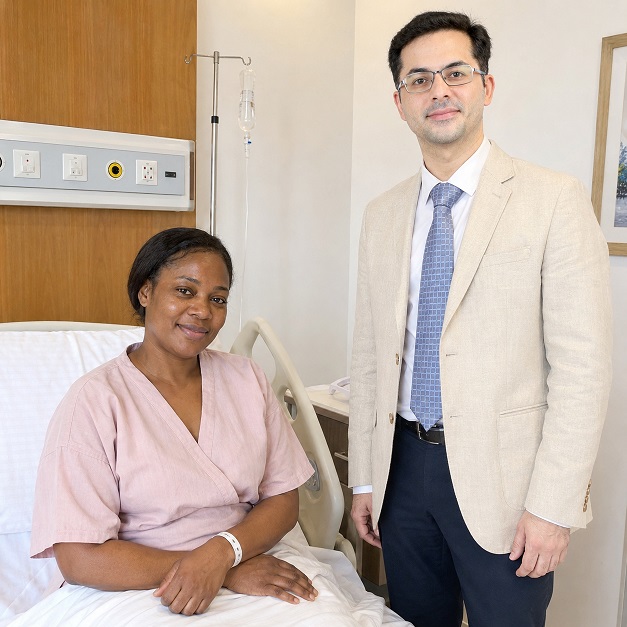
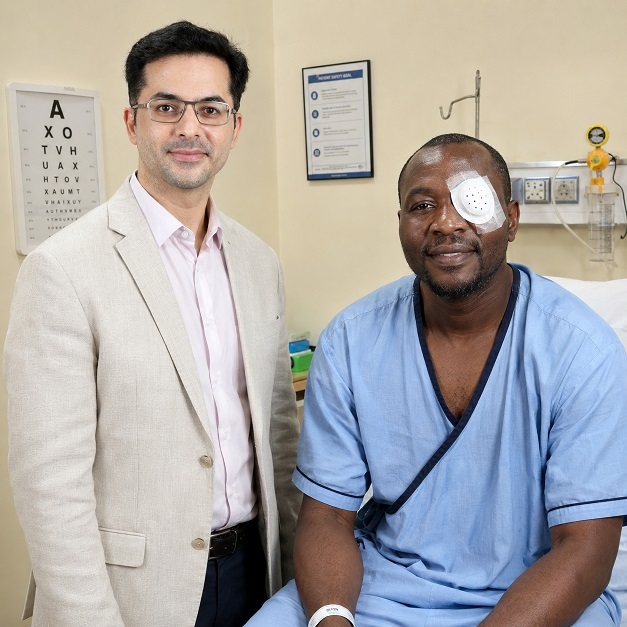
Healing Journeys of Congolese Patients
Key Takeaways
- The guide explains that ACL injuries require timely and accurate assessment, particularly for footballers and active patients. Research cited in the guide found that meniscus injury risk increases with delays in ACL reconstruction, making proper diagnosis and treatment planning important rather than relying on prolonged rest alone.
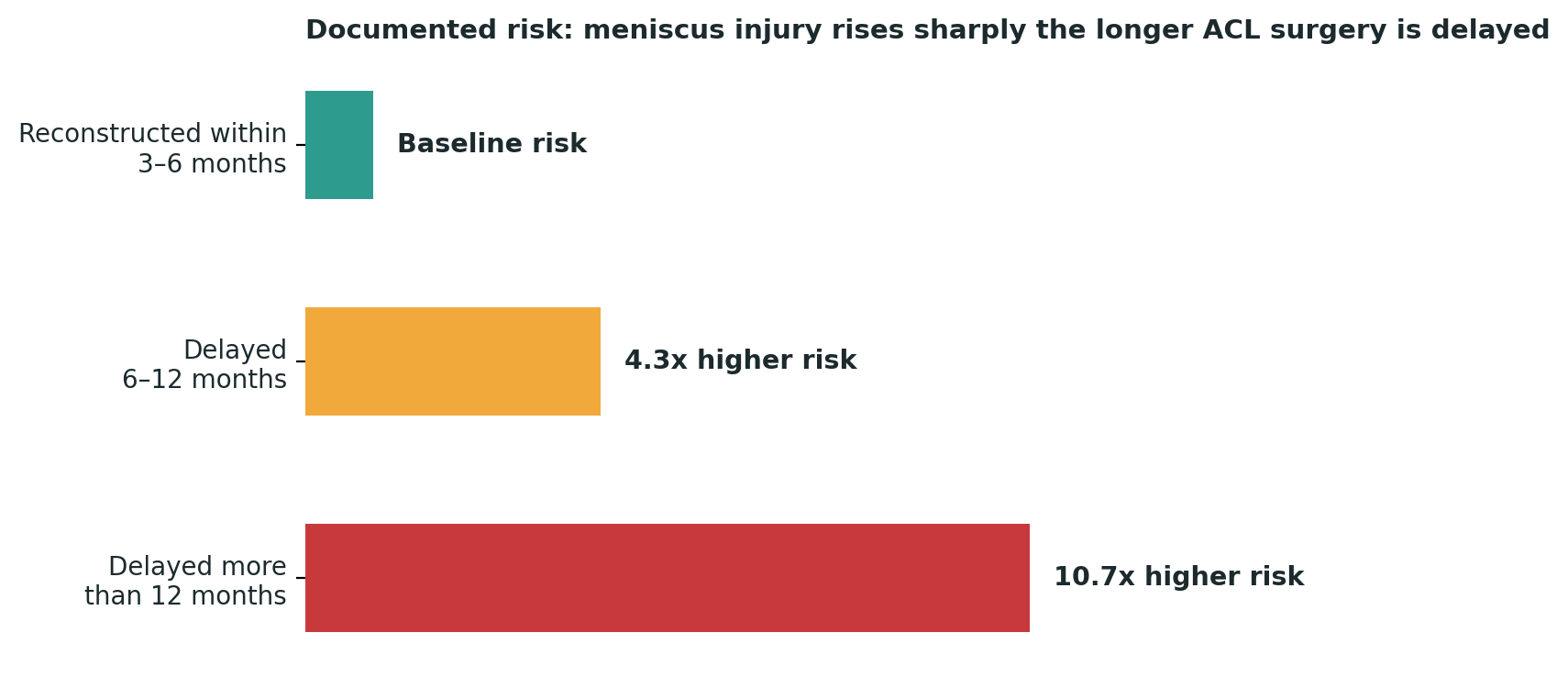
- The page 2 graphic illustrates the effect of treatment delay, showing a 4.3-times higher meniscus injury risk when ACL reconstruction is delayed 6–12 months and 10.7-times higher risk when delayed beyond 12 months, compared with reconstruction within 3–6 months.
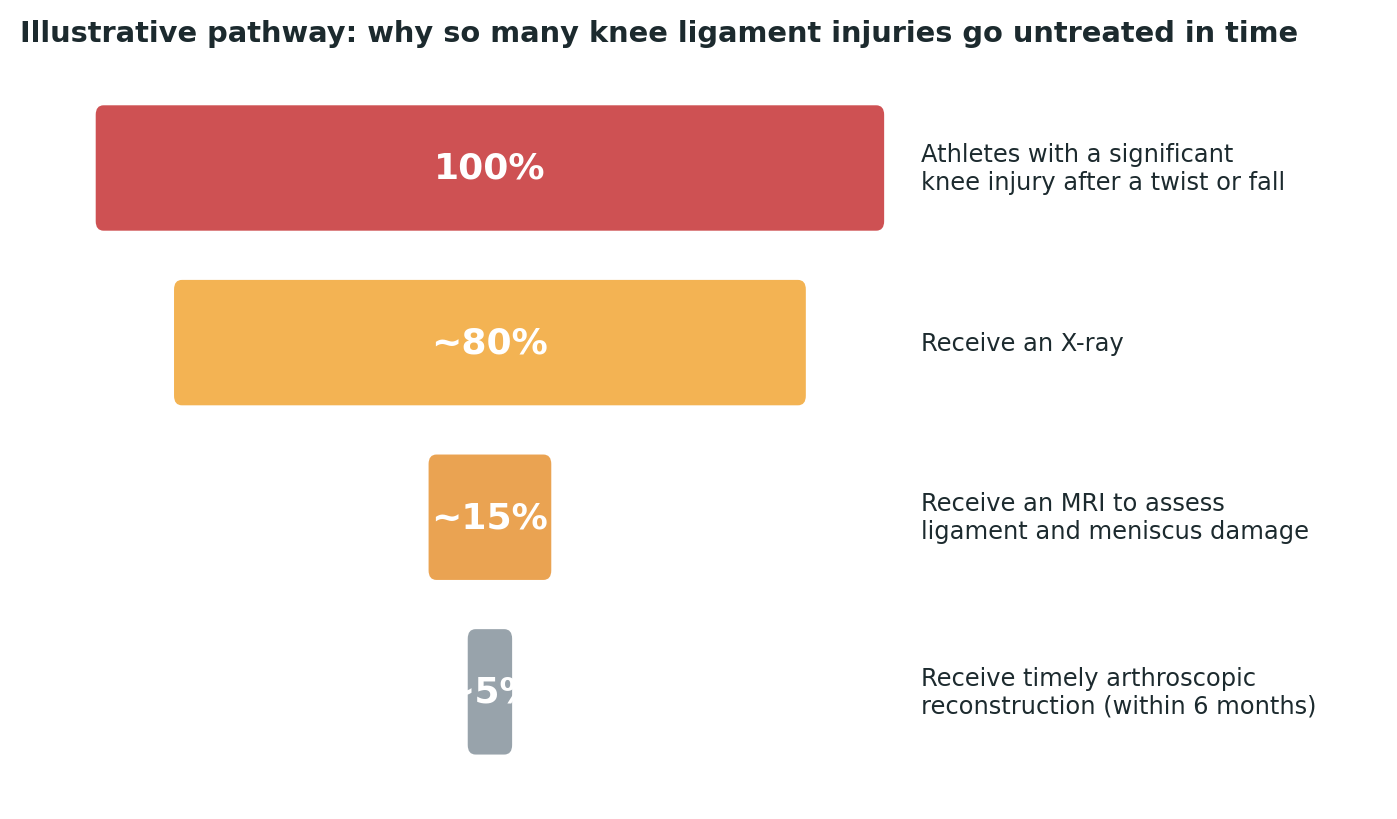
- The guide stresses that MRI is essential for properly assessing ACL and meniscus injuries, because X-rays cannot adequately show ligaments and cartilage. The page 3 pathway illustrates the diagnostic gap, with approximately 80% receiving an X-ray, 15% receiving an MRI and only 5% receiving timely arthroscopic reconstruction in the guide's illustrative pathway.
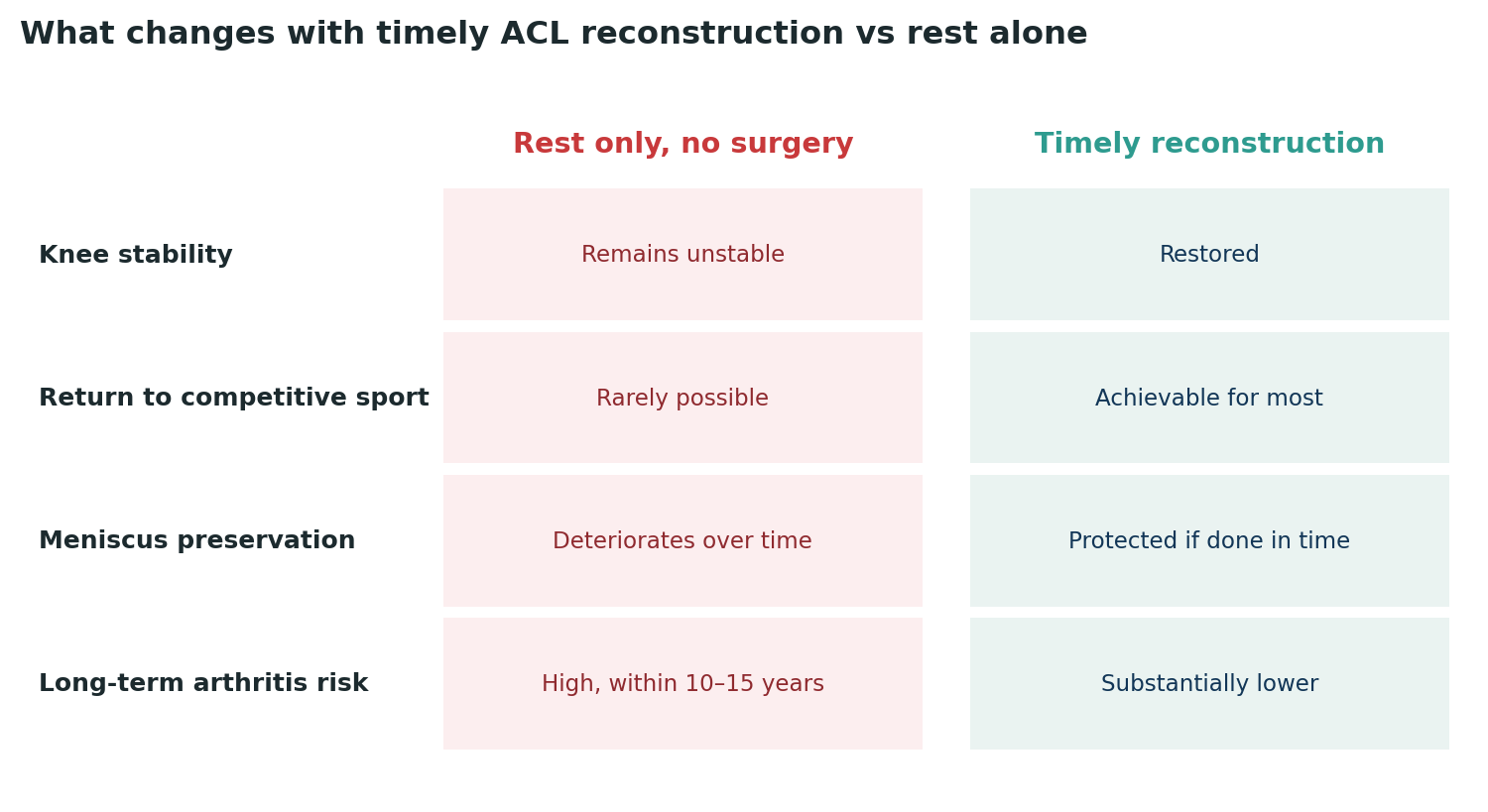
- The page 4 comparison shows the practical difference between rest alone and timely reconstruction, including knee stability, return to competitive sport, meniscus preservation and long-term arthritis risk. The same page gives an indicative ACL reconstruction cost of US$2,500–6,000 in India, compared with US$8,000–16,000 in France/Belgium, US$10,000–19,000 in the UK private sector and US$20,000–50,000 in the US.
- For Congolese patients, the guide recommends obtaining an MRI before finalising treatment, sending actual scan files, confirming the graft type and arranging structured rehabilitation. It also advises maintaining a 15–20% financial buffer, beginning the paper medical and attendant visa process early and confirming a current yellow-fever certificate before travel.
- The guide identifies four warning signs: a treatment plan based only on X-ray, no discussion of associated meniscus damage, no structured rehabilitation plan and pressure to pay the full balance before a written surgical plan exists.
Quick Facts
- Author
- Dr. Dheeraj Bojwani
- Experience
- 24+ Years
- Treatment
- Joint Arthroscopy & Sports Medicine
- Patients
- Congolese Patients and Athletes
- Key Specialist
- Sports Medicine / Arthroscopy Specialist
- First Step
- MRI-based assessment
- Key Condition
- ACL and meniscus injuries
- Delay Risk
- Meniscus injury risk rises significantly with delayed ACL reconstruction
- Treatment
- Arthroscopic ACL reconstruction where clinically appropriate
- Graft Check
- Confirm graft type and suitability
- India Cost
- US$2,500–6,000 indicative range
- Cost Check
- Graft, surgery and rehabilitation
- Financial Buffer
- 15–20%
- Rehabilitation
- Structured physiotherapy after surgery
- Imaging
- Actual MRI scan files
- Visa
- Paper medical visa and attendant visa
- Entry Requirement
- Current yellow-fever certificate
- Key Warning
- Do not finalise ACL treatment based on X-ray alone
- Decision Principle
- Choose accurate diagnosis, appropriate arthroscopic treatment and structured rehabilitation.
In Brief
For Congolese patients with ACL or other significant joint injuries, the guide recommends proper MRI-based diagnosis, timely specialist assessment and structured rehabilitation. Patients should verify the treatment plan, graft choice, complete costs and post-operative physiotherapy before travelling to India.
Why the Playing Surface Matters
The anterior cruciate ligament, or ACL, is one of the knee's most important stabilisers, and it tears most often during the sudden stops, pivots, and landings common in football. Research specifically examining African football has identified irregular, hard training surfaces as a meaningful contributor to this risk, on top of the injury patterns already well documented in the sport worldwide. For a talented young Congolese footballer training on an uneven pitch, this is not a small or theoretical concern — it is a real and elevated risk to the very joint their sport depends on.
Why Timing Matters More Than Most People Realise
A torn ACL does not heal on its own, and delaying reconstruction carries a real, measurable cost. Published research tracking outcomes by delay interval found that meniscus injury risk rose sharply the longer surgery was postponed — increasing by roughly 12% for every additional month of delay.
This matters enormously in a setting where MRI and arthroscopy access is scarce even where general orthopaedic care exists. An athlete told simply to "rest" after a serious knee injury, without proper imaging or a clear surgical plan, may be losing exactly the window in which reconstruction would have protected the rest of the joint.
The one fact worth remembering
A knee that "gives way" repeatedly after an injury, even months or years later, is not simply weak — it is very often an unrepaired ACL tear, still causing damage with every unstable step. This is worth raising directly with a specialist, however long ago the original injury happened, since the delay itself does not close the door on a good outcome.
Why Proper Diagnosis Is the First Barrier
As with many joint injuries, the core problem is diagnostic before it is surgical. A plain X-ray shows bone, not the ligaments and cartilage that make up most significant knee injuries. Confirming an ACL tear, and assessing any accompanying meniscus damage, requires an MRI — equipment that remains scarce across much of the DRC.
This diagnostic gap compounds the timing problem described above. Even a motivated athlete who wants treatment quickly cannot act on urgency they do not know exists, if no one has told them clearly that their knee has a specific, repairable ligament tear rather than a general strain that will simply heal with rest.
What Changes with Timely Treatment
The difference between rest alone and properly timed arthroscopic reconstruction is not marginal — it shapes whether an athlete can return to competitive sport at all, and what their knee looks like decades later.
This matters just as much for recreational players and physically active adults as for aspiring professionals. An unstable knee changes how a person walks, works, and carries weight through the rest of their body, and the downstream effects on hips, the opposite knee, and the lower back are well documented over years of compensating for instability.
What This Treatment Costs: DRC Reality vs India vs the West
Cost varies with graft type and whether meniscus repair is needed alongside ligament reconstruction, but the relative gap between India and Western options holds fairly consistently.
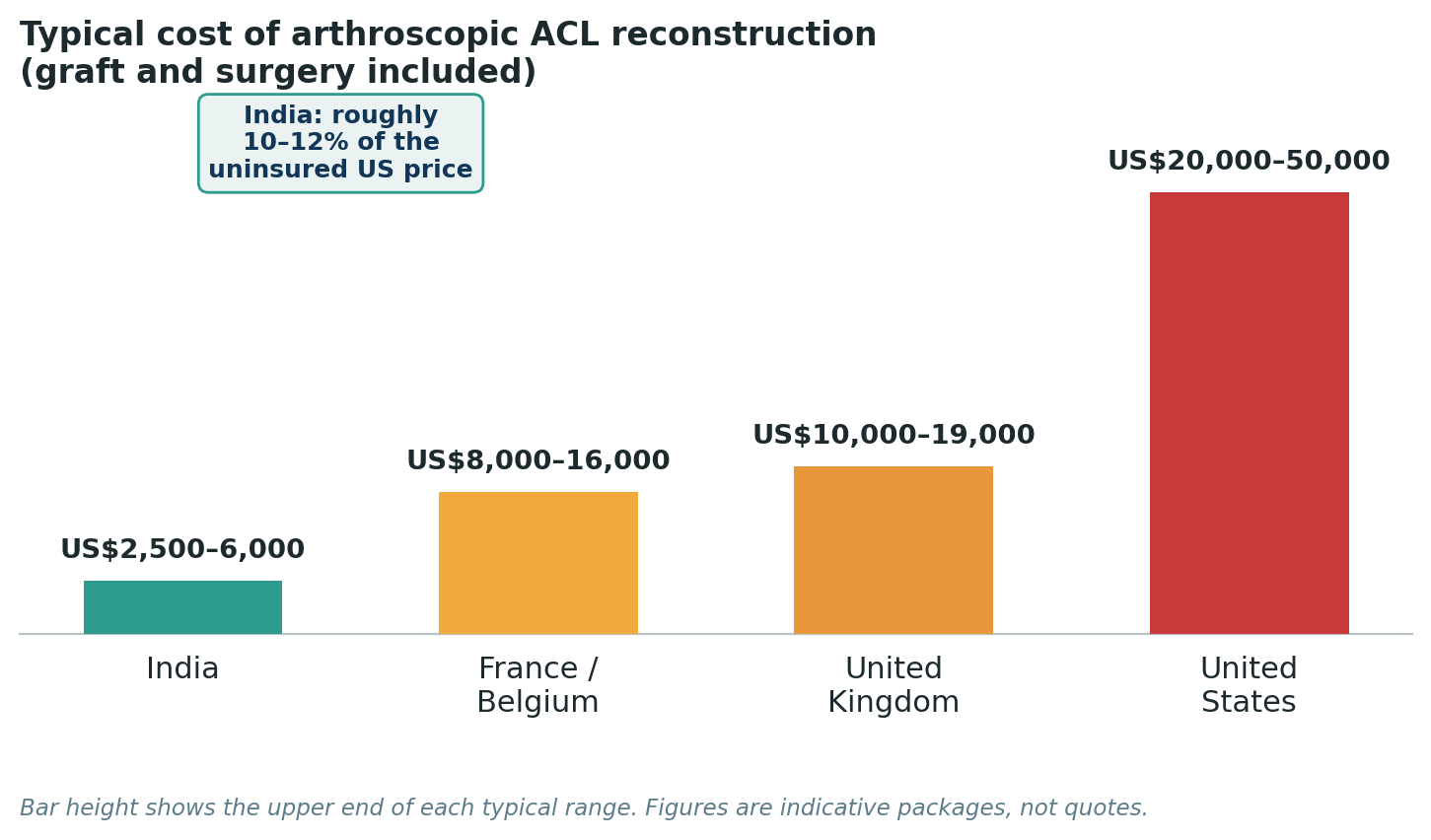
In India, ACL reconstruction typically costs US$2,500 to US$6,000. In France or Belgium, private-sector costs typically run US$8,000 to US$16,000. In the UK's private sector, costs range roughly US$10,000 to US$19,000. In the US, the same surgery commonly costs US$20,000 to US$50,000. India's typical price sits at roughly a tenth of the uninsured US figure.
What the number on the quote does not always show
A written estimate should specify the graft type, whether meniscus repair is included if needed, and the structured rehabilitation schedule that follows surgery. In 24 years of reviewing these quotes, I have found disputes almost never concern the headline figure — they concern what it silently left out. Get every line item in writing, and never pay the full balance before surgery.
What a Congolese Patient Should Weigh, Specifically
- Do not wait to seek proper imaging, even if the injury happened months ago — the delay-risk data makes clear that time matters, whenever your journey to treatment begins.
- Ask for an MRI before any treatment plan is finalised, since X-ray alone cannot properly assess ligament or meniscus damage.
- Send the actual scan files, not just the typed report, since surgical planning depends on precise imaging.
- Ask about graft type and why it is recommended for your specific case and activity level.
- Budget in US dollars, with margin. The Congolese franc has weakened considerably against the dollar (roughly CDF 2,300–2,350 per US$1 in mid-2026, and it moves); build in a 15–20% buffer above the initial estimate.
- Start the visa process early. DRC passport holders need a paper medical visa through the Embassy of India in Kinshasa (Avenue Batetela, Gombe), typically around two weeks once the hospital's invitation letter is ready; apply for an attendant visa at the same time.
- Confirm your yellow fever certificate is current — mandatory for entry into India, at least 10 days before travel.
- Arrange structured physiotherapy in the DRC before you fly — the months of rehabilitation after surgery matter as much as the operation itself for returning to sport safely.
Four signals that should make you pause
- A treatment plan proposed based on X-ray alone, without an MRI.
- No discussion of meniscus condition alongside the ligament injury.
- No structured rehabilitation plan included after surgery.
- Pressure to pay the full balance before a written surgical plan exists.
Why India Specifically for Joint Arthroscopy and Sports Medicine for Congolese Patients?
India operates high-volume sports medicine centres with routine access to MRI diagnosis and arthroscopic technique, treating athletes across football, and every other sport, as a matter of daily practice rather than exception. Combined with fellowship-trained sports medicine specialists, structured post-operative rehabilitation programmes designed specifically around returning to competitive activity, English-language consultation throughout, and hospital accreditation (NABH domestically, JCI internationally) that mirrors the standards used to evaluate hospitals in the US and Europe, India offers exactly the timely, precise care that the evidence shows makes the difference between a full return to sport and a knee that never quite recovers. For a young athlete whose future in the sport may genuinely hinge on this decision, that difference is not abstract.
A closing word
A knee injury that has never healed properly, however long ago it happened, deserves a proper look rather than continued rest and hope. The evidence is clear that time matters, but it is rarely too late to benefit from getting the diagnosis and treatment right. If you are able to share your scans, or describe the injury and how your knee has behaved since, I am glad to give a direct, honest view on what your case would involve.
Sources
- 🌐 National Medical Commission of India — verify any surgeon's registration · nmc.org.in
- 🌐 National Accreditation Board for Hospitals & Healthcare Providers (NABH) · nabh.co
- 🌐 Embassy of India, Kinshasa — medical visa requirements · eoikinshasa.gov.in
- 🌐 Utoyo et al., "Delayed anterior cruciate ligament reconstruction and risk of meniscus injury," Journal of Experimental Orthopaedics (2024) · ncbi.nlm.nih.gov/pmc/articles/PMC11347931
- 🌐 World Health Organization — yellow fever vaccination requirements · who.int/health-topics/yellow-fever
Frequently Asked Questions by Congolese Patients about Joint Arthroscopy and Sports Medicine in India
Why is timely ACL treatment important?
The guide cites evidence showing that meniscus injury risk increases as ACL reconstruction is delayed, making timely assessment particularly important for an unstable knee.
How much does meniscus injury risk increase with delay?
The page 2 chart shows an illustrative 4.3-times higher risk after 6–12 months and 10.7-times higher risk after more than 12 months compared with reconstruction within 3–6 months.
Is an X-ray enough to diagnose an ACL tear?
No. The guide explains that X-rays show bone but cannot properly assess the ACL and meniscus, making MRI important for treatment planning.
Why should patients send the actual MRI files?
Surgical planning depends on precise imaging, so sending the actual scan files gives the treating specialist more information than relying only on a typed report.
What does ACL reconstruction cost in India?
The guide gives an indicative range of US$2,500–6,000, including the graft and surgery. Actual costs depend on the patient's condition and treatment plan.
What should the quotation include?
The written estimate should specify the graft type, whether meniscus repair is included if required and the structured rehabilitation programme following surgery.
Is rehabilitation important after ACL surgery?
Yes. The guide stresses that months of structured rehabilitation are an essential part of returning safely to sport, rather than an optional addition to surgery.
Should older ACL injuries still be assessed?
Yes. The guide notes that a knee that repeatedly “gives way” months or years after an injury may still have an unrepaired ACL tear, and specialist assessment can still be worthwhile.
What financial preparation is recommended?
The guide recommends budgeting in US dollars and maintaining a 15–20% buffer above the initial treatment estimate.
What are the main warning signs?
Patients should be cautious when treatment is proposed without an MRI, without discussion of meniscus damage, without a structured rehabilitation plan or with pressure to pay the full balance before a written surgical plan exists.
Page Summary
This guide explains why timely diagnosis and treatment are important for Congolese patients with ACL and other sports-related joint injuries. The page 2 chart demonstrates the increasing meniscus injury risk associated with delayed ACL reconstruction, while page 3 illustrates the diagnostic and treatment gap. Page 4 compares outcomes of rest versus reconstruction and provides international cost comparisons, while page 5 focuses on MRI, graft selection, rehabilitation, travel preparation and warning signs.
Citation Block
| Field | Information |
|---|---|
| Topic | Joint Arthroscopy & Sports Medicine in India for Congolese Patients |
| Treatment | Arthroscopic ACL Reconstruction & Sports Injury Care |
| Patients | Congolese Patients and Athletes |
| Key Specialist | Sports Medicine / Arthroscopy Specialist |
| First Assessment | MRI |
| Key Conditions | ACL and meniscus injuries |
| Diagnostic Requirement | MRI to assess ligament and meniscus damage |
| Delay Finding | 4.3× higher meniscus injury risk at 6–12 months; 10.7× higher beyond 12 months |
| Treatment Approach | Arthroscopic reconstruction where clinically appropriate |
| Graft Planning | Confirm graft type and suitability for activity level |
| Indicative India Cost | US$2,500–6,000 |
| Cost Transparency | Graft, surgery and structured rehabilitation |
| Medical Records | Actual MRI scan files and test results |
| Rehabilitation | Structured physiotherapy following surgery |
| Financial Buffer | 15–20% |
| Second Opinion | Recommended where appropriate |
| Travel Documents | Paper medical and attendant visas |
| Entry Requirement | Current yellow-fever certificate |
| Follow-Up | Rehabilitation planning in the DRC |
| Warning Signs | X-ray-only assessment, no meniscus discussion or no rehabilitation plan |
| Payment Warning | Avoid paying the full balance before a written surgical plan |
| Key Decision | Prioritise precise diagnosis, timely treatment and long-term rehabilitation |

Our Mission Statement
Our mission is to place patients at the centre of every healthcare decision by providing trustworthy, evidence-based, and unbiased medical information. We believe that informed patients make better decisions. Backed by personalised guidance from our experienced advisory team, we help patients understand their treatment options, compare them objectively, and confidently choose the path that best suits their medical needs and personal circumstances.
Patient Testimonials from Congo
Ready to Take the First Step?
Share your medical reports with our healthcare managers today and receive a FREE CONSULTATION, a personalized treatment plan and complete support from your arrival to your recovery.
Get Your Free ConsultationAreas We Serve
At Indian Health Guru Consultants, we proudly assist patients from Congo and neighboring countries across Central, East and Southern Africa who travel to India for advanced medical treatment. Our experienced international patient team provides end-to-end support, including medical opinions, hospital selection, Medical Visa assistance, travel planning, accommodation, interpreter services and post-treatment follow-up.
We regularly serve patients from:
- Gabon
- Cameroon
- Angola
- Uganda
- Rwanda
- Burundi
- Tanzania
- Zambia
- Djibouti
- Comoros
- Madagascar
- Seychelles
- South Sudan
- Central African Republic
- Republic of the Congo
- Democratic Republic of the Congo
No matter where you are located in the region, Indian Health Guru Consultants is committed to making your medical journey to India safe, affordable, seamless and completely patient-focused.
From Congo to India: Your Complete Patient Guide
- Brain Tumor Surgery in India for Congolese Patients
- Best Brain Tumour Surgeons & Hospitals in India for Congo Patients
- Knee Replacement in India for Congolese Patients
- Best Knee Replacement Surgeons & Hospitals in India for Congolese Patients
- Spine Surgery in India for Congolese Patients
- Best Spine Surgeons & Hospitals in India for Congolese Patients
- Liver Transplant in India for Congolese Patients: Cost & Guide
- Best Liver Transplant Centres and Hospitals in India for Congolese Patients
- Cardiac Surgery in India for Congolese Patients: Cost & Guide
- Best Cardiac Surgeons & Hospitals in India for Congolese Patients
- Bone Marrow Transplant in India for Congolese Patients: Cost & Guide
- Best Bone Marrow Transplant Centres and Hospitals in India for Congolese Patients
- Prostate Cancer Treatment in India for Congolese Patients: Cost & Guide
- Best Prostate Cancer Centres and Hospitals in India for Congolese Patients
- HIPEC in India for Congolese Patients: Cost & Treatment Guide
- Best HIPEC Centres and Hospitals in India for Congolese Patients
- Kidney Transplant in India for Congolese Patients: Cost & Guide
- Best Kidney Transplant Centres and Hospitals in India for Congolese Patients