

Hip Replacement in India for Congolese Patients: What It Costs, and How to Decide Well
A practical guide for Congolese patients covering common causes of hip replacement, implant selection, treatment costs in India, travel preparation and follow-up care.
Hip replacement conjures a fairly fixed image for many people: an older patient, years of osteoarthritis, a slow decline in mobility. In 24 years of advising patients on joint replacement, I have found that this image fits Congolese patients far less often than it fits patients in Europe or North America — and understanding why matters, because it changes both the urgency of treatment and what a good surgical team needs to be prepared for. This guide sets out plainly what typically brings a Congolese patient to hip replacement, what a small but genuine local programme has already achieved, and what treatment in India costs against the Western alternatives some families consider. Getting the underlying cause right, before comparing surgeons or costs, changes almost everything that follows.
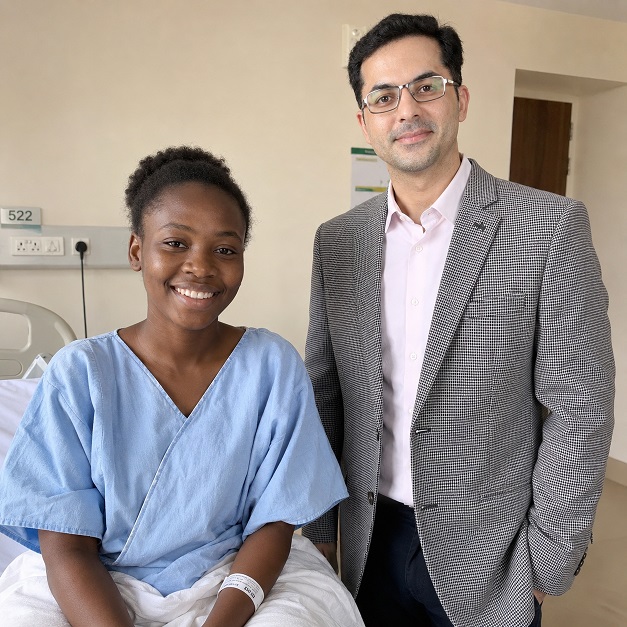
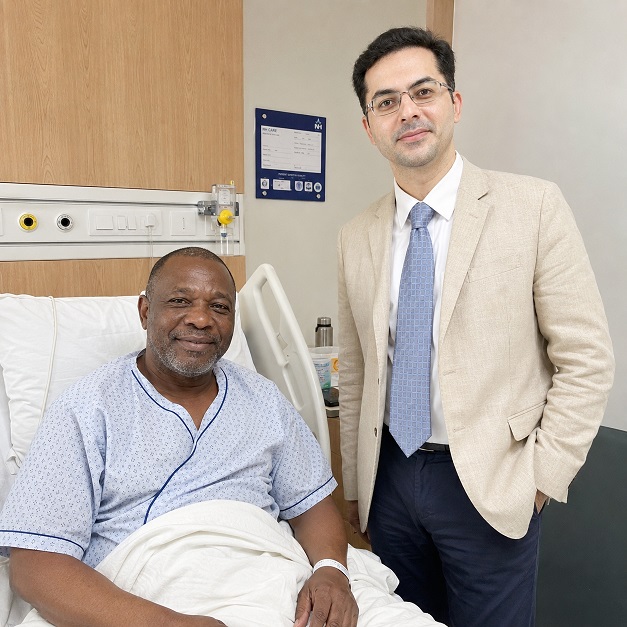
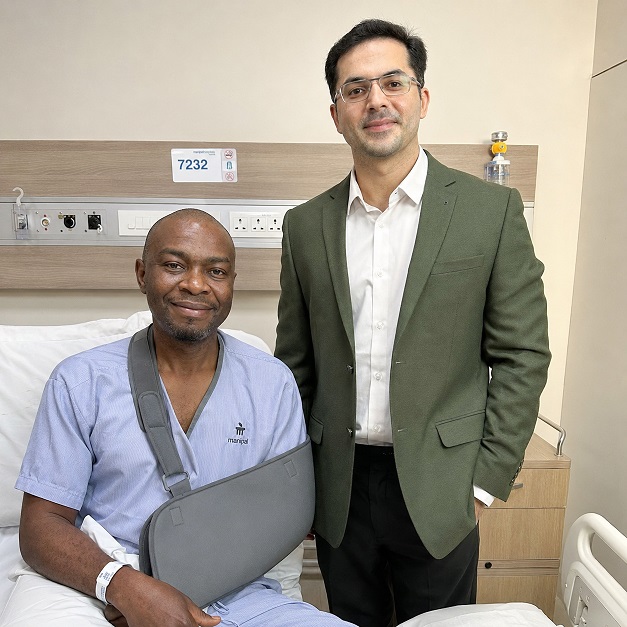
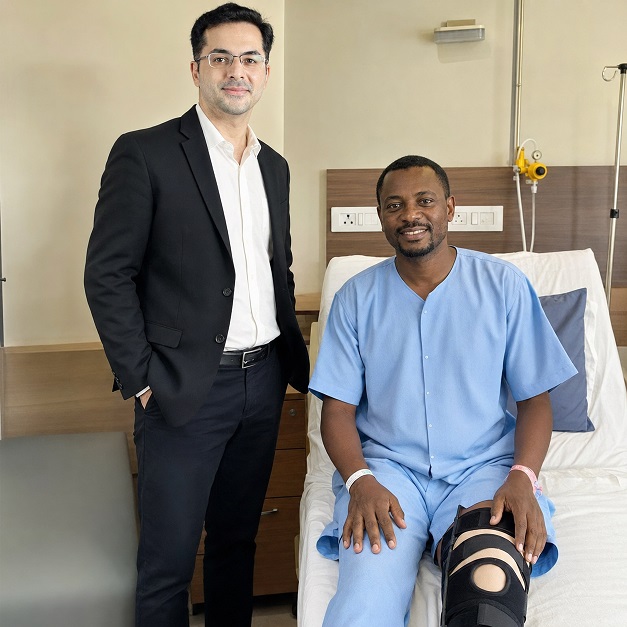
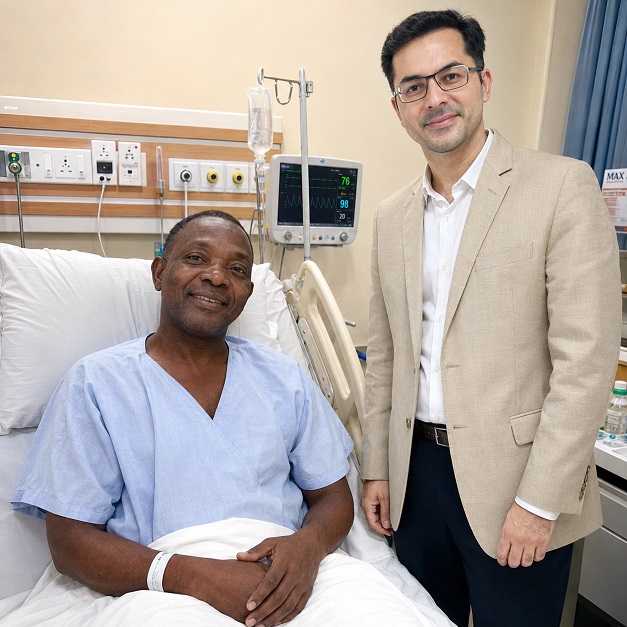
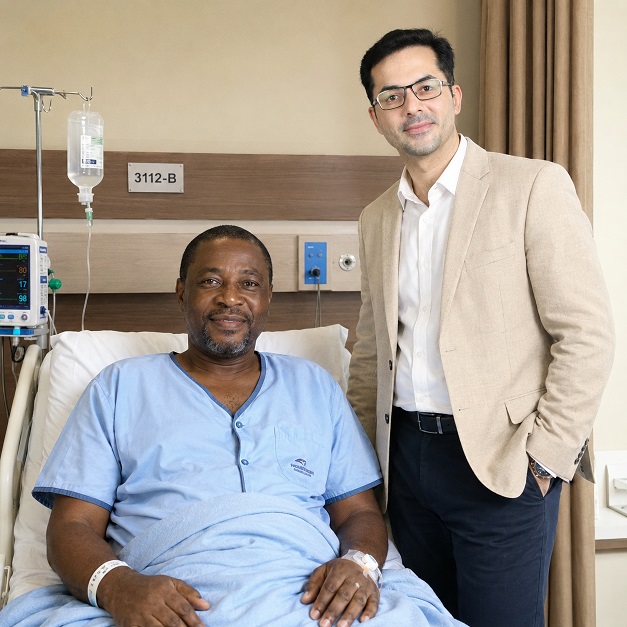
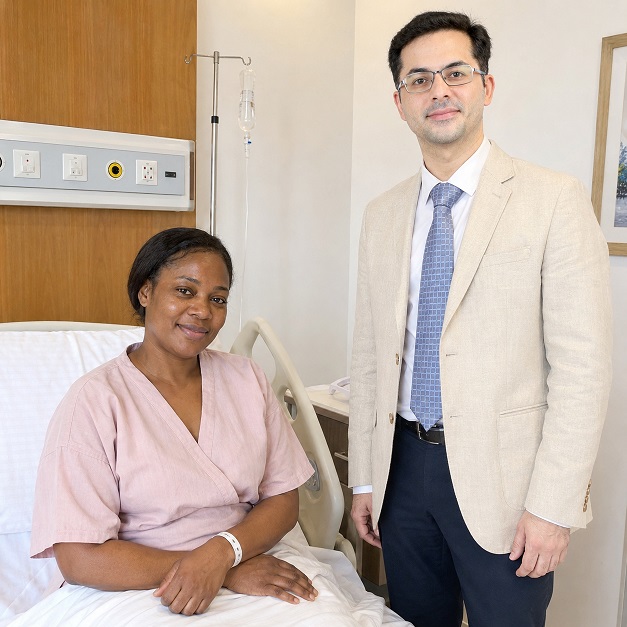
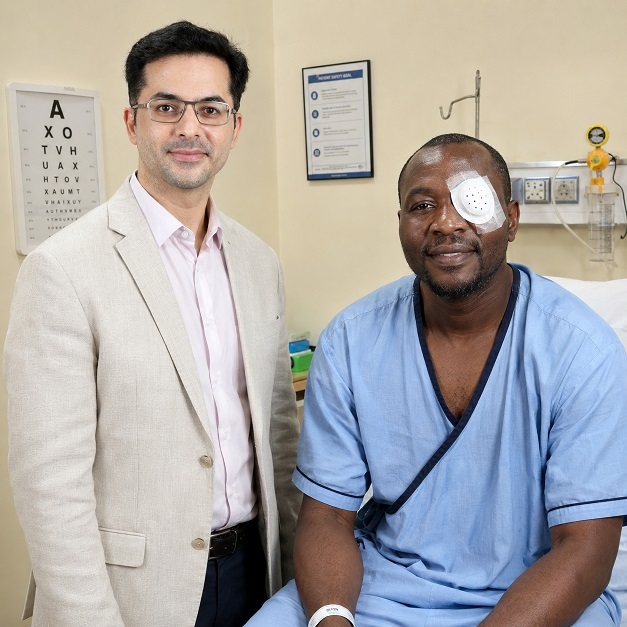
Healing Journeys of Congolese Patients
Key Takeaways
- The guide explains that Congolese hip replacement patients are often younger than typical Western patients, because femoral head osteonecrosis is a major cause of hip damage. In the documented Lubumbashi series of 60 hip replacements from 2017–2024, 71.6% were performed for osteonecrosis, while 11 patients had sickle cell disease.
- The page 1 graphic compares the documented DRC pattern with typical older Western populations, showing approximately 72% femoral head osteonecrosis versus 8% in the comparison population, while osteoarthritis represented about 15% versus 68%. This difference matters because younger patients need implants and surgical planning suited to many more years of active use.
- The guide highlights the Lubumbashi programme as a genuine but still small national experience. The clinic performed the DRC's first total hip replacement in February 2017 and completed 60 documented operations through 2024. The programme achieved encouraging results but also faced intermittent implant supplies and limited microbiology capacity, making overseas treatment more realistic for some complex or revision cases.
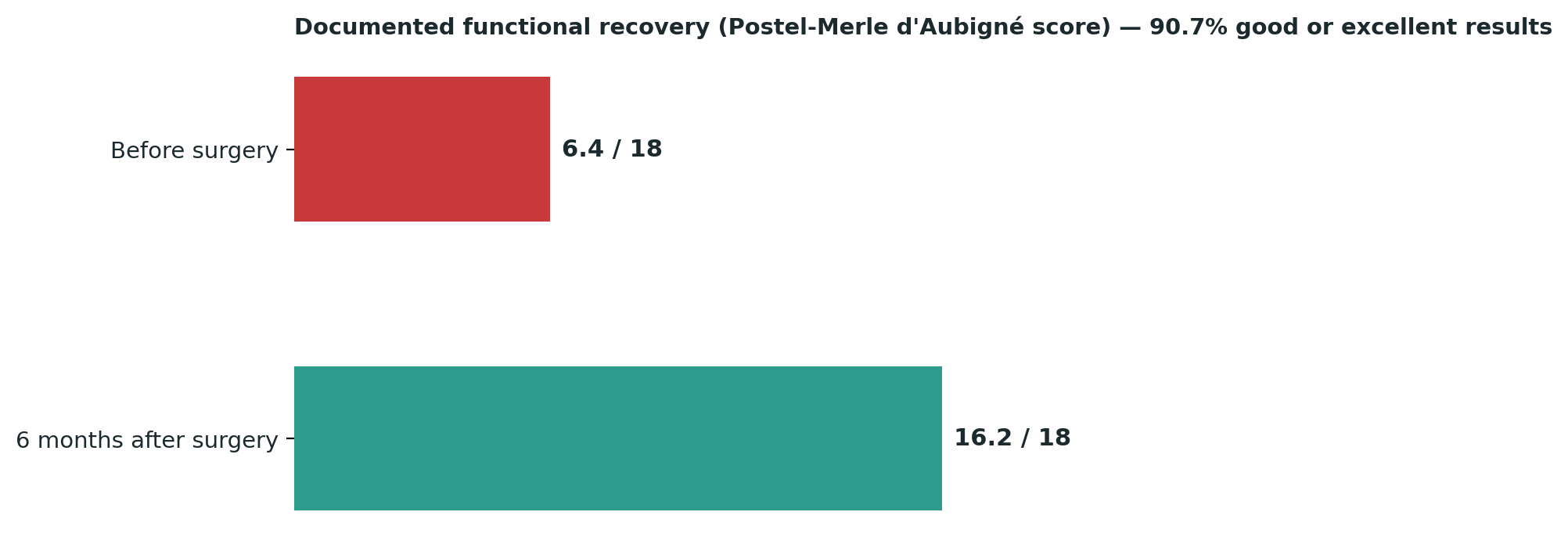
- The page 3 recovery graphic shows the Postel-Merle d'Aubigné score improving from 6.4 before surgery to 16.2 at six months, with 90.7% of patients achieving excellent or good results. Complications occurred in 17.2% of cases, including 6.6% each for dislocation and infection and 3.3% each for periprosthetic fracture and aseptic loosening.
- The page 3 cost chart gives an indicative single-hip replacement range of US$4,500–9,000 in India, compared with US$16,000–22,000 in the UK, US$22,000–35,000 in France/Belgium and US$35,000–60,000 in the US. The guide notes that India's typical cost is approximately a tenth to a sixth of the uninsured US figure.
- The guide stresses that Congolese patients should confirm the underlying cause of hip damage, disclose sickle cell disease where relevant, send actual X-rays or scans and ask which implant is being proposed and why. The written quotation should specify the implant brand and material, whether surgery is unilateral or bilateral and what physiotherapy is included.
- For Congolese patients, the guide recommends budgeting in US dollars with a 15–20% buffer, starting the Indian medical and attendant visa process early, maintaining a current yellow-fever certificate and arranging physiotherapy and follow-up care in the DRC before travel. Warning signs include receiving a quote without imaging review, no discussion of the cause of hip damage, no specific implant disclosed or pressure to pay the full balance before a written surgical plan.
Quick Facts
- Author
- Dr. Dheeraj Bojwani
- Experience
- 24+ Years
- Treatment
- Hip Replacement
- Patients
- Congolese Patients
- Key Specialist
- Orthopaedic / Joint Replacement Surgeon
- Common Cause
- Femoral head osteonecrosis
- Documented DRC Series
- 60 hip replacements from 2017–2024
- Osteonecrosis Rate
- 71.6%
- Sickle Cell Cases
- 11 of 60 documented patients
- Functional Outcome
- 90.7% excellent or good results
- Recovery Measure
- Postel-Merle d'Aubigné score improved from 6.4 to 16.2
- Complication Rate
- 17.2% in the documented programme
- India Cost
- US$4,500–9,000 per hip
- Implant Check
- Brand and material
- Planning Check
- Underlying cause and actual imaging
- Younger Patients
- Implant longevity and activity requirements are especially important
- Cost Check
- Unilateral versus bilateral surgery and physiotherapy inclusion
- Financial Buffer
- 15–20% above initial estimate
- Travel Documents
- Medical visa, attendant visa and yellow-fever certificate
- Rehabilitation
- Arrange physiotherapy in the DRC before returning home
- Key Warning
- Do not accept a quotation without imaging review and a disclosed implant
- Decision Principle
- Choose a team experienced in the patient's specific cause of hip damage and appropriate implant selection.
In Brief
For Congolese patients considering hip replacement in India, the guide recommends focusing on the underlying cause of hip damage, particularly osteonecrosis and sickle-cell-related disease, rather than treating every case as ordinary age-related arthritis. Younger patients should receive careful implant selection, while a complete cost estimate, rehabilitation plan and follow-up arrangement in the DRC should be confirmed before travelling.
Why Congolese Hip Replacement Patients Are Often Younger
A detailed seven-year study from a Lubumbashi clinic, the first in the country to offer hip replacement, gives a rare, precise picture of local demand. Among 60 hip replacements performed between 2017 and 2024, the overwhelming majority — 71.6% — were performed for femoral head osteonecrosis, a condition where the bone at the top of the thighbone loses its blood supply and collapses, rather than for the gradual wear-and-tear of osteoarthritis that dominates hip replacement lists in Europe and North America. Notably, 11 of these 60 cases occurred in patients with sickle cell disease, a condition that is far more common in Central and West Africa than in Western populations, and which is a well-documented cause of exactly this kind of bone damage.

This distinction matters practically. Osteonecrosis tends to strike younger patients — often in their thirties, forties, or fifties, rather than the seventies and eighties typical of osteoarthritis-driven hip replacement. A younger patient needs an implant expected to last many more years of active use, and a surgical team genuinely experienced in treating this specific cause, not just hip replacement in general. A surgeon accustomed mainly to older osteoarthritis patients may not routinely think in these terms, which is exactly why asking about it directly matters.
A Young, Genuine Programme — And Its Real Limits
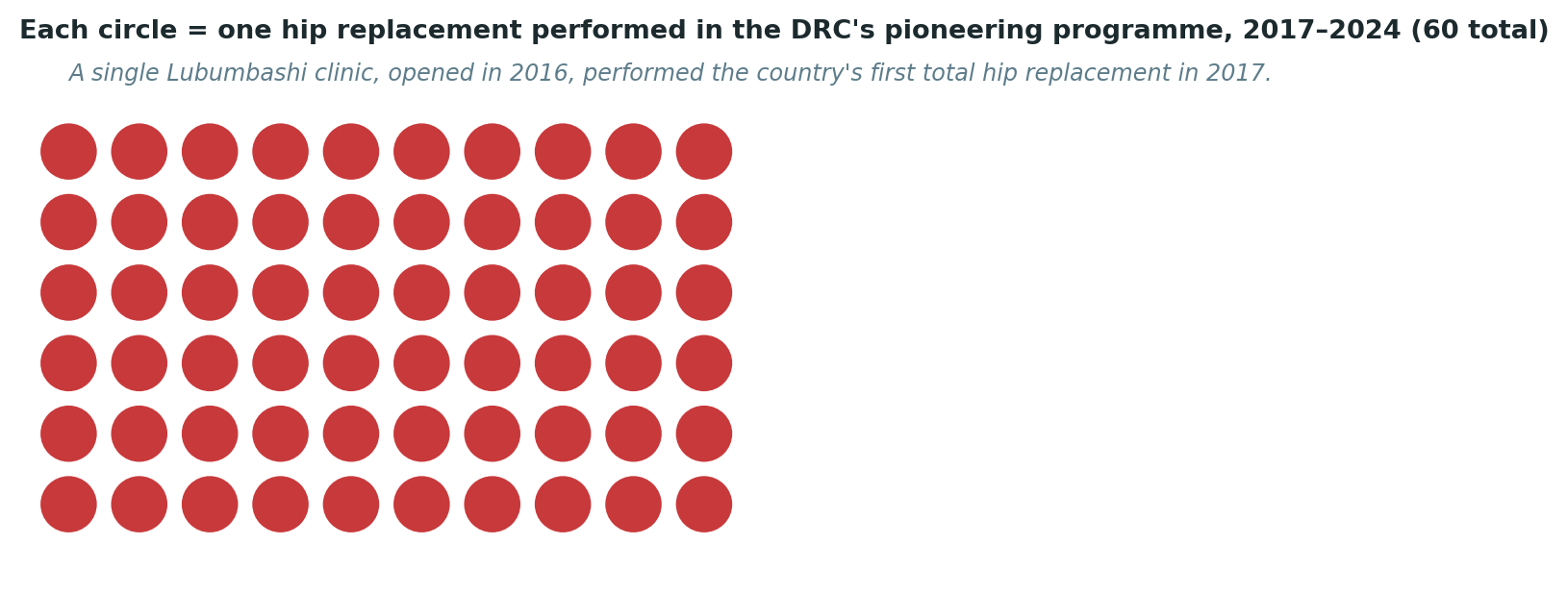
The Lubumbashi clinic behind this study deserves real credit: established in 2016, it performed the DRC's first total hip replacement in February 2017, and has since built up a track record of good outcomes despite working with intermittent implant supply and limited microbiology capacity for managing infection. This is a genuine, serious clinical achievement, carried out by a coordinated multidisciplinary team collaborating with specialists in Kinshasa and South Africa, and it deserves to be recognised honestly rather than dismissed.
The one fact worth remembering
Sixty operations over seven years, at a single clinic, is a meaningful pioneering effort — and also, honestly, a small number against the scale of need across a country of over 100 million people. For many Congolese patients, particularly those needing revision surgery, complex bilateral cases, or a broader choice of implant options, travelling abroad remains the more realistic path to timely treatment.
What the Documented Outcomes Actually Show
The published results from this programme are genuinely encouraging, and worth citing precisely rather than vaguely. Functional recovery, measured using the Postel-Merle d'Aubigné score (an 18-point scale assessing pain, mobility, and walking ability), rose from an average of 6.4 before surgery to 16.2 at six months afterward, with 90.7% of patients rated as having excellent or good results.
Complications occurred in 17.2% of cases — dislocation and infection each in 6.6%, with periprosthetic fracture and aseptic loosening each in 3.3%. These figures are broadly comparable to published outcomes from other resource-limited settings in the region, and reflect honest, transparent reporting rather than a reason to avoid treatment altogether. They do, however, underline why implant availability, infection-control capability, and surgical experience specifically in your case type are worth asking about directly, wherever you choose to be treated.
What Hip Replacement Costs: DRC Reality vs India vs the West
Cost varies with implant choice and whether one or both hips need replacement, but the relative gap between India and Western options holds fairly consistently.
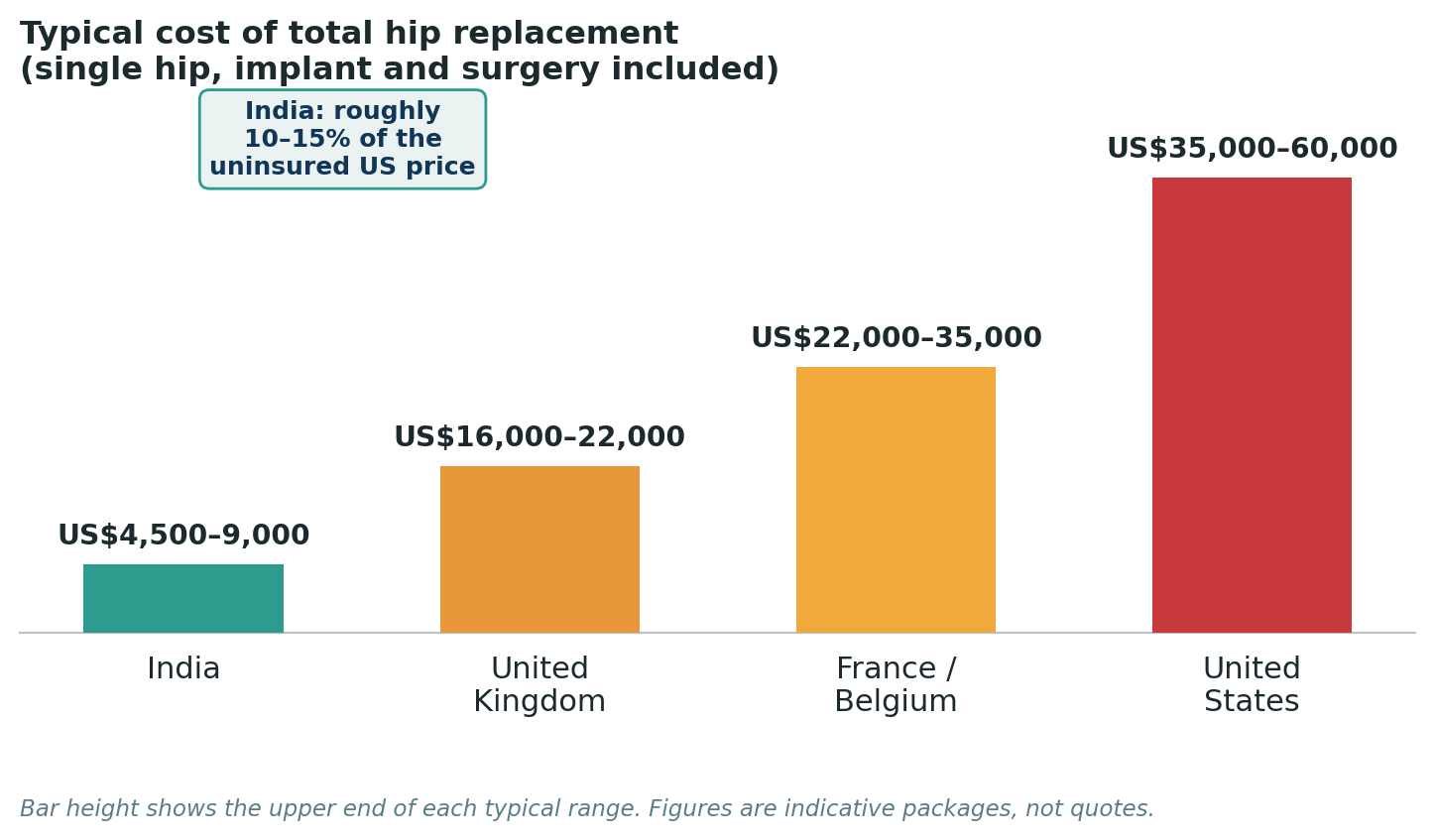
In India, total hip replacement typically costs US$4,500 to US$9,000 per hip. In the UK's private sector, costs range roughly US$16,000 to US$22,000. In France or Belgium, private-sector costs typically run US$22,000 to US$35,000. In the US, the same surgery commonly costs US$35,000 to US$60,000. India's typical price sits at roughly a tenth to a sixth of the uninsured US figure.
What the number on the quote does not always show
A written estimate should specify the implant brand and material, whether the case is unilateral or bilateral, and what physiotherapy is included after surgery. In 24 years of reviewing these quotes, I have found disputes almost never concern the headline figure — they concern what it silently left out. Get every line item in writing, and never pay the full balance before surgery.
What a Congolese Patient Should Weigh, Specifically
- Confirm the underlying cause of your hip damage — osteonecrosis and osteoarthritis are treated with the same operation but demand different surgical planning and implant selection, particularly in younger patients.
- Mention sickle cell disease explicitly, if it applies to you or your family history, since it affects both surgical risk and anaesthesia planning.
- Send the actual scan or X-ray files, not just the typed report, since surgical planning depends on precise joint imaging.
- Ask which implant is proposed, and why, especially given how much longer a younger patient's implant needs to last.
- Budget in US dollars, with margin. The Congolese franc has weakened considerably against the dollar (roughly CDF 2,300–2,350 per US$1 in mid-2026, and it moves); build in a 15–20% buffer above the initial estimate.
- Start the visa process early. DRC passport holders need a paper medical visa through the Embassy of India in Kinshasa (Avenue Batetela, Gombe), typically around two weeks once the hospital's invitation letter is ready; apply for an attendant visa at the same time.
- Confirm your yellow fever certificate is current — mandatory for entry into India, at least 10 days before travel.
- Arrange physiotherapy and follow-up care in the DRC before you fly — recovery continues for weeks after you return, and identifying local support in advance matters.
Four signals that should make you pause
- A quote given before anyone has reviewed your actual imaging.
- No discussion of the underlying cause of your hip damage.
- No specific implant brand disclosed in the written estimate.
- Pressure to pay the full balance before a written surgical plan exists.
Why India Specifically for Hip Replacement for Congolese Patients?
India operates high-volume, year-round joint replacement centres with genuine experience across the full range of hip conditions — including osteonecrosis and sickle-cell-related bone damage, not only the age-related osteoarthritis that dominates caseloads in much of the West. Combined with a wide range of implant brands suited to younger, more active patients, English-language consultation throughout, and hospital accreditation (NABH domestically, JCI internationally) that mirrors the standards used to evaluate hospitals in the US and Europe, India offers a depth of relevant experience that matters specifically for the pattern of hip disease common among Congolese patients, at a fraction of the Western cost.
A closing word
The DRC's own pioneering hip replacement programme has shown, convincingly, that good outcomes are achievable — the honest limitation is one of scale and consistent resourcing, not medical possibility. Whether your hip damage comes from osteonecrosis, sickle cell disease, or wear over time, what matters most is a team with real experience in your specific cause and an implant chosen with your years ahead in mind. If you are able to share your scans, I am glad to look them over and give a direct, honest view on what your case would involve.
Sources
- 🌐 National Medical Commission of India — verify any surgeon's registration · nmc.org.in
- 🌐 National Accreditation Board for Hospitals & Healthcare Providers (NABH) · nabh.co
- 🌐 Embassy of India, Kinshasa — medical visa requirements · eoikinshasa.gov.in
- 🌐 "Total Hip Arthroplasty in Lubumbashi (DR Congo), Outcomes in a Resource-Limited Setting," Journal of Orthopaedic Case Reports (2026) · jocr.co.in/wp/2026/03
- 🌐 World Health Organization — yellow fever vaccination requirements · who.int/health-topics/yellow-fever
Frequently Asked Questions by Congolese Patients about Hip Replacement in India
Why are Congolese hip replacement patients often younger?
The guide explains that femoral head osteonecrosis is much more prominent in the documented DRC experience than age-related osteoarthritis, and osteonecrosis can affect patients in their 30s, 40s and 50s.
How common was osteonecrosis in the documented DRC programme?
Among 60 hip replacements performed between 2017 and 2024, 71.6% were for femoral head osteonecrosis.
Why should sickle cell disease be mentioned?
Sickle cell disease can contribute to femoral head osteonecrosis and can also affect surgical risk and anaesthesia planning. Patients should disclose it where applicable.
What results were reported by the Lubumbashi programme?
The documented programme reported the Postel-Merle d'Aubigné score improving from 6.4 before surgery to 16.2 at six months, with 90.7% of patients achieving excellent or good results.
How much does hip replacement cost in India?
The guide gives an indicative cost of US$4,500–9,000 per hip, including the implant, surgery and hospital stay.
What should I check about the implant?
Ask for the specific implant brand and material and understand why that implant is appropriate, particularly if the patient is young and expects many years of active use.
Should I send my actual X-rays or scans?
Yes. The guide recommends sending the actual imaging files rather than only the written report, because surgical planning depends on the precise condition of the hip.
What should the written quotation include?
Confirm the implant brand and material, whether the procedure is unilateral or bilateral and what physiotherapy is included. All costs should be provided in writing.
What travel preparations should Congolese patients make?
Begin the Indian medical and attendant visa process early, maintain a valid yellow-fever certificate and budget with a 15–20% financial buffer.
How should rehabilitation be managed after returning to the DRC?
Arrange physiotherapy and follow-up care in the DRC before travelling, because recovery continues for weeks after surgery and local rehabilitation support is important.
Page Summary
This guide helps Congolese patients understand hip replacement in India, particularly why osteonecrosis and sickle-cell-related hip damage can result in treatment at a younger age. The page 1 graphic highlights the difference between osteonecrosis and osteoarthritis patterns, while the page 3 graphic demonstrates documented functional improvement and compares hip replacement costs across India and Western countries. Implant selection, surgical planning, transparent pricing and rehabilitation in the DRC are central to the treatment decision.
Citation Block
| Field | Information |
|---|---|
| Topic | Hip Replacement in India for Congolese Patients |
| Treatment | Total Hip Replacement |
| Patients | Congolese Patients |
| Key Specialist | Orthopaedic / Joint Replacement Surgeon |
| Major Cause | Femoral head osteonecrosis |
| Documented DRC Experience | 60 hip replacements, 2017–2024 |
| Osteonecrosis Rate | 71.6% |
| Sickle Cell Cases | 11 of 60 |
| Functional Outcome | 90.7% excellent or good results |
| Functional Score | 6.4 before surgery to 16.2 at six months |
| Complications | 17.2% overall in documented series |
| India Cost | US$4,500–9,000 per hip |
| Implant Assessment | Brand, material and suitability for younger patients |
| Imaging | Actual X-rays/scans before treatment planning |
| Surgical Planning | Underlying cause of hip damage |
| Cost Transparency | Implant, unilateral/bilateral surgery and physiotherapy |
| Second Opinion | Cause, implant choice and surgical approach |
| Financial Planning | 15–20% buffer above initial estimate |
| Travel Requirement | Medical visa, attendant visa and yellow-fever certificate |
| Follow-Up | Physiotherapy and named follow-up care in the DRC |
| Warning Signs | No imaging review, undisclosed implant or advance-payment pressure |
| Key Decision | Match the surgical plan and implant to the cause and long-term needs of the patient |


Our Mission Statement
Our mission is to place patients at the centre of every healthcare decision by providing trustworthy, evidence-based, and unbiased medical information. We believe that informed patients make better decisions. Backed by personalised guidance from our experienced advisory team, we help patients understand their treatment options, compare them objectively, and confidently choose the path that best suits their medical needs and personal circumstances.
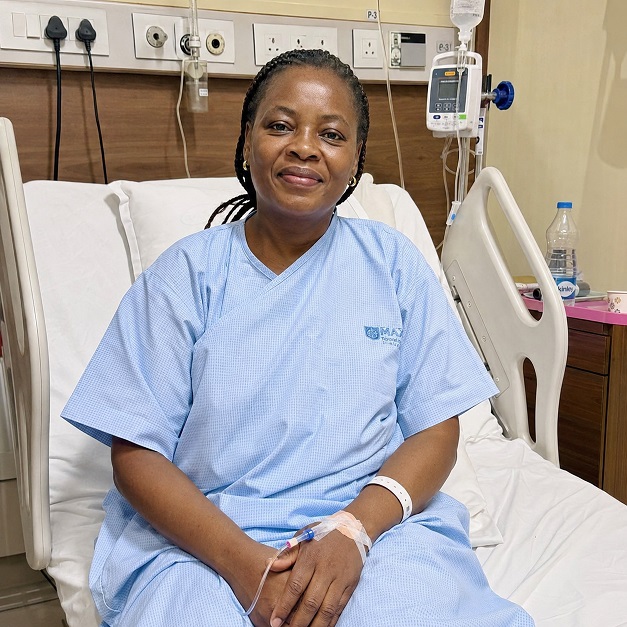
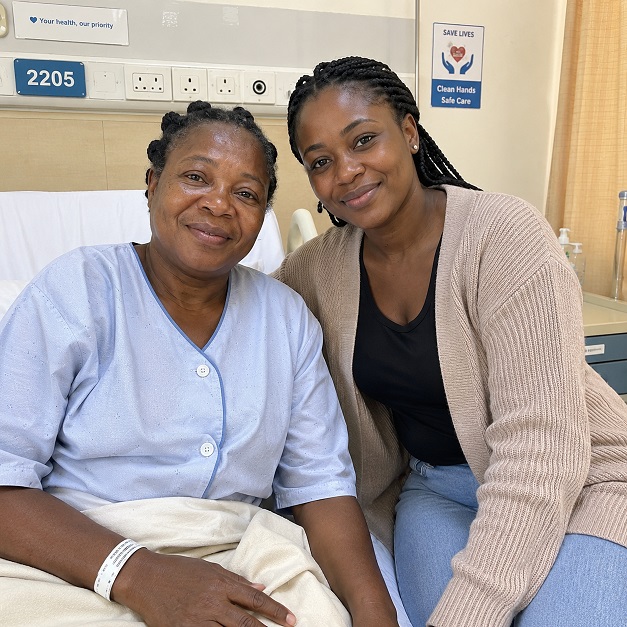
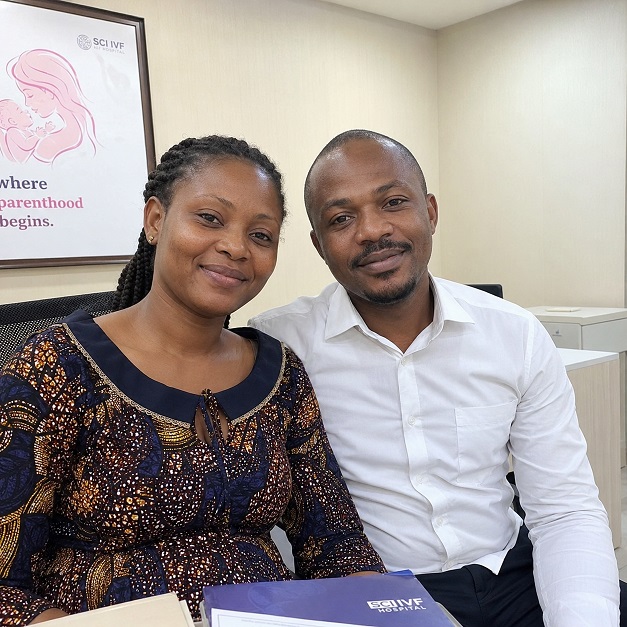
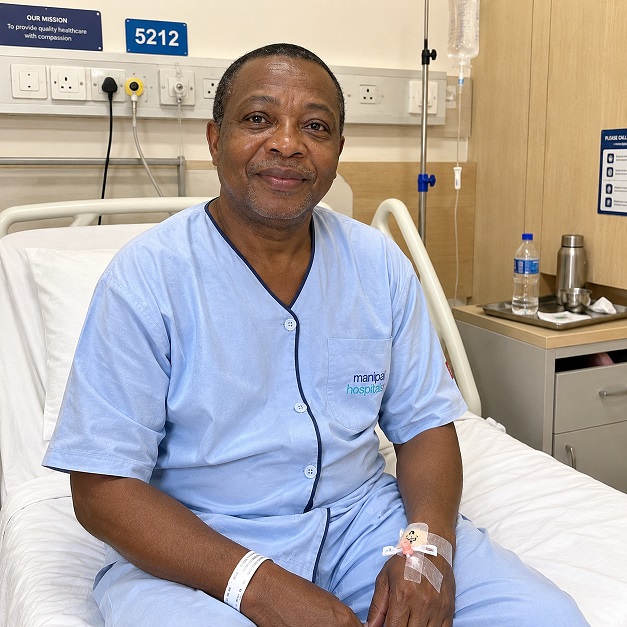
Patient Testimonials from Congo

Ready to Take the First Step?
Share your medical reports with our healthcare managers today and receive a FREE CONSULTATION, a personalized treatment plan and complete support from your arrival to your recovery.
Get Your Free ConsultationAreas We Serve
At Indian Health Guru Consultants, we proudly assist patients from Congo and neighboring countries across Central, East and Southern Africa who travel to India for advanced medical treatment. Our experienced international patient team provides end-to-end support, including medical opinions, hospital selection, Medical Visa assistance, travel planning, accommodation, interpreter services and post-treatment follow-up.
We regularly serve patients from:
- Gabon
- Cameroon
- Angola
- Uganda
- Rwanda
- Burundi
- Tanzania
- Zambia
- Djibouti
- Comoros
- Madagascar
- Seychelles
- South Sudan
- Central African Republic
- Republic of the Congo
- Democratic Republic of the Congo
No matter where you are located in the region, Indian Health Guru Consultants is committed to making your medical journey to India safe, affordable, seamless and completely patient-focused.
From Congo to India: Your Complete Patient Guide
- Brain Tumor Surgery in India for Congolese Patients
- Best Brain Tumour Surgeons & Hospitals in India for Congo Patients
- Knee Replacement in India for Congolese Patients
- Best Knee Replacement Surgeons & Hospitals in India for Congolese Patients
- Spine Surgery in India for Congolese Patients
- Best Spine Surgeons & Hospitals in India for Congolese Patients
- Liver Transplant in India for Congolese Patients: Cost & Guide
- Best Liver Transplant Centres and Hospitals in India for Congolese Patients
- Cardiac Surgery in India for Congolese Patients: Cost & Guide
- Best Cardiac Surgeons & Hospitals in India for Congolese Patients
- Bone Marrow Transplant in India for Congolese Patients: Cost & Guide
- Best Bone Marrow Transplant Centres and Hospitals in India for Congolese Patients
- Prostate Cancer Treatment in India for Congolese Patients: Cost & Guide
- Best Prostate Cancer Centres and Hospitals in India for Congolese Patients
- HIPEC in India for Congolese Patients: Cost & Treatment Guide
- Best HIPEC Centres and Hospitals in India for Congolese Patients
- Kidney Transplant in India for Congolese Patients: Cost & Guide
- Best Kidney Transplant Centres and Hospitals in India for Congolese Patients