

Heart Valve Replacement in India for Congolese Patients: What It Costs, and How to Decide Well
A practical guide for Congolese patients considering heart valve replacement in India, including valve choices, indicative costs, treatment planning and lifelong follow-up.
Almost every heart valve replacement story in the DRC begins the same way: with an ordinary sore throat, years before anyone thought to connect it to a heart problem. In 24 years of advising patients on cardiac care, I have found that few conditions are as preventable in origin, and as serious in consequence, as rheumatic heart disease — and few are as poorly understood by the families it affects. This guide sets out plainly how this happens, what valve replacement in India costs against the Western alternatives some families consider, and what to weigh before deciding. Understanding this chain of events does not change the treatment needed today, but it explains why the condition exists at all, and why it disproportionately affects young Congolese patients.
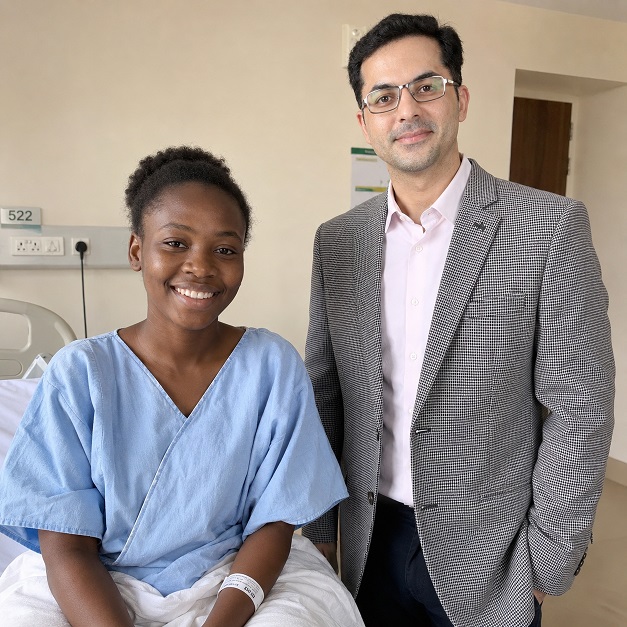
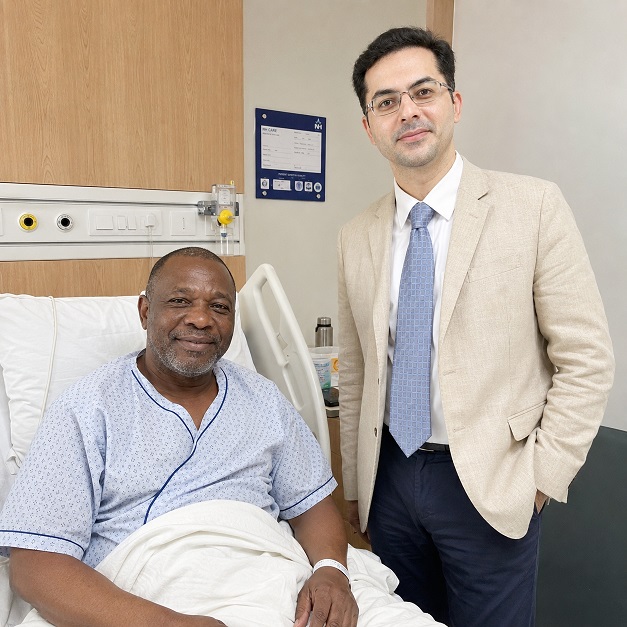
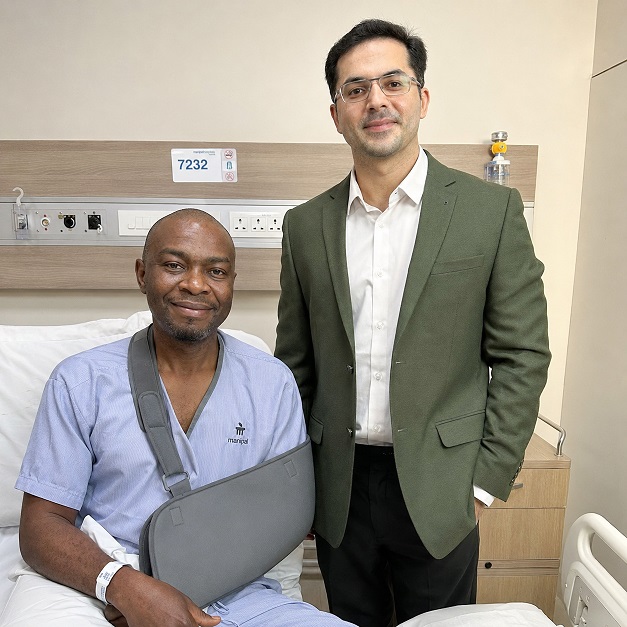
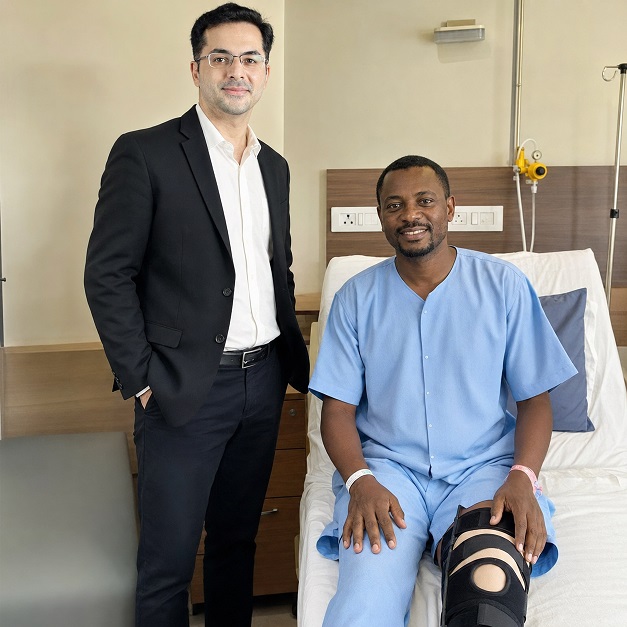
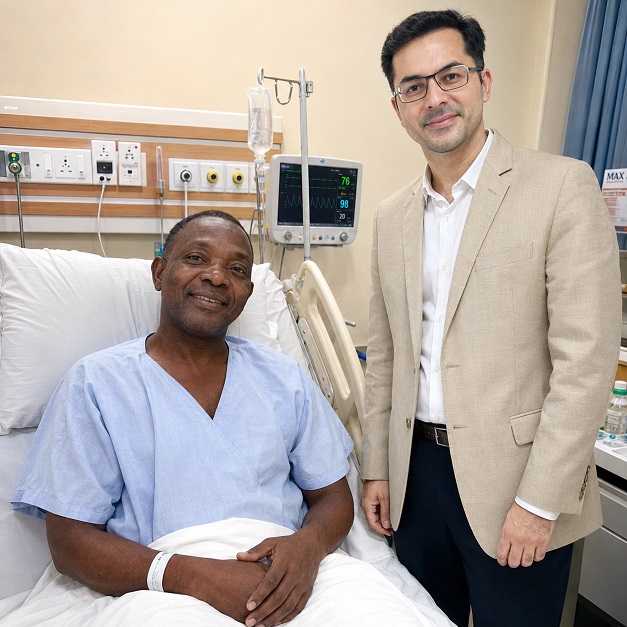
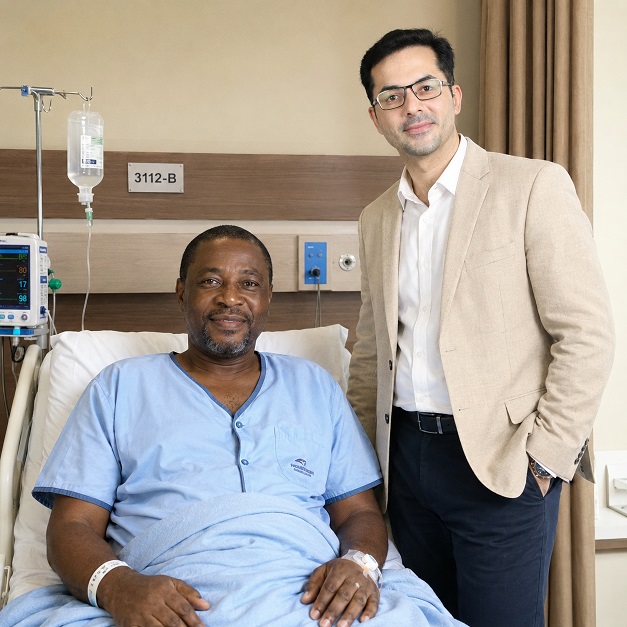
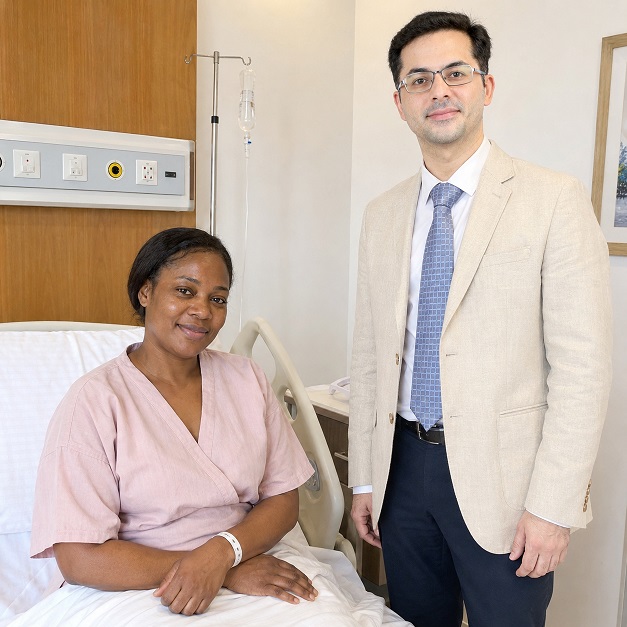
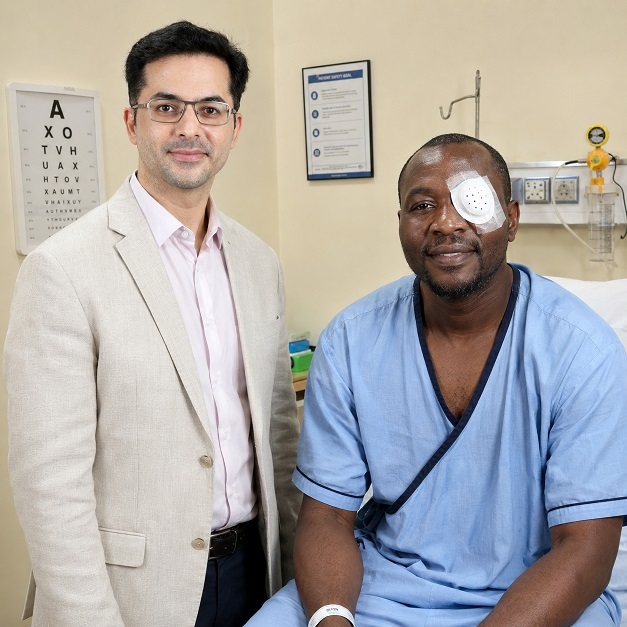
Healing Journeys of Congolese Patients
Key Takeaways
- The guide explains that rheumatic heart disease remains an important cause of valve damage in Sub-Saharan Africa, including the DRC. Repeated or inadequately treated childhood throat infections can trigger an immune response that progressively damages heart valves, most commonly the mitral valve, sometimes becoming apparent years later.
- The page 2 graphic highlights the regional burden, noting that Sub-Saharan Africa carries roughly a quarter of the world's rheumatic valve disease burden, with prevalence among school-age children reaching as high as 3% in some African countries. The guide also notes that the mitral valve is affected in the large majority of cases.
- The guide places particular emphasis on choosing between mechanical and biological valves. Mechanical valves can last a lifetime but require lifelong blood-thinner medication and regular monitoring, while biological valves generally avoid lifelong anticoagulation but typically require replacement after 10–20 years. The right choice depends on age, lifestyle and the patient's realistic ability to maintain long-term monitoring.
- The page 4 cost graphic gives an indicative heart valve replacement cost of US$4,500–11,000 in India, compared with US$27,000–49,000 in France/Belgium, US$38,000–70,000 in the UK private sector and US$80,000–170,000 in the US. The guide recommends confirming the valve type, brand and whether initial anticoagulation monitoring is included in the quotation.
- For Congolese patients, the guide recommends obtaining a genuine echocardiogram before travel, discussing valve selection in detail, sending actual imaging and test results and confirming how anticoagulation monitoring will be managed in the DRC if a mechanical valve is chosen. It also recommends a 15–20% financial buffer, early visa preparation and a current yellow-fever certificate.
- The guide identifies four warning signs: a valve recommendation without discussion of age and lifestyle, no genuine echocardiogram supporting the surgical plan, no clear anticoagulation follow-up plan for a mechanical valve and pressure to pay the full balance before a written surgical plan exists.
Quick Facts
- Author
- Dr. Dheeraj Bojwani
- Experience
- 24+ Years
- Treatment
- Heart Valve Replacement
- Patients
- Congolese Patients and Families
- Key Specialist
- Cardiac Surgeon
- First Step
- Genuine echocardiogram-based cardiac evaluation
- Key Condition
- Rheumatic heart valve disease
- Common Valve
- Mitral valve
- Valve Options
- Mechanical and biological
- Mechanical Valve
- Lifelong blood-thinner medication and monitoring
- Biological Valve
- Typically lasts 10–20 years
- India Cost
- US$4,500–11,000 indicative range
- Cost Check
- Valve type, brand, surgery and anticoagulation monitoring
- Financial Buffer
- 15–20%
- Second Opinion
- Recommended where appropriate
- Visa
- Paper medical visa and attendant visa
- Entry Requirement
- Current yellow-fever certificate
- Follow-Up
- Cardiac and anticoagulation monitoring in the DRC
- Key Warning
- Do not choose a valve without understanding its long-term monitoring requirements
- Decision Principle
- Choose the valve and treatment plan that realistically fits the patient's medical needs and long-term circumstances.
In Brief
For Congolese patients considering heart valve replacement in India, the guide recommends focusing on the correct valve choice and long-term follow-up rather than surgery alone. Patients should obtain an echocardiogram, understand mechanical versus biological valve implications, verify the treatment plan, obtain transparent costs and arrange ongoing cardiac and anticoagulation monitoring in the DRC where required.
A Preventable Chain of Events
Rheumatic heart disease begins with something almost every family recognises: a bout of strep throat, a bacterial infection of the throat that is common in childhood everywhere. In a small number of children, if this infection goes untreated or is only partially treated, the immune system's response to the bacteria mistakenly attacks the body's own tissue, including the heart valves. Repeated episodes over years progressively scar and damage the valve, most often the mitral valve, until it can no longer open and close properly.
What makes this chain particularly hard to notice is the years-long gap between cause and consequence. A child who had strep throat at age seven may not show any signs of valve damage until their teens or twenties, by which point the connection to a childhood infection has usually been forgotten entirely. Many patients only learn the full history of their condition when a cardiologist asks directly about repeated throat infections in childhood.
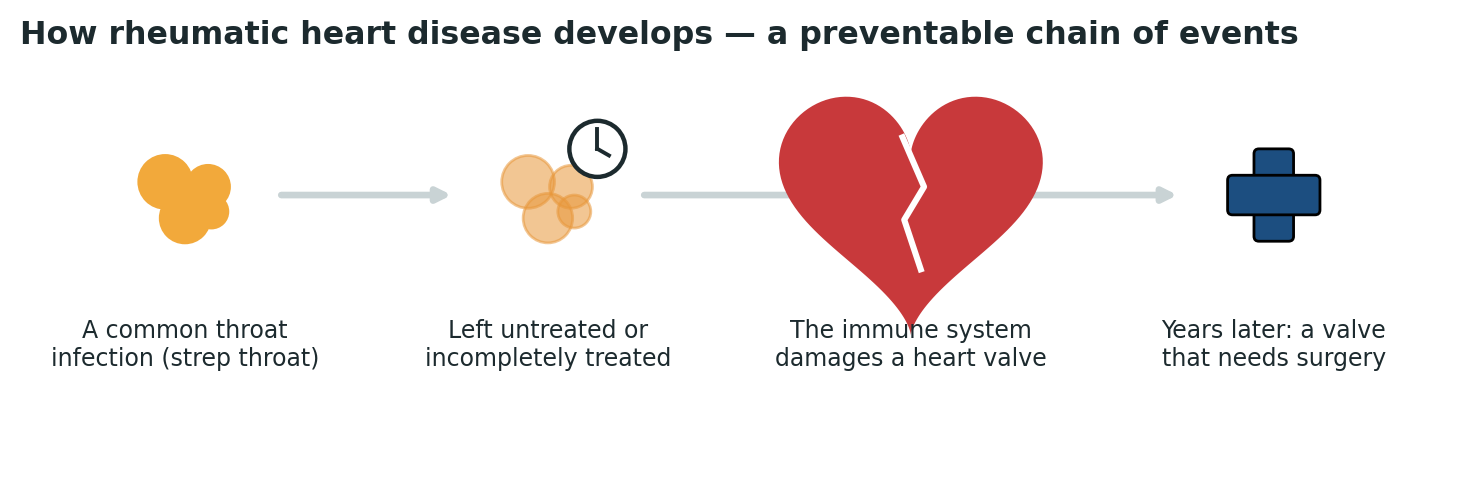
This is what makes rheumatic heart disease so tragic as a public health matter: in countries where antibiotics reach every child promptly, it has been almost entirely eradicated. In much of Sub-Saharan Africa, including the DRC, it remains one of the leading causes of heart disease in young people, precisely because that reliable, early access to antibiotics is not yet universal.
A Burden Concentrated Where Prevention Struggles to Reach
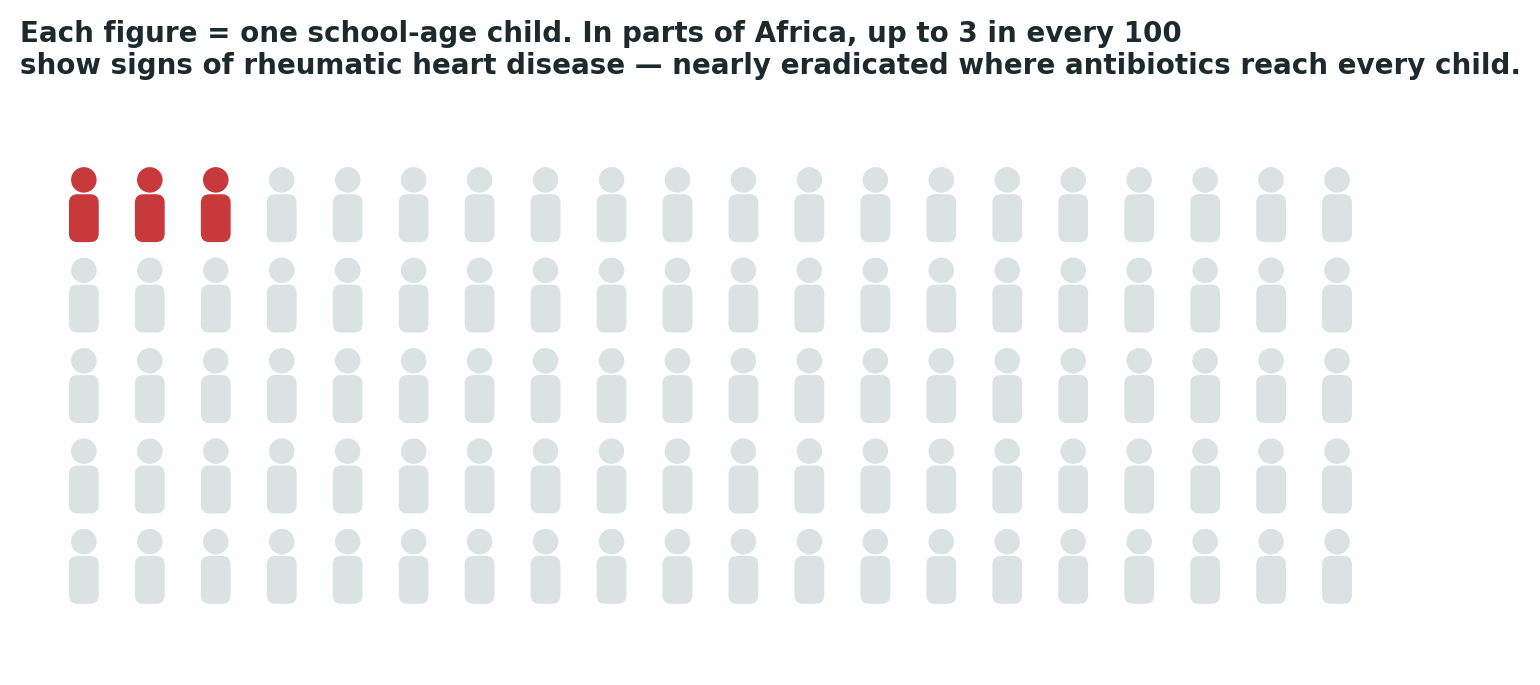
Sub-Saharan Africa is estimated to carry roughly a quarter of the world's rheumatic valve disease burden. In some African countries, prevalence among school-age children reaches as high as 3%, with the mitral valve affected in the large majority of cases.
The gap between regions is stark and well documented: age-standardised mortality from rheumatic valve disease fell by nearly half worldwide between 1990 and 2015, but Sub-Saharan Africa saw little to no progress over that same period. This is not because the disease behaves differently biologically in the region — it is because the systems needed to catch and treat strep throat reliably, in every child, every time, are not yet universally in place.
The one fact worth remembering
Rheumatic heart disease is not caused by anything a family did wrong — it results from an unlucky immune response to an extremely common infection, compounded by limited access to the antibiotics that would have stopped it early. By the time valve damage is severe enough to need surgery, prevention is no longer the question; the valve itself needs attention.
Choosing Between a Mechanical and a Biological Valve
Once valve replacement is needed, one of the most consequential decisions is the choice between a mechanical and a biological valve. A mechanical valve, made of durable materials, can last a lifetime but requires daily blood-thinning medication indefinitely, with regular monitoring to keep the dose correctly balanced. A biological valve, made from treated animal or human tissue, does not require this lifelong medication but typically needs replacement after ten to twenty years.
This decision carries particular weight for a Congolese patient specifically, because reliable, ongoing blood-thinner monitoring depends on consistent access to blood tests and a doctor who can adjust the dose accordingly. Before choosing a mechanical valve, it is worth honestly assessing whether that level of ongoing monitoring is realistically available to you at home, since an incorrectly managed mechanical valve carries meaningful risks of its own, including dangerous bleeding or clotting.
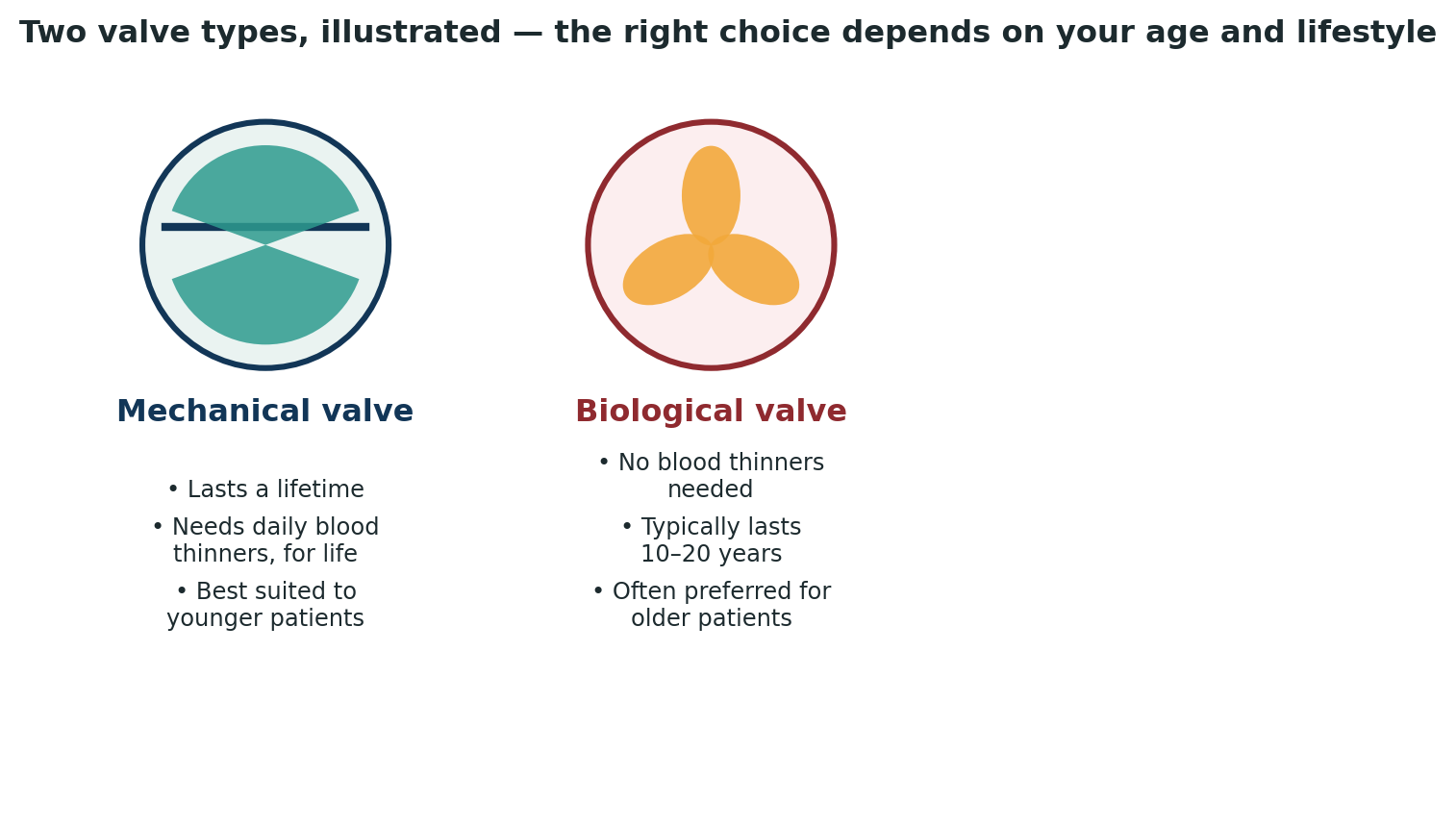
For younger patients, a mechanical valve's durability is often preferred despite the medication commitment. For older patients, or those for whom reliable long-term blood-thinner monitoring is genuinely difficult to arrange, a biological valve is frequently the better fit. This is a decision worth discussing thoroughly with a cardiac surgeon who will explain the reasoning specifically for your case, not simply default to one option regardless of your circumstances.
What Valve Replacement Costs: DRC Reality vs India vs the West
Cost varies with valve type and whether one or more valves need replacement, but the relative gap between India and Western options holds fairly consistently.
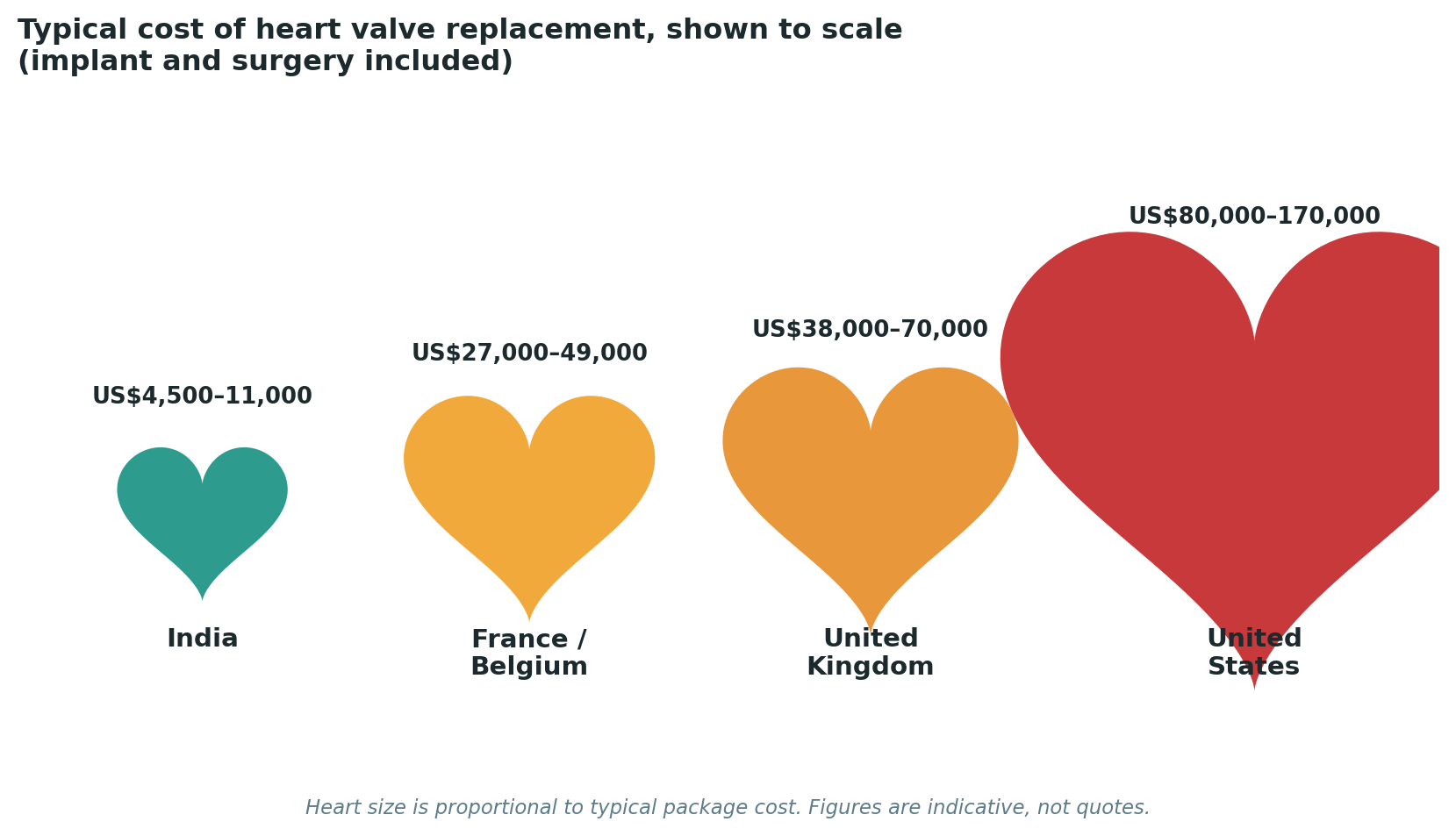
In India, heart valve replacement typically costs US$4,500 to US$11,000. In France or Belgium, private-sector costs typically run US$27,000 to US$49,000. In the UK's private sector, costs range roughly US$38,000 to US$70,000. In the US, the same surgery commonly costs US$80,000 to US$170,000. India's typical price sits at roughly a tenth of the uninsured US figure.
What the number on the quote does not always show
A written estimate should specify the valve type (mechanical or biological) and its brand, and whether the cost includes the initial period of anticoagulation monitoring if a mechanical valve is used. In 24 years of reviewing these quotes, I have found disputes almost never concern the headline figure — they concern what it silently left out. Get every line item in writing, and never pay the full balance before surgery.
What a Congolese Patient or Family Should Weigh, Specifically
- Get a genuine echocardiogram before travel, establishing exactly which valve is affected and how severely.
- Discuss valve type thoroughly, considering your age, lifestyle, and realistic ability to manage lifelong blood thinners if a mechanical valve is chosen.
- Send the actual imaging and test results, not just a description of symptoms, since surgical planning depends on precise cardiac assessment.
- Ask how anticoagulation monitoring will be managed after you return home, if a mechanical valve is chosen, since this is a lifelong commitment requiring reliable local follow-up.
- Budget in US dollars, with margin. The Congolese franc has weakened considerably against the dollar (roughly CDF 2,300–2,350 per US$1 in mid-2026, and it moves); build in a 15–20% buffer above the initial estimate.
- Start the visa process early. DRC passport holders need a paper medical visa through the Embassy of India in Kinshasa (Avenue Batetela, Gombe), typically around two weeks once the hospital's invitation letter is ready; apply for an attendant visa at the same time.
- Confirm your yellow fever certificate is current — mandatory for entry into India, at least 10 days before travel.
- Arrange cardiac follow-up care in the DRC before you fly — ongoing monitoring after valve surgery matters for years, and identifying local support in advance is essential.
Four signals that should make you pause
- A valve type recommended without discussing your age and lifestyle specifically.
- No genuine echocardiogram behind the surgical plan.
- No clear plan for anticoagulation monitoring after a mechanical valve.
- Pressure to pay the full balance before a written surgical plan exists.
Why India Specifically for Heart Valve Replacement for Congolese Patients?
India operates some of the world's highest-volume cardiac surgery centres, with genuine, extensive experience treating rheumatic valve disease specifically — a condition far more common in India's own population than in the West, giving Indian cardiac surgeons deep, practical familiarity with exactly the kind of valve damage many Congolese patients present with. Combined with English-language consultation throughout and hospital accreditation (NABH domestically, JCI internationally) that mirrors the standards used to evaluate hospitals in the US and Europe, India offers both relevant expertise and affordability that few other destinations can match, particularly for a condition where India's own domestic experience runs so deep.
A closing word
A damaged heart valve, however it came about, is treatable, and understanding its origin does not change the path forward — it only helps you ask better questions along the way. What matters most is a genuine cardiac evaluation and a valve choice made thoughtfully for your specific life circumstances. If you are able to share your echocardiogram and test results, I am glad to give a direct, honest view on what your case would involve.
Sources
- 🌐 National Medical Commission of India — verify any surgeon's registration · nmc.org.in
- 🌐 National Accreditation Board for Hospitals & Healthcare Providers (NABH) · nabh.co
- 🌐 Embassy of India, Kinshasa — medical visa requirements · eoikinshasa.gov.in
- 🌐 "Rheumatic valve disease and acceleration of cardiac aging in Africa," European Heart Journal (2025) · academic.oup.com/eurheartj
- 🌐 "Prevalence and pattern of rheumatic valvular heart disease in Africa," systematic review and meta-analysis · ncbi.nlm.nih.gov/pmc/articles/PMC11285969
- 🌐 World Health Organization — yellow fever vaccination requirements · who.int/health-topics/yellow-fever
Frequently Asked Questions by Congolese Patients about Heart Valve Replacement in India
What commonly causes heart valve damage in Congolese patients?
The guide highlights rheumatic heart disease, which can develop after inadequately treated childhood throat infections and progressively damage the heart valves.
Which heart valve is most commonly affected?
The mitral valve is identified as the most commonly affected valve in rheumatic heart disease.
What are the main valve replacement options?
The guide discusses mechanical and biological valves. Mechanical valves are highly durable but require lifelong blood-thinner medication, while biological valves generally do not require lifelong anticoagulation.
How long does a biological valve typically last?
A biological valve typically requires replacement after around 10–20 years, although individual durability varies.
Why is mechanical valve monitoring particularly important for Congolese patients?
Mechanical valves require regular blood tests and medication adjustment for life, so patients should confirm that reliable anticoagulation monitoring will be available after returning to the DRC.
What test should be completed before travelling?
The guide recommends a genuine echocardiogram to establish which valve is affected and how severely before the treatment plan is finalised.
How much does heart valve replacement cost in India?
The guide gives an indicative cost of US$4,500–11,000, including the valve, surgery and hospital stay. Actual costs depend on the procedure and valve selected.
What should the quotation specify?
It should clearly state the mechanical or biological valve type, brand and whether initial anticoagulation monitoring is included when a mechanical valve is used.
Should Congolese patients obtain a second opinion?
Yes. A second cardiac opinion can help confirm the need for replacement and whether the proposed valve type fits the patient's age, lifestyle and long-term monitoring circumstances.
What should be arranged after returning to the DRC?
Patients should arrange ongoing cardiac follow-up and, when a mechanical valve is selected, reliable anticoagulation monitoring before leaving for India.
Page Summary
This guide explains the continuing burden of rheumatic heart valve disease among Congolese patients and the considerations involved when valve replacement becomes necessary. The page 2 graphic illustrates the regional disease burden, while page 3 compares mechanical and biological valve characteristics. Page 4 provides international cost comparisons and practical guidance on echocardiography, valve selection, anticoagulation and travel preparation.
Citation Block
| Field | Information |
|---|---|
| Topic | Heart Valve Replacement in India for Congolese Patients |
| Treatment | Heart Valve Replacement |
| Patients | Congolese Patients and Families |
| Key Specialist | Cardiac Surgeon |
| First Assessment | Genuine echocardiogram |
| Key Condition | Rheumatic heart valve disease |
| Common Valve | Mitral valve |
| Valve Options | Mechanical and biological |
| Mechanical Valve Requirement | Lifelong blood-thinner medication and regular monitoring |
| Biological Valve Lifespan | Typically 10–20 years |
| DRC Regional Burden | Sub-Saharan Africa carries roughly a quarter of the global rheumatic valve disease burden |
| Childhood Prevalence | Up to 3% among school-age children in some African countries |
| Indicative India Cost | US$4,500–11,000 |
| Cost Transparency | Valve type, brand, surgery and initial anticoagulation monitoring |
| Medical Records | Actual echocardiogram, imaging and test results |
| Anticoagulation Planning | Confirm long-term monitoring availability in the DRC |
| Second Opinion | Recommended where appropriate |
| Financial Buffer | 15–20% |
| Travel Documents | Paper medical and attendant visas |
| Entry Requirement | Current yellow-fever certificate |
| Follow-Up | Cardiac and anticoagulation monitoring in the DRC |
| Warning Signs | No echocardiogram, unclear valve choice or no anticoagulation plan |
| Payment Warning | Avoid paying the full balance before a written surgical plan |
| Key Decision | Select a valve based on medical suitability, age, lifestyle and realistic long-term monitoring access |


Our Mission Statement
Our mission is to place patients at the centre of every healthcare decision by providing trustworthy, evidence-based, and unbiased medical information. We believe that informed patients make better decisions. Backed by personalised guidance from our experienced advisory team, we help patients understand their treatment options, compare them objectively, and confidently choose the path that best suits their medical needs and personal circumstances.
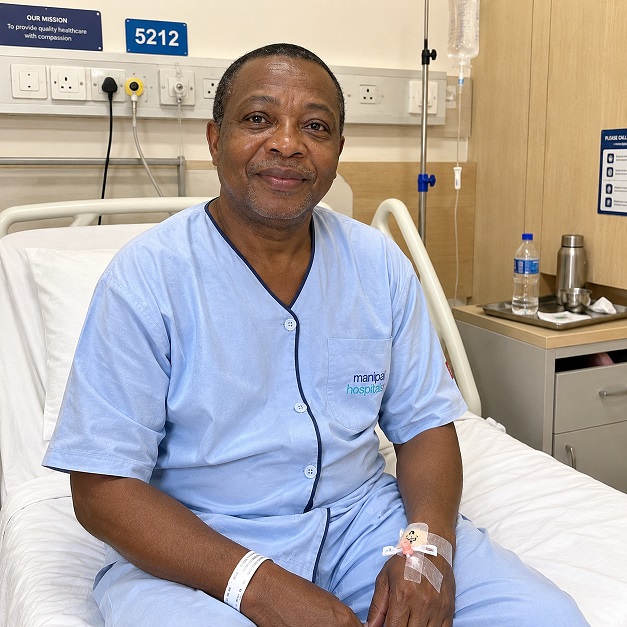
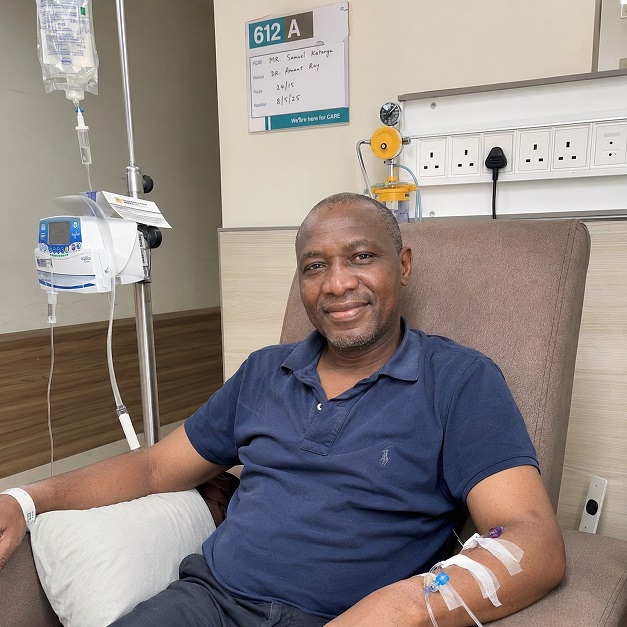
Patient Testimonials from Congo

Ready to Take the First Step?
Share your medical reports with our healthcare managers today and receive a FREE CONSULTATION, a personalized treatment plan and complete support from your arrival to your recovery.
Get Your Free ConsultationAreas We Serve
At Indian Health Guru Consultants, we proudly assist patients from Congo and neighboring countries across Central, East and Southern Africa who travel to India for advanced medical treatment. Our experienced international patient team provides end-to-end support, including medical opinions, hospital selection, Medical Visa assistance, travel planning, accommodation, interpreter services and post-treatment follow-up.
We regularly serve patients from:
- Gabon
- Cameroon
- Angola
- Uganda
- Rwanda
- Burundi
- Tanzania
- Zambia
- Djibouti
- Comoros
- Madagascar
- Seychelles
- South Sudan
- Central African Republic
- Republic of the Congo
- Democratic Republic of the Congo
No matter where you are located in the region, Indian Health Guru Consultants is committed to making your medical journey to India safe, affordable, seamless and completely patient-focused.
From Congo to India: Your Complete Patient Guide
- Brain Tumor Surgery in India for Congolese Patients
- Best Brain Tumour Surgeons & Hospitals in India for Congo Patients
- Knee Replacement in India for Congolese Patients
- Best Knee Replacement Surgeons & Hospitals in India for Congolese Patients
- Spine Surgery in India for Congolese Patients
- Best Spine Surgeons & Hospitals in India for Congolese Patients
- Liver Transplant in India for Congolese Patients: Cost & Guide
- Best Liver Transplant Centres and Hospitals in India for Congolese Patients
- Cardiac Surgery in India for Congolese Patients: Cost & Guide
- Best Cardiac Surgeons & Hospitals in India for Congolese Patients
- Bone Marrow Transplant in India for Congolese Patients: Cost & Guide
- Best Bone Marrow Transplant Centres and Hospitals in India for Congolese Patients
- Prostate Cancer Treatment in India for Congolese Patients: Cost & Guide
- Best Prostate Cancer Centres and Hospitals in India for Congolese Patients
- HIPEC in India for Congolese Patients: Cost & Treatment Guide
- Best HIPEC Centres and Hospitals in India for Congolese Patients
- Kidney Transplant in India for Congolese Patients: Cost & Guide
- Best Kidney Transplant Centres and Hospitals in India for Congolese Patients