

Fertility Treatment (IVF) in India for Congolese Patients: What It Costs, and How to Decide Well
A practical guide covering IVF costs, fertility evaluation of both partners, treatment planning, medical visas and important considerations for Congolese couples.
Infertility across the DRC and the wider region carries a genuine medical burden and a genuine social one, and the two do not line up the way most families assume. In 24 years of advising couples through this decision, I have found that the gap between who is medically responsible and who is socially blamed is one of the more important things to understand before starting treatment. This guide sets out plainly what the evidence shows, what IVF in India costs, and what to weigh before deciding.
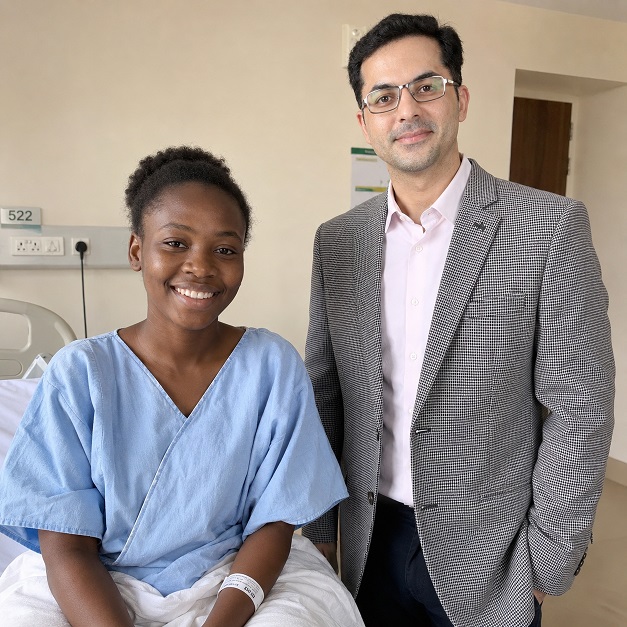
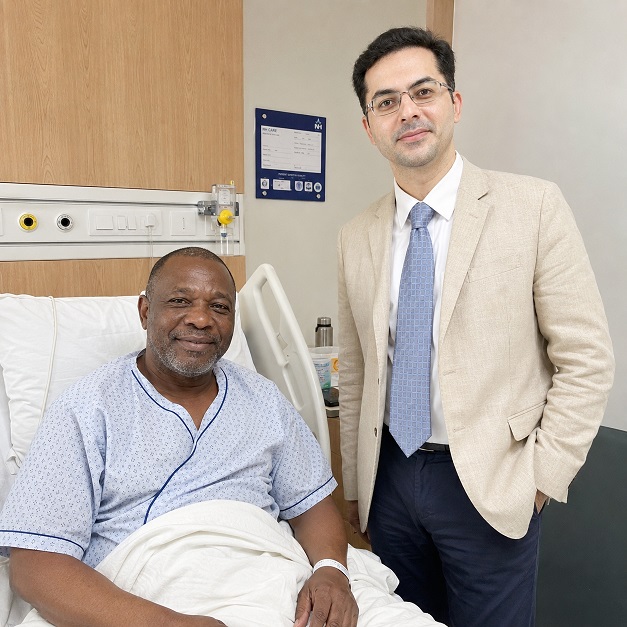
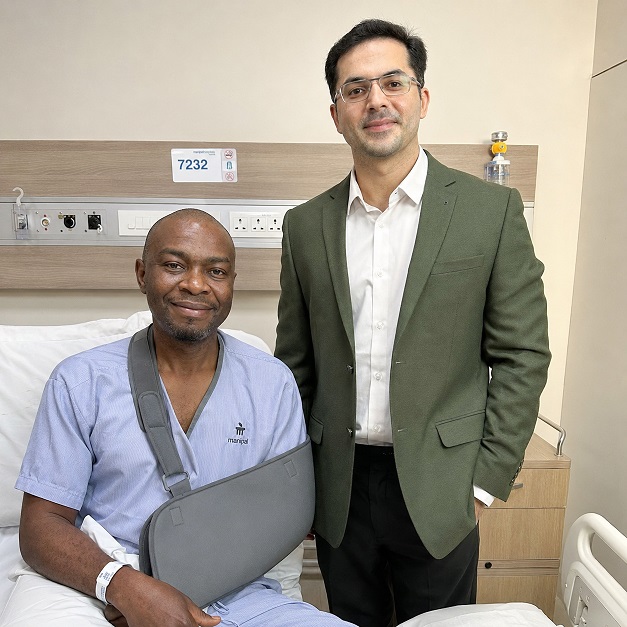
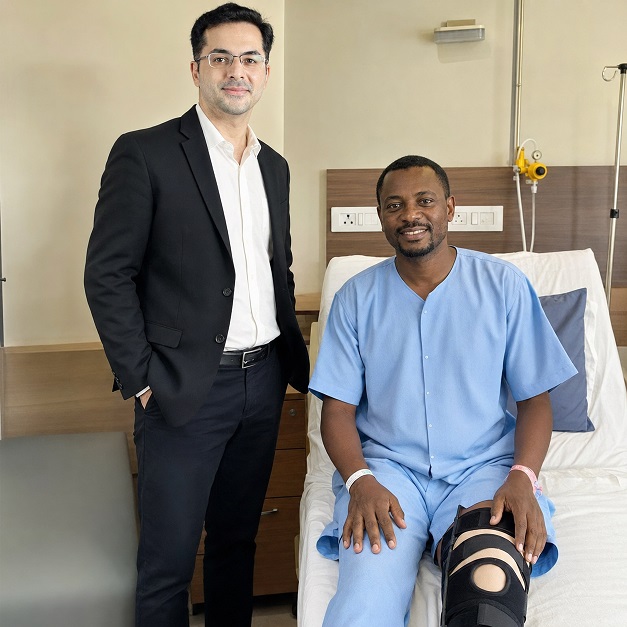
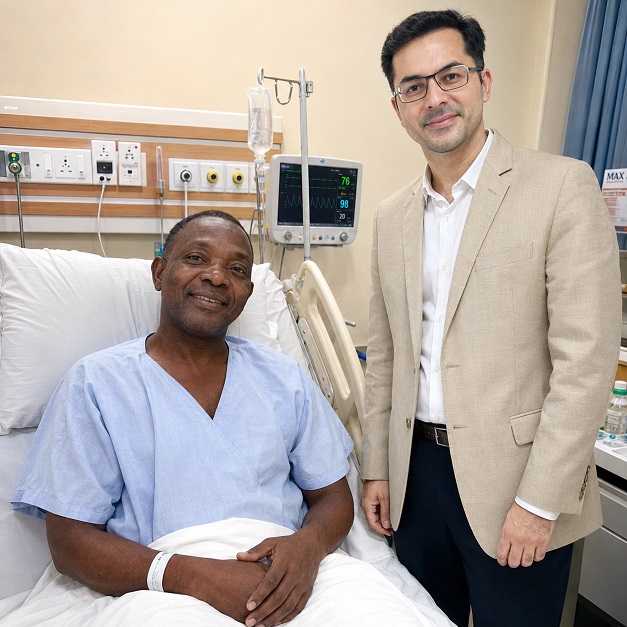
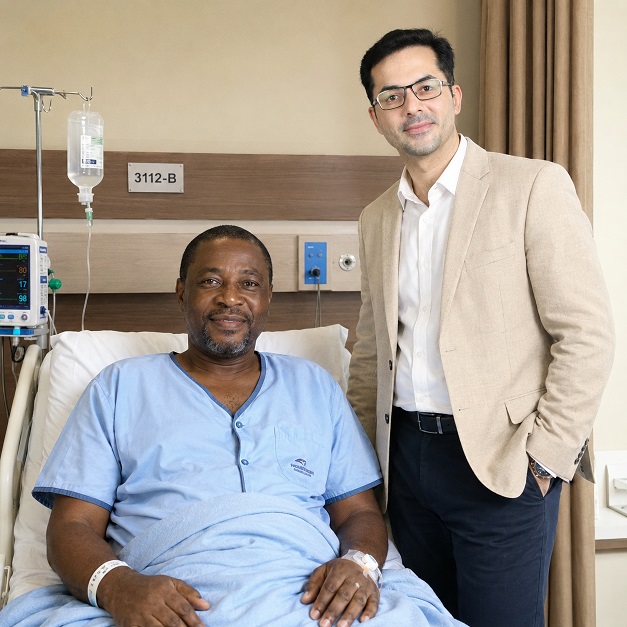
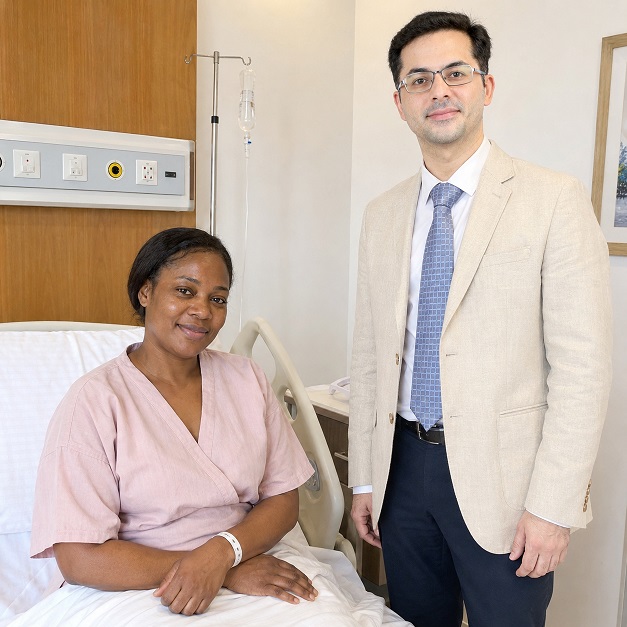
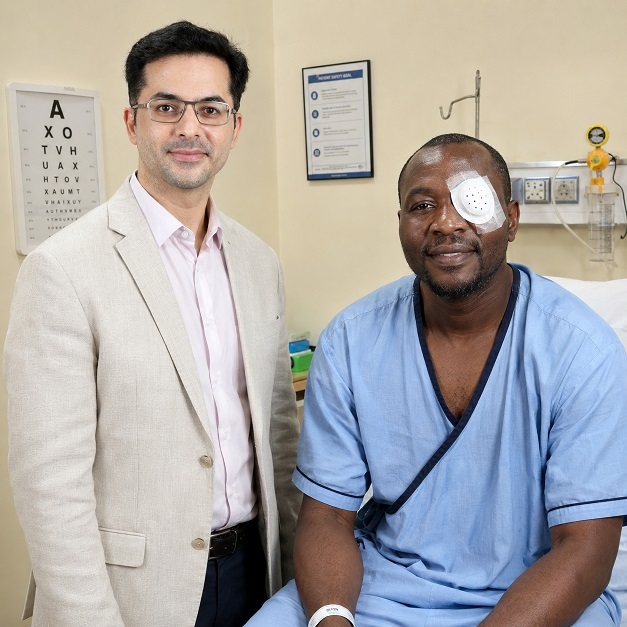
Healing Journeys of Congolese Patients
Key Takeaways
- The guide highlights an important mismatch between medical responsibility and social blame for infertility in Sub-Saharan Africa. Male factors contribute to approximately 40–50% of infertility cases, yet women are frequently blamed disproportionately. The guide therefore stresses that both partners should receive proper fertility testing before treatment decisions are made.
- Infertility is also more common across the region than many families realise. The guide cites a pooled prevalence of approximately 17% of couples, with some populations reporting rates as high as 30%. Secondary infertility—difficulty conceiving again after having a child—is also described as more common in Sub-Saharan Africa than in many other regions.
- A particularly important factor is infection-related tubal damage, often associated with untreated sexually transmitted infections or complications following childbirth or abortion. The guide identifies this as the most common identifiable cause of infertility across much of Sub-Saharan Africa, making early diagnosis and treatment of underlying infections important alongside fertility treatment.
- The guide also addresses the social burden of infertility, with reviews reporting infertility-related stigma in as many as 64% of affected people. This can contribute to exclusion, psychological distress, marital difficulties and other consequences, particularly for women even when the medical factor lies with their partner.
- For Congolese couples considering IVF in India, the guide recommends that both partners' actual test results be reviewed before treatment planning. The fertility centre should assess male and female factors rather than assuming infertility is primarily a woman's problem. Couples should also ask how many IVF cycles may realistically be required because success is not guaranteed in a single attempt.
- The page 3 cost chart estimates one IVF cycle in India at approximately US$2,500–5,000, compared with US$6,000–10,000 in France/Belgium, US$7,000–12,000 in the UK and US$15,000–25,000 in the US. The guide notes that medication, ICSI and embryo freezing may be charged separately from the basic IVF package.
- India's fertility centres provide high-volume IVF services with modern laboratories and reproductive specialists, including evaluation and treatment of both male and female infertility. The guide recommends checking the clinic's accreditation and ensuring that the written treatment plan clearly identifies what is included in the quoted IVF package.
- For Congolese patients, the guide recommends budgeting in US dollars with a 15–20% financial buffer, starting the Indian medical-visa process early and confirming that the yellow fever certificate is current. DRC passport holders require a paper medical visa through the Embassy of India in Kinshasa, generally taking around two weeks once the invitation letter is ready.
Quick Facts
- Author
- Dr. Dheeraj Bojwani
- Experience
- 24+ Years
- Treatment
- IVF / Fertility Treatment
- Patients
- Congolese Patients
- First Assessment
- Fertility evaluation of both partners
- Key Specialist
- Reproductive Medicine / Fertility Specialist
- Main Treatment
- IVF
- Additional Treatment
- ICSI and other clinically indicated fertility procedures
- Regional Infertility Rate
- Approximately 17%
- Highest Reported Rate
- Up to 30%
- Male Factor
- Approximately 40–50% of infertility cases
- Stigma
- Reported by up to 64% of affected people
- Key Cause
- Infection-related tubal damage
- Laboratory Check
- Modern IVF laboratory and qualified embryology team
- Hospital Check
- NABH / JCI accreditation
- Cost Check
- Written package with exclusions clearly stated
- India Cost
- US$2,500–5,000 per IVF cycle
- Medical Records
- Both partners' fertility test results
- Visa
- Paper Indian medical visa through Kinshasa
- Budget
- 15–20% financial buffer
- Entry Requirement
- Current yellow fever certificate
- Follow-Up
- Pregnancy and fertility follow-up plan
- Key Warning
- Only one partner evaluated
- Decision Principle
- Prioritise complete two-partner evaluation and transparent IVF planning.
In Brief
For Congolese couples considering IVF in India, the most important step is proper evaluation of both partners before treatment begins. Couples should send their actual fertility reports, clarify the likely number of cycles, confirm whether medication, ICSI and embryo freezing are included in the quotation, and plan their visa and travel requirements before starting treatment.
A Genuine Mismatch: Who Is Infertile, and Who Is Blamed
Research across Sub-Saharan Africa has found that male factors contribute to roughly 40% to 50% of all infertility cases, yet cultural stigma and blame fall overwhelmingly on women, frequently leading to isolation, marital instability, and psychological distress for the partner who is, medically, often not the primary cause.
Researchers studying this pattern note that male fertility remains far less studied and far less openly discussed than female fertility across the region, leaving a genuine gap in both public awareness and clinical practice. This silence compounds the mismatch: the partner less likely to be tested is also the partner whose condition is, roughly half the time, actually responsible.
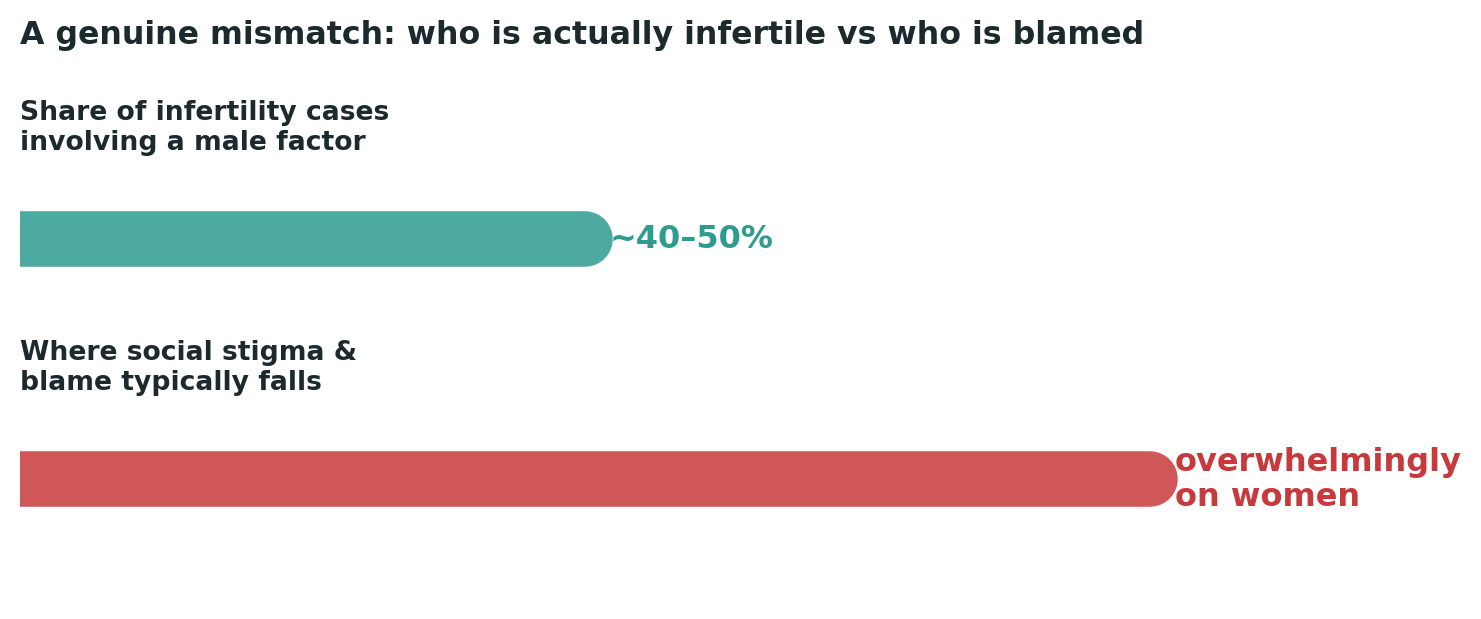
This matters enormously for how a couple should approach evaluation: both partners deserve proper testing, not just the woman.
A Widespread but Under-Discussed Problem
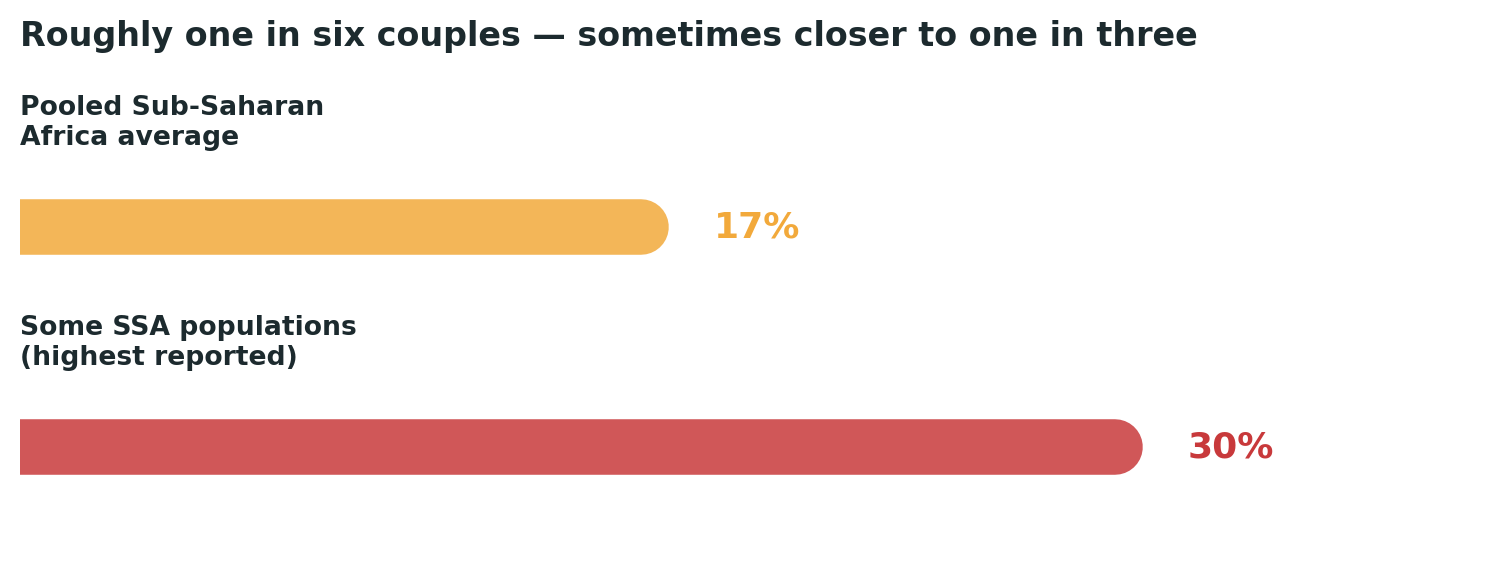
Across Sub-Saharan Africa, the pooled prevalence of infertility is estimated at roughly one in six couples, with some populations reporting rates as high as three in ten.
Researchers have also found that secondary infertility, difficulty conceiving again after already having a child, is more common across the region than primary infertility, a pattern that differs from much of the rest of the world and often confuses families who assume a couple who already has children cannot be experiencing genuine infertility.
The one fact worth remembering
In much of Sub-Saharan Africa, infection-related tubal damage, often from untreated sexually transmitted infections or complications following childbirth or abortion, is the single most common identifiable cause of infertility. This differs meaningfully from patterns in Western countries, where age-related decline is often the dominant factor, and it means prevention and early treatment of underlying infections matters as much as fertility treatment itself.
A Heavy Social Cost
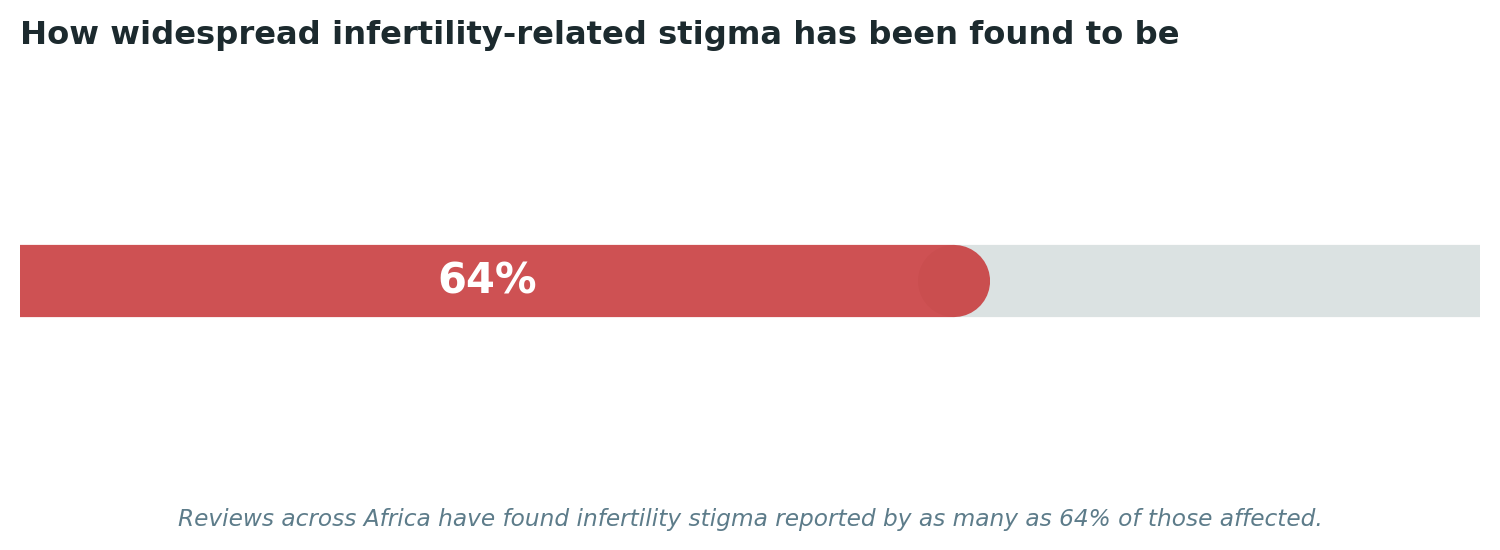
Reviews of infertility-related stigma across Africa have found it reported by as many as 64% of those affected, described in the research as deeply embedded in cultural norms around marriage and parenthood.
This stigma is not a minor social discomfort. Studies documenting its effects describe exclusion from family and community life, verbal and sometimes physical abuse, and marital breakdown, consequences that fall disproportionately on women even in the many cases where the medical cause lies with their partner.
What IVF Costs: DRC Reality vs India vs the West
Cost depends on the specific protocol and any additional procedures like ICSI or donor gametes, but the relative gap between India and Western options holds fairly consistently.
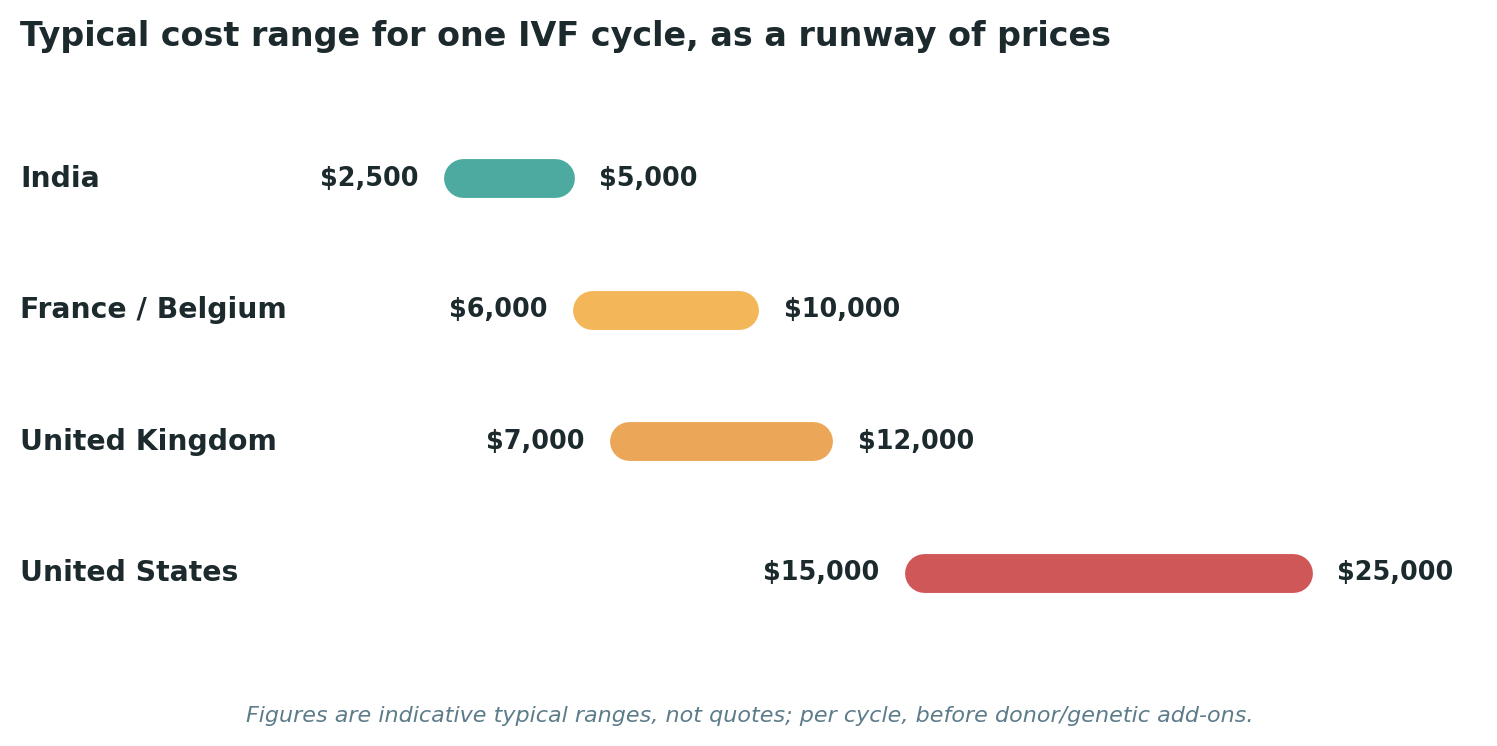
In India, one IVF cycle typically costs US$2,500 to US$5,000. In France or Belgium, costs typically run US$6,000 to US$10,000. In the UK, costs range roughly US$7,000 to US$12,000. In the US, the same cycle commonly costs US$15,000 to US$25,000. India's typical price sits at roughly a fifth of the uninsured US figure.
What the quote doesn't always show
A written estimate should specify exactly what is included, since medication, ICSI, and embryo freezing are often billed separately from the base package. In 24 years of reviewing these quotes, I have found disputes almost never concern the headline figure — they concern what it silently left out. Get every line item in writing before paying any deposit, and never pay the full balance before treatment begins.
What a Congolese Couple Should Weigh, Specifically
- Insist both partners are tested, given how often male factors are involved but overlooked.
- Send both partners' actual test results, not just a description of your history, so the clinic can properly plan treatment.
- Ask directly how many cycles are realistically needed, since success is not guaranteed on the first attempt.
- Budget in US dollars, with margin. The Congolese franc has weakened considerably against the dollar (roughly CDF 2,300–2,350 per US$1 in mid-2026, and it moves); build in a 15–20% buffer.
- Start the visa process early. DRC passport holders need a paper medical visa through the Embassy of India in Kinshasa, typically around two weeks once the invitation letter is ready.
- Confirm your yellow fever certificate is current — mandatory for entry into India, at least 10 days before travel.
Three signals that should make you pause
- Only the woman is tested, with no evaluation of the male partner.
- No clear explanation of realistic success rates for your specific case.
- Pressure to pay the full balance before a written, complete treatment plan exists.
Why India Specifically for Fertility Treatment for Congolese Patients?
India operates high-volume fertility centres with modern laboratories and experienced reproductive specialists, treating both male and female infertility as a matter of course. Combined with English-language consultation throughout and hospital accreditation (NABH domestically, JCI internationally), India offers a realistic, affordable, and appropriately thorough path to treatment that properly evaluates both partners, rather than assuming the cause lies with one alone.
A closing word
Infertility in a Congolese couple is rarely just one partner's issue, even though social stigma often makes it feel that way. What matters most is both partners being properly tested, and choosing a clinic that treats the evaluation with the same seriousness it deserves, rather than one that quietly assumes where the cause must lie. If you are able to share both partners' test results, I am glad to give a direct, honest view on what your case would involve.
Sources
- 🌐 National Medical Commission of India — verify any specialist's registration · nmc.org.in
- 🌐 National Accreditation Board for Hospitals & Healthcare Providers (NABH) · nabh.co
- 🌐 Embassy of India, Kinshasa — medical visa requirements · eoikinshasa.gov.in
- 🌐 "Prevalence of infertility and its risk factors in Sub-Saharan Africa," systematic review and meta-analysis · pmc.ncbi.nlm.nih.gov
- 🌐 "Experience of infertility-related stigma in Africa," International Health · academic.oup.com
- 🌐 World Health Organization — yellow fever vaccination requirements · who.int/health-topics/yellow-fever
Frequently Asked Questions by Congolese Patients about Fertility Treatment (IVF) in India
Why should Congolese couples have both partners tested for infertility?
Male factors contribute to approximately 40–50% of infertility cases, yet women are often blamed disproportionately. The guide therefore recommends complete evaluation of both partners before deciding on IVF.
How common is infertility among couples in Sub-Saharan Africa?
The guide cites a pooled infertility prevalence of approximately 17% of couples, with some populations reporting rates as high as 30%. Secondary infertility is also particularly important in the region.
Why can previous infections affect fertility in Congolese women?
The guide identifies infection-related tubal damage as the most common identifiable cause of infertility across much of Sub-Saharan Africa. Untreated sexually transmitted infections and complications following childbirth or abortion can contribute to tubal damage.
Why should a Congolese couple not assume that IVF will work after one cycle?
IVF success varies according to individual fertility factors, and the guide specifically recommends asking the clinic how many cycles may realistically be required. No clinic should present pregnancy after one cycle as guaranteed.
How much does one IVF cycle cost in India for Congolese patients?
The guide estimates approximately US$2,500–5,000 per IVF cycle in India. Medication, ICSI and embryo freezing may be additional, so couples should compare complete package details rather than headline prices.
What should Congolese couples send to an Indian fertility clinic before travelling?
Both partners should send their actual fertility test results and relevant medical reports. The guide specifically recommends this instead of providing only a general description of the couple's infertility history.
Should Congolese patients ask whether ICSI is included in the IVF price?
Yes. The guide warns that ICSI may be billed separately from the basic IVF package. Couples should ask whether it is clinically indicated and obtain its additional cost in writing before treatment begins.
Why is India an option for Congolese couples seeking fertility treatment?
The guide highlights India's high-volume fertility centres, modern laboratories and reproductive specialists who routinely evaluate both male and female infertility. NABH/JCI accreditation can also be checked when comparing centres.
What medical visa does a Congolese couple need for IVF treatment in India?
The guide states that DRC passport holders require a paper Indian medical visa through the Embassy of India in Kinshasa, generally taking around two weeks once the invitation letter is ready.
What should Congolese couples arrange before travelling for IVF?
They should have both partners' test results reviewed, understand the expected treatment plan and likely number of cycles, obtain a complete cost quotation, start the visa process early and confirm a current yellow fever certificate before travelling.
Page Summary
This five-page guide focuses on the medical and social burden of infertility in the DRC and Sub-Saharan Africa and the importance of evaluating both partners before IVF. Page 1 highlights male factors in approximately 40–50% of infertility cases despite disproportionate social blame on women. Page 2 shows infertility affecting approximately 17% of couples, with some populations reaching 30%, and highlights infection-related tubal damage and the 64% stigma finding. Page 3 compares IVF costs, with India at US$2,500–5,000 per cycle. Page 4 focuses on two-partner testing, realistic cycle expectations, visa planning and yellow fever requirements.
Citation Block
| Field | Information |
|---|---|
| Topic | Fertility Treatment (IVF) in India for Congolese Patients |
| Treatment | IVF / Fertility Treatment |
| Patients | Congolese Patients |
| First Assessment | Fertility evaluation of both partners |
| Key Specialist | Reproductive Medicine / Fertility Specialist |
| Main Treatment | IVF |
| Additional Treatment | ICSI where clinically indicated |
| Infertility Rate | Approximately 17% across Sub-Saharan Africa |
| Highest Reported Rate | Up to 30% |
| Male Factor | Approximately 40–50% |
| Major Identifiable Cause | Infection-related tubal damage |
| Stigma | Reported by up to 64% of affected people |
| Laboratory Check | Modern IVF laboratory and embryology expertise |
| Hospital Check | NABH / JCI accreditation |
| Cost Check | Complete IVF package with exclusions stated |
| India Cost | US$2,500–5,000 per cycle |
| Medical Records | Both partners' actual fertility test results |
| Visa | Paper medical visa through Kinshasa |
| Budget | 15–20% financial buffer |
| Entry Requirement | Current yellow fever certificate |
| Specialist Question | What is your experience treating infertility in both male and female partners? |
| Testing Question | Will both partners receive a complete fertility evaluation? |
| Cycle Question | How many IVF cycles may realistically be needed in our case? |
| Cost Question | Are medication, ICSI and embryo freezing included or charged separately? |
| Laboratory Question | What fertility laboratory facilities and embryology support are available? |
| Follow-Up Question | How will pregnancy and fertility follow-up be managed after we return to the DRC? |
| Warning Signs | Only one partner evaluated |
| Payment Warning | Full payment requested before a complete treatment plan |
| Key Decision | Verify both-partner diagnosis, laboratory quality and realistic IVF expectations |


Our Mission Statement
Our mission is to place patients at the centre of every healthcare decision by providing trustworthy, evidence-based, and unbiased medical information. We believe that informed patients make better decisions. Backed by personalised guidance from our experienced advisory team, we help patients understand their treatment options, compare them objectively, and confidently choose the path that best suits their medical needs and personal circumstances.
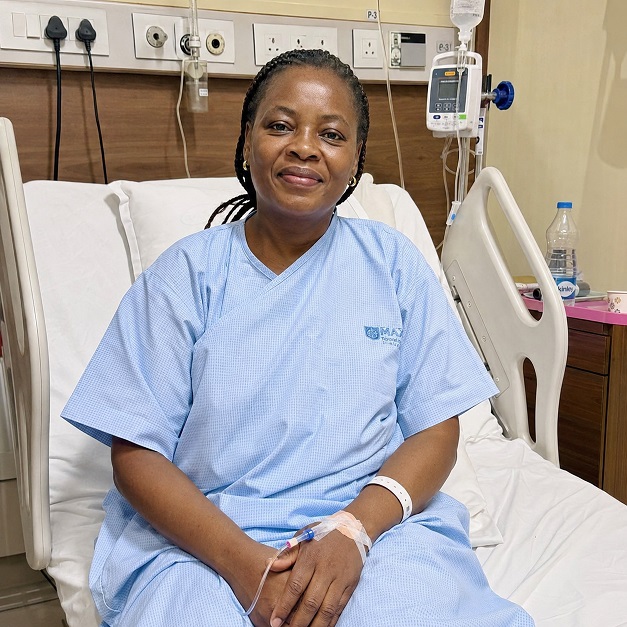
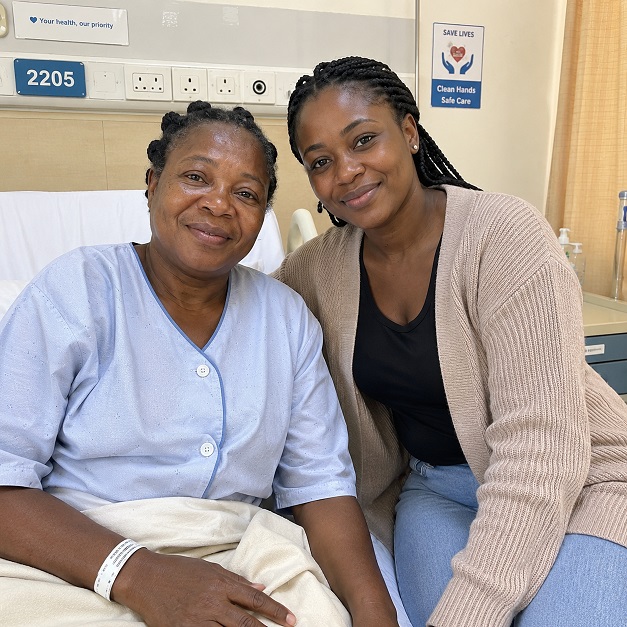
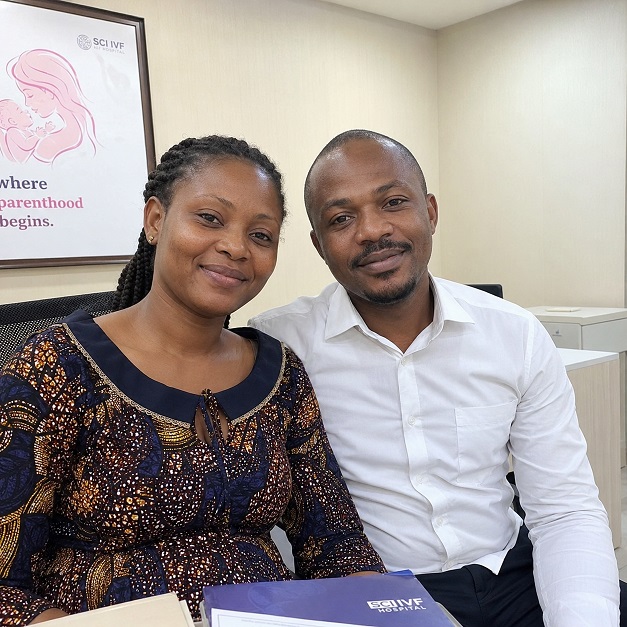
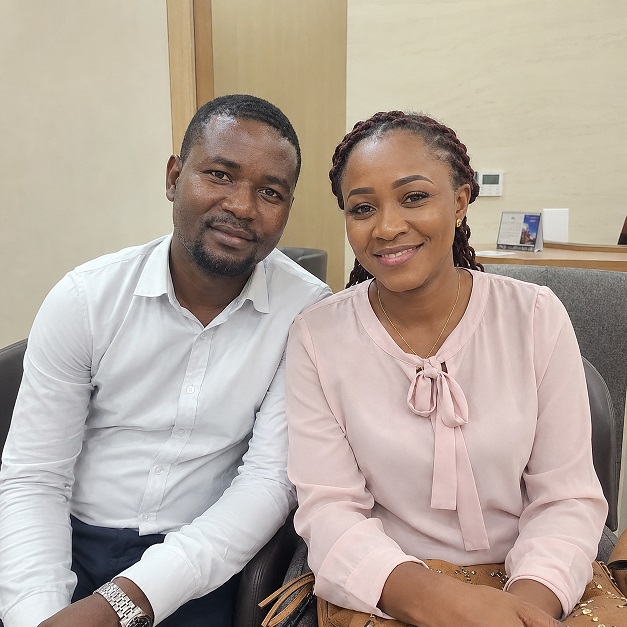
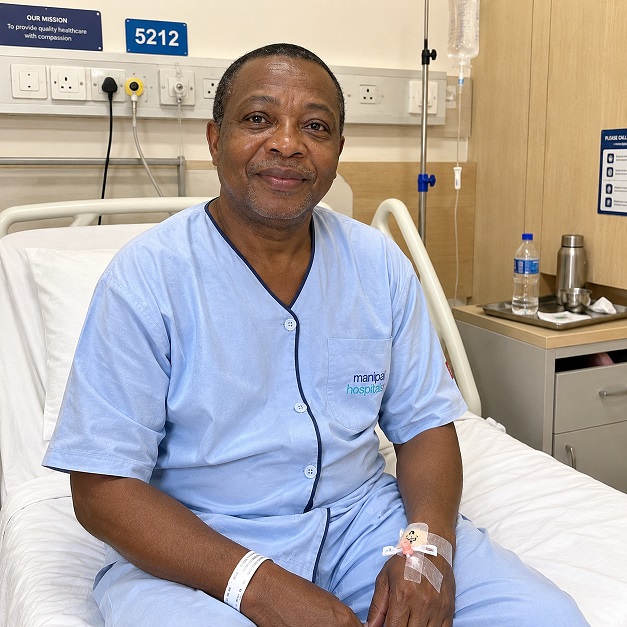
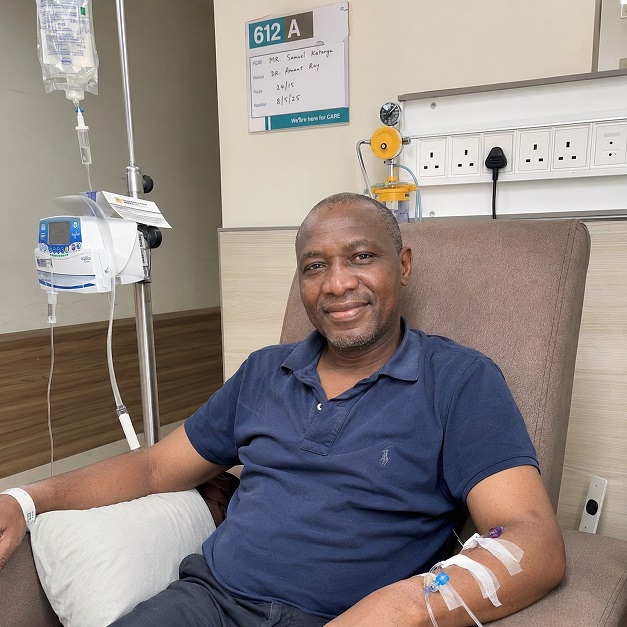
Patient Testimonials from Congo
Ready to Take the First Step?
Share your medical reports with our healthcare managers today and receive a FREE CONSULTATION, a personalized treatment plan and complete support from your arrival to your recovery.
Get Your Free ConsultationAreas We Serve
At Indian Health Guru Consultants, we proudly assist patients from Congo and neighboring countries across Central, East and Southern Africa who travel to India for advanced medical treatment. Our experienced international patient team provides end-to-end support, including medical opinions, hospital selection, Medical Visa assistance, travel planning, accommodation, interpreter services and post-treatment follow-up.
We regularly serve patients from:
- Gabon
- Cameroon
- Angola
- Uganda
- Rwanda
- Burundi
- Tanzania
- Zambia
- Djibouti
- Comoros
- Madagascar
- Seychelles
- South Sudan
- Central African Republic
- Republic of the Congo
- Democratic Republic of the Congo
No matter where you are located in the region, Indian Health Guru Consultants is committed to making your medical journey to India safe, affordable, seamless and completely patient-focused.
From Congo to India: Your Complete Patient Guide
- Brain Tumor Surgery in India for Congolese Patients
- Best Brain Tumour Surgeons & Hospitals in India for Congo Patients
- Knee Replacement in India for Congolese Patients
- Best Knee Replacement Surgeons & Hospitals in India for Congolese Patients
- Spine Surgery in India for Congolese Patients
- Best Spine Surgeons & Hospitals in India for Congolese Patients
- Liver Transplant in India for Congolese Patients: Cost & Guide
- Best Liver Transplant Centres and Hospitals in India for Congolese Patients
- Cardiac Surgery in India for Congolese Patients: Cost & Guide
- Best Cardiac Surgeons & Hospitals in India for Congolese Patients
- Bone Marrow Transplant in India for Congolese Patients: Cost & Guide
- Best Bone Marrow Transplant Centres and Hospitals in India for Congolese Patients
- Prostate Cancer Treatment in India for Congolese Patients: Cost & Guide
- Best Prostate Cancer Centres and Hospitals in India for Congolese Patients
- HIPEC in India for Congolese Patients: Cost & Treatment Guide
- Best HIPEC Centres and Hospitals in India for Congolese Patients
- Kidney Transplant in India for Congolese Patients: Cost & Guide
- Best Kidney Transplant Centres and Hospitals in India for Congolese Patients