

CyberKnife Treatment in India for Congolese Patients: What It Costs, and How to Decide Well
A practical guide for Congolese patients comparing CyberKnife with Gamma Knife, understanding treatment sessions, costs, travel planning and follow-up care in India.
Patients researching radiosurgery often encounter several unfamiliar names at once — Gamma Knife, CyberKnife, radiotherapy, radiosurgery — without a clear sense of how they differ. In 24 years of explaining these distinctions to families, I have found that CyberKnife causes particular confusion, since it sounds almost identical to Gamma Knife but works quite differently and treats a much wider range of the body. This guide sets out plainly what CyberKnife actually is, what it costs in India against the Western alternatives many families consider, and how it compares to its better-known cousin. Understanding the distinction matters practically, not just academically, since it shapes which specialist you should be speaking to and what questions are worth asking.
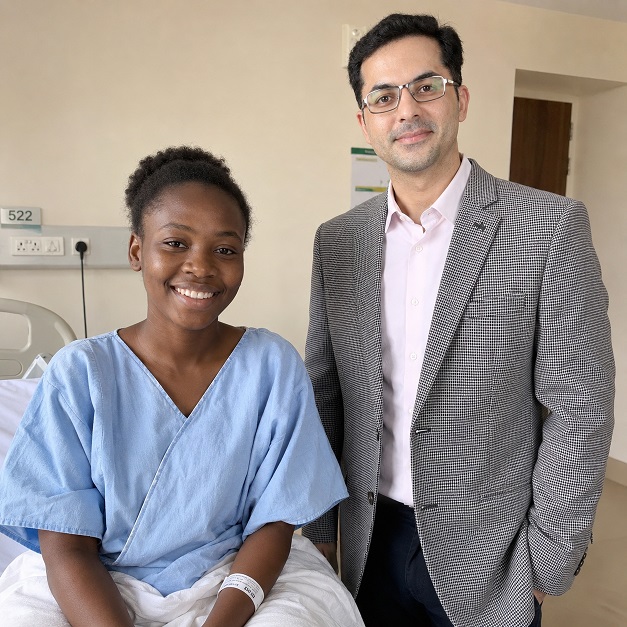
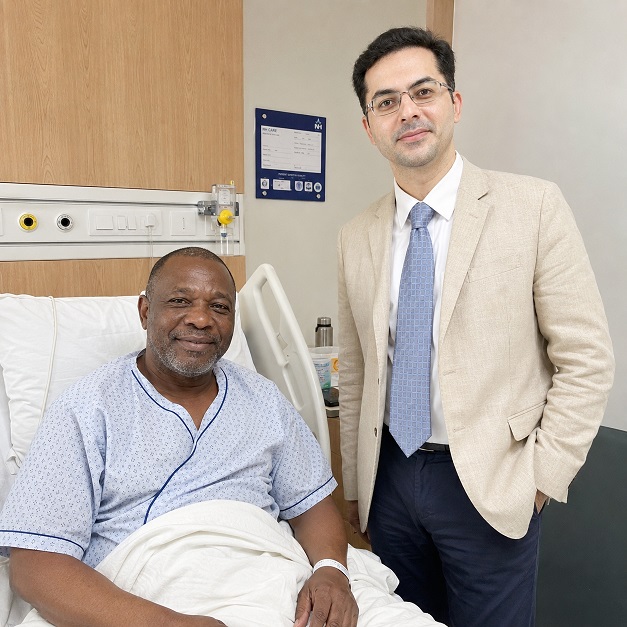
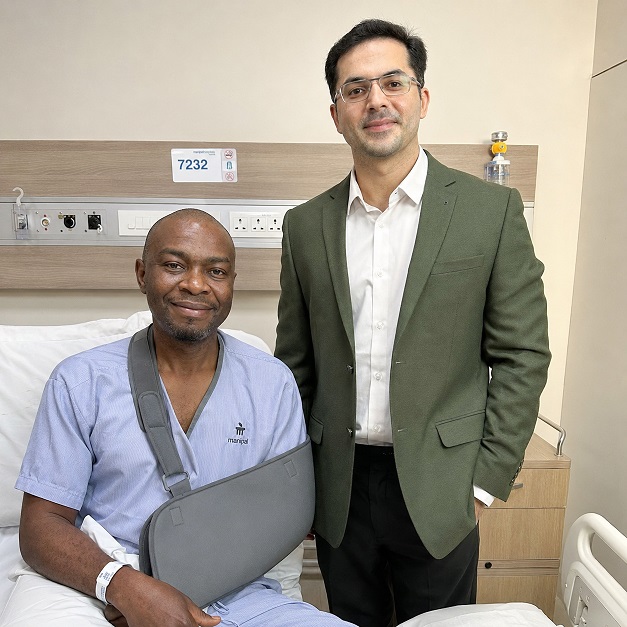
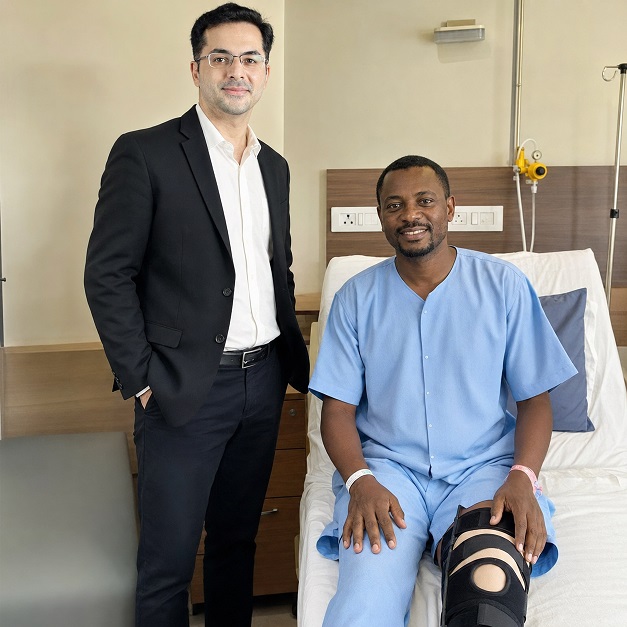
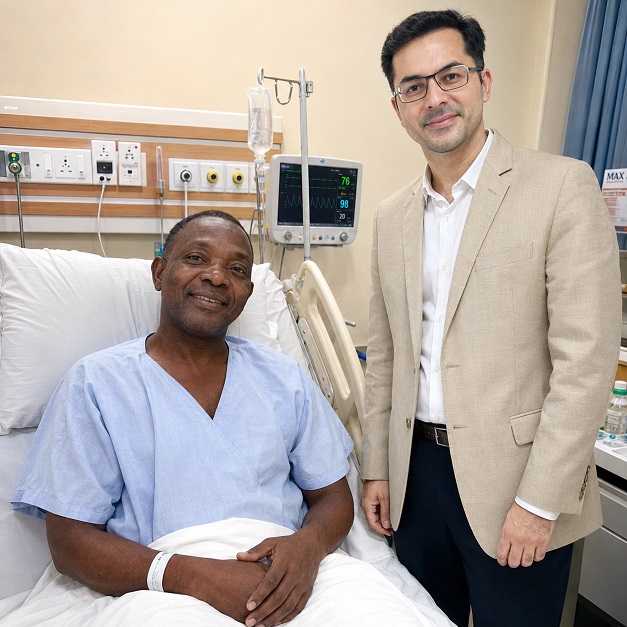
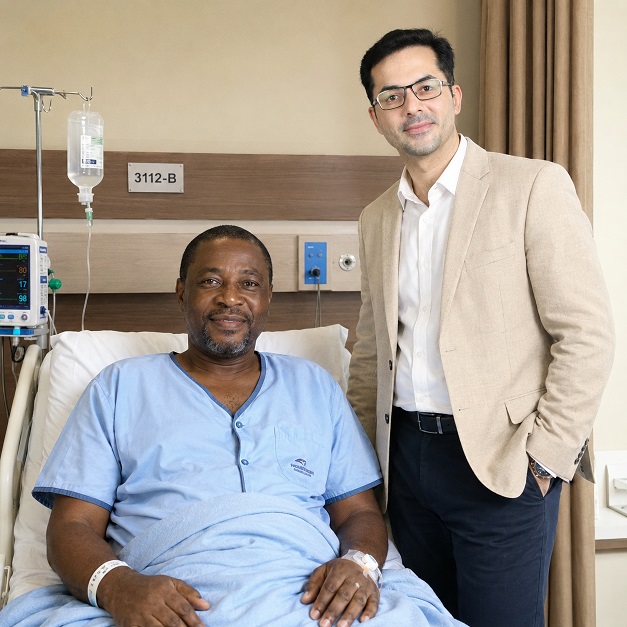
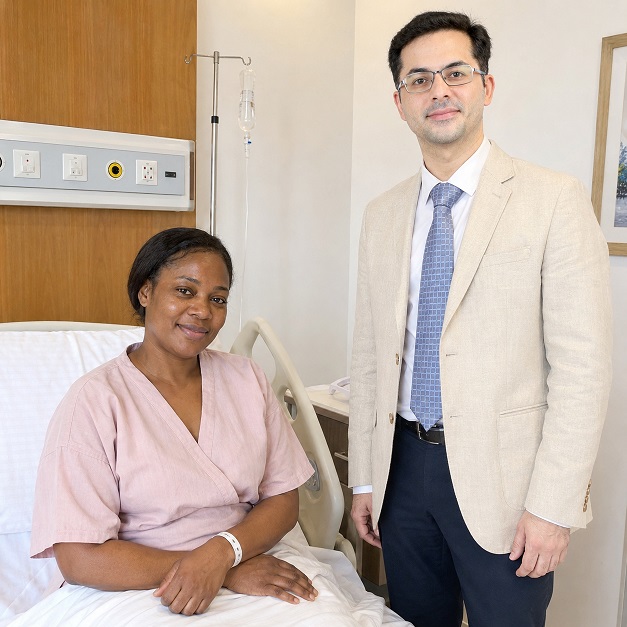
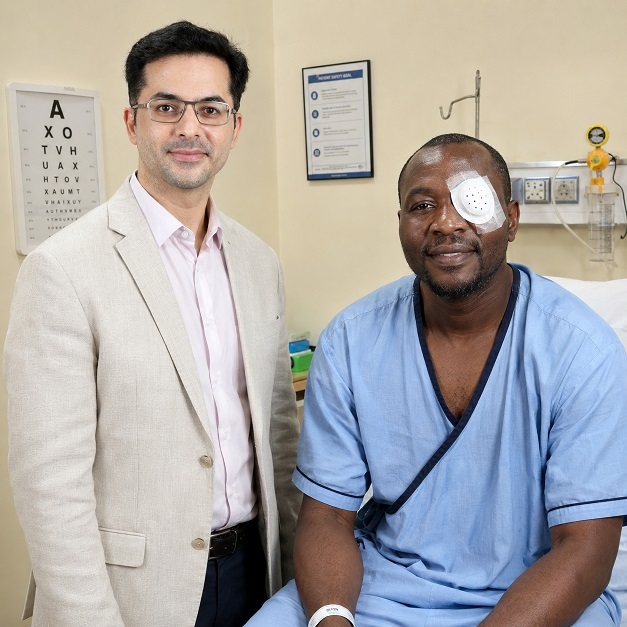
Healing Journeys of Congolese Patients
Key Takeaways
- The guide explains that CyberKnife is a frameless robotic radiosurgery system using a linear accelerator mounted on a robotic arm. Unlike Gamma Knife, which uses a fixed frame and is primarily used for brain and cervical spine lesions, CyberKnife uses continuous imaging and can treat lesions in multiple parts of the body.
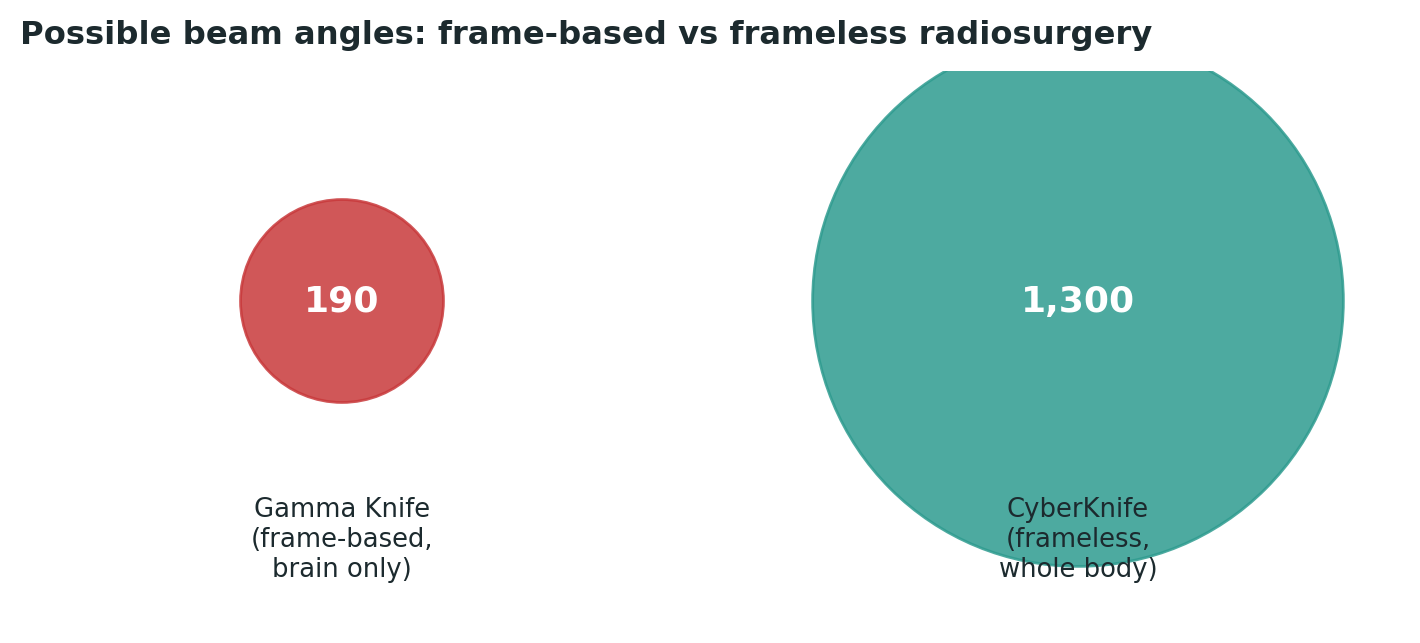
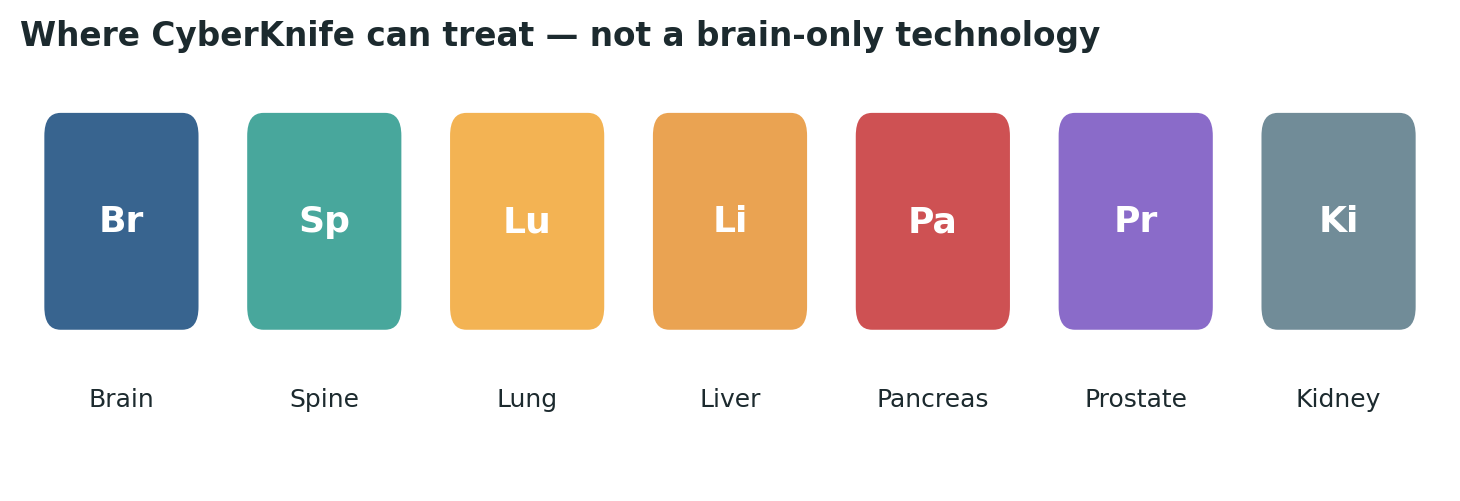
- The page 2 graphic illustrates approximately 190 possible beam angles for Gamma Knife versus 1,300 for CyberKnife, while also showing its potential application across the brain, spine, lung, liver, pancreas, prostate and kidney. The guide emphasises that neither technology is universally better; the appropriate choice depends on lesion location, size and movement.
- The page 3 chart shows that CyberKnife session numbers increase with case complexity, from one session for a small, well-defined brain lesion to as many as five for a large or irregular body tumour. Individual sessions typically last 30–90 minutes, are delivered on an outpatient basis without anaesthesia and generally allow patients to resume normal activities the same day or the following day.
- The guide provides an indicative comparison of full-course CyberKnife treatment costs. India is shown at approximately US$4,500–10,000, compared with US$22,000–35,000 in France/Belgium, US$30,000–48,000 in the UK private sector and US$30,000–55,000 in the US. The Indian cost varies according to session number and treatment complexity.
- The guide stresses that the headline treatment price may not include every component. Congolese patients should obtain written confirmation of the exact number of planned sessions, planning imaging, follow-up scans and what happens financially if additional sessions become necessary. Patients are also advised not to pay the full balance before treatment begins.
- For Congolese patients, the guide recommends sending actual scan files rather than only the typed report, asking the specialist to explain why CyberKnife is preferable to Gamma Knife or open surgery, budgeting in US dollars with a 15–20% buffer, starting the Indian medical and attendant visa process early and ensuring the yellow-fever certificate is current.
- The guide identifies warning signs including CyberKnife being recommended without reviewing the actual scans, no explanation of why it is preferable to alternative treatments, no defined session count or follow-up imaging schedule and pressure to pay the full balance before treatment. It presents India as a strong option because of its high-volume CyberKnife centres, treatment flexibility, English-language consultations, accreditation and lower indicative costs.
Quick Facts
- Author
- Dr. Dheeraj Bojwani
- Experience
- 24+ Years
- Treatment
- CyberKnife Radiosurgery
- Patients
- Congolese Patients
- Primary Locations
- Kinshasa, Lubumbashi and other regions of the DRC
- Key Specialist
- Radiation Oncologist / Radiosurgery Specialist
- Technology
- Frameless robotic radiosurgery
- Beam Angles
- Approximately 1,300 possible CyberKnife angles
- Comparison
- Gamma Knife uses a fixed frame and is primarily brain/cervical-spine focused
- Treatment Areas
- Brain, spine, lung, liver, pancreas, prostate and kidney
- Sessions
- Typically 1–5 depending on case complexity
- Session Duration
- Approximately 30–90 minutes
- Anaesthesia
- Typically not required
- India Cost
- Approximately US$4,500–10,000
- Complexity Factor
- Cost varies with sessions and treatment complexity
- Planning Check
- Exact session count and imaging requirements
- Financial Buffer
- 15–20% above initial estimate
- Travel Documents
- Medical visa, attendant visa and yellow-fever certificate
- Follow-Up
- Named doctor in the DRC
- Key Warning
- Do not choose CyberKnife without comparing it with appropriate alternatives
- Decision Principle
- Choose the technology that genuinely fits the lesion, not the technology a centre happens to offer.
In Brief
For Congolese patients considering CyberKnife in India, the guide recommends choosing the treatment based on the specific lesion rather than the technology's reputation. Patients should compare CyberKnife with Gamma Knife and surgery where relevant, send actual imaging for review, obtain a written session and cost plan, and arrange follow-up in the DRC before travelling.
What Makes CyberKnife Different
CyberKnife is a robotic radiosurgery system: a linear accelerator mounted on a robotic arm that moves around the patient, delivering radiation from over a thousand possible angles with sub-millimetre precision. Unlike Gamma Knife, which requires a rigid metal frame screwed to the skull to hold the head perfectly still, CyberKnife tracks the tumour's position in real time using continuous imaging, so no frame is needed at all. This also means CyberKnife is not limited to the brain and cervical spine the way Gamma Knife is — it can treat tumours in the lung, liver, pancreas, prostate, kidney, and elsewhere in the body.
The real-time tracking matters especially for organs that move naturally with breathing, such as the lung, liver, and pancreas. Older radiation techniques had to account for this movement with a wider safety margin around the tumour, exposing more healthy tissue to radiation. CyberKnife's system continuously adjusts the beam to follow the tumour's actual position, allowing a tighter, more precise dose.
This body-wide reach matters most for patients whose tumour is technically inoperable, or where open surgery carries unusually high risk because of the tumour's location near major blood vessels or vital organs. For a lung tumour close to the heart, or a spinal tumour close to the spinal cord itself, CyberKnife can sometimes achieve what open surgery cannot safely attempt.
The one fact worth remembering
Gamma Knife treats brain and cervical spine lesions in a single session using a fixed frame. CyberKnife treats lesions anywhere in the body, without a frame, typically over one to five sessions. Neither is universally "better" — the right choice depends on where the lesion is, its size, and whether nearby structures move with breathing, which CyberKnife's real-time tracking handles particularly well.
Why Sessions Vary by Case
Unlike Gamma Knife's typical single visit, CyberKnife treatment is often delivered across several sessions, with the exact number depending on the lesion's size, location, and proximity to sensitive structures. A small, well-defined lesion may need only one session; a larger or more complex tumour, particularly one near a critical organ, may need up to five. Spreading the dose across multiple sessions, a technique called fractionation, allows healthy tissue nearby to recover between treatments while the tumour receives a cumulative dose sufficient to control it.
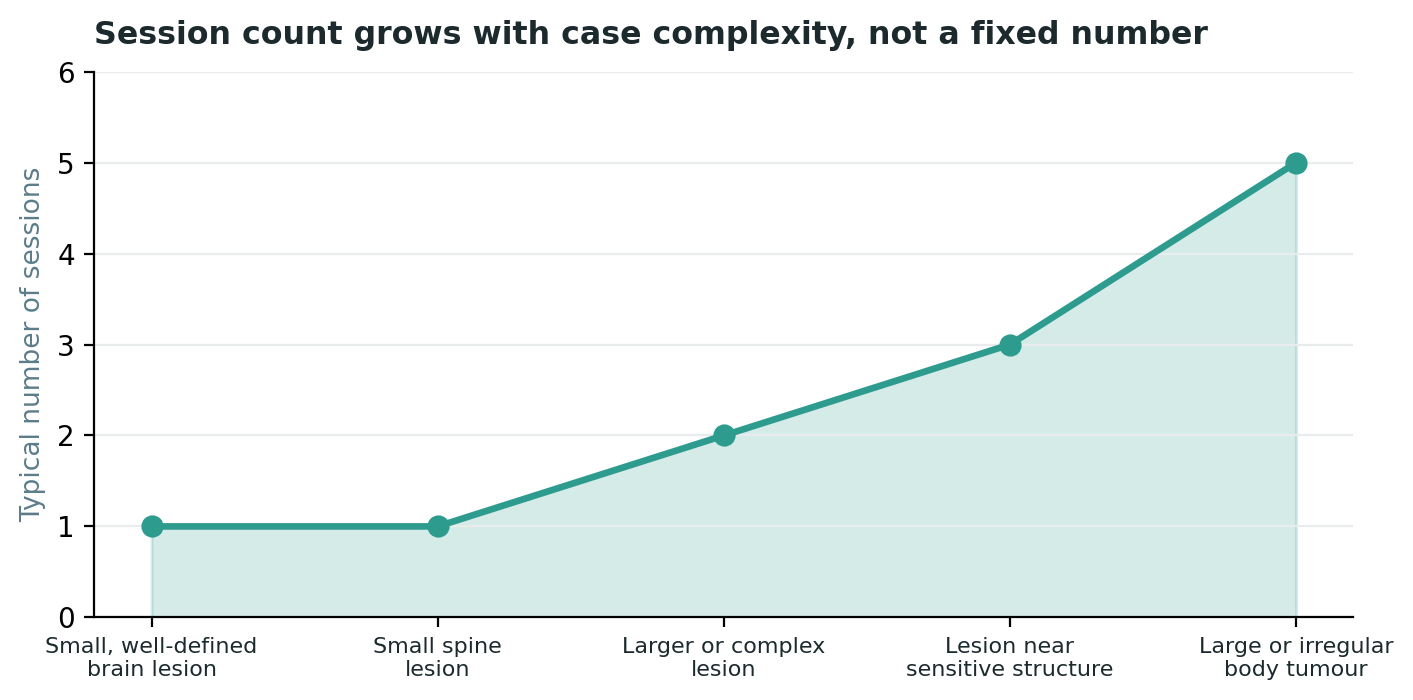
Each session itself typically lasts 30 to 90 minutes, delivered on an outpatient basis without anaesthesia. Most patients resume normal activities the same day or the day after each session, though cumulative fatigue can build across a multi-session course.
What This Treatment Costs: DRC Reality vs India vs the West
As with other advanced radiosurgery, the DRC currently has no CyberKnife system of its own, and the country's very limited radiotherapy infrastructure overall means this technology sits well beyond what is locally available. The relative cost gap between India and the West, however, holds steady, and is worth understanding clearly before comparing specific quotes.
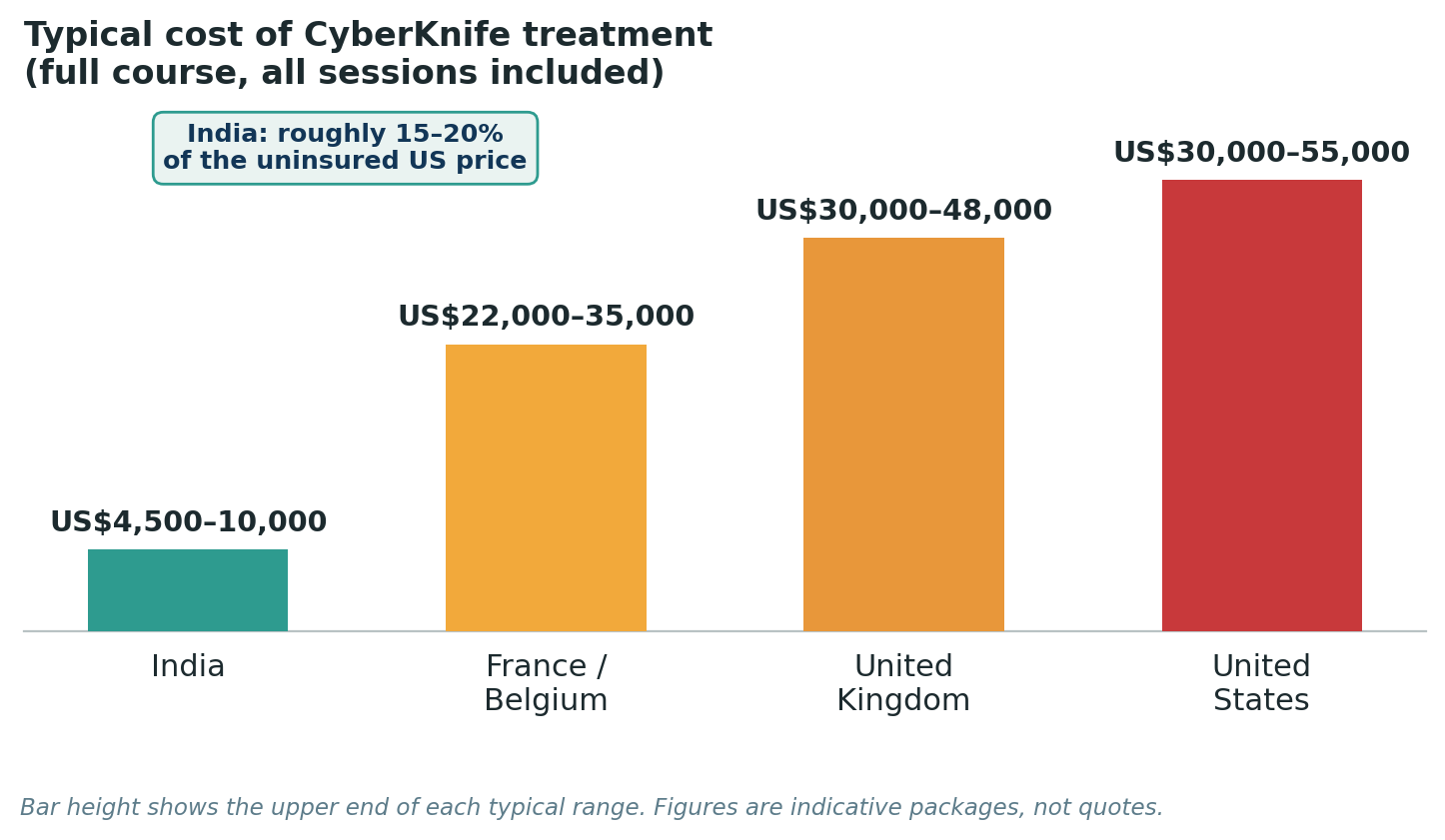
In India, a full CyberKnife course typically costs US$4,500 to US$10,000, depending on the number of sessions and complexity. In France or Belgium, private-sector costs typically run US$22,000 to US$35,000. In the UK's private sector, costs range roughly US$30,000 to US$48,000. In the US, the same treatment commonly costs US$30,000 to US$55,000. India's typical price sits at roughly a sixth to a fifth of the uninsured US figure.
What the number on the quote does not always show
A written estimate should specify the exact number of sessions planned and whether planning imaging and follow-up scans are included in the quoted figure. In 24 years of reviewing these quotes, I have found disputes almost never concern the headline number — they concern what it silently left out, particularly when a case turns out to need more sessions than initially estimated. Get every line item in writing, and never pay the full balance before treatment begins.
What a Congolese Patient Should Weigh, Specifically
Beyond the medical decision itself, a handful of practical realities deserve their own attention when planning treatment from the DRC.
- Confirm whether Gamma Knife or CyberKnife better suits your case — ask the specialist to explain the choice specifically for your lesion, not present one as automatically superior.
- Send the actual scan files, not just the typed report, since treatment planning depends on precise size and location.
- Ask for the expected number of sessions in writing, and what happens to the cost if more sessions turn out to be needed.
- Budget in US dollars, with margin. The Congolese franc has weakened considerably against the dollar (roughly CDF 2,300–2,350 per US$1 in mid-2026, and it moves); build in a 15–20% buffer above the initial estimate.
- Start the visa process early. DRC passport holders need a paper medical visa through the Embassy of India in Kinshasa (Avenue Batetela, Gombe), typically around two weeks once the hospital's invitation letter is ready; apply for an attendant visa at the same time.
- Confirm your yellow fever certificate is current — mandatory for entry into India, at least 10 days before travel.
- Plan your stay around multiple sessions, not a single day — if your case needs several visits, budget accommodation accordingly rather than assuming a same-day return.
- Arrange follow-up care in the DRC before you fly — identify which doctor at home will review follow-up scans once treatment is complete.
Four signals that should make you pause
- A centre recommending CyberKnife without reviewing your actual scans first.
- No clear explanation of why CyberKnife, rather than Gamma Knife or surgery, suits your specific case.
- No defined session count or follow-up imaging schedule in the written plan.
- Pressure to pay the full balance before treatment begins.
Why India Specifically for CyberKnife Treatment for Congolese Patients?
India operates several high-volume CyberKnife centres treating the full range of eligible conditions, with specialists experienced in deciding between CyberKnife, Gamma Knife, and open surgery on a case-by-case basis rather than defaulting to a single technology. Combined with English-language consultation throughout and hospital accreditation (NABH domestically, JCI internationally) that mirrors the standards used to evaluate hospitals in the US and Europe, India offers a combination of technology breadth, honest triage, and lower cost that is difficult to match elsewhere in the region, including South Africa or the Gulf states some families also consider.
A closing word
CyberKnife and Gamma Knife are often confused, but they serve different purposes, and the right choice depends entirely on your specific lesion. What matters most is a specialist willing to explain, plainly, why one technology suits your case over the other — or whether neither does, and open surgery remains the better path. If you are able to share your scans, I am glad to look them over and give a direct view on which approach genuinely fits your situation, rather than which technology a given centre happens to own.
Sources
- 🌐 National Medical Commission of India — verify any surgeon's registration · nmc.org.in
- 🌐 National Accreditation Board for Hospitals & Healthcare Providers (NABH) · nabh.co
- 🌐 Embassy of India, Kinshasa — medical visa requirements · eoikinshasa.gov.in
- 🌐 IAEA — Rays of Hope initiative, DRC radiotherapy centre development · iaea.org/newscenter/news
- 🌐 World Health Organization — yellow fever vaccination requirements · who.int/health-topics/yellow-fever
Frequently Asked Questions by Congolese Patients about CyberKnife Treatment in India
What is CyberKnife?
CyberKnife is a frameless robotic radiosurgery system that delivers highly focused radiation from multiple angles while continuously tracking the target using imaging.
How is CyberKnife different from Gamma Knife?
Gamma Knife uses a fixed frame and is primarily used for brain and cervical spine lesions, while CyberKnife is frameless and can treat lesions in multiple areas of the body.
Can CyberKnife treat tumours outside the brain?
Yes. The guide identifies potential treatment areas including the spine, lung, liver, pancreas, prostate and kidney, in addition to the brain.
How many CyberKnife sessions are usually needed?
The guide states that treatment can range from one to five sessions, depending on lesion size, location and proximity to sensitive structures.
How long does each session take?
Each session typically lasts 30–90 minutes and is generally performed as an outpatient treatment without anaesthesia.
How much does CyberKnife cost in India?
The guide gives an indicative full-course range of US$4,500–10,000, depending on the number of sessions and complexity of treatment.
Should I choose CyberKnife over Gamma Knife automatically?
No. The guide specifically recommends asking the specialist to explain why CyberKnife, Gamma Knife or open surgery is most appropriate for the specific lesion rather than treating one technology as universally superior.
What should I send to an Indian hospital before travelling?
Send the actual scan files, not just the written radiology report, because treatment planning depends on precise lesion size and location.
What should the CyberKnife quotation include?
The written estimate should specify the exact number of planned sessions, planning imaging and follow-up scans, as well as what happens to the cost if additional sessions become necessary.
What should Congolese patients arrange before travelling?
Patients should start the medical and attendant visa process, confirm their yellow-fever certificate, plan accommodation around the number of treatment sessions and identify a doctor in the DRC for follow-up after treatment.
Page Summary
This guide helps Congolese patients understand CyberKnife treatment in India, particularly how it differs from Gamma Knife and why treatment selection depends on the lesion rather than the technology alone. The page 2 graphic highlights CyberKnife's broader treatment reach and greater beam-angle flexibility, while the page 3 chart shows how session numbers increase with case complexity. The page 4 cost comparison, travel requirements, written treatment planning and follow-up arrangements are central to the decision process.
Citation Block
| Field | Information |
|---|---|
| Topic | CyberKnife Treatment in India for Congolese Patients |
| Treatment | CyberKnife Radiosurgery |
| Patients | Congolese Patients |
| Key Specialist | Radiation Oncologist / Radiosurgery Specialist |
| Technology | Frameless robotic radiosurgery |
| Beam Angles | Approximately 1,300 possible angles |
| Treatment Areas | Brain, spine, lung, liver, pancreas, prostate and kidney |
| Gamma Knife Comparison | Fixed-frame, primarily brain and cervical-spine treatment |
| Session Range | Typically 1–5 sessions |
| Session Duration | Approximately 30–90 minutes |
| Anaesthesia | Typically not required |
| India Cost | US$4,500–10,000 |
| Cost Factors | Number of sessions and treatment complexity |
| Planning Check | Actual scan review and precise lesion size/location |
| Cost Transparency | Session count, planning imaging and follow-up scans |
| Second Opinion | CyberKnife versus Gamma Knife or surgery |
| Travel Requirement | Medical visa, attendant visa and yellow-fever certificate |
| Financial Planning | 15–20% buffer above initial estimate |
| Follow-Up | Named doctor in the DRC |
| Warning Signs | No scan review, unclear treatment rationale, undefined sessions or advance-payment pressure |
| Key Decision | Select the modality that best fits the individual lesion |


Our Mission Statement
Our mission is to place patients at the centre of every healthcare decision by providing trustworthy, evidence-based, and unbiased medical information. We believe that informed patients make better decisions. Backed by personalised guidance from our experienced advisory team, we help patients understand their treatment options, compare them objectively, and confidently choose the path that best suits their medical needs and personal circumstances.
Patient Testimonials from Congo
Ready to Take the First Step?
Share your medical reports with our healthcare managers today and receive a FREE CONSULTATION, a personalized treatment plan and complete support from your arrival to your recovery.
Get Your Free ConsultationAreas We Serve
At Indian Health Guru Consultants, we proudly assist patients from Congo and neighboring countries across Central, East and Southern Africa who travel to India for advanced medical treatment. Our experienced international patient team provides end-to-end support, including medical opinions, hospital selection, Medical Visa assistance, travel planning, accommodation, interpreter services and post-treatment follow-up.
We regularly serve patients from:
- Gabon
- Cameroon
- Angola
- Uganda
- Rwanda
- Burundi
- Tanzania
- Zambia
- Djibouti
- Comoros
- Madagascar
- Seychelles
- South Sudan
- Central African Republic
- Republic of the Congo
- Democratic Republic of the Congo
No matter where you are located in the region, Indian Health Guru Consultants is committed to making your medical journey to India safe, affordable, seamless and completely patient-focused.
From Congo to India: Your Complete Patient Guide
- Brain Tumor Surgery in India for Congolese Patients
- Best Brain Tumour Surgeons & Hospitals in India for Congo Patients
- Knee Replacement in India for Congolese Patients
- Best Knee Replacement Surgeons & Hospitals in India for Congolese Patients
- Spine Surgery in India for Congolese Patients
- Best Spine Surgeons & Hospitals in India for Congolese Patients
- Liver Transplant in India for Congolese Patients: Cost & Guide
- Best Liver Transplant Centres and Hospitals in India for Congolese Patients
- Cardiac Surgery in India for Congolese Patients: Cost & Guide
- Best Cardiac Surgeons & Hospitals in India for Congolese Patients
- Bone Marrow Transplant in India for Congolese Patients: Cost & Guide
- Best Bone Marrow Transplant Centres and Hospitals in India for Congolese Patients
- Prostate Cancer Treatment in India for Congolese Patients: Cost & Guide
- Best Prostate Cancer Centres and Hospitals in India for Congolese Patients
- HIPEC in India for Congolese Patients: Cost & Treatment Guide
- Best HIPEC Centres and Hospitals in India for Congolese Patients
- Kidney Transplant in India for Congolese Patients: Cost & Guide
- Best Kidney Transplant Centres and Hospitals in India for Congolese Patients