

Colorectal Cancer Treatment in India for Congolese Patients: What It Costs, and How to Decide Well
A practical guide covering colorectal cancer diagnosis, colonoscopy, staging, treatment costs, surgery, stoma planning and travel requirements for Congolese patients.
Colorectal cancer has long been thought of as a disease of Western, older populations. In 24 years of advising cancer patients, I have watched that assumption become steadily less true, and nowhere more so than among young adults across Africa, where the disease is rising sharply at exactly the moment when screening infrastructure remains critically thin. This guide sets out plainly why this trend matters for Congolese patients specifically, what treatment in India costs against the Western alternatives some patients consider, and what to weigh before deciding.
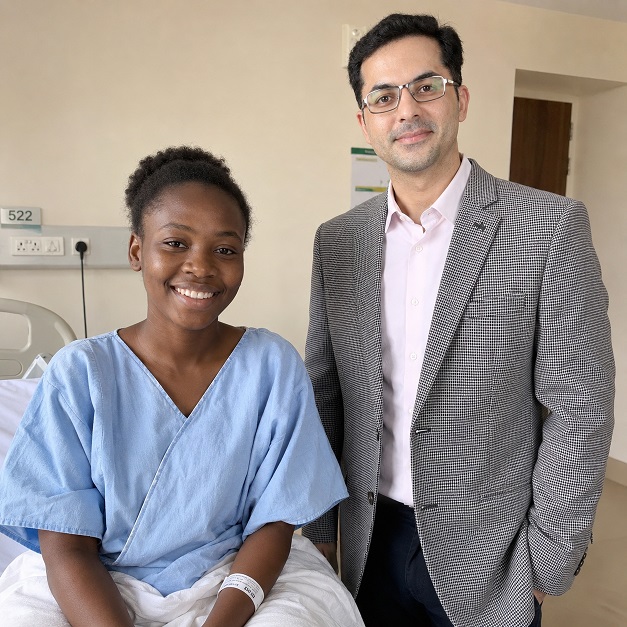
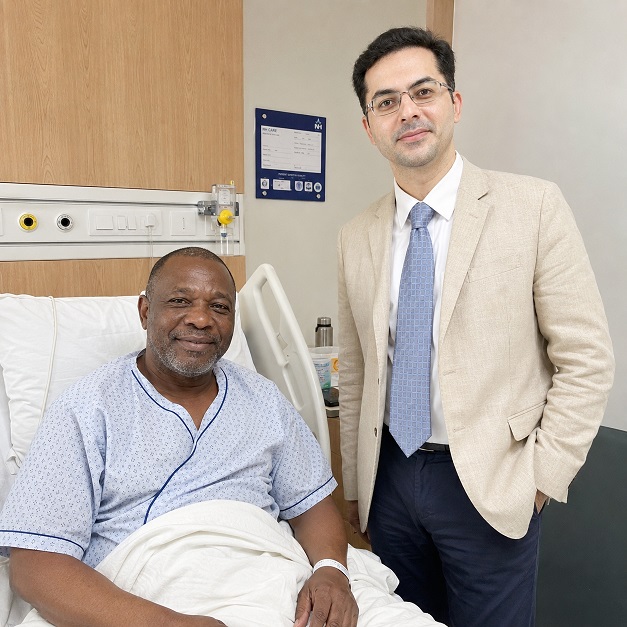
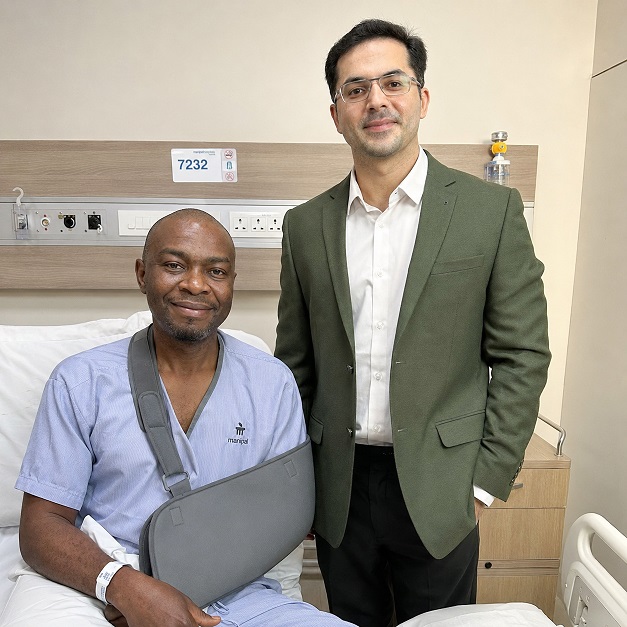
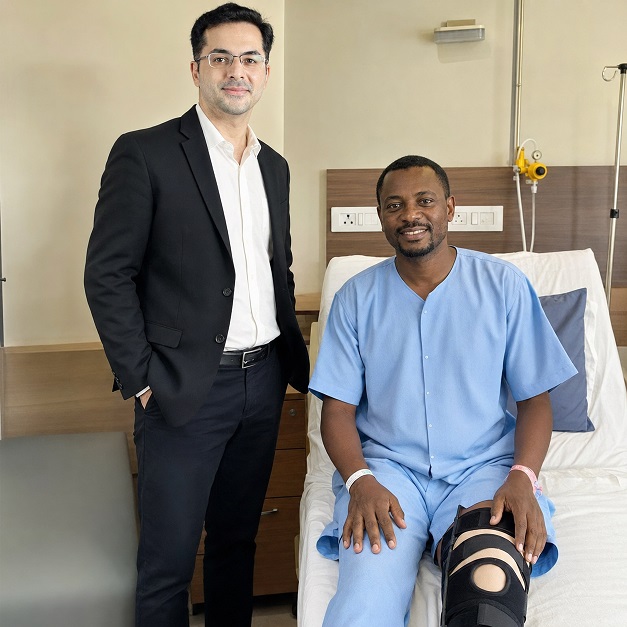
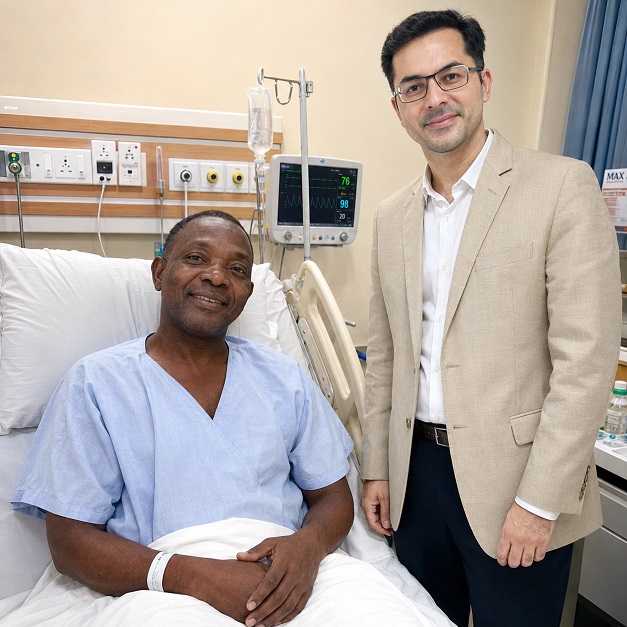
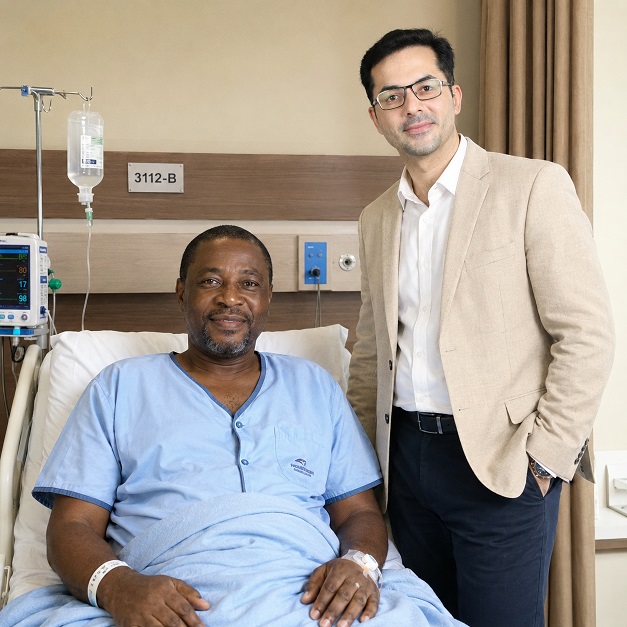
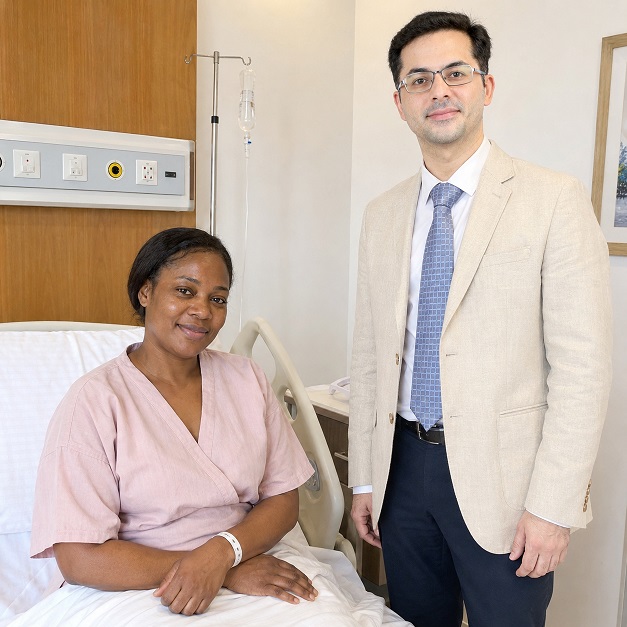
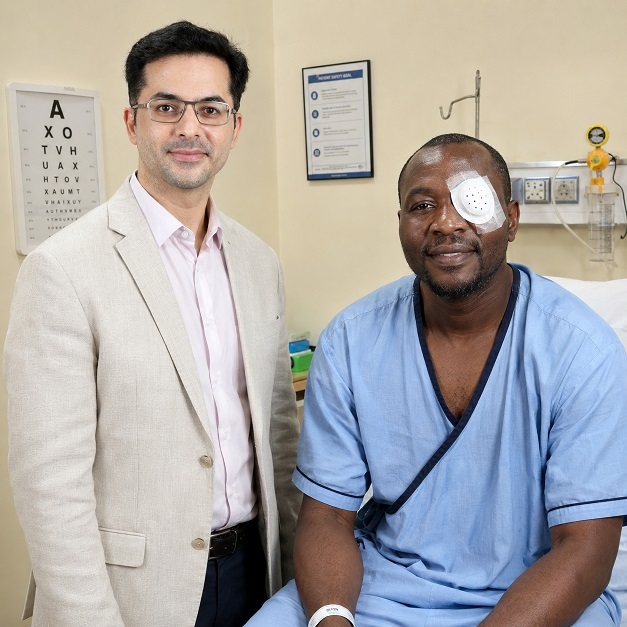
Healing Journeys of Congolese Patients
Key Takeaways
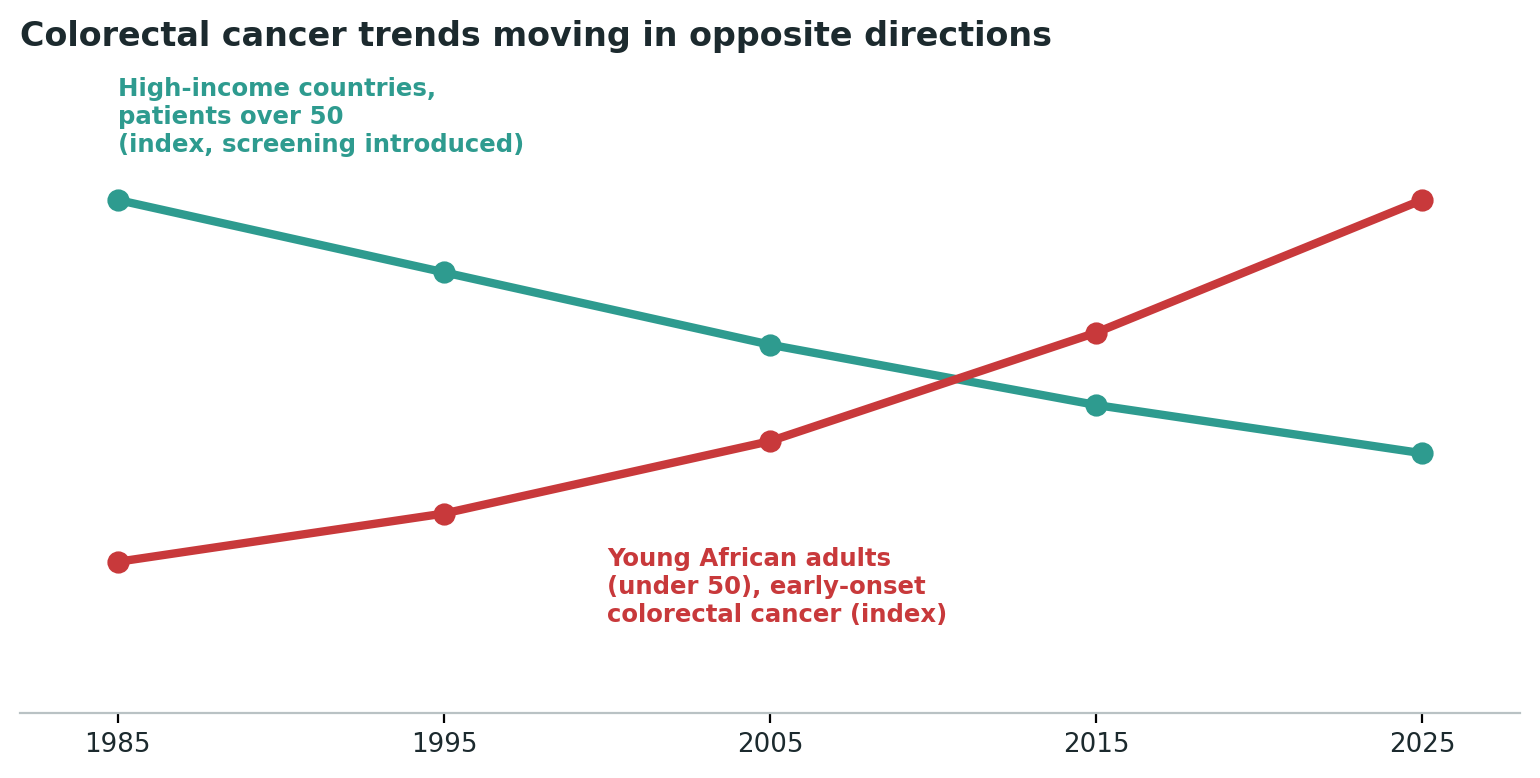
- The guide explains that colorectal cancer is increasingly affecting younger adults in Africa, while screening and diagnostic capacity remain limited. The page 2 graphic shows the contrasting trend between declining colorectal cancer incidence in screened high-income populations and rising early-onset disease among young African adults.
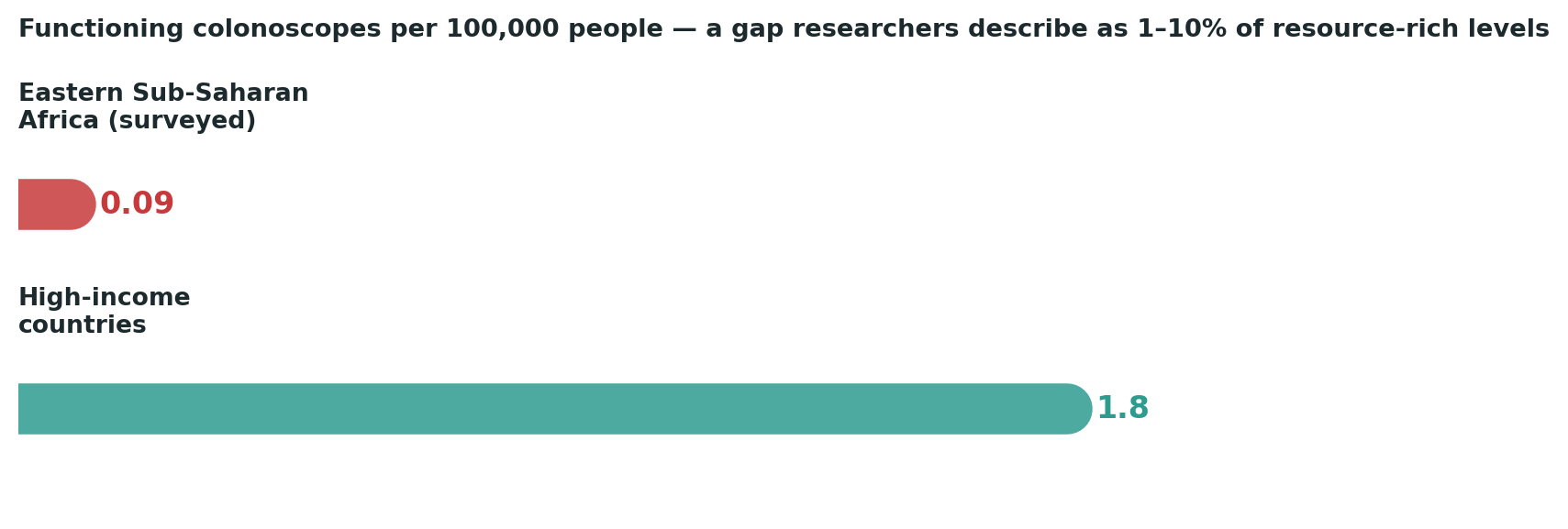
- The guide highlights a major screening-capacity gap, with the cited Eastern African survey reporting only 0.09 functioning colonoscopes per 100,000 people, compared with 1.8 in high-income countries. Because organised screening is limited, persistent bowel changes, blood in the stool, unexplained weight loss or ongoing abdominal pain should be evaluated promptly at any age.
- The guide stresses that proper diagnosis and staging should come before treatment planning. Patients should confirm whether colonoscopy with biopsy was performed, send actual pathology, staging and imaging results, and ask about the specific combination of surgery, chemotherapy and radiotherapy required.
- The page 4 cost chart gives an indicative complete colorectal cancer treatment range of US$3,500–15,000 in India, compared with US$30,000–80,000 in France/Belgium, US$40,000–100,000 in the UK and US$60,000–150,000 in the US. The guide notes that cost varies according to stage and the extent of surgery required.
- For Congolese patients, the guide recommends asking whether a temporary or permanent stoma may be required and what this means for cost and recovery. It also recommends a 15–20% financial buffer, early medical and attendant visa preparation, and a current yellow-fever certificate before travelling to India.
- The guide identifies four warning signs: persistent symptoms dismissed because of younger age, no genuine colonoscopy or biopsy, no staging results behind the proposed treatment plan, and pressure to pay the full balance before receiving a complete written treatment plan.
Quick Facts
- Author
- Dr. Dheeraj Bojwani
- Experience
- 24+ Years
- Treatment
- Colorectal Cancer Treatment
- Patients
- Congolese Patients
- Key Assessment
- Colonoscopy, biopsy, pathology and staging
- First Step
- Prompt evaluation of persistent bowel symptoms
- Symptoms
- Bowel changes, blood in stool, weight loss or abdominal pain
- Treatment Options
- Surgery, chemotherapy and radiotherapy
- Surgery Check
- Temporary or permanent stoma possibility
- India Cost
- US$3,500–15,000 indicative range
- Cost Check
- Complete treatment plan clearly itemised
- Financial Buffer
- 15–20%
- Medical Records
- Pathology, staging and imaging
- Visa
- Paper medical and attendant visa
- Entry Requirement
- Current yellow-fever certificate
- Follow-Up
- Complete treatment and follow-up plan
- Key Warning
- Do not dismiss colorectal symptoms because of younger age
- Decision Principle
- Choose proper diagnosis and staging before deciding on treatment.
In Brief
For Congolese patients with suspected or confirmed colorectal cancer, the guide recommends taking persistent symptoms seriously regardless of age and obtaining proper colonoscopy, biopsy and staging before treatment decisions. Patients should compare the complete treatment plan, understand whether a stoma may be required and obtain transparent costs before travelling to India.
Two Trends Moving in Opposite Directions
In high-income countries, colorectal cancer incidence among patients over 50 has been steadily declining since the mid-1980s, largely thanks to widespread screening colonoscopy catching and removing precancerous polyps before they become cancer. Among young adults in Africa, the opposite trend is underway: early-onset colorectal cancer, in patients under 50, has been rising steadily over the same period.
This divergence matters enormously for how a Congolese patient, or their doctor, should think about risk. A Western clinician might reasonably treat colorectal symptoms in a 35-year-old as low-priority, since the disease remains genuinely rare at that age in a population where screening has already removed many of the precancerous polyps that would otherwise have progressed. That same clinical instinct, applied to a young Congolese patient in a population where early-onset cases are rising and no screening safety net exists, risks missing a genuine and growing threat.
Researchers studying this pattern point to a combination of genetic and lifestyle factors, alongside limited public awareness of the disease's warning signs and restricted access to screening and diagnostic services, as together driving this rise among young African adults specifically.
A Screening Capacity Gap That Compounds the Problem
A survey of digestive healthcare capacity across several Eastern African countries found just 0.09 functioning colonoscopes per 100,000 people, alongside similarly limited numbers of trained endoscopists. The researchers who conducted this survey described the region's overall endoscopic capacity as representing just 1% to 10% of levels found in resource-rich countries.
The same survey found that participating facilities had, on average, only one functioning colonoscope and two functioning gastroscopes each, and identified a lack of equipment, a lack of trained endoscopists, and cost as the primary barriers to expanding this capacity. This is not a story of colonoscopy being unavailable everywhere — it exists in pockets, typically concentrated in major cities, leaving much of the population, urban and rural alike, effectively without meaningful access.
The one fact worth remembering
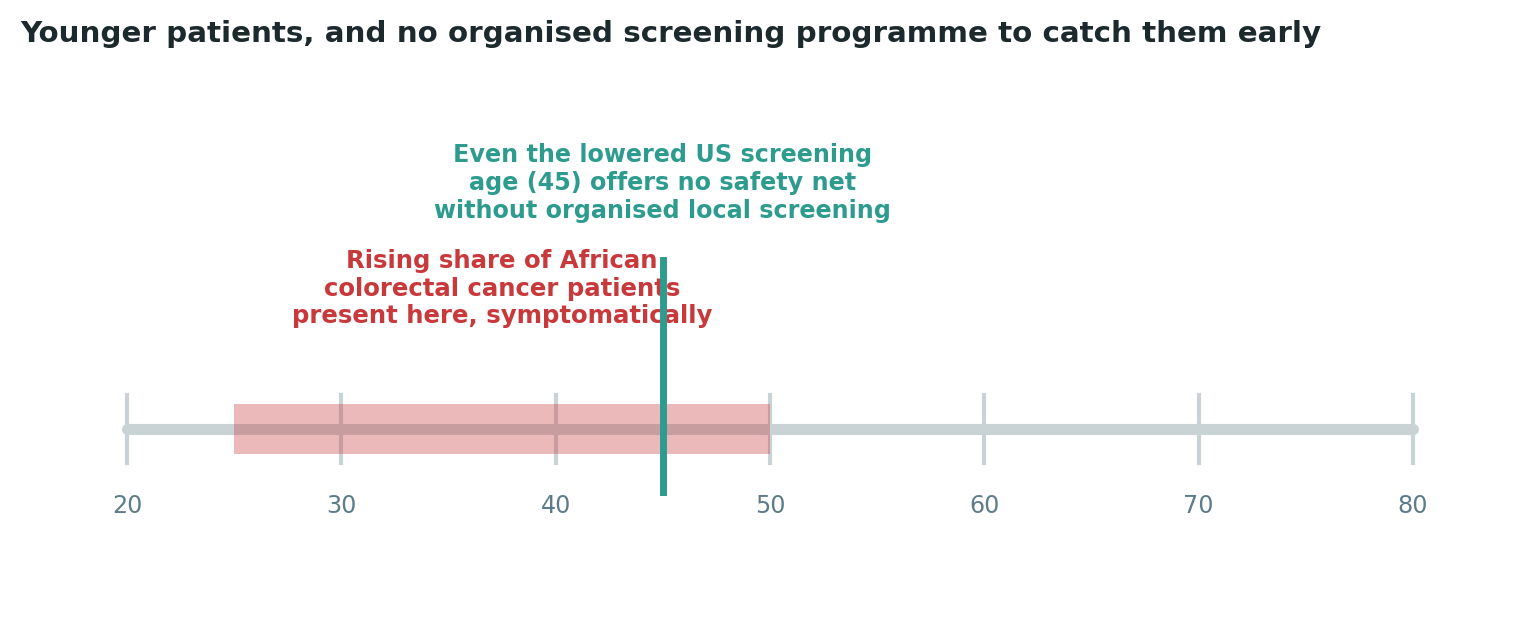
Because organised screening for colorectal cancer barely exists across the region, and even the youngest ages targeted by Western screening guidelines are of limited relevance here, a Congolese patient's earliest and most reliable warning sign is often the symptoms themselves. Persistent changes in bowel habits, blood in the stool, unexplained weight loss, or ongoing abdominal pain deserve prompt clinical evaluation at any age, not just after 50.
Why Age-Based Screening Guidelines Do Not Provide a Safety Net Here
In 2021, the United States lowered its recommended colorectal cancer screening age from 50 to 45, reflecting the same rising early-onset trend seen globally. But a lowered screening age only matters where an organised screening programme actually exists to act on it — and across most of the region, no such programme is in place at any age.
What Complete Treatment Costs: DRC Reality vs India vs the West
Cost depends heavily on stage at diagnosis and the specific combination of surgery, chemotherapy, and radiotherapy needed, but the relative gap between India and Western options holds fairly consistently.
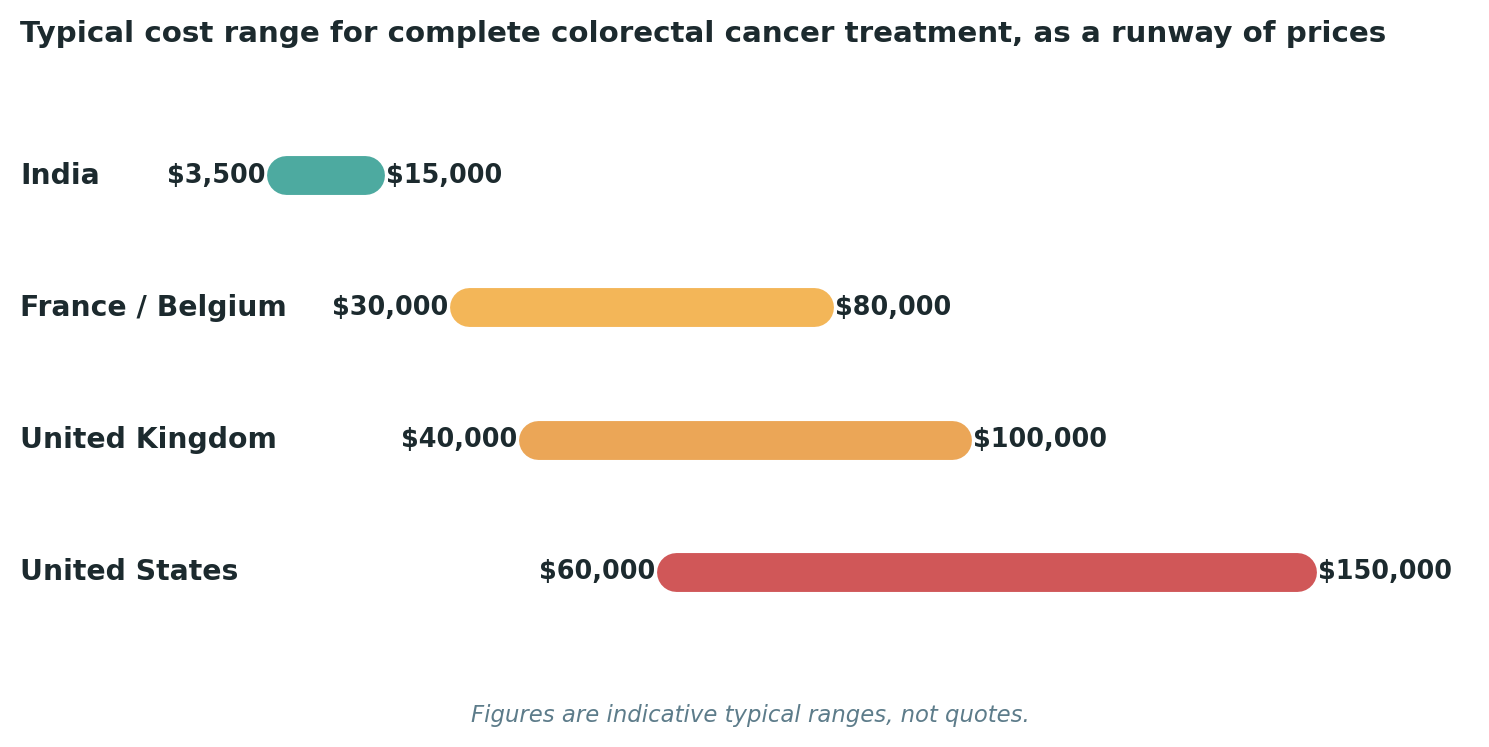
In India, complete colorectal cancer treatment typically costs US$3,500 to US$15,000, depending on stage and the extent of surgery required. In France or Belgium, costs typically run US$30,000 to US$80,000. In the UK, costs range roughly US$40,000 to US$100,000. In the US, the same combination of treatments commonly costs US$60,000 to US$150,000. India's typical price sits at roughly a tenth of the uninsured US figure.
What the number on the quote does not always show
A written estimate should specify whether a temporary or permanent stoma might be needed, and what this would mean for cost and recovery. In 24 years of reviewing these quotes, I have found disputes almost never concern the headline figure — they concern what it silently left out. Get every line item in writing, and never pay the full balance before surgery.
What a Congolese Patient Should Weigh, Specifically
- Do not dismiss symptoms as unlikely because of a younger age — persistent bowel changes, blood in the stool, or unexplained weight loss deserve evaluation at any age.
- Send the actual pathology, staging, and imaging results, not just a description of symptoms, since treatment planning depends on precise staging.
- Ask directly whether a colonoscopy, not just imaging, was used to confirm the diagnosis, since direct visualisation and biopsy remain the diagnostic standard.
- Ask whether a stoma might be temporary or permanent, and what this would mean for your specific case and recovery.
- Budget in US dollars, with margin. The Congolese franc has weakened considerably against the dollar (roughly CDF 2,300–2,350 per US$1 in mid-2026, and it moves); build in a 15–20% buffer above the initial estimate.
- Start the visa process early. DRC passport holders need a paper medical visa through the Embassy of India in Kinshasa (Avenue Batetela, Gombe), typically around two weeks once the hospital's invitation letter is ready; apply for an attendant visa at the same time.
- Confirm your yellow fever certificate is current — mandatory for entry into India, at least 10 days before travel.
Four signals that should make you pause
- Persistent bowel symptoms dismissed because of a patient's younger age.
- No genuine colonoscopy or biopsy behind the diagnosis.
- No staging results behind the proposed treatment plan.
- Pressure to pay the full balance before a written, complete treatment plan exists.
Why India Specifically for Colorectal Cancer Treatment for Congolese Patients?
India operates high-volume colorectal cancer centres with genuine, extensive colonoscopy and surgical capacity, offering both the diagnostic access and the complete treatment pathway that remain critically scarce across much of the region. Combined with English-language consultation throughout and hospital accreditation (NABH domestically, JCI internationally) that mirrors the standards used to evaluate hospitals in the US and Europe, India offers a realistic, affordable path to the kind of thorough diagnostic workup and complete treatment that a rising, younger patient population urgently needs, without the months-long wait that scarce local colonoscopy capacity often imposes.
A closing word
Colorectal cancer in a younger Congolese patient is not a medical anomaly — it reflects a genuine, rising regional pattern that local screening infrastructure has not yet caught up with. What matters most is taking any persistent bowel symptom seriously, regardless of age, and pursuing a proper diagnostic workup rather than assuming the possibility away. If you are able to share your pathology and staging results, I am glad to give a direct, honest view on what your case would involve, and how quickly you should be moving forward.
Sources
- 🌐 National Medical Commission of India — verify any surgeon's registration · nmc.org.in
- 🌐 National Accreditation Board for Hospitals & Healthcare Providers (NABH) · nabh.co
- 🌐 Embassy of India, Kinshasa — medical visa requirements · eoikinshasa.gov.in
- 🌐 "Rising Incidence and Mortality of Colorectal Cancer in Young African Adults," Cureus · cureus.com
- 🌐 "Gastrointestinal endoscopy capacity in Eastern Africa," Endoscopy International Open · thieme-connect.de
- 🌐 World Health Organization — yellow fever vaccination requirements · who.int/health-topics/yellow-fever
Frequently Asked Questions by Congolese Patients about Colorectal Cancer Treatment in India
Can colorectal cancer affect younger Congolese patients?
Yes. The guide highlights a rising trend of early-onset colorectal cancer among young African adults, making persistent symptoms important to investigate regardless of age.
What symptoms should be evaluated promptly?
Persistent changes in bowel habits, blood in the stool, unexplained weight loss or ongoing abdominal pain should receive clinical evaluation.
Why is colonoscopy important?
The guide recommends confirming whether colonoscopy with biopsy was used to establish the diagnosis, rather than relying only on imaging.
What records should patients send to India?
Patients should send their pathology, staging and imaging results so the treatment team can assess the case accurately.
What treatments may be required?
Depending on the stage and individual case, treatment may include surgery, chemotherapy and radiotherapy.
What does colorectal cancer treatment cost in India?
The guide gives an indicative complete treatment range of US$3,500–15,000, depending on stage and surgical requirements.
What should patients ask about a stoma?
Patients should ask whether a temporary or permanent stoma may be required and how it could affect recovery and total treatment costs.
How much financial buffer is recommended?
The guide recommends keeping a 15–20% buffer above the initial estimate.
What travel documents are important?
Congolese patients should arrange the paper medical and attendant visas and ensure their yellow-fever certificate is current before travelling to India.
What are the main warning signs?
Be cautious if symptoms are dismissed because of age, there is no colonoscopy or biopsy, no proper staging information, or pressure to pay the full balance before receiving a complete written treatment plan.
Page Summary
This five-page guide explains the rising incidence of colorectal cancer among younger African adults, the severe shortage of screening capacity and the importance of proper diagnosis before treatment. The page 4 cost chart compares complete treatment costs across India and Western destinations, while the guide also addresses colonoscopy, staging, stoma planning, travel preparation and warning signs.
Citation Block
| Field | Information |
|---|---|
| Topic | Colorectal Cancer Treatment in India for Congolese Patients |
| Treatment | Colorectal Cancer Treatment |
| Patients | Congolese Patients |
| Key Assessment | Colonoscopy, biopsy, pathology and staging |
| First Step | Prompt evaluation of persistent symptoms |
| Symptoms | Bowel changes, blood in stool, weight loss or abdominal pain |
| Treatment Options | Surgery, chemotherapy and radiotherapy |
| Surgery Check | Temporary or permanent stoma possibility |
| India Cost | US$3,500–15,000 indicative range |
| Cost Check | Complete treatment plan clearly specified |
| Medical Records | Pathology, staging and imaging |
| Financial Buffer | 15–20% |
| Visa | Paper medical and attendant visa |
| Yellow Fever | Current certificate |
| Follow-Up | Complete treatment and follow-up plan |
| Warning Signs | Symptoms dismissed due to age, no colonoscopy/biopsy, inadequate staging or early full-payment pressure |
| Key Decision | Choose proper diagnosis and staging before treatment |


Our Mission Statement
Our mission is to place patients at the centre of every healthcare decision by providing trustworthy, evidence-based, and unbiased medical information. We believe that informed patients make better decisions. Backed by personalised guidance from our experienced advisory team, we help patients understand their treatment options, compare them objectively, and confidently choose the path that best suits their medical needs and personal circumstances.
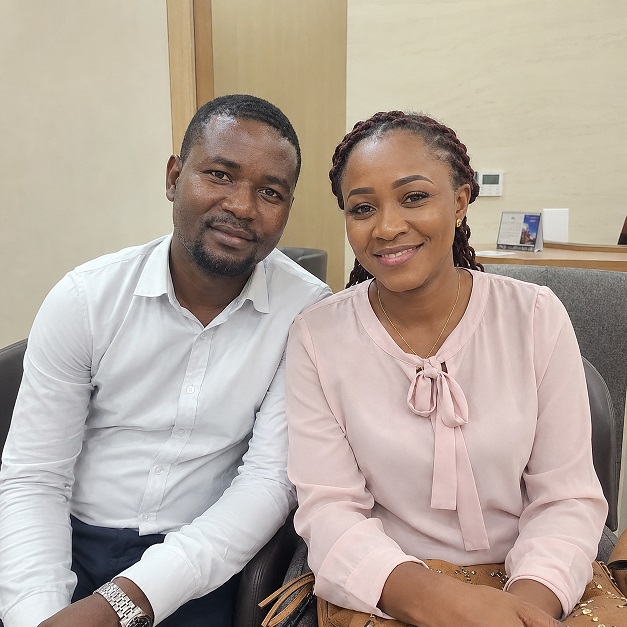
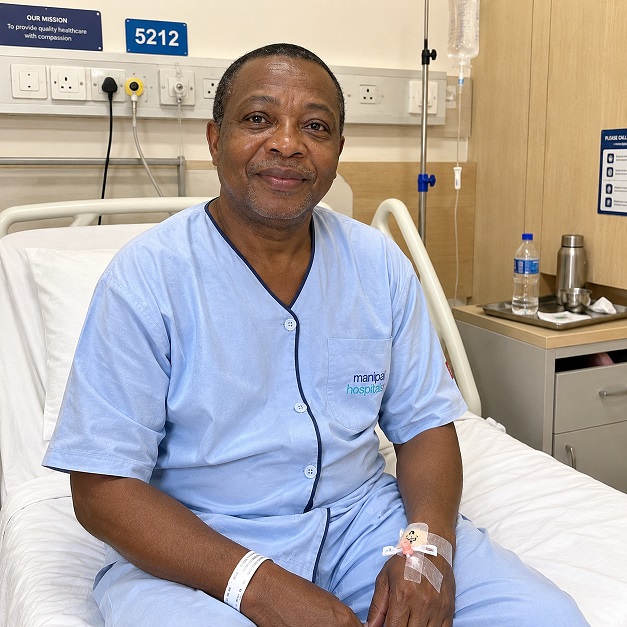
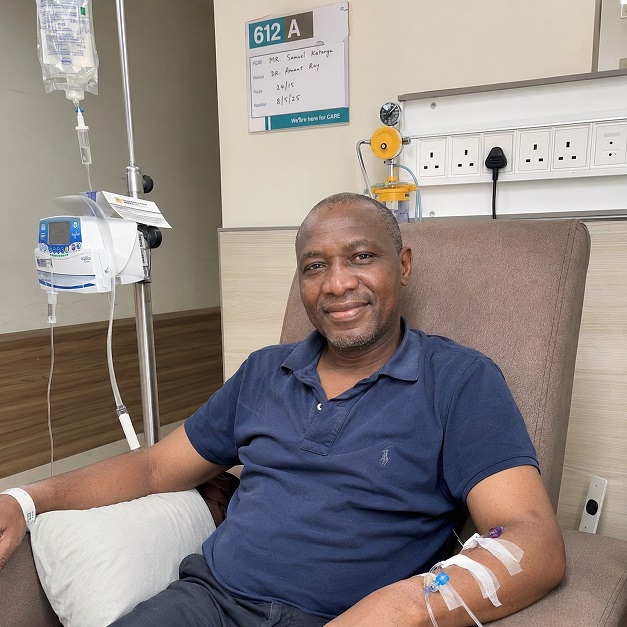
Patient Testimonials from Congo
Ready to Take the First Step?
Share your medical reports with our healthcare managers today and receive a FREE CONSULTATION, a personalized treatment plan and complete support from your arrival to your recovery.
Get Your Free ConsultationAreas We Serve
At Indian Health Guru Consultants, we proudly assist patients from Congo and neighboring countries across Central, East and Southern Africa who travel to India for advanced medical treatment. Our experienced international patient team provides end-to-end support, including medical opinions, hospital selection, Medical Visa assistance, travel planning, accommodation, interpreter services and post-treatment follow-up.
We regularly serve patients from:
- Gabon
- Cameroon
- Angola
- Uganda
- Rwanda
- Burundi
- Tanzania
- Zambia
- Djibouti
- Comoros
- Madagascar
- Seychelles
- South Sudan
- Central African Republic
- Republic of the Congo
- Democratic Republic of the Congo
No matter where you are located in the region, Indian Health Guru Consultants is committed to making your medical journey to India safe, affordable, seamless and completely patient-focused.
From Congo to India: Your Complete Patient Guide
- Brain Tumor Surgery in India for Congolese Patients
- Best Brain Tumour Surgeons & Hospitals in India for Congo Patients
- Knee Replacement in India for Congolese Patients
- Best Knee Replacement Surgeons & Hospitals in India for Congolese Patients
- Spine Surgery in India for Congolese Patients
- Best Spine Surgeons & Hospitals in India for Congolese Patients
- Liver Transplant in India for Congolese Patients: Cost & Guide
- Best Liver Transplant Centres and Hospitals in India for Congolese Patients
- Cardiac Surgery in India for Congolese Patients: Cost & Guide
- Best Cardiac Surgeons & Hospitals in India for Congolese Patients
- Bone Marrow Transplant in India for Congolese Patients: Cost & Guide
- Best Bone Marrow Transplant Centres and Hospitals in India for Congolese Patients
- Prostate Cancer Treatment in India for Congolese Patients: Cost & Guide
- Best Prostate Cancer Centres and Hospitals in India for Congolese Patients
- HIPEC in India for Congolese Patients: Cost & Treatment Guide
- Best HIPEC Centres and Hospitals in India for Congolese Patients
- Kidney Transplant in India for Congolese Patients: Cost & Guide
- Best Kidney Transplant Centres and Hospitals in India for Congolese Patients