

Cervical and Lumbar Disc Replacement Surgery in India for Congolese Patients: What It Costs, and How to Decide Well
A practical guide for Congolese patients comparing cervical and lumbar disc replacement with spinal fusion, including candidacy, costs, specialist requirements and travel planning.
For a degenerated disc in the neck or lower back, two very different surgical philosophies compete for the same problem: fuse the segment permanently, or replace the disc with an artificial one that preserves motion. In 24 years of explaining this choice to patients, I have found that few families realise disc replacement is not simply a newer version of fusion — it is a different procedure, with different candidacy requirements and, for the lower back specifically, a different surgical team altogether. This guide sets out plainly what that means for a Congolese patient, and what treatment in India costs against the Western alternatives some families consider. Understanding this distinction before comparing quotes will change which questions are worth asking.
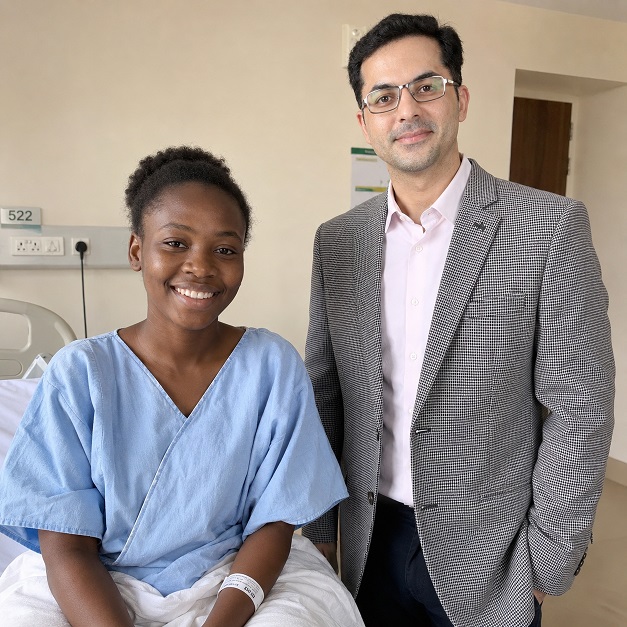
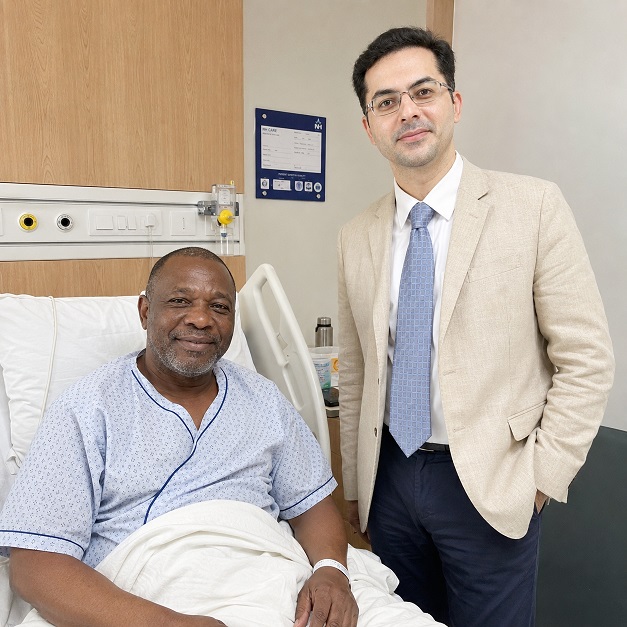
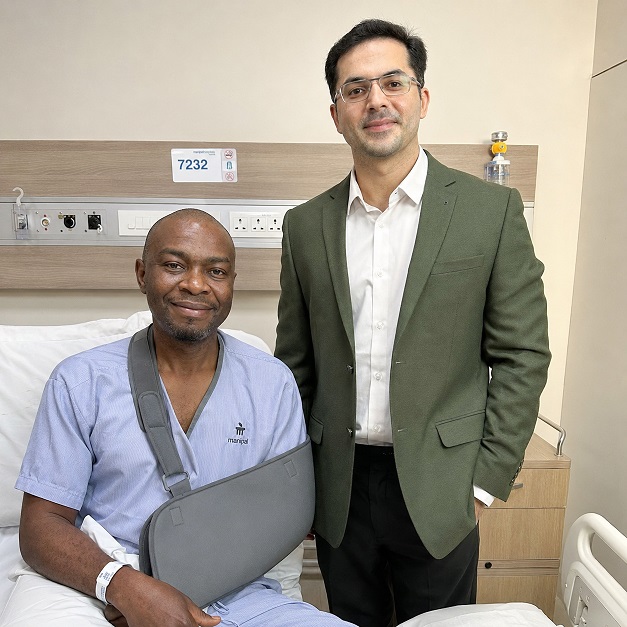
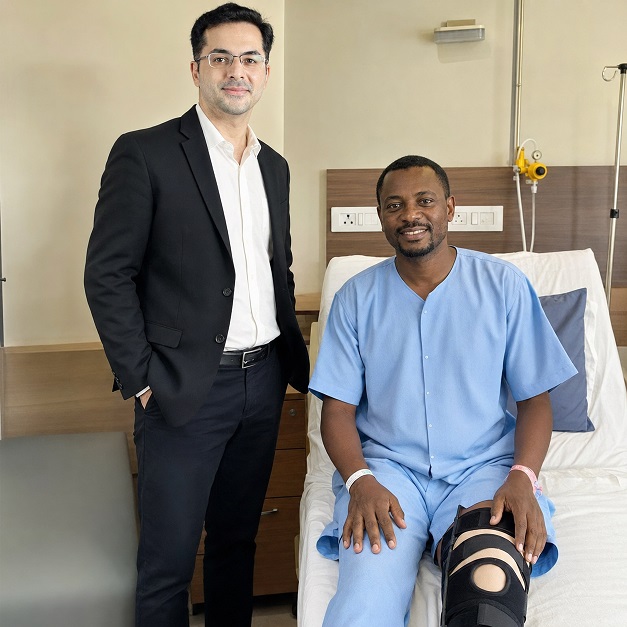
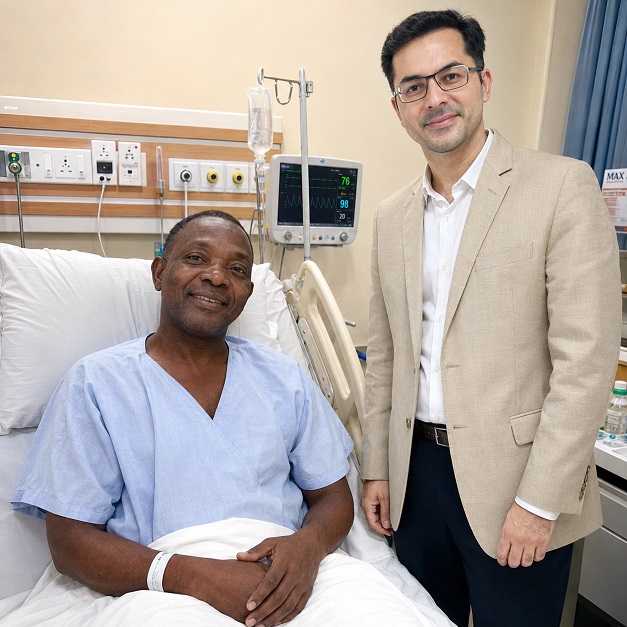
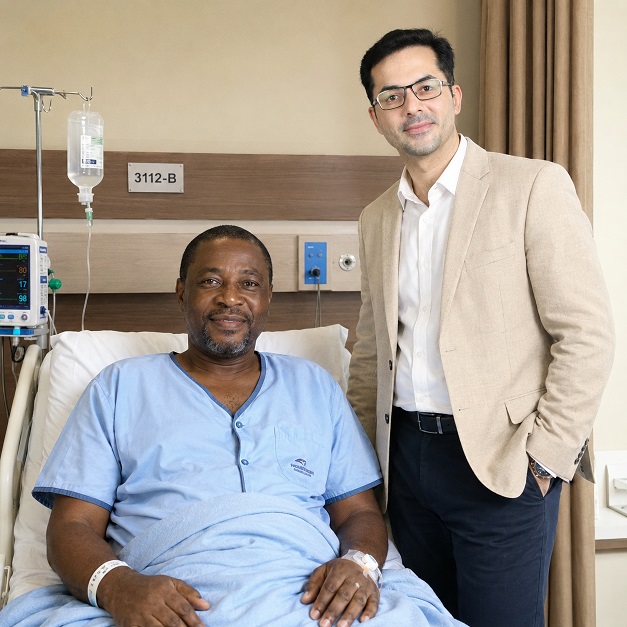
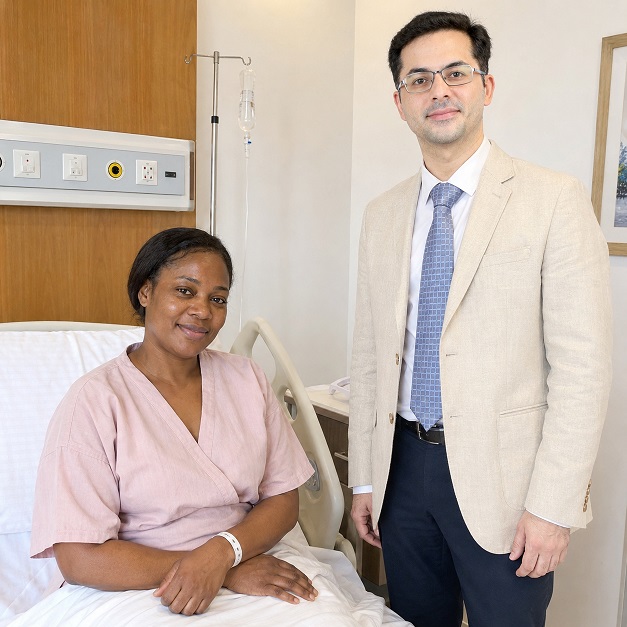
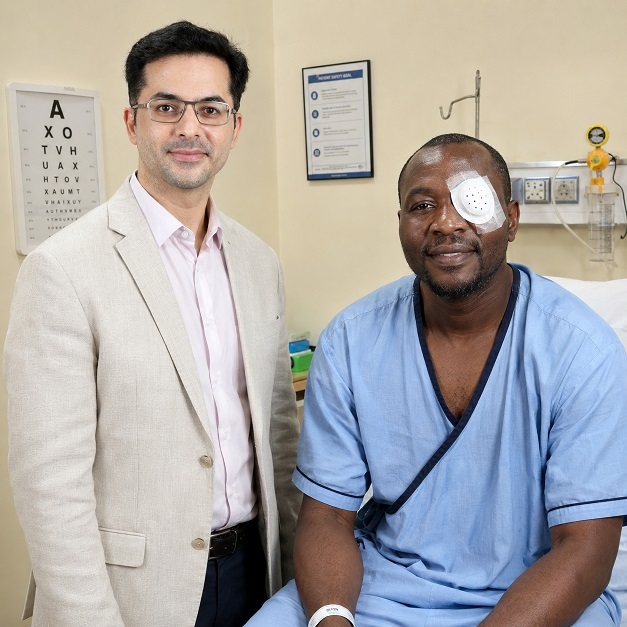
Healing Journeys of Congolese Patients
Key Takeaways
- The guide explains that disc replacement and spinal fusion are different treatment approaches, not simply newer and older versions of the same operation. Disc replacement aims to preserve motion and potentially reduce stress on adjacent spinal segments, while fusion permanently eliminates movement at the treated level.
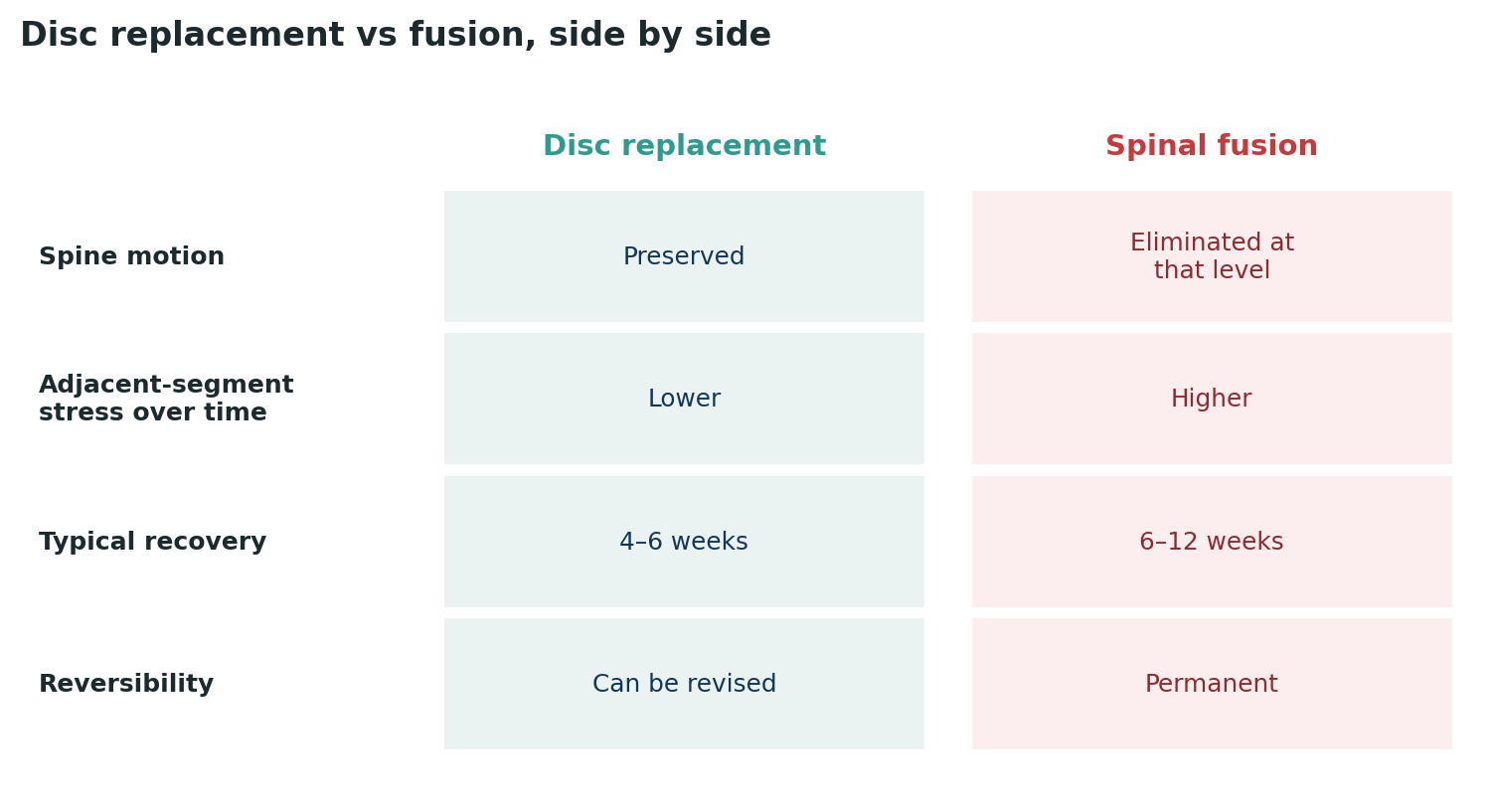
- The page 2 comparison graphic shows the key differences: disc replacement preserves motion, has lower adjacent-segment stress, an illustrative typical recovery of 4–6 weeks and can be revised, while fusion eliminates motion at that level, has higher adjacent-segment stress, an illustrative recovery of 6–12 weeks and is permanent.
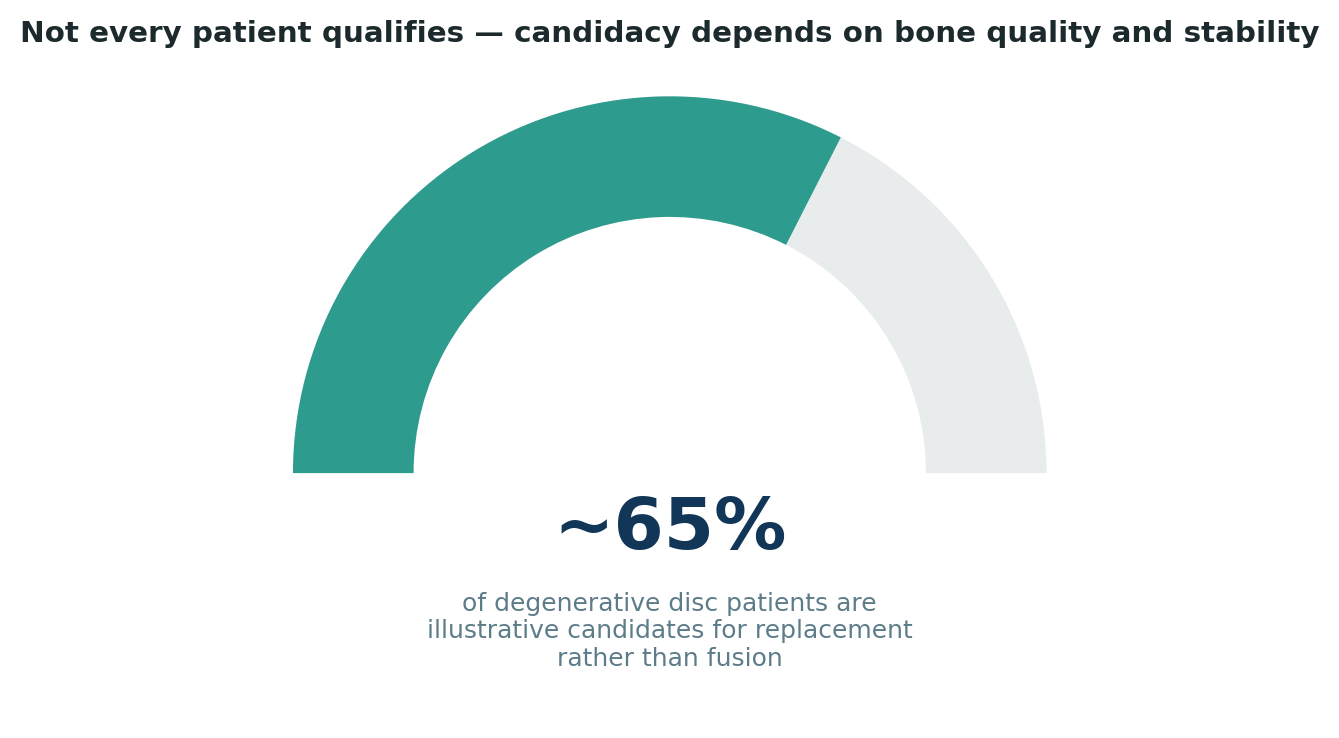
- The guide stresses that not every patient is a candidate for disc replacement. Good bone quality, spinal stability and the absence of severe facet-joint arthritis are important requirements. The page 3 graphic illustrates approximately 65% of degenerative-disc patients as potential replacement candidates, while emphasising that actual candidacy must be determined individually.
- For lumbar disc replacement, the guide highlights an additional specialist requirement. Because the surgical approach passes through the front of the abdomen near major blood vessels, a vascular access surgeon or general surgeon commonly works alongside the spine surgeon. Cervical replacement does not generally require this same vascular access team.
- The page 4 cost chart gives an indicative single-level disc replacement range of US$6,000–14,000 in India, compared with US$25,000–40,000 in France/Belgium, US$30,000–60,000 in the UK private sector and US$50,000–100,000 in the US. Double-level procedures can cost proportionally more.
- The guide stresses that the headline quotation may exclude important details. Congolese patients should confirm the exact implant brand, whether the surgery involves one or two levels and, for lumbar cases, whether the vascular access surgeon's fee is included. Patients are advised to obtain every line item in writing and not pay the full balance before surgery.
- For Congolese patients, the guide recommends sending actual scan files, confirming the vascular access surgeon for lumbar cases, budgeting in US dollars with a 15–20% buffer, beginning the Indian medical and attendant visa process early and ensuring the yellow-fever certificate is current. It also recommends planning realistic connecting flights from Kinshasa and arranging a named doctor for follow-up in the DRC.
Quick Facts
- Author
- Dr. Dheeraj Bojwani
- Experience
- 24+ Years
- Treatment
- Cervical and Lumbar Disc Replacement
- Patients
- Congolese Patients
- Key Specialist
- Spine Surgeon
- Treatment Comparison
- Disc replacement versus spinal fusion
- Key Principle
- Confirm genuine candidacy before choosing replacement
- Candidacy Factors
- Bone quality, spinal stability and facet-joint condition
- Illustrative Candidacy
- Approximately 65% of degenerative-disc patients
- Motion
- Preserved with disc replacement
- Typical Recovery
- 4–6 weeks for replacement; 6–12 weeks for fusion
- Lumbar Team
- Spine surgeon plus vascular access surgeon and anaesthesia team
- Cervical Team
- Spine surgeon and anaesthesia team
- India Cost
- US$6,000–14,000 for single-level replacement
- Double-Level Surgery
- Costs proportionally more
- Implant Check
- Exact implant brand should be disclosed
- Cost Check
- Confirm vascular access surgeon fee for lumbar cases
- Financial Buffer
- 15–20% above initial estimate
- Travel Documents
- Medical visa, attendant visa and yellow-fever certificate
- Follow-Up
- Named doctor and written handover plan in the DRC
- Key Warning
- Do not accept disc replacement without a genuine candidacy assessment
- Decision Principle
- Choose replacement or fusion according to anatomy, bone quality and stability—not simply because replacement sounds newer.
In Brief
For Congolese patients considering disc replacement in India, the guide recommends first establishing whether disc replacement is genuinely appropriate rather than assuming it is preferable to fusion. Bone quality, spinal stability and facet-joint condition should be assessed carefully, while lumbar cases should include a vascular access surgeon. A complete implant-inclusive quotation and written follow-up plan should be confirmed before travelling.
Disc Replacement vs Fusion: Not the Same Decision
Spinal fusion, the more established approach, permanently joins two vertebrae together, eliminating movement at that segment to stop pain, at some cost to the segments above and below, which take on more mechanical stress over time. Disc replacement removes the damaged disc and substitutes an artificial one designed to preserve natural motion, reducing that stress on neighbouring segments, but not every patient is medically suited to it.
Both approaches have decades of clinical evidence behind them at this point, and neither is simply an "upgrade" over the other — they are different tools for different anatomical situations, and the right one depends on your specific case rather than which technology sounds newer.
The one fact worth remembering
Disc replacement requires good bone quality, no significant spinal instability, and no severe facet joint arthritis — criteria that rule out a meaningful share of candidates who might otherwise want to avoid fusion. A responsible specialist will assess these factors honestly, rather than defaulting every patient toward whichever procedure their practice specialises in.
Not Every Patient Qualifies
Because candidacy depends on bone quality, spinal stability, and the condition of the facet joints, only a portion of patients with degenerative disc disease are genuinely suitable for replacement rather than fusion.
This is worth taking seriously rather than treating as a technicality. A patient with significant osteoporosis, an unstable spine, or advanced facet joint arthritis who receives a disc replacement anyway may face a higher risk of implant failure or ongoing pain than if fusion had been chosen from the start. The evaluation that determines candidacy is not a formality on the way to whichever procedure a patient has already decided they want — it is the step that actually protects the outcome.
Why Lumbar Disc Replacement Needs an Extra Specialist
This is the detail that catches many families by surprise. Reaching a lumbar disc from the front of the body means navigating past major blood vessels in the abdomen — a step spine surgeons do not typically perform alone. Most lumbar disc replacement programmes bring in a vascular or general surgeon specifically for this access step, working alongside the spine surgeon for that part of the operation.
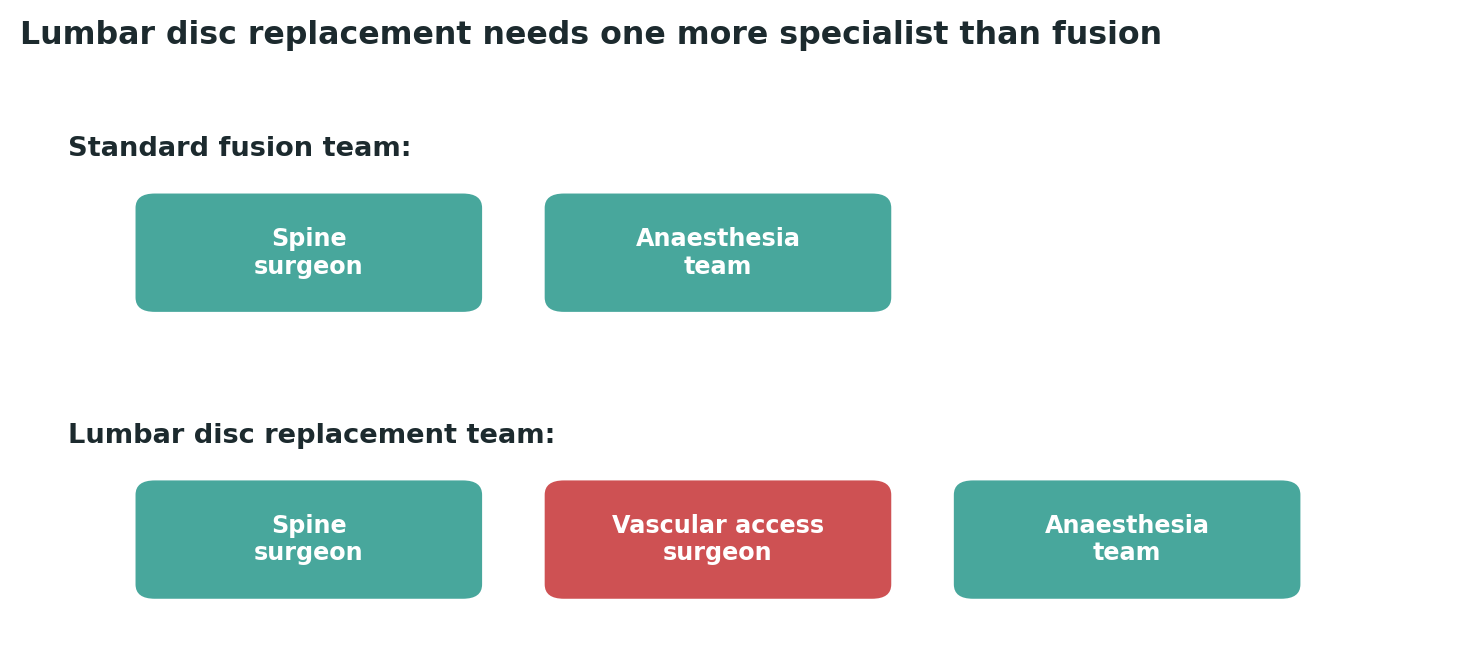
Cervical disc replacement, working through the front of the neck, does not carry this same requirement, making it a comparatively more accessible procedure than its lumbar counterpart — though still one that depends on precise, well-equipped surgical planning. This distinction is worth understanding early, since it changes what "the surgical team" actually means depending on where your disc problem is located.
What This Surgery Costs: DRC Reality vs India vs the West
Given the DRC's documented scarcity of even standard spine surgery capacity — roughly eight neuro-spinal surgeons nationwide — the added specialist requirement for lumbar disc replacement places this procedure well beyond what is currently available locally.
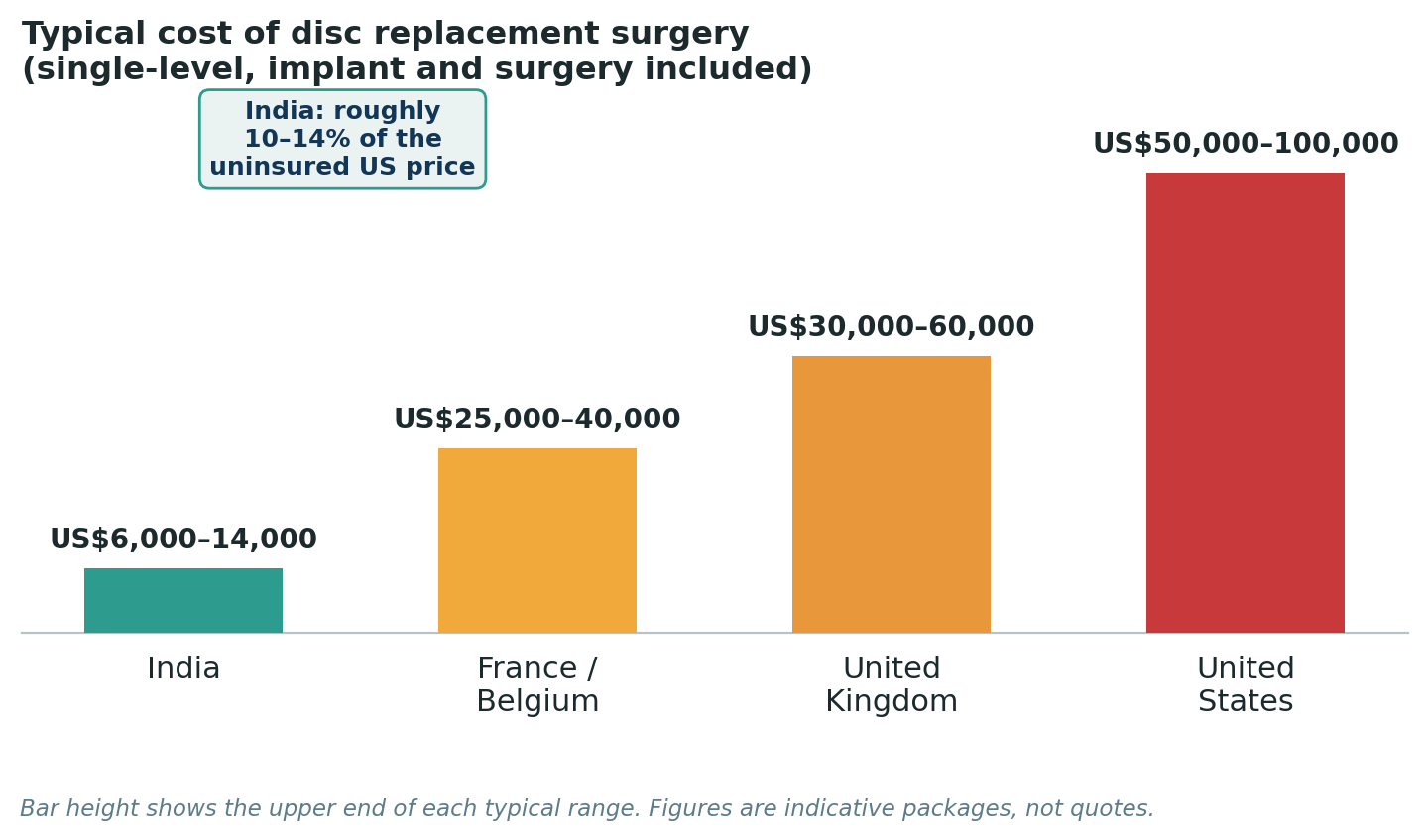
In India, disc replacement surgery typically costs US$6,000 to US$14,000 for a single level, with double-level cases costing proportionally more. In France or Belgium, private-sector costs typically run US$25,000 to US$40,000. In the UK's private sector, costs range roughly US$30,000 to US$60,000. In the US, the same surgery commonly costs US$50,000 to US$100,000. India's typical price sits at roughly a tenth of the uninsured US figure.
What the number on the quote does not always show
A written estimate should specify the exact implant brand, whether the case is single-or double-level, and whether a vascular access surgeon's fee is included for lumbar cases. In 24 years of reviewing these quotes, I have found disputes almost never concern the headline figure — they concern what it silently left out. Get every line item in writing, and never pay the full balance before surgery.
What a Congolese Patient Should Weigh, Specifically
- Ask honestly whether you are a genuine candidate for replacement, or whether fusion is the better fit for your specific case — a good specialist will explain this clearly either way.
- Send the actual scan files, not just the typed report, since candidacy assessment depends on precise bone and joint imaging.
- For a lumbar case, confirm a vascular access surgeon is part of the team, not assumed or added at the last minute.
- Budget in US dollars, with margin. The Congolese franc has weakened considerably against the dollar (roughly CDF 2,300–2,350 per US$1 in mid-2026, and it moves); build in a 15–20% buffer above the initial estimate.
- Start the visa process early. DRC passport holders need a paper medical visa through the Embassy of India in Kinshasa (Avenue Batetela, Gombe), typically around two weeks once the hospital's invitation letter is ready; apply for an attendant visa at the same time.
- Confirm your yellow fever certificate is current — mandatory for entry into India, at least 10 days before travel.
- Plan the route realistically. There is no direct flight from Kinshasa to India; Ethiopian Airlines via Addis Ababa is the most frequent option, with Kenya Airways, Air France, and Qatar Airways as alternatives.
- Arrange follow-up care in the DRC before you fly — identify which doctor at home will monitor recovery and implant function, and ask the Indian hospital for a written handover plan.
Four signals that should make you pause
- Disc replacement recommended without a genuine candidacy assessment.
- No mention of a vascular access surgeon for a lumbar case.
- No specific implant brand disclosed in the written estimate.
- Pressure to pay the full balance before a written surgical plan exists.
Why India Specifically for Cervical and Lumbar Disc Replacement for Congolese Patients?
India combines genuine surgical volume at its leading spine centres, with the full team — spine surgeon, vascular access surgeon where needed, and specialised anaesthesia — assembled routinely rather than as an exception; honest, case-by-case candidacy assessment between replacement and fusion; and hospital accreditation (NABH domestically, JCI internationally) that mirrors the standards used to evaluate hospitals in the US and Europe. Weighed against the near-total absence of this level of specialist coordination anywhere in the DRC, that combination of depth and cost is a genuinely considered choice, not a compromise made for lack of a better option.
A closing word
Disc replacement and fusion serve the same underlying problem in different ways, and the right choice depends entirely on your specific anatomy and bone quality — not simply on which procedure sounds more modern. What matters most is an honest, thorough assessment before any decision is made, carried out by a team equipped to perform whichever approach turns out to be right for you. If you are able to share your scans, I am glad to look them over and give a direct, honest view on which approach genuinely fits your case, and what the practical journey from Kinshasa would actually involve.
Sources
- 🌐 National Medical Commission of India — verify any surgeon's registration · nmc.org.in
- 🌐 National Accreditation Board for Hospitals & Healthcare Providers (NABH) · nabh.co
- 🌐 Embassy of India, Kinshasa — medical visa requirements · eoikinshasa.gov.in
- 🌐 Beltchika et al., "Challenges and strategies in the surgical management of traumatic spinal cord injuries in the DRC," Journal of Clinical Neuroscience (2024) · doi.org/10.1016/j.jocn.2024.05.013
- 🌐 World Health Organization — yellow fever vaccination requirements · who.int/health-topics/yellow-fever
Frequently Asked Questions by Congolese Patients about Cervical and Lumbar Disc Replacement Surgery in India
Is disc replacement better than spinal fusion?
Not automatically. The guide explains that both are established treatments with different advantages and indications. The patient's anatomy, bone quality, stability and facet-joint condition should determine the choice.
Who may qualify for disc replacement?
The guide identifies good bone quality, no significant spinal instability and no severe facet-joint arthritis as important candidacy requirements. Individual assessment is essential.
How many degenerative-disc patients may be candidates?
The page 3 graphic gives an illustrative figure of approximately 65% of degenerative-disc patients as potential candidates for replacement, but the guide stresses that this is not a substitute for individual assessment.
Why does lumbar disc replacement need another specialist?
The lumbar operation approaches the disc from the front and requires working near major abdominal blood vessels. A vascular access surgeon or general surgeon commonly assists the spine surgeon with this part of the procedure.
Does cervical disc replacement require a vascular surgeon?
Generally, no. The guide explains that cervical disc replacement through the front of the neck does not carry the same vascular access requirement as lumbar disc replacement.
How much does disc replacement cost in India?
The guide gives an indicative range of US$6,000–14,000 for single-level disc replacement, including the implant and surgery. Double-level procedures can cost more.
What should I check in the quotation?
Confirm the exact implant brand, number of spinal levels and whether the vascular access surgeon's fee is included for lumbar surgery. All items should be provided in writing.
Should I send the actual scans?
Yes. The guide recommends sending the actual imaging files rather than only the written report, because candidacy depends on detailed assessment of bone, joints and spinal stability.
What travel preparations should Congolese patients make?
Start the Indian medical and attendant visa process early, ensure the yellow-fever certificate is current and plan a connecting flight route from Kinshasa to India.
How should follow-up be arranged after returning to the DRC?
Before travelling, identify a doctor in the DRC who can monitor recovery and implant function and request a written handover plan from the Indian hospital.
Page Summary
This guide helps Congolese patients understand cervical and lumbar disc replacement surgery in India, particularly how it differs from spinal fusion and why candidacy must be assessed carefully. The page 2 graphic compares replacement and fusion, while the page 3 graphic highlights the importance of bone quality and spinal stability in candidacy. The page 4 cost comparison, lumbar vascular access requirement, implant transparency and long-term follow-up planning are central to the decision process.
Citation Block
| Field | Information |
|---|---|
| Topic | Cervical and Lumbar Disc Replacement Surgery in India for Congolese Patients |
| Treatment | Cervical and Lumbar Disc Replacement |
| Patients | Congolese Patients |
| Key Specialist | Spine Surgeon |
| Treatment Comparison | Disc replacement versus spinal fusion |
| Candidacy Factors | Bone quality, spinal stability and facet-joint condition |
| Illustrative Candidacy | Approximately 65% of degenerative-disc patients |
| Motion | Preserved with disc replacement |
| Typical Recovery | 4–6 weeks replacement / 6–12 weeks fusion |
| Lumbar Surgical Team | Spine surgeon, vascular access surgeon and anaesthesia team |
| Cervical Surgical Team | Spine surgeon and anaesthesia team |
| India Cost | US$6,000–14,000 for single-level surgery |
| Double-Level Cases | Proportionally higher cost |
| Implant Check | Exact implant brand |
| Cost Assessment | Surgery, implant and vascular access surgeon fee where applicable |
| Second Opinion | Replacement versus fusion and candidacy |
| Financial Planning | 15–20% buffer above initial estimate |
| Travel Requirement | Medical visa, attendant visa and yellow-fever certificate |
| Follow-Up | Named doctor and written handover in the DRC |
| Warning Signs | No candidacy assessment, missing vascular access surgeon or undisclosed implant |
| Key Decision | Select replacement or fusion based on the patient's actual anatomy and suitability |


Our Mission Statement
Our mission is to place patients at the centre of every healthcare decision by providing trustworthy, evidence-based, and unbiased medical information. We believe that informed patients make better decisions. Backed by personalised guidance from our experienced advisory team, we help patients understand their treatment options, compare them objectively, and confidently choose the path that best suits their medical needs and personal circumstances.
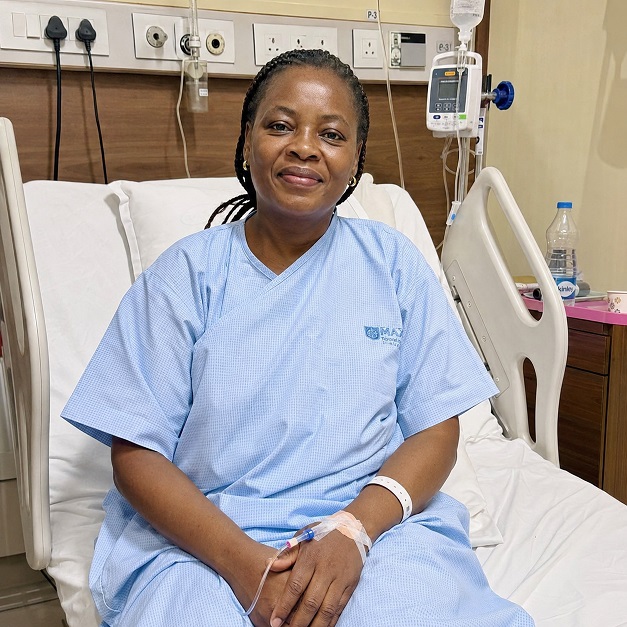
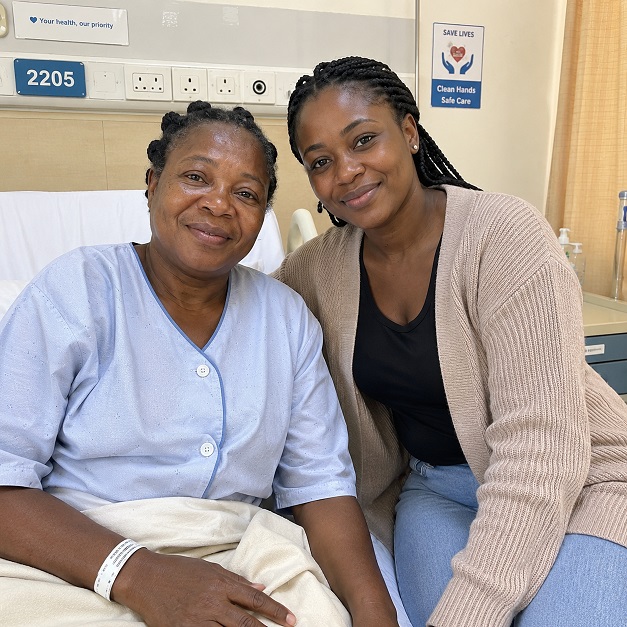
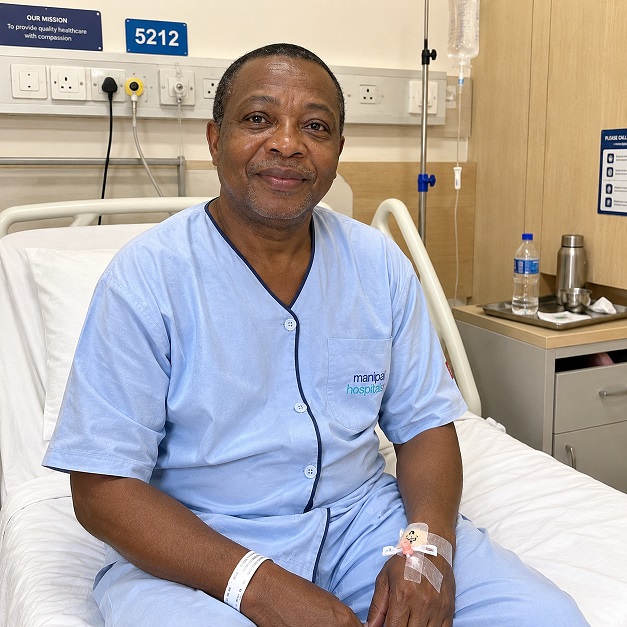
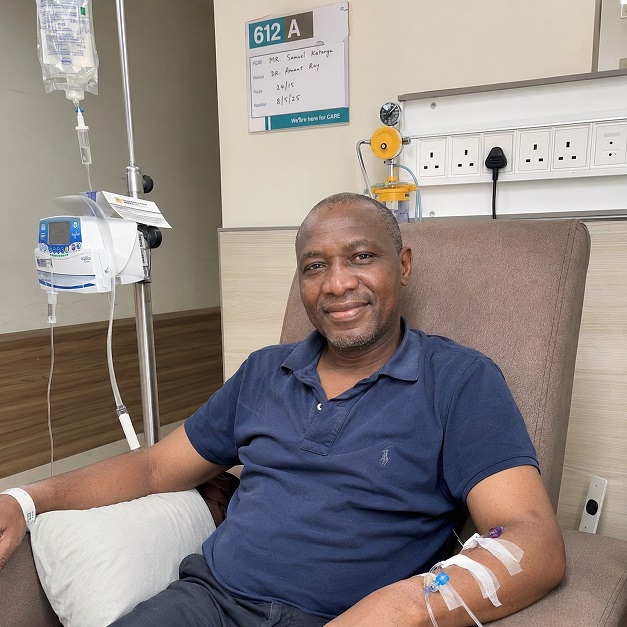
Patient Testimonials from Congo

Ready to Take the First Step?
Share your medical reports with our healthcare managers today and receive a FREE CONSULTATION, a personalized treatment plan and complete support from your arrival to your recovery.
Get Your Free ConsultationAreas We Serve
At Indian Health Guru Consultants, we proudly assist patients from Congo and neighboring countries across Central, East and Southern Africa who travel to India for advanced medical treatment. Our experienced international patient team provides end-to-end support, including medical opinions, hospital selection, Medical Visa assistance, travel planning, accommodation, interpreter services and post-treatment follow-up.
We regularly serve patients from:
- Gabon
- Cameroon
- Angola
- Uganda
- Rwanda
- Burundi
- Tanzania
- Zambia
- Djibouti
- Comoros
- Madagascar
- Seychelles
- South Sudan
- Central African Republic
- Republic of the Congo
- Democratic Republic of the Congo
No matter where you are located in the region, Indian Health Guru Consultants is committed to making your medical journey to India safe, affordable, seamless and completely patient-focused.
From Congo to India: Your Complete Patient Guide
- Brain Tumor Surgery in India for Congolese Patients
- Best Brain Tumour Surgeons & Hospitals in India for Congo Patients
- Knee Replacement in India for Congolese Patients
- Best Knee Replacement Surgeons & Hospitals in India for Congolese Patients
- Spine Surgery in India for Congolese Patients
- Best Spine Surgeons & Hospitals in India for Congolese Patients
- Liver Transplant in India for Congolese Patients: Cost & Guide
- Best Liver Transplant Centres and Hospitals in India for Congolese Patients
- Cardiac Surgery in India for Congolese Patients: Cost & Guide
- Best Cardiac Surgeons & Hospitals in India for Congolese Patients
- Bone Marrow Transplant in India for Congolese Patients: Cost & Guide
- Best Bone Marrow Transplant Centres and Hospitals in India for Congolese Patients
- Prostate Cancer Treatment in India for Congolese Patients: Cost & Guide
- Best Prostate Cancer Centres and Hospitals in India for Congolese Patients
- HIPEC in India for Congolese Patients: Cost & Treatment Guide
- Best HIPEC Centres and Hospitals in India for Congolese Patients
- Kidney Transplant in India for Congolese Patients: Cost & Guide
- Best Kidney Transplant Centres and Hospitals in India for Congolese Patients