

Cervical Cancer Treatment in India for Congolese Patients: What It Costs, and How to Decide Well
A practical guide covering cervical cancer staging, surgery, radiotherapy, brachytherapy, costs, medical visas and follow-up for patients from the DRC.
Cervical cancer is almost entirely preventable, through HPV vaccination and regular screening, and yet it remains one of the leading causes of cancer death among women across the DRC and the wider region. In 24 years of advising patients through this decision, I have found this gap between "preventable" and "leading killer" to be one of the starkest in this entire series. This guide sets out plainly why the disease hits here so much harder, what treatment in India costs, and what to weigh before deciding.
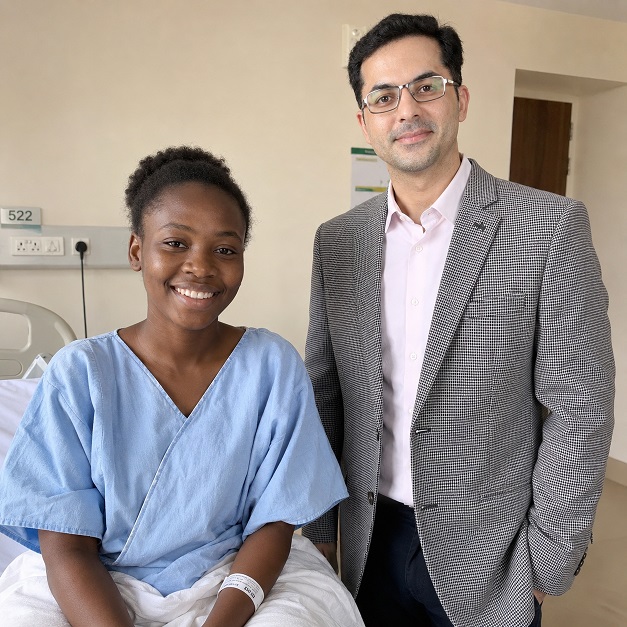
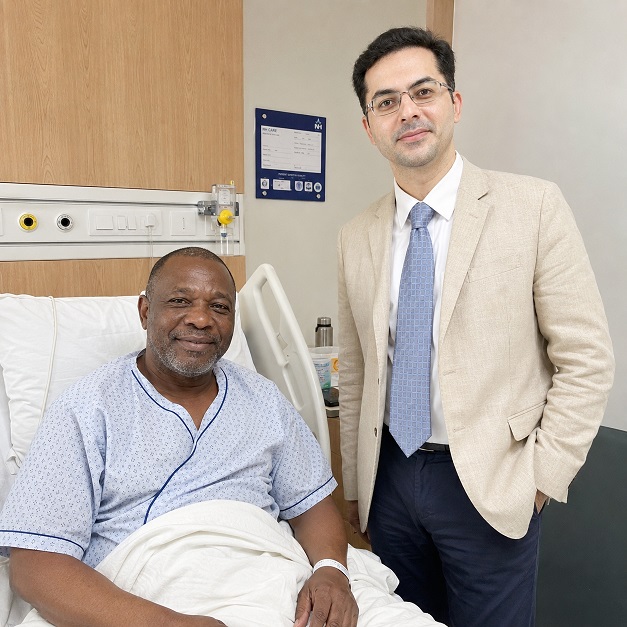
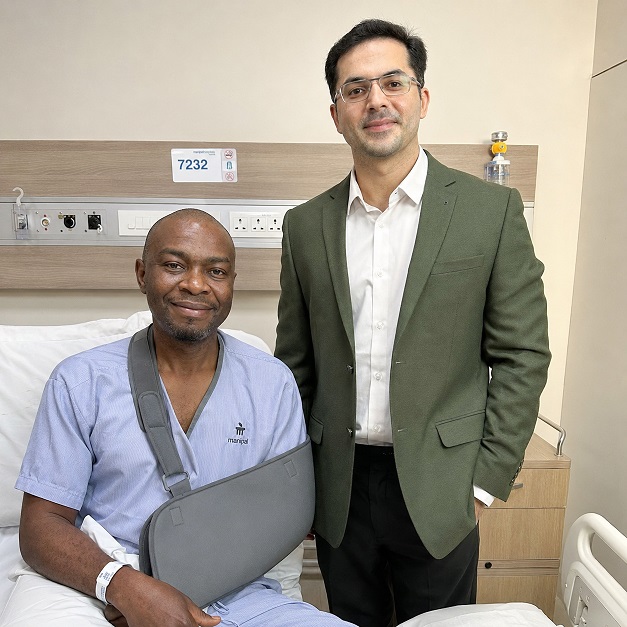
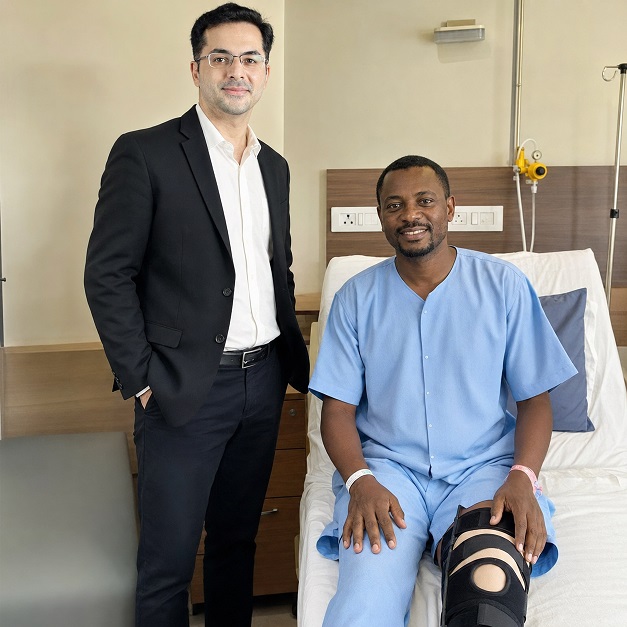
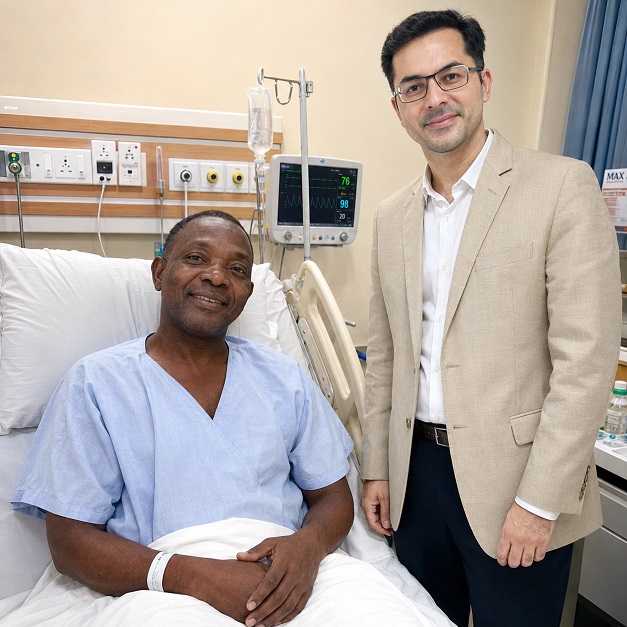
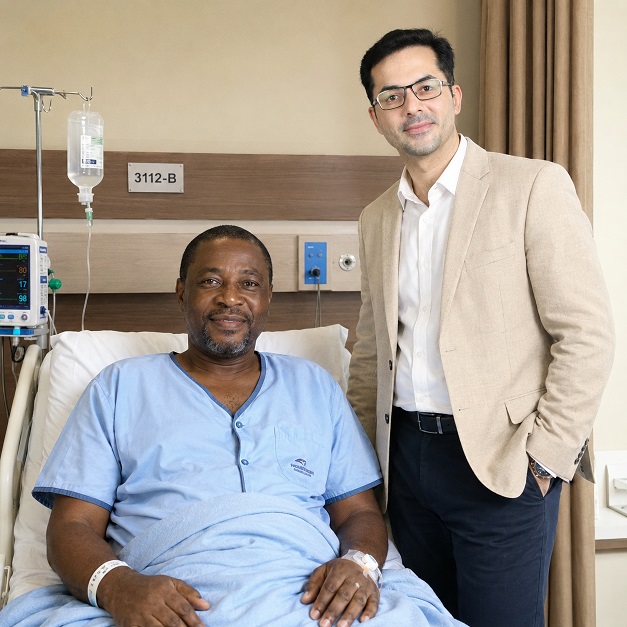
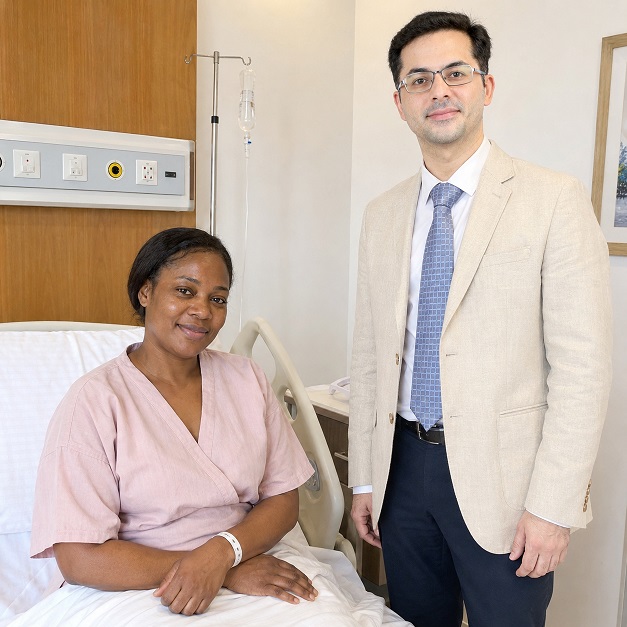
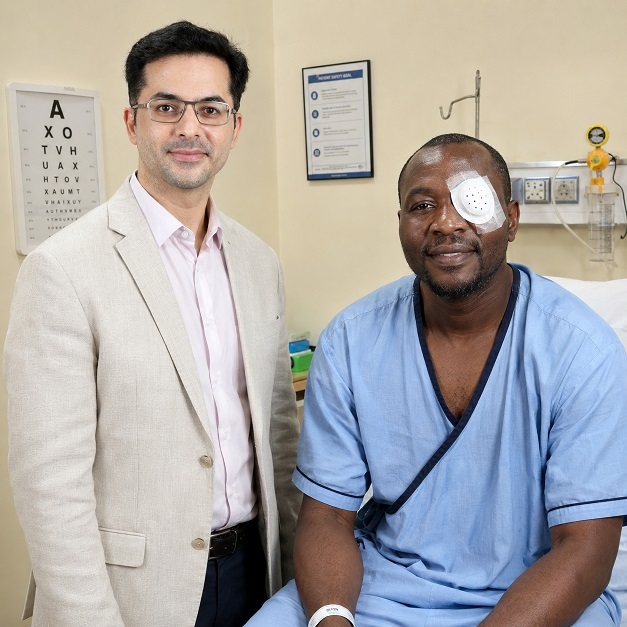
Healing Journeys of Congolese Patients
Key Takeaways
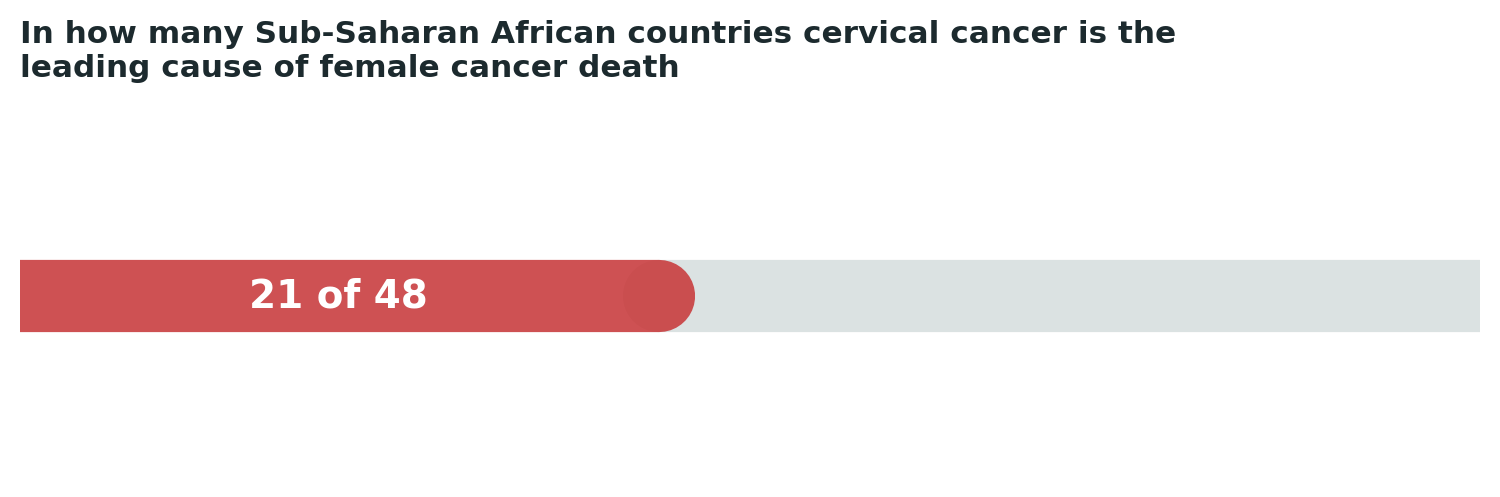
- The guide explains that cervical cancer remains a major cause of cancer death among women in the DRC and Sub-Saharan Africa, despite being largely preventable through HPV vaccination and regular screening. Cervical cancer is identified as the leading cause of female cancer death in 21 of 48 Sub-Saharan African countries, including the DRC.
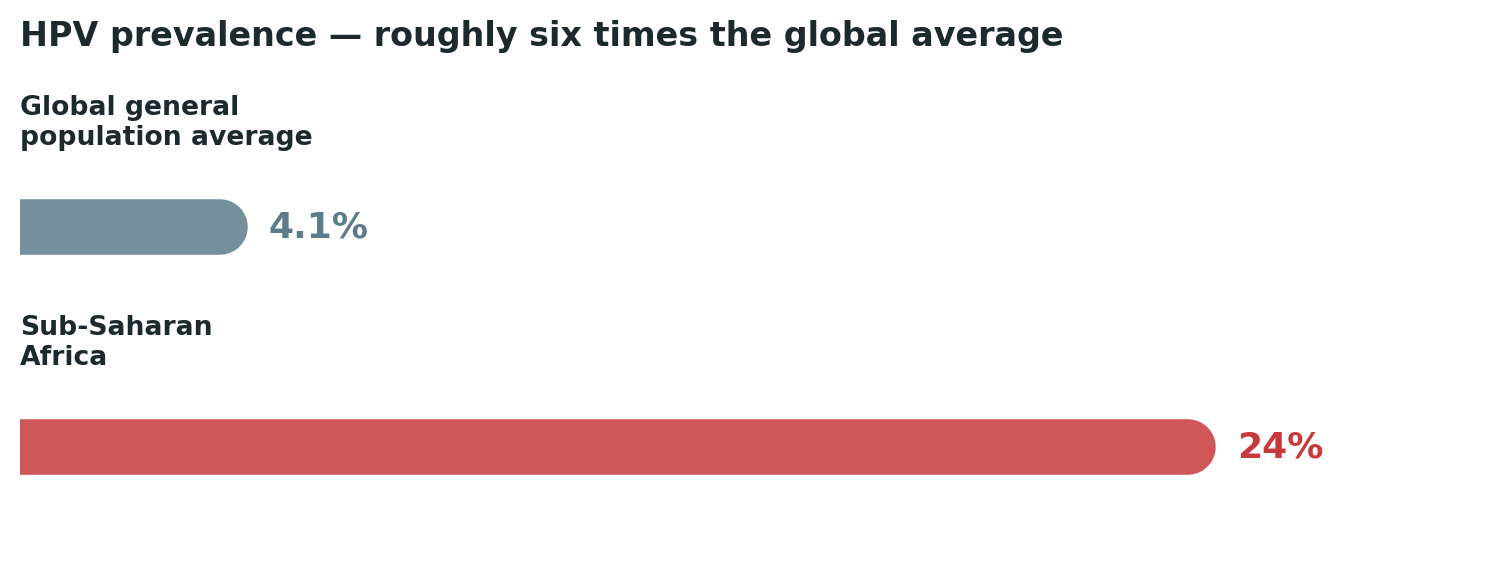
- A major regional concern is the higher prevalence of HPV, the virus responsible for nearly all cervical cancer cases. The page 2 graphic shows HPV prevalence of approximately 24% in Sub-Saharan Africa compared with 4.1% globally, or roughly six times the global average. The DRC only launched its first nationwide HPV vaccination campaign in 2023, targeting girls aged 9–14, while routine cervical screening remains limited.
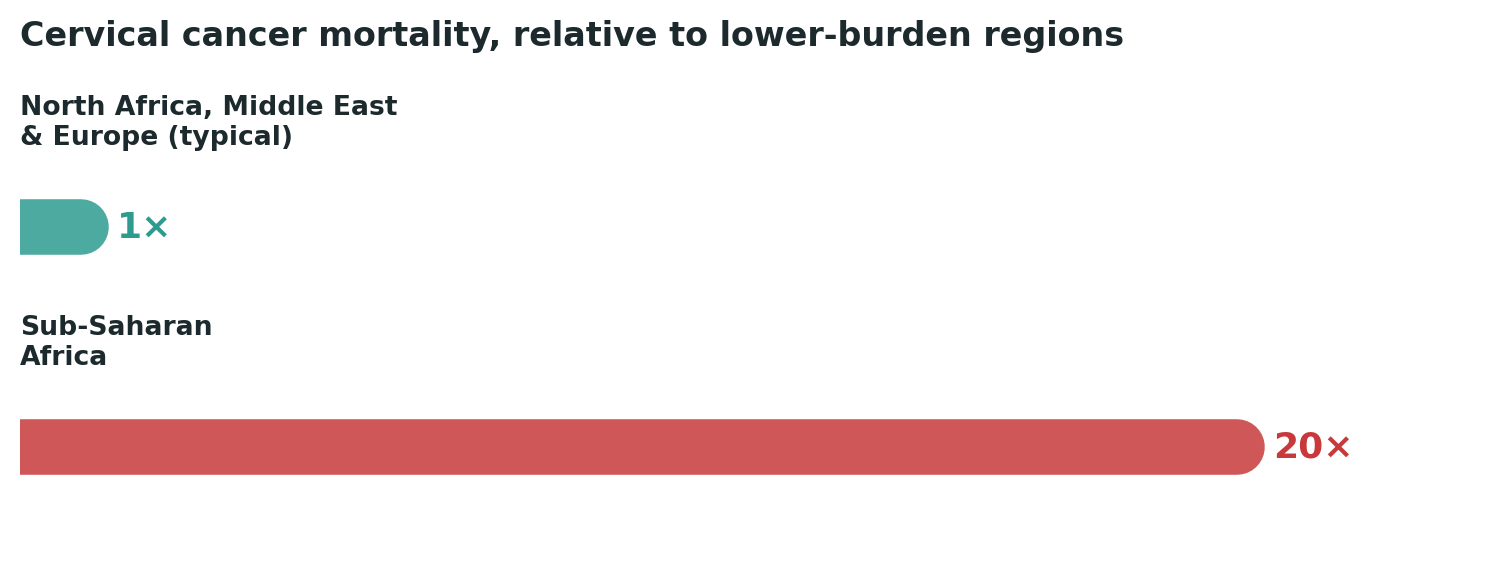
- The guide stresses that early diagnosis can substantially change the treatment outlook. Limited screening and delayed diagnosis mean that many women in the region present after the disease has progressed. The page 2 mortality graphic illustrates the scale of this disparity, showing a 20-fold difference in cervical-cancer mortality between Sub-Saharan Africa and lower-burden regions.
- For Congolese patients travelling to India, complete staging should come before choosing treatment. Depending on the stage, cervical cancer management may involve surgery, radiotherapy, brachytherapy, chemotherapy or a combination. The guide specifically warns against accepting a treatment plan that proposes surgery without first establishing the stage and determining whether combined treatment is required.
- India offers high-volume gynaecologic oncology centres with experience across different stages of cervical cancer, including advanced presentations. The guide highlights the availability of complete treatment pathways, English-language consultations and hospitals operating under NABH or JCI accreditation, allowing Congolese patients to evaluate both treatment capability and hospital standards.
- The page 3 cost chart estimates complete cervical cancer treatment in India at approximately US$3,000–12,000, compared with US$25,000–60,000 in France/Belgium, US$30,000–70,000 in the UK and US$50,000–100,000 in the US. The final cost depends heavily on disease stage and whether surgery, radiotherapy, brachytherapy or combined treatment is required.
- Before travelling, Congolese patients should send actual pathology and staging reports, ask whether fertility-sparing treatment is possible when relevant, and obtain a written quotation specifying whether radiotherapy and brachytherapy are included. The guide recommends a 15–20% financial buffer, a paper medical visa through the Embassy of India in Kinshasa, and confirmation that the yellow fever certificate is current before travel.
Quick Facts
- Author
- Dr. Dheeraj Bojwani
- Experience
- 24+ Years
- Treatment
- Cervical Cancer Treatment
- Patients
- Congolese Patients
- First Assessment
- Pathology and complete staging
- Key Specialist
- Gynaecologic Oncologist
- Main Treatments
- Surgery, radiotherapy, brachytherapy and chemotherapy
- HPV Prevalence
- Approximately 24% in Sub-Saharan Africa vs 4.1% globally
- Regional Burden
- Leading female cancer killer in 21 of 48 Sub-Saharan African countries
- Mortality Gap
- Approximately 20-fold compared with lower-burden regions
- Hospital Check
- NABH / JCI accreditation
- Treatment Check
- Stage-specific treatment plan
- Cost Check
- Written estimate including radiotherapy and brachytherapy where required
- India Cost
- US$3,000–12,000
- Medical Records
- Pathology, staging and imaging reports
- Visa
- Paper Indian medical visa through Kinshasa
- Budget
- 15–20% financial buffer
- Entry Requirement
- Current yellow fever certificate
- Follow-Up
- Written oncology follow-up plan
- Key Warning
- Treatment proposed without complete staging
- Decision Principle
- Prioritise accurate staging, complete treatment planning and transparent costing.
In Brief
For Congolese women diagnosed with cervical cancer, the most important step is complete staging before treatment is selected. Patients should send pathology and staging reports to an experienced gynaecologic oncology centre, clarify whether surgery, radiotherapy, brachytherapy or combined treatment is appropriate, obtain a complete written quotation and arrange follow-up before travelling to India.
A Leading Cause of Death Across the Region
Cervical cancer is the leading cause of female cancer death in 21 of the 48 countries in Sub-Saharan Africa, including in the DRC itself, where it remains one of the most significant contributors to cancer mortality among women.
This is a genuinely unusual pattern within oncology. In most high-income countries, cervical cancer has fallen well down the list of cancer killers precisely because vaccination and screening work so well when they are actually available. The fact that it remains the top cause of cancer death for women across so much of this region says less about the disease itself and more about how far prevention infrastructure still has to reach.
A Genuinely Higher-Risk Population
HPV infection, the virus responsible for nearly all cervical cancer cases, is found at roughly six times the global average rate across Sub-Saharan Africa.
The one fact worth remembering
The DRC launched its first-ever nationwide HPV vaccination campaign only in 2023, targeting girls aged 9 to 14. This means the overwhelming majority of adult Congolese women today have never had access to this vaccine, and regular cervical screening remains limited across much of the country. Vigilance about symptoms, and prompt evaluation of anything unusual, matters enormously given this gap.
The Result: A Dramatic Mortality Gap
The combination of higher HPV prevalence, limited screening, and late diagnosis translates into a mortality gap that is genuinely dramatic compared with regions where prevention programmes are well established.
This gap is worth naming clearly because it is fundamentally about access, not biology. A cervical cancer diagnosed early, through routine screening, is highly treatable almost anywhere in the world. The women dying from this disease across the region are, overwhelmingly, women whose cancer was found only after it had already progressed.
What Treatment Costs: DRC Reality vs India vs the West
Cost depends heavily on stage at diagnosis and whether surgery, radiotherapy, or a combination is needed, but the relative gap between India and Western options holds fairly consistently.
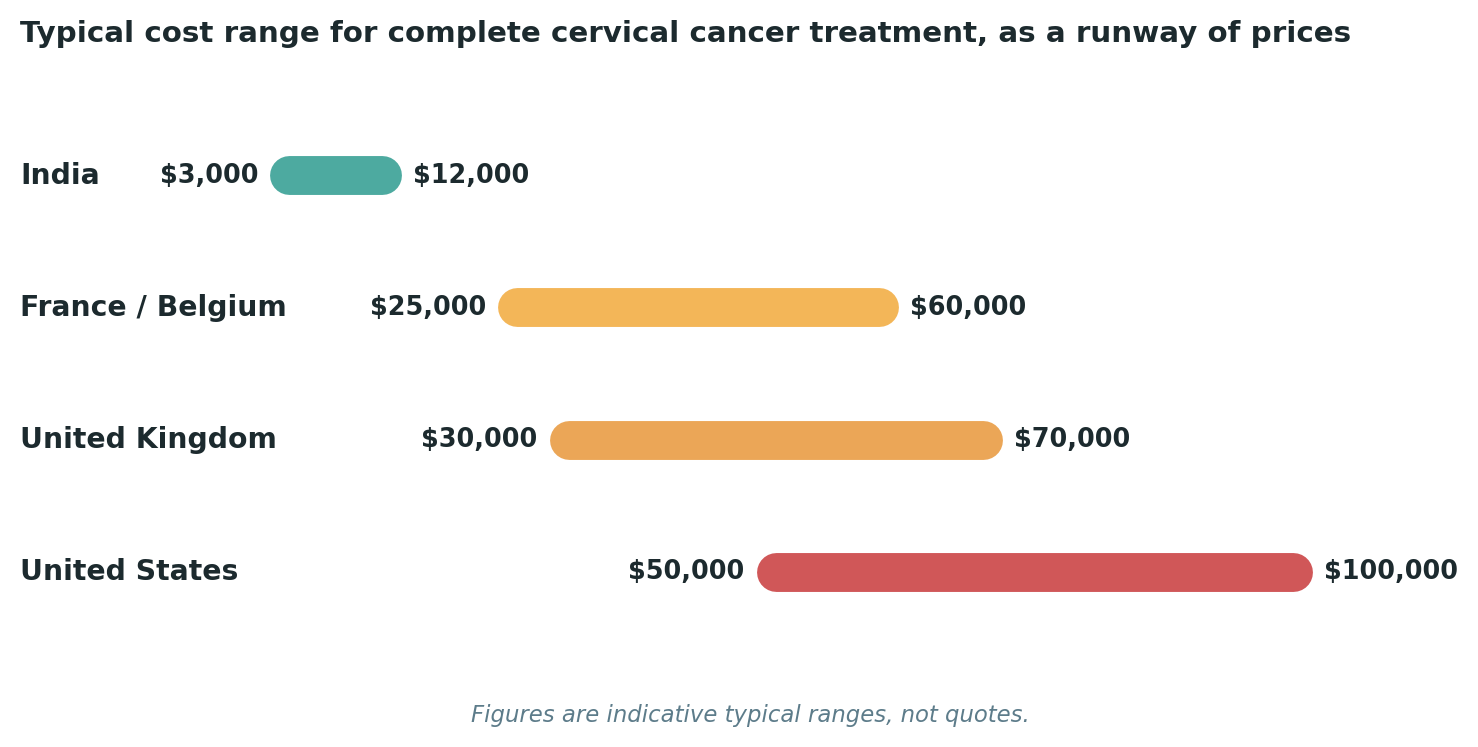
In India, complete cervical cancer treatment typically costs US$3,000 to US$12,000. In France or Belgium, costs typically run US$25,000 to US$60,000. In the UK, costs range roughly US$30,000 to US$70,000. In the US, the same treatment commonly costs US$50,000 to US$100,000. India's typical price sits at roughly a tenth of the uninsured US figure.
What the number on the quote does not always show
A written estimate should specify whether it includes both radiotherapy and brachytherapy where needed, since these are sometimes quoted separately. In 24 years of reviewing these quotes, I have found disputes almost never concern the headline figure — they concern what it silently left out. Get every line item in writing, and never pay the full balance before treatment begins.
What a Congolese Patient Should Weigh, Specifically
- Do not delay evaluating unusual bleeding or discharge, given how limited routine screening remains locally.
- Send the actual pathology and staging results, not just a description of symptoms, so treatment can be properly planned.
- Ask directly whether fertility-sparing options exist for your specific stage, if this matters to you.
- Budget in US dollars, with margin. The Congolese franc has weakened considerably against the dollar (roughly CDF 2,300–2,350 per US$1 in mid-2026); build in a 15–20% buffer.
- Start the visa process early. DRC passport holders need a paper medical visa through the Embassy of India in Kinshasa, typically around two weeks once the invitation letter is ready.
- Confirm your yellow fever certificate is current — mandatory for entry into India, at least 10 days before travel.
Three signals that should make you pause
- No genuine staging behind a proposed treatment plan.
- No discussion of whether combined therapy, not surgery alone, is appropriate.
- Pressure to pay the full balance before a written, complete treatment plan exists.
Why India Specifically for Cervical Cancer Treatment for Congolese Patients?
India operates high-volume gynaecologic oncology centres with genuine experience across the full range of disease stages, including advanced presentations common in this region. Combined with English-language consultation throughout and hospital accreditation (NABH domestically, JCI internationally), India offers a realistic, affordable path to complete, guideline-based treatment, at a cost that puts thorough, properly staged care genuinely within reach.
A closing word
Cervical cancer's toll across the DRC reflects a genuine, addressable gap in prevention and early detection, not a disease that resists treatment. What matters most is not delaying evaluation of any concerning symptom, and pursuing complete staging before any treatment plan begins. If you are able to share your pathology and staging results, I am glad to give a direct, honest view on what your case would involve, and how the stage at diagnosis should shape the plan going forward.
Sources
- 🌐 National Medical Commission of India — verify any specialist's registration · nmc.org.in
- 🌐 National Accreditation Board for Hospitals & Healthcare Providers (NABH) · nabh.co
- 🌐 Embassy of India, Kinshasa — medical visa requirements · eoikinshasa.gov.in
- 🌐 "Papillomavirus vaccine: a revolution in the fight against cervical cancer in the DRC" · pmc.ncbi.nlm.nih.gov
- 🌐 "Cervical cancer in sub-Saharan Africa: an urgent call for improving accessibility" · sciencedirect.com
- 🌐 World Health Organization — yellow fever vaccination requirements · who.int/health-topics/yellow-fever
Frequently Asked Questions by Congolese Patients about Cervical Cancer Treatment in India
Why is cervical cancer such a serious concern for women in the DRC?
Cervical cancer is identified in the guide as the leading cause of female cancer death in the DRC and in 21 of 48 Sub-Saharan African countries. Limited screening and late diagnosis contribute significantly to the regional burden.
Why is HPV particularly important for Congolese women?
The guide reports HPV prevalence of approximately 24% in Sub-Saharan Africa compared with 4.1% globally. Since persistent HPV infection causes nearly all cervical cancers, vaccination and screening are important prevention measures.
When should a Congolese woman seek evaluation for possible cervical cancer?
The guide advises prompt evaluation of unusual bleeding or discharge, particularly because routine cervical screening remains limited across much of the DRC. Delaying assessment can allow disease to progress before treatment begins.
Why must a Congolese patient complete cancer staging before travelling to India?
The stage determines the appropriate treatment pathway. Some patients may require surgery, while others may need radiotherapy, brachytherapy, chemotherapy or combined treatment. The guide specifically warns against selecting treatment before complete staging.
Can a Congolese woman ask about fertility-sparing treatment in India?
Yes. The guide specifically recommends asking whether fertility-sparing options are possible for the patient's particular stage when preservation of fertility is important. Suitability must be determined by the treating oncology team.
How much does complete cervical cancer treatment cost in India for Congolese patients?
The guide estimates approximately US$3,000–12,000 in India. The final amount depends substantially on cancer stage and whether surgery, radiotherapy, brachytherapy or combined treatment is required.
What should be included in a Congolese patient's treatment quotation?
The quotation should clearly state whether it includes surgery, radiotherapy and brachytherapy where required, because these components may sometimes be priced separately. The guide recommends obtaining every major treatment component in writing.
Why might India be considered by a patient from Kinshasa with cervical cancer?
The guide highlights India's high-volume gynaecologic oncology centres and ability to provide complete treatment across different disease stages, together with NABH/JCI-accredited hospital infrastructure.
What visa does a Congolese cervical-cancer patient need for treatment in India?
According to the guide, DRC passport holders require a paper medical visa through the Embassy of India in Kinshasa, typically taking around two weeks once the hospital invitation letter is ready.
What travel health requirement should Congolese patients confirm before flying to India?
The guide specifically advises confirming that the yellow fever certificate is current, noting that it is mandatory for entry into India and should be obtained at least 10 days before travel.
Page Summary
This four-page guide focuses on the high cervical-cancer burden in the DRC and Sub-Saharan Africa, the role of HPV prevention and screening, and India's access to complete cancer treatment. Page 1 shows cervical cancer as the leading cause of female cancer death in 21 of 48 Sub-Saharan African countries. Page 2 compares HPV prevalence at 24% versus 4.1% globally and illustrates the 20-fold mortality gap. Page 3 compares complete treatment costs, with India at US$3,000–12,000. Page 4 highlights treatment-planning warning signs, Indian hospital capabilities, medical-visa requirements and yellow fever documentation.
Citation Block
| Field | Information |
|---|---|
| Topic | Cervical Cancer Treatment in India for Congolese Patients |
| Treatment | Cervical Cancer Treatment |
| Patients | Congolese Patients |
| First Assessment | Pathology and complete staging |
| Key Specialist | Gynaecologic Oncologist |
| Main Treatments | Surgery, radiotherapy, brachytherapy and chemotherapy |
| HPV Prevalence | 24% Sub-Saharan Africa vs 4.1% globally |
| Regional Burden | Leading female cancer death cause in 21 of 48 countries |
| Mortality Gap | Approximately 20-fold |
| Hospital Check | NABH / JCI accreditation |
| Treatment Check | Stage-specific treatment plan |
| Cost Check | Written estimate including radiotherapy and brachytherapy |
| India Cost | US$3,000–12,000 |
| Medical Records | Pathology, staging and imaging |
| Visa | Paper medical visa through Kinshasa |
| Budget | 15–20% buffer |
| Entry Requirement | Current yellow fever certificate |
| Follow-Up | Written oncology follow-up plan |
| Staging Question | What is my confirmed stage and how does it change my treatment? |
| Treatment Question | Do I need surgery, radiotherapy, brachytherapy, chemotherapy or a combination? |
| Fertility Question | Is fertility-sparing treatment medically possible at my stage? |
| Cost Question | Does the quotation include radiotherapy and brachytherapy if required? |
| Travel Question | How long should I remain in India for the complete treatment plan? |
| Follow-Up Question | Who will coordinate my cancer follow-up after I return to the DRC? |
| Warning Signs | Treatment proposed without complete staging |
| Payment Warning | Incomplete quotation excluding part of the treatment |
| Key Decision | Verify staging, complete treatment planning and transparent costing |


Our Mission Statement
Our mission is to place patients at the centre of every healthcare decision by providing trustworthy, evidence-based, and unbiased medical information. We believe that informed patients make better decisions. Backed by personalised guidance from our experienced advisory team, we help patients understand their treatment options, compare them objectively, and confidently choose the path that best suits their medical needs and personal circumstances.
Patient Testimonials from Congo


Ready to Take the First Step?
Share your medical reports with our healthcare managers today and receive a FREE CONSULTATION, a personalized treatment plan and complete support from your arrival to your recovery.
Get Your Free ConsultationAreas We Serve
At Indian Health Guru Consultants, we proudly assist patients from Congo and neighboring countries across Central, East and Southern Africa who travel to India for advanced medical treatment. Our experienced international patient team provides end-to-end support, including medical opinions, hospital selection, Medical Visa assistance, travel planning, accommodation, interpreter services and post-treatment follow-up.
We regularly serve patients from:
- Gabon
- Cameroon
- Angola
- Uganda
- Rwanda
- Burundi
- Tanzania
- Zambia
- Djibouti
- Comoros
- Madagascar
- Seychelles
- South Sudan
- Central African Republic
- Republic of the Congo
- Democratic Republic of the Congo
No matter where you are located in the region, Indian Health Guru Consultants is committed to making your medical journey to India safe, affordable, seamless and completely patient-focused.
From Congo to India: Your Complete Patient Guide
- Brain Tumor Surgery in India for Congolese Patients
- Best Brain Tumour Surgeons & Hospitals in India for Congo Patients
- Knee Replacement in India for Congolese Patients
- Best Knee Replacement Surgeons & Hospitals in India for Congolese Patients
- Spine Surgery in India for Congolese Patients
- Best Spine Surgeons & Hospitals in India for Congolese Patients
- Liver Transplant in India for Congolese Patients: Cost & Guide
- Best Liver Transplant Centres and Hospitals in India for Congolese Patients
- Cardiac Surgery in India for Congolese Patients: Cost & Guide
- Best Cardiac Surgeons & Hospitals in India for Congolese Patients
- Bone Marrow Transplant in India for Congolese Patients: Cost & Guide
- Best Bone Marrow Transplant Centres and Hospitals in India for Congolese Patients
- Prostate Cancer Treatment in India for Congolese Patients: Cost & Guide
- Best Prostate Cancer Centres and Hospitals in India for Congolese Patients
- HIPEC in India for Congolese Patients: Cost & Treatment Guide
- Best HIPEC Centres and Hospitals in India for Congolese Patients
- Kidney Transplant in India for Congolese Patients: Cost & Guide
- Best Kidney Transplant Centres and Hospitals in India for Congolese Patients