

Cardiac Pacemaker Implantation in India for Congolese Patients: What It Costs, and How to Decide Well
A practical guide for Congolese patients considering pacemaker implantation in India, including device options, treatment costs, urgency, preparation and follow-up.
Apacemaker is one of medicine's oldest and most reliable interventions — a small device that has restored normal life to millions of patients worldwide since the 1950s. In 24 years of advising patients on cardiac conditions, I have found that access to this genuinely routine, well-understood technology remains one of the starkest gaps between Africa and the rest of the world. This guide sets out plainly how wide that gap is, what it has meant in documented, real cases, what treatment in India costs against the Western alternatives some patients consider, and what to weigh before deciding. Because timing matters more for this condition than for almost any other in this series, this guide leads with that urgency rather than saving it for later.
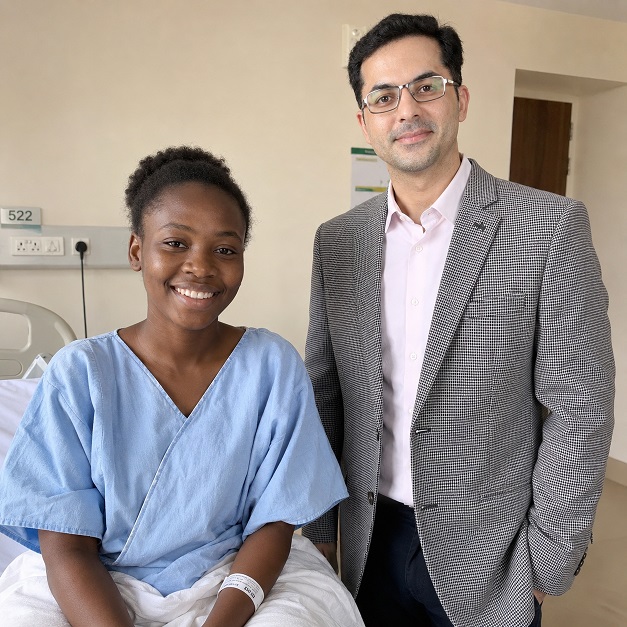
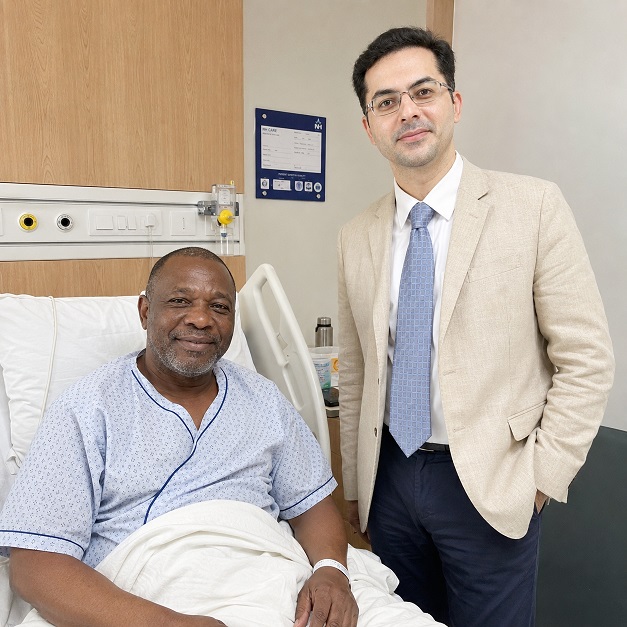
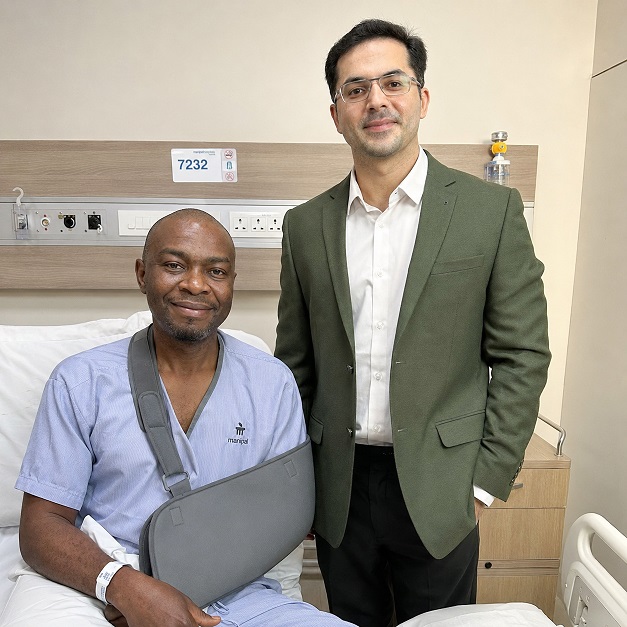
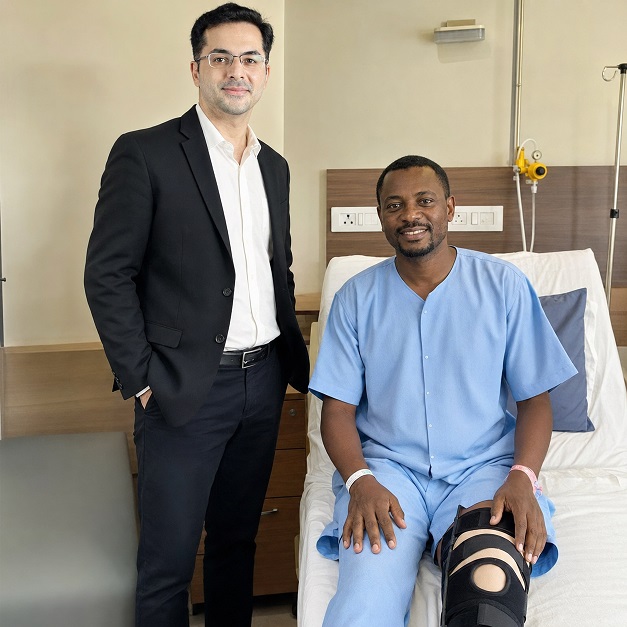
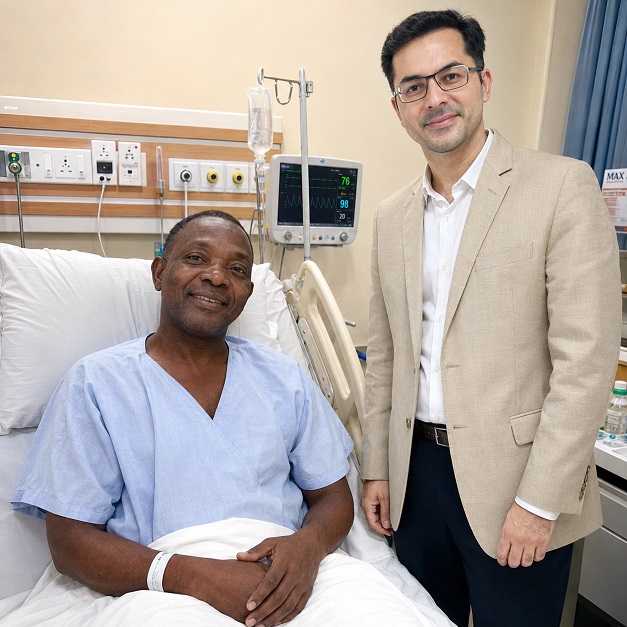
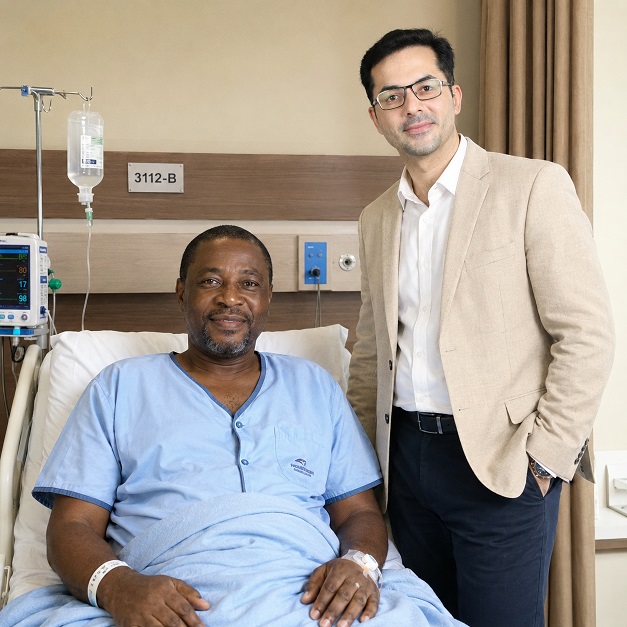
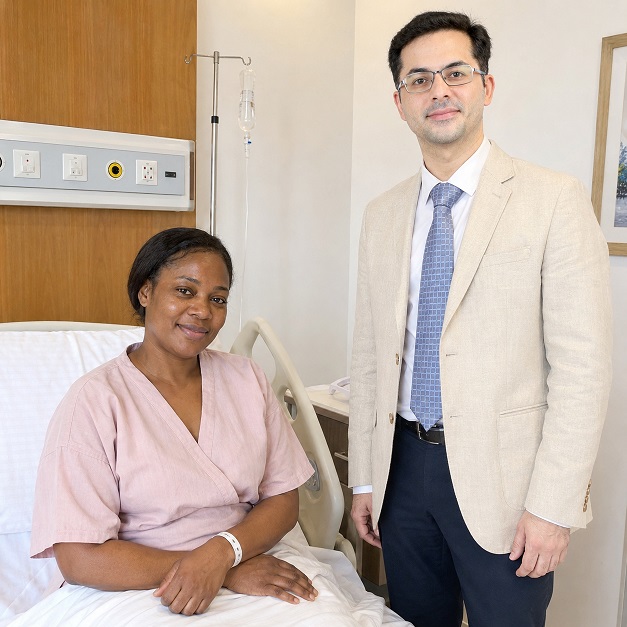
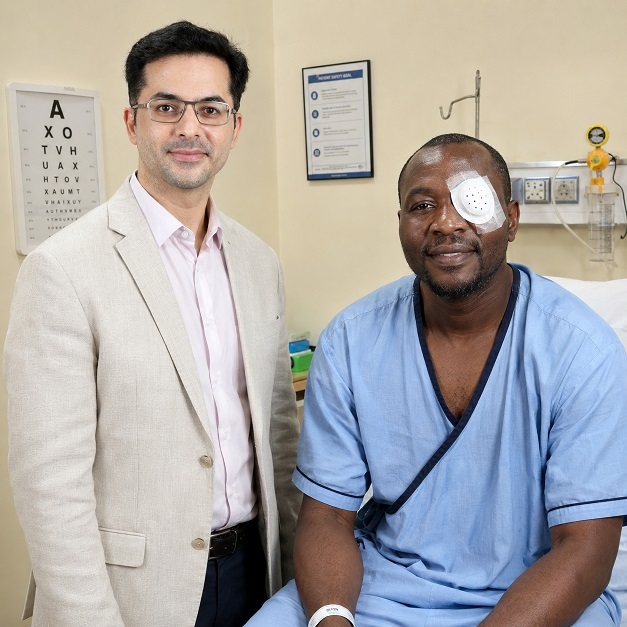
Healing Journeys of Congolese Patients
Key Takeaways
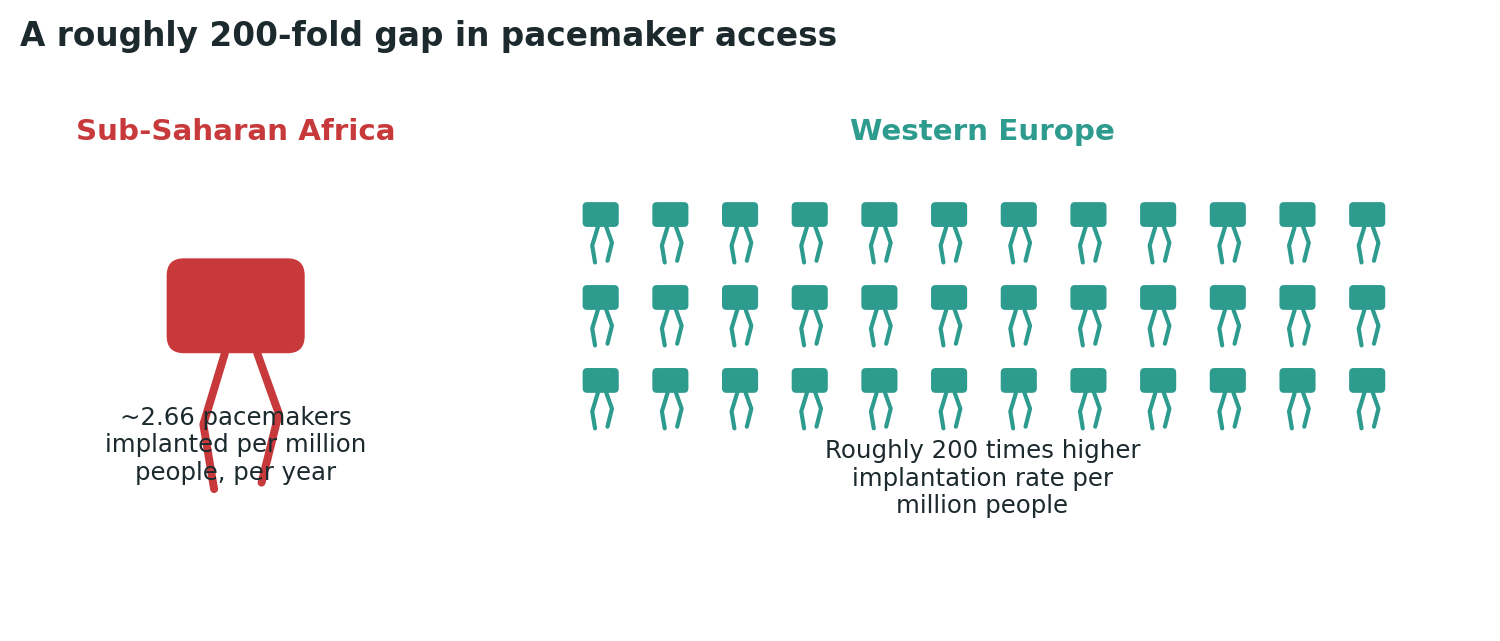
- The guide explains that pacemaker implantation is a well-established cardiac procedure, but access remains limited across much of Sub-Saharan Africa. A Pan African Society of Cardiology survey cited in the guide found a median implantation rate of approximately 2.66 pacemakers per million people per year, described as roughly 200 times lower than Western Europe.
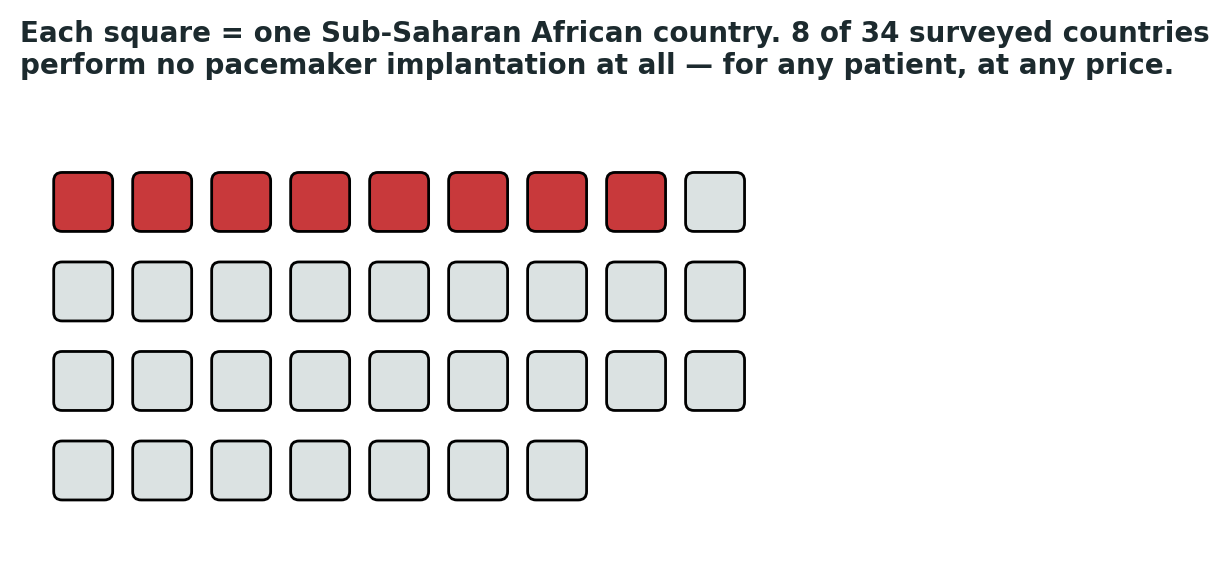
- The page 2 graphic illustrates this access gap and notes that 8 of 34 surveyed Sub-Saharan African countries had no pacemaker implantation service at all. The guide stresses that the problem reflects limited device availability, trained implanting physicians and healthcare infrastructure rather than uncertainty about the effectiveness of pacemaker treatment.
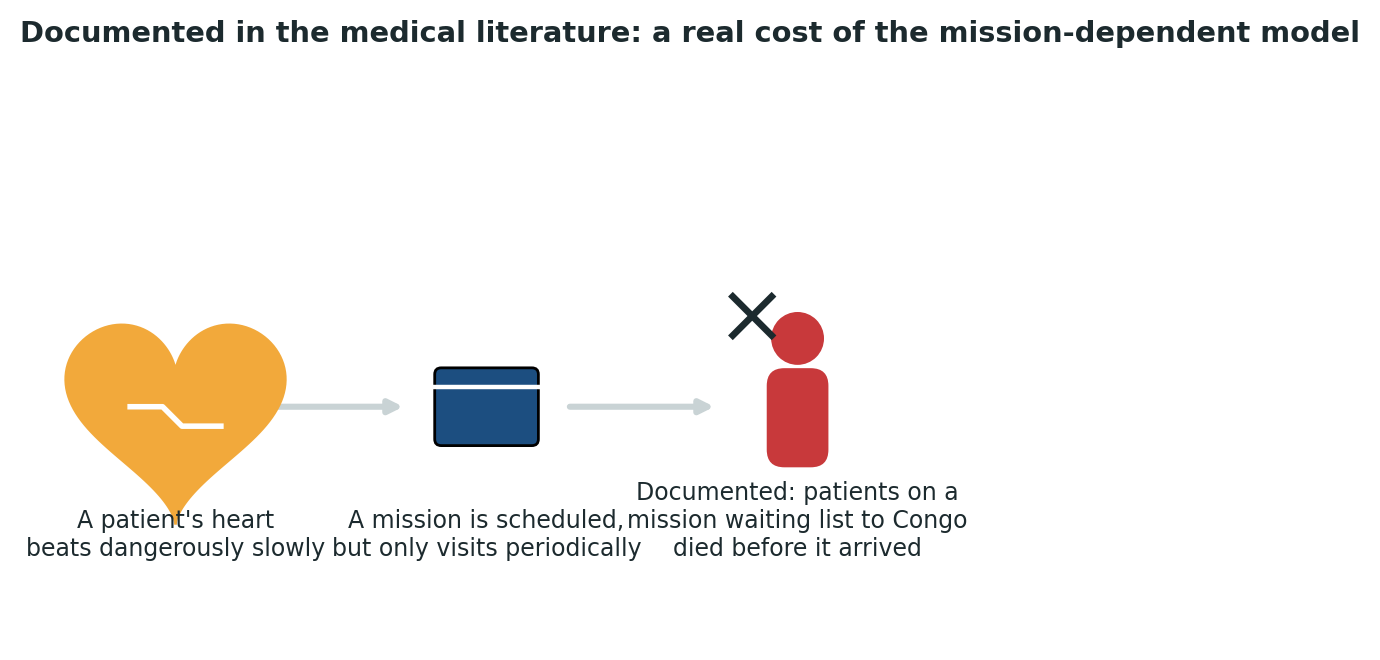
- The guide gives particular importance to timing for patients with complete heart block or severe bradycardia. Page 3 documents published reports of patients on a mission waiting list to the Congo who died before the visiting team arrived, reinforcing the need for prompt medical assessment rather than relying on periodic visiting missions.
- The page 4 cost graphic gives an indicative pacemaker implantation cost in India of US$3,000–8,000, compared with approximately US$11,000–22,000 in France/Belgium, US$13,000–26,000 in the UK private sector and US$30,000–80,000 in the US. The guide notes that costs vary according to whether a single-chamber, dual-chamber or resynchronising device is required.
- The guide recommends obtaining a genuine cardiac evaluation including an ECG, confirming the recommended device type and sending actual test results rather than only describing symptoms. The written quotation should clearly state the device type and included follow-up checks, with a 15–20% financial buffer above the initial estimate.
- For Congolese patients, the guide recommends early treatment planning, paper medical and attendant visas, a current yellow-fever certificate and follow-up device monitoring arranged in the DRC before travel. It identifies waiting despite dangerously slow heart rate, device selection without ECG-based assessment, lack of follow-up planning and pressure to pay the full balance before a written treatment plan as important warning signs.
Quick Facts
- Author
- Dr. Dheeraj Bojwani
- Experience
- 24+ Years
- Treatment
- Cardiac Pacemaker Implantation
- Patients
- Congolese Patients
- Key Specialist
- Cardiologist / Pacemaker Implanting Specialist
- First Step
- Confirm diagnosis and urgency with cardiac evaluation
- Key Test
- ECG
- Device Options
- Single-chamber, dual-chamber and resynchronising devices
- Cost in India
- US$3,000–8,000 indicative range
- Cost Check
- Device, implantation and follow-up checks
- Financial Buffer
- 15–20% above initial estimate
- Second Opinion
- Recommended where appropriate
- Visa
- Paper medical visa and attendant visa
- Entry Requirement
- Current yellow-fever certificate
- Follow-Up
- Periodic device monitoring in the DRC
- Key Warning
- Do not delay treatment when dangerous bradycardia or heart block has been identified
- Decision Principle
- Choose a reliable, scheduled pacemaker programme with appropriate device selection and long-term follow-up.
In Brief
For Congolese patients considering pacemaker implantation in India, the guide recommends prioritising timely cardiac assessment, appropriate device selection and continuity of follow-up. Patients should obtain an ECG-based evaluation, verify the device type, request a complete written quotation, prepare for travel early and arrange long-term device checks in the DRC.
A Roughly 200-Fold Gap in Access
A continent-wide survey by the Pan African Society of Cardiology found the median pacemaker implantation rate across surveyed African countries to be roughly 2.66 per million people per year — a rate the researchers describe as approximately 200 times lower than in Western Europe.
To put this in more human terms: in a country with a well-resourced pacemaker programme, a patient diagnosed with dangerous bradycardia can typically expect implantation within days to a few weeks. Across much of the region this survey covered, the same diagnosis might mean waiting months, travelling to another country entirely, or having no realistic local pathway to treatment at all.
This is not a story about the technology being unreliable, complex, or unsuited to the setting — pacemaker implantation is a well-established, relatively short procedure with an excellent safety record worldwide. The gap reflects economic constraints, limited device availability, and a shortage of trained implanting physicians, not any doubt about whether the treatment works.
Nearly a Quarter of Countries Have No Access at All
The same body of research found that eight of thirty-four surveyed Sub-Saharan African countries perform no pacemaker implantation whatsoever, for any patient, at any price. Where implantation does happen, much of it has historically depended on periodic visiting medical missions rather than a continuous, year-round local service.
Dedicated international programmes have made genuine progress in recent years, training local cardiologists and helping some countries establish their own independent pacing services for the first time. This progress deserves real credit — but it remains a work in progress, and for a patient facing a diagnosis today, the current, honest picture is what matters for deciding how and where to seek treatment.
Why Waiting for a Mission Carries Real, Documented Risk
A pacemaker is different from many of the other procedures in this series in one crucial way: for a patient with complete heart block or severe bradycardia, the underlying condition can be genuinely life-threatening, and timing matters in a way that is hard to overstate. Published medical literature on mission-based pacing programmes across Africa documents exactly this danger — including a specific report of patients on a mission's waiting list to the Congo who died before the visiting team arrived to treat them.
This is worth sitting with for a moment. These were not patients whose condition was unknown or untreatable — they were identified, diagnosed, and placed on a list for a procedure that, performed in time, would very likely have saved their lives. The tragedy was entirely one of access and timing, not of medical uncertainty.
The one fact worth remembering
If you or a family member has fainting spells, severe dizziness, extreme fatigue, or a heart rate that a doctor has described as dangerously slow, this is not a condition that safely waits for a convenient moment. The documented history of mission-dependent care in this specific region shows real, preventable harm from exactly this kind of delay.
What Pacemaker Implantation Costs: DRC Reality vs India vs the West
Cost varies with device type — a straightforward single-chamber pacemaker differs from a more complex dual-chamber or resynchronising device — but the relative gap between India and Western options holds fairly consistently.
It is worth being clear that the device itself, not the surgical skill involved, drives most of this cost difference. Implantation technique is broadly similar wherever it is performed; what varies far more is the price of the device, hospital overheads, and the wider healthcare system it sits within. This is part of why India, with its combination of skilled cardiologists and a large domestic medical device industry, can offer the same quality of care at a fraction of the price.
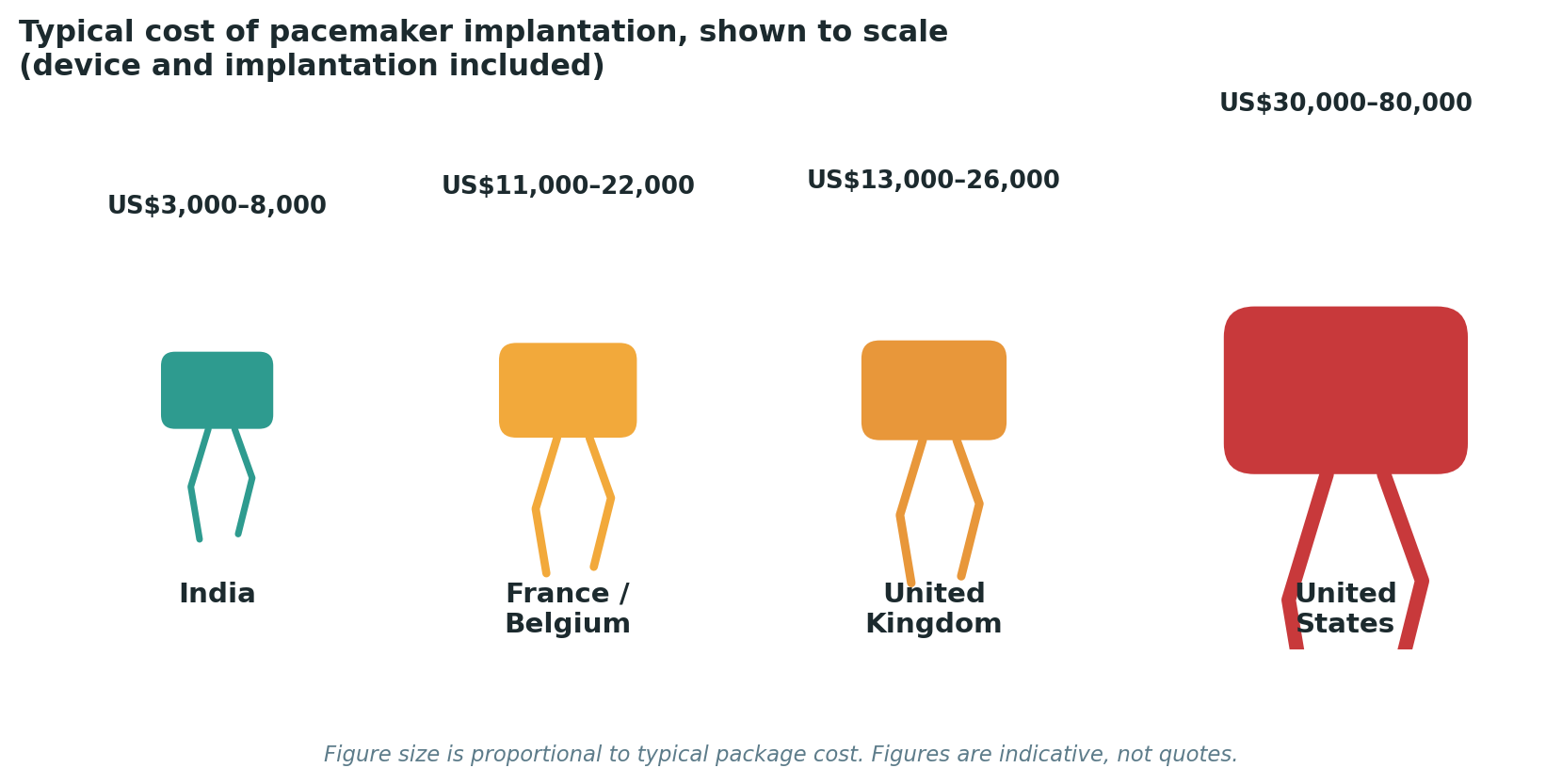
In India, pacemaker implantation typically costs US$3,000 to US$8,000. In France or Belgium, private-sector costs typically run US$11,000 to US$22,000. In the UK's private sector, costs range roughly US$13,000 to US$26,000. In the US, the same procedure commonly costs US$30,000 to US$80,000. India's typical price sits at roughly a tenth of the uninsured US figure.
What the number on the quote does not always show
A written estimate should specify the exact device type (single-chamber, dual-chamber, or resynchronising), and what follow-up device checks are included in the months after implantation. In 24 years of reviewing these quotes, I have found disputes almost never concern the headline figure — they concern what it silently left out. Get every line item in writing, and never pay the full balance before the procedure.
What a Congolese Patient Should Weigh, Specifically
Beyond the medical decision itself, a handful of practical realities deserve their own attention when planning treatment from the DRC, and are worth settling quickly given how much timing matters for this specific condition.
- Do not wait for a convenient moment if a doctor has identified a dangerously slow heart rate — the documented history of this specific condition in this specific region shows real risk in delay.
- Get a genuine cardiac evaluation, including an ECG, to confirm the diagnosis and establish urgency clearly.
- Ask which device type is recommended, and why, for your specific heart rhythm problem.
- Send the actual test results, not just a description of symptoms, since treatment planning depends on precise cardiac assessment.
- Budget in US dollars, with margin. The Congolese franc has weakened considerably against the dollar (roughly CDF 2,300–2,350 per US$1 in mid-2026, and it moves); build in a 15–20% buffer above the initial estimate.
- Start the visa process early. DRC passport holders need a paper medical visa through the Embassy of India in Kinshasa (Avenue Batetela, Gombe), typically around two weeks once the hospital's invitation letter is ready; apply for an attendant visa at the same time.
- Confirm your yellow fever certificate is current — mandatory for entry into India, at least 10 days before travel.
- Arrange follow-up device checks in the DRC before you fly — pacemakers need periodic monitoring for years, and identifying local support in advance matters.
Four signals that should make you pause
- Being told to simply "wait and see" with a documented dangerously slow heart rate.
- A device type recommended without a genuine ECG-based evaluation.
- No discussion of follow-up device checks after implantation.
- Pressure to pay the full balance before a written treatment plan exists.
Why India Specifically for Cardiac Pacemaker Implantation for Congolese Patients?
India operates high-volume, year-round pacemaker implantation centres, performing this well-established procedure as a matter of daily routine rather than a periodic mission visit — precisely the continuity that the documented mission-dependent model elsewhere has struggled to provide. Combined with a wide range of device options, English-language consultation throughout, and hospital accreditation (NABH domestically, JCI internationally) that mirrors the standards used to evaluate hospitals in the US and Europe, India offers a genuinely reliable, scheduled path to a procedure where timing itself can be a matter of life and death, without the uncertainty of waiting for a mission's next visit. For a condition where the medical literature has documented real deaths from exactly this kind of delay, that reliability is not a minor convenience but the central reason this option is worth taking seriously.
A closing word
A pacemaker is not experimental or uncertain technology — it is one of the most established, reliable procedures in all of cardiac medicine, and the documented harm from delayed access in this region reflects a gap in availability, not a gap in the treatment's effectiveness. If you or a family member has been told your heart rate is dangerously slow, please do not wait. If you are able to share your test results, I am glad to give a direct, honest view on what your case would involve.
Sources
- 🌐 National Medical Commission of India — verify any surgeon's registration · nmc.org.in
- 🌐 National Accreditation Board for Hospitals & Healthcare Providers (NABH) · nabh.co
- 🌐 Embassy of India, Kinshasa — medical visa requirements · eoikinshasa.gov.in
- 🌐 "Continental Cartography of Permanent Pacemaker Use in Africa: A Scoping Review" · ovid.com/jnls/accd
- 🌐 Bonny et al., "Statistics on the use of cardiac electronic devices...in Africa," Europace (2018) · academic.oup.com/europace
- 🌐 World Health Organization — yellow fever vaccination requirements · who.int/health-topics/yellow-fever
Frequently Asked Questions by Congolese Patients about Cardiac Pacemaker Implantation in India
Why is timely pacemaker treatment important?
The guide highlights that severe bradycardia and complete heart block can be life-threatening, and published literature has documented deaths associated with waiting for mission-based treatment.
How limited is pacemaker access in Sub-Saharan Africa?
The cited survey found a median implantation rate of approximately 2.66 per million people annually, roughly 200 times lower than Western Europe.
Are pacemakers available in every African country?
No. The guide states that 8 of 34 surveyed Sub-Saharan African countries had no pacemaker implantation service at the time of the cited research.
What cardiac test should be completed before treatment?
The guide recommends a genuine cardiac evaluation including an ECG to confirm the diagnosis and establish the urgency of treatment.
What types of pacemakers may be considered?
The guide identifies single-chamber, dual-chamber and resynchronising devices, with selection depending on the patient's specific rhythm problem.
How much does pacemaker implantation cost in India?
The guide gives an indicative range of US$3,000–8,000, including the device and implantation procedure. Actual costs depend on the device and hospital.
What should the written quotation include?
It should clearly identify the exact device type and the follow-up device checks included after implantation, with all major costs listed in writing.
Should Congolese patients arrange follow-up before travelling?
Yes. The guide specifically recommends arranging follow-up device checks in the DRC before flying to India, because pacemakers require periodic monitoring for years.
What travel documents are required?
The guide advises DRC passport holders to arrange a paper medical visa and attendant visa, and to ensure their yellow-fever certificate is current before travelling.
What are the main warning signs?
Patients should be cautious about being told to wait despite dangerously slow heart rate, receiving a device recommendation without ECG-based assessment, having no follow-up plan or being pressured to pay the full balance before receiving a written treatment plan.
Page Summary
This guide explains the access and timing challenges surrounding pacemaker treatment for Congolese patients and presents India as a scheduled alternative to mission-dependent care. The page 2 graphic shows the large regional access gap, page 3 highlights documented risks associated with waiting, and page 4 compares indicative pacemaker costs across India and Western countries. The final page focuses on travel preparation, follow-up and warning signs.
Citation Block
| Field | Information |
|---|---|
| Topic | Cardiac Pacemaker Implantation in India for Congolese Patients |
| Treatment | Pacemaker Implantation |
| Patients | Congolese Patients |
| Key Specialist | Cardiologist / Pacemaker Implanting Specialist |
| First Assessment | Cardiac evaluation and ECG |
| Device Options | Single-chamber, dual-chamber and resynchronising |
| Indicative India Cost | US$3,000–8,000 |
| Cost Factors | Device type, implantation and follow-up |
| Financial Buffer | 15–20% |
| Travel Documents | Paper medical and attendant visas |
| Entry Requirement | Current yellow-fever certificate |
| Follow-Up | Periodic device checks in the DRC |
| Key Risk | Delayed treatment for dangerous bradycardia or heart block |
| Warning Signs | No ECG-based device assessment, unclear follow-up or pressure for early full payment |
| Key Decision | Prioritise timely treatment, appropriate device selection and continuity of care |


Our Mission Statement
Our mission is to place patients at the centre of every healthcare decision by providing trustworthy, evidence-based, and unbiased medical information. We believe that informed patients make better decisions. Backed by personalised guidance from our experienced advisory team, we help patients understand their treatment options, compare them objectively, and confidently choose the path that best suits their medical needs and personal circumstances.
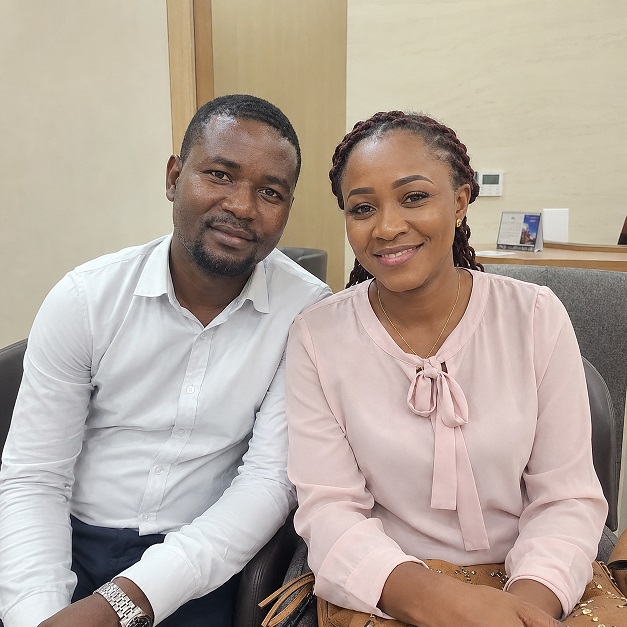
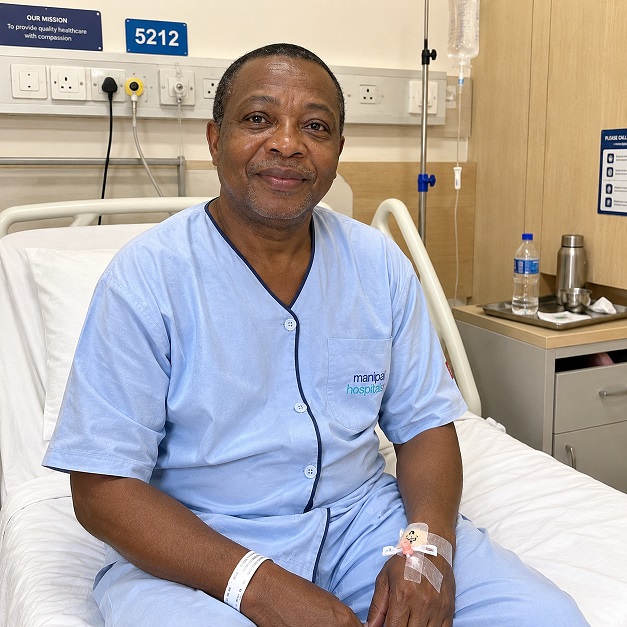
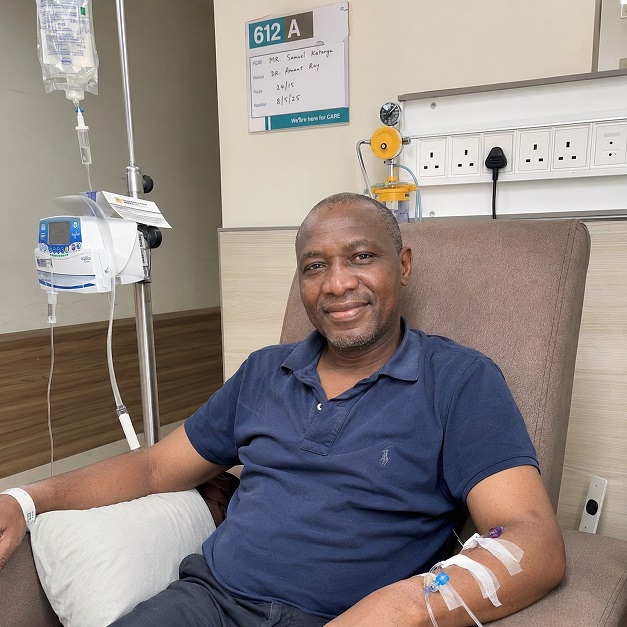
Patient Testimonials from Congo
Ready to Take the First Step?
Share your medical reports with our healthcare managers today and receive a FREE CONSULTATION, a personalized treatment plan and complete support from your arrival to your recovery.
Get Your Free ConsultationAreas We Serve
At Indian Health Guru Consultants, we proudly assist patients from Congo and neighboring countries across Central, East and Southern Africa who travel to India for advanced medical treatment. Our experienced international patient team provides end-to-end support, including medical opinions, hospital selection, Medical Visa assistance, travel planning, accommodation, interpreter services and post-treatment follow-up.
We regularly serve patients from:
- Gabon
- Cameroon
- Angola
- Uganda
- Rwanda
- Burundi
- Tanzania
- Zambia
- Djibouti
- Comoros
- Madagascar
- Seychelles
- South Sudan
- Central African Republic
- Republic of the Congo
- Democratic Republic of the Congo
No matter where you are located in the region, Indian Health Guru Consultants is committed to making your medical journey to India safe, affordable, seamless and completely patient-focused.
From Congo to India: Your Complete Patient Guide
- Brain Tumor Surgery in India for Congolese Patients
- Best Brain Tumour Surgeons & Hospitals in India for Congo Patients
- Knee Replacement in India for Congolese Patients
- Best Knee Replacement Surgeons & Hospitals in India for Congolese Patients
- Spine Surgery in India for Congolese Patients
- Best Spine Surgeons & Hospitals in India for Congolese Patients
- Liver Transplant in India for Congolese Patients: Cost & Guide
- Best Liver Transplant Centres and Hospitals in India for Congolese Patients
- Cardiac Surgery in India for Congolese Patients: Cost & Guide
- Best Cardiac Surgeons & Hospitals in India for Congolese Patients
- Bone Marrow Transplant in India for Congolese Patients: Cost & Guide
- Best Bone Marrow Transplant Centres and Hospitals in India for Congolese Patients
- Prostate Cancer Treatment in India for Congolese Patients: Cost & Guide
- Best Prostate Cancer Centres and Hospitals in India for Congolese Patients
- HIPEC in India for Congolese Patients: Cost & Treatment Guide
- Best HIPEC Centres and Hospitals in India for Congolese Patients
- Kidney Transplant in India for Congolese Patients: Cost & Guide
- Best Kidney Transplant Centres and Hospitals in India for Congolese Patients