

Selecting the Best Cataract Surgery Centres in India — A Congolese Patient's Guide
A practical guide to comparing cataract surgeons and hospitals in India, covering experience, equipment, lens options, costs, safety and travel requirements.
Choosing a cataract surgery centre is more straightforward than many decisions elsewhere in this series, since cataract surgery is a highly standardised, high-volume procedure where the surgeon's personal skill and experience carry the most weight. In 24 years of guiding patients through this decision, I have found that families sometimes overthink this choice; the fundamentals here are simpler than for the complex reconstructive or transplant procedures covered elsewhere. This guide sets out, plainly, what genuinely matters. Given how many cases reaching treatment in this region have progressed further than they would have elsewhere, verifying genuine experience with more advanced presentations is still worth real attention.
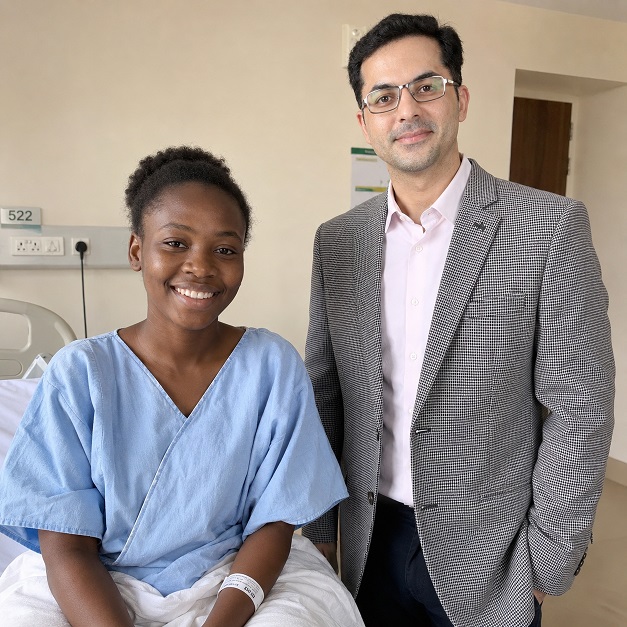
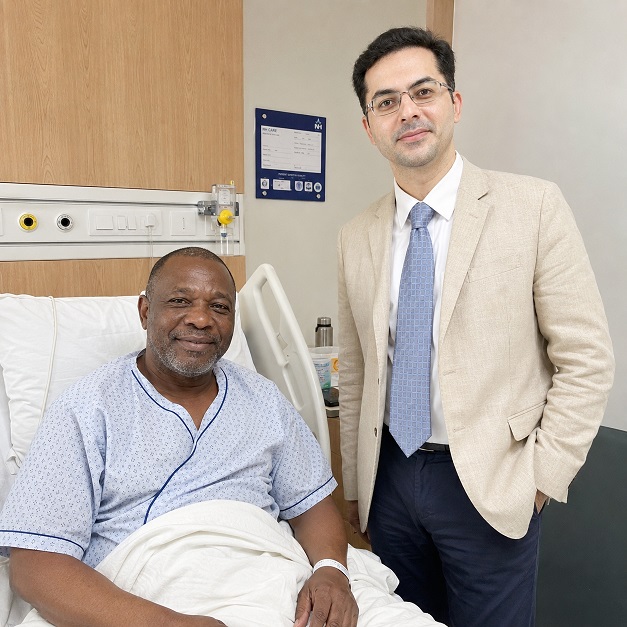
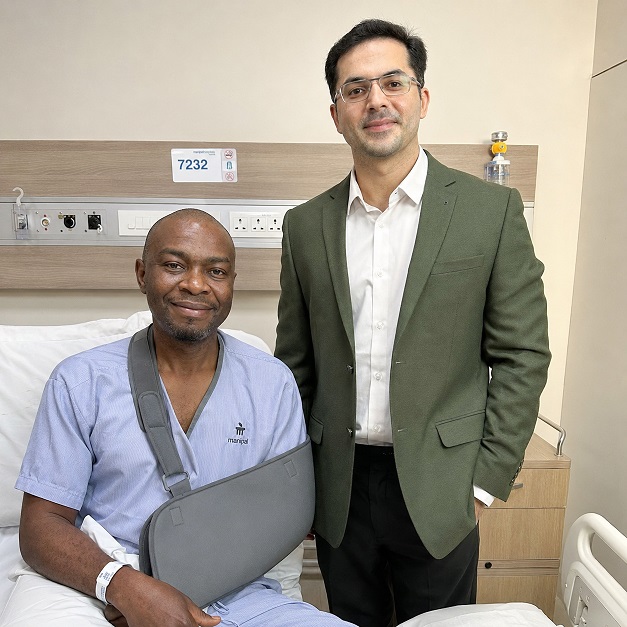
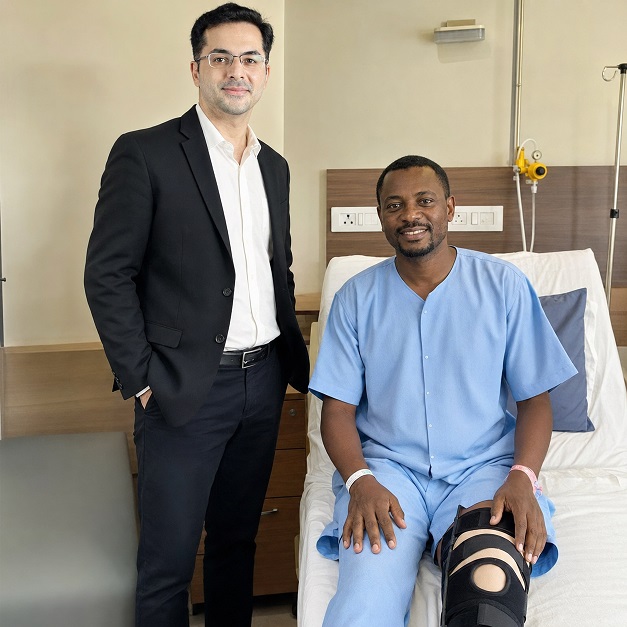
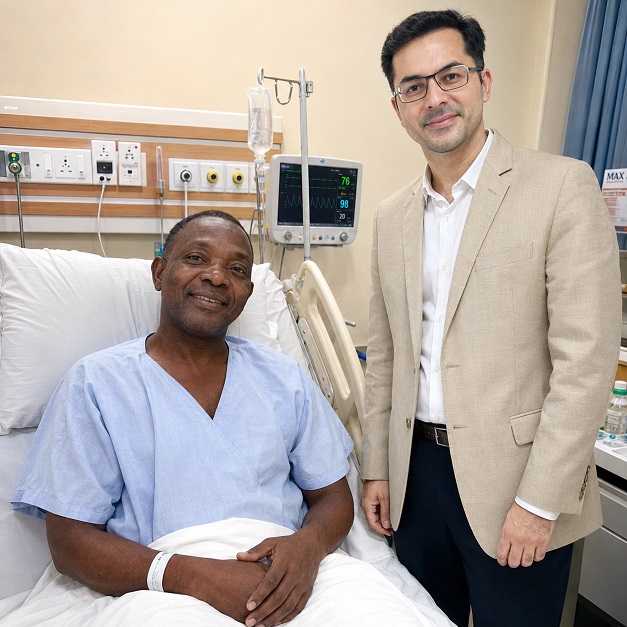
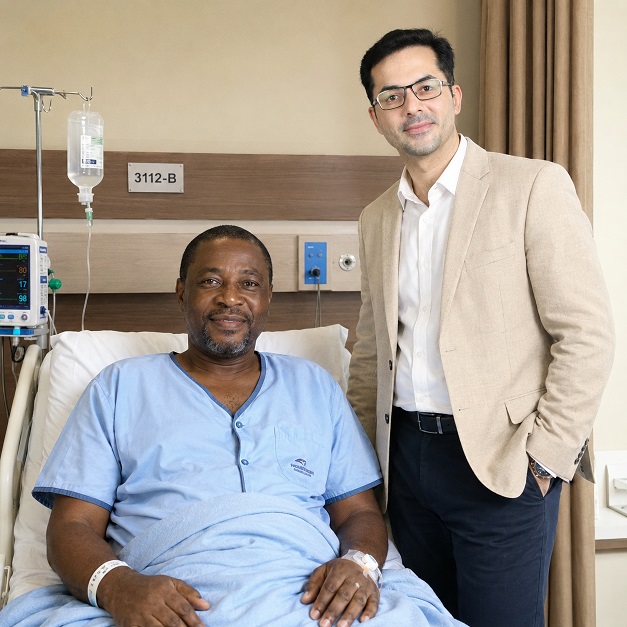
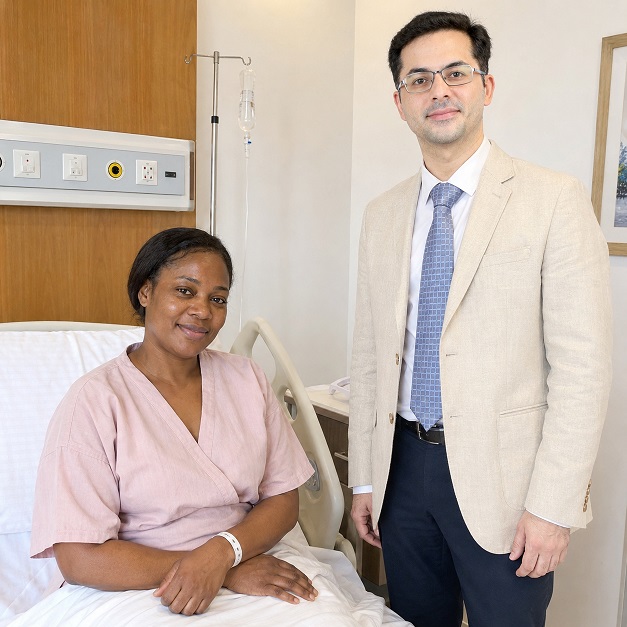
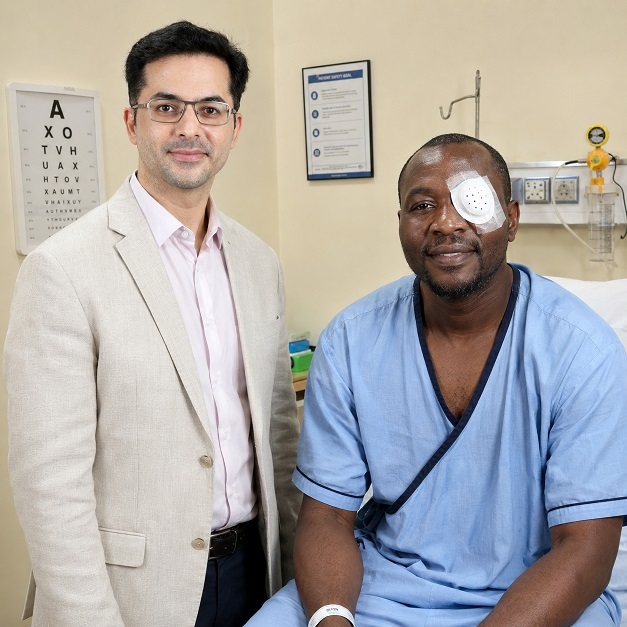
Healing Journeys of Congolese Patients
Key Takeaways
- The guide explains that cataract surgery is a highly standardised, high-volume procedure, making the operating surgeon's personal skill and experience particularly important. Before comparing hospitals, Congolese patients should first ensure that the proposed treatment follows a genuine eye examination assessing cataract severity, overall eye health and conditions that could affect surgery or recovery.
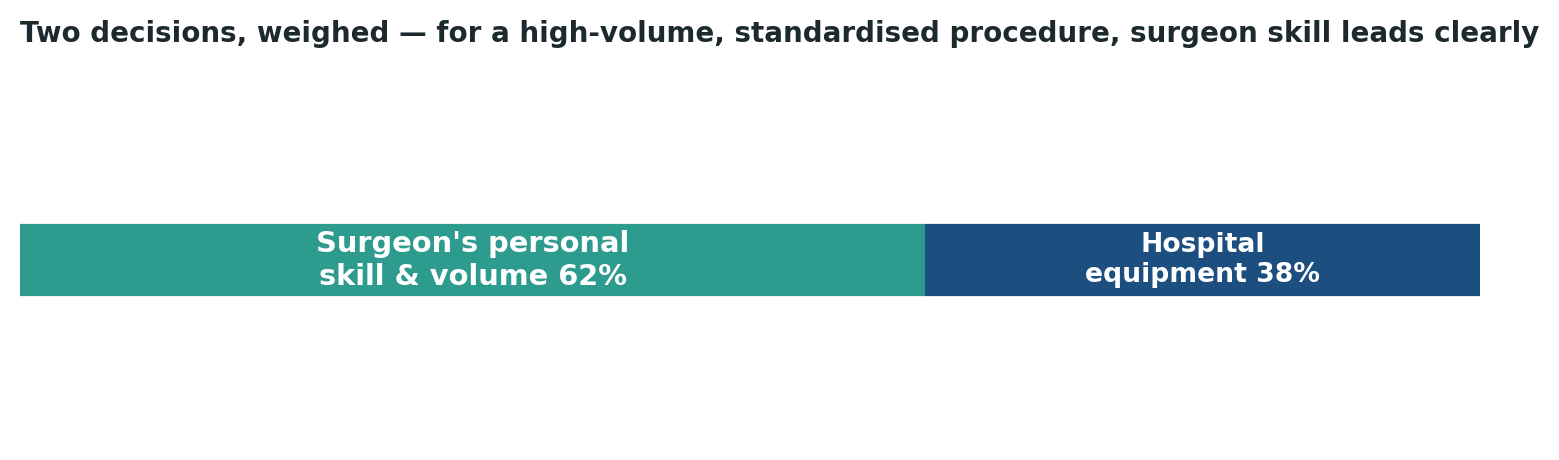
- The page 2 weighting graphic gives 62% importance to the surgeon's personal skill and case volume and 38% to hospital equipment. The guide therefore places a named surgeon with disclosed annual cataract-surgery volume at the top of the selection process, followed by modern phacoemulsification equipment, clear lens options and experience with complex or advanced cataracts.
- The guide specifically warns that cataracts left untreated for years can become denser and technically more difficult to remove safely. Since delayed presentation can occur in this region, Congolese patients should ask whether the surgeon has genuine experience with advanced cataracts, rather than evaluating a centre only on its routine cataract volume.
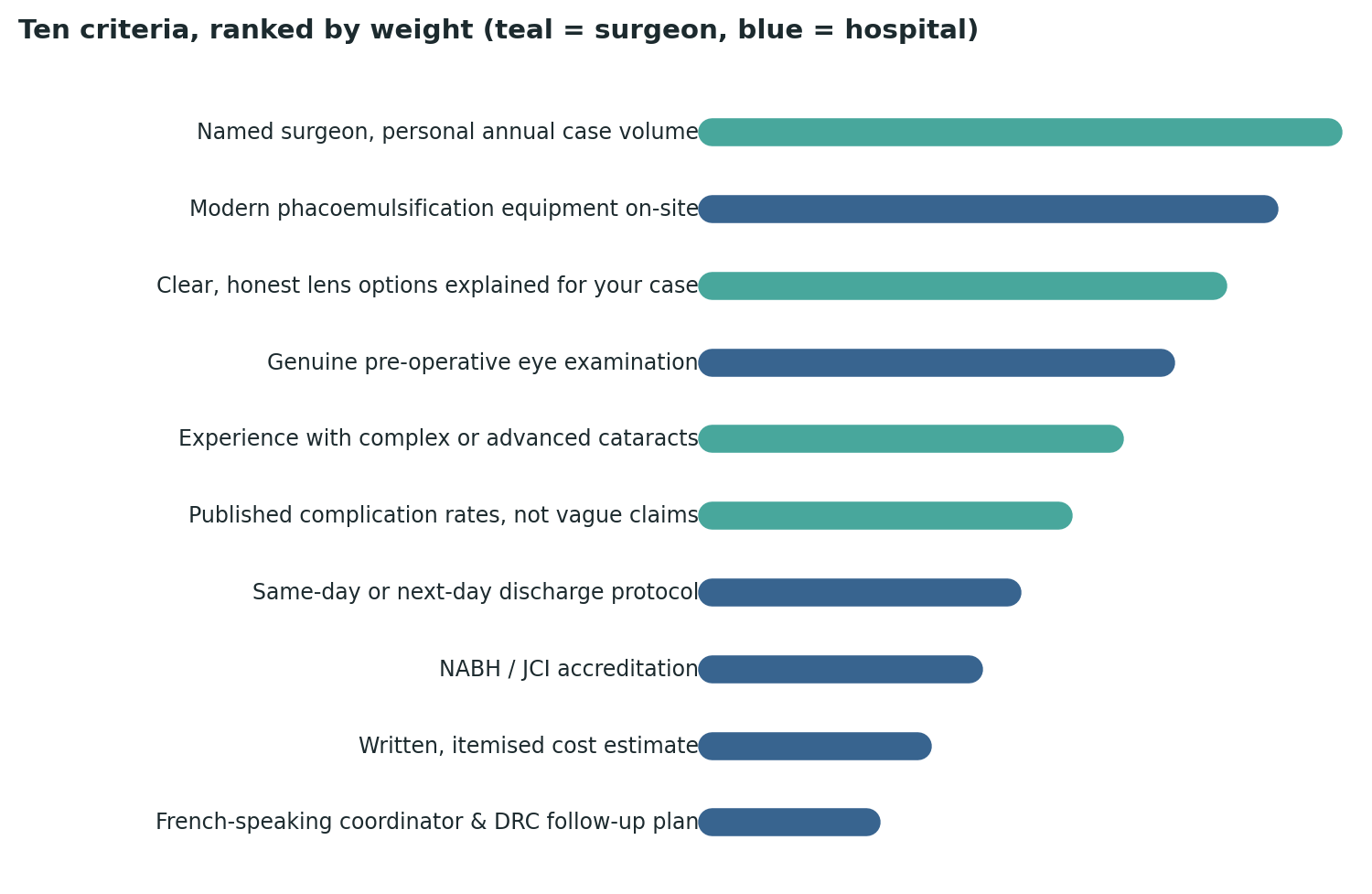
- The page 3 ranking chart places the surgeon's personal annual case volume highest, followed by modern phacoemulsification equipment, honest lens options, genuine pre-operative examination and advanced-cataract experience. Published complication rates, discharge protocols, NABH/JCI accreditation, written costing and a DRC follow-up plan are also included among the ten criteria.
- A major quotation issue is the lens included in the price. Premium multifocal lenses can cost significantly more than basic monofocal lenses, so patients should ask exactly which lens is included. If both eyes require surgery, they should also confirm whether the quotation covers both procedures and when the second eye would typically be treated.
- For Congolese patients, the guide recommends sending a clear description of vision changes to every centre being compared, requesting the surgeon's annual case volume and complication rate in writing, and maintaining a 15–20% financial margin. DRC passport holders need a paper Indian medical visa through the Embassy of India in Kinshasa, and the guide advises ensuring the yellow fever certificate is current and dated at least 10 days before travel.
Quick Facts
- Author
- Dr. Dheeraj Bojwani
- Experience
- 24+ Years
- Treatment
- Cataract Surgery
- Patients
- Congolese Patients
- First Assessment
- Genuine comprehensive eye examination
- Key Specialist
- Cataract Surgeon / Ophthalmologist
- Decision Weighting
- Surgeon 62% / Hospital Equipment 38%
- Main Technique
- Phacoemulsification
- Case Volume
- Surgeon's personal annual cataract volume
- Advanced Cases
- Experience with complex or dense cataracts
- Lens Check
- Monofocal vs premium multifocal
- Safety Check
- Published complication rates
- Equipment
- Modern phacoemulsification equipment
- Hospital Check
- NABH / JCI accreditation
- Cost Check
- Written, itemised estimate
- Medical Records
- Vision history and eye reports
- Visa
- Paper medical visa through Kinshasa
- Budget
- 15–20% financial margin
- Entry Requirement
- Current yellow fever certificate dated at least 10 days before travel
- Follow-Up
- DRC follow-up plan
- Key Warning
- No genuine eye examination or disclosed surgeon volume
- Decision Principle
- Prioritise surgeon-specific experience, equipment and transparent lens/cost information.
In Brief
For Congolese patients choosing a cataract centre in India, the strongest selection factors are the operating surgeon's disclosed case volume, genuine pre-operative examination, modern phacoemulsification equipment and appropriate lens selection. Patients should obtain complication rates and a complete written quotation before travelling and arrange follow-up before returning to the DRC.
First, Get a Genuine Eye Examination
Before comparing centres, make sure any proposed treatment plan follows a genuine eye examination, not a generic recommendation based on age or a brief description of symptoms alone.
A proper examination should assess the specific type and severity of your cataract, the overall health of your eye, and any other conditions that might affect surgery or recovery. This is what should shape the lens recommendation and surgical plan, not a default package applied uniformly to every patient.
Two Decisions, Weighed
Choosing well depends on two things: the surgeon's own personal skill and experience, and the hospital's equipment. For cataract surgery specifically, the surgeon's individual case volume carries clearly more weight than for many other procedures in this series, because this is a high-volume, well-standardised operation where practised technique directly predicts outcome.
This is worth stating plainly because it differs from several other decisions in this series, where a hospital's institutional programme or multidisciplinary team mattered as much as any one person. Here, a surgeon who performs this exact operation many times a week, using the same reliable technique, is the single strongest predictor of a good outcome.
What to Verify, in Order
- A named surgeon with genuine, disclosed annual case volume — ask directly how many cataract surgeries they perform yearly.
- Modern phacoemulsification equipment on-site, the current standard technique worldwide.
- Clear, honest lens options explained for your specific case, not a single default option presented as the only choice.
- Experience with complex or advanced cataracts, since cases presenting late, common in this region, can be more technically demanding.
- Published complication rates, not vague claims of "excellent outcomes" without supporting numbers.
A cataract left untreated for years can become significantly denser and harder to remove safely than one caught earlier, requiring genuinely more advanced surgical technique. Given how common delayed presentation is across this region, ask specifically whether the surgeon has real experience with these more advanced cases, not only routine ones.
What the quote doesn't always show
In 24 years of reviewing these estimates, I have found the disputes almost never concern the headline number — they concern what it silently left out: which lens type is actually included, since premium multifocal lenses cost meaningfully more than basic monofocal ones. Get every line item in writing before paying any deposit, and never pay the full balance before surgery.
If both eyes need surgery, ask whether the quote already covers both, and on what timeline the second eye is typically operated on, since this is sometimes done as a separate procedure days or weeks later rather than at the same visit.
What a Congolese Patient Should Weigh in Particular
Send a clear description of your vision changes to every centre being compared, so estimates reflect your actual case.
Ask directly for the surgeon's annual case volume and complication rate, in writing, rather than accepting general claims of experience.
Currency and budget. The Congolese franc has weakened considerably against the dollar (roughly CDF 2,300–2,350 per US$1 in mid-2026); budget with a 15–20% margin.
Visa timing. DRC passport holders need a paper medical visa through the Embassy of India in Kinshasa, typically around two weeks once the invitation letter is ready.
Yellow fever certificate, current and dated at least 10 days before travel.
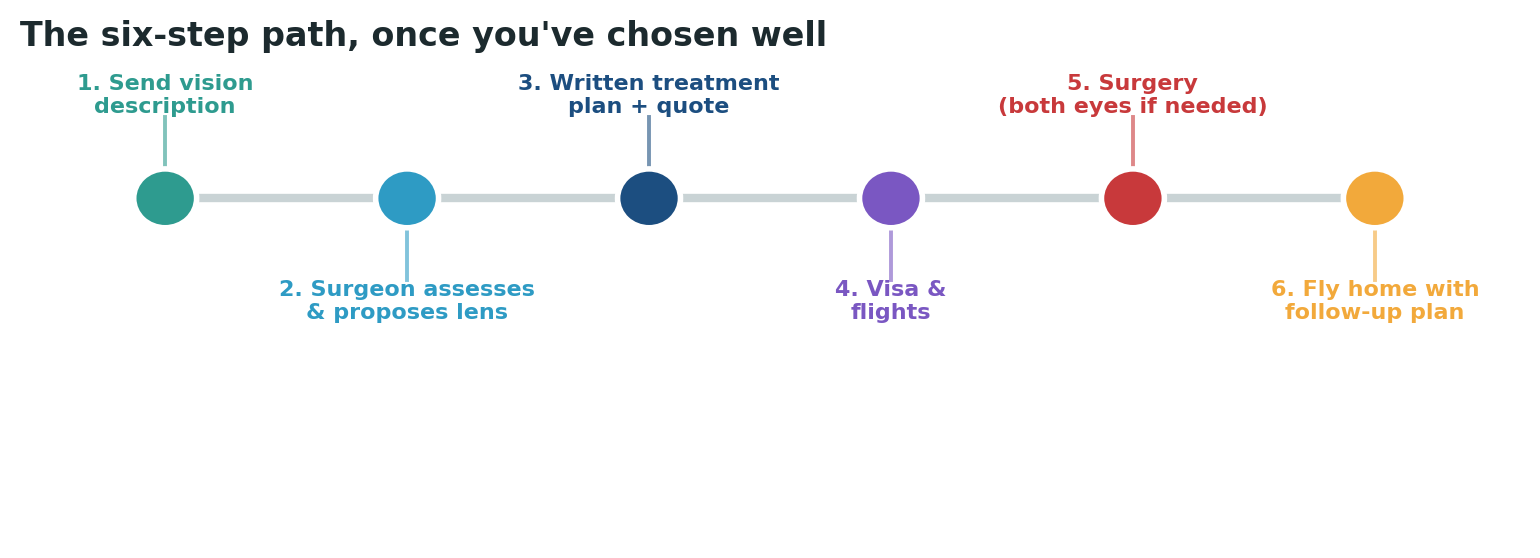
Three signals that should make you pause
- No genuine eye examination before a treatment plan is proposed.
- No disclosed annual case volume for the specific surgeon who will operate.
- Pressure to pay the full balance before a written, complete treatment plan exists.
- These signals matter less individually than in combination; a centre that is genuinely confident in its work will typically answer every one of these questions clearly and without hesitation.
| Ask the surgeon | Ask the hospital |
|---|---|
| How many cataract surgeries have you personally done? | Do you use modern phacoemulsification equipment? |
| Which lens type suits my case, and why? | What does the pre-operative exam involve? |
| What's your complication rate? | What's included in the quoted price? |
Send these two short lists in writing, by email, before agreeing to travel. A genuinely established eye hospital will answer both directly and specifically; one without real case volume may struggle to give the same clarity.
A closing word
Cataract surgery succeeds most on the individual surgeon's practised skill and genuine case volume, given how standardised and high-volume this specific procedure is. A named surgeon with disclosed experience, backed by modern equipment and honest lens options, is the baseline worth insisting on before any deposit is paid. If you can share a description of your vision changes, I am glad to review it honestly, including telling you what to realistically expect once treatment is complete.
Sources
- 🌐 National Medical Commission of India — verify any surgeon's registration · nmc.org.in
- 🌐 National Accreditation Board for Hospitals & Healthcare Providers (NABH) · nabh.co
- 🌐 Embassy of India, Kinshasa — medical visa requirements · eoikinshasa.gov.in
- 🌐 "Millions Could Miss Out on Cataract Surgery," The Ophthalmologist · theophthalmologist.com
- 🌐 World Health Organization — yellow fever vaccination requirements · who.int/health-topics/yellow-fever
Frequently Asked Questions by Congolese Patients about Selecting the Best Cataract Surgery Centres in India
How should a Congolese patient choose between two cataract centres in India?
The guide gives greater weight to the operating surgeon's personal skill and annual case volume—62% of the decision—than hospital equipment at 38%. Patients should therefore identify the actual surgeon before comparing centres.
Why should a Congolese patient ask for the surgeon's annual cataract volume?
Cataract surgery is a high-volume, standardised operation, so repeated personal experience is particularly relevant. The guide recommends asking the surgeon directly how many cataract procedures they perform each year.
Why is advanced-cataract experience important for patients from the DRC?
A cataract that has remained untreated for years can become denser and technically more difficult to remove safely. Patients with delayed presentation should therefore ask whether the surgeon regularly treats complex or advanced cataracts.
What equipment should a Congolese patient verify at an Indian cataract centre?
The guide specifically recommends modern phacoemulsification equipment on-site, describing phacoemulsification as the current standard technique worldwide.
Why should Congolese patients ask about different lens options?
The guide warns that premium multifocal lenses can cost significantly more than basic monofocal lenses. Patients should understand which lens is recommended for their specific eye and exactly which lens is included in the quotation.
What should a Congolese patient ask about complication rates?
Patients should request the surgeon's published or documented complication rate, rather than accepting general statements such as “excellent outcomes.” The guide considers specific numerical information more useful when comparing centres.
If both eyes have cataracts, should a Congolese patient expect both to be operated on together?
Not necessarily. The guide recommends asking whether the quotation covers both eyes and when the second eye would normally be treated, because the procedures may occur days or weeks apart rather than during the same visit.
What should a Congolese patient send to an Indian cataract centre before travelling?
Send a clear description of the vision changes and available eye reports to each centre being compared. The guide recommends this so estimates and treatment discussions are based on the patient's actual situation.
What should a Congolese patient verify before paying a cataract-surgery deposit?
The guide recommends confirming the named surgeon, annual case volume, pre-operative examination, lens choice and complete written cost estimate. Patients should not pay the full balance before receiving a complete treatment plan.
What are the biggest warning signs when choosing a cataract centre in India?
The guide identifies three major warning signs: no genuine eye examination before treatment is proposed, no disclosed annual case volume for the actual surgeon, and pressure to pay the full balance before a complete written treatment plan exists.
Page Summary
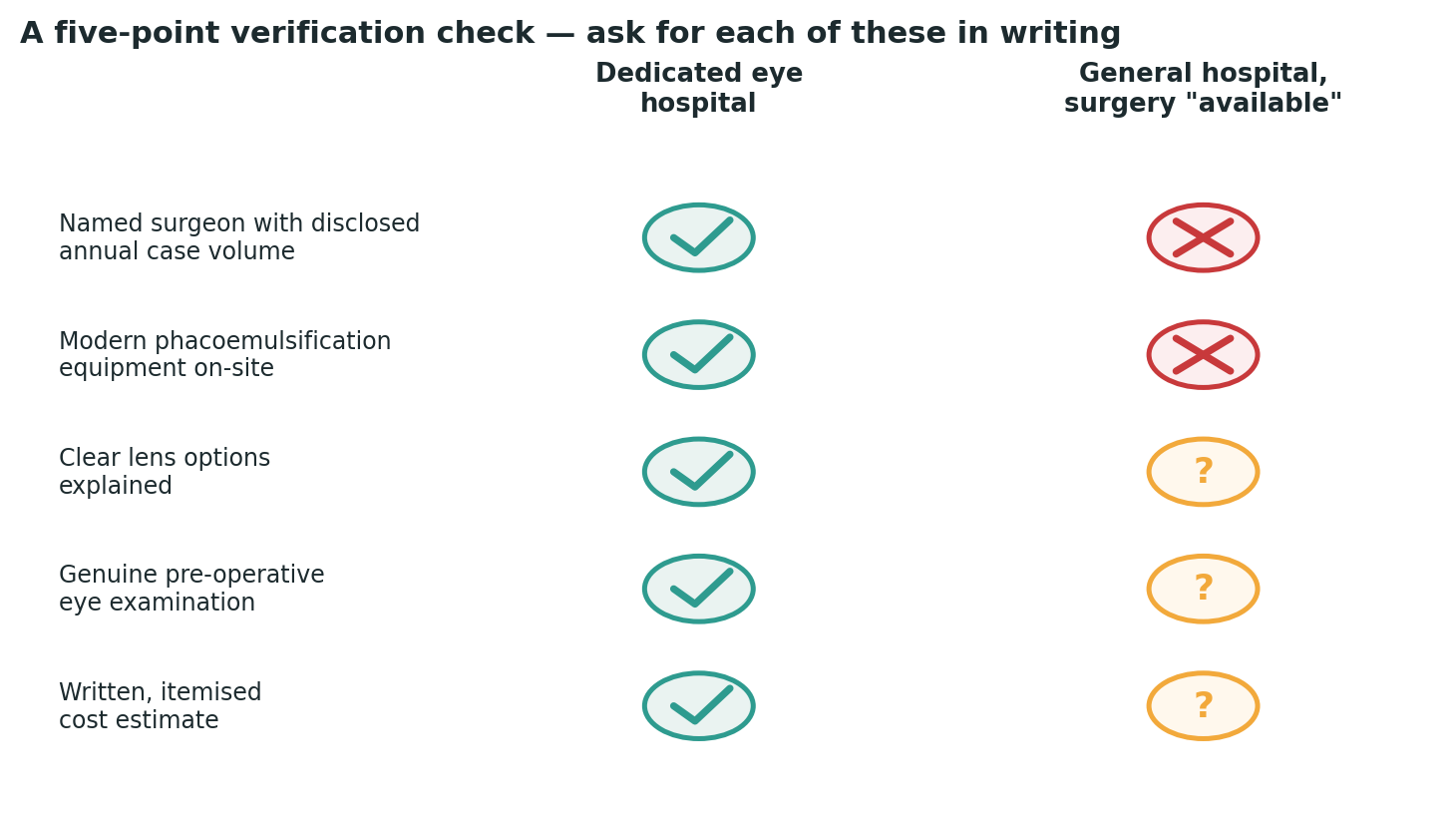
This five-page guide focuses specifically on how Congolese patients should evaluate cataract surgeons and hospitals in India. Page 2 gives the decision weighting as 62% surgeon skill and volume versus 38% hospital equipment. Page 3 ranks ten selection criteria and includes a five-point verification check for dedicated eye hospitals. Page 4 addresses lens pricing, bilateral surgery, budgeting, visa requirements and yellow fever documentation, while page 5 provides specific questions for the surgeon and hospital and identifies three warning signals before booking.
Citation Block
| Field | Information |
|---|---|
| Topic | Selecting the Best Cataract Surgery Centres in India for Congolese Patients |
| Treatment | Cataract Surgery |
| Patients | Congolese Patients |
| First Assessment | Genuine comprehensive eye examination |
| Key Specialist | Cataract Surgeon / Ophthalmologist |
| Decision Weighting | Surgeon 62% / Hospital Equipment 38% |
| Main Technique | Phacoemulsification |
| Case Volume | Surgeon's personal annual cataract volume |
| Advanced Case Check | Experience with complex or dense cataracts |
| Lens Check | Clear monofocal and premium lens options |
| Safety Check | Published complication rates |
| Equipment Check | Modern phacoemulsification equipment |
| Hospital Check | NABH / JCI accreditation |
| Cost Check | Written, itemised estimate |
| Medical Records | Vision changes and available eye reports |
| Visa | Paper medical visa through Kinshasa |
| Budget | 15–20% financial margin |
| Entry Requirement | Current yellow fever certificate |
| Specialist Question | How many cataract surgeries have you personally performed? |
| Lens Question | Which lens type suits my case and why? |
| Safety Question | What is your published complication rate? |
| Equipment Question | Does the hospital use modern phacoemulsification equipment? |
| Examination Question | What will the pre-operative eye examination include? |
| Cost Question | What exactly is included in the quoted price? |
| Bilateral Surgery Question | If both eyes need surgery, does the quotation cover both and what is the usual timing? |
| Warning Signs | No genuine eye examination or disclosed surgeon volume |
| Payment Warning | Full balance requested before a complete written treatment plan |
| Key Decision | Verify surgeon volume, equipment, lens choice and complete costing |


Our Mission Statement
Our mission is to place patients at the centre of every healthcare decision by providing trustworthy, evidence-based, and unbiased medical information. We believe that informed patients make better decisions. Backed by personalised guidance from our experienced advisory team, we help patients understand their treatment options, compare them objectively, and confidently choose the path that best suits their medical needs and personal circumstances.
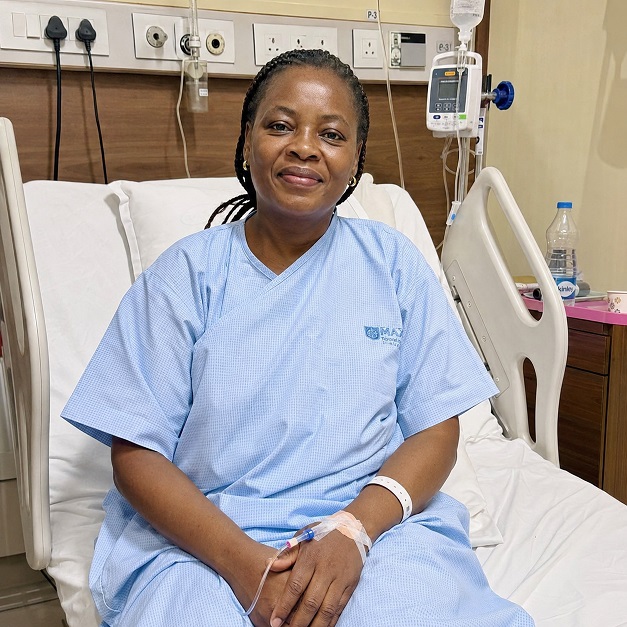
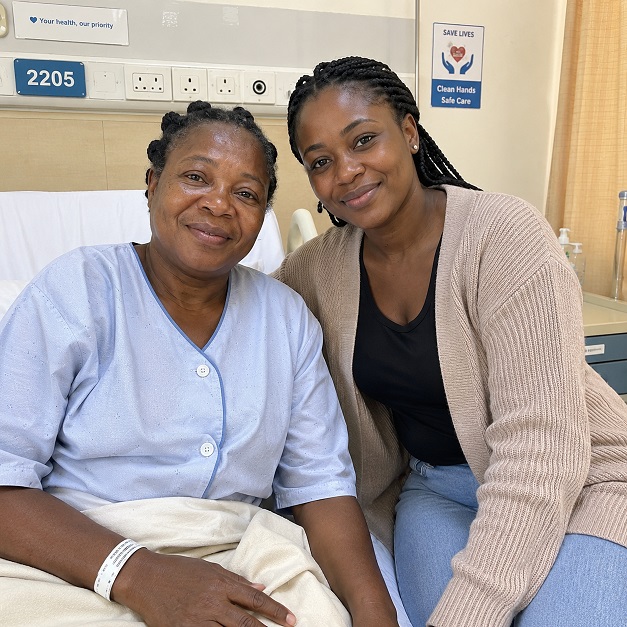
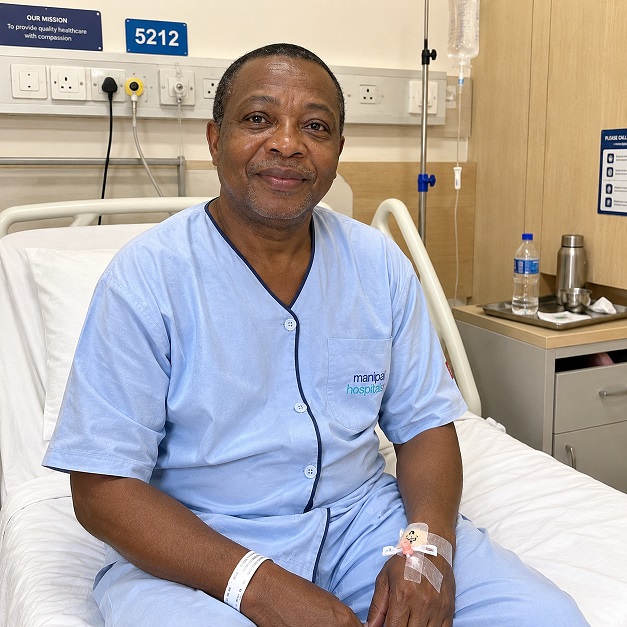
Patient Testimonials from Congo


Ready to Take the First Step?
Share your medical reports with our healthcare managers today and receive a FREE CONSULTATION, a personalized treatment plan and complete support from your arrival to your recovery.
Get Your Free ConsultationAreas We Serve
At Indian Health Guru Consultants, we proudly assist patients from Congo and neighboring countries across Central, East and Southern Africa who travel to India for advanced medical treatment. Our experienced international patient team provides end-to-end support, including medical opinions, hospital selection, Medical Visa assistance, travel planning, accommodation, interpreter services and post-treatment follow-up.
We regularly serve patients from:
- Gabon
- Cameroon
- Angola
- Uganda
- Rwanda
- Burundi
- Tanzania
- Zambia
- Djibouti
- Comoros
- Madagascar
- Seychelles
- South Sudan
- Central African Republic
- Republic of the Congo
- Democratic Republic of the Congo
No matter where you are located in the region, Indian Health Guru Consultants is committed to making your medical journey to India safe, affordable, seamless and completely patient-focused.
From Congo to India: Your Complete Patient Guide
- Brain Tumor Surgery in India for Congolese Patients
- Best Brain Tumour Surgeons & Hospitals in India for Congo Patients
- Knee Replacement in India for Congolese Patients
- Best Knee Replacement Surgeons & Hospitals in India for Congolese Patients
- Spine Surgery in India for Congolese Patients
- Best Spine Surgeons & Hospitals in India for Congolese Patients
- Liver Transplant in India for Congolese Patients: Cost & Guide
- Best Liver Transplant Centres and Hospitals in India for Congolese Patients
- Cardiac Surgery in India for Congolese Patients: Cost & Guide
- Best Cardiac Surgeons & Hospitals in India for Congolese Patients
- Bone Marrow Transplant in India for Congolese Patients: Cost & Guide
- Best Bone Marrow Transplant Centres and Hospitals in India for Congolese Patients
- Prostate Cancer Treatment in India for Congolese Patients: Cost & Guide
- Best Prostate Cancer Centres and Hospitals in India for Congolese Patients
- HIPEC in India for Congolese Patients: Cost & Treatment Guide
- Best HIPEC Centres and Hospitals in India for Congolese Patients
- Kidney Transplant in India for Congolese Patients: Cost & Guide
- Best Kidney Transplant Centres and Hospitals in India for Congolese Patients