

Bariatric Surgery in India for Congolese Patients: What It Costs, and How to Decide Well
Understand bariatric surgery options, costs, eligibility, nutritional follow-up and practical treatment considerations for Congolese patients travelling to India.
Severe obesity is not the picture most people associate with the DRC or the wider region, and that is exactly what makes this topic easy to overlook. In 24 years of advising patients across this series, I have found that the region is living through what researchers call a genuine "double burden": rising obesity and related disease existing alongside persistent child undernutrition, sometimes within the very same family. This guide sets out plainly what that means, what bariatric surgery in India costs, and what to weigh before deciding.
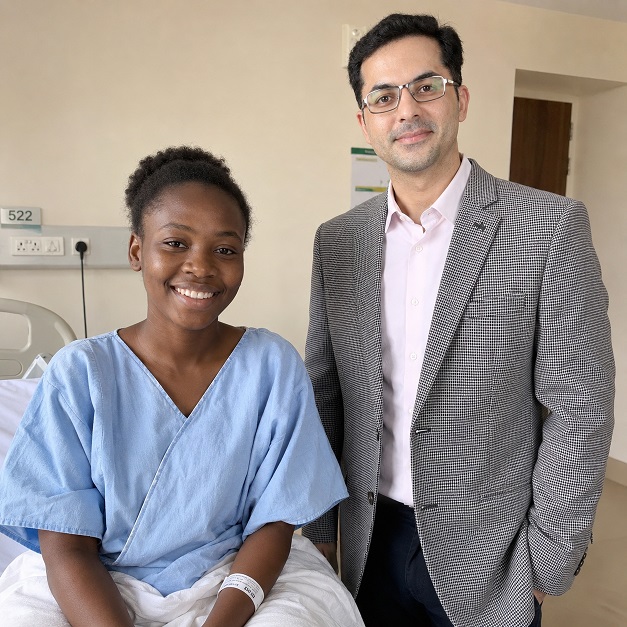
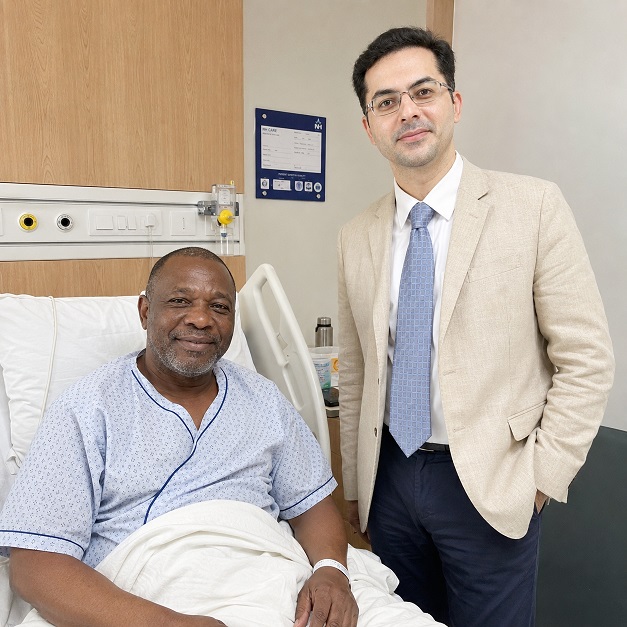
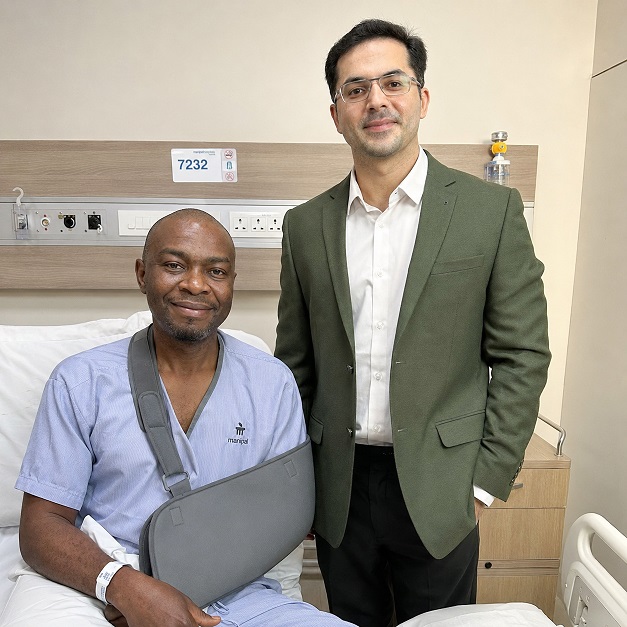
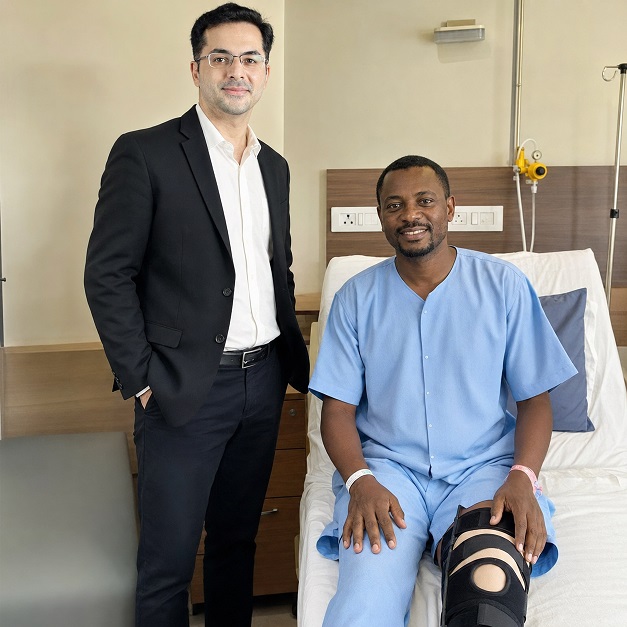
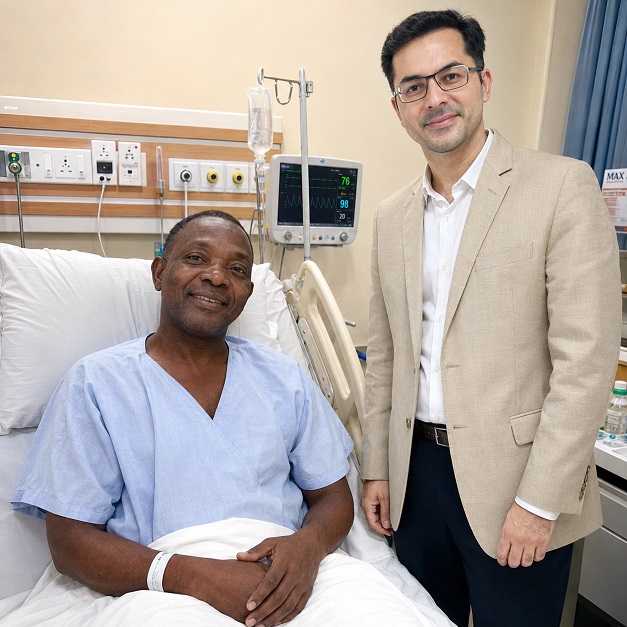
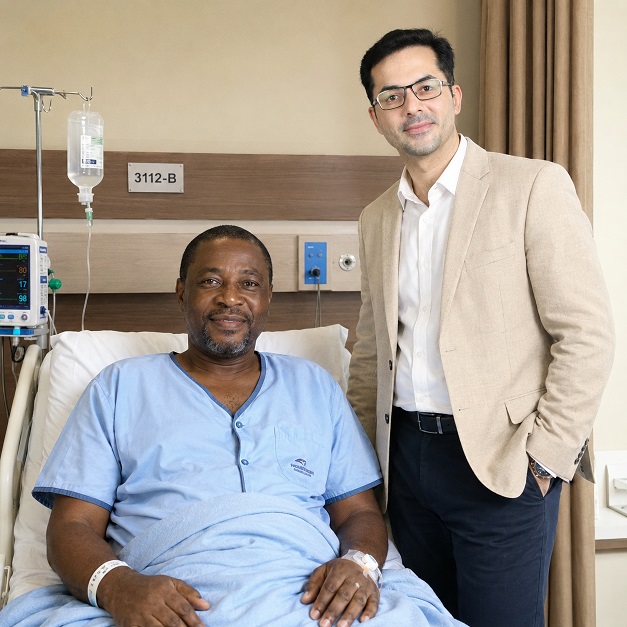
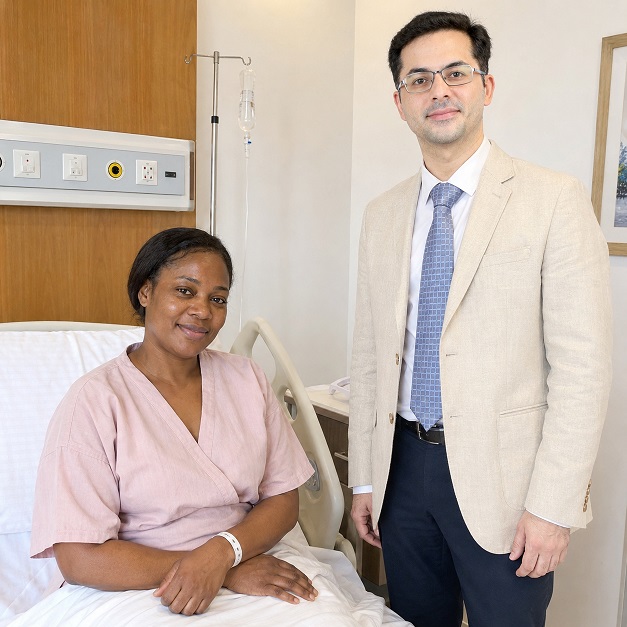
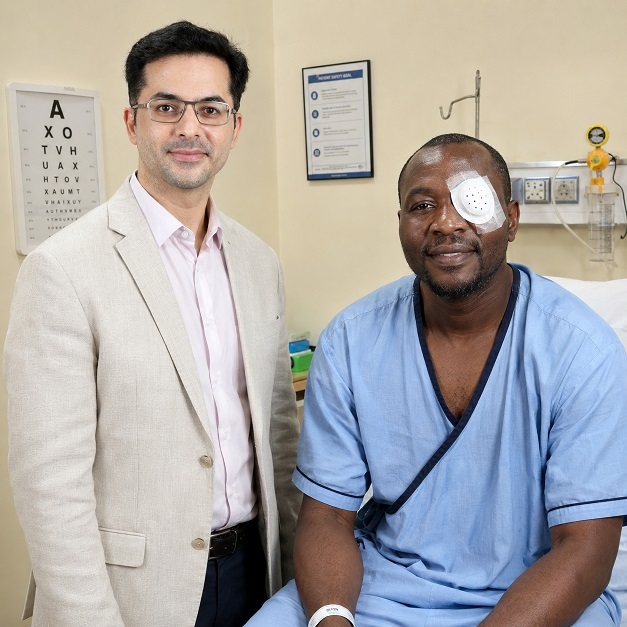
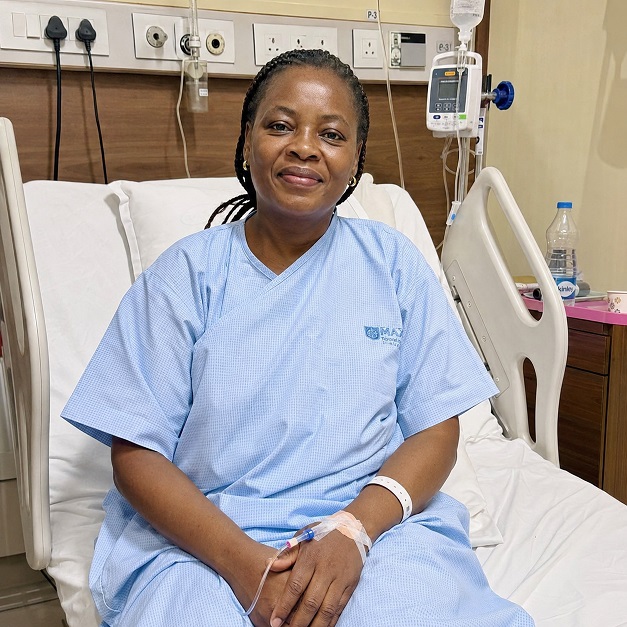
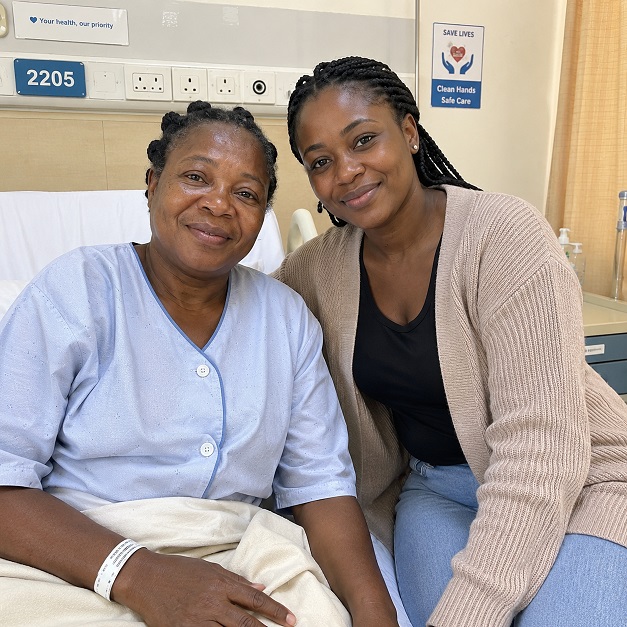
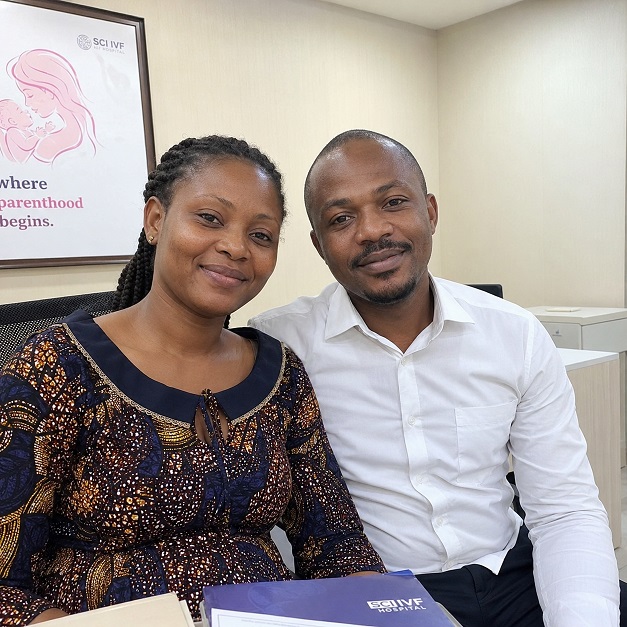
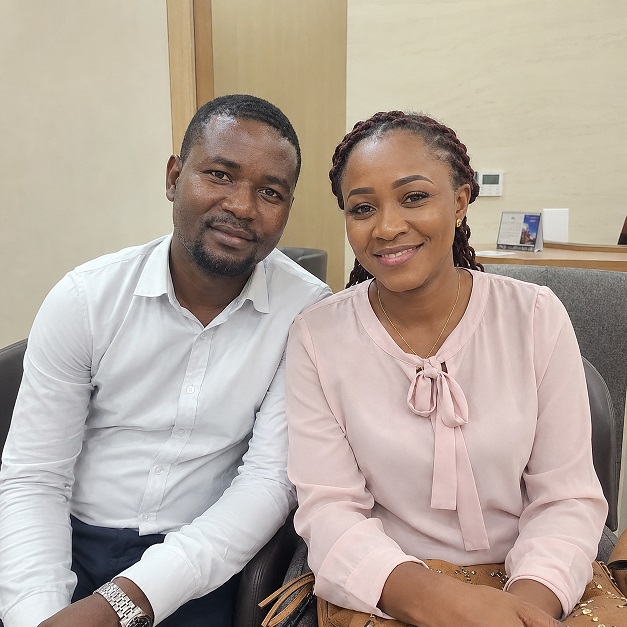
Healing Journeys of Congolese Patients
Key Takeaways
- The guide explains that the DRC and wider Sub-Saharan Africa are experiencing a double burden of malnutrition, where rising adult overweight and obesity coexist with persistent childhood undernutrition. Rapid urbanisation and changes towards cheaper, processed foods are identified as important factors behind the changing obesity pattern.
- The guide stresses that bariatric surgery is a medical intervention, not a cosmetic procedure. For patients with severe obesity, particularly when conditions such as type 2 diabetes, hypertension or joint disease are involved, surgery can provide meaningful health benefits. However, access to trained bariatric surgeons and dedicated facilities remains limited across the region.
- The page 3 cost chart shows indicative bariatric surgery ranges of US$3,000–7,000 in India, compared with US$10,000–18,000 in France/Belgium, US$12,000–20,000 in the UK and US$15,000–25,000 in the US. The guide emphasises that the final price depends on the specific procedure, with sleeve gastrectomy and gastric bypass carrying different costs and long-term nutritional requirements.
- For Congolese patients, the guide recommends providing actual weight history, BMI and related conditions such as diabetes or hypertension before treatment is planned. Patients should ask which procedure is recommended and why, understand the pre-operative evaluation required and discuss the long-term nutritional monitoring needed after surgery.
- The guide recommends obtaining a written, itemised quotation and confirming exactly which bariatric procedure is included. Patients should maintain a 15–20% financial buffer, begin the paper medical and attendant visa process early, ensure their yellow-fever certificate is current and plan their travel around the required treatment and recovery period.
- The guide highlights four warning signs: no genuine pre-operative evaluation, no clear explanation of the recommended procedure, no discussion of long-term nutritional monitoring and pressure to pay the full balance before receiving a complete written treatment plan.
Quick Facts
- Author
- Dr. Dheeraj Bojwani
- Experience
- 24+ Years
- Treatment
- Bariatric Surgery
- Patients
- Congolese Patients
- Key Assessment
- BMI, weight history and related conditions
- Common Procedures
- Sleeve Gastrectomy and Gastric Bypass
- First Step
- Proper pre-operative evaluation
- Procedure Check
- Confirm which surgery is recommended and why
- Long-Term Care
- Nutritional monitoring after surgery
- Cost in India
- US$3,000–7,000 indicative range
- Cost Check
- Written, itemised quotation
- Financial Buffer
- 15–20%
- Medical Records
- Weight history, BMI and related medical conditions
- Visa
- Paper medical and attendant visa
- Entry Requirement
- Current yellow-fever certificate
- Follow-Up
- Long-term nutritional monitoring
- Key Warning
- Avoid treatment without proper eligibility and pre-operative assessment
- Decision Principle
- Choose a treatment plan matched to the patient's medical profile, not simply the lowest-cost procedure.
In Brief
For Congolese patients considering bariatric surgery in India, the guide recommends focusing on proper eligibility assessment, procedure selection, transparent costs and long-term nutritional follow-up. Patients should provide their BMI and related health information, understand why a particular procedure is recommended and confirm the complete treatment plan before travelling.
A Double Burden, Rising and Persisting Together
Public health researchers describe Sub-Saharan Africa as facing a genuine "double burden of malnutrition": some of the world's highest rates of childhood stunting and wasting continue alongside sharply rising rates of adult overweight and obesity, particularly among urban women.
This shift is closely tied to rapid urbanisation and a genuine transformation in what people eat. As commercial food production has expanded and subsistence farming has declined across the region, traditional diets have increasingly given way to cheaper, more processed alternatives, a pattern researchers have linked directly to rising obesity even in populations that, a generation ago, faced the opposite problem.
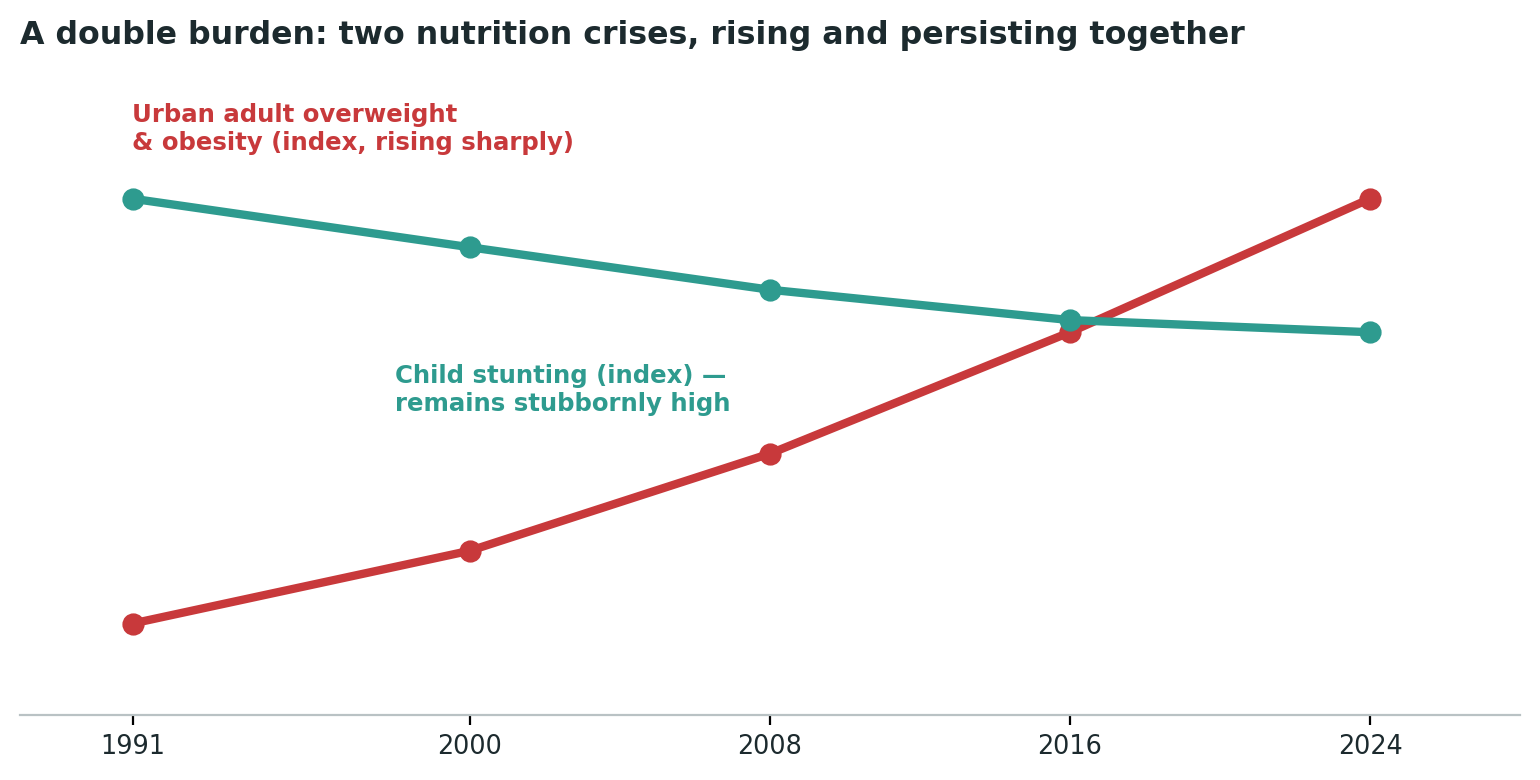
This is not two separate, unrelated problems. Researchers studying this pattern have found that the same economic and food-system pressures, cheap, calorie-dense, but nutrient-poor food replacing traditional diets, alongside genuine food insecurity, can drive both undernutrition and overnutrition simultaneously, even within a single household.
Sometimes the Same Household, Different Directions
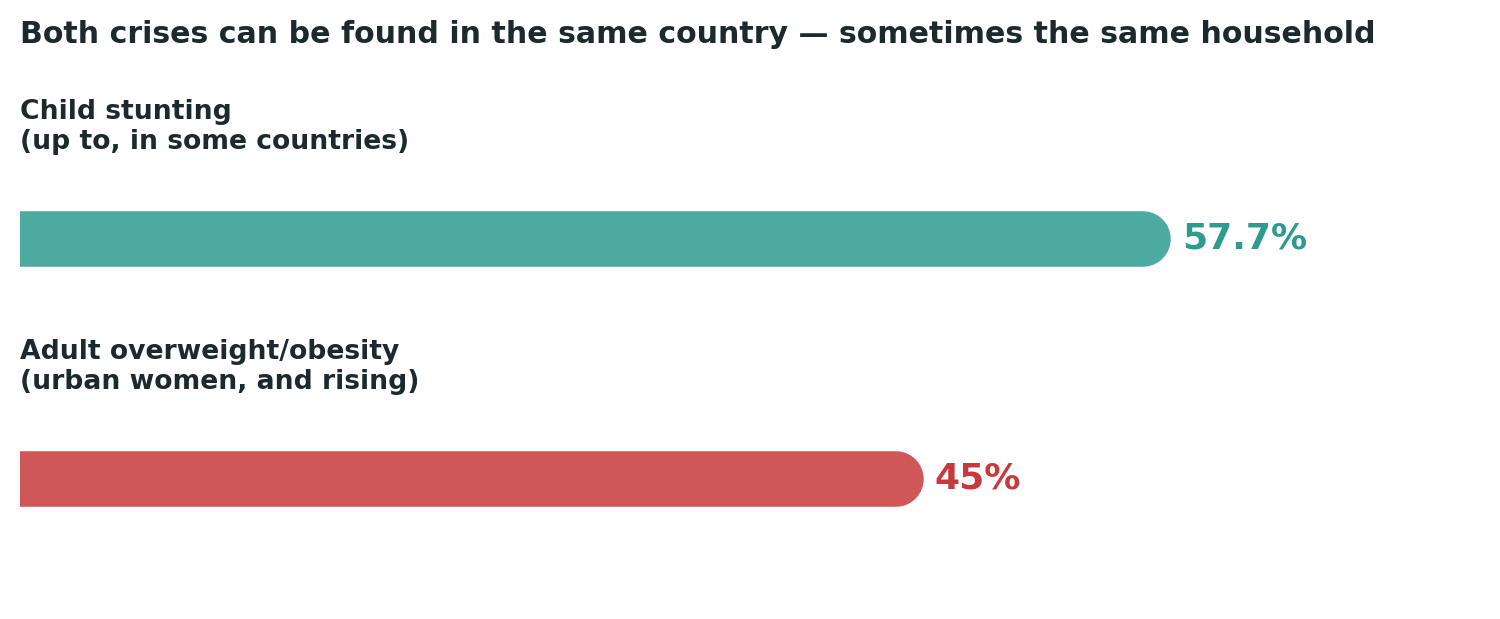
Multiple studies across the region have documented "double burden households," where an overweight or obese mother and a stunted or underweight child live under the same roof. Both conditions can be found at genuinely high levels within the same country.
Current clinical guidelines, researchers have noted, often remain built around a single-condition model, focused on obesity alone or undernutrition alone, without accounting for a household or even an individual who genuinely experiences both. This gap in how care is designed is itself part of why treatment for either condition can be harder to access well in this specific context.
The one fact worth remembering
Bariatric surgery is not a cosmetic procedure. For patients with severe obesity, particularly where it has caused or worsened conditions like type 2 diabetes, high blood pressure, or joint disease, it is a genuine medical intervention shown to meaningfully improve health and, in many cases, extend life. Its relevance to this region is rising, not shrinking.
A Scarcity of Access, Not of Need
A systematic review of bariatric surgery outcomes across Sub-Saharan Africa found so few published studies that researchers could barely construct a genuine regional picture, a scarcity of facilities and trained surgeons directly limiting patients' access to treatment, not a lack of patients who would benefit from it.

What Bariatric Surgery Costs: DRC Reality vs India vs the West
Cost depends on the specific procedure, with sleeve gastrectomy typically costing less than gastric bypass, but the relative gap between India and Western options holds fairly consistently.
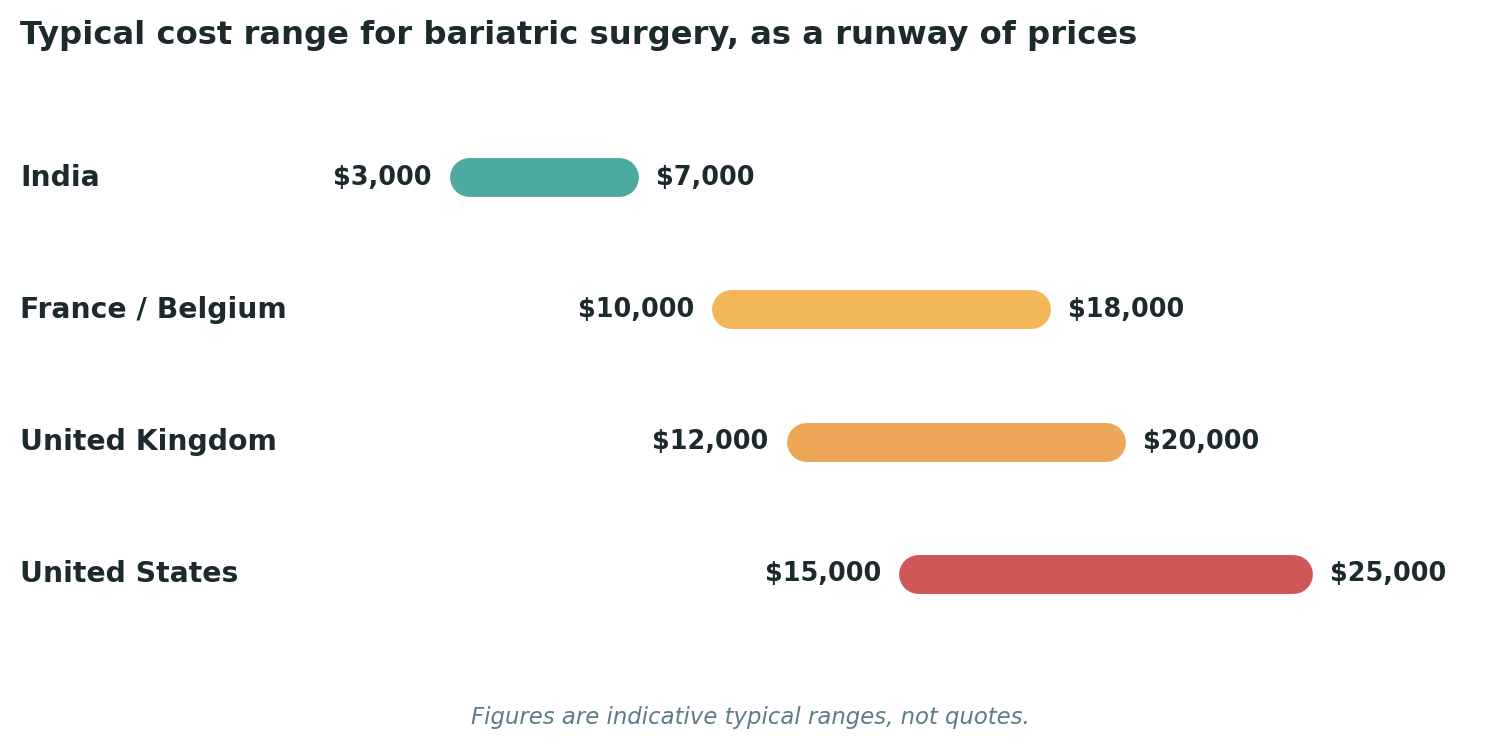
In India, bariatric surgery typically costs US$3,000 to US$7,000, depending on the procedure. In France or Belgium, costs typically run US$10,000 to US$18,000. In the UK, costs range roughly US$12,000 to US$20,000. In the US, the same procedure commonly costs US$15,000 to US$25,000. India's typical price sits at roughly a quarter of the uninsured US figure.
What the number on the quote does not always show
A written estimate should specify exactly which procedure is being quoted, since sleeve gastrectomy, gastric bypass, and other options carry meaningfully different prices and long-term nutritional monitoring needs. In 24 years of reviewing these quotes, I have found disputes almost never concern the headline figure — they concern what it silently left out. Get every line item in writing, and never pay the full balance before surgery.
What a Congolese Patient Should Weigh, Specifically
- Send your actual weight history, BMI, and any related conditions, such as diabetes or hypertension, not just a general description, since eligibility depends on this detail.
- Ask directly which procedure is being recommended for your case, and why, since different procedures suit different patient profiles.
- Understand the long-term nutritional monitoring required after surgery, since some procedures carry a genuine risk of nutrient deficiencies without ongoing follow-up.
- Ask about pre-operative evaluation requirements, since a proper assessment typically involves more than a single consultation.
- Budget in US dollars, with margin. The Congolese franc has weakened considerably against the dollar (roughly CDF 2,300–2,350 per US$1 in mid-2026, and it moves); build in a 15–20% buffer above the initial estimate.
- Start the visa process early. DRC passport holders need a paper medical visa through the Embassy of India in Kinshasa (Avenue Batetela, Gombe), typically around two weeks once the hospital's invitation letter is ready.
- Confirm your yellow fever certificate is current — mandatory for entry into India, at least 10 days before travel.
Four signals that should make you pause
- No genuine pre-operative evaluation of BMI, related conditions, or eligibility before a plan is proposed.
- No clear explanation of which specific procedure suits your case and why.
- No discussion of long-term nutritional monitoring after surgery.
- Pressure to pay the full balance before a written, complete treatment plan exists.
Why India Specifically for Bariatric Surgery for Congolese Patients?
India performs a very high volume of bariatric procedures, with dedicated multidisciplinary teams including surgeons, dietitians, and endocrinologists working together on both the surgery and the long-term nutritional support that follows it. Combined with English-language consultation throughout and hospital accreditation (NABH domestically, JCI internationally) that mirrors the standards used to evaluate hospitals in the US and Europe, India offers a realistic, affordable path to a treatment that remains genuinely scarce across the DRC's own region, despite a rising need that public health data makes increasingly clear.
A closing word
Severe obesity in a Congolese patient reflects a genuine, rising regional pattern, one that coexists uncomfortably alongside the undernutrition the region is more commonly associated with. What matters most is a proper pre-operative evaluation, a treatment plan matched to your specific case, and a realistic understanding of the long-term follow-up bariatric surgery requires. If you are able to share your weight history and related health conditions, I am glad to give a direct, honest view on what your case would involve.
Sources
- 🌐 National Medical Commission of India — verify any surgeon's registration · nmc.org.in
- 🌐 National Accreditation Board for Hospitals & Healthcare Providers (NABH) · nabh.co
- 🌐 Embassy of India, Kinshasa — medical visa requirements · eoikinshasa.gov.in
- 🌐 "Bariatric Procedures in Sub-Saharan Africa: A Systematic Review," Obesity Surgery · link.springer.com
- 🌐 "Malnutrition and double burden of disease: the African dilemma of non-communicable disease" · frontiersin.org
- 🌐 World Health Organization — yellow fever vaccination requirements · who.int/health-topics/yellow-fever
Frequently Asked Questions by Congolese Patients about Bariatric Surgery in India
Is bariatric surgery a cosmetic procedure?
No. The guide describes it as a genuine medical intervention for severe obesity, particularly when obesity contributes to conditions such as diabetes, hypertension or joint disease.
What does bariatric surgery cost in India?
The guide gives an indicative range of US$3,000–7,000, depending on the specific procedure and treatment requirements.
Which bariatric procedures are discussed?
The guide specifically mentions sleeve gastrectomy and gastric bypass, noting that they differ in cost and long-term nutritional monitoring requirements.
What information should patients provide before treatment?
Patients should provide their weight history, BMI and related conditions, such as diabetes or hypertension, so eligibility and treatment options can be properly assessed.
How should patients choose between procedures?
Patients should ask which procedure is recommended for their individual case and why, rather than selecting a procedure based only on price.
Why is nutritional follow-up important?
Some bariatric procedures can create a genuine risk of nutrient deficiencies, making long-term nutritional monitoring an important part of care.
What should the quotation include?
The quotation should clearly identify the specific procedure and all major treatment costs. Patients should obtain every important cost item in writing before paying a deposit.
How much financial buffer is recommended?
The guide recommends keeping a 15–20% buffer above the initial estimate to allow for possible changes in treatment or expenses.
What should Congolese patients arrange before travelling?
They should begin the paper medical and attendant visa process, ensure their yellow-fever certificate is current and organise travel around the treatment and recovery period.
What are the main warning signs?
Patients should be cautious if there is no proper pre-operative evaluation, no explanation of the recommended procedure, no discussion of nutritional follow-up or pressure to pay the full balance before receiving a complete written treatment plan.
Page Summary
This five-page guide explains the rising relevance of bariatric surgery for Congolese patients, the double burden of malnutrition in the region, indicative treatment costs and the key checks required before travelling to India. The page 3 chart compares bariatric surgery costs across India and Western destinations, while page 4 focuses on eligibility, procedure selection, nutritional monitoring, visas and warning signs.
Citation Block
| Field | Information |
|---|---|
| Topic | Bariatric Surgery in India for Congolese Patients |
| Treatment | Bariatric Surgery |
| Patients | Congolese Patients |
| Key Assessment | BMI, weight history and related conditions |
| Common Procedures | Sleeve Gastrectomy and Gastric Bypass |
| First Step | Proper pre-operative evaluation |
| Procedure Check | Confirm which procedure is recommended and why |
| Nutritional Care | Long-term nutritional monitoring |
| India Cost | US$3,000–7,000 indicative range |
| Cost Check | Written, itemised quotation |
| Medical Records | Weight history, BMI and related conditions |
| Financial Buffer | 15–20% |
| Visa | Paper medical and attendant visa |
| Yellow Fever | Current certificate |
| Follow-Up | Long-term nutritional monitoring |
| Warning Signs | No proper evaluation, unclear procedure choice, no nutritional follow-up or early full-payment pressure |
| Key Decision | Choose a medically appropriate bariatric procedure with proper pre-and post-operative support |


Our Mission Statement
Our mission is to place patients at the centre of every healthcare decision by providing trustworthy, evidence-based, and unbiased medical information. We believe that informed patients make better decisions. Backed by personalised guidance from our experienced advisory team, we help patients understand their treatment options, compare them objectively, and confidently choose the path that best suits their medical needs and personal circumstances.
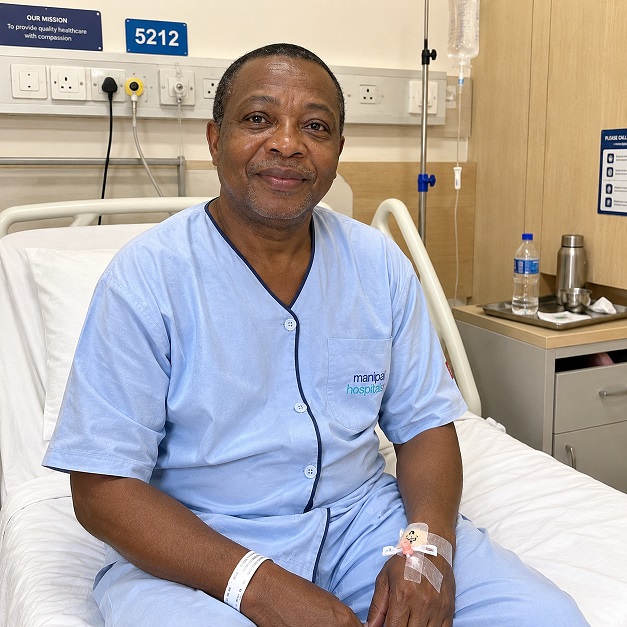
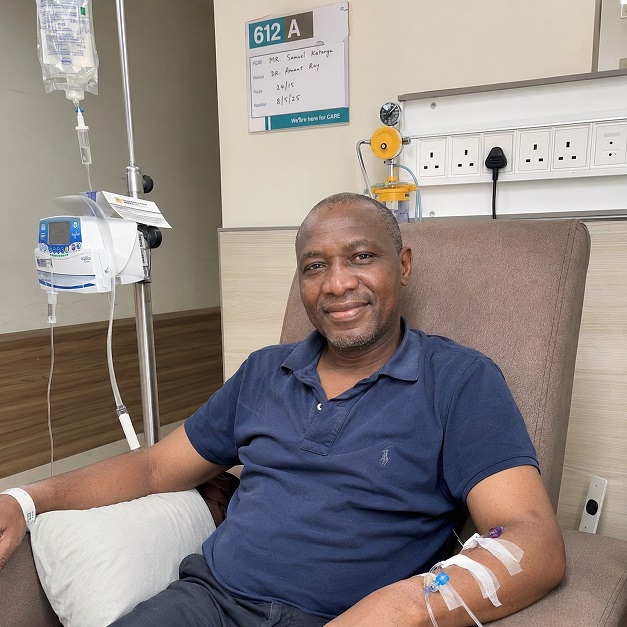
Patient Testimonials from Congo
Ready to Take the First Step?
Share your medical reports with our healthcare managers today and receive a FREE CONSULTATION, a personalized treatment plan and complete support from your arrival to your recovery.
Get Your Free ConsultationAreas We Serve
At Indian Health Guru Consultants, we proudly assist patients from Congo and neighboring countries across Central, East and Southern Africa who travel to India for advanced medical treatment. Our experienced international patient team provides end-to-end support, including medical opinions, hospital selection, Medical Visa assistance, travel planning, accommodation, interpreter services and post-treatment follow-up.
We regularly serve patients from:
- Gabon
- Cameroon
- Angola
- Uganda
- Rwanda
- Burundi
- Tanzania
- Zambia
- Djibouti
- Comoros
- Madagascar
- Seychelles
- South Sudan
- Central African Republic
- Republic of the Congo
- Democratic Republic of the Congo
No matter where you are located in the region, Indian Health Guru Consultants is committed to making your medical journey to India safe, affordable, seamless and completely patient-focused.
From Congo to India: Your Complete Patient Guide
- Brain Tumor Surgery in India for Congolese Patients
- Best Brain Tumour Surgeons & Hospitals in India for Congo Patients
- Knee Replacement in India for Congolese Patients
- Best Knee Replacement Surgeons & Hospitals in India for Congolese Patients
- Spine Surgery in India for Congolese Patients
- Best Spine Surgeons & Hospitals in India for Congolese Patients
- Liver Transplant in India for Congolese Patients: Cost & Guide
- Best Liver Transplant Centres and Hospitals in India for Congolese Patients
- Cardiac Surgery in India for Congolese Patients: Cost & Guide
- Best Cardiac Surgeons & Hospitals in India for Congolese Patients
- Bone Marrow Transplant in India for Congolese Patients: Cost & Guide
- Best Bone Marrow Transplant Centres and Hospitals in India for Congolese Patients
- Prostate Cancer Treatment in India for Congolese Patients: Cost & Guide
- Best Prostate Cancer Centres and Hospitals in India for Congolese Patients
- HIPEC in India for Congolese Patients: Cost & Treatment Guide
- Best HIPEC Centres and Hospitals in India for Congolese Patients
- Kidney Transplant in India for Congolese Patients: Cost & Guide
- Best Kidney Transplant Centres and Hospitals in India for Congolese Patients