

15 Frequently Asked Questions : Robotic Cancer Surgery in India for Congolese Patients
Robotic cancer surgery is a form of minimally invasive surgery in which a surgeon controls specialised robotic instruments to perform an operation through small incisions. The robotic system can provide magnified three-dimensional visualisation and precise instrument movement during selected procedures. Robotic surgery may be considered for certain cancers of the prostate, kidney, uterus, cervix, colon and rectum, stomach, oesophagus, lung, liver and other organs. However, robotic surgery is not suitable for every cancer. The choice depends on the cancer type, stage, tumour location, previous treatment, patient's general health and the surgeon's assessment. For patients travelling from Congo, a complete review of pathology, imaging and previous treatment records can help determine whether robotic surgery is appropriate and whether another surgical or non-surgical approach would be more suitable.
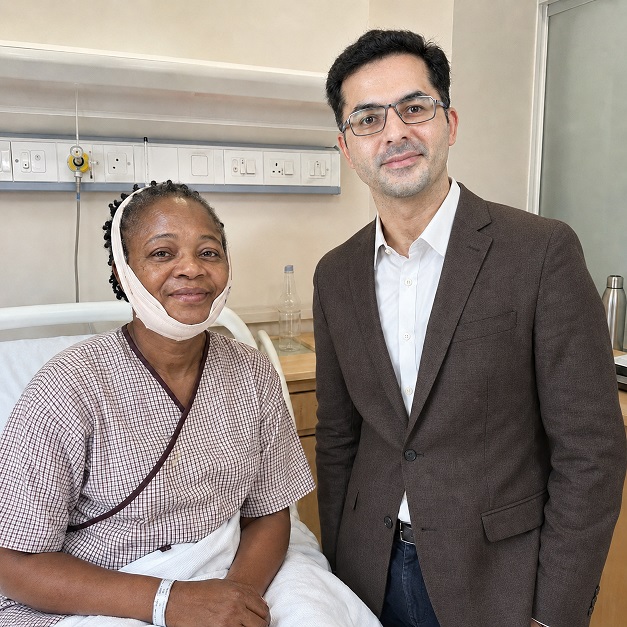
Healing Journeys of Congolese Patients
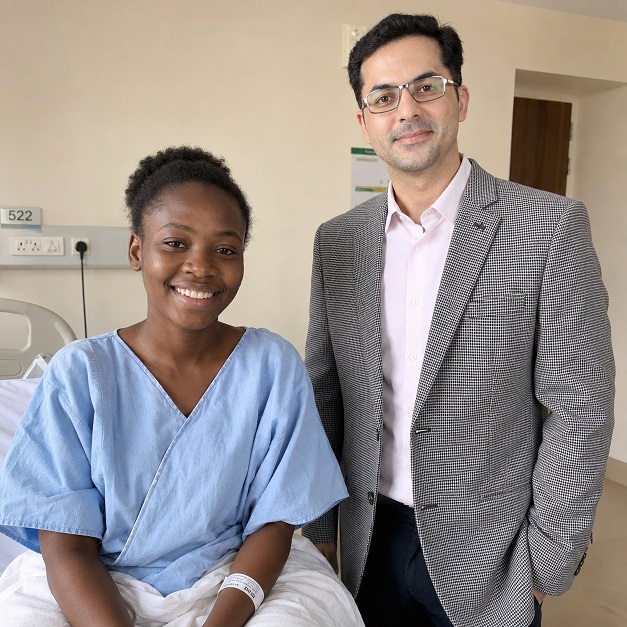
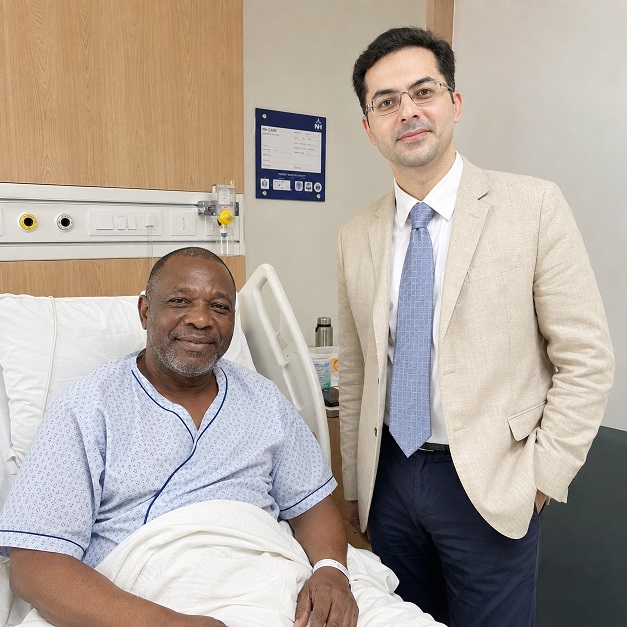
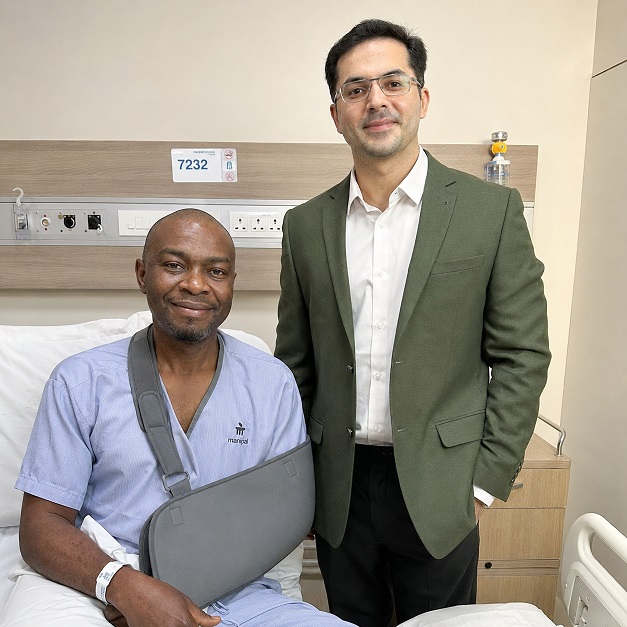
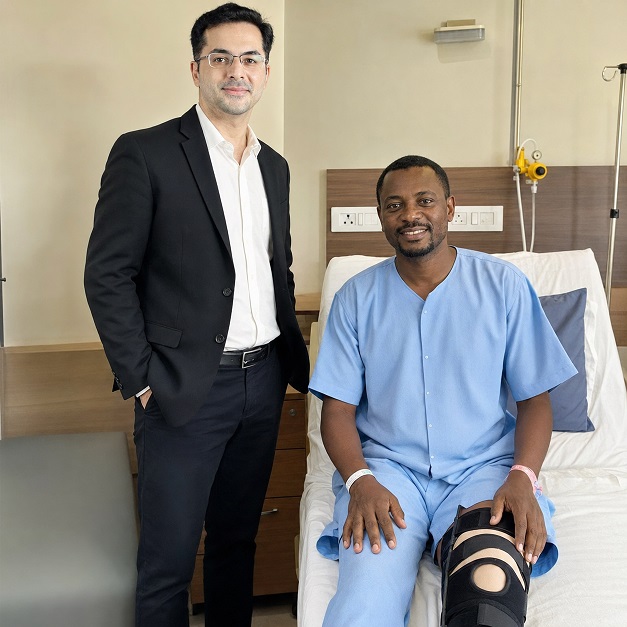
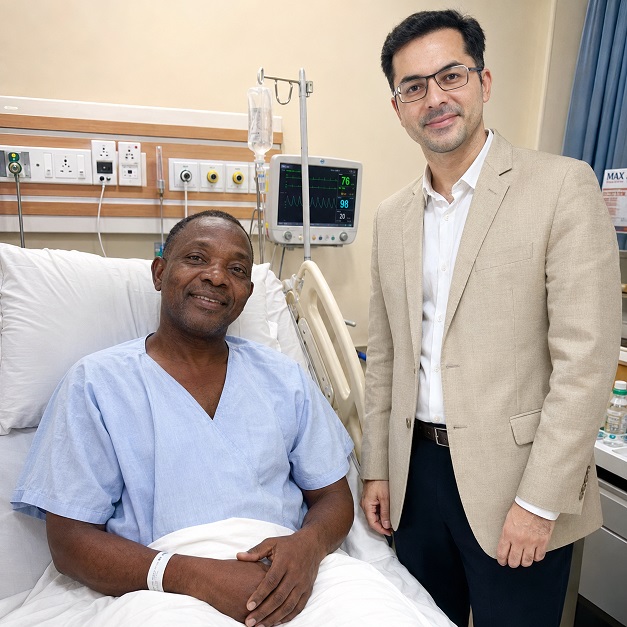
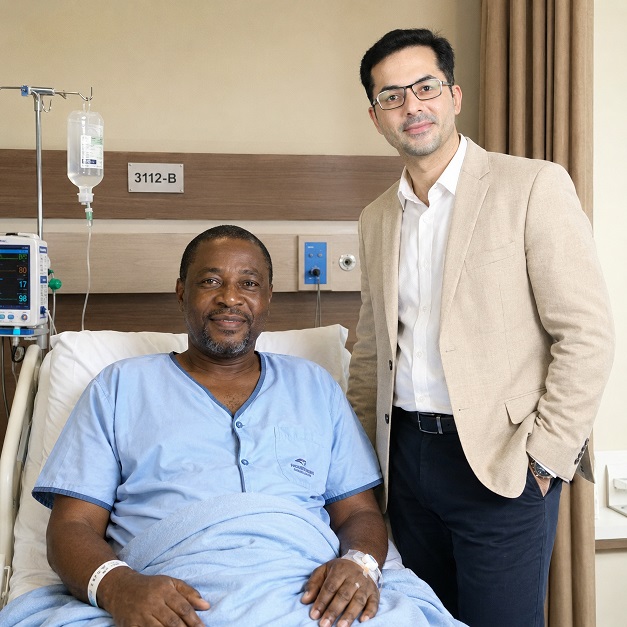
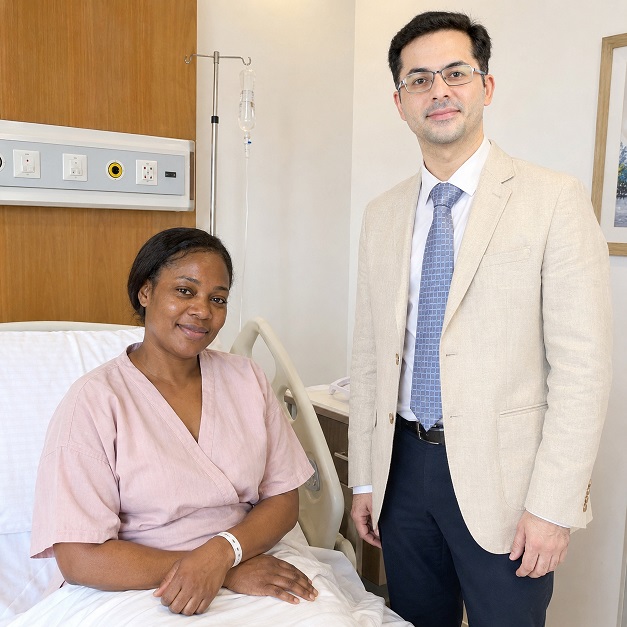
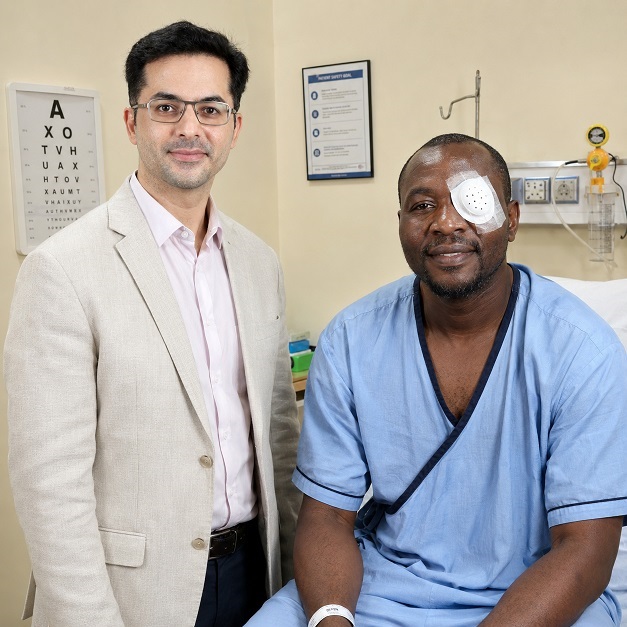
Q1 · What Is Robotic Cancer Surgery and When May a Congo Patient Need It?
Robotic cancer surgery is a minimally invasive surgical approach in which the surgeon controls robotic instruments from a console.
The system may provide
- Magnified three-dimensional visualisation
- Precise instrument movement
- Articulated surgical instruments
- Fine control in confined anatomical spaces
- Tremor filtration
- Improved visualisation of selected surgical areas
Robotic surgery may be considered for selected cancers such as
- Prostate cancer
- Kidney cancer
- Colorectal cancer
- Rectal cancer
- Endometrial cancer
- Cervical cancer
- Selected ovarian cancers
- Gastric cancer
- Oesophageal cancer
- Lung cancer
- Selected liver cancers
- Head and neck cancers
- Other appropriately selected tumours
The availability and suitability of robotic surgery depend on the hospital, surgeon and cancer type.
Q2 · What Is the Cost of Robotic Cancer Surgery in India Compared with Congo?
The cost varies according to the cancer type, complexity of surgery, robotic system, hospital stay, surgeon, consumables and whether additional cancer treatment is required.
For planning: US$1 ≈ XAF 575 • US$1 ≈ INR 96
Indicative Cost Comparison
| Robotic Cancer Procedure | Congo Estimated Cost | India Estimated Cost | Potential Savings |
|---|---|---|---|
| Robotic Prostate Cancer Surgery | XAF 9,200,000–16,100,000 US$16,000–28,000 | INR 450,000–750,000 US$4,690–7,815 | Approx. 51%–71% |
| Robotic Kidney Cancer Surgery | XAF 9,775,000–17,250,000 US$17,000–30,000 | INR 500,000–850,000 US$5,210–8,855 | Approx. 48%–70% |
| Robotic Colorectal Cancer Surgery | XAF 10,350,000–18,400,000 US$18,000–32,000 | INR 550,000–950,000 US$5,730–9,895 | Approx. 45%–69% |
| Robotic Gynaecological Cancer Surgery | XAF 8,050,000–14,375,000 US$14,000–25,000 | INR 400,000–700,000 US$4,170–7,295 | Approx. 48%–71% |
| Complex Robotic Cancer Surgery | XAF 11,500,000–20,125,000 US$20,000–35,000 | INR 600,000–1,100,000 US$6,250–11,460 | Approx. 43%–69% |
| Robotic Thoracic Cancer Surgery | XAF 10,350,000–18,400,000 US$18,000–32,000 | INR 550,000–1,000,000 US$5,730–10,415 | Approx. 43%–68% |
| Advanced Multidisciplinary Robotic Cancer Surgery | XAF 14,375,000–25,875,000 US$25,000–45,000 | INR 800,000–1,500,000 US$8,335–15,625 | Approx. 38%–65% |
These are indicative planning estimates and not fixed hospital quotations.
The final cost may depend on
- Cancer type
- Cancer stage
- Tumour size
- Tumour location
- Surgical complexity
- Robotic platform
- Surgeon charges
- Anaesthesia
- Operating-room charges
- Surgical consumables
- Pathology
- ICU requirements
- Hospital stay
- Medicines
- Complications
- Need for chemotherapy or radiotherapy
Patients should request a detailed written quotation after the surgeon has reviewed their medical records.
Q3 · Which Indian Cities Can Congo Patients Consider for Robotic Cancer Surgery?
| City | Treatment Environment |
|---|---|
| Delhi | Surgical oncology, robotic surgery and multidisciplinary cancer care |
| Chennai | Cancer surgery, minimally invasive surgery and oncology services |
| Mumbai | Robotic and minimally invasive cancer surgery |
| Bengaluru | Advanced surgical oncology and robotic surgery |
| Hyderabad | Robotic cancer surgery and multidisciplinary oncology |
| Gurugram | Cancer surgery and multidisciplinary oncology |
| Noida | Oncology evaluation and surgical treatment |
| Kolkata | Surgical oncology and cancer treatment |
| Pune | Minimally invasive and cancer surgery |
| Ahmedabad | Surgical oncology and robotic/minimally invasive services |
| Kochi | Multidisciplinary cancer surgery |
| Thiruvananthapuram | Cancer surgery and oncology services |
| Goa | Cancer evaluation and surgical services |
| Nagpur | Cancer surgery and oncology treatment |
For complex robotic procedures, patients should confirm that the selected hospital has the required robotic platform, experienced surgical team, anaesthesia support, intensive-care facilities and postoperative oncology services.
Q4 · Which Hospitals in India Can Congo Patients Consider for Robotic Cancer Surgery?
Delhi Hospitals
- Fortis Escorts Heart Institute, New Delhi
- BLK-Max Super Speciality Hospital, New Delhi
- Max Super Speciality Hospital, Saket
- Indraprastha Apollo Hospitals, New Delhi
- Sir Ganga Ram Hospital
- Max Super Speciality Hospital, Patparganj
- Manipal Hospital, Dwarka
- Fortis Hospital, Vasant Kunj
- Institute of Brain and Spine Hospital (IBS Hospital)
- Dharamshila Narayana Hospital
- Indian Spinal Injuries Centre
- AIIMS New Delhi
Chennai Hospitals
- MGM Healthcare
- MIOT International
- Apollo Hospitals, Greams Road
- Sri Ramachandra Medical Centre
- SIMS Hospital
- Kauvery Hospital
- Gleneagles HealthCity Chennai
- Vijaya Hospital
- Apollo Speciality Hospitals
- Rela Hospital
Mumbai Hospitals
- Bombay Hospital & Medical Research Centre
- Lilavati Hospital & Research Centre
- Jaslok Hospital & Research Centre
- Gleneagles Hospital, Mumbai
- Nanavati Max Super Speciality Hospital
- Kokilaben Dhirubhai Ambani Hospital
- P. D. Hinduja Hospital & Medical Research Centre
- Sir H. N. Reliance Foundation Hospital
- Wockhardt Hospitals, Mumbai
- Apollo Hospitals, Mumbai
Bengaluru Hospitals
- Manipal Hospital, Old Airport Road
- Manipal Hospital, Whitefield
- Manipal Hospital, Yeshwanthpur
- Apollo Hospitals, Bengaluru
- Fortis Hospital, Bannerghatta Road
- Aster CMI Hospital
- Sakra World Hospital
- Narayana Health City
- Sagar Hospitals
- Kauvery Hospital, Bengaluru
Hyderabad Hospitals
- KIMS Hospitals
- Yashoda Hospitals
- Apollo Health City
- CARE Hospitals
- Continental Hospitals
- Gleneagles Hospitals, Hyderabad
- Sunshine Hospitals
- Star Hospitals
Gurugram Hospitals
- Fortis Memorial Research Institute (FMRI)
- Medanta – The Medicity
- Artemis Hospital
- Max Hospital, Gurugram
- CK Birla Hospital, Gurugram
- Manipal Hospital, Gurugram
- Paras Health
- Narayana Superspeciality Hospital
Noida Hospitals
- Fortis Hospital, Noida
- Jaypee Hospital
- Max Super Speciality Hospital, Noida
- Yatharth Hospital
- Kailash Hospital
- Metro Hospital & Heart Institute
- Metro Center for Neurosciences
Kolkata Hospitals
- Apollo Multispeciality Hospitals
- AMRI Hospitals
- Fortis Hospital, Anandapur
- Manipal Hospitals, Salt Lake
- Medica Superspecialty Hospital
- Narayana Superspeciality Hospital
- Ruby General Hospital
Pune Hospitals
- Ruby Hall Clinic
- Jehangir Hospital
- Deenanath Mangeshkar Hospital
- Sahyadri Super Speciality Hospital
- Aditya Birla Memorial Hospital
- Manipal Hospital, Kharadi
- Medicover Hospital, Pune
Ahmedabad Hospitals
- Apollo Hospitals, Ahmedabad
- Zydus Hospitals
- Sterling Hospitals
- Shalby Hospitals
- HCG Hospitals
- SAL Hospital
- CIMS Hospital
Kochi Hospitals
- Aster Medcity
- Amrita Hospital
- VPS Lakeshore Hospital
- Rajagiri Hospital
- Aster MIMS
- Lisie Hospital
- Renai Medicity
Thiruvananthapuram Hospitals
- KIMSHEALTH Hospital
- Ananthapuri Hospitals and Research Institute
- SUT Hospital
- SP Medifort Hospital
- PRS Hospital
- GG Hospital
Goa Hospitals
- Manipal Hospital, Goa
- Healthway Hospital
- Manipal Hospitals, Dona Paula
- Goa Medical College and Hospital
- Apollo Victor Hospital
Nagpur Hospitals
- Wockhardt Hospitals, Nagpur
- Alexis Multispeciality Hospital
- CARE Hospitals, Nagpur
- Kingsway Hospitals
- Lata Mangeshkar Hospital
Important: Not every hospital listed above necessarily provides robotic surgery for every type of cancer. Patients should specifically confirm the availability of the required robotic system, surgical oncologist, procedure and multidisciplinary cancer team before travelling.
Q5 · What Types of Robotic Cancer Surgery Are Available in India?
Robotic Prostate Cancer Surgery
Robotic-assisted prostatectomy may be used for selected patients with localised or appropriately selected prostate cancer.
Robotic Kidney Cancer Surgery
Selected kidney tumours may be treated through robotic partial or radical nephrectomy.
Robotic Colorectal Surgery
Robotic surgery may be used for selected colon and rectal cancers.
Robotic Gynaecological Cancer Surgery
Selected endometrial and cervical cancer procedures may be performed using robotic techniques.
Robotic Gastric Surgery
Selected stomach cancers may be treated with minimally invasive or robotic procedures.
Robotic Thoracic Cancer Surgery
Selected lung and mediastinal procedures can be performed using robotic thoracic techniques in appropriate patients.
Robotic Head and Neck Surgery
Selected tumours in the throat and other head-and-neck areas may be treated using transoral robotic approaches.
Robotic Hepatobiliary Surgery
Selected liver, gallbladder and other hepatobiliary tumours may be considered for minimally invasive or robotic surgery in appropriately selected patients.
Robotic Complex Cancer Surgery
Some patients may undergo more complex robotic procedures involving multiple structures or specialised reconstruction.
The availability of each procedure depends on the hospital, surgeon and cancer diagnosis.
Q6 · When Is Robotic Cancer Surgery Recommended?
Robotic surgery may be considered when
- The tumour is surgically removable
- Minimally invasive surgery is appropriate
- The tumour's location is suitable for robotic access
- Precise dissection is useful
- The surgical team has appropriate robotic expertise
- The patient's general condition allows surgery
- The expected benefits justify the approach
Robotic surgery may be particularly useful in anatomically confined areas where precise instrument movement can assist the surgeon. However, robotic surgery is not automatically suitable simply because a robotic system is available. Open surgery or conventional laparoscopy may be more appropriate in some cases, especially for very large tumours, extensive disease or situations requiring a different surgical approach.
Q7 · What Are the Potential Advantages and Limitations of Robotic Cancer Surgery?
Potential Advantages
Depending on the procedure, robotic surgery may offer
- Smaller surgical incisions
- Magnified three-dimensional visualisation
- Precise instrument movement
- Better access to difficult anatomical spaces
- Potentially less blood loss in selected procedures
- Potentially less postoperative pain
- Earlier mobilisation
- Shorter hospital stay in some procedures
- Faster return to normal activities in selected patients
Limitations
Robotic surgery also has limitations
- Higher equipment and procedure costs
- Longer operating time in some cases
- Availability varies between hospitals
- Not every cancer is suitable
- Surgeon experience is important
- Open conversion may occasionally be necessary
- Robotic technology does not eliminate normal surgical risks
The main objective remains safe and effective cancer treatment. The surgical approach should therefore be selected according to the patient's individual condition.
Q8 · What Medical Reports Should Congo Patients Send Before Travelling for Robotic Cancer Surgery?
Patients should provide complete cancer records.
Important documents include
- Biopsy report
- Histopathology report
- Immunohistochemistry report
- Molecular/genetic testing where available
- CT scans
- MRI
- PET-CT where applicable
- Ultrasound reports
- Endoscopy reports where applicable
- Colonoscopy reports where applicable
- Previous surgery reports
- Previous chemotherapy records
- Previous radiotherapy records
- Blood investigations
- Cardiac evaluation where relevant
- Current medication list
Patients should also provide
- Age
- Current symptoms
- Cancer diagnosis
- Cancer stage
- Tumour location
- Previous treatment
- Previous operations
- Current treatment
- Other major medical conditions
The surgeon may request additional imaging or investigations before confirming the robotic procedure.
Q9 · What Is the Typical Process for Robotic Cancer Surgery in India?
Step 1: Medical Record Review
The patient's pathology and imaging are reviewed.
Step 2: Surgical Oncology Consultation
The surgeon assesses the cancer and determines whether surgery is appropriate.
Step 3: Cancer Staging
The stage and extent of disease are confirmed.
Step 4: Multidisciplinary Review
Where required, the case may be discussed with medical oncology, radiation oncology, radiology and pathology specialists.
Step 5: Surgical Approach Selection
The team determines whether robotic, laparoscopic or open surgery is most appropriate.
Step 6: Pre-Operative Assessment
Blood tests, anaesthesia assessment, cardiac evaluation and other investigations may be performed.
Step 7: Robotic Surgery
The surgeon performs the planned operation using the robotic system.
Step 8: Pathology Examination
The removed tumour and surrounding tissue are examined by pathology.
Step 9: Postoperative Monitoring
The patient receives pain management, nutrition, wound care and monitoring.
Step 10: Further Cancer Treatment
Depending on the final pathology and stage, chemotherapy, radiotherapy, targeted therapy or immunotherapy may be recommended.
Step 11: Discharge and Follow-Up
The patient receives a treatment summary and follow-up schedule.
Q10 · Are There Alternatives to Robotic Cancer Surgery?
Yes.
Depending on the cancer, alternatives may include
- Open surgery
- Conventional laparoscopic surgery
- Endoscopic procedures
- Ablation
- Interventional oncology
- Radiotherapy
- Chemotherapy
- Immunotherapy
- Targeted therapy
- Hormone therapy
- Active surveillance for selected cancers
The choice depends on
- Cancer type
- Stage
- Tumour size
- Tumour location
- Involvement of nearby structures
- Previous treatment
- Patient's general health
- Surgical expertise available
Robotic surgery should therefore be viewed as one surgical approach rather than a mandatory treatment.
Q11 · What Should Congo Patients Ask Before Accepting a Robotic Cancer Surgery Quotation?
Before confirming surgery, patients should ask
- What is the exact cancer diagnosis?
- What is the cancer stage?
- Is surgery the recommended treatment?
- Why is robotic surgery being recommended?
- Would laparoscopic or open surgery also be appropriate?
- What type of robotic operation is planned?
- What organs or structures will be removed or repaired?
- Is lymph-node removal required?
- Are robotic consumables included?
- Are surgeon and anaesthesia charges included?
- Is pathology included?
- How many hospital days are expected?
- What complications could increase the cost?
- Will chemotherapy or radiotherapy be required after surgery?
- What follow-up will be required after returning to Congo?
Patients should request a written quotation that clearly separates surgery, hospitalisation, investigations, pathology and any additional cancer treatment.
Q12 · How Long Should Congo Patients Stay in India for Robotic Cancer Surgery?
The stay depends on the cancer type, procedure and recovery.
For planning purposes
- Initial consultation and investigations: approximately 3–7 days
- Robotic surgery: approximately 3–10 hospital days in uncomplicated cases
- Major or complex robotic surgery: approximately 7–14 or more days
- Complicated cases: potentially longer
- Additional chemotherapy or radiotherapy: may require a longer stay or a separate treatment visit
The patient should not arrange a fixed return date until the surgeon confirms medical fitness for travel. For major cancer operations, additional time in India after discharge may be advisable for an early postoperative review.
Q13 · What Is Recovery Like After Robotic Cancer Surgery?
Recovery depends on the operation and the patient's overall health.
Possible postoperative care includes
- Pain management
- Wound care
- Drain management where applicable
- Nutritional support
- Early mobilisation
- Physiotherapy
- Blood-test monitoring
- Pathology review
- Gradual return to normal activity
Potential benefits of minimally invasive surgery may include smaller incisions and earlier recovery in selected procedures, although individual outcomes vary.
Patients may experience
- Temporary fatigue
- Abdominal or surgical-site discomfort
- Reduced appetite
- Changes in bowel or urinary function depending on the operation
- Temporary activity restrictions
The surgeon should provide specific instructions regarding
- Wound care
- Bathing
- Physical activity
- Diet
- Medication
- Driving
- Work
- Sexual activity where relevant
- Follow-up
Q14 · How Can Congo Patients Continue Cancer Follow-up After Returning Home?
Before leaving India, patients should collect
- Final diagnosis
- Operation report
- Final histopathology report
- Immunohistochemistry results
- Molecular testing results where relevant
- Imaging reports
- Imaging copies
- Chemotherapy summary where applicable
- Radiotherapy summary where applicable
- Latest blood tests
- Medication list
- Follow-up schedule
Follow-up may include
- Clinical examination
- Blood tests
- CT
- MRI
- PET-CT
- Ultrasound
- Tumour markers where clinically appropriate
- Assessment of surgical recovery
- Monitoring for recurrence
Patients should coordinate continued cancer care with an oncology team in Congo where possible.
Prompt medical assessment is appropriate if the patient develops
- Fever
- Increasing wound redness or discharge
- Significant bleeding
- Severe abdominal or chest pain
- Persistent vomiting
- Breathing difficulty
- New neurological symptoms
- Sudden deterioration
Q15 · Is India an Option for Congo Patients Seeking Robotic Cancer Surgery?
India can be considered by Congo patients seeking evaluation and selected minimally invasive or robotic cancer surgery. However, robotic surgery should not be selected based on technology alone. The important factors include the cancer diagnosis, stage, tumour location, surgical objective, surgeon experience, available alternatives and the patient's overall health.
Before travelling, patients should compare
- Exact cancer diagnosis
- Cancer stage
- Pathology
- Molecular findings where relevant
- Recommended surgical procedure
- Robotic versus laparoscopic versus open approach
- Surgeon experience with the specific procedure
- Hospital facilities
- Expected hospital stay
- Total treatment cost
- Need for chemotherapy or radiotherapy
- Follow-up arrangements in Congo
A surgical oncology second opinion based on complete pathology and imaging can help the patient understand whether robotic surgery is appropriate before international travel.
Final Pre-Travel Checklist for Congo Patients
Medical Documents
- Passport copy
- Biopsy report
- Histopathology report
- Immunohistochemistry report
- Molecular/genetic testing reports, if available
- CT scans
- MRI scans
- PET-CT where applicable
- Endoscopy/colonoscopy reports where applicable
- Previous surgery reports
- Previous chemotherapy records
- Previous radiotherapy records
- Blood investigations
- Current medication list
Treatment Planning
- Indian surgical oncology opinion
- Confirmed cancer diagnosis
- Confirmed cancer stage
- Pathology reviewed
- Molecular testing reviewed where relevant
- Robotic surgery indication confirmed
- Robotic versus laparoscopic option discussed
- Open surgery option discussed
- Planned procedure confirmed
- Expected hospital stay confirmed
- Possible additional treatment discussed
- Follow-up plan prepared
Cost Planning
- Written robotic surgery quotation
- Robotic consumables confirmed
- Surgeon charges confirmed
- Anaesthesia charges confirmed
- Operating-room charges confirmed
- Hospital-room charges confirmed
- ICU charges clarified
- Pathology charges clarified
- Imaging and investigation costs clarified
- Additional-stay charges understood
- Possible chemotherapy/radiotherapy costs discussed
Travel Planning
- Passport validity checked
- Appropriate medical visa arranged
- Medical records organised
- Pathology slides/blocks arranged where required
- Imaging files prepared
- Flight arrangements
- Accommodation
- Airport transfer
- Companion arrangements
- Additional recovery budget planned
Before Returning to Congo
- Final diagnosis collected
- Operation report collected
- Final pathology collected
- Molecular/pathology results collected
- Latest imaging collected
- Medication list collected
- Wound-care instructions understood
- Activity restrictions understood
- Follow-up schedule confirmed
- Recommended investigations understood
- Local oncology follow-up arranged
- Warning signs explained
Final Note
Robotic cancer surgery is one of several surgical approaches available for selected cancer patients. Its suitability depends on the tumour, stage, location, surgical objective and the patient's overall condition. For Congo patients considering robotic cancer surgery in India, the recommended first step is to provide complete pathology, imaging and previous treatment records for specialist review. The surgical team can then determine whether robotic, laparoscopic or open surgery is most appropriate. Patients should obtain a detailed treatment plan and written quotation before travelling and should establish how postoperative cancer follow-up will be managed after returning to Congo. The final decision regarding the surgical approach, timing and combination with chemotherapy, radiotherapy or other cancer treatments should always be made by the treating multidisciplinary oncology team after individual assessment.
Page Summary
This guide answers 15 frequently asked questions about robotic cancer surgery in India for Congolese patients. It sets out indicative cost ranges in XAF, USD and INR for procedures such as robotic prostate cancer surgery, robotic kidney cancer surgery, robotic colorectal cancer surgery and robotic gynaecological cancer surgery, and lists 14 Indian cities and 109 hospitals to research. It also covers treatment options, the medical reports to send before travel, the treatment process, alternatives, quotation questions, expected stay in India, recovery, follow-up care and a pre-travel checklist for patients from Congo.


Our Mission Statement
Our mission is to place patients at the centre of every healthcare decision by providing trustworthy, evidence-based, and unbiased medical information. We believe that informed patients make better decisions. Backed by personalised guidance from our experienced advisory team, we help patients understand their treatment options, compare them objectively, and confidently choose the path that best suits their medical needs and personal circumstances.
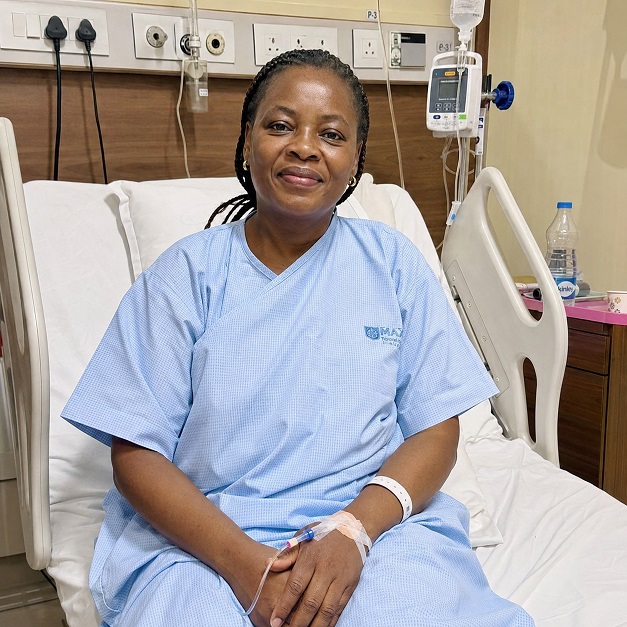
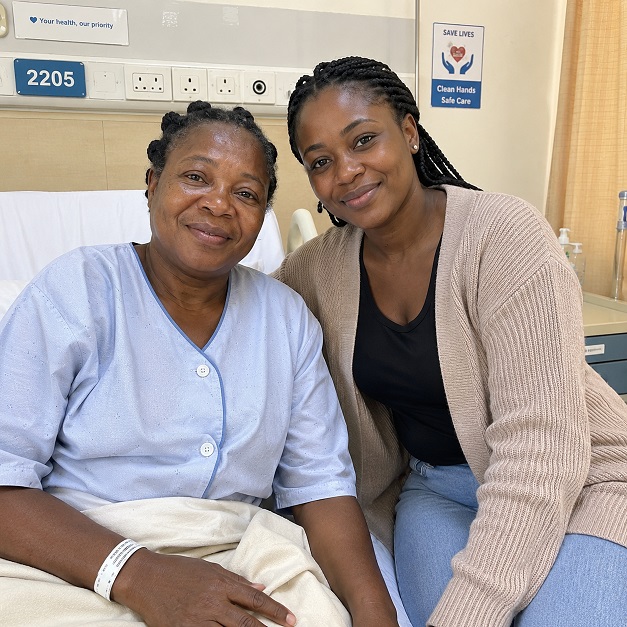
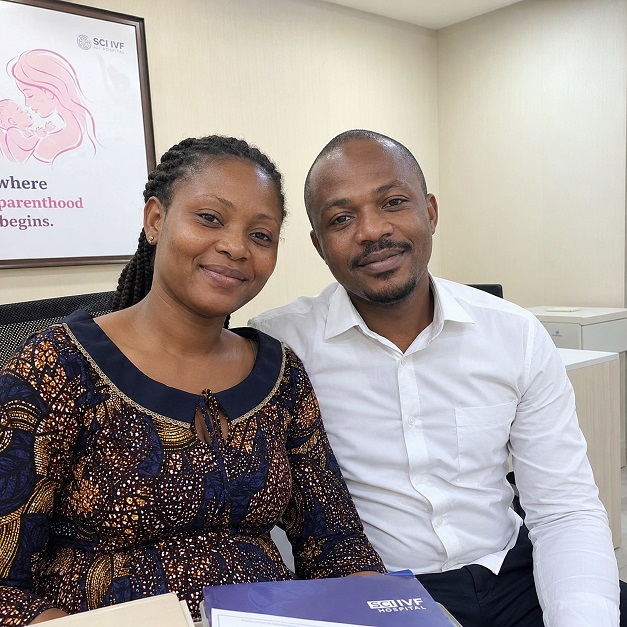
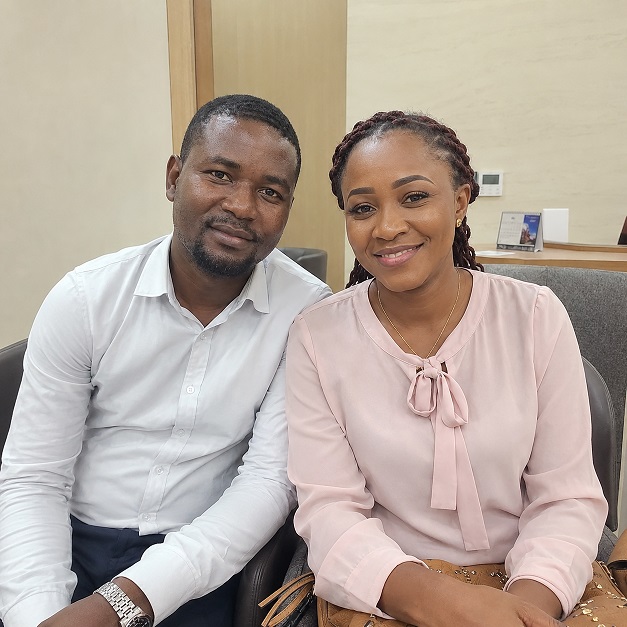
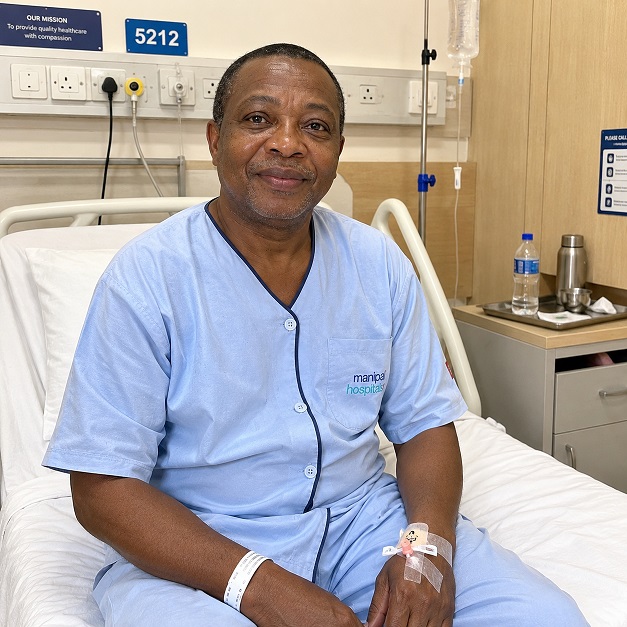
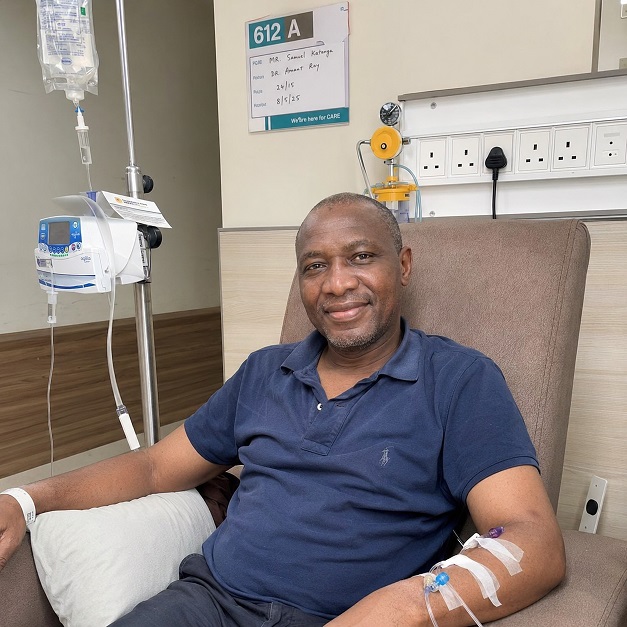
Patient Testimonials from Congo
Ready to Take the First Step?
Share your medical reports with our healthcare managers today and receive a FREE CONSULTATION, a personalized treatment plan and complete support from your arrival to your recovery.
Get Your Free ConsultationAreas We Serve
At Indian Health Guru Consultants, we proudly assist patients from Congo and neighboring countries across Central, East and Southern Africa who travel to India for advanced medical treatment. Our experienced international patient team provides end-to-end support, including medical opinions, hospital selection, Medical Visa assistance, travel planning, accommodation, interpreter services and post-treatment follow-up.
We regularly serve patients from:
- Gabon
- Cameroon
- Angola
- Uganda
- Rwanda
- Burundi
- Tanzania
- Zambia
- Djibouti
- Comoros
- Madagascar
- Seychelles
- South Sudan
- Central African Republic
- Republic of the Congo
- Democratic Republic of the Congo
No matter where you are located in the region, Indian Health Guru Consultants is committed to making your medical journey to India safe, affordable, seamless and completely patient-focused.
From Congo to India: Your Complete Patient Guide
- Brain Tumor Surgery in India for Congolese Patients
- Best Brain Tumour Surgeons & Hospitals in India for Congo Patients
- Knee Replacement in India for Congolese Patients
- Best Knee Replacement Surgeons & Hospitals in India for Congolese Patients
- Spine Surgery in India for Congolese Patients
- Best Spine Surgeons & Hospitals in India for Congolese Patients
- Liver Transplant in India for Congolese Patients: Cost & Guide
- Best Liver Transplant Centres and Hospitals in India for Congolese Patients
- Cardiac Surgery in India for Congolese Patients: Cost & Guide
- Best Cardiac Surgeons & Hospitals in India for Congolese Patients
- Bone Marrow Transplant in India for Congolese Patients: Cost & Guide
- Best Bone Marrow Transplant Centres and Hospitals in India for Congolese Patients
- Prostate Cancer Treatment in India for Congolese Patients: Cost & Guide
- Best Prostate Cancer Centres and Hospitals in India for Congolese Patients
- HIPEC in India for Congolese Patients: Cost & Treatment Guide
- Best HIPEC Centres and Hospitals in India for Congolese Patients
- Kidney Transplant in India for Congolese Patients: Cost & Guide
- Best Kidney Transplant Centres and Hospitals in India for Congolese Patients