

15 Frequently Asked Questions : Proton Therapy in India for Congolese Patients
Proton Therapy, also called proton beam therapy, is an advanced form of radiation treatment that uses protons rather than conventional X-rays to deliver radiation to a tumour. Its physical properties can help reduce radiation exposure to healthy tissues beyond the target, which can be particularly important when a tumour is close to sensitive organs or when treating children. Proton Therapy may be considered for selected brain, spine, skull-base, head-and-neck, eye, paediatric, liver, lung, prostate and other solid tumours. It can also be considered in selected patients who require re-irradiation after previous radiation treatment. For patients travelling from Congo, Proton Therapy should not be selected simply because it is a newer technology. A radiation oncologist should compare proton therapy with the available photon-radiation options and determine whether proton therapy offers a meaningful clinical or dosimetric advantage for the individual patient.
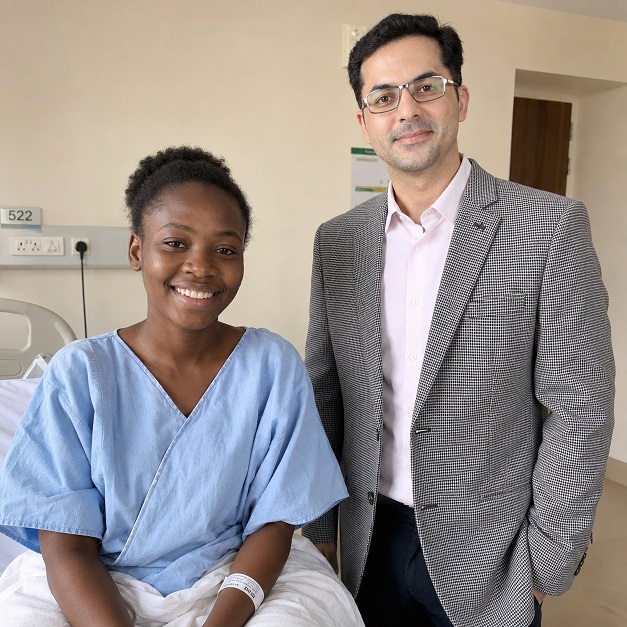
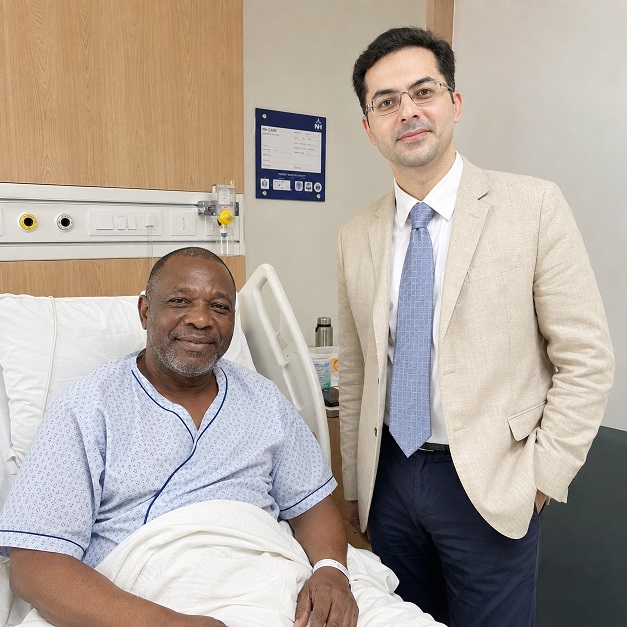
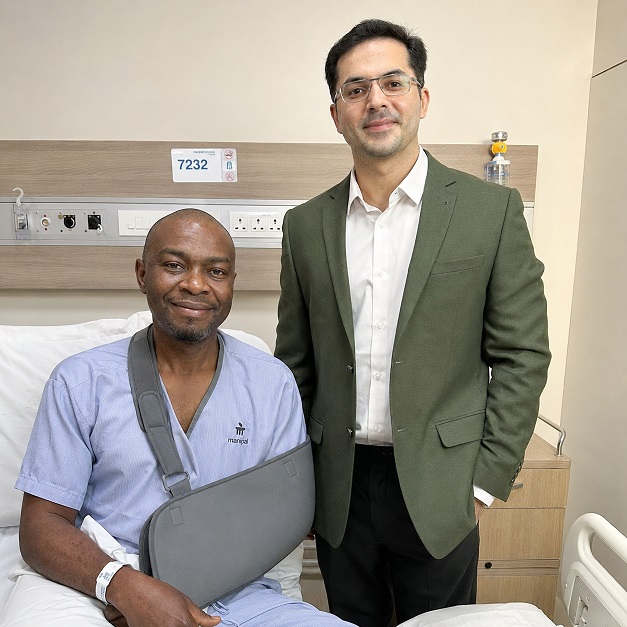
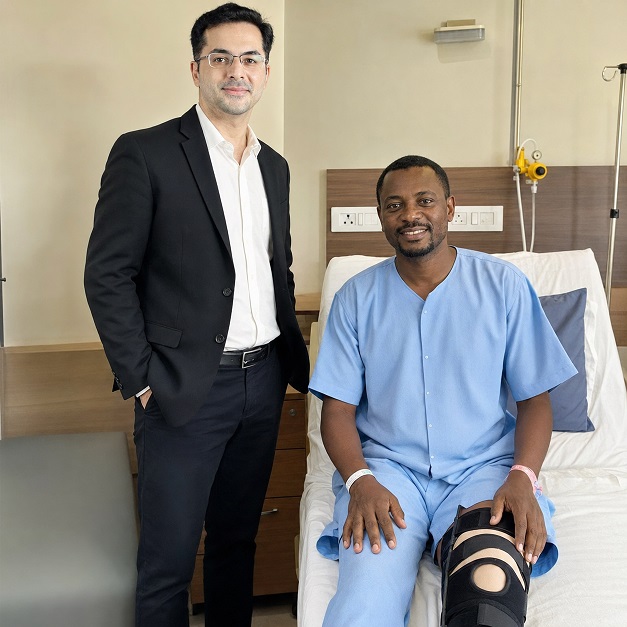
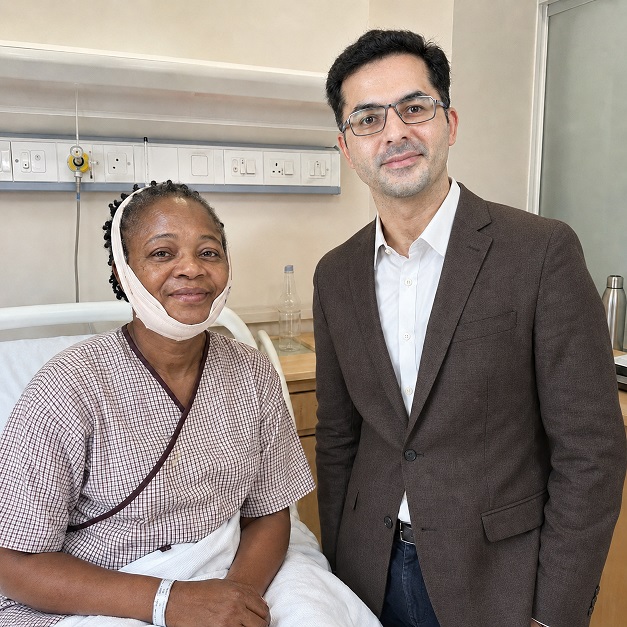
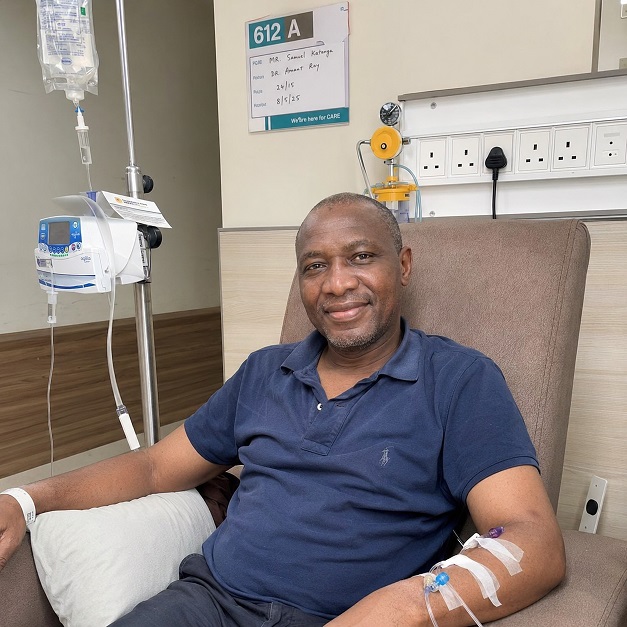
Healing Journeys of Congolese Patients
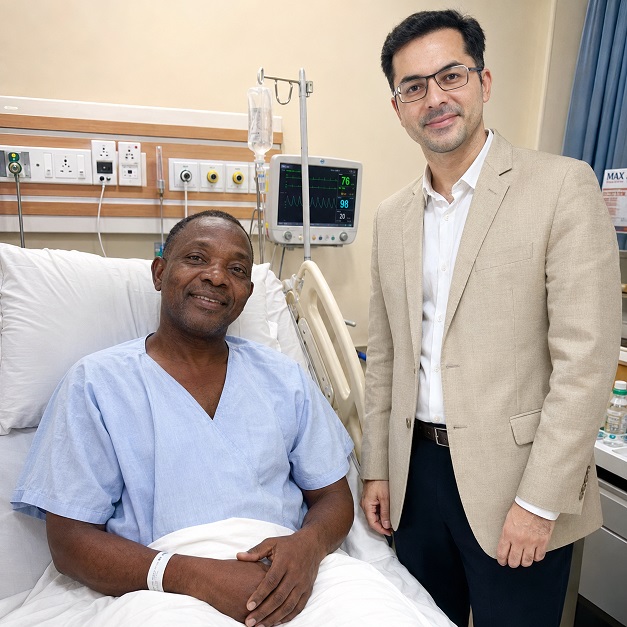
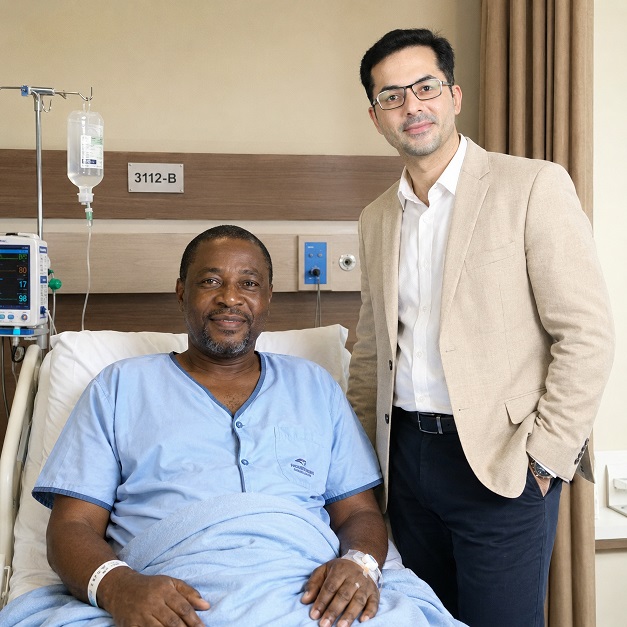
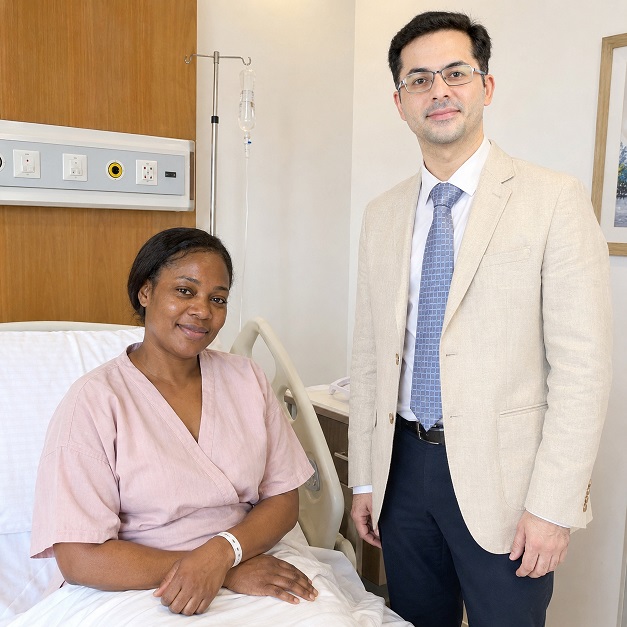
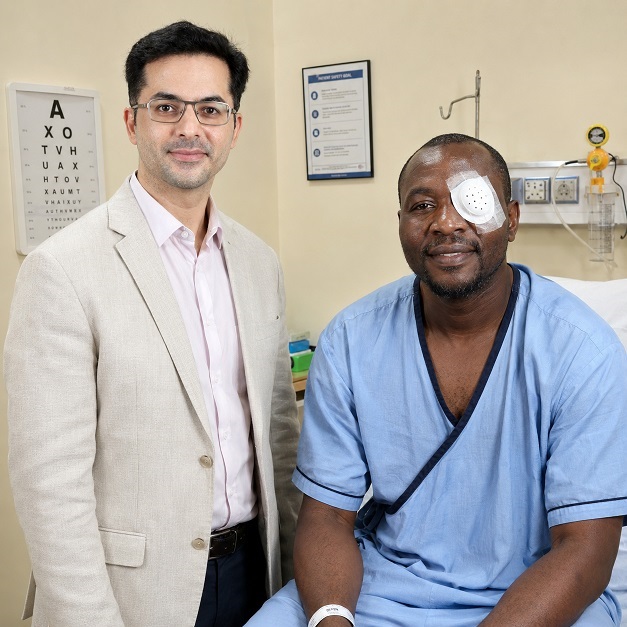
Q1 · What Is Proton Therapy and When May a Congo Patient Need It?
Proton Therapy is a form of radiation treatment that uses high-energy protons to deliver radiation to cancer cells. The major physical feature of proton therapy is the Bragg Peak, through which the radiation dose can be concentrated at a selected depth with substantially less radiation deposited beyond the target compared with conventional photon radiation.
This can be useful when the tumour is close to sensitive structures such as
- Brain
- Brainstem
- Spinal cord
- Optic nerves
- Eyes
- Skull base
- Heart
- Lungs
- Liver
- Kidneys
- Other critical organs
Proton Therapy may be considered particularly carefully for
- Children
- Tumours close to critical structures
- Selected skull-base tumours
- Selected brain and spinal tumours
- Certain eye tumours
- Selected head-and-neck cancers
- Selected sarcomas
- Selected liver or lung tumours
- Patients requiring re-irradiation
Apollo's Proton Therapy information identifies paediatric tumours, tumours close to critical structures and selected re-irradiation cases among situations where proton therapy may provide particular value.
Q2 · What Is the Cost of Proton Therapy in India Compared with Congo?
Proton Therapy is generally more expensive than conventional radiation treatment because of the specialised equipment, treatment planning and infrastructure required. For planning purposes:
For planning: US$1 ≈ XAF 575 • US$1 ≈ INR 96
Indicative Cost Comparison
| Proton Therapy / Cancer Treatment | Congo Estimated Cost | India Estimated Cost | Potential Savings |
|---|---|---|---|
| Proton Therapy – Standard Case | XAF 40,250,000–63,250,000 US$70,000–110,000 | INR 2,500,000–3,500,000 US$26,040–36,460 | Approx. 48%–63% |
| Proton Therapy – Complex Case | XAF 46,000,000–74,750,000 US$80,000–130,000 | INR 3,000,000–4,500,000 US$31,250–46,875 | Approx. 41%–61% |
| Proton Therapy – Paediatric Cancer | XAF 46,000,000–80,500,000 US$80,000–140,000 | INR 3,000,000–5,000,000 US$31,250–52,085 | Approx. 35%–61% |
| Proton Therapy – Re-irradiation | XAF 51,750,000–86,250,000 US$90,000–150,000 | INR 3,500,000–5,000,000 US$36,460–52,085 | Approx. 42%–60% |
| Proton Therapy with Combined Cancer Treatment | XAF 57,500,000–92,000,000 US$100,000–160,000 | INR 4,000,000–6,000,000 US$41,665–62,500 | Approx. 38%–61% |
These are indicative medical-tourism planning estimates and not fixed hospital quotations. For reference, a current Apollo Proton Cancer Centre estimate places Proton Therapy in India broadly around INR 2,500,000–5,000,000, depending on cancer type, treatment duration and other medical requirements.
The final cost may depend on
- Cancer type
- Cancer stage
- Tumour size
- Tumour location
- Number of treatment sessions
- Treatment-planning complexity
- Imaging requirements
- Anaesthesia requirements for selected children
- Chemotherapy
- Immunotherapy
- Surgery
- Hospitalisation
- Previous radiation treatment
- Re-irradiation planning
- Complications
- Accommodation and travel duration
Patients should obtain a personalised written quotation after specialist evaluation.
Q3 · Which Indian Cities Can Congo Patients Consider for Proton Therapy?
| City | Treatment Environment |
|---|---|
| Chennai | Dedicated proton therapy treatment and multidisciplinary cancer care |
| Delhi | Oncology consultation and cancer treatment services; proton treatment may require referral to the dedicated proton centre |
| Mumbai | Oncology consultation and coordinated referral for proton treatment |
| Bengaluru | Oncology consultation and multidisciplinary cancer services |
| Hyderabad | Oncology evaluation and cancer treatment services |
| Gurugram | Cancer evaluation and multidisciplinary oncology |
| Noida | Oncology consultation and supporting cancer services |
| Kolkata | Cancer evaluation and oncology services |
| Pune | Oncology consultation and cancer treatment |
| Ahmedabad | Oncology services and treatment planning |
| Kochi | Cancer diagnosis and multidisciplinary oncology |
| Thiruvananthapuram | Oncology evaluation and treatment |
| Goa | Cancer evaluation and supporting services |
| Nagpur | Oncology evaluation and supporting cancer care |
For patients specifically travelling for Proton Therapy, the family should confirm the exact treatment location before making travel arrangements. Current Apollo information identifies the Apollo Proton Cancer Centre in Chennai as the dedicated proton treatment centre, with coordinated services available through other Apollo locations.
Q4 · Which Hospitals in India Can Congo Patients Consider for Proton Therapy and Cancer Treatment?
Delhi Hospitals
- Fortis Escorts Heart Institute, New Delhi
- BLK-Max Super Speciality Hospital, New Delhi
- Max Super Speciality Hospital, Saket
- Indraprastha Apollo Hospitals, New Delhi
- Sir Ganga Ram Hospital
- Max Super Speciality Hospital, Patparganj
- Manipal Hospital, Dwarka
- Fortis Hospital, Vasant Kunj
- Institute of Brain and Spine Hospital (IBS Hospital)
- Dharamshila Narayana Hospital
- Indian Spinal Injuries Centre
- AIIMS New Delhi
Chennai Hospitals
- MGM Healthcare
- MIOT International
- Apollo Hospitals, Greams Road
- Sri Ramachandra Medical Centre
- SIMS Hospital
- Kauvery Hospital
- Gleneagles HealthCity Chennai
- Vijaya Hospital
- Apollo Speciality Hospitals
- Rela Hospital
Mumbai Hospitals
- Bombay Hospital & Medical Research Centre
- Lilavati Hospital & Research Centre
- Jaslok Hospital & Research Centre
- Gleneagles Hospital, Mumbai
- Nanavati Max Super Speciality Hospital
- Kokilaben Dhirubhai Ambani Hospital
- P. D. Hinduja Hospital & Medical Research Centre
- Sir H. N. Reliance Foundation Hospital
- Wockhardt Hospitals, Mumbai
- Apollo Hospitals, Mumbai
Bengaluru Hospitals
- Manipal Hospital, Old Airport Road
- Manipal Hospital, Whitefield
- Manipal Hospital, Yeshwanthpur
- Apollo Hospitals, Bengaluru
- Fortis Hospital, Bannerghatta Road
- Aster CMI Hospital
- Sakra World Hospital
- Narayana Health City
- Sagar Hospitals
- Kauvery Hospital, Bengaluru
Hyderabad Hospitals
- KIMS Hospitals
- Yashoda Hospitals
- Apollo Health City
- CARE Hospitals
- Continental Hospitals
- Gleneagles Hospitals, Hyderabad
- Sunshine Hospitals
- Star Hospitals
Gurugram Hospitals
- Fortis Memorial Research Institute (FMRI)
- Medanta – The Medicity
- Artemis Hospital
- Max Hospital, Gurugram
- CK Birla Hospital, Gurugram
- Manipal Hospital, Gurugram
- Paras Health
- Narayana Superspeciality Hospital
Noida Hospitals
- Fortis Hospital, Noida
- Jaypee Hospital
- Max Super Speciality Hospital, Noida
- Yatharth Hospital
- Kailash Hospital
- Metro Hospital & Heart Institute
- Metro Center for Neurosciences
Kolkata Hospitals
- Apollo Multispeciality Hospitals
- AMRI Hospitals
- Fortis Hospital, Anandapur
- Manipal Hospitals, Salt Lake
- Medica Superspecialty Hospital
- Narayana Superspeciality Hospital
- Ruby General Hospital
Pune Hospitals
- Ruby Hall Clinic
- Jehangir Hospital
- Deenanath Mangeshkar Hospital
- Sahyadri Super Speciality Hospital
- Aditya Birla Memorial Hospital
- Manipal Hospital, Kharadi
- Medicover Hospital, Pune
Ahmedabad Hospitals
- Apollo Hospitals, Ahmedabad
- Zydus Hospitals
- Sterling Hospitals
- Shalby Hospitals
- HCG Hospitals
- SAL Hospital
- CIMS Hospital
Kochi Hospitals
- Aster Medcity
- Amrita Hospital
- VPS Lakeshore Hospital
- Rajagiri Hospital
- Aster MIMS
- Lisie Hospital
- Renai Medicity
Thiruvananthapuram Hospitals
- KIMSHEALTH Hospital
- Ananthapuri Hospitals and Research Institute
- SUT Hospital
- SP Medifort Hospital
- PRS Hospital
- GG Hospital
Goa Hospitals
- Manipal Hospital, Goa
- Healthway Hospital
- Manipal Hospitals, Dona Paula
- Goa Medical College and Hospital
- Apollo Victor Hospital
Nagpur Hospitals
- Wockhardt Hospitals, Nagpur
- Alexis Multispeciality Hospital
- CARE Hospitals, Nagpur
- Kingsway Hospitals
- Lata Mangeshkar Hospital
Important: The above is the established hospital-list structure for this series. Not every hospital listed provides Proton Therapy. Patients specifically seeking proton treatment should confirm the availability of Proton Therapy or coordinated referral to the dedicated proton centre before travelling.
Q5 · What Types of Cancer Can Be Treated with Proton Therapy?
Proton Therapy may be considered for selected solid tumours, particularly when radiation precision is important.
Brain and Central Nervous System Tumours
Selected
- Brain tumours
- Spinal cord tumours
- Skull-base tumours
- Chordomas
- Chondrosarcomas
- Selected benign tumours
Eye Tumours
Selected ocular tumours, including intraocular melanoma, may be treated using highly focused radiation.
Paediatric Cancers
Proton Therapy may be particularly useful in selected children because reducing unnecessary radiation exposure to developing tissues can be an important treatment consideration.
Possible examples include
- Medulloblastoma
- Ependymoma
- Rhabdomyosarcoma
- Neuroblastoma
- Ewing sarcoma
- Selected other paediatric solid tumours
Head and Neck Cancers
Selected tumours close to critical structures may be considered for proton treatment.
Spine Tumours
Selected primary or metastatic spine tumours may be considered.
Liver and Thoracic Tumours
Selected liver and lung tumours may be considered where the radiation plan provides an advantage over conventional treatment.
Sarcomas
Certain sarcomas, particularly those close to critical structures, may be candidates.
Recurrent or Previously Irradiated Tumours
Selected patients requiring re-irradiation may be evaluated because reducing additional radiation to previously treated normal tissues can be important.
Apollo's proton programme lists brain, spine, ocular, paediatric, head-and-neck, liver, lung, prostate and selected sarcoma indications, while emphasising that suitability is determined individually.
Q6 · When Is Proton Therapy Recommended?
Proton Therapy may be considered when
- The tumour is close to a critical organ
- The treatment requires high radiation precision
- The patient is a child
- The patient has a long expected survival period
- Reducing radiation exposure to healthy tissue is particularly important
- The patient requires re-irradiation
- Conventional radiation would expose important organs to an undesirable dose
- The tumour location makes dose distribution especially important
Examples of sensitive structures include
- Brainstem
- Optic nerves
- Eyes
- Spinal cord
- Heart
- Lungs
- Liver
- Kidneys
However, proton therapy is not automatically superior for every tumour. The radiation oncologist should compare the proton treatment plan with an appropriate photon-radiotherapy plan and determine whether proton therapy provides a meaningful benefit.
Q7 · What Are the Advantages and Limitations of Proton Therapy?
Potential Advantages
Proton Therapy may
- Reduce radiation exposure beyond the tumour
- Help protect nearby healthy tissues
- Provide highly precise radiation delivery
- Be useful for tumours close to critical structures
- Be valuable for selected paediatric cancers
- Be useful in selected re-irradiation cases
- Potentially reduce some treatment-related long-term toxicity
These benefits are particularly relevant when the tumour is close to organs that are sensitive to radiation.
Important Limitations
Proton Therapy also has limitations
- It is not appropriate for every cancer
- It can be more expensive than conventional radiotherapy
- Access is more limited
- Treatment planning is highly specialised
- Patient positioning must be precise
- Tumour movement can affect treatment planning
- Some patients may obtain little additional benefit compared with modern photon therapy
Therefore, the decision should be based on the patient's individual treatment plan rather than simply choosing the newest technology.
Q8 · What Medical Reports Should Congo Patients Send Before Travelling for Proton Therapy?
Patients should provide complete cancer records.
Important documents include
- Biopsy report
- Histopathology report
- Immunohistochemistry
- Molecular/genetic reports where available
- CT scans
- MRI scans
- PET-CT
- Previous radiotherapy records
- Previous radiation dose
- Previous radiation treatment plan, if available
- Previous chemotherapy records
- Previous surgery reports
- Discharge summaries
- Blood investigations
- Current medication list
For patients who have already received radiotherapy, the following are particularly important
- Previous radiation dose
- Number of fractions
- Treatment dates
- Treated body area
- Previous radiation plan
- Previous treatment summary
Patients should also provide
- Age
- Weight
- Current symptoms
- Cancer stage
- Previous treatment history
- Current treatment
- Previous recurrence, if applicable
A specialist team may require additional imaging or pathology review before determining eligibility.
Q9 · What Is the Typical Process for Proton Therapy in India?
Step 1: Medical Record Review
The patient's diagnosis, pathology and imaging are reviewed.
Step 2: Radiation-Oncology Consultation
The radiation oncologist assesses whether radiation is appropriate.
Step 3: Proton Eligibility Assessment
The team determines whether proton therapy is likely to provide a meaningful advantage.
Step 4: Comparison with Other Radiation Options
The proton plan may be compared with modern photon-based radiation to assess dose distribution and expected benefit.
Step 5: Additional Investigations
Additional imaging or pathology review may be requested.
Step 6: Simulation
A planning scan is performed to establish treatment positioning and target anatomy.
Step 7: Treatment Planning
The radiation oncology and medical physics team creates and verifies the proton treatment plan.
Step 8: Quality Assurance
The treatment plan and equipment are checked before treatment begins.
Step 9: Proton Therapy Sessions
The patient receives the prescribed number of treatment sessions.
Step 10: Regular Monitoring
The medical team monitors symptoms, side effects and general health during treatment.
Step 11: Treatment Completion
The patient receives a treatment summary and follow-up instructions.
Step 12: Long-Term Follow-Up
Further imaging, oncology consultation or additional treatment may be required according to the cancer diagnosis.
Q10 · Are There Alternatives to Proton Therapy?
Yes. The main alternative is modern photon-based radiotherapy.
Depending on the cancer, alternatives may include
- IMRT
- IGRT
- VMAT
- Stereotactic radiotherapy
- Stereotactic radiosurgery
- Brachytherapy
- Surgery
- Chemotherapy
- Immunotherapy
- Targeted therapy
- Hormone therapy
- Other systemic treatments
The choice depends on
- Cancer type
- Stage
- Tumour location
- Tumour size
- Distance from critical structures
- Previous treatment
- Expected radiation dose
- Patient age
- Overall health
A patient should not assume that Proton Therapy is required simply because it is available. In many situations, modern photon radiotherapy may provide an appropriate treatment option.
Q11 · What Should Congo Patients Ask Before Accepting a Proton Therapy Quotation?
Before confirming treatment, patients should ask
- What is the exact cancer diagnosis?
- What is the cancer stage?
- Why is Proton Therapy being recommended?
- What advantage does proton therapy provide in this specific case?
- Has a photon-radiotherapy plan been compared?
- Is the tumour close to a critical organ?
- How many treatment sessions are required?
- How long will the complete treatment take?
- Is chemotherapy required?
- Is surgery required?
- Are imaging and treatment planning included?
- Is the proton treatment cost included in the quotation?
- Are consultations and follow-up included?
- What additional costs could arise?
- What follow-up will be required after returning to Congo?
For children, parents should additionally ask about anaesthesia requirements, school arrangements, nutrition and long-term follow-up.
Q12 · How Long Should Congo Patients Stay in India for Proton Therapy?
The required stay depends on the cancer type, treatment schedule and whether additional treatment is required.
For planning purposes
- Initial consultation and eligibility assessment: approximately 3–7 days
- Treatment planning and simulation: several days depending on complexity
- Short Proton Therapy course: approximately 1–3 weeks
- Longer fractionated treatment: approximately 4–8 weeks or according to the prescribed schedule
- Combined chemotherapy and Proton Therapy: potentially longer
- Paediatric treatment requiring anaesthesia: additional planning may be necessary
Some patients may not need hospital admission and can receive Proton Therapy as outpatient treatment. The exact duration should be confirmed by the treating radiation-oncology team before international travel.
Q13 · What Is Recovery Like During and After Proton Therapy?
Proton Therapy is generally delivered as an outpatient radiation treatment, although individual patients may require hospital-based care because of their cancer or additional treatments.
Possible side effects may include
- Fatigue
- Skin changes
- Reduced appetite
- Nausea
- Headache in selected brain treatments
- Localised tissue irritation
- Treatment-area discomfort
- Other site-specific radiation effects
The exact side effects depend on
- Treatment area
- Radiation dose
- Number of sessions
- Tumour location
- Concurrent chemotherapy
- Previous radiation
Children may require additional nutritional, developmental and supportive monitoring.
Patients should follow the radiation team's instructions regarding
- Skin care
- Nutrition
- Hydration
- Physical activity
- Medication
- Rest
- Follow-up
Some side effects may appear during treatment, while others may develop or persist after treatment.
Q14 · How Can Congo Patients Continue Follow-up After Returning Home?
Before leaving India, patients should collect a complete treatment file containing
- Final diagnosis
- Pathology report
- Imaging reports
- Imaging copies
- Proton Therapy treatment summary
- Radiation dose
- Number of fractions
- Treatment dates
- Treatment area
- Treatment technique
- Previous radiation history
- Chemotherapy summary
- Surgery report, where applicable
- Latest blood tests
- Medication list
- Follow-up schedule
Follow-up may include
- Clinical oncology review
- CT
- MRI
- PET-CT
- Blood tests
- Tumour markers where appropriate
- Assessment of treatment response
- Monitoring for recurrence
- Monitoring for late radiation effects
Patients should coordinate follow-up with an oncology team in Congo where possible. If the patient develops severe pain, persistent fever, significant bleeding, neurological symptoms, breathing difficulty or other concerning symptoms, medical evaluation should be obtained promptly.
Q15 · Is India an Option for Congo Patients Seeking Proton Therapy?
India can be considered by selected Congo patients seeking Proton Therapy for cancers where highly precise radiation may provide a clinically meaningful advantage. The decision should be based on the individual tumour rather than the technology alone.
Before travelling, patients should compare
- Exact cancer diagnosis
- Cancer stage
- Pathology
- Molecular findings
- Tumour location
- Proximity to critical organs
- Previous radiation treatment
- Proton Therapy eligibility
- Alternative photon-radiotherapy options
- Expected treatment benefit
- Number of sessions
- Total treatment duration
- Total treatment cost
- Accommodation requirements
- Follow-up arrangements in Congo
A Proton Therapy second opinion based on complete pathology, imaging and previous treatment records can help determine whether the treatment is appropriate before the patient travels.
Final Pre-Travel Checklist for Congo Patients
Medical Documents
- Passport copy
- Biopsy report
- Histopathology report
- Immunohistochemistry report
- Molecular/genetic testing reports, if available
- CT scans
- MRI scans
- PET-CT
- Previous surgery reports
- Previous chemotherapy records
- Previous radiotherapy records
- Previous radiation dose
- Previous radiation treatment plan, if available
- Blood investigations
- Current medication list
Treatment Planning
- Indian oncology opinion
- Radiation-oncology consultation
- Confirmed cancer diagnosis
- Confirmed cancer stage
- Proton Therapy eligibility assessed
- Comparison with conventional radiotherapy discussed
- Number of proton sessions confirmed
- Expected treatment duration confirmed
- Additional chemotherapy requirement discussed
- Surgery requirement discussed
- Side effects explained
- Follow-up plan prepared
Cost Planning
- Written Proton Therapy quotation
- Treatment-planning charges confirmed
- Simulation charges confirmed
- Proton treatment charges confirmed
- Doctor consultation charges clarified
- Imaging charges clarified
- Chemotherapy costs clarified if applicable
- Medicines clarified
- Anaesthesia costs clarified if applicable
- Additional-stay charges understood
- Possible additional-treatment costs discussed
Travel Planning
- Passport validity checked
- Appropriate medical visa arranged
- Medical records organised
- Pathology slides/blocks arranged where required
- Imaging files prepared
- Previous radiation records prepared
- Flight arrangements
- Accommodation near treatment centre
- Airport transfer
- Companion arrangements
- Additional treatment and recovery budget planned
Before Returning to Congo
- Final diagnosis collected
- Proton Therapy treatment summary collected
- Radiation dose recorded
- Number of fractions recorded
- Treatment dates recorded
- Treatment area documented
- Technique documented
- Latest imaging collected
- Medication list collected
- Follow-up schedule confirmed
- Recommended investigations understood
- Local oncology follow-up arranged
- Warning signs explained
Final Note
Proton Therapy is a highly specialised form of radiation treatment that can be particularly useful when a tumour is close to critical structures, when treating selected children or when re-irradiation requires careful management of previously treated tissues. For Congo patients considering Proton Therapy in India, the recommended first step is to provide complete pathology, imaging and previous treatment records for specialist review. The radiation-oncology team can then determine whether Proton Therapy provides a meaningful advantage over an appropriate conventional radiation plan. Patients should obtain a detailed treatment plan and written quotation before travelling and should also establish how follow-up will be managed after returning to Congo. The final decision regarding Proton Therapy, radiation dose, number of sessions and combination with surgery or systemic treatment should always be made by the treating oncology team after individual assessment.
Page Summary
This guide answers 15 frequently asked questions about proton therapy in India for Congolese patients. It sets out indicative cost ranges in XAF, USD and INR for procedures such as proton therapy – standard case, proton therapy – complex case, proton therapy – paediatric cancer and proton therapy – re-irradiation, and lists 14 Indian cities and 109 hospitals to research. It also covers treatment options, the medical reports to send before travel, the treatment process, alternatives, quotation questions, expected stay in India, recovery, follow-up care and a pre-travel checklist for patients from Congo.


Our Mission Statement
Our mission is to place patients at the centre of every healthcare decision by providing trustworthy, evidence-based, and unbiased medical information. We believe that informed patients make better decisions. Backed by personalised guidance from our experienced advisory team, we help patients understand their treatment options, compare them objectively, and confidently choose the path that best suits their medical needs and personal circumstances.
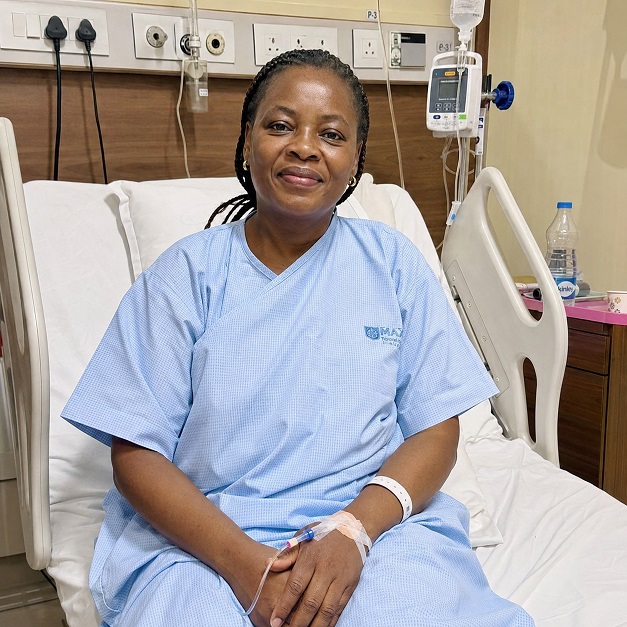
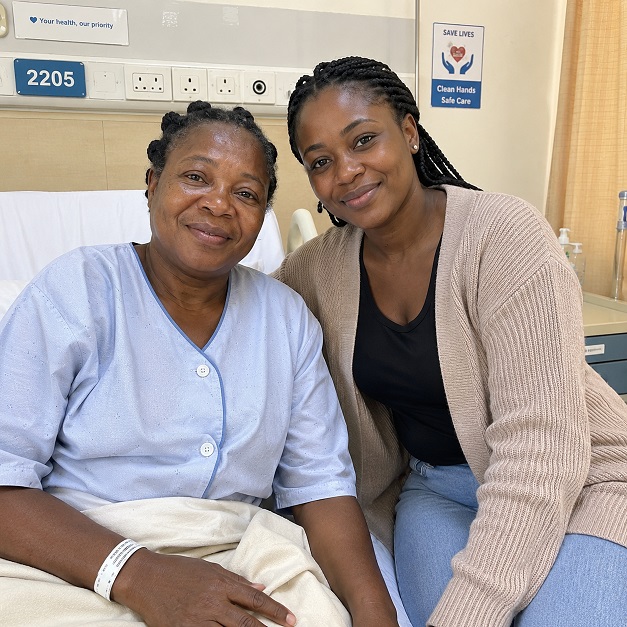
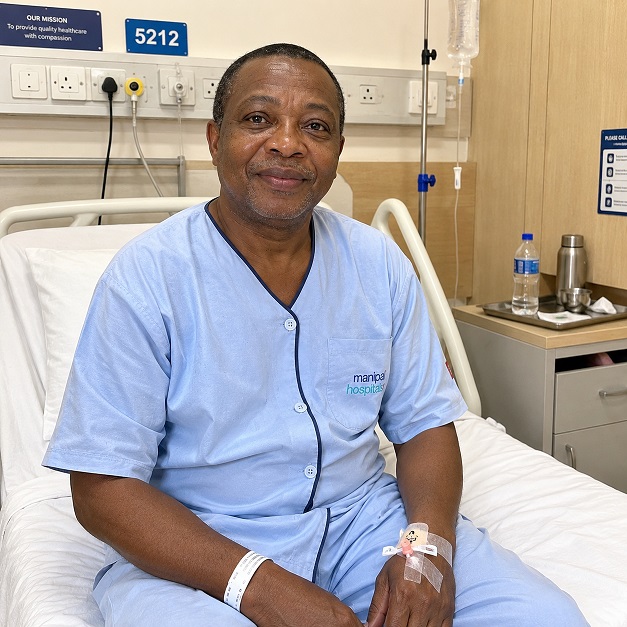
Patient Testimonials from Congo


Ready to Take the First Step?
Share your medical reports with our healthcare managers today and receive a FREE CONSULTATION, a personalized treatment plan and complete support from your arrival to your recovery.
Get Your Free ConsultationAreas We Serve
At Indian Health Guru Consultants, we proudly assist patients from Congo and neighboring countries across Central, East and Southern Africa who travel to India for advanced medical treatment. Our experienced international patient team provides end-to-end support, including medical opinions, hospital selection, Medical Visa assistance, travel planning, accommodation, interpreter services and post-treatment follow-up.
We regularly serve patients from:
- Gabon
- Cameroon
- Angola
- Uganda
- Rwanda
- Burundi
- Tanzania
- Zambia
- Djibouti
- Comoros
- Madagascar
- Seychelles
- South Sudan
- Central African Republic
- Republic of the Congo
- Democratic Republic of the Congo
No matter where you are located in the region, Indian Health Guru Consultants is committed to making your medical journey to India safe, affordable, seamless and completely patient-focused.
From Congo to India: Your Complete Patient Guide
- Brain Tumor Surgery in India for Congolese Patients
- Best Brain Tumour Surgeons & Hospitals in India for Congo Patients
- Knee Replacement in India for Congolese Patients
- Best Knee Replacement Surgeons & Hospitals in India for Congolese Patients
- Spine Surgery in India for Congolese Patients
- Best Spine Surgeons & Hospitals in India for Congolese Patients
- Liver Transplant in India for Congolese Patients: Cost & Guide
- Best Liver Transplant Centres and Hospitals in India for Congolese Patients
- Cardiac Surgery in India for Congolese Patients: Cost & Guide
- Best Cardiac Surgeons & Hospitals in India for Congolese Patients
- Bone Marrow Transplant in India for Congolese Patients: Cost & Guide
- Best Bone Marrow Transplant Centres and Hospitals in India for Congolese Patients
- Prostate Cancer Treatment in India for Congolese Patients: Cost & Guide
- Best Prostate Cancer Centres and Hospitals in India for Congolese Patients
- HIPEC in India for Congolese Patients: Cost & Treatment Guide
- Best HIPEC Centres and Hospitals in India for Congolese Patients
- Kidney Transplant in India for Congolese Patients: Cost & Guide
- Best Kidney Transplant Centres and Hospitals in India for Congolese Patients