

15 Frequently Asked Questions : CyberKnife Treatment in India for Congolese Patients
CyberKnife is a non-invasive stereotactic radiosurgery and radiotherapy system that uses a compact linear accelerator mounted on a robotic arm to deliver highly focused radiation to selected tumours and other abnormalities. Despite the word "Knife," CyberKnife does not involve cutting, an incision or conventional surgery. It uses advanced imaging, computerised treatment planning and robotic radiation delivery to direct radiation precisely toward the treatment target. Depending on the condition, treatment may be completed in one session or divided into several sessions. CyberKnife may be used for selected brain tumours, brain metastases, vascular malformations, trigeminal neuralgia and certain other neurological conditions. It can also be used for selected tumours elsewhere in the body. For patients from Congo, India provides access to specialised radiation oncology and neurosurgical teams, including centres with CyberKnife technology.
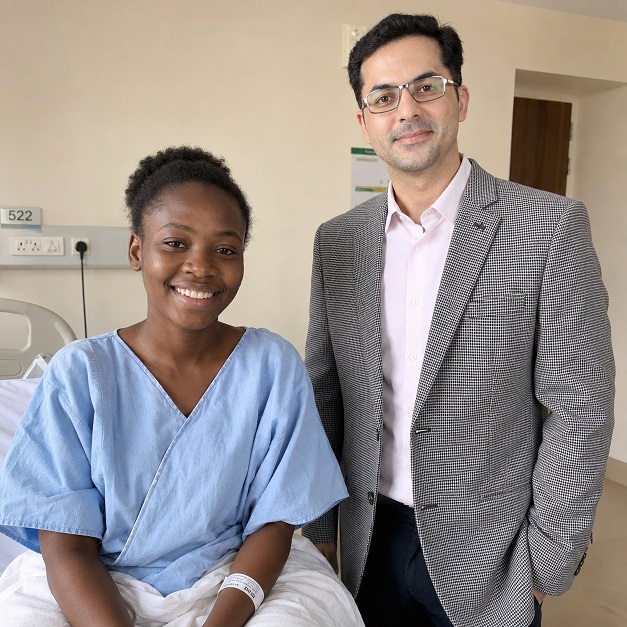
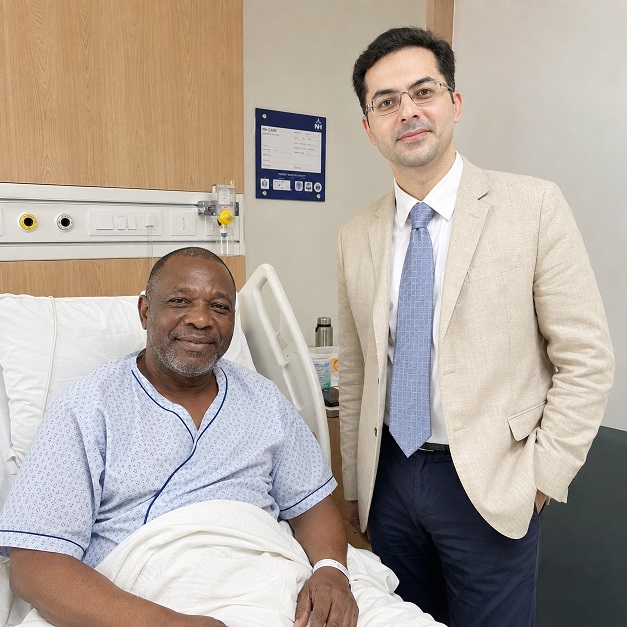
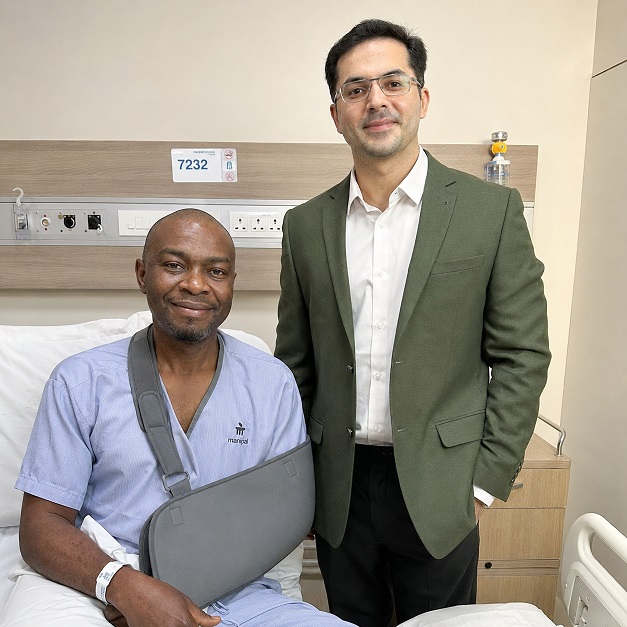
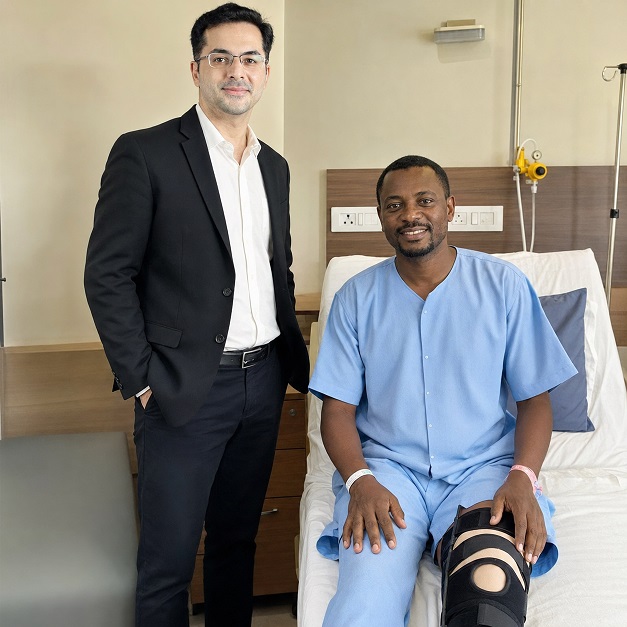
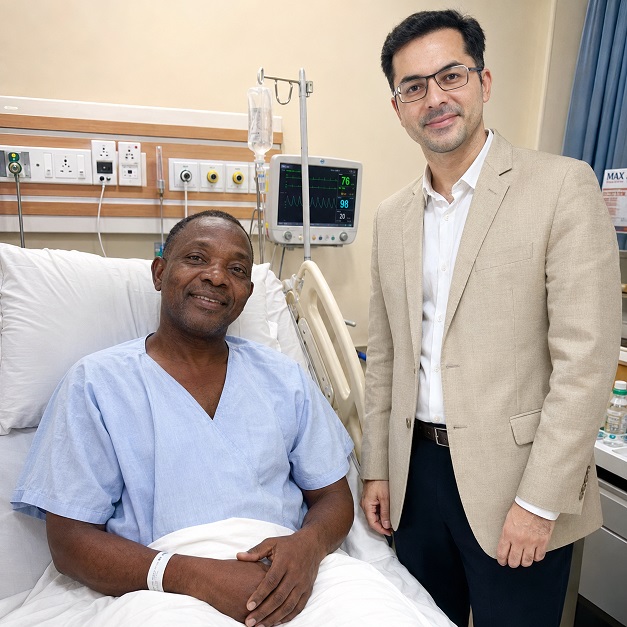
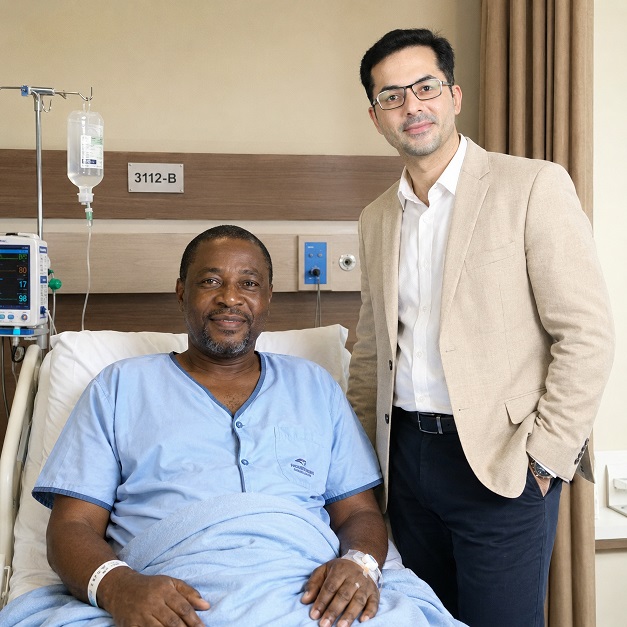
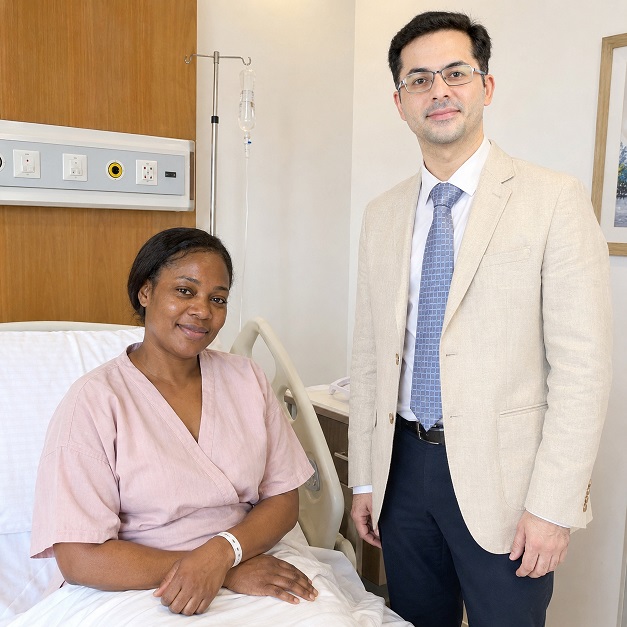
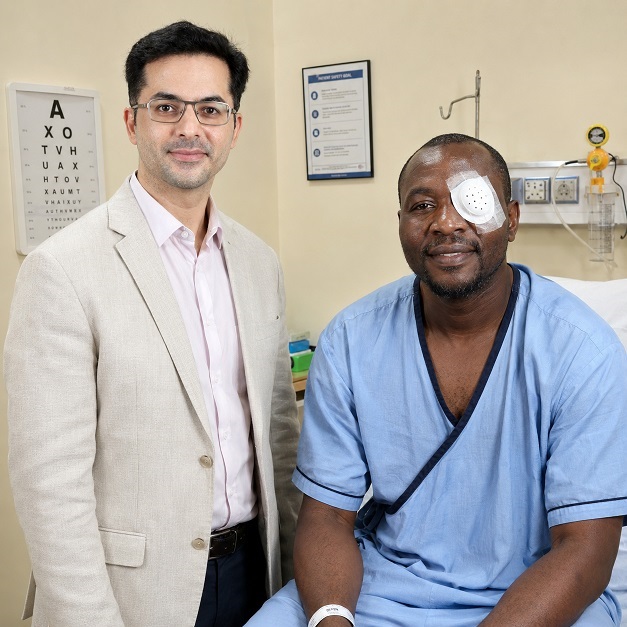
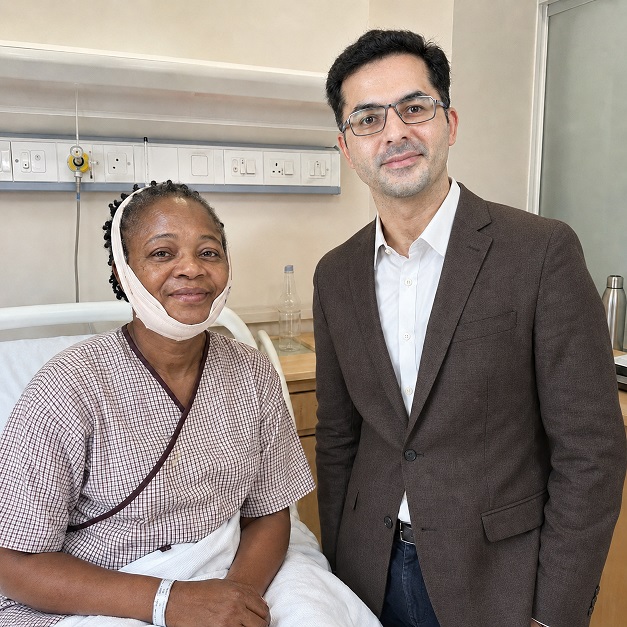
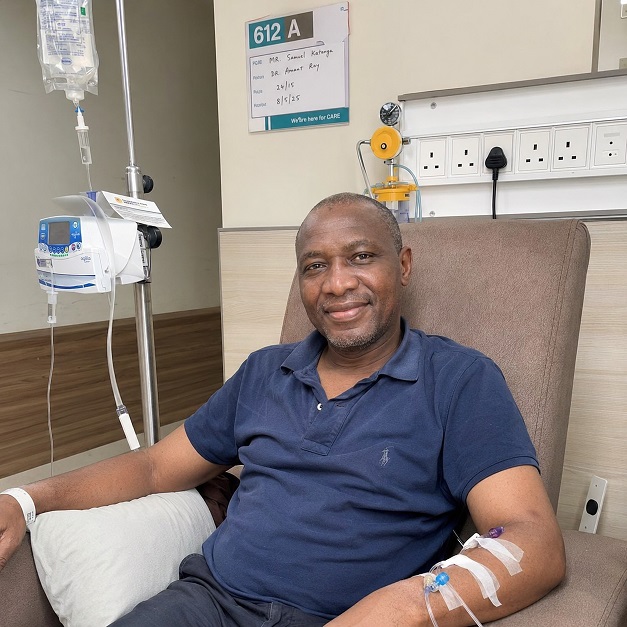
Healing Journeys of Congolese Patients
Q1 · What is CyberKnife Treatment?
CyberKnife is a computer-controlled stereotactic radiation system that delivers highly focused radiation to a defined target.
The system combines
- A robotic arm
- A compact linear accelerator
- Advanced imaging
- Computerised treatment planning
- Image-guided radiation delivery
- Motion-management technology where applicable
The CyberKnife S7 FIM system is described as a non-invasive treatment for cancerous and non-cancerous tumours and other conditions where radiation therapy is indicated. It can treat targets involving the brain, lungs, spine, prostate, abdomen and other areas. For brain treatment, CyberKnife is one form of linear-accelerator-based stereotactic radiosurgery. Unlike traditional surgery, there is no incision and no physical removal of the tumour.
Q2 · What is the cost of CyberKnife Treatment in Congo compared with India?
CyberKnife treatment costs vary according to the tumour type, size, location, number of lesions, treatment planning, number of sessions and additional investigations.
For planning: US$1 ≈ XAF 575 • US$1 ≈ INR 96
Exchange rates fluctuate, so the actual USD equivalent at the time of payment may differ.
Indicative Cost Comparison
| CyberKnife Treatment / Service | Congo Estimated Cost | India Estimated Cost | Potential Saving |
|---|---|---|---|
| Specialist consultation & evaluation | XAF 575,000–1,150,000 US$1,000–2,000 | INR 2,500–6,000 US$25–63 | 20–45% |
| MRI/CT treatment-planning evaluation | XAF 575,000–1,725,000 US$1,000–3,000 | INR 20,000–50,000 US$210–520 | 20–40% |
| Simple CyberKnife treatment | XAF 8,625,000–14,375,000 US$15,000–25,000 | INR 350,000–500,000 US$3,645–5,210 | 25–45% |
| Single small brain lesion | XAF 8,625,000–14,375,000 US$15,000–25,000 | INR 350,000–550,000 US$3,645–5,730 | 25–45% |
| Brain metastasis treatment | XAF 11,500,000–20,125,000 US$20,000–35,000 | INR 400,000–700,000 US$4,165–7,290 | 20–40% |
| Multiple/complex brain lesions | XAF 14,375,000–23,000,000 US$25,000–40,000 | INR 500,000–850,000 US$5,210–8,855 | 20–40% |
| AVM radiosurgery | XAF 14,375,000–28,750,000 US$25,000–50,000 | INR 500,000–900,000 US$5,210–9,375 | 20–40% |
| Skull-base/complex lesion | XAF 14,375,000–23,000,000 US$25,000–40,000 | INR 550,000–950,000 US$5,730–9,895 | 20–35% |
| Trigeminal neuralgia treatment | XAF 5,750,000–11,500,000 US$10,000–20,000 | INR 250,000–450,000 US$2,605–4,690 | 25–45% |
| Complex/recurrent treatment | XAF 14,375,000–28,750,000 US$25,000–50,000 | INR 550,000–1,000,000 US$5,730–10,420 | 15–35% |
These are indicative planning ranges rather than fixed hospital quotations.
The final cost may depend on
- Number of treatment sessions
- Number and size of lesions
- Treatment location
- MRI/CT requirements
- Treatment-planning complexity
- Specialist fees
- Immobilisation or accessories
- Fiducial markers, when required
- Previous radiotherapy
- Follow-up imaging
- Additional medicines or treatment
A written quotation should specify exactly what is included.
Q3 · Which Indian cities can Congo patients consider for CyberKnife Treatment?
CyberKnife is specialised equipment and is not available at every hospital offering radiation therapy. Patients should confirm current CyberKnife availability with the selected centre before travelling.
| City | Relevant Treatment Facilities |
|---|---|
| Delhi | Advanced radiation oncology, stereotactic radiosurgery and neurosurgery |
| Gurugram | Radiation oncology, neuro-oncology and advanced imaging |
| Noida | Radiation oncology and stereotactic treatment at selected centres |
| Mumbai | Neurosurgery, radiation oncology and stereotactic treatment |
| Chennai | CyberKnife, neurosurgery and advanced radiation oncology |
| Hyderabad | Advanced radiation oncology and stereotactic treatment |
| Bengaluru | Radiation oncology, neurosurgery and advanced radiosurgery |
| Kolkata | Radiation oncology and neurological cancer care |
| Ahmedabad | Radiation oncology and stereotactic treatment |
| Pune | Radiation oncology and neurosurgical services |
| Kochi | Oncology and neurological treatment |
| Thiruvananthapuram | Oncology and radiation services |
| Goa | Specialist oncology consultation and selected treatment |
| Nagpur | Oncology, radiation therapy and specialist evaluation |
CyberKnife is currently documented as an available technology within Apollo's neuroscience services, and Apollo Cancer Centre in Chennai specifically lists the CyberKnife S7 FIM system.
Q4 · Which hospitals in India can be considered for CyberKnife Treatment?
The following hospitals may be considered for specialist neurosurgical and oncology evaluation. CyberKnife availability should be confirmed for the specific hospital and current treatment programme before travel.
Delhi Hospitals
- Fortis Escorts Heart Institute, New Delhi
- BLK-Max Super Speciality Hospital, New Delhi
- Max Super Speciality Hospital, Saket
- Indraprastha Apollo Hospitals, New Delhi
- Sir Ganga Ram Hospital
- Max Super Speciality Hospital, Patparganj
- Manipal Hospital, Dwarka
- Fortis Hospital, Vasant Kunj
- Institute of Brain and Spine Hospital (IBS Hospital)
- Dharamshila Narayana Hospital
- Indian Spinal Injuries Centre
- AIIMS New Delhi
Chennai Hospitals
- MGM Healthcare
- MIOT International
- Apollo Hospitals, Greams Road
- Sri Ramachandra Medical Centre
- SIMS Hospital
- Kauvery Hospital
- Gleneagles HealthCity Chennai
- Vijaya Hospital
- Apollo Speciality Hospitals
- Rela Hospital
Mumbai Hospitals
- Bombay Hospital & Medical Research Centre
- Lilavati Hospital & Research Centre
- Jaslok Hospital & Research Centre
- Gleneagles Hospital, Mumbai
- Nanavati Max Super Speciality Hospital
- Kokilaben Dhirubhai Ambani Hospital
- P. D. Hinduja Hospital & Medical Research Centre
- Sir H. N. Reliance Foundation Hospital
- Wockhardt Hospitals, Mumbai
- Apollo Hospitals, Mumbai
Bengaluru Hospitals
- Manipal Hospital, Old Airport Road
- Manipal Hospital, Whitefield
- Manipal Hospital, Yeshwanthpur
- Apollo Hospitals, Bengaluru
- Fortis Hospital, Bannerghatta Road
- Aster CMI Hospital
- Sakra World Hospital
- Narayana Health City
- Sagar Hospitals
- Kauvery Hospital, Bengaluru
Hyderabad Hospitals
- KIMS Hospitals
- Yashoda Hospitals
- Apollo Health City
- CARE Hospitals
- Continental Hospitals
- Gleneagles Hospitals, Hyderabad
- Sunshine Hospitals
- Star Hospitals
Gurugram Hospitals
- Fortis Memorial Research Institute (FMRI)
- Medanta – The Medicity
- Artemis Hospital
- Max Hospital, Gurugram
- CK Birla Hospital, Gurugram
- Manipal Hospital, Gurugram
- Paras Health
- Narayana Superspeciality Hospital
Noida Hospitals
- Fortis Hospital, Noida
- Jaypee Hospital
- Max Super Speciality Hospital, Noida
- Yatharth Hospital
- Kailash Hospital
- Metro Hospital & Heart Institute
- Metro Center for Neurosciences
Kolkata Hospitals
- Apollo Multispeciality Hospitals
- AMRI Hospitals
- Fortis Hospital, Anandapur
- Manipal Hospitals, Salt Lake
- Medica Superspecialty Hospital
- Narayana Superspeciality Hospital
- Ruby General Hospital
Pune Hospitals
- Ruby Hall Clinic
- Jehangir Hospital
- Deenanath Mangeshkar Hospital
- Sahyadri Super Speciality Hospital
- Aditya Birla Memorial Hospital
- Manipal Hospital, Kharadi
- Medicover Hospital, Pune
Ahmedabad Hospitals
- Apollo Hospitals, Ahmedabad
- Zydus Hospitals
- Sterling Hospitals
- Shalby Hospitals
- HCG Hospitals
- SAL Hospital
- CIMS Hospital
Kochi Hospitals
- Aster Medcity
- Amrita Hospital
- VPS Lakeshore Hospital
- Rajagiri Hospital
- Aster MIMS
- Lisie Hospital
- Renai Medicity
Thiruvananthapuram Hospitals
- KIMSHEALTH Hospital
- Ananthapuri Hospitals and Research Institute
- SUT Hospital
- SP Medifort Hospital
- PRS Hospital
- GG Hospital
Goa Hospitals
- Manipal Hospital, Goa
- Healthway Hospital
- Manipal Hospitals, Dona Paula
- Goa Medical College and Hospital
- Apollo Victor Hospital
Nagpur Hospitals
- Wockhardt Hospitals, Nagpur
- Alexis Multispeciality Hospital
- CARE Hospitals, Nagpur
- Kingsway Hospitals
- Lata Mangeshkar Hospital
Important: The list is a general hospital reference and does not mean every listed hospital has CyberKnife. CyberKnife should be specifically confirmed with the hospital.
Q5 · Which conditions can be treated with CyberKnife?
CyberKnife may be used for selected cancerous and non-cancerous conditions.
Brain and neurological conditions
- Selected brain metastases
- Acoustic schwannoma
- Other selected schwannomas
- Selected pituitary adenomas
- Selected meningiomas
- Selected arteriovenous malformations
- Selected vascular lesions
- Trigeminal neuralgia
- Selected other neuralgias
Other selected conditions
Depending on the treatment centre, CyberKnife may also be used for selected tumours involving
- Spine
- Lung
- Liver
- Prostate
- Pancreas
- Head and neck
The CyberKnife S7 FIM system is described for treatment of tumours involving areas including the brain, lung, spine, prostate and abdomen. Not every patient with one of these conditions is automatically suitable for CyberKnife.
Q6 · Who may be a candidate for CyberKnife Treatment?
CyberKnife may be considered when
- The target is clearly identifiable on imaging
- The tumour or lesion is appropriately sized and located
- High-precision radiation is clinically appropriate
- Conventional surgery may be difficult or unsuitable
- A residual or recurrent lesion requires local treatment
- A patient requires stereotactic radiation
- The lesion is located near structures where precise radiation planning is important
The treating team considers factors such as tumour size, location, number of lesions, previous treatment and proximity to important structures before recommending stereotactic treatment.
Q7 · How does CyberKnife work?
CyberKnife combines robotic radiation delivery with image guidance.
1. Medical evaluation
The treatment team reviews the diagnosis, previous treatment and imaging.
2. Treatment-planning scans
Detailed CT and/or MRI images are used to define the treatment target and nearby organs or critical structures.
3. Computerised treatment planning
A radiation plan is created to determine the appropriate radiation dose and delivery angles.
4. Robotic radiation delivery
The robotic arm moves around the patient and delivers focused radiation beams from multiple directions.
5. Image guidance
Imaging helps the system monitor patient positioning and, where applicable, target movement during treatment.
6. Treatment sessions
Depending on the diagnosis and treatment plan, CyberKnife may be delivered in one or several sessions.
The CyberKnife S7 FIM system is generally described as being delivered in 1 to 5 sessions, with treatment duration varying according to the tumour and treatment plan.
Q8 · What medical reports should a Congo patient send before travelling to India?
For an accurate preliminary opinion, the patient should send
- Recent MRI brain images
- MRI report
- CT scan and report
- PET/CT, where applicable
- CT angiography or MR angiography, if relevant
- Previous biopsy report
- Histopathology
- Molecular pathology, if available
- Previous surgery records
- Previous radiotherapy records
- Previous chemotherapy records
- Neurologist/neurosurgeon consultation reports
- Oncology reports
- Current medication list
- Blood-test reports
- Allergy information
The original imaging files are particularly important because CyberKnife planning depends on accurately defining the target and surrounding structures.
Q9 · What is the process for a Congo patient receiving CyberKnife in India?
A typical treatment pathway is:
Step 1: Share Medical Records
Send MRI/CT images, pathology and previous treatment details.
Step 2: Specialist Review
The radiation oncology and relevant specialist teams assess whether CyberKnife may be suitable.
Step 3: Additional Investigations
Further imaging or laboratory investigations may be required.
Step 4: Treatment Decision
The team determines whether CyberKnife, conventional radiotherapy, surgery, another SRS technology or another treatment is appropriate.
Step 5: Cost Estimate
The hospital prepares an indicative quotation.
Step 6: Travel Planning
The patient arranges medical-travel documentation and accommodation.
Step 7: Treatment Planning in India
The patient undergoes required scans and treatment simulation.
Step 8: Cyberknife Treatment
The planned radiation is delivered over the prescribed number of sessions.
Step 9: Post-Treatment Review
The medical team checks the patient and provides instructions.
Step 10: Follow-Up
A follow-up imaging and specialist-review schedule is provided.
CyberKnife treatment is described as an outpatient procedure that does not require an incision or general anaesthesia in the usual treatment process.
Q10 · Are there alternatives to CyberKnife?
Yes. CyberKnife is one of several radiation and treatment technologies.
Depending on the diagnosis, alternatives may include
- Conventional surgery
- Gamma Knife
- LINAC-based stereotactic radiosurgery
- Fractionated stereotactic radiotherapy
- Conventional radiotherapy
- Proton therapy for selected cases
- Chemotherapy
- Targeted therapy
- Immunotherapy
- Endovascular treatment for selected vascular conditions
- Observation with periodic imaging
- Supportive treatment
CyberKnife is one type of LINAC-based stereotactic radiation technology. Gamma Knife and other LINAC-based systems are alternative stereotactic approaches, while the most appropriate option depends on the individual clinical situation.
Q11 · What should be included in a CyberKnife quotation?
A Congo patient should request a written quotation that clearly states whether it includes
- Radiation oncologist consultation
- Neurosurgical consultation, if required
- Treatment-planning CT
- MRI
- Treatment planning
- CyberKnife treatment
- Immobilisation accessories
- Fiducial markers, if required
- Medical physics/planning charges
- Specialist fees
- Medicines
- Day-care or hospital charges
- Follow-up consultation
- Follow-up imaging
Also ask
- How many sessions are included?
- Is the quotation for one lesion or multiple lesions?
- Are repeat imaging studies included?
- What additional costs may arise?
- Is accommodation excluded?
- Is emergency hospitalisation excluded?
A clear written quotation can help international patients plan their overall treatment budget.
Q12 · How long does a Congo patient need to stay in India for CyberKnife?
CyberKnife generally requires less hospitalisation than conventional open surgery because it is a non-invasive radiation treatment. A typical planning schedule may be:
| Treatment Stage | Approximate Time |
|---|---|
| Specialist consultation | 1 day |
| Imaging and treatment planning | 1–3 days |
| CyberKnife treatment | 1–5 sessions |
| Daily treatment session | Usually outpatient |
| Post-treatment review | 1 day |
| Complex cases | Individualised |
The CyberKnife S7 FIM system is generally performed in 1–5 sessions, with the treatment duration depending on the tumour and treatment plan. The total India stay may still be longer because the patient may require specialist consultation, imaging, treatment planning and post-treatment assessment.
Q13 · What is recovery like after CyberKnife Treatment?
Because CyberKnife is non-invasive, many patients do not require the prolonged physical recovery associated with open brain surgery.
Possible effects may include
- Fatigue
- Headache
- Nausea
- Temporary swelling around the treatment area
- Skin irritation depending on the treated area
- Temporary worsening of neurological symptoms in some cases
The side effects depend on the treatment site, radiation dose and individual patient. Most patients do not require a conventional surgical recovery period, although follow-up remains important because the effects of stereotactic radiation may develop gradually.
Q14 · What follow-up care is required after CyberKnife?
Before returning to Congo, the patient should receive
- CyberKnife treatment summary
- Final diagnosis
- Treatment plan or radiation summary
- Number of sessions completed
- Radiation dose information
- Medication instructions
- Follow-up schedule
- MRI/CT recommendations
- Follow-up consultation details
- Warning signs requiring medical attention
Follow-up imaging is important because the response to stereotactic radiation may not be immediate.
Depending on the condition, follow-up may involve
- MRI brain
- CT imaging
- Neurological examination
- Neurosurgical review
- Radiation oncology review
- Medical oncology follow-up
Patients should keep digital copies of the treatment records and imaging for future consultations in Congo.
Q15 · Is India an option for Congo patients seeking CyberKnife Treatment?
India can be considered by Congo patients seeking specialist evaluation for CyberKnife or other stereotactic radiation treatments when the patient's diagnosis is appropriate for this type of therapy.
Before travelling, patients should compare
- Exact diagnosis
- Tumour or lesion size
- Location
- Number of lesions
- Previous surgery
- Previous radiotherapy
- Proposed radiation dose
- Number of treatment sessions
- CyberKnife availability
- Radiation oncology expertise
- Neurosurgical support
- Follow-up arrangements
- Total treatment cost
- Expected duration of stay
A preliminary review of the patient's MRI/CT images and complete medical records can help determine whether CyberKnife is appropriate before the patient travels from Congo.
Congo Patient Pre-Travel Checklist for CyberKnife Treatment
Medical Documents
- Valid passport
- MRI brain images and reports
- CT scans and reports
- PET/CT, where applicable
- Angiography, if applicable
- Previous biopsy/histopathology
- Molecular pathology, if available
- Previous surgery reports
- Previous radiotherapy records
- Previous chemotherapy records
- Current medication list
- Blood-test reports
- Allergy information
Treatment Planning
- Indian specialist opinion
- Confirmation of CyberKnife suitability
- Proposed treatment plan
- Number of sessions
- Number of lesions to be treated
- Expected treatment duration
- Follow-up imaging schedule
- Written treatment quotation
Financial Planning
- CyberKnife treatment charges
- Imaging charges
- Treatment-planning charges
- Specialist fees
- Medicines
- Additional investigation costs
- Accommodation budget
- Local transportation budget
- Emergency contingency funds
Travel Planning
- Indian medical visa documentation, where applicable
- Attendant arrangements
- Accommodation
- Airport transportation
- Printed medical records
- Digital copies of MRI/CT scans
Before Returning to Congo
- CyberKnife treatment summary
- Radiation dose/treatment details
- Medication prescription
- Follow-up schedule
- MRI/CT recommendations
- Imaging reports
- Warning signs explained
- Treating-team contact information
Final Note
CyberKnife is a non-invasive, image-guided stereotactic radiation treatment that can deliver focused radiation to selected tumours and neurological targets without an incision. It may be delivered in a single session or over several sessions depending on the treatment plan. For Congo patients, the appropriate treatment should be determined from the exact diagnosis, MRI/CT findings, tumour size and location, previous treatments and overall medical condition. CyberKnife is one option among several modern treatment approaches. Depending on the individual case, the medical team may instead recommend Gamma Knife, another LINAC-based treatment, conventional radiotherapy, surgery, systemic treatment or observation. The costs provided in this guide are indicative planning estimates only and should not be treated as fixed hospital quotations. Final treatment recommendations, number of sessions and costs should be confirmed after specialist assessment.
Page Summary
This guide answers 15 frequently asked questions about CyberKnife treatment in India for Congolese patients. It sets out indicative cost ranges in XAF, USD and INR for procedures such as specialist consultation & evaluation, MRI/CT treatment-planning evaluation, simple CyberKnife treatment and single small brain lesion, and lists 14 Indian cities and 109 hospitals to research. It also covers treatment options, the medical reports to send before travel, the treatment process, alternatives, quotation questions, expected stay in India, recovery, follow-up care and a pre-travel checklist for patients from Congo.


Our Mission Statement
Our mission is to place patients at the centre of every healthcare decision by providing trustworthy, evidence-based, and unbiased medical information. We believe that informed patients make better decisions. Backed by personalised guidance from our experienced advisory team, we help patients understand their treatment options, compare them objectively, and confidently choose the path that best suits their medical needs and personal circumstances.
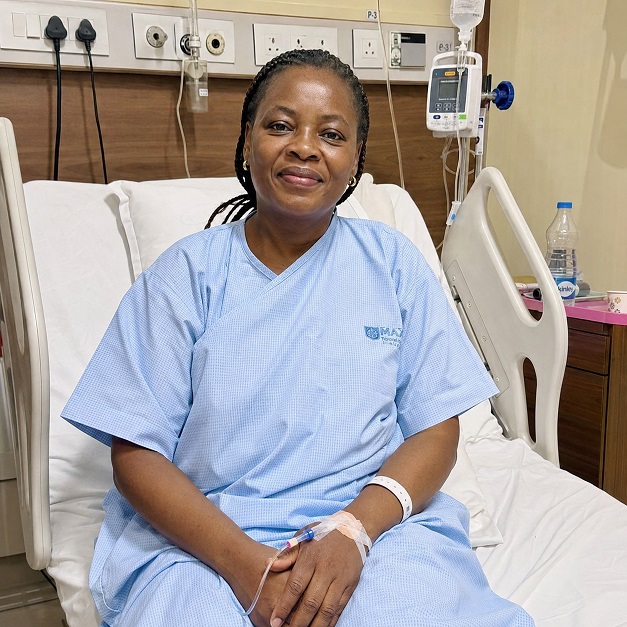
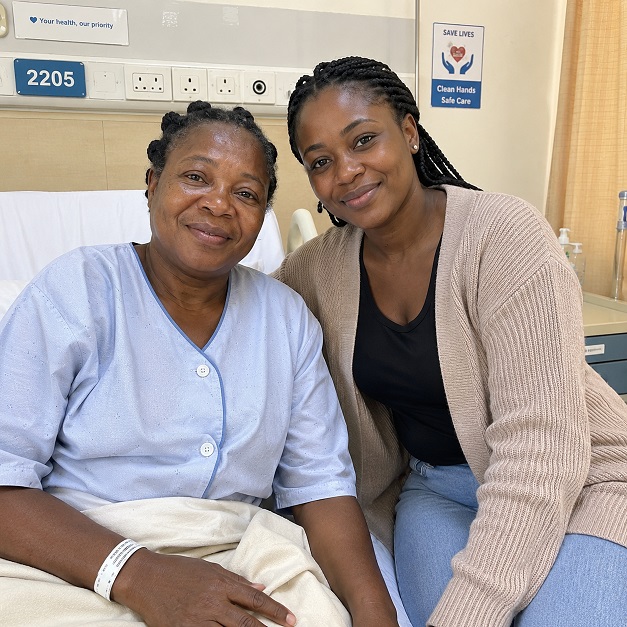
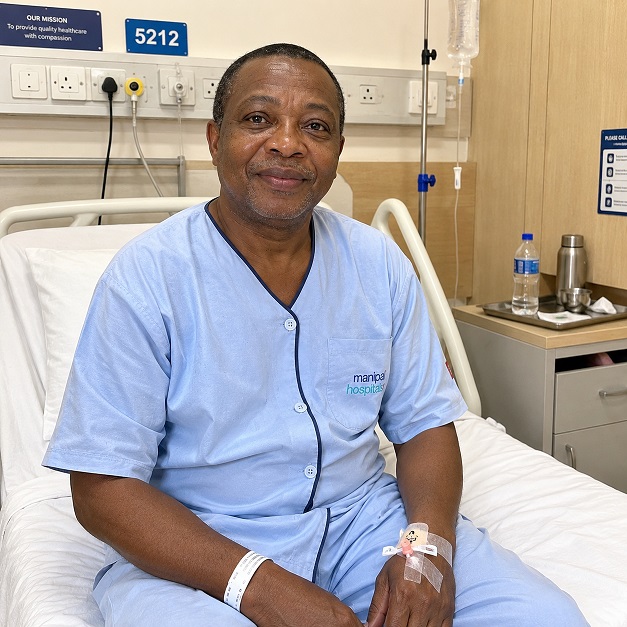
Patient Testimonials from Congo


Ready to Take the First Step?
Share your medical reports with our healthcare managers today and receive a FREE CONSULTATION, a personalized treatment plan and complete support from your arrival to your recovery.
Get Your Free ConsultationAreas We Serve
At Indian Health Guru Consultants, we proudly assist patients from Congo and neighboring countries across Central, East and Southern Africa who travel to India for advanced medical treatment. Our experienced international patient team provides end-to-end support, including medical opinions, hospital selection, Medical Visa assistance, travel planning, accommodation, interpreter services and post-treatment follow-up.
We regularly serve patients from:
- Gabon
- Cameroon
- Angola
- Uganda
- Rwanda
- Burundi
- Tanzania
- Zambia
- Djibouti
- Comoros
- Madagascar
- Seychelles
- South Sudan
- Central African Republic
- Republic of the Congo
- Democratic Republic of the Congo
No matter where you are located in the region, Indian Health Guru Consultants is committed to making your medical journey to India safe, affordable, seamless and completely patient-focused.
From Congo to India: Your Complete Patient Guide
- Brain Tumor Surgery in India for Congolese Patients
- Best Brain Tumour Surgeons & Hospitals in India for Congo Patients
- Knee Replacement in India for Congolese Patients
- Best Knee Replacement Surgeons & Hospitals in India for Congolese Patients
- Spine Surgery in India for Congolese Patients
- Best Spine Surgeons & Hospitals in India for Congolese Patients
- Liver Transplant in India for Congolese Patients: Cost & Guide
- Best Liver Transplant Centres and Hospitals in India for Congolese Patients
- Cardiac Surgery in India for Congolese Patients: Cost & Guide
- Best Cardiac Surgeons & Hospitals in India for Congolese Patients
- Bone Marrow Transplant in India for Congolese Patients: Cost & Guide
- Best Bone Marrow Transplant Centres and Hospitals in India for Congolese Patients
- Prostate Cancer Treatment in India for Congolese Patients: Cost & Guide
- Best Prostate Cancer Centres and Hospitals in India for Congolese Patients
- HIPEC in India for Congolese Patients: Cost & Treatment Guide
- Best HIPEC Centres and Hospitals in India for Congolese Patients
- Kidney Transplant in India for Congolese Patients: Cost & Guide
- Best Kidney Transplant Centres and Hospitals in India for Congolese Patients