

15 Frequently Asked Questions : Cornea Transplant and Advanced Eye Surgery in India for Congolese Patients
The cornea is the transparent front surface of the eye and plays an important role in focusing light. Diseases, injuries, infections and degenerative conditions can make the cornea cloudy, irregular, swollen or scarred, resulting in reduced vision. Cornea transplant, also called keratoplasty, replaces diseased or damaged corneal tissue with healthy donor tissue. Modern corneal surgery does not always require replacement of the entire cornea. Depending on which layer is affected, surgeons may perform selective or lamellar transplantation such as DALK, DSAEK or DMEK. India also provides advanced treatment for corneal conditions that may not require transplantation, including corneal cross-linking, specialised contact lenses, ocular-surface procedures and other anterior-segment treatments. For Congo patients, the correct procedure depends on the underlying eye condition, corneal thickness and shape, the affected corneal layer, vision level, previous surgery and overall eye health.
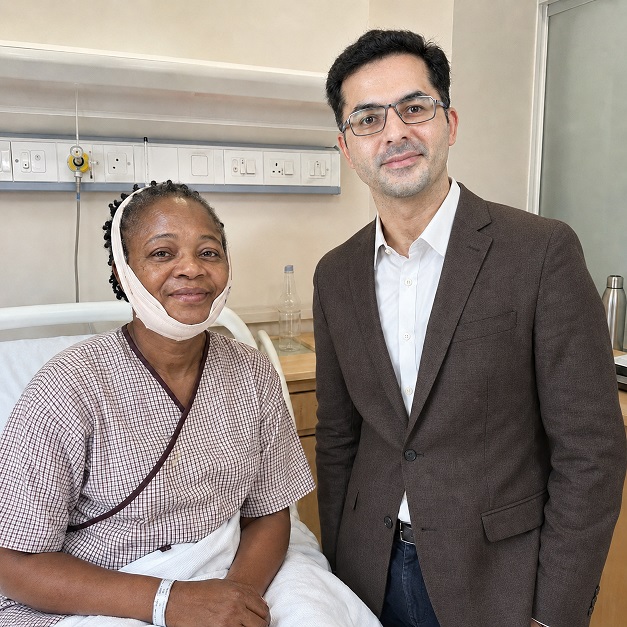
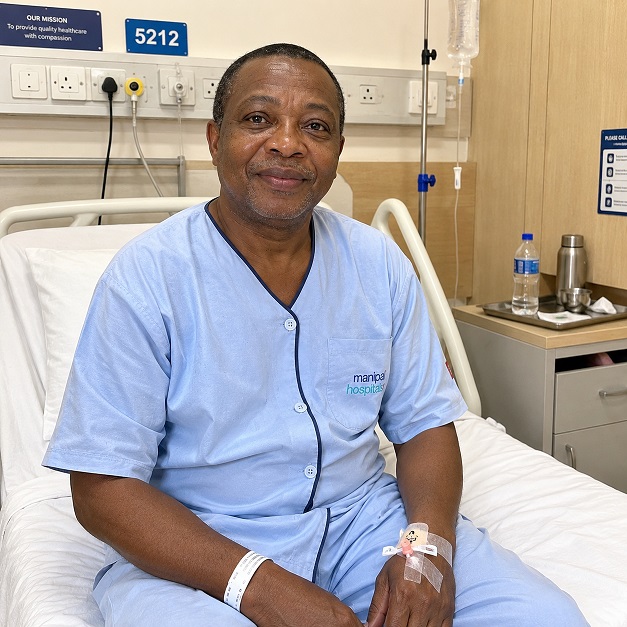
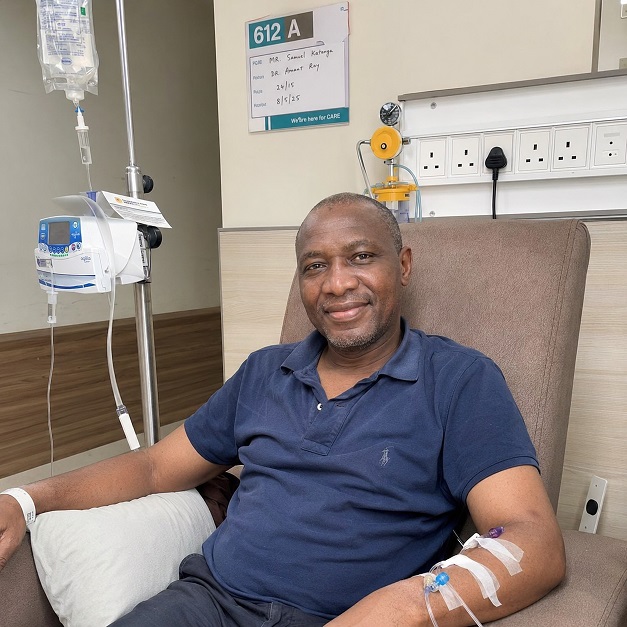
Healing Journeys of Congolese Patients
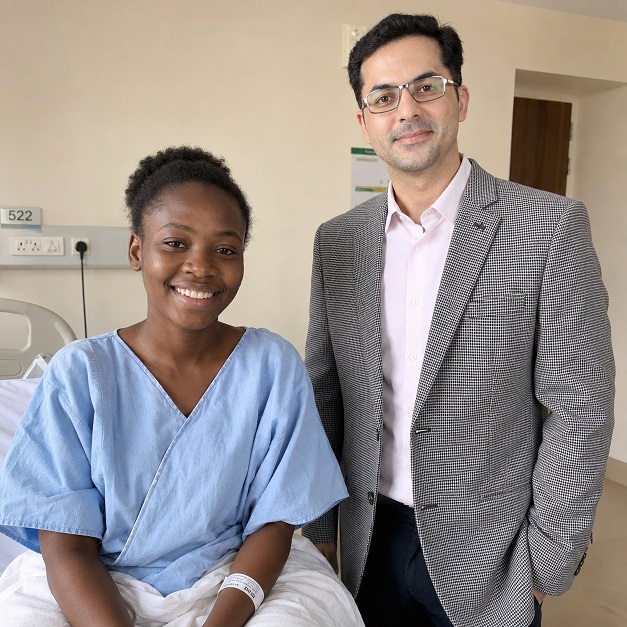
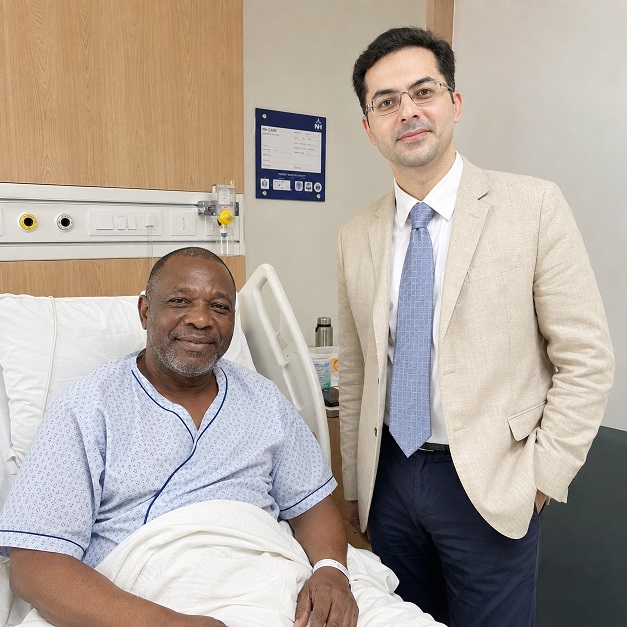
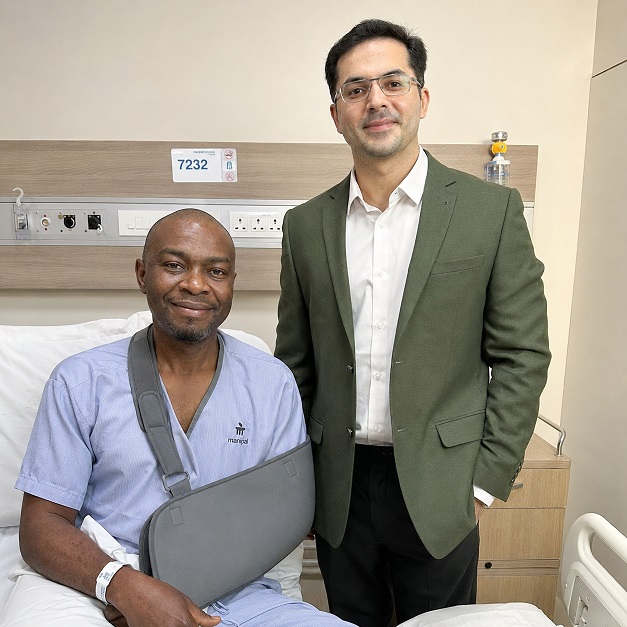
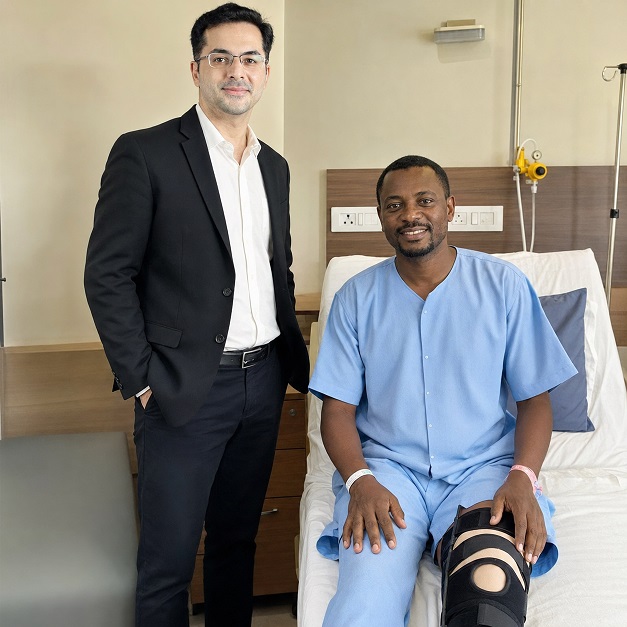
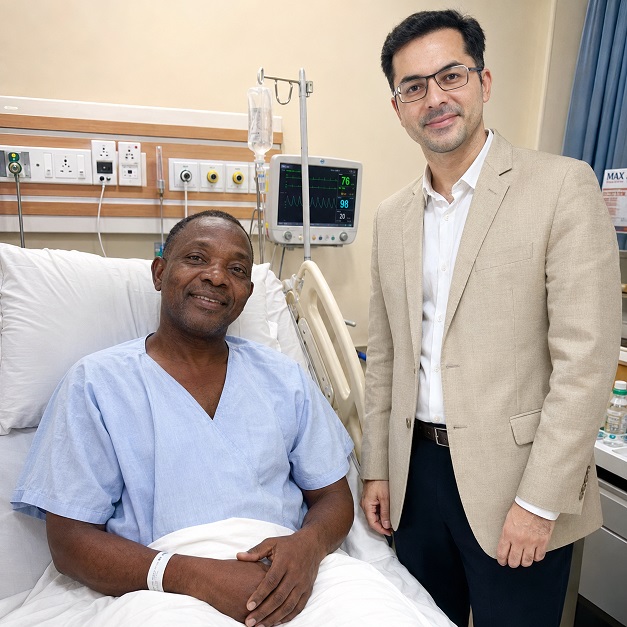
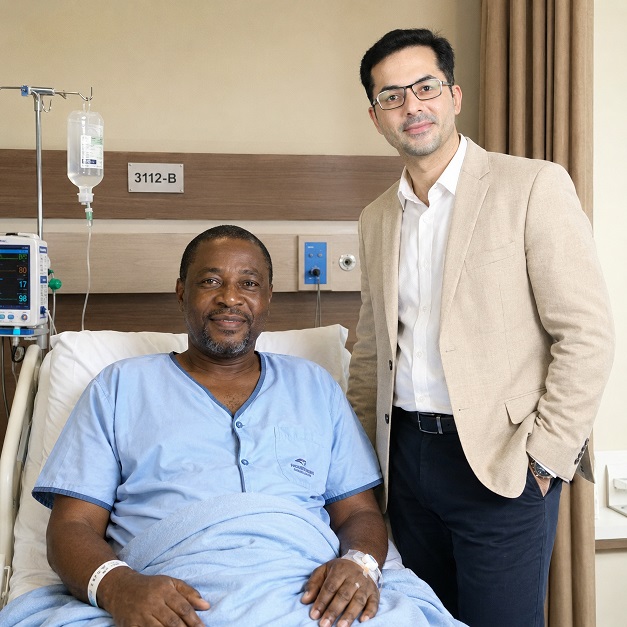
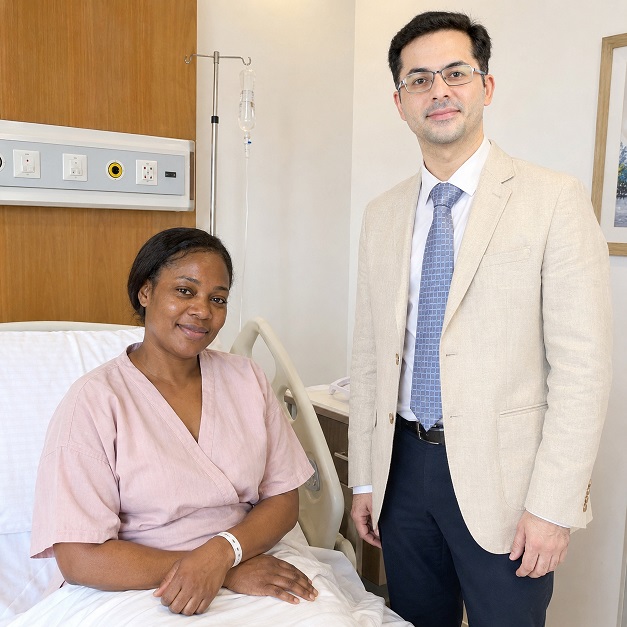
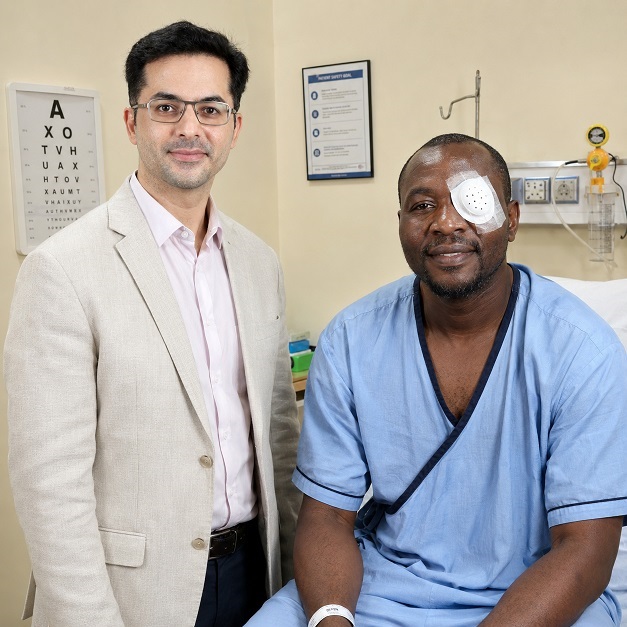
Q1 · What Cornea Transplant and Advanced Eye Surgery Options Are Available in India for Congo Patients?
India offers several procedures for corneal and anterior-segment conditions.
Penetrating Keratoplasty
Penetrating keratoplasty is a full-thickness corneal transplant in which the diseased corneal tissue is replaced with donor corneal tissue.
It may be considered for selected patients with
- Extensive corneal scarring
- Full-thickness corneal disease
- Severe corneal damage
- Corneal perforation
- Failed previous grafts
DALK
Deep Anterior Lamellar Keratoplasty replaces diseased anterior corneal layers while preserving the patient's healthy endothelium when appropriate.
DSAEK
Descemet's Stripping Automated Endothelial Keratoplasty replaces diseased endothelial tissue with a donor endothelial graft.
DMEK
Descemet Membrane Endothelial Keratoplasty replaces the diseased Descemet membrane and endothelial layer with donor tissue.
Therapeutic Keratoplasty
This may be used for selected severe infectious or structurally threatened corneas.
Corneal Cross-Linking
Corneal collagen cross-linking strengthens the cornea and is particularly relevant to progressive keratoconus. It is designed primarily to stabilise progression rather than replace a severely damaged cornea.
Ocular-Surface Reconstruction
Selected patients may require treatment for severe ocular-surface disorders, including limbal stem-cell deficiency.
Advanced Corneal and Anterior-Segment Surgery
Depending on the diagnosis, treatment may also involve
- Corneal scar management
- Pterygium surgery
- Keratoconus management
- Complex cataract surgery associated with corneal disease
- Keratoprosthesis in highly selected cases
Q2 · What Is the Cost of Cornea Transplant and Advanced Eye Surgery in India Compared with Congo?
The cost depends on the type of corneal procedure, hospital, surgeon, donor tissue, investigations, technology and postoperative care. For planning purposes:
For planning: US$1 ≈ XAF 575 • US$1 ≈ INR 96
Indicative Cost Comparison
| Eye Treatment | Congo Estimated Cost | India Estimated Cost | Potential Savings |
|---|---|---|---|
| Standard Corneal Transplant | XAF 1,725,000–3,450,000 US$3,000–6,000 | INR 75,000–150,000 US$780–1,565 | Approx. 48%–74% |
| DALK | XAF 2,300,000–4,025,000 US$4,000–7,000 | INR 100,000–200,000 US$1,040–2,085 | Approx. 48%–74% |
| DSAEK | XAF 2,875,000–4,600,000 US$5,000–8,000 | INR 125,000–250,000 US$1,300–2,605 | Approx. 48%–74% |
| DMEK | XAF 3,450,000–5,750,000 US$6,000–10,000 | INR 150,000–300,000 US$1,565–3,125 | Approx. 48%–74% |
| Therapeutic Keratoplasty | XAF 2,300,000–4,600,000 US$4,000–8,000 | INR 100,000–250,000 US$1,040–2,605 | Approx. 35%–74% |
| Corneal Cross-Linking | XAF 1,150,000–2,300,000 US$2,000–4,000 | INR 40,000–90,000 US$415–940 | Approx. 53%–79% |
| Complex Corneal Reconstruction | XAF 4,600,000–8,050,000 US$8,000–14,000 | INR 250,000–500,000 US$2,605–5,210 | Approx. 35%–67% |
For reference, published Indian hospital information gives an indicative corneal-transplant range of approximately INR 50,000–150,000, although the final quotation varies according to the procedure and patient. These are indicative planning estimates and not fixed hospital quotations.
The final cost may depend on
- Type of transplant
- Surgeon charges
- Hospital charges
- Donor tissue and eye-bank-related charges
- Corneal imaging
- Anaesthesia
- Laboratory investigations
- Medication
- Postoperative consultations
- Additional procedures
- Treatment of complications
Patients should obtain a detailed written quotation before travelling.
Q3 · Which Indian Cities Can Congo Patients Consider for Cornea Transplant and Advanced Eye Surgery?
| City | Eye Treatment Environment |
|---|---|
| Delhi | Advanced corneal, cataract and anterior-segment surgery |
| Chennai | Corneal transplantation and advanced ophthalmology |
| Mumbai | Corneal and anterior-segment treatment |
| Bengaluru | Corneal, refractive and advanced eye surgery |
| Hyderabad | Corneal and comprehensive ophthalmology |
| Gurugram | Advanced ophthalmology and corneal care |
| Noida | Eye surgery and ophthalmology |
| Kolkata | Corneal and ophthalmic surgery |
| Pune | Corneal and advanced eye treatment |
| Ahmedabad | Corneal and ophthalmic care |
| Kochi | Corneal and comprehensive eye care |
| Thiruvananthapuram | Corneal and ophthalmic surgery |
| Goa | Selected ophthalmic procedures |
| Nagpur | Corneal and ophthalmic treatment |
Patients should confirm that the selected centre has an experienced corneal specialist, appropriate donor-tissue arrangements and the specific surgical technology required.
Q4 · Which Hospitals in India Can Congo Patients Consider for Cornea Transplant and Advanced Eye Surgery?
Delhi Hospitals
- Fortis Escorts Heart Institute, New Delhi
- BLK-Max Super Speciality Hospital, New Delhi
- Max Super Speciality Hospital, Saket
- Indraprastha Apollo Hospitals, New Delhi
- Sir Ganga Ram Hospital
- Max Super Speciality Hospital, Patparganj
- Manipal Hospital, Dwarka
- Fortis Hospital, Vasant Kunj
- Institute of Brain and Spine Hospital (IBS Hospital)
- Dharamshila Narayana Hospital
- Indian Spinal Injuries Centre
- AIIMS New Delhi
Chennai Hospitals
- MGM Healthcare
- MIOT International
- Apollo Hospitals, Greams Road
- Sri Ramachandra Medical Centre
- SIMS Hospital
- Kauvery Hospital
- Gleneagles HealthCity Chennai
- Vijaya Hospital
- Apollo Speciality Hospitals
- Rela Hospital
Mumbai Hospitals
- Bombay Hospital & Medical Research Centre
- Lilavati Hospital & Research Centre
- Jaslok Hospital & Research Centre
- Gleneagles Hospital, Mumbai
- Nanavati Max Super Speciality Hospital
- Kokilaben Dhirubhai Ambani Hospital
- P. D. Hinduja Hospital & Medical Research Centre
- Sir H. N. Reliance Foundation Hospital
- Wockhardt Hospitals, Mumbai
- Apollo Hospitals, Mumbai
Bengaluru Hospitals
- Manipal Hospital, Old Airport Road
- Manipal Hospital, Whitefield
- Manipal Hospital, Yeshwanthpur
- Apollo Hospitals, Bengaluru
- Fortis Hospital, Bannerghatta Road
- Aster CMI Hospital
- Sakra World Hospital
- Narayana Health City
- Sagar Hospitals
- Kauvery Hospital, Bengaluru
Hyderabad Hospitals
- KIMS Hospitals
- Yashoda Hospitals
- Apollo Health City
- CARE Hospitals
- Continental Hospitals
- Gleneagles Hospitals, Hyderabad
- Sunshine Hospitals
- Star Hospitals
Gurugram Hospitals
- Fortis Memorial Research Institute (FMRI)
- Medanta – The Medicity
- Artemis Hospital
- Max Hospital, Gurugram
- CK Birla Hospital, Gurugram
- Manipal Hospital, Gurugram
- Paras Health
- Narayana Superspeciality Hospital
Noida Hospitals
- Fortis Hospital, Noida
- Jaypee Hospital
- Max Super Speciality Hospital, Noida
- Yatharth Hospital
- Kailash Hospital
- Metro Hospital & Heart Institute
- Metro Center for Neurosciences
Kolkata Hospitals
- Apollo Multispeciality Hospitals
- AMRI Hospitals
- Fortis Hospital, Anandapur
- Manipal Hospitals, Salt Lake
- Medica Superspecialty Hospital
- Narayana Superspeciality Hospital
- Ruby General Hospital
Pune Hospitals
- Ruby Hall Clinic
- Jehangir Hospital
- Deenanath Mangeshkar Hospital
- Sahyadri Super Speciality Hospital
- Aditya Birla Memorial Hospital
- Manipal Hospital, Kharadi
- Medicover Hospital, Pune
Ahmedabad Hospitals
- Apollo Hospitals, Ahmedabad
- Zydus Hospitals
- Sterling Hospitals
- Shalby Hospitals
- HCG Hospitals
- SAL Hospital
- CIMS Hospital
Kochi Hospitals
- Aster Medcity
- Amrita Hospital
- VPS Lakeshore Hospital
- Rajagiri Hospital
- Aster MIMS
- Lisie Hospital
- Renai Medicity
Thiruvananthapuram Hospitals
- KIMSHEALTH Hospital
- Ananthapuri Hospitals and Research Institute
- SUT Hospital
- SP Medifort Hospital
- PRS Hospital
- GG Hospital
Goa Hospitals
- Manipal Hospital, Goa
- Healthway Hospital
- Manipal Hospitals, Dona Paula
- Goa Medical College and Hospital
- Apollo Victor Hospital
Nagpur Hospitals
- Wockhardt Hospitals, Nagpur
- Alexis Multispeciality Hospital
- CARE Hospitals, Nagpur
- Kingsway Hospitals
- Lata Mangeshkar Hospital
Important: This is the established hospital-list format. Not every listed hospital necessarily provides corneal transplantation or every advanced eye procedure. Congo patients should confirm the availability of a corneal specialist, donor-tissue arrangements, eye-bank support and the specific procedure before travelling.
Q5 · What Types of Cornea Transplant and Advanced Eye Surgery Are Available?
Penetrating Keratoplasty
This is a full-thickness corneal transplant.
It may be considered when the disease affects most or all layers of the cornea.
DALK
Deep Anterior Lamellar Keratoplasty replaces diseased anterior corneal layers while preserving the patient's healthy endothelial layer where suitable.
DSAEK
DSAEK replaces diseased endothelial tissue with a thin donor tissue layer.
DMEK
DMEK replaces the Descemet membrane and endothelial layer with donor tissue.
Therapeutic Keratoplasty
This may be required when severe corneal infection or structural damage threatens the eye.
Corneal Cross-Linking
Cross-linking strengthens corneal tissue and can help slow or stop progression of selected cases of keratoconus. It is not a replacement for transplantation when the cornea is already severely scarred or structurally compromised.
Limbal Stem-Cell Transplantation
Selected patients with limbal stem-cell deficiency may require specialised ocular-surface reconstruction.
Keratoprosthesis
An artificial corneal device may be considered in highly selected patients with severe corneal disease or repeated graft failure.
The appropriate procedure depends on the exact layer and condition of the cornea.
Q6 · Who May Be Considered for Corneal Transplantation?
Corneal transplantation may be considered for selected patients with significant vision impairment caused by corneal disease.
Potential conditions include
- Keratoconus
- Corneal dystrophies
- Corneal scarring
- Severe corneal infection after the infection has been controlled
- Corneal oedema
- Corneal degeneration
- Traumatic corneal damage
- Corneal perforation
- Failed previous corneal transplant
A corneal specialist may assess
- Visual acuity
- Corneal thickness
- Corneal topography or tomography
- Corneal clarity
- Endothelial-cell function
- Eye pressure
- Ocular-surface condition
- Retinal and optic-nerve health
- Previous surgeries
A transplant is not automatically required for every corneal disorder.
Q7 · What Advanced Corneal Techniques May Be Available in India?
India has centres offering advanced lamellar and corneal procedures.
DMEK
DMEK selectively replaces the diseased endothelial layer and can provide faster visual recovery than full-thickness transplantation in appropriate cases.
DSAEK
DSAEK replaces diseased endothelial tissue while preserving much of the patient's own corneal structure.
DALK
DALK can preserve the patient's healthy endothelium when disease is primarily located in the anterior cornea.
Corneal Cross-Linking
Cross-linking can stabilise progressive corneal ectasia, particularly keratoconus, in appropriate patients.
Advanced Corneal Imaging
Specialised assessment may include
- Corneal topography
- Corneal tomography
- Specular microscopy
- Anterior-segment OCT
- Pachymetry
- Other anterior-segment imaging
Ocular-Surface Reconstruction
Selected centres may provide
- Limbal stem-cell transplantation
- Amniotic membrane procedures
- Ocular-surface reconstruction
- Therapeutic keratoplasty
AIIMS New Delhi's corneal service, for example, describes experience with penetrating keratoplasty, DALK, DSAEK, DMEK, therapeutic keratoplasty, ocular-surface reconstruction, limbal stem-cell transplantation and corneal cross-linking.
Q8 · What Medical Reports Should Congo Patients Send Before Travelling?
Patients should provide
- Recent eye examination
- Visual-acuity records
- Slit-lamp examination reports
- Corneal topography
- Corneal tomography where available
- Pachymetry
- Specular microscopy where available
- Anterior-segment OCT where available
- Eye-pressure measurements
- Previous corneal-surgery records
- Previous transplant records
- Previous infection reports
- Microbiology reports where applicable
- Current eye-drop list
- General medical history
- Diabetes reports where applicable
- Previous imaging
Patients should also provide information about
- Previous eye injuries
- Contact-lens use
- Previous corneal ulcers
- Previous eye surgery
- Previous transplant rejection
- Current vision problems
Clear clinical photographs may also be useful for preliminary review when available. The corneal specialist may request additional testing after examining the patient.
Q9 · What Is the Typical Process for Cornea Transplantation in India?
Step 1: Corneal Specialist Consultation
The ophthalmologist reviews the patient's diagnosis, vision and previous treatment.
Step 2: Detailed Eye Examination
The eye may be assessed using
- Slit-lamp examination
- Corneal measurements
- Topography/tomography
- Pachymetry
- Specular microscopy
- Eye-pressure testing
Step 3: Determine the Diseased Corneal Layer
The surgeon determines whether the disease primarily affects
- Anterior cornea
- Stromal layers
- Endothelium
- Full corneal thickness
- Ocular surface
Step 4: Select the Procedure
Possible options may include
- DALK
- DMEK
- DSAEK
- Penetrating keratoplasty
- Therapeutic keratoplasty
- Cross-linking
- Other ocular-surface procedures
Step 5: Donor-Tissue Planning
For transplantation, suitable donor corneal tissue is arranged through the appropriate eye-bank pathway.
Step 6: Preoperative Assessment
The patient may undergo
- Blood tests where required
- Medical assessment
- Anaesthesia assessment
- Additional eye investigations
Step 7: Surgery
The selected corneal procedure is performed using microsurgical techniques.
Step 8: Early Postoperative Monitoring
The team monitors
- Vision
- Eye pressure
- Corneal graft position
- Inflammation
- Infection
- Wound condition
Step 9: Postoperative Medication
Patients generally receive prescribed eye drops and other medications according to the procedure.
Step 10: Follow-Up
Regular ophthalmic follow-up is essential to monitor healing and detect complications such as graft rejection.
Q10 · Are There Alternatives to Corneal Transplantation?
Yes. A transplant is not always the first treatment. Depending on the condition, alternatives may include:
Specialised Contact Lenses
Rigid gas-permeable, hybrid or scleral lenses may improve vision in selected keratoconus and irregular-cornea patients.
Corneal Cross-Linking
This may be used to slow progression of suitable cases of keratoconus.
Intrastromal Corneal Ring Segments
Selected keratoconus patients may be evaluated for corneal ring segments.
Phototherapeutic Keratectomy
PTK may be useful for selected superficial corneal scars or surface irregularities.
Medical Treatment
Corneal infection, inflammation or oedema may sometimes be treated medically.
Ocular-Surface Treatment
Amniotic membrane procedures, protective measures and other treatments may be considered for selected surface disorders.
The appropriate alternative depends on the underlying diagnosis and severity.
Q11 · What Should Congo Patients Ask Before Accepting a Cornea Surgery Quotation?
Before confirming treatment, patients should ask
- What is the exact corneal diagnosis?
- Do I actually require a transplant?
- Which layer of the cornea is diseased?
- Is DALK suitable for me?
- Is DMEK suitable for me?
- Is DSAEK suitable for me?
- Would penetrating keratoplasty be necessary?
- Could cross-linking or another non-transplant treatment be appropriate?
- Is suitable donor tissue available?
- Is the donor tissue arranged through an authorised eye-bank pathway?
- Who will perform the surgery?
- What type of anaesthesia will be used?
- Are preoperative investigations included?
- Are donor-tissue-related charges included?
- Are medicines included?
- How many hospital days are expected?
- How long should I remain in India after surgery?
- What are the major risks, including graft rejection?
- How often will follow-up examinations be required?
- What happens if a graft complication occurs?
Patients should obtain a detailed written quotation before travelling.
Q12 · How Long Should Congo Patients Stay in India for Cornea Transplantation?
The stay depends on the procedure and the patient's postoperative recovery.
For planning purposes
- Initial consultation and investigations: approximately 2–5 days
- Corneal surgery: usually requires short hospital or day-care observation depending on the procedure
- Early postoperative review: required before international travel
- Typical medical-tourism stay: approximately 7–14 days for an uncomplicated case
- Complex cases or complications: may require a longer stay
Corneal recovery can continue for months after surgery. Some procedures may require several postoperative examinations shortly after surgery, so patients should coordinate their travel schedule with the corneal specialist. Patients should not schedule an immediate return flight without postoperative clearance.
Q13 · What Is Recovery Like After Cornea Transplant or Advanced Eye Surgery?
Recovery depends on the type of procedure.
Patients may experience
- Blurred vision
- Mild discomfort
- Eye redness
- Light sensitivity
- Foreign-body sensation
- Fluctuating vision
After corneal transplantation, vision may improve gradually rather than immediately. Full visual recovery can take considerably longer depending on the type of transplant and individual healing. Published patient information notes that complete recovery after some corneal transplants can take many months.
Patients may need
- Prescription eye drops
- Antibiotic or anti-inflammatory treatment where prescribed
- Protective eye shields
- Avoidance of eye rubbing
- Protection from accidental eye trauma
- Regular ophthalmic examinations
Important Warning Signs
Patients should seek urgent ophthalmic assessment if they develop
- Sudden reduction in vision
- Increasing eye redness
- Increasing eye pain
- New light sensitivity
- Significant discharge
- Sudden corneal clouding
- Severe swelling
These symptoms can sometimes indicate infection, inflammation or graft rejection and should not be ignored. Patients should avoid strenuous activities and other restrictions according to their surgeon's instructions.
Q14 · How Can Congo Patients Continue Follow-up After Returning Home?
Before returning to Congo, patients should collect
- Final diagnosis
- Surgical report
- Discharge summary
- Type of corneal transplant
- Donor-tissue information where provided
- Medication list
- Eye-drop schedule
- Follow-up schedule
- Vision records
- Corneal imaging where available
- Previous transplant information if applicable
- Warning signs requiring urgent treatment
Long-term follow-up may include
- Visual-acuity testing
- Slit-lamp examination
- Eye-pressure measurement
- Corneal assessment
- Graft assessment
- Medication adjustment
- Suture management where applicable
Some corneal transplants require prolonged follow-up because graft rejection can occur even after an initially successful operation. Patients should arrange follow-up with an ophthalmologist or corneal specialist in Congo. They should contact the treating team promptly if they develop sudden vision changes, redness, pain, light sensitivity or other concerning symptoms.
Q15 · Is India an Option for Congo Patients Seeking Cornea Transplant and Advanced Eye Surgery?
India can be considered by Congo patients seeking specialist evaluation for corneal disease and advanced eye surgery.
Patients should compare
- Exact corneal diagnosis
- Diseased corneal layer
- Recommended procedure
- Corneal specialist experience
- Eye-bank and donor-tissue arrangements
- Surgical technology
- Preoperative investigations
- Total treatment cost
- Expected hospital stay
- Postoperative medication
- Follow-up requirements
- Travel arrangements
Patients should not assume that every patient with poor vision requires a corneal transplant. Depending on the diagnosis, specialised contact lenses, cross-linking, medical treatment or another procedure may be appropriate. A detailed corneal evaluation and review of previous eye records before international travel can help determine the most suitable treatment pathway. The final treatment decision should always be made after individual assessment by the treating ophthalmology and corneal-surgery team.
Final Pre-Travel Checklist for Congo Patients
Medical Documents
- Passport copy
- Complete eye history
- Recent visual-acuity report
- Slit-lamp examination report
- Corneal topography
- Corneal tomography where available
- Pachymetry
- Specular microscopy where available
- Anterior-segment OCT where available
- Eye-pressure records
- Previous eye-surgery records
- Previous corneal-transplant records
- Previous infection reports
- Microbiology reports where applicable
- Current eye-drop list
- General medical history
- Diabetes reports where applicable
Treatment Planning
- Indian corneal specialist's opinion
- Exact diagnosis confirmed
- Diseased corneal layer identified
- DALK option discussed where appropriate
- DMEK option discussed where appropriate
- DSAEK option discussed where appropriate
- Penetrating keratoplasty discussed where appropriate
- Cross-linking option discussed where appropriate
- Non-surgical alternatives reviewed
- Donor-tissue requirements discussed
- Eye-bank arrangements confirmed
- Expected recovery explained
- Graft-rejection risks explained
- Follow-up plan prepared
Cost Planning
- Written surgical quotation
- Surgeon charges confirmed
- Hospital charges confirmed
- Operating-room charges confirmed
- Anaesthesia charges confirmed
- Corneal imaging charges clarified
- Donor-tissue charges clarified
- Eye-bank-related charges clarified
- Medicines clarified
- Follow-up consultation costs clarified
- Additional procedure costs clarified
- Complication-related costs discussed
Travel Planning
- Passport validity checked
- Appropriate medical travel documentation arranged
- Eye records organised
- Previous imaging prepared
- Previous surgical records prepared
- Accommodation arranged
- Airport transfer arranged
- Caregiver arranged where required
- Sufficient postoperative stay planned
- Return flight scheduled with flexibility
- Additional-stay budget planned
Before Returning to Congo
- Final diagnosis collected
- Surgical report collected
- Discharge summary collected
- Type of corneal procedure recorded
- Donor-tissue information collected where applicable
- Eye-drop schedule collected
- Medication list collected
- Follow-up schedule confirmed
- Warning signs explained
- Local ophthalmology follow-up arranged
- Treating team's contact details saved
Final Note
Corneal transplantation and advanced corneal surgery can help selected patients with serious corneal disease, scarring, keratoconus, corneal dystrophies, endothelial disorders and other conditions affecting corneal clarity and function. Modern corneal surgery is increasingly tailored to the specific layer affected. Procedures such as DALK, DSAEK and DMEK can replace only diseased portions of the cornea in appropriately selected patients, while penetrating keratoplasty remains important for full-thickness disease and complex cases. For Congo patients travelling to India, the treatment decision should be based on the exact corneal diagnosis rather than vision loss alone. In some cases, specialised contact lenses, corneal cross-linking or medical treatment may avoid or delay transplantation. Patients should obtain a complete corneal evaluation before travelling and should understand the expected recovery, eye-drop requirements, graft-rejection risks and long-term follow-up requirements. Before returning to Congo, patients should collect their complete surgical records, medication instructions, eye-drop schedule and follow-up plan. The final treatment approach should always be determined after individual assessment by a qualified ophthalmologist or corneal specialist.
Page Summary
This guide answers 15 frequently asked questions about cornea transplant and advanced eye surgery in India for Congolese patients. It sets out indicative cost ranges in XAF, USD and INR for procedures such as standard corneal transplant, DALK, DSAEK and DMEK, and lists 14 Indian cities and 109 hospitals to research. It also covers treatment options, the medical reports to send before travel, the treatment process, alternatives, quotation questions, expected stay in India, recovery, follow-up care and a pre-travel checklist for patients from Congo.


Our Mission Statement
Our mission is to place patients at the centre of every healthcare decision by providing trustworthy, evidence-based, and unbiased medical information. We believe that informed patients make better decisions. Backed by personalised guidance from our experienced advisory team, we help patients understand their treatment options, compare them objectively, and confidently choose the path that best suits their medical needs and personal circumstances.
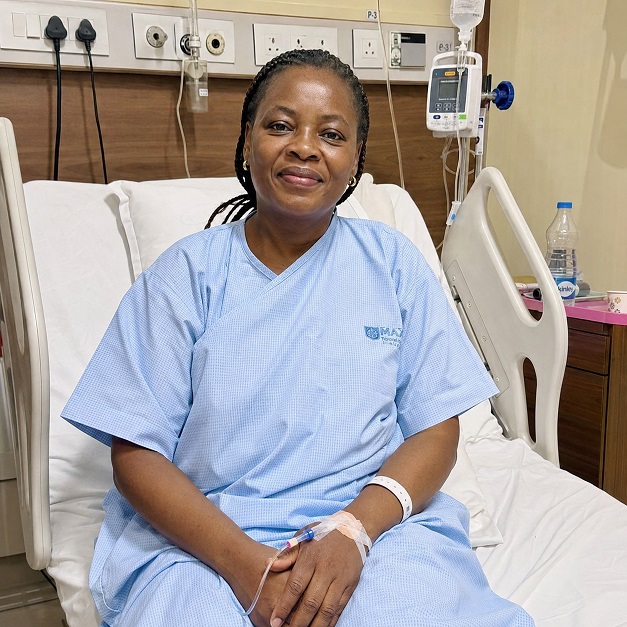
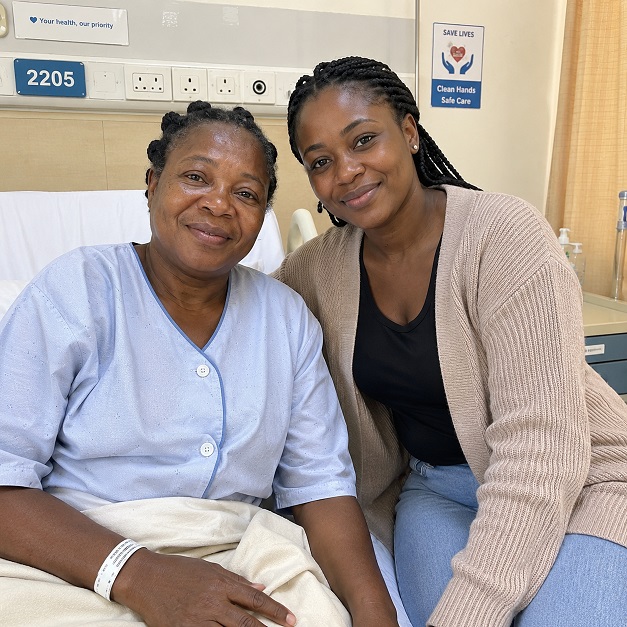
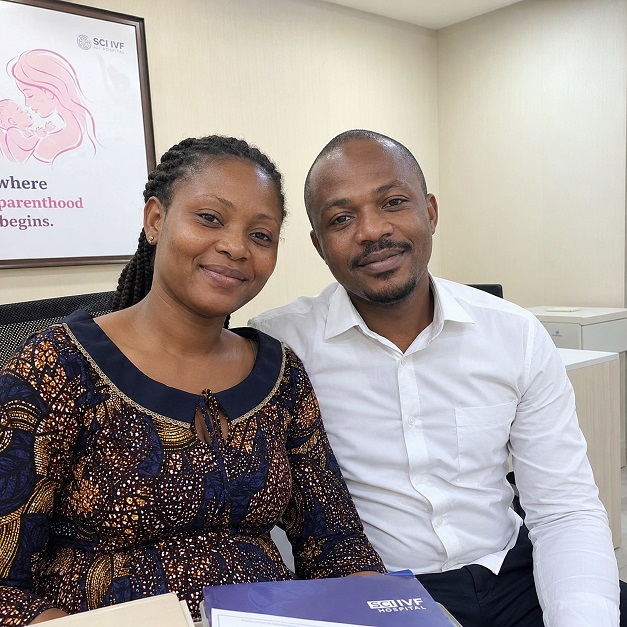
Patient Testimonials from Congo

Ready to Take the First Step?
Share your medical reports with our healthcare managers today and receive a FREE CONSULTATION, a personalized treatment plan and complete support from your arrival to your recovery.
Get Your Free ConsultationAreas We Serve
At Indian Health Guru Consultants, we proudly assist patients from Congo and neighboring countries across Central, East and Southern Africa who travel to India for advanced medical treatment. Our experienced international patient team provides end-to-end support, including medical opinions, hospital selection, Medical Visa assistance, travel planning, accommodation, interpreter services and post-treatment follow-up.
We regularly serve patients from:
- Gabon
- Cameroon
- Angola
- Uganda
- Rwanda
- Burundi
- Tanzania
- Zambia
- Djibouti
- Comoros
- Madagascar
- Seychelles
- South Sudan
- Central African Republic
- Republic of the Congo
- Democratic Republic of the Congo
No matter where you are located in the region, Indian Health Guru Consultants is committed to making your medical journey to India safe, affordable, seamless and completely patient-focused.
From Congo to India: Your Complete Patient Guide
- Brain Tumor Surgery in India for Congolese Patients
- Best Brain Tumour Surgeons & Hospitals in India for Congo Patients
- Knee Replacement in India for Congolese Patients
- Best Knee Replacement Surgeons & Hospitals in India for Congolese Patients
- Spine Surgery in India for Congolese Patients
- Best Spine Surgeons & Hospitals in India for Congolese Patients
- Liver Transplant in India for Congolese Patients: Cost & Guide
- Best Liver Transplant Centres and Hospitals in India for Congolese Patients
- Cardiac Surgery in India for Congolese Patients: Cost & Guide
- Best Cardiac Surgeons & Hospitals in India for Congolese Patients
- Bone Marrow Transplant in India for Congolese Patients: Cost & Guide
- Best Bone Marrow Transplant Centres and Hospitals in India for Congolese Patients
- Prostate Cancer Treatment in India for Congolese Patients: Cost & Guide
- Best Prostate Cancer Centres and Hospitals in India for Congolese Patients
- HIPEC in India for Congolese Patients: Cost & Treatment Guide
- Best HIPEC Centres and Hospitals in India for Congolese Patients
- Kidney Transplant in India for Congolese Patients: Cost & Guide
- Best Kidney Transplant Centres and Hospitals in India for Congolese Patients