

Selecting the Best Prostate Cancer Surgeons and Hospitals in India: A Guide for Patients from Iraq
A doctor’s honest, question-by-question guide for patients from Iraq on vetting a prostate cancer hospital in India — margin rates, accreditation, stage-specific outcomes, and the exact questions worth asking before you book anything.
Over the years, I have found that prostate cancer surgery is one of the areas where Iraqi men most often present later than ideal, and a genuinely important Indian-specific study helps explain why this matters and what it does not change. In my experience of 24 years advising patients through exactly this decision, the honest picture is this: Indian and South Asian men frequently present with more advanced disease at the time of diagnosis, largely reflecting less routine PSA screening, but once treated by an experienced surgical team, their cancer-control outcomes have been shown to be genuinely comparable to Western patients, which is a reassuring and important distinction to understand clearly.
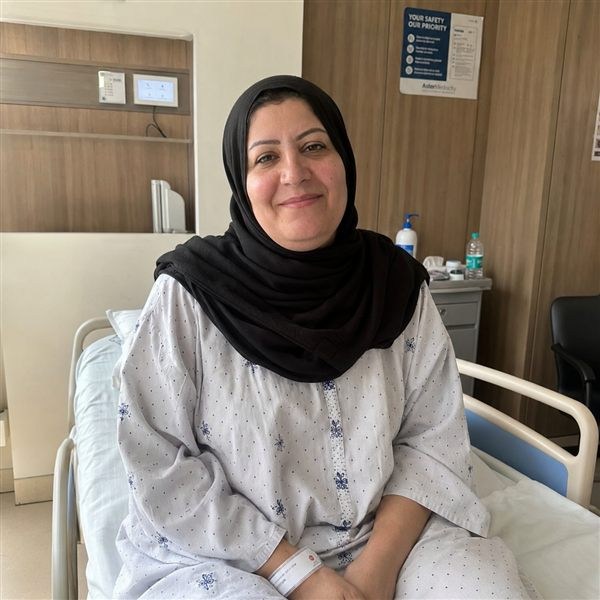
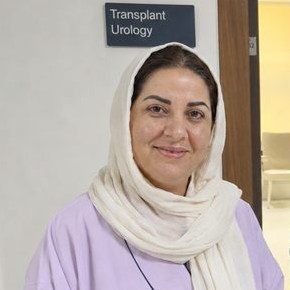
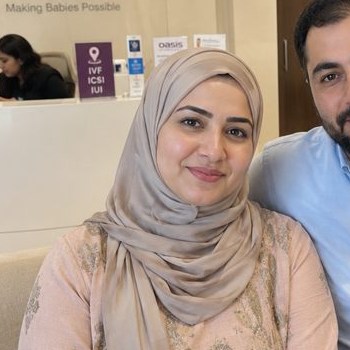
Healing Journeys of Iraqi Patients
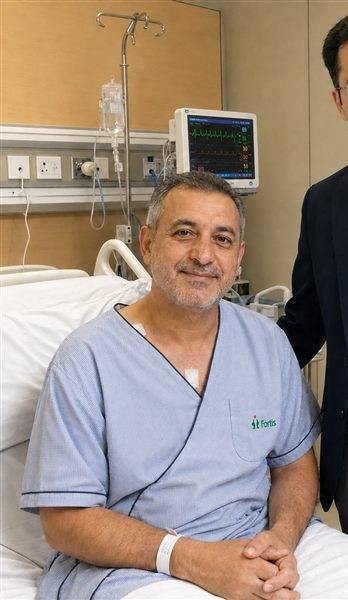
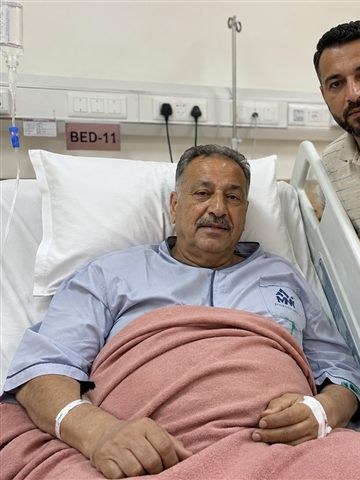

Key Takeaways
- Prostate cancer patients from Iraq should evaluate their treatment options according to their disease stage and risk category, rather than relying on a single overall success percentage. The source notes that Indian and South Asian men may present with more advanced disease, but comparable cancer-control outcomes have been reported when treatment is provided by experienced surgical teams.
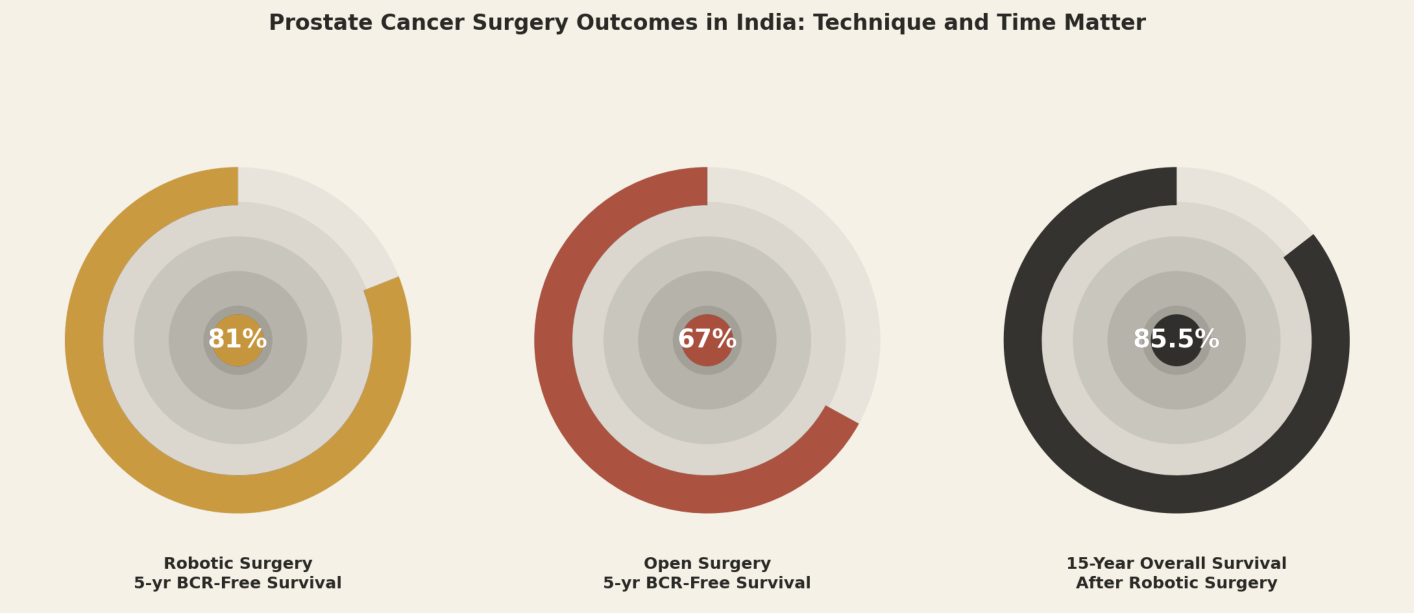
- The choice of surgical technique can influence outcomes. In the cited comparative study, robotic-assisted prostatectomy had a five-year biochemical recurrence-free survival of 81%, compared with 67% for traditional open surgery. Positive surgical margins were also reported at 14.0% with robotic surgery versus 42.9% with open surgery.
- Long-term results also depend strongly on the stage of prostate cancer. The cited 20-year multi-country registry reported 15-year prostate-cancer-specific survival of 97.6% and overall survival of 85.5% after robotic prostatectomy, while patients with lymph-node-positive disease had substantially lower long-term survival.
- The surgeon's own positive surgical margin rate and recurrence data should be among the most important questions for Iraqi patients. The guide recommends asking how many robotic radical prostatectomies the surgeon has personally performed and what outcomes they achieve for patients with a similar stage and risk category.
- The treatment decision should also consider nerve-sparing surgery and its trade-offs. Depending on the location and extent of cancer, the surgeon must balance cancer control against preservation of urinary continence and sexual function.
- Prostate cancer surgery is best managed through a multidisciplinary programme. The source identifies a high-volume urologic oncologist, medical oncologist, radiation oncologist, prostate-focused pathologist and continence or pelvic-floor physiotherapist as important members of the wider team.
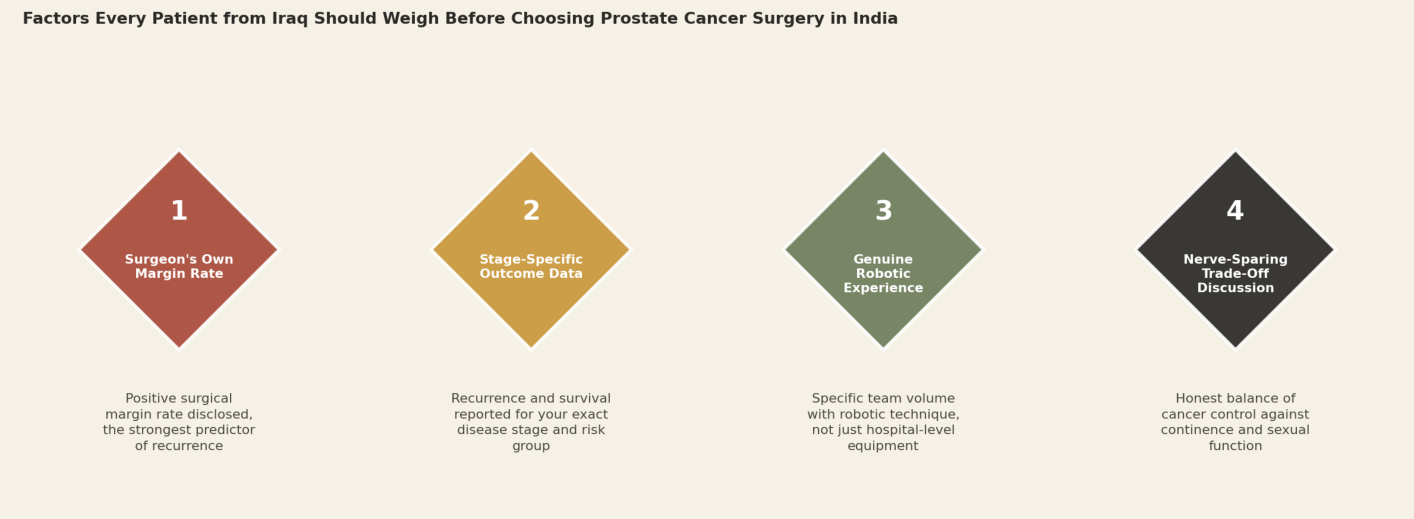
- The page 2 outcome graphic visually compares 81% five-year biochemical recurrence-free survival for robotic surgery, 67% for open surgery and 85.5% 15-year overall survival after robotic prostatectomy. The page 4 checklist highlights the surgeon's own margin rate, stage-specific outcome data, genuine robotic experience and nerve-sparing trade-off discussion.
Quick Facts
- Treatment
- Prostate cancer surgery
- Primary Patients
- Iraqi men seeking prostate cancer treatment in India
- Main Speciality
- Urologic oncology
- Key Specialist
- High-volume urologic oncologist and robotic prostatectomy surgeon
- Main Procedure
- Robotic radical prostatectomy
- Alternative
- Traditional open prostatectomy may be considered in selected cases
- Robotic 5-Year BCR-Free Survival
- 81% in the cited comparative study
- Open 5-Year BCR-Free Survival
- 67% in the cited comparison
- Robotic Positive Margin Rate
- 14.0% in the cited study
- Open Positive Margin Rate
- 42.9% in the cited study
- 15-Year Cancer-Specific Survival
- 97.6% in the cited robotic registry
- 15-Year Overall Survival
- 85.5% in the cited registry
- Key Selection Factor
- Surgeon-specific positive surgical margin rate
- Imaging
- Multiparametric MRI may assist tumour mapping and surgical planning
- Nerve Sparing
- Should be assessed according to cancer location and individual risk
- Team
- Urologic oncologist, medical oncologist, radiation oncologist and specialist pathologist
- Rehabilitation
- Continence and pelvic-floor physiotherapy may support recovery
- Accreditation
- Verify current hospital accreditation
- Advanced Disease
- Locally advanced or lymph-node-positive disease requires careful multidisciplinary assessment
- Author
- Dr. Dheeraj Bojwani
- Experience
- 24+ Years
In Brief
Iraqi men choosing prostate cancer surgery in India should verify the surgeon’s individual robotic prostatectomy experience, positive surgical margin rate and stage-specific recurrence outcomes. They should also confirm whether multiparametric MRI is used for preoperative tumour mapping, whether intraoperative frozen-section analysis is available when appropriate, and whether the proposed treatment has been reviewed by a multidisciplinary team. The source particularly warns against hospitals that provide only a general success percentage without discussing the patient’s disease stage, risk category and nerve-sparing considerations.
Why the Choice of Urologic Surgeon in India Matters as Much as the Choice of Technique
Based on my interactions with international patients, a study directly comparing Asian-Indian and Caucasian patients undergoing robotic radical prostatectomy by the same surgeon found that Indian men had significantly more aggressive pathological features at the time of surgery, yet achieved comparable biochemical recurrence-free survival afterward, a finding the study’s authors specifically highlighted as reassuring given the more advanced disease Indian patients typically presented with. The choice between robotic and open surgical technique also carries genuinely different outcomes: a large comparative study found five-year biochemical recurrence-free survival of 81 percent with robotic-assisted surgery compared with 67 percent for traditional open surgery, a difference driven largely by a substantially lower positive surgical margin rate with the robotic approach, 14.0 percent compared with 42.9 percent. Long-term data from a twenty-year multi-country registry following robotic prostatectomy patients found prostate-cancer-specific survival of 97.6 percent and overall survival of 85.5 percent at fifteen years, though patients with cancer that had already spread to lymph nodes at the time of surgery saw meaningfully lower survival, 72.5 percent cancer-specific and 52.1 percent overall at the same fifteen-year mark. This tells a family something important: your specific disease stage at diagnosis, and whether robotic technique is genuinely available and well-practiced at your chosen centre, both meaningfully shape your realistic outcome.
How Patients from Iraq Can Verify a Prostate Cancer Hospital’s Accreditation in India
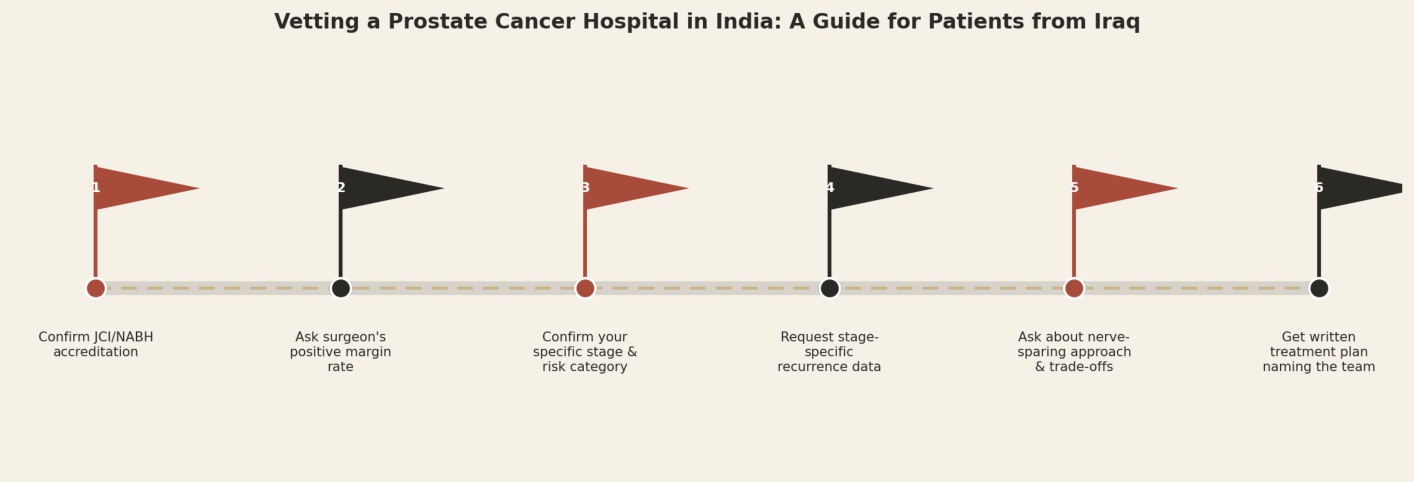
The fastest filter I recommend to every Iraqi man calling about prostate cancer surgery is verifiable accreditation, not marketing language. Joint Commission International, JCI, audits a hospital’s overall clinical safety systems against the same standard used across the United States and Europe. The National Accreditation Board for Hospitals and Healthcare Providers, NABH, is India’s own domestic equivalent, and in my experience of 24 years advising patients on this exact decision, a centre holding both marks together is a meaningfully stronger signal than either alone. For prostate cancer surgery specifically, ask one further, very direct question: what is this surgeon’s own positive surgical margin rate, since published research has repeatedly identified this specific figure as one of the clearest predictors of long-term cancer control.
Prostate Surgery Volume and Stage-Specific Criteria That Predict Outcomes in India
Based on my interactions with dozens of urologic oncology programmes over the years, a surgeon’s specific volume and their own margin and recurrence rates, not a single general prostate cancer success statistic, are among the clearest predictors of a good outcome. A surgeon’s overall career volume still provides useful context, but published research has specifically identified positive surgical margin rate, a figure that varies meaningfully even among experienced surgeons, as one of the strongest predictors of whether cancer returns. Ask directly, in writing:
- What is my specific disease stage and risk category, and what does this surgeon's own data show for biochemical recurrence-free survival at this specific stage?
- What is this surgeon's own positive surgical margin rate, and how many robotic radical prostatectomies have they personally performed?
- If my disease is locally advanced or has spread to nearby lymph nodes, how does this specifically change the surgical plan and the realistic outcome I should expect?
- What is the surgeon's approach to nerve-sparing technique, and how does this decision balance cancer control against preserving continence and sexual function for my specific case?
A surgeon confident in their own outcomes will answer these specifically. A surgeon who quotes only a general success percentage without engaging with your specific stage and risk category deserves a second opinion before you commit.
Vetting a Prostate Cancer Hospital in India: A Guide for Patients from Iraq
Questions Patients from Iraq Should Ask About the Prostate Cancer Team in India
Prostate cancer surgery is never genuinely the work of one surgeon alone. In my experience of 24 years watching these programmes operate, the strongest units bring together a urologic oncologist with specific high-volume robotic prostatectomy experience, a medical oncologist for cases needing hormone therapy or chemotherapy, a radiation oncologist for cases where radiotherapy may be an alternative or additional treatment, and a pathologist experienced specifically in prostate cancer grading, since accurate grading directly determines the treatment plan. A dedicated continence and pelvic floor physiotherapist is a further valuable role, since structured post-operative rehabilitation has been shown to meaningfully speed the return of urinary continence after surgery. Ask specifically who fills each of these roles for your case, and confirm that your case has been discussed by a genuine multidisciplinary team before a final treatment recommendation is made.
Prostate Surgery Technology Standards in India That Patients from Iraq Should Check
The specific technology available changes what precision a surgical team can achieve. Ask whether robotic-assisted surgery is genuinely available and how many procedures the specific surgical team, not simply the hospital in general, has performed using this technology. Ask whether multiparametric MRI is used before surgery to precisely map the tumour and plan the nerve-sparing approach, since this level of pre-operative detail has been associated with more accurate surgical planning. Ask also whether the hospital offers intraoperative frozen section analysis, a technique allowing the surgical team to check margin status during the operation itself and extend the resection immediately if needed, rather than discovering a positive margin only after surgery is complete. Ask directly which of these specific capabilities apply to your case, not simply whether the hospital owns robotic surgical equipment somewhere in the building.
Red Flags Patients from Iraq Should Watch For When Choosing a Prostate Cancer Hospital in India
Over the years, certain patterns have become reliable warning signs for me. A surgeon who cannot state their own positive surgical margin rate has not given you the single figure most consistently linked to long-term cancer control. A hospital that quotes a single general success percentage without asking about your specific disease stage and risk category has not engaged with the factors that most determine your realistic outcome. A hospital that does not discuss nerve-sparing technique and its trade-offs specifically for your case has not given you the complete picture needed to weigh cancer control against quality of life afterward. And a hospital that does not offer a genuine multidisciplinary review for locally advanced or lymph-node-positive disease is treating a more complex case with the same approach used for straightforward, early-stage cancer.
Factors Every Patient from Iraq Should Weigh Before Choosing Prostate Cancer Surgery in India
A Closing Thought for Iraqi Men
Prostate cancer surgery deserves a surgeon with genuine, high-volume experience and transparent margin and recurrence data specific to your disease stage, not a single reassuring percentage borrowed from a different risk category. Based on my interactions with international patients over more than two decades, the patients who ask about stage-specific outcomes, surgical margin rates, and genuine robotic experience consistently achieve better-informed, more predictable results than those who accept a general reassurance alone. My role, and the role of any advisor a patient works with, should be to help you ask these exact questions and confirm honestly that the specific surgeon and specific hospital in front of you are the right fit for your exact diagnosis. Iraq’s patients deserve the same standard of scrutiny in this decision as any patient anywhere else in the world.
Sources & Further Reading
- Joint Commission International (JCI) — Accredited Organizations Directory (jointcommissioninternational.org)
- National Accreditation Board for Hospitals & Healthcare Providers (NABH), India (nabh.co)
- Indian Journal of Urology — Pathological Outcomes and Strategies for Optimal Cancer Control in Robotic Radical Prostatectomy in Asian-Indian Men (doi.org)
- PMC — Robotic Assisted Radical Prostatectomy Improves Biochemical Recurrence-Free Survival: The PROCA-Life Study (ncbi.nlm.nih.gov/pmc)
- ScienceDirect — Prostate Cancer-Specific and All-Cause Mortality After Robot-Assisted Radical Prostatectomy: 20 Years' Report, EAU Robotic Urology Section (sciencedirect.com)
Frequently Asked Questions by Iraqi Patients about Selecting a Prostate Cancer Surgeon and Hospital in India
Is robotic prostate cancer surgery available in India for Iraqi patients?
Yes. The source specifically discusses robotic radical prostatectomy and recommends Iraqi patients verify the actual robotic experience of the specific surgical team rather than simply confirming that the hospital owns robotic equipment.
What is the five-year success rate of robotic prostatectomy in the cited Indian comparison?
The cited comparative study reported 81% five-year biochemical recurrence-free survival after robotic surgery, compared with 67% after traditional open surgery.
Why is the positive surgical margin rate important for Iraqi prostate cancer patients?
Positive surgical margins can provide important information about cancer-control outcomes after prostatectomy. The guide recommends asking for the surgeon's own margin rate rather than relying on a general hospital statistic.
Should Iraqi patients choose robotic or open prostate cancer surgery in India?
The cited evidence shows better biochemical recurrence-free survival and lower positive margin rates with robotic surgery, but the appropriate approach depends on the patient's disease characteristics, surgeon expertise and individual treatment plan.
How does prostate cancer stage affect surgery outcomes?
Stage and risk category strongly influence realistic outcomes. Patients with locally advanced or lymph-node-positive disease may have different treatment strategies and survival expectations than patients with more localized cancer.
Is nerve-sparing prostatectomy suitable for every Iraqi patient?
No. Nerve-sparing surgery must be considered according to the location and extent of the cancer. The surgeon should explain how preserving nerves can be balanced against achieving adequate cancer control.
What tests should Iraqi patients have before prostate cancer surgery in India?
The source specifically highlights multiparametric MRI for tumour mapping and surgical planning. Patients should also have their stage and risk category clearly established before the surgical approach is finalized.
Which specialists should be involved in prostate cancer surgery?
A comprehensive programme may include a urologic oncologist, medical oncologist, radiation oncologist, prostate-focused pathologist and continence or pelvic-floor physiotherapist.
Can Iraqi patients with lymph-node-positive prostate cancer undergo surgery in India?
The source discusses patients with lymph-node-positive disease and stresses that their outcomes and treatment considerations differ from those with less advanced disease. Such cases should receive genuine multidisciplinary assessment.
How should Iraqi patients choose the best prostate cancer surgeon in India?
They should compare the surgeon's stage-specific recurrence outcomes, positive surgical margin rate, personal robotic prostatectomy volume, approach to nerve sparing and the hospital's multidisciplinary capabilities.
Page Summary
For Iraqi men seeking prostate cancer surgery in India, the most important selection factors are disease stage, surgeon-specific outcomes, robotic experience and positive surgical margin rates. The source shows that robotic prostatectomy produced stronger five-year biochemical recurrence-free survival and lower positive surgical margin rates than open surgery in the cited comparative research, although individual treatment decisions must remain stage-specific.
A suitable hospital should provide a coordinated prostate cancer programme rather than surgery in isolation. Patients should assess the experience of the urologic oncologist, availability of robotic surgery and multiparametric MRI, multidisciplinary cancer review, nerve-sparing planning and postoperative continence rehabilitation before making a final decision.
Citation Block
| Field | Details |
|---|---|
| Article / Topic | Selecting the Best Prostate Cancer Surgeons and Hospitals in India |
| Target Country | Iraq |
| Treatment Area | Prostate cancer surgery |
| Main Procedure | Robotic radical prostatectomy |
| Key Specialist | High-volume urologic oncologist |
| Important Outcome Measure | Biochemical recurrence-free survival |
| Robotic 5-Year BCR-Free Survival | 81% |
| Open 5-Year BCR-Free Survival | 67% |
| Robotic Positive Surgical Margin Rate | 14.0% |
| Open Positive Surgical Margin Rate | 42.9% |
| Robotic 15-Year Cancer-Specific Survival | 97.6% |
| Robotic 15-Year Overall Survival | 85.5% |
| Lymph-Node-Positive 15-Year Cancer-Specific Survival | 72.5% |
| Lymph-Node-Positive 15-Year Overall Survival | 52.1% |
| Core Selection Factor | Surgeon-specific margin and recurrence data |
| Nerve-Sparing Assessment | Balance cancer control with continence and sexual function |
| Imaging Technology | Multiparametric MRI |
| Intraoperative Technology | Frozen-section analysis where appropriate |
| Core Team | Urologic oncologist, medical oncologist and radiation oncologist |
| Rehabilitation | Continence and pelvic-floor physiotherapy |


Our Mission Statement
Our mission is to place patients at the centre of every healthcare decision by providing trustworthy, evidence-based, and unbiased medical information. We believe that informed patients make better decisions. Backed by personalised guidance from our experienced advisory team, we help patients understand their treatment options, compare them objectively, and confidently choose the path that best suits their medical needs and personal circumstances.
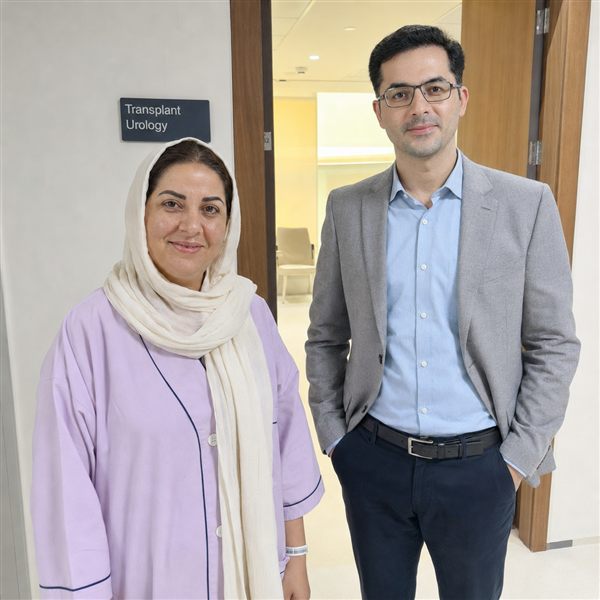
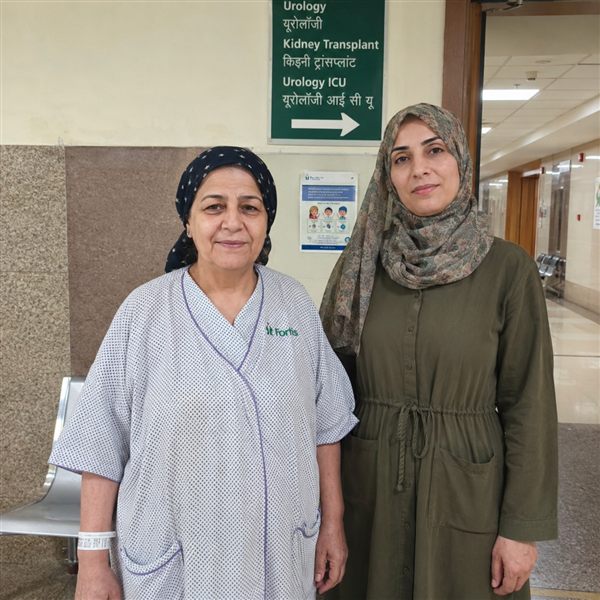
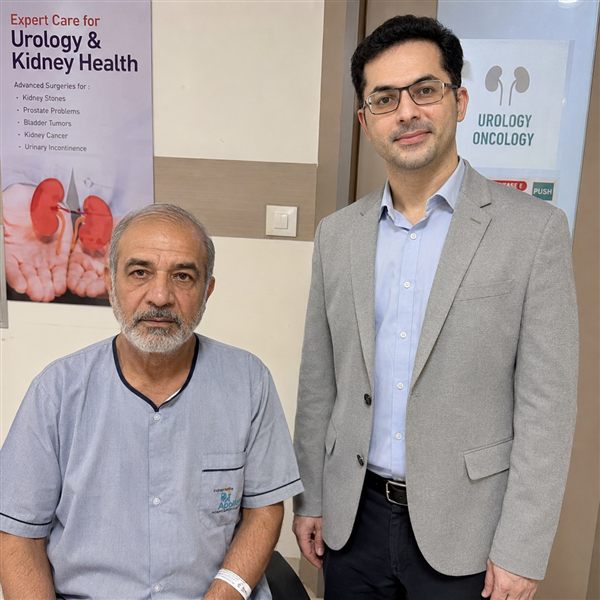
Patient Testimonials from Iraq


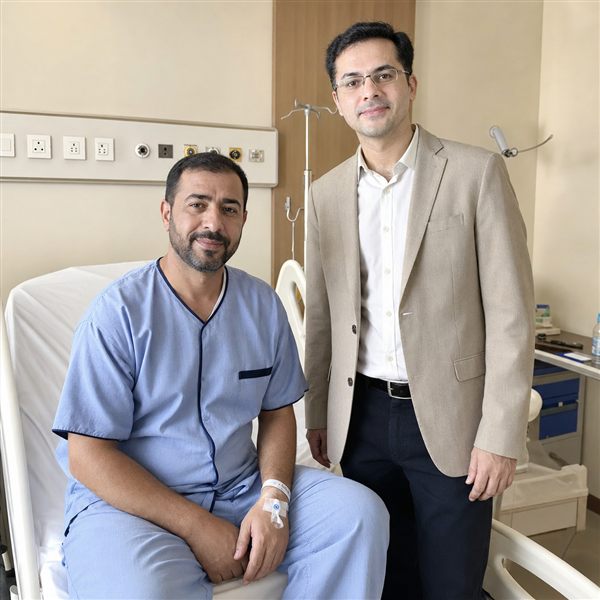
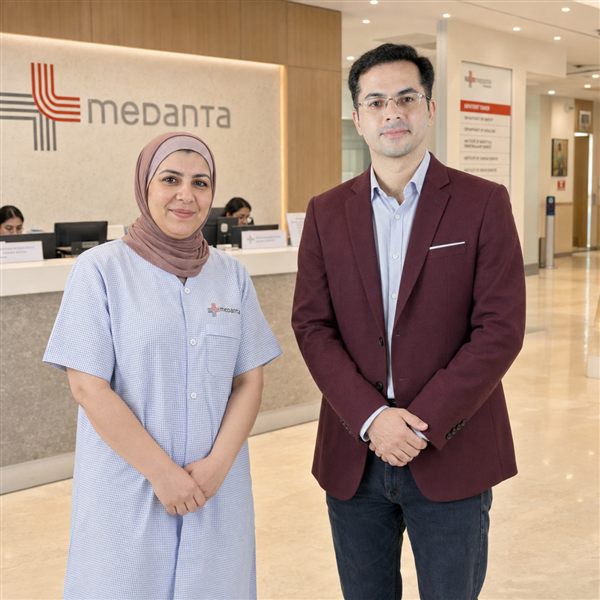

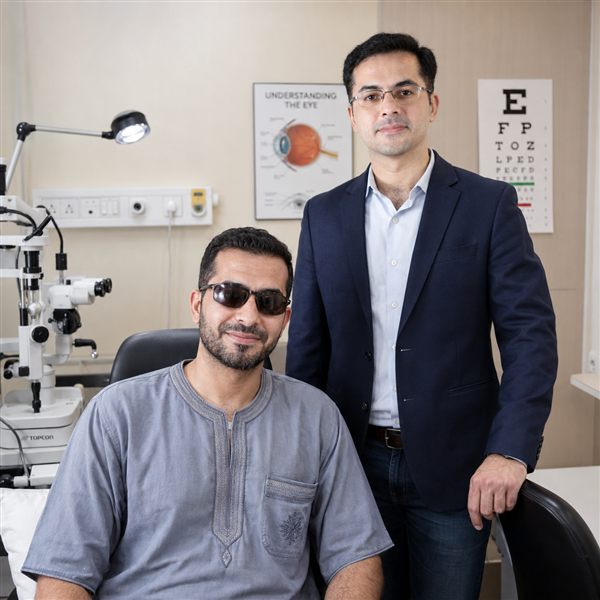
Ready to Take the First Step?
Share your Medical Reports with our Healthcare Managers Today and Get a FREE CONSULTATION, a Personalized Treatment Plan, and Complete Support from Arrival to Recovery.
Get Your Free ConsultationAreas We Serve
Indian Health Guru Consultants proudly assists patients from Iraq and surrounding Middle Eastern countries in accessing advanced, affordable and trusted medical treatment in India. Our team provides complete support for medical opinions, hospital selection, treatment planning, visa assistance, travel coordination, accommodation and post-treatment follow-up.
We regularly serve patients from:
- Iraq
- Turkey
- Iran
- Kuwait
- Jordan
- Syria
- Qatar
- Bahrain
- Oman
- Yemen
- Saudi Arabia
- United Arab Emirates
No matter where you are located, our experienced team is committed to making your medical journey to India safe, smooth, transparent and stress-free from the first enquiry to your return home.
From Iraq to India: Your Complete Patient Guide
- Cardiac Pacemaker Treatment in India for Iraqi Patients
- Radiotherapy and Modern Cancer Treatment in India for Iraqis
- Spine Surgery in India for Iraqis
- Robotic Cancer Surgery in India for Iraqis
- CyberKnife Treatment in India for Iraqis
- Cervical and Lumbar Disc Replacement Surgery in India for Iraqis
- Penile Implant Surgery in India for Iraqis
- Cancer Treatment in India for Iraqi Patients
- Pancreatic Cancer Surgery in India for Iraqis
- Proton Therapy in India for Iraqis
- Paediatric Heart Surgery in India for Iraqis
- Plastic and Reconstructive Surgery in India for Iraqis
- Brain Tumour Surgery in India for Iraqi Patients
- HIPEC Cancer Surgery in India for Iraqis
- Neurosurgery in India for Iraqis
- Bone Marrow Transplant in India for Iraqi Patients
- Dental Surgery in India for Iraqis
- Parkinson's Treatment and DBS Surgery in India for Iraqis