

Selecting the Best Penile Implant Surgeons and Hospitals in India: A Guide for Patients from Iraq
A doctor’s honest, question-by-question guide for patients from Iraq on vetting a urology hospital in India — device-specific satisfaction data, accreditation, risk-factor management, and the exact questions worth asking before you book anything.
Over the years, I have found that penile implant surgery is one of the procedures Iraqi men research the most privately and discuss the least openly, which unfortunately also means they are less likely to ask the specific, comparative questions that genuinely determine satisfaction. In my experience of 24 years advising patients through exactly this decision, the specific type of implant chosen, a three-piece inflatable device, a two-piece inflatable device, or a malleable rod, carries meaningfully different satisfaction rates in published research, and a clinic that recommends one option without discussing the others has not given you a complete picture of what is genuinely available.
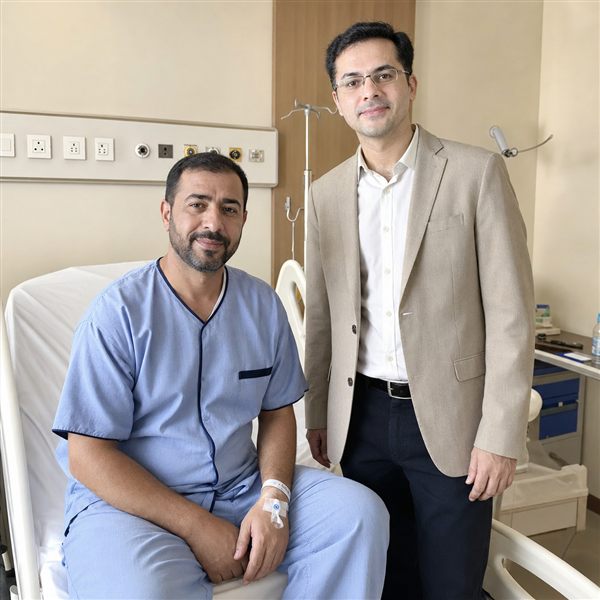
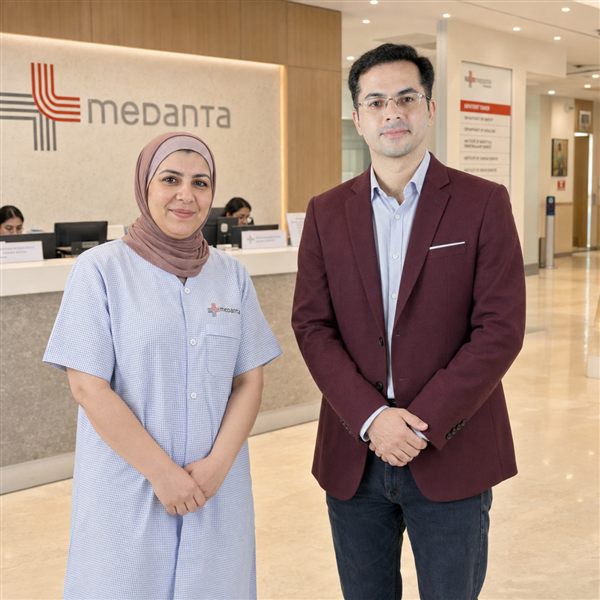
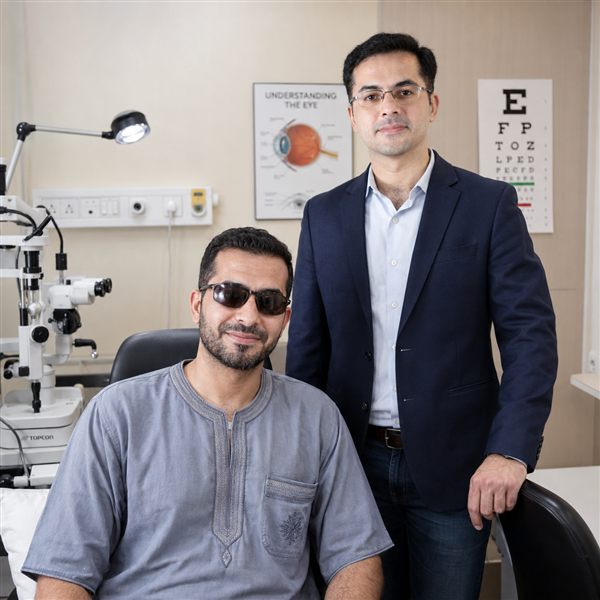
Healing Journeys of Iraqi Patients
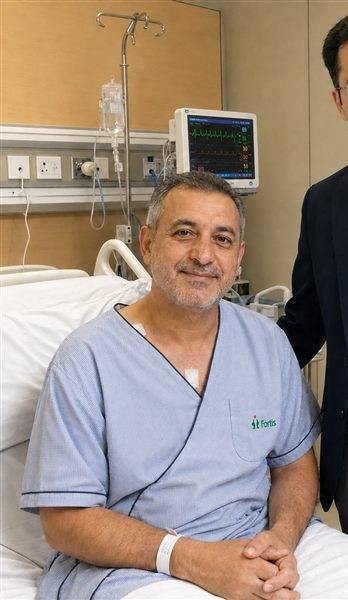

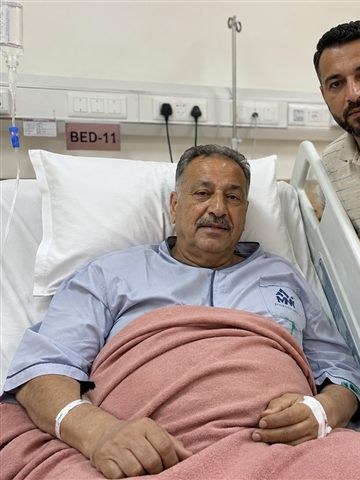
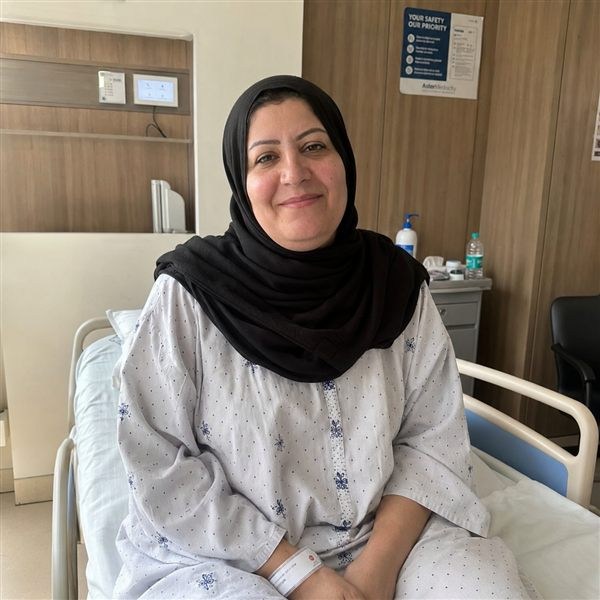


Key Takeaways
- For Iraqi men considering penile implant surgery in India, the guide emphasises that implant type matters when evaluating expected satisfaction. The main options discussed are three-piece inflatable, two-piece inflatable and malleable implants. A surgeon should explain the differences rather than automatically recommending one device for every patient.
- Published evidence cited in the guide reports an overall satisfaction rate of 89.1% in a 25-year study of 138 patients. Other literature commonly reports satisfaction around 90% to 95% among well-selected patients. However, outcomes can differ between device types, making individualised counselling important.
- The source highlights a study of two-piece inflatable implants reporting 73% patient satisfaction and 59% partner satisfaction. It also cites research in elderly patients where 91% said they would undergo the procedure again, with a 3.8% complication rate.
- Diabetes and other individual risk factors should be discussed before surgery. The source reports reinfection rates of 45.5% in diabetic patients compared with 20.5% in non-diabetic patients in published infection-salvage research.
- Iraqi patients should verify JCI or NABH accreditation and ask how many penile prosthesis procedures the specific surgeon performs each year. The guide highlights surgeon-specific experience, infection rates and revision rates as more useful information than broad hospital marketing claims.
- The urology team should include more than the operating surgeon. A strong programme may involve a prosthetic urologist, experienced anaesthesiologist and, when diabetes or other risk factors are present, an endocrinologist or internal medicine specialist. A trained urology nurse can also help patients understand how to operate an inflatable device after surgery.
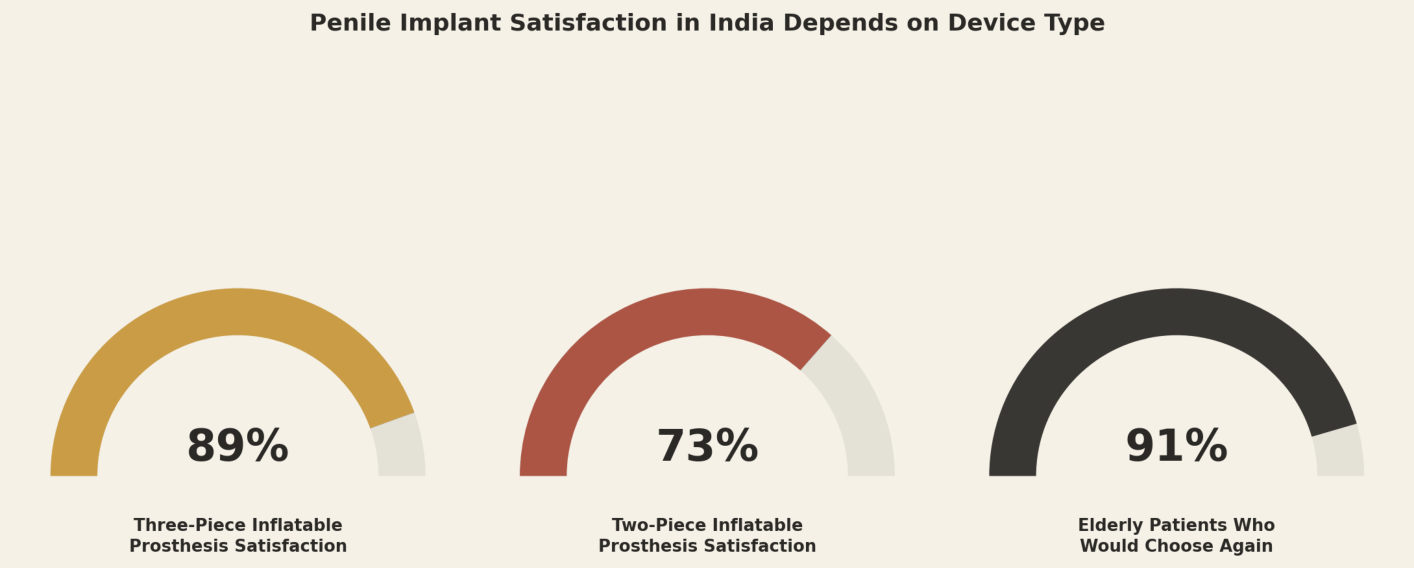
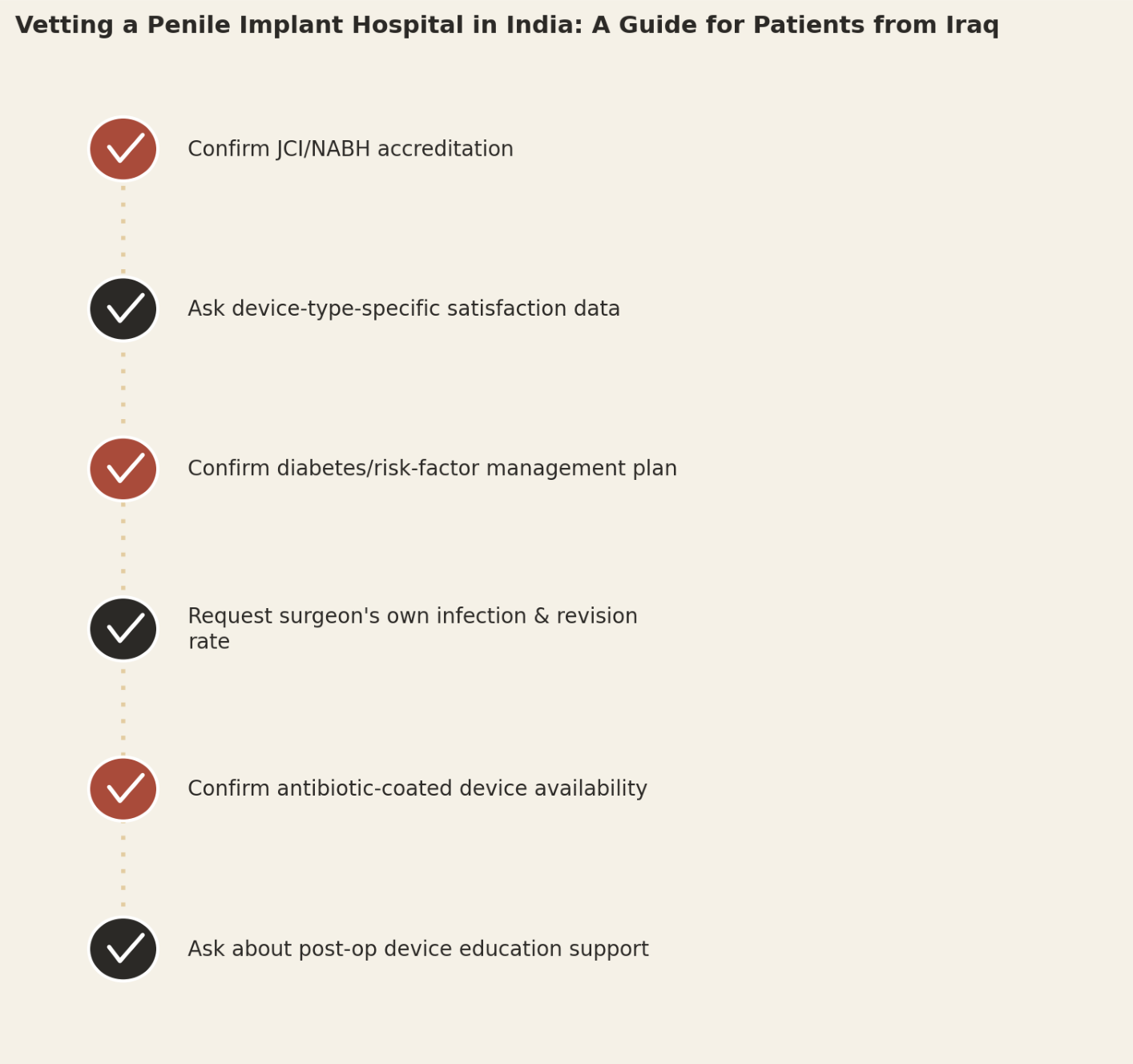
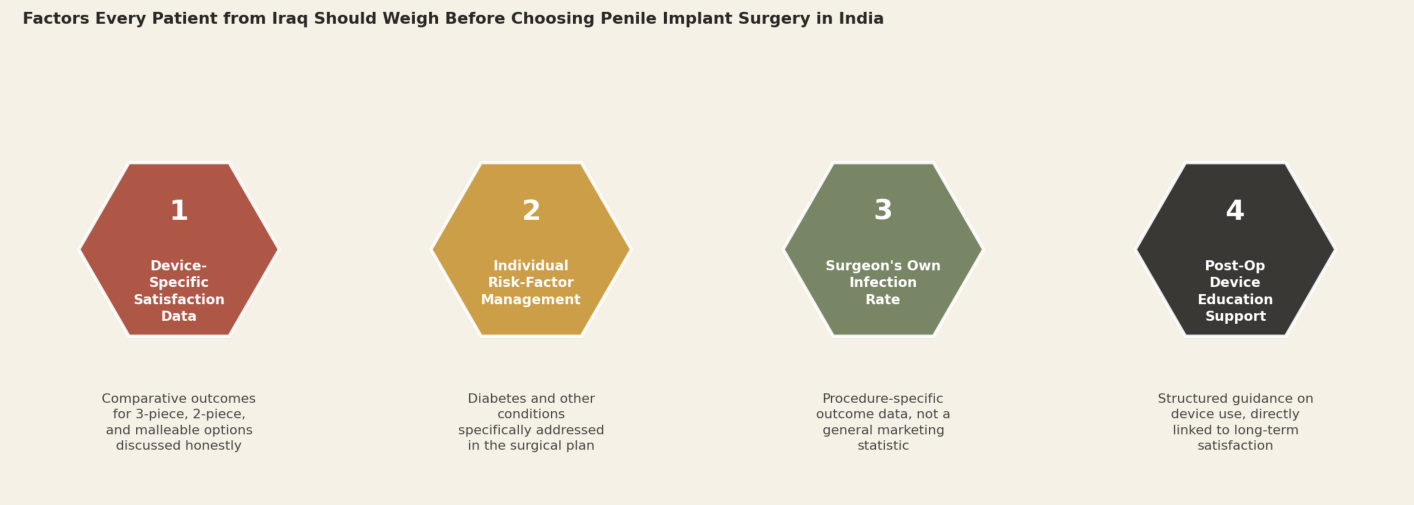
- The page 2 chart illustrates differences in published satisfaction figures, showing approximately 89% for three-piece inflatable prostheses, 73% for two-piece inflatable prostheses and 91% of elderly patients willing to undergo surgery again. The page 4 checklist highlights device-specific satisfaction data, individual risk-factor management, the surgeon's own infection rate and post-op device education support.
Quick Facts
- Treatment
- Penile implant surgery
- Primary Patients
- Iraqi men considering penile prosthesis treatment in India
- Main Speciality
- Urology and prosthetic urology
- Key Specialist
- Urologist experienced in penile prosthesis surgery
- Device Options
- Three-piece inflatable, two-piece inflatable and malleable implants
- Overall Satisfaction
- 89.1% in the cited 25-year single-centre study
- Two-Piece Implant
- 73% patient satisfaction in one cited study
- Partner Satisfaction
- 59% in the cited two-piece implant study
- Elderly Patients
- 91% in one study would undergo the procedure again
- Diabetes
- Requires specific infection-risk and perioperative planning
- Accreditation
- Verify JCI and/or NABH status
- Surgeon Experience
- Ask for annual penile prosthesis procedure volume
- Outcome Data
- Request device-specific satisfaction, infection and revision rates
- Team
- Prosthetic urologist, anaesthesiologist and relevant medical specialists
- Device Education
- Post-operative training should be provided for inflatable implants
- Implant Information
- Confirm manufacturer and specific model
- Infection Prevention
- Ask about antibiotic-coated or hydrophilic-coated devices and infection-control protocols
- Revision Planning
- Ask how mechanical failure or infection would be managed
- Follow-Up
- Confirm support after implantation
- Author
- Dr. Dheeraj Bojwani
- Experience
- 24+ Years
In Brief
Iraqi patients should compare penile implant surgeons according to device-specific experience, infection and revision outcomes, risk-factor management and post-operative education. Before surgery, the patient should understand the differences between three-piece inflatable, two-piece inflatable and malleable implants and why one option is being recommended. The hospital should also explain the specific manufacturer and model, infection-prevention approach and available follow-up support.
Why the Choice of Urologist in India Matters as Much as the Choice of Device
Based on my interactions with international patients, the published data on this exact comparison is genuinely informative. A twenty-five-year single-centre study of 138 patients found an overall satisfaction rate of 89.1 percent across malleable and inflatable prosthesis types combined, broadly consistent with the 90 to 95 percent satisfaction commonly cited across published literature for well-selected patients. However, a specific study of two-piece inflatable prosthesis patients found meaningfully lower results, with 73 percent patient satisfaction and just 59 percent partner satisfaction, figures that stand in contrast to the typically higher satisfaction reported for three-piece inflatable systems. Even in elderly patients, a population sometimes assumed to have lower expectations or worse outcomes, one study found 91 percent of men would undergo the procedure again, with a low complication rate of 3.8 percent. Diabetes status matters considerably for a specific and important complication: published research on infection salvage procedures found reinfection rates of 45.5 percent in diabetic patients compared with 20.5 percent in non-diabetic patients, a substantial difference driven by diabetes’s known effect on wound healing and infection resistance. This tells a patient something important: the specific device type recommended, and your own individual risk factors such as diabetes, should shape your expectations far more than a single blended success percentage.
How Patients from Iraq Can Verify a Urology Hospital’s Accreditation in India
The fastest filter I recommend to every Iraqi patient calling about penile implant surgery is verifiable accreditation, not marketing language. Joint Commission International, JCI, audits a hospital’s overall clinical safety systems against the same standard used across the United States and Europe. The National Accreditation Board for Hospitals and Healthcare Providers, NABH, is India’s own domestic equivalent, and in my experience of 24 years advising patients on this exact decision, a centre holding both marks together is a meaningfully stronger signal than either alone. For penile implant surgery specifically, ask one further, very direct question: how many penile prosthesis procedures does this specific surgeon perform annually, since published research has found high-volume centres achieve shorter hospital stays and lower infection rates than lower-volume centres.
Penile Implant Volume and Device-Specific Criteria That Predict Outcomes in India
Based on my interactions with dozens of urology programmes over the years, a surgeon’s specific experience with your exact device type, and their honest discussion of device options given your specific risk factors, is one of the clearest predictors of a good outcome. A surgeon’s general penile implant volume still matters as a baseline, but it does not by itself confirm they have specifically discussed the comparative satisfaction data between device types with you. Ask directly, in writing:
- Given my specific situation, including whether I have diabetes or other risk factors, which device type, three-piece inflatable, two-piece inflatable, or malleable, does the surgeon recommend, and why?
- What is this surgeon's own satisfaction rate and infection rate specifically for the device type being recommended, not a general penile implant statistic?
- If I have diabetes, has this been specifically factored into the surgical plan and perioperative antibiotic protocol, given the documented higher infection risk this condition carries?
- What is the surgeon's own revision surgery rate, and what would the plan be if infection or mechanical failure occurred after my specific procedure?
A surgeon confident in their own outcomes will answer these specifically. A surgeon who recommends a single device type without discussing alternatives or your specific risk factors deserves a second opinion before you commit.
Vetting a Penile Implant Hospital in India: A Guide for Patients from Iraq
Questions Patients from Iraq Should Ask About the Urology Team in India
Penile implant surgery benefits from more than the operating surgeon alone. In my experience of 24 years watching these programmes operate, the strongest units include a urologist with specific fellowship training in prosthetic urology, an anaesthesiologist experienced in the specific perioperative needs of this surgery, and, for patients with diabetes or other risk factors, an endocrinologist or internal medicine specialist involved in optimising these conditions before surgery. A dedicated urology nurse experienced specifically in patient education for device operation is a further valuable role, since a patient’s comfort and confidence using an inflatable device correctly affects satisfaction as much as the surgery itself. Ask specifically who fills each of these roles for your case, and confirm that your specific risk factors have been addressed by the full team, not managed by the surgeon alone.
Penile Implant Technology Standards in India That Patients from Iraq Should Check
The specific technology and technique available change both the surgical outcome and long-term device performance. Ask which specific manufacturer and model of prosthesis the hospital uses, since different systems have different published track records and warranty terms. Ask whether antibiotic-coated or hydrophilic-coated devices, shown in published research to reduce infection risk, are available and used as standard practice. Ask also whether the surgical technique used follows a specific, established infection-prevention protocol, since research on infection salvage has shown that consistent, structured antiseptic and antibiotic washout procedures affect outcomes when complications do occur. Ask directly which of these specific capabilities apply to your case, not simply whether the hospital performs penile implant surgery in general terms.
Red Flags Patients from Iraq Should Watch For When Choosing a Penile Implant Hospital in India
Over the years, certain patterns have become reliable warning signs for me. A surgeon who recommends a single device type without discussing your specific risk factors or the comparative satisfaction data between device types has not given you a complete picture. A surgeon who cannot state their own specific infection and revision rates has not given you information specific enough to be useful. A clinic that does not specifically address diabetes or other risk factors in the surgical and antibiotic plan is not accounting for a documented, substantial difference in infection risk. And a clinic that discusses only the surgical procedure without covering post-operative device education and follow-up support has not prepared you for the practical reality of living with and using the device successfully.
Factors Every Patient from Iraq Should Weigh Before Choosing Penile Implant Surgery in India
A Closing Thought for Iraqi Men
Penile implant surgery has genuinely high success rates for well-selected patients, and it deserves a surgeon who discusses device options honestly based on your specific risk factors, not a single default recommendation applied to every patient. Based on my interactions with international patients over more than two decades, the patients who ask about device-specific satisfaction data, individual risk factor management, and the surgeon’s own outcomes consistently achieve more predictable, satisfying results than those who accept a general reassurance alone. My role, and the role of any advisor a patient works with, should be to help you ask these exact questions and confirm honestly that the specific surgeon and specific hospital in front of you are the right fit for your exact situation. Iraq’s patients deserve the same standard of scrutiny in this decision as any patient anywhere else in the world.
Sources & Further Reading
- Joint Commission International (JCI) — Accredited Organizations Directory (jointcommissioninternational.org)
- National Accreditation Board for Hospitals & Healthcare Providers (NABH), India (nabh.co)
- ScienceDirect — Penile Prosthesis Implantation: A Single Center 25 Years of Experience (sciencedirect.com)
- PMC — Evaluation of Satisfaction and Outcomes of Patients Who Underwent Two-Piece Inflatable Penile Prosthesis Implantation (ncbi.nlm.nih.gov/pmc)
- PubMed — Outcomes of Salvage Procedures with Malleable Implants for Penile Prosthesis Infections, VA National Medical System (pubmed.ncbi.nlm.nih.gov)
Frequently Asked Questions by Iraqi Patients about Selecting a Penile Implant Surgeon and Hospital in India
Is penile implant surgery available in India for Iraqi patients?
Yes. The guide specifically discusses penile implant surgery in India and explains how Iraqi men can evaluate urologists, hospitals and implant options.
What types of penile implants are available for Iraqi patients in India?
The source discusses three-piece inflatable, two-piece inflatable and malleable penile prostheses. The appropriate option depends on the patient's circumstances and should be discussed with the surgeon.
Which penile implant has the highest satisfaction?
The guide does not recommend one device universally. It highlights differences in published satisfaction and advises patients to compare device-specific results with their surgeon before choosing an implant.
What satisfaction rate is reported for three-piece inflatable penile implants?
The page 2 visual presents an illustrative figure of approximately 89% satisfaction for three-piece inflatable prostheses. This should not be interpreted as a guaranteed result for an individual patient.
What satisfaction rate was reported for two-piece inflatable penile implants?
The cited study reported 73% patient satisfaction and 59% partner satisfaction among patients receiving two-piece inflatable prostheses.
Does diabetes affect penile implant surgery outcomes?
Diabetes can increase infection-related risks. The source cites reinfection of 45.5% among diabetic patients compared with 20.5% among non-diabetic patients in published salvage research.
What should Iraqi patients ask about the penile implant surgeon?
Patients should ask about the surgeon's annual procedure volume, device-specific satisfaction rate, infection rate and revision rate.
What implant technology should Iraqi patients check before surgery?
Patients should ask for the specific manufacturer and model and whether antibiotic-coated or hydrophilic-coated devices are available.
What specialists should be involved in penile implant surgery in India?
A strong team may include a prosthetic urologist and experienced anaesthesiologist, with an endocrinologist or internal medicine specialist involved when diabetes or other relevant risk factors require optimisation.
What follow-up should Iraqi patients receive after penile implant surgery?
Patients should receive education on operating and living with the device, particularly with inflatable implants, and should confirm how the hospital will manage possible infection, mechanical failure or revision needs after surgery.
Page Summary
Penile implant surgery can provide high satisfaction for appropriately selected patients, but the guide emphasises that the device type and individual risk factors should influence the treatment decision. Iraqi men should compare three-piece inflatable, two-piece inflatable and malleable options with their urologist rather than accepting a single default recommendation.
Patients should also examine surgeon-specific experience, infection and revision rates, diabetes management, implant technology and post-operative device education. A hospital should provide a clear plan for both the procedure and long-term management of the prosthesis.
Citation Block
| Field | Details |
|---|---|
| Article / Topic | Selecting the Best Penile Implant Surgeons and Hospitals in India |
| Target Country | Iraq |
| Treatment Area | Urology |
| Main Procedure | Penile implant surgery |
| Main Device Options | Three-piece inflatable, two-piece inflatable and malleable |
| Cited Study Size | 138 patients |
| Study Duration | 25 years |
| Overall Satisfaction | 89.1% |
| Common Published Satisfaction | 90%–95% in well-selected patients |
| Two-Piece Patient Satisfaction | 73% |
| Two-Piece Partner Satisfaction | 59% |
| Elderly Patients Willing to Repeat | 91% |
| Cited Elderly Complication Rate | 3.8% |
| Diabetic Reinfection Rate | 45.5% in cited salvage research |
| Non-Diabetic Reinfection Rate | 20.5% |
| Accreditation | JCI and NABH |
| Surgeon Assessment | Annual penile prosthesis procedure volume |
| Outcome Data | Device-specific satisfaction and infection rates |
| Revision Data | Surgeon-specific revision rate |
| Implant Technology | Manufacturer, model and coating should be confirmed |
| Post-Operative Care | Device education and follow-up support |


Our Mission Statement
Our mission is to place patients at the centre of every healthcare decision by providing trustworthy, evidence-based, and unbiased medical information. We believe that informed patients make better decisions. Backed by personalised guidance from our experienced advisory team, we help patients understand their treatment options, compare them objectively, and confidently choose the path that best suits their medical needs and personal circumstances.
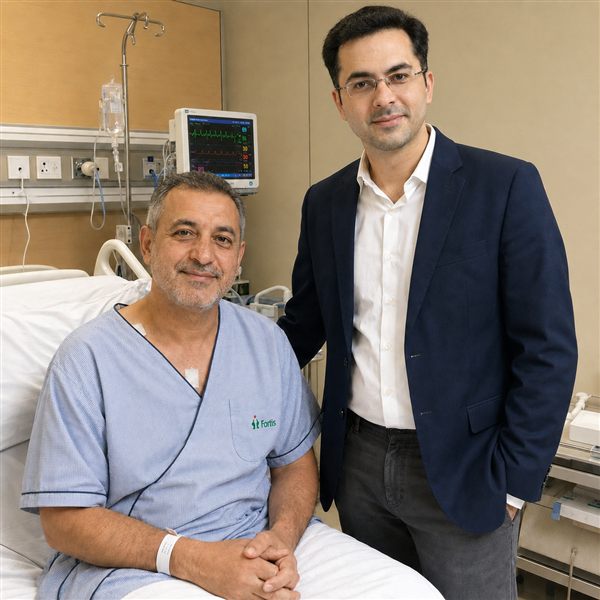
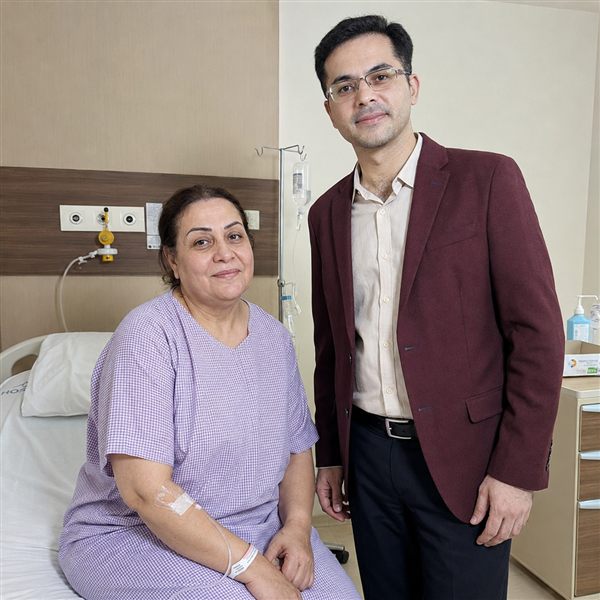
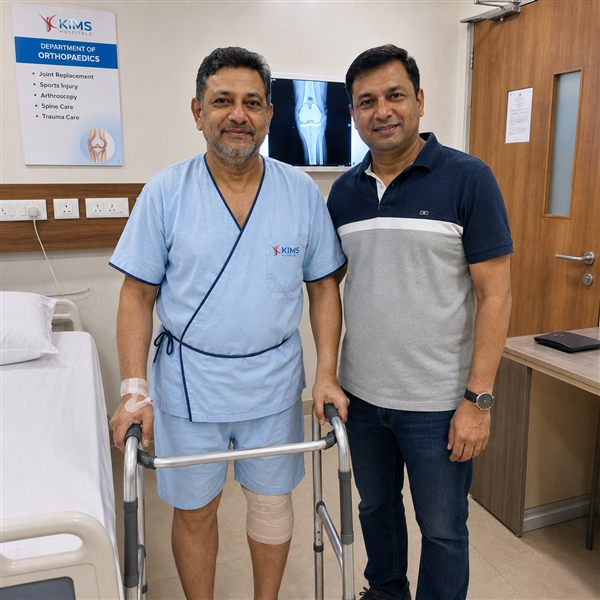
Patient Testimonials from Iraq

Ready to Take the First Step?
Share your Medical Reports with our Healthcare Managers Today and Get a FREE CONSULTATION, a Personalized Treatment Plan, and Complete Support from Arrival to Recovery.
Get Your Free ConsultationAreas We Serve
Indian Health Guru Consultants proudly assists patients from Iraq and surrounding Middle Eastern countries in accessing advanced, affordable and trusted medical treatment in India. Our team provides complete support for medical opinions, hospital selection, treatment planning, visa assistance, travel coordination, accommodation and post-treatment follow-up.
We regularly serve patients from:
- Iraq
- Turkey
- Iran
- Kuwait
- Jordan
- Syria
- Qatar
- Bahrain
- Oman
- Yemen
- Saudi Arabia
- United Arab Emirates
No matter where you are located, our experienced team is committed to making your medical journey to India safe, smooth, transparent and stress-free from the first enquiry to your return home.
From Iraq to India: Your Complete Patient Guide
- Hip Surgery in India for Iraqis
- Cosmetic and Aesthetic Surgery in India for Iraqis
- Neuronavigation and Advanced Brain Surgery in India for Iraqis
- Leukemia, Lymphoma and Blood Cancer Treatment in India for Iraqis
- Paediatric Neurosurgery in India for Iraqis
- Neurosurgery in India for Iraqis
- Weight Loss and Bariatric Surgery in India for Iraqis: Cost & Guide
- Urosurgery and Reconstructive Urology in India for Iraqis
- Dental Implants and Smile Makeover in India for Iraqis
- Robotic Cancer Surgery in India for Iraqis
- Liver Transplant in India for Iraqis
- Shoulder Surgery in India for Iraqis
- Scoliosis Correction Surgery in India for Iraqis
- CyberKnife Treatment in India for Iraqis
- Complex Joint Revision Surgery in India for Iraqis
- Dental Surgery in India for Iraqis
- Bone Marrow Transplant in India for Iraqi Patients
- Prostate Cancer Treatment and Surgery in India for Iraqis