

Selecting the Best Leukemia, Lymphoma, and Blood Cancer Specialists and Hospitals in India: A Guide for Patients from Iraq
A doctor’s honest, question-by-question guide for patients from Iraq on vetting a blood cancer hospital in India — disease-status-specific outcomes, accreditation, MRD testing, and the exact questions worth asking before you book anything.
Over the years, I have found that leukemia and lymphoma are diagnoses where the timing of treatment, specifically whether a transplant happens while the disease is in its best possible remission or after it has already relapsed multiple times, matters more than almost any other single factor. In my experience of 24 years advising families through exactly this decision, a hospital’s blended “transplant success rate” almost never reflects this timing distinction honestly, and a family needs to understand exactly where their loved one’s disease status falls before comparing any quoted percentage.
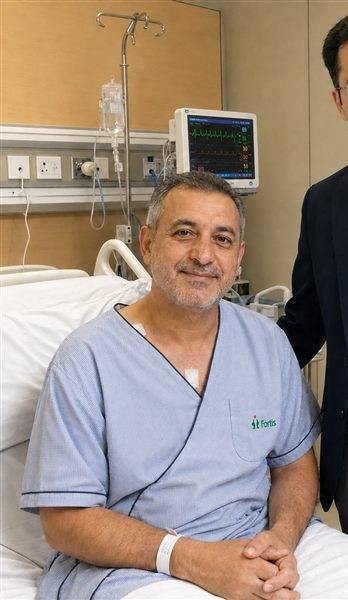
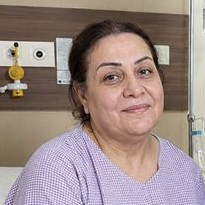
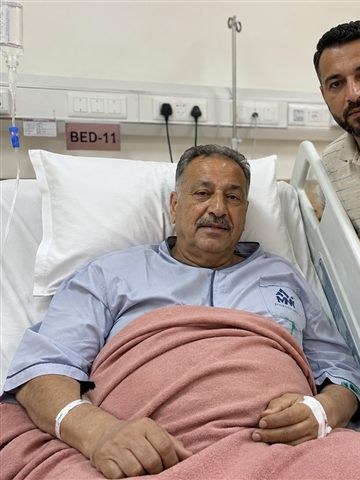
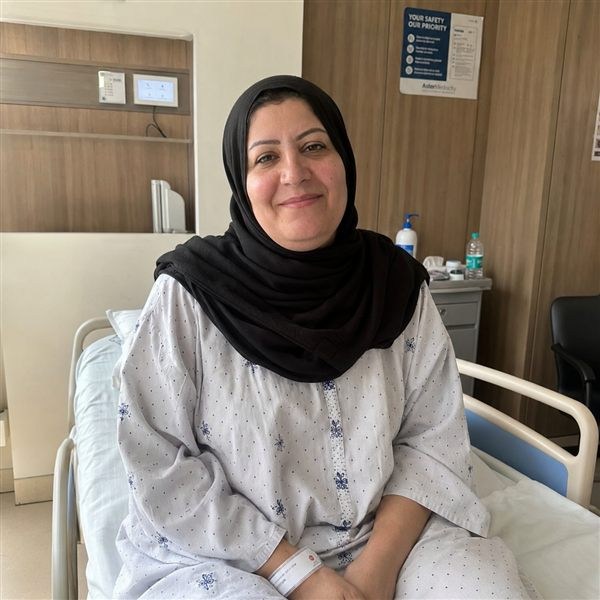
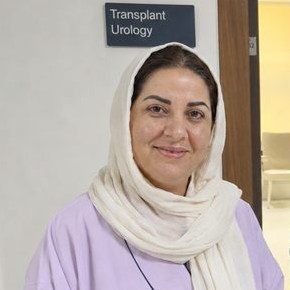
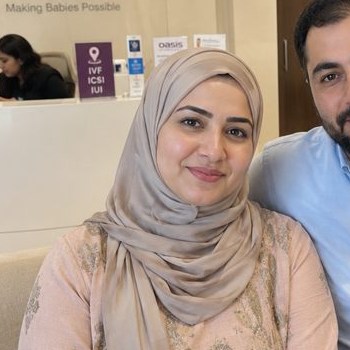
Healing Journeys of Iraqi Patients

Key Takeaways
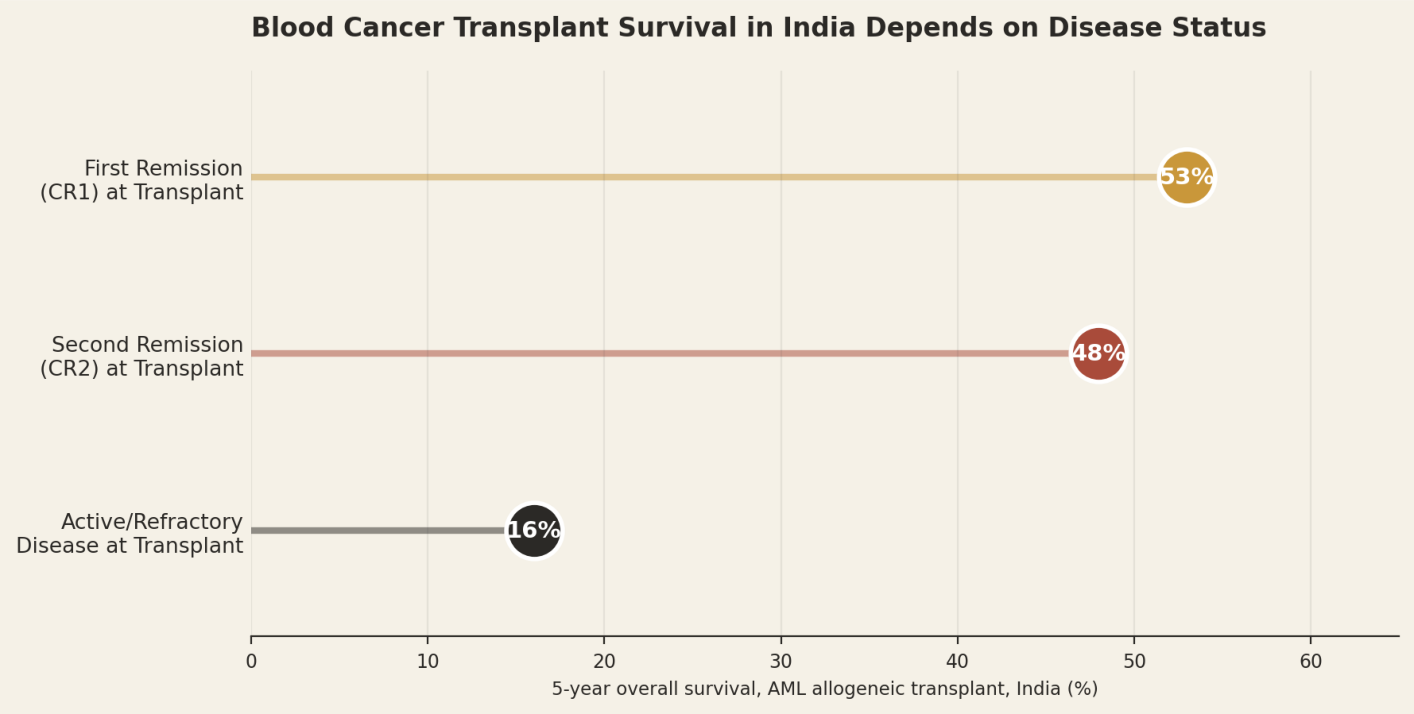
- For leukemia, lymphoma and other blood cancers, the source emphasizes that choosing a hospital should begin with the patient's specific disease status, rather than a hospital's overall transplant success percentage. In the cited Indian study of 254 patients with acute myeloid leukemia undergoing allogeneic stem cell transplantation, five-year overall survival was 53.1% when transplantation occurred in first complete remission, 48.2% in second remission, 31.2% in third remission and 16.0% for active or refractory disease.
- The source also highlights the importance of the conditioning regimen selected before an allogeneic transplant. Among patients transplanted in first remission in the cited study, five-year overall survival was 67.2% with reduced-intensity conditioning compared with 38.1% with older, more intensive myeloablative conditioning. The source attributes this difference specifically to lower treatment-related mortality associated with the gentler regimen, while also stressing that treatment decisions must be individualized.
- Accreditation is presented as an important initial filter when comparing Indian blood cancer hospitals. The guide recommends checking for recognized hospital accreditation such as JCI or NABH, while also asking whether the centre routinely performs minimal residual disease testing before transplantation, since MRD testing can detect small amounts of remaining malignant cells that may not be identified through standard testing.
- A high transplant volume alone should not be treated as proof that a hospital is the right choice. The guide recommends looking for disease-status-specific outcome reporting, because a centre that treats mainly patients in favourable remission may report very different survival figures from a programme that regularly manages relapsed or refractory disease.
- Leukemia and lymphoma care also requires a multidisciplinary team rather than reliance on a single specialist. The source identifies the haemato-oncologist, transplant physician, infectious disease specialist, molecular pathology laboratory, transfusion medicine specialist and transplant coordinator as important components of a strong programme.
- Laboratory and treatment technology can also influence what a blood cancer centre is able to provide. The source recommends checking whether MRD testing by flow cytometry or molecular methods is available on-site, whether targeted therapies for relevant genetic subtypes are available, and whether CAR-T cell therapy is considered when appropriate for relapsed or refractory disease, along with HEPA-filtered, positive-pressure transplant rooms.
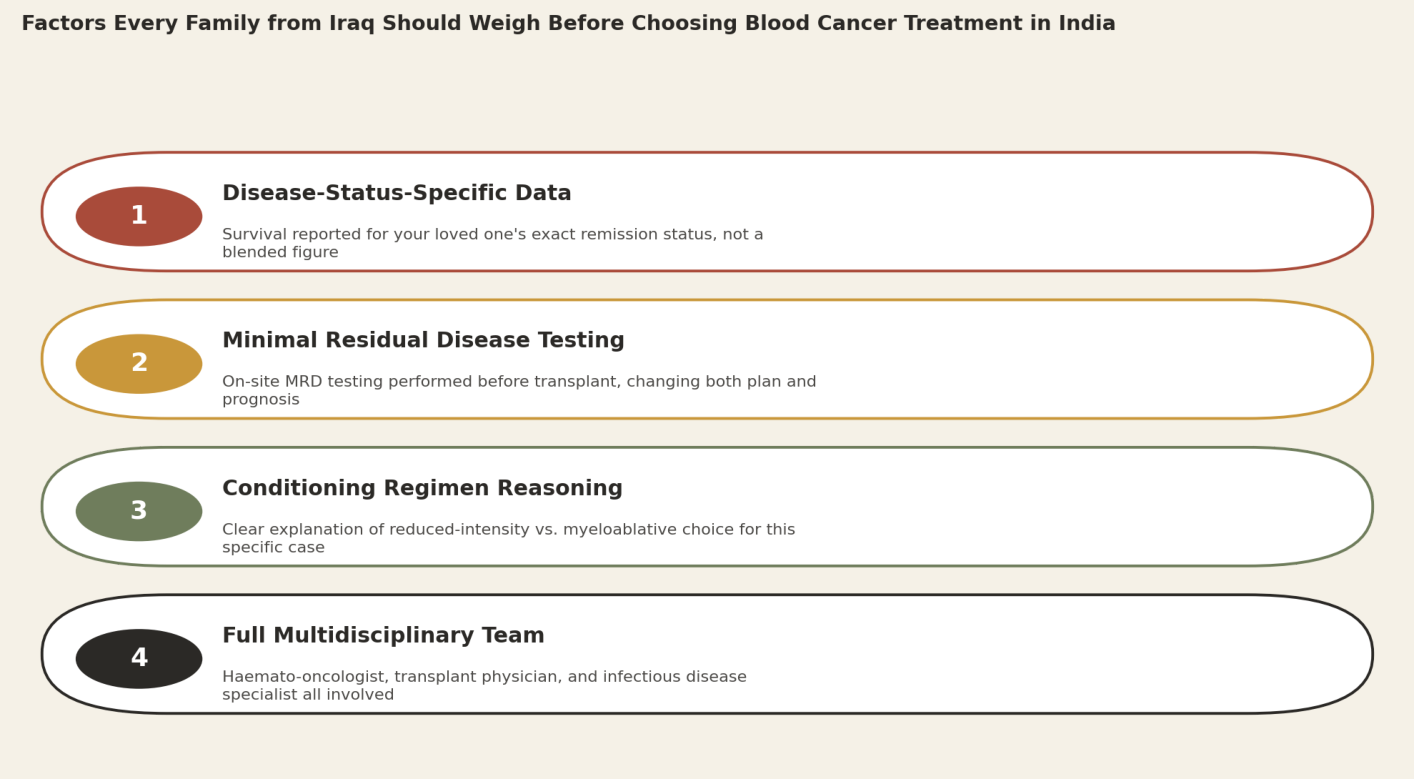
- The source identifies clear warning signs: a hospital that quotes a single transplant success percentage without asking about disease status, a centre that does not perform MRD testing before transplant, a centre that cannot explain its conditioning regimen reasoning, and a centre that recommends transplant immediately without discussing targeted therapies or CAR-T options. The page 4 checklist highlights disease-status-specific data, MRD testing, conditioning regimen reasoning and full multidisciplinary team involvement.
Quick Facts
- Treatment
- Leukemia, lymphoma and blood cancer treatment
- Primary Patients
- Iraqi patients seeking specialized blood cancer care in India
- Main Speciality
- Haemato-oncology and blood cancer transplantation
- Key Specialist
- Haemato-oncologist with relevant disease and transplant experience
- Major Treatment
- Allogeneic stem cell or bone marrow transplantation when clinically appropriate
- Important Factor
- Disease status at the time of transplant
- AML 5-Year Survival
- 53.1% first remission, 48.2% second remission, 31.2% third remission, 16.0% active/refractory in the cited Indian study
- Reduced-Intensity Conditioning
- 67.2% five-year overall survival in the cited first-remission group
- Myeloablative Conditioning
- 38.1% five-year overall survival in the cited comparison
- MRD Testing
- Important for detecting residual disease before transplantation
- Accreditation
- JCI and/or NABH should be verified
- Core Team
- Haemato-oncologist, transplant physician, infectious disease specialist and supporting specialists
- Laboratory
- On-site molecular or flow-cytometry MRD capability is preferred
- Advanced Therapy
- Targeted therapies and CAR-T therapy may be considered for appropriate disease subtypes
- Transplant Infrastructure
- HEPA-filtered, positive-pressure rooms should be checked
- Outcome Data
- Prefer disease-status-specific results rather than one blended transplant percentage
- GVHD
- Ask for the centre's graft-versus-host disease rate in comparable patients
- Treatment Mortality
- Ask for treatment-related mortality among patients with a similar profile
- Documentation
- Keep pathology, MRD, transplant, conditioning and treatment records
- Author
- Dr. Dheeraj Bojwani
- Experience
- 24+ Years
In Brief
For Iraqi patients seeking leukemia, lymphoma or blood cancer treatment in India, the most important comparison is not simply the hospital’s overall transplant success rate but how its results apply to the patient’s exact disease and treatment stage. The source highlights a 254-patient Indian AML study in which five-year survival differed substantially according to disease status at transplantation, while conditioning regimen selection also affected outcomes. Families should verify accreditation, disease-status-specific survival data, MRD testing, conditioning rationale, graft-versus-host disease outcomes, treatment-related mortality and the availability of a multidisciplinary haemato-oncology team.
Why the Choice of Haemato-Oncology Team in India Matters as Much as the Choice of Hospital
Based on my interactions with international patients, a genuinely detailed Indian study following 254 consecutive patients who underwent allogeneic stem cell transplant for acute myeloid leukemia at a single Indian centre makes this point unusually clear. Five-year overall survival was 53.1 percent for patients transplanted in their first complete remission, falling to 48.2 percent in second remission, 31.2 percent in third remission, and just 16.0 percent for patients with active, refractory disease at the time of transplant, a dramatic decline driven entirely by disease status rather than the technical quality of the transplant itself. The same study found something equally important about technique: patients transplanted in first remission using a reduced-intensity conditioning regimen achieved a five-year overall survival of 67.2 percent, compared with just 38.1 percent using older, more intensive myeloablative conditioning, a difference the researchers attributed specifically to lower treatment-related mortality with the gentler regimen. For children with acute lymphoblastic leukemia specifically, cure rates can exceed 90 percent in well-resourced programmes, a genuinely different picture from adult acute myeloid leukemia, where five-year survival across all patients remains closer to 24 to 27 percent. This tells a family something essential: your loved one’s specific disease type, disease status at the time of treatment, and the specific conditioning regimen chosen all matter more than a single blended statistic ever could.
How Patients from Iraq Can Verify a Blood Cancer Hospital’s Accreditation in India
The fastest filter I recommend to every Iraqi family calling about leukemia or lymphoma treatment is verifiable accreditation, not marketing language. Joint Commission International, JCI, audits a hospital’s overall clinical safety systems against the same standard used across the United States and Europe. The National Accreditation Board for Hospitals and Healthcare Providers, NABH, is India’s own domestic equivalent, and in my experience of 24 years advising families on this exact decision, a centre holding both marks together is a meaningfully stronger signal than either alone. For blood cancer treatment specifically, ask one further, very direct question: does this hospital routinely test for minimal residual disease, the small amounts of remaining cancer cells undetectable by standard tests, before proceeding to transplant, since published data shows this single test result changes expected survival dramatically.
Blood Cancer Volume and Disease-Status Criteria That Predict Outcomes in India
Based on my interactions with dozens of haemato-oncology programmes over the years, a centre’s specific reporting of outcomes by disease status and conditioning regimen, not simply a single transplant success percentage, is one of the clearest signs of a trustworthy, evidence-based programme. A centre’s overall transplant volume still provides useful context, but it does not substitute for disease-status-specific data, since a high-volume centre treating mostly early-stage disease will report very different numbers from one managing more advanced or relapsed cases. Ask directly, in writing:
- What is my loved one's specific disease status right now, first remission, later remission, or active disease, and what does the centre's own data show for patients specifically at this status?
- Has minimal residual disease testing been performed, and how did the result specifically shape the treatment plan being recommended?
- What conditioning regimen is being recommended, reduced-intensity or myeloablative, and what is the specific reasoning for this choice given my loved one's age and disease status?
- What is this centre's own graft-versus-host disease rate and treatment-related mortality specifically for patients with a similar profile to my loved one's?
A centre confident in its own outcomes will answer these specifically. A centre that offers only a single general transplant success rate without engaging with disease status deserves a second opinion before you commit.
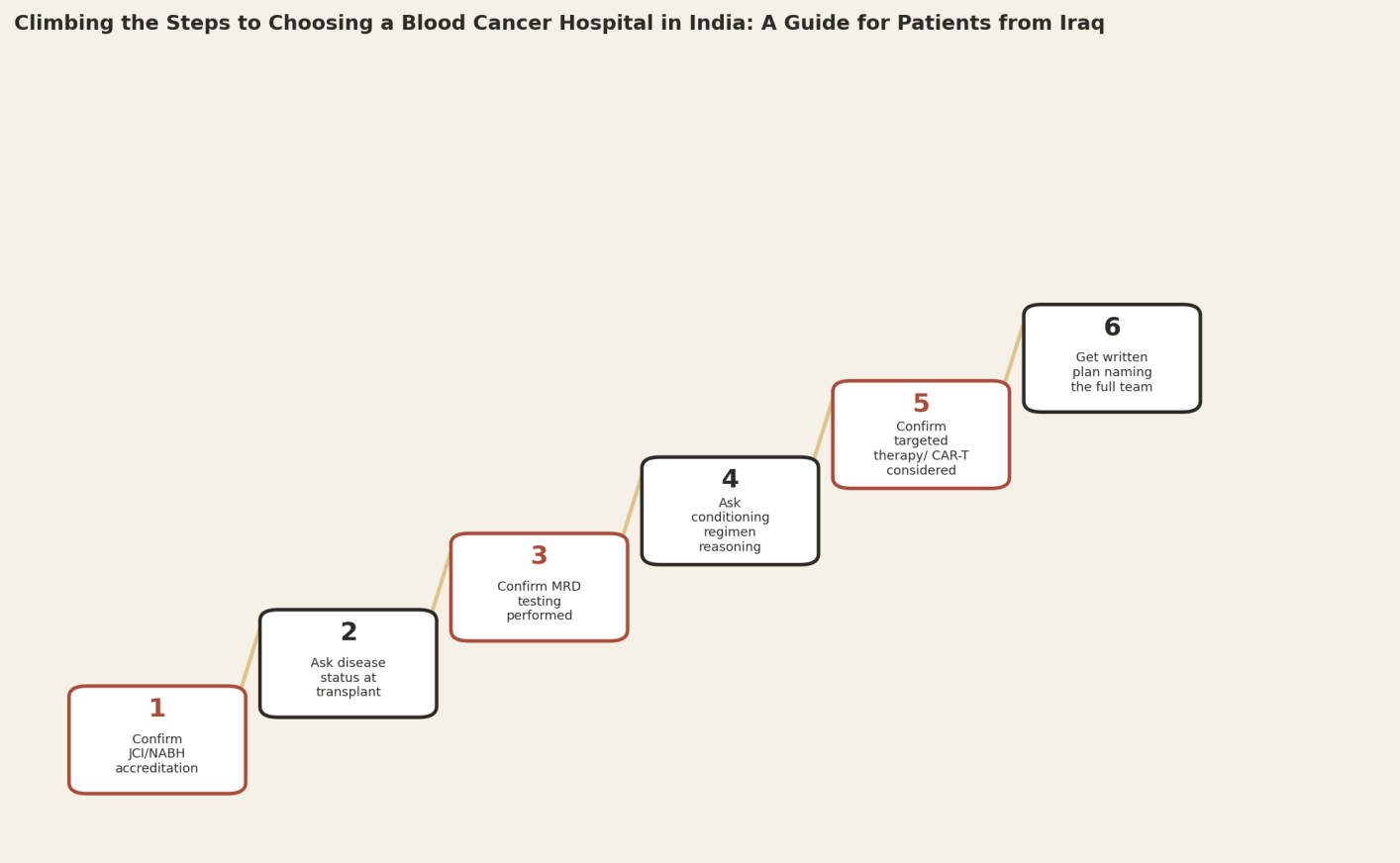
Climbing the Steps to Choosing a Blood Cancer Hospital in India: A Guide for Patients from Iraq
Questions Patients from Iraq Should Ask About the Blood Cancer Team in India
Leukemia and lymphoma treatment is never genuinely the work of one specialist alone. In my experience of 24 years watching these programmes operate, the strongest units bring together a haemato-oncologist to guide overall treatment strategy, a transplant physician specifically experienced in conditioning regimen selection, an infectious disease specialist given how vulnerable a post-transplant patient is to infection, and a dedicated molecular pathology laboratory capable of performing minimal residual disease testing on-site. A transfusion medicine specialist overseeing the extensive blood product support a transplant patient requires, and a dedicated transplant coordinator managing the practical logistics of donor searches and family communication, round out the strongest programmes. Ask specifically who fills each of these roles for your case, and confirm that a multidisciplinary team, not a single physician, has reviewed the disease status and treatment history before finalising the transplant plan.
Blood Cancer Treatment Technology Standards in India That Patients from Iraq Should Check
The specific technology and laboratory capability available change what a centre can safely and precisely offer. Ask whether the hospital’s laboratory performs minimal residual disease testing using flow cytometry or molecular methods on-site, rather than sending samples elsewhere and waiting for results, since delays in this specific result can meaningfully affect treatment timing. Ask whether newer treatment options, including targeted therapies for specific genetic subtypes of leukemia and, where appropriate, CAR-T cell therapy for relapsed or refractory disease, are genuinely available and considered before defaulting to transplant. Ask also whether the transplant unit’s rooms are HEPA-filtered and positive-pressure, a specific infrastructure detail that protects a patient whose immune system has been deliberately suppressed from airborne infection. Ask directly which of these specific capabilities apply to your case, not simply whether the hospital performs blood cancer treatment in general terms.
Red Flags Patients from Iraq Should Watch For When Choosing a Blood Cancer Hospital in India
Over the years, certain patterns have become reliable warning signs for me. A hospital that quotes a single transplant success percentage without asking about your loved one’s specific disease status has not engaged with the single factor that most determines outcome. A centre that does not perform minimal residual disease testing before transplant is proceeding without information that has been repeatedly shown to change both the treatment plan and its expected outcome. A centre that cannot explain its specific reasoning for choosing one conditioning regimen over another deserves closer questioning before you commit to that plan. And a centre that recommends transplant immediately without first discussing whether newer targeted therapies or CAR-T options might be appropriate for the specific disease subtype has not presented the full range of current treatment.
Factors Every Family from Iraq Should Weigh Before Choosing Blood Cancer Treatment in India
A Closing Thought for Iraqi Families
Leukemia and lymphoma treatment deserves a plan built around your loved one’s specific disease status, minimal residual disease result, and the most appropriate conditioning regimen, not a single optimistic percentage that may describe a far more favourable case than your own. Based on my interactions with international patients over more than two decades, the families who ask about disease-status-specific outcomes, minimal residual disease testing, and conditioning regimen reasoning consistently arrive at treatment better informed than those who accept a general transplant success rate alone. My role, and the role of any advisor a family works with, should be to help you ask these exact questions and confirm honestly that the specific team and specific hospital in front of you are the right fit for your family’s exact situation. Iraq’s families deserve the same standard of scrutiny in this decision as any family anywhere else in the world.
Sources & Further Reading
- Joint Commission International (JCI) — Accredited Organizations Directory (jointcommissioninternational.org)
- National Accreditation Board for Hospitals & Healthcare Providers (NABH), India (nabh.co)
- PubMed Central — Allogeneic Stem Cell Transplant for Acute Myeloid Leukemia: Evolution of an Effective Strategy in India (ncbi.nlm.nih.gov/pmc)
- MedicineNet — Bone Marrow Transplant Risks and Survival Rate (MRD Status Data) (medicinenet.com)
- American Society of Hematology (ASH) — Patient Education (hematology.org)
Frequently Asked Questions by Iraqi Patients about Selecting a Blood Cancer Specialist and Hospital in India
Can Iraqi patients receive leukemia treatment in India?
Yes. The guide specifically addresses Iraqi patients evaluating Indian hospitals and haemato-oncology teams for leukemia and related blood cancers. Selection should be based on the patient's exact diagnosis, disease status and treatment requirements.
Can Iraqi patients undergo a stem cell or bone marrow transplant for leukemia in India?
Allogeneic stem cell transplantation is discussed extensively in the source, particularly for acute myeloid leukemia. Whether transplant is appropriate depends on disease status, treatment response, patient factors and specialist assessment.
How does remission status affect leukemia transplant outcomes for Iraqi patients?
The cited Indian AML study reported five-year overall survival of 53.1% in first remission, 48.2% in second remission, 31.2% in third remission and 16.0% with active or refractory disease at transplantation.
What is MRD testing and why is it important before a leukemia transplant?
Minimal residual disease testing looks for small amounts of remaining cancer that may not be detected through standard testing. The guide recommends asking whether MRD testing is performed before transplantation and how the result affects the proposed treatment plan.
How should Iraqi patients compare conditioning regimens for leukemia transplantation in India?
Patients should ask whether reduced-intensity or myeloablative conditioning is recommended and why that particular regimen suits their age, disease status and clinical profile. The source reports substantially different survival figures in its cited first-remission comparison.
Can Iraqi lymphoma patients receive advanced treatment in India instead of immediate transplantation?
The guide recommends asking whether targeted therapies are suitable for relevant genetic subtypes and whether CAR-T therapy is available and appropriate for relapsed or refractory disease before proceeding directly to transplant.
What specialists should be involved in blood cancer treatment for Iraqi patients in India?
A strong programme should involve a haemato-oncologist, transplant physician, infectious disease specialist, molecular pathology laboratory, transfusion medicine specialist and transplant coordinator. The source recommends confirming each role before finalizing treatment.
What should Iraqi patients ask about a hospital's leukemia and lymphoma outcomes?
They should request results for patients with a disease status similar to their own rather than accepting one overall transplant percentage. They should also ask about graft-versus-host disease and treatment-related mortality for comparable patients.
What transplant facilities should Iraqi blood cancer patients check in India?
The guide recommends checking for on-site MRD testing, appropriate advanced therapies and HEPA-filtered, positive-pressure transplant rooms. These capabilities can be particularly important during periods of severe immune suppression.
When should an Iraqi patient seek a second opinion before leukemia or lymphoma transplantation in India?
A second opinion is particularly appropriate when a hospital provides only a generalized transplant success rate, does not perform MRD testing, cannot clearly justify the conditioning regimen, or recommends transplantation without discussing potentially relevant targeted or CAR-T therapies.
Page Summary
The guide presents a disease-specific method for Iraqi families choosing leukemia, lymphoma and blood cancer specialists and hospitals in India. Its central recommendation is to compare outcomes according to disease status, particularly remission status at transplantation, rather than relying on a generalized transplant success rate. The cited Indian AML study demonstrates substantial differences in five-year overall survival between first remission, later remission and active or refractory disease.
The selection process should also include accreditation, MRD testing, conditioning-regimen reasoning, graft-versus-host disease outcomes, treatment-related mortality, multidisciplinary expertise and advanced treatment capabilities. The source specifically recommends checking targeted therapy and CAR-T options where appropriate, together with protected transplant infrastructure and on-site laboratory capabilities.
Citation Block
| Field | Details |
|---|---|
| Article / Topic | Selecting the Best Leukemia, Lymphoma, and Blood Cancer Specialists and Hospitals in India |
| Primary Patients | Patients from Iraq |
| Treatment Area | Leukemia, lymphoma and blood cancer |
| Speciality | Haemato-oncology and stem cell transplantation |
| Key Selection Principle | Disease-status-specific treatment and outcome assessment |
| Cited Indian Study | 254 consecutive AML patients undergoing allogeneic stem cell transplantation |
| First Remission Outcome | 53.1% five-year overall survival |
| Second Remission Outcome | 48.2% five-year overall survival |
| Third Remission Outcome | 31.2% five-year overall survival |
| Active/Refractory Disease Outcome | 16.0% five-year overall survival |
| Reduced-Intensity Conditioning | 67.2% five-year overall survival in the cited first-remission group |
| Myeloablative Conditioning | 38.1% five-year overall survival in the cited first-remission comparison |
| Important Diagnostic Tool | Minimal residual disease testing |
| Accreditation | JCI and NABH should be verified |
| Core Specialist | Haemato-oncologist |
| Transplant Expertise | Transplant physician experienced in conditioning selection |
| Infection Management | Dedicated infectious disease specialist |
| Laboratory Expertise | Molecular pathology laboratory capable of MRD testing |
| Blood Support | Transfusion medicine specialist |
| Advanced Treatment | Targeted therapies and CAR-T may be considered for appropriate cases |
| Transplant Infrastructure | HEPA-filtered and positive-pressure rooms should be assessed |


Our Mission Statement
Our mission is to place patients at the centre of every healthcare decision by providing trustworthy, evidence-based, and unbiased medical information. We believe that informed patients make better decisions. Backed by personalised guidance from our experienced advisory team, we help patients understand their treatment options, compare them objectively, and confidently choose the path that best suits their medical needs and personal circumstances.
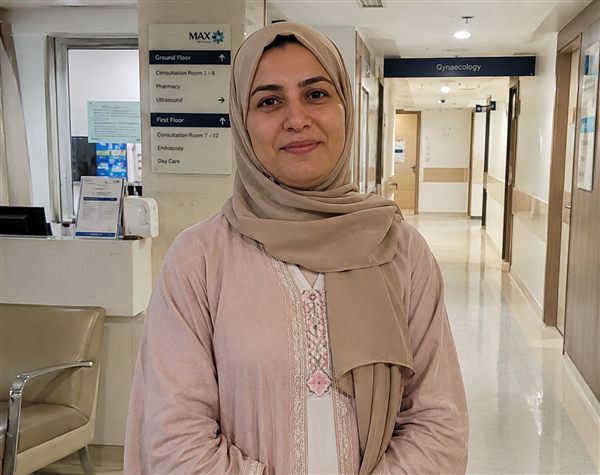
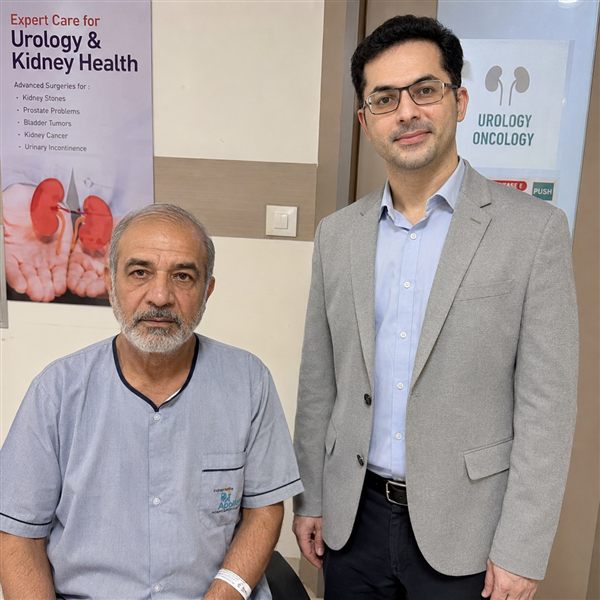
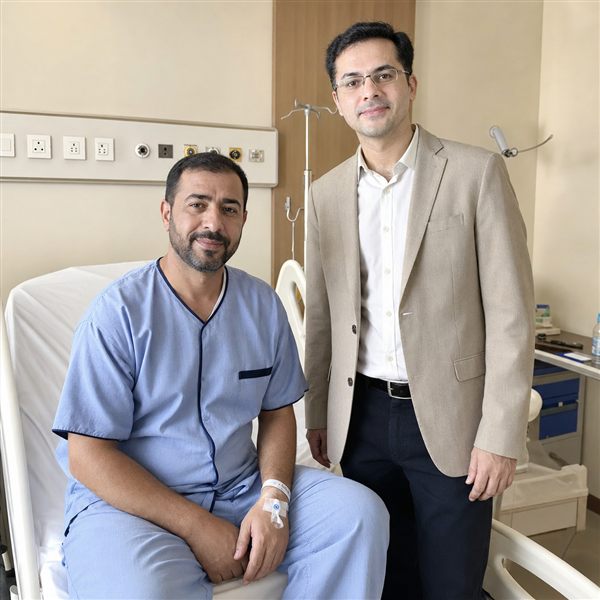
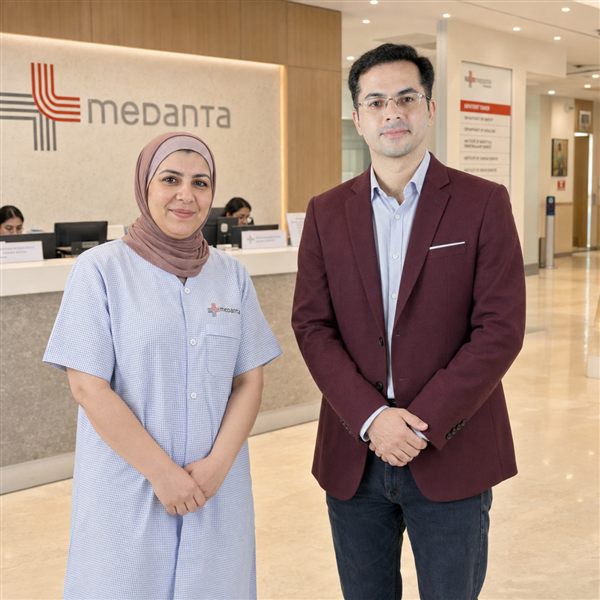
Patient Testimonials from Iraq
Ready to Take the First Step?
Share your Medical Reports with our Healthcare Managers Today and Get a FREE CONSULTATION, a Personalized Treatment Plan, and Complete Support from Arrival to Recovery.
Get Your Free ConsultationAreas We Serve
Indian Health Guru Consultants proudly assists patients from Iraq and surrounding Middle Eastern countries in accessing advanced, affordable and trusted medical treatment in India. Our team provides complete support for medical opinions, hospital selection, treatment planning, visa assistance, travel coordination, accommodation and post-treatment follow-up.
We regularly serve patients from:
- Iraq
- Turkey
- Iran
- Kuwait
- Jordan
- Syria
- Qatar
- Bahrain
- Oman
- Yemen
- Saudi Arabia
- United Arab Emirates
No matter where you are located, our experienced team is committed to making your medical journey to India safe, smooth, transparent and stress-free from the first enquiry to your return home.
From Iraq to India: Your Complete Patient Guide
- Parkinson's Treatment and DBS Surgery in India for Iraqis
- Plastic and Reconstructive Surgery in India for Iraqis
- Cancer Treatment in India for Iraqi Patients
- Paediatric Neurosurgery in India for Iraqis
- Pancreatic Cancer Surgery in India for Iraqis
- Hip Surgery in India for Iraqis
- Paediatric Orthopaedic Surgery in India for Iraqis
- Radiotherapy and Modern Cancer Treatment in India for Iraqis
- Heart Failure Treatment and Surgery in India for Iraqis
- Cosmetic and Aesthetic Surgery in India for Iraqis
- Robotic Cancer Surgery in India for Iraqis
- Complex Joint Revision Surgery in India for Iraqis
- Paediatric Heart Surgery in India for Iraqis
- Bone Marrow Transplant in India for Iraqi Patients
- Urosurgery and Reconstructive Urology in India for Iraqis
- Knee Surgery in India for Iraqis
- Brain Tumour Surgery in India for Iraqi Patients
- Dental Surgery in India for Iraqis