

15 Frequently Asked Questions : Liver Transplant in India for Iraqi Patients
Liver transplantation is a major treatment option for selected patients with advanced or irreversible liver disease when the liver can no longer perform its essential functions adequately. A liver transplant may be considered for selected patients with end-stage liver disease, certain liver cancers, acute liver failure and other serious conditions where transplantation is medically appropriate. Depending on the patient's circumstances, transplantation may involve a liver from a deceased donor or part of a liver from a suitable living donor. A living donor can donate a portion of the liver, and both the donated portion and the donor's remaining liver can regenerate substantially after donation. For Iraqi patients considering liver transplantation in India, evaluation generally involves a transplant hepatologist, liver-transplant surgeon, anaesthesiologist, radiologist, hepatopathologist, infectious-disease specialists and other members of a multidisciplinary transplant team.
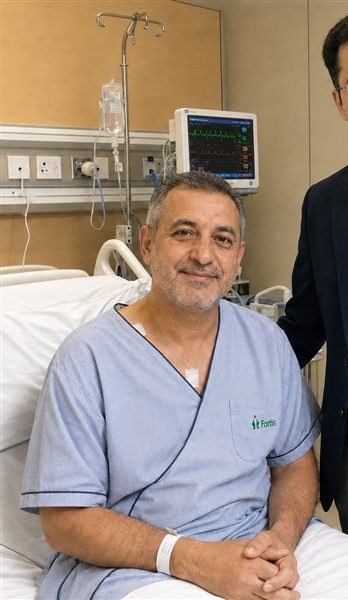
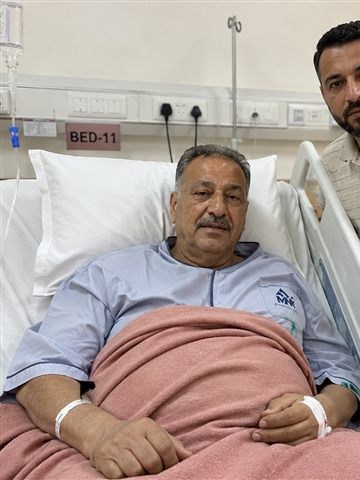
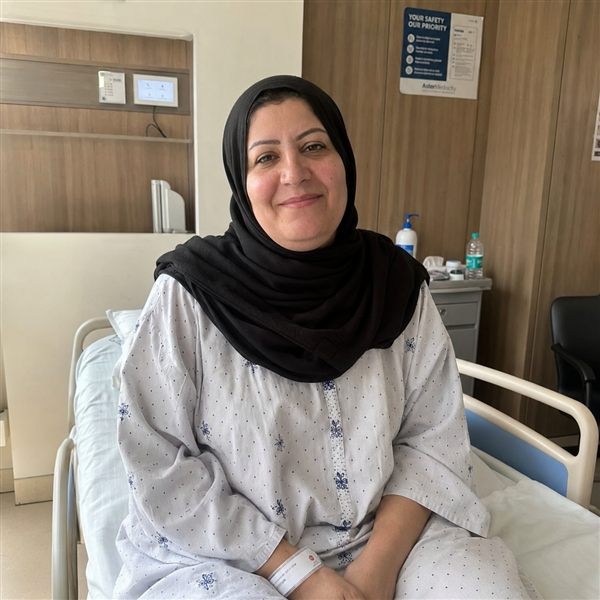
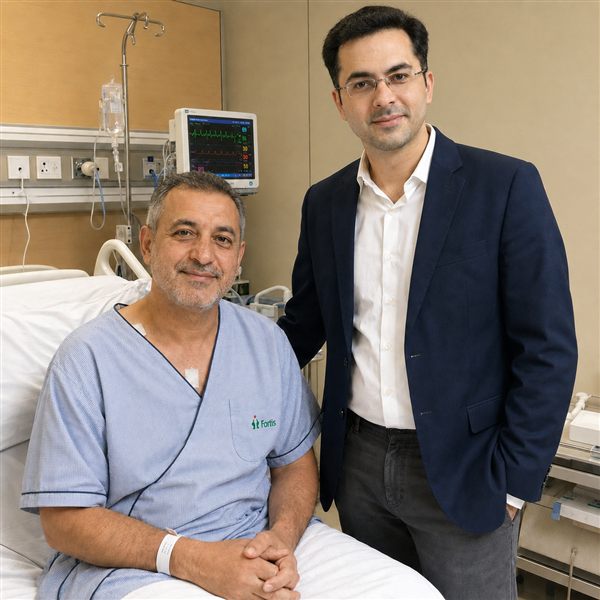
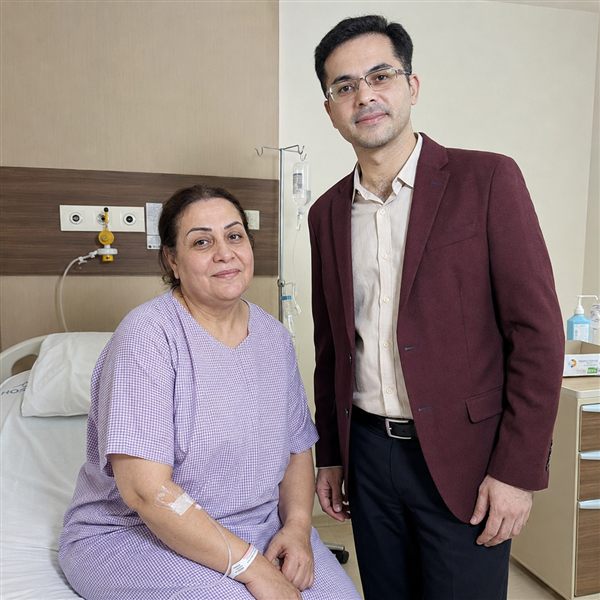
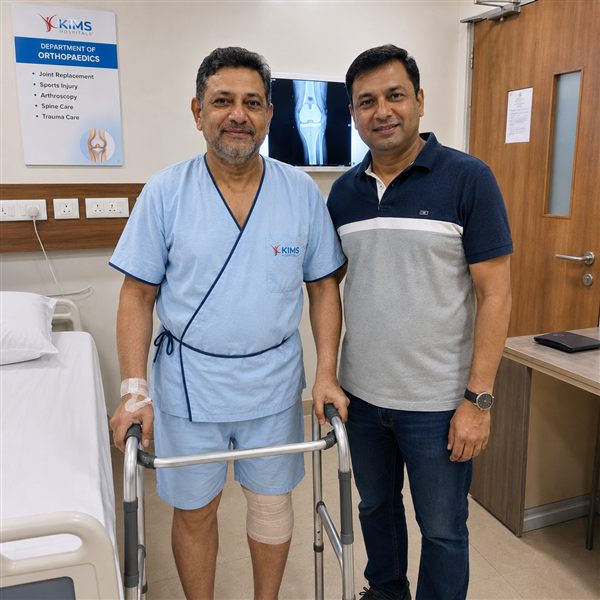
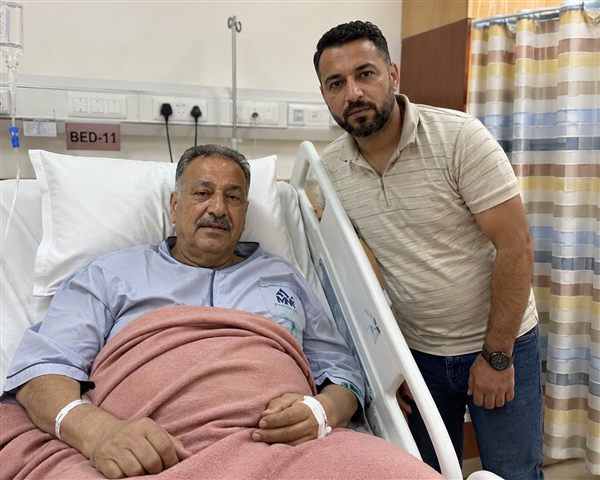
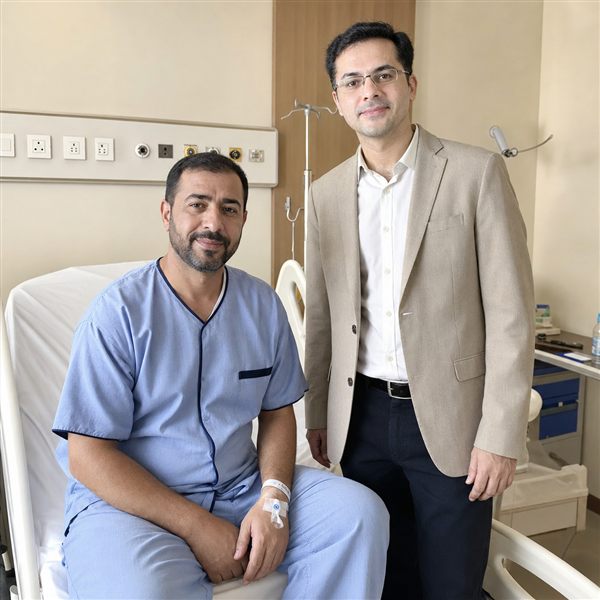
Healing Journeys of Iraqi Patients





Q1 · What Is Liver Transplantation in India?
Liver transplantation is a surgical procedure in which a diseased or severely damaged liver is replaced with a healthy donor liver or a suitable portion of a donor liver. A transplant may be considered when irreversible liver disease has progressed to a stage where transplantation offers an appropriate treatment option.
Deceased-Donor Liver Transplant
The recipient receives a liver from a deceased donor through the applicable organ-allocation and transplantation system.
Living-Donor Liver Transplant
A medically suitable living donor may donate a portion of the liver.
Living-donor transplantation can allow transplantation to be planned when an appropriate donor is available. The donor must undergo extensive medical and psychological assessment before donation.
Common Conditions That May Require Liver Transplantation
Depending on the individual case, transplantation may be considered for
- End-stage cirrhosis
- Decompensated chronic liver disease
- Certain liver cancers
- Acute liver failure
- Selected metabolic or inherited liver disorders
- Other irreversible liver conditions
The indication for transplantation must be established by a specialist transplant team.
Q2 · What Is the Cost of Liver Transplant in India for Iraqi Patients?
Liver transplantation is a complex treatment involving donor or organ evaluation, surgery, ICU care, hospitalisation, investigations, medicines and long-term anti-rejection treatment.
For planning: US$1 ≈ IQD 1,310 • US$1 ≈ INR 96
Indicative Iraq vs India Cost Comparison
| Liver Transplant Treatment | Iraq Estimated Cost | India Estimated Cost | Potential Savings |
|---|---|---|---|
| Liver Transplant Evaluation | IQD 2,620,000–6,550,000 US$2,000–5,000 | INR 100,000–300,000 US$1,040–3,125 | Approx. 15–35% |
| Living-Donor Liver Transplant | IQD 52,400,000–78,600,000 US$40,000–60,000 | INR 2,500,000–4,500,000 US$26,040–46,875 | Approx. 15–35% |
| Deceased-Donor Liver Transplant | IQD 58,950,000–91,700,000 US$45,000–70,000 | INR 2,500,000–4,500,000 US$26,040–46,875 | Approx. 15–35% |
| Complex Liver Transplant | IQD 65,500,000–104,800,000 US$50,000–80,000 | INR 3,500,000–6,000,000 US$36,460–62,500 | Approx. 10–30% |
| Liver Transplant + Extended Post-Operative Care | IQD 78,600,000–117,900,000 US$60,000–90,000 | INR 4,000,000–7,000,000 US$41,670–72,920 | Approx. 10–30% |
These are indicative planning estimates only, not fixed hospital quotations.
The final cost may vary according to
- Transplant type
- Living donor evaluation
- Donor surgery
- Recipient surgery
- ICU stay
- Length of hospitalisation
- Blood products
- Medicines
- Infection treatment
- Complications
- Diagnostic investigations
- Cancer-related treatment
- Post-transplant monitoring
Patients should obtain a written, itemised transplant quotation before travelling.
Q3 · Which Indian Cities Can Iraqi Patients Consider for Liver Transplantation?
| City | Liver Transplant Treatment Environment |
|---|---|
| Delhi | Advanced hepatology, transplant surgery and critical care |
| Gurugram | Multidisciplinary liver-transplant services |
| Noida | Multispeciality transplant and hepatology care |
| Mumbai | Advanced liver and transplant programmes |
| Chennai | Hepatology, liver surgery and transplantation |
| Bengaluru | Liver transplant and advanced hepatobiliary care |
| Hyderabad | Hepatology, transplant surgery and critical care |
| Kolkata | Liver disease and transplant-related services |
| Ahmedabad | Hepatology and transplant services |
| Pune | Liver disease, surgery and transplant evaluation |
| Kochi | Advanced liver and transplant care |
| Thiruvananthapuram | Hepatology and tertiary-care services |
| Goa | Multispeciality liver evaluation |
| Nagpur | Regional hepatology and transplant evaluation |
The appropriate city should be selected according to the patient's diagnosis, transplant eligibility, donor availability, required specialist expertise, ICU facilities and long-term follow-up requirements.
Q4 · Which Hospitals in India Can Iraqi Patients Consider for Liver Transplantation?
The following hospitals are part of the broad Indian medical-hospital reference list. The exact liver-transplant programme, transplant surgeon and current transplant availability should be confirmed before travelling.
Delhi Hospitals
- Fortis Escorts Heart Institute, New Delhi
- BLK-Max Super Speciality Hospital, New Delhi
- Max Super Speciality Hospital, Saket
- Indraprastha Apollo Hospitals, New Delhi
- Sir Ganga Ram Hospital
- Max Super Speciality Hospital, Patparganj
- Manipal Hospital, Dwarka
- Fortis Hospital, Vasant Kunj
- Institute of Brain and Spine Hospital (IBS Hospital)
- Dharamshila Narayana Hospital
- Indian Spinal Injuries Centre
- AIIMS New Delhi
Chennai Hospitals
- MGM Healthcare
- MIOT International
- Apollo Hospitals, Greams Road
- Sri Ramachandra Medical Centre
- SIMS Hospital
- Kauvery Hospital
- Gleneagles HealthCity Chennai
- Vijaya Hospital
- Apollo Speciality Hospitals
- Rela Hospital
Mumbai Hospitals
- Bombay Hospital & Medical Research Centre
- Lilavati Hospital & Research Centre
- Jaslok Hospital & Research Centre
- Gleneagles Hospital, Mumbai
- Nanavati Max Super Speciality Hospital
- Kokilaben Dhirubhai Ambani Hospital
- P. D. Hinduja Hospital & Medical Research Centre
- Sir H. N. Reliance Foundation Hospital
- Wockhardt Hospitals, Mumbai
- Apollo Hospitals, Mumbai
Bengaluru Hospitals
- Manipal Hospital, Old Airport Road
- Manipal Hospital, Whitefield
- Manipal Hospital, Yeshwanthpur
- Apollo Hospitals, Bengaluru
- Fortis Hospital, Bannerghatta Road
- Aster CMI Hospital
- Sakra World Hospital
- Narayana Health City
- Sagar Hospitals
- Kauvery Hospital, Bengaluru
Hyderabad Hospitals
- KIMS Hospitals
- Yashoda Hospitals
- Apollo Health City
- CARE Hospitals
- Continental Hospitals
- Gleneagles Hospitals, Hyderabad
- Sunshine Hospitals
- Star Hospitals
Gurugram Hospitals
- Fortis Memorial Research Institute (FMRI)
- Medanta – The Medicity
- Artemis Hospital
- Max Hospital, Gurugram
- CK Birla Hospital, Gurugram
- Manipal Hospital, Gurugram
- Paras Health
- Narayana Superspeciality Hospital
Noida Hospitals
- Fortis Hospital, Noida
- Jaypee Hospital
- Max Super Speciality Hospital, Noida
- Yatharth Hospital
- Kailash Hospital
- Metro Hospital & Heart Institute
- Metro Center for Neurosciences
Kolkata Hospitals
- Apollo Multispeciality Hospitals
- AMRI Hospitals
- Fortis Hospital, Anandapur
- Manipal Hospitals, Salt Lake
- Medica Superspecialty Hospital
- Narayana Superspeciality Hospital
- Ruby General Hospital
Pune Hospitals
- Ruby Hall Clinic
- Jehangir Hospital
- Deenanath Mangeshkar Hospital
- Sahyadri Super Speciality Hospital
- Aditya Birla Memorial Hospital
- Manipal Hospital, Kharadi
- Medicover Hospital, Pune
Ahmedabad Hospitals
- Apollo Hospitals, Ahmedabad
- Zydus Hospitals
- Sterling Hospitals
- Shalby Hospitals
- HCG Hospitals
- SAL Hospital
- CIMS Hospital
Kochi Hospitals
- Aster Medcity
- Amrita Hospital
- VPS Lakeshore Hospital
- Rajagiri Hospital
- Aster MIMS
- Lisie Hospital
- Renai Medicity
Thiruvananthapuram Hospitals
- KIMSHEALTH Hospital
- Ananthapuri Hospitals and Research Institute
- SUT Hospital
- SP Medifort Hospital
- PRS Hospital
- GG Hospital
Goa Hospitals
- Manipal Hospital, Goa
- Healthway Hospital
- Manipal Hospitals, Dona Paula
- Goa Medical College and Hospital
- Apollo Victor Hospital
Nagpur Hospitals
- Wockhardt Hospitals, Nagpur
- Alexis Multispeciality Hospital
- CARE Hospitals, Nagpur
- Kingsway Hospitals
- Lata Mangeshkar Hospital
Important: This is a broad hospital reference list. Not every hospital listed necessarily performs liver transplantation. Iraqi patients should specifically confirm the availability of an active liver-transplant programme, transplant surgeon, transplant hepatologist, donor evaluation facilities and post-transplant ICU care.
Q5 · What Types of Liver Transplantation Are Available?
Living-Donor Liver Transplant
A medically suitable living donor provides a portion of the liver to the recipient.
The donor undergoes extensive medical evaluation before approval. Living donation requires assessment of medical suitability, blood compatibility and other factors.
Deceased-Donor Liver Transplant
A suitable liver from a deceased donor may be allocated according to the applicable transplantation system.
Paediatric Liver Transplantation
Children with selected liver diseases may require specialised transplant assessment.
Split-Liver Transplantation
In selected circumstances, a donor liver can be divided so that portions may be transplanted into more than one recipient.
Complex Liver Transplantation
Some patients require additional surgical procedures because of previous abdominal surgery, portal hypertension, vascular problems, tumour-related issues or other complex conditions.
The appropriate transplant type depends on the patient's disease, urgency, donor availability and transplant-centre assessment.
Q6 · When Is Liver Transplant Recommended?
Liver transplantation may be considered when the liver has sustained severe, irreversible damage or when a specific disease meets accepted transplant criteria.
Possible indications include
- Decompensated cirrhosis
- Recurrent complications of advanced liver disease
- Selected liver cancers
- Acute liver failure
- Selected inherited metabolic liver disorders
- Other severe irreversible liver diseases
Doctors may evaluate complications such as
- Ascites
- Recurrent hepatic encephalopathy
- Variceal bleeding
- Jaundice
- Severe liver dysfunction
- Recurrent infections
- Kidney dysfunction related to advanced liver disease
For patients with liver cancer, transplant eligibility depends on tumour characteristics and established transplant criteria. The decision requires comprehensive assessment rather than relying on a single laboratory result.
Q7 · What Advanced Technologies Are Used in Liver Transplantation?
Specialised liver-transplant centres may use
- High-resolution ultrasound
- Doppler ultrasound
- Multiphasic CT
- MRI/MRCP
- PET-CT in selected cases
- Liver biopsy where appropriate
- FibroScan or other liver-assessment techniques
- Advanced hepatopathology
- Molecular testing for selected conditions
- 3D imaging and surgical planning
- Intraoperative ultrasound
- Advanced vascular imaging
- Complex vascular reconstruction
- Modern ICU monitoring
- Cell-saver technology
- Advanced blood-bank support
- Continuous post-transplant laboratory monitoring
Living-donor evaluation may also include detailed imaging to assess liver anatomy, blood vessels and bile ducts before donation. Transplant evaluation generally involves a detailed assessment to determine whether transplantation is medically appropriate and whether the donor is suitable.
Q8 · What Medical Reports Are Required Before Liver Transplantation?
Iraqi patients should provide complete medical records before travelling.
Important documents may include
- Liver-function tests
- Complete blood count
- Kidney-function tests
- Coagulation profile
- Bilirubin reports
- Albumin reports
- Viral hepatitis tests
- Other infection-screening reports
- Ultrasound
- Doppler ultrasound
- CT scan
- MRI/MRCP
- Endoscopy reports
- Liver biopsy where applicable
- Tumour-marker results where applicable
- Previous discharge summaries
- Previous operation reports
- Previous treatment records
- Current medication list
- Cancer pathology where applicable
Patients with liver cancer should also provide
- Tumour imaging
- Biopsy/pathology where performed
- Previous cancer-treatment records
- Tumour-marker results
- Previous chemotherapy or locoregional treatment records
If a Living Donor Is Available
The potential donor may need
- Blood-group testing
- Complete blood tests
- Liver-function tests
- Viral and infection screening
- CT/MRI liver imaging
- Vascular and biliary anatomy assessment
- General medical evaluation
- Psychological evaluation
- Other donor-safety assessments
Living donors undergo medical testing and evaluation to determine whether donation is appropriate and safe for them.
Q9 · How Does Liver Transplantation Work?
The transplant process generally follows several stages.
Step 1: Initial Evaluation
The transplant team reviews the patient's medical records and current liver condition.
Step 2: Transplant Eligibility Assessment
Doctors evaluate whether transplantation is appropriate.
This may include
- Liver-function assessment
- Heart evaluation
- Lung evaluation
- Kidney assessment
- Infection screening
- Cancer assessment where applicable
- Nutritional assessment
Step 3: Donor Assessment
For living-donor transplantation, the potential donor undergoes detailed medical and psychological evaluation.
Step 4: Transplant Planning
The team determines the appropriate transplant strategy.
Step 5: Liver Transplant Surgery
The diseased liver is removed and replaced with the donor liver or appropriate donor liver portion.
Step 6: ICU Monitoring
The recipient is closely monitored for liver function, bleeding, infection, blood pressure, kidney function and other complications.
Step 7: Anti-Rejection Treatment
Recipients generally require immunosuppressive medicines to reduce the risk of organ rejection.
Anti-rejection medicines may need to be taken long term, with doses adjusted according to clinical and laboratory monitoring.
Step 8: Recovery and Follow-Up
The patient receives nutritional support, medication management, laboratory monitoring and follow-up before returning to Iraq.
Q10 · What Are the Alternatives to Liver Transplantation?
Liver transplantation is not the only treatment option for every liver disease. Depending on the diagnosis, alternatives or complementary approaches may include:
Medical Treatment
Medicines may control viral hepatitis, autoimmune liver disease, metabolic conditions or other causes of liver injury.
Endoscopic Treatment
Selected complications such as variceal bleeding or biliary obstruction may require endoscopic procedures.
Interventional Radiology
Selected patients may undergo procedures such as tumour-directed therapies or vascular interventions.
Liver Cancer Treatment
Depending on tumour stage and liver function, treatment may include
- Surgical resection
- Ablation
- Transarterial treatments
- Radiation therapy
- Systemic cancer treatment
Management of Liver Failure Complications
Treatment may focus on
- Ascites
- Hepatic encephalopathy
- Variceal bleeding
- Infections
- Kidney complications
- Nutritional problems
Palliative or Supportive Care
For patients who are not transplant candidates, treatment may focus on controlling symptoms and maintaining quality of life.
The appropriate approach depends on the underlying disease and the patient's overall condition.
Q11 · What Should Iraqi Patients Ask Before Accepting a Liver Transplant Quotation?
Patients should ask
- What is the exact liver disease?
- Why is transplantation being recommended?
- Is the patient medically suitable for transplantation?
- Is a living donor required or available?
- Is the donor medically suitable?
- Is the donor blood group compatible?
- What tests are required for the donor?
- What tests are required for the recipient?
- What type of transplant is planned?
- Is the quotation for the recipient only or does it include donor evaluation and donor surgery?
- How many days of ICU care are included?
- How many hospital days are included?
- Which medicines are included?
- Are blood products included?
- What complications could increase the cost?
- What immunosuppressive medicines will be required after transplantation?
- How long should the patient remain in India?
- How often will follow-up be required?
- Can follow-up blood tests be performed in Iraq?
- Who will coordinate post-transplant care after returning to Iraq?
Patients should request a written and itemised transplant quotation rather than relying only on a verbal estimate.
Q12 · How Long Should Iraqi Liver Transplant Patients Stay in India?
Liver transplantation requires a significantly longer medical journey than many routine surgical procedures.
Initial Evaluation
Approximately 5–10 days or longer may be required for specialist consultations, imaging, laboratory tests and transplant assessment.
Living-Donor Evaluation
Additional time may be required if a potential donor must undergo complete medical clearance.
Transplant Surgery and Hospitalisation
The recipient generally requires major surgery followed by ICU and hospital monitoring.
The length of stay varies according to
- Recipient condition
- Donor condition
- Type of transplant
- Surgical complexity
- Infection
- Bleeding
- Liver-function recovery
- Kidney function
- Other complications
Post-Discharge Monitoring
International patients may need to remain near the transplant centre for additional monitoring after discharge.
A total stay of several weeks is commonly necessary, and complex cases may require considerably longer. Patients should not book a fixed return flight before the transplant team confirms that the patient and, where applicable, donor are medically fit to travel.
Q13 · What Is Recovery Like After Liver Transplantation?
Recovery after liver transplantation requires close medical monitoring.
Early Recovery
Patients may require
- ICU monitoring
- Liver-function testing
- Kidney-function monitoring
- Blood-count monitoring
- Infection surveillance
- Wound care
- Nutritional support
- Physiotherapy
- Gradual mobilisation
Anti-Rejection Medicines
Recipients require immunosuppressive treatment to reduce the risk of rejection.
Because these medicines suppress the immune system, patients may be more susceptible to infections and require careful monitoring.
Possible Complications
Potential complications may include
- Bleeding
- Infection
- Bile-duct complications
- Blood-vessel complications
- Organ rejection
- Kidney problems
- Medication side effects
- Diabetes or metabolic changes
- Other surgical or transplant-related complications
Long-Term Recovery
Patients may require
- Regular liver-function tests
- Medication-level monitoring
- Immunosuppressant adjustment
- Infection prevention
- Nutritional support
- Physical rehabilitation
- Regular transplant consultations
Patients should receive written instructions about symptoms that require urgent medical attention.
Q14 · How Can Liver Transplant Follow-Up Be Managed After Returning to Iraq?
Liver transplant follow-up continues long after the operation.
Before returning to Iraq, patients should obtain
- Final diagnosis
- Transplant operation report
- Donor information where applicable
- Final pathology report
- Discharge summary
- Medication list
- Immunosuppressive medicine schedule
- Recommended blood-test schedule
- Liver-function monitoring plan
- Kidney-function monitoring plan
- Infection-monitoring plan
- Follow-up appointment schedule
- Warning signs requiring urgent medical review
The Indian transplant team can coordinate with the patient's Iraqi hepatologist or transplant specialist where appropriate.
Follow-up may include
- Liver-function tests
- Kidney-function tests
- Blood counts
- Drug-level monitoring
- Ultrasound or other imaging
- Monitoring for rejection
- Monitoring for infection
- Management of medication side effects
- Nutritional monitoring
Patients should not stop or change anti-rejection medicines without guidance from their transplant team.
Q15 · Should an Iraqi Patient Travel to India for Liver Transplantation?
India can be considered by Iraqi patients seeking specialist liver-transplant evaluation, living-donor transplantation, complex liver surgery or a second transplant opinion. However, overseas transplantation is not automatically required for every patient with advanced liver disease.
An Iraqi patient considering India should compare
- Exact liver disease
- Severity of liver dysfunction
- Transplant indication
- Liver-cancer status where applicable
- Overall medical condition
- Living-donor availability
- Donor suitability
- Transplant programme experience
- ICU facilities
- Infection-control facilities
- Blood-bank support
- Expected hospital stay
- Total treatment cost
- Long-term immunosuppressive treatment
- Follow-up arrangements in Iraq
For many patients, the most useful first step is to obtain an Indian transplant-team opinion based on complete medical records before travelling. The transplant team can then determine whether the patient requires transplantation, another treatment approach or additional investigations.
Final Iraqi Patient Pre-Travel Checklist
Medical Records
- Complete blood-count reports
- Liver-function tests
- Kidney-function tests
- Coagulation profile
- Bilirubin reports
- Albumin reports
- Viral hepatitis reports
- Infection-screening reports
- Ultrasound reports
- Doppler ultrasound
- CT scans
- MRI/MRCP
- Endoscopy reports
- Liver biopsy where applicable
- Tumour-marker reports where applicable
- Previous operation reports
- Previous discharge summaries
- Previous treatment records
- Current medication list
Treatment Planning
- Confirm exact liver disease
- Confirm reason for transplantation
- Obtain specialist transplant opinion
- Confirm transplant eligibility
- Ask whether living-donor transplantation is appropriate
- Confirm donor requirements
- Complete donor evaluation where applicable
- Ask about transplant type
- Ask about expected hospital stay
- Ask about ICU requirements
- Ask about long-term immunosuppressive medicines
- Obtain written transplant treatment plan
Hospital and Cost
- Confirm liver-transplant programme
- Confirm transplant surgeon
- Confirm transplant hepatologist
- Confirm ICU facilities
- Confirm blood-bank support
- Confirm donor evaluation facilities
- Obtain written quotation
- Confirm recipient surgery charges
- Confirm donor surgery charges where applicable
- Confirm ICU charges
- Confirm medicines
- Confirm blood-product charges
- Ask about possible complications and additional costs
Travel
- Valid passport
- Appropriate Indian medical visa documentation
- Printed medical records
- Digital copies of scans and reports
- Accommodation arrangements
- Flexible return-flight arrangements
- Travel companion where appropriate
- Financial arrangements for unexpected medical expenses
Follow-Up
- Final transplant report
- Operation report
- Final pathology report
- Discharge summary
- Medication schedule
- Immunosuppressant schedule
- Blood-test schedule
- Liver-function monitoring plan
- Kidney-function monitoring plan
- Infection-monitoring plan
- Follow-up imaging plan where applicable
- Iraqi hepatologist/transplant follow-up arrangements
- Emergency warning signs understood
Final Note
Liver Transplant in India for Iraqi Patients can include specialist transplant evaluation, living-donor liver transplantation, deceased-donor transplantation, complex liver surgery and comprehensive post-transplant care. The most important step is determining whether transplantation is medically appropriate and whether the patient meets the requirements of the transplant programme. For living-donor transplantation, both the recipient and donor require detailed medical assessment. Living donation involves major surgery for the donor, so donor safety must remain an independent priority. Living donors undergo medical testing and evaluation before donation. After transplantation, long-term follow-up and anti-rejection medication are essential. Transplant recipients require continued monitoring because rejection and infection can occur, while immunosuppressive medicines can increase susceptibility to infections. Iraqi patients considering treatment in India should obtain a specialist liver-transplant opinion based on complete medical records before travelling and should receive a clear written treatment and cost plan. After transplantation, patients should return to Iraq only after receiving appropriate medical clearance and should continue follow-up with their transplant team and local hepatology specialists. Specialist Evaluation. Safe Transplant Planning. Lifelong Post-Transplant Care.
Page Summary
This guide answers 15 frequently asked questions about liver transplant in India for Iraqi patients. It sets out indicative cost ranges in IQD, USD and INR for procedures such as liver transplant evaluation, living-donor liver transplant, deceased-donor liver transplant and complex liver transplant, and lists 14 Indian cities and 109 hospitals to research. It also covers treatment options, the medical reports to send before travel, the treatment process, alternatives, quotation questions, expected stay in India, recovery, follow-up care and a pre-travel checklist for patients from Iraq.


Our Mission Statement
Our mission is to place patients at the centre of every healthcare decision by providing trustworthy, evidence-based, and unbiased medical information. We believe that informed patients make better decisions. Backed by personalised guidance from our experienced advisory team, we help patients understand their treatment options, compare them objectively, and confidently choose the path that best suits their medical needs and personal circumstances.
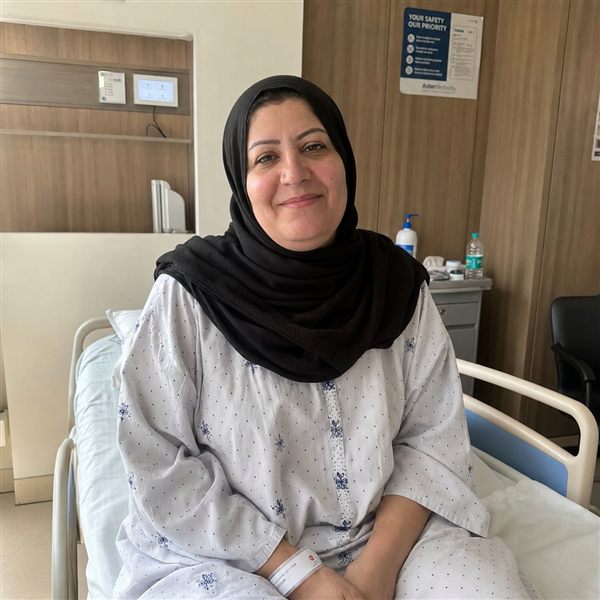
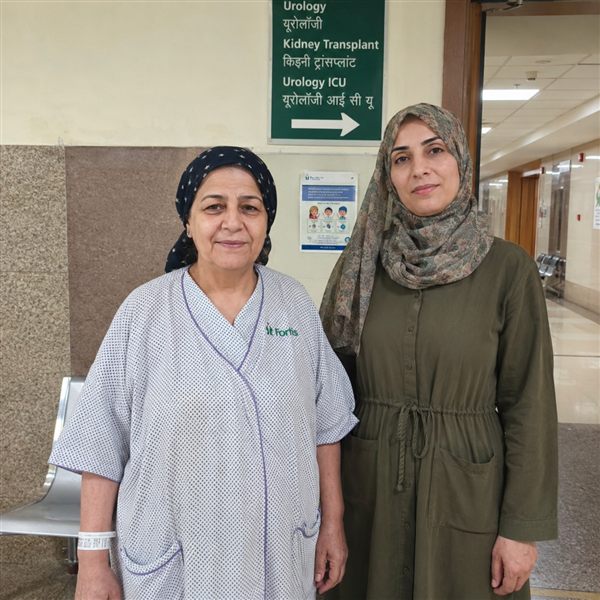
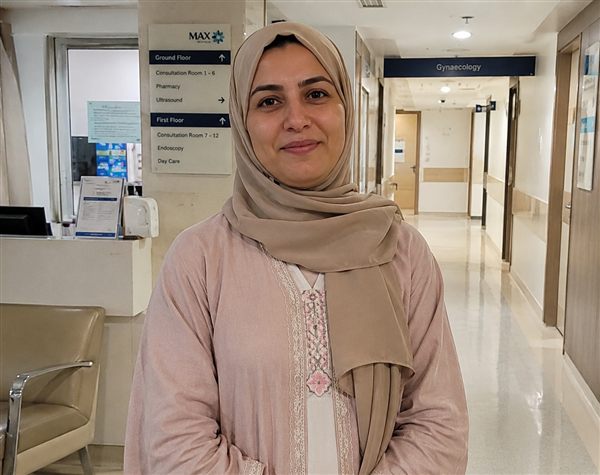
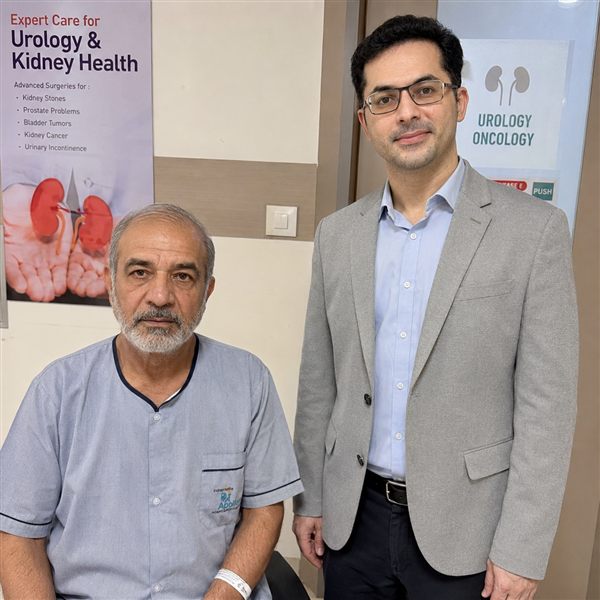
Patient Testimonials from Iraq






Ready to Take the First Step?
Share your Medical Reports with our Healthcare Managers Today and Get a FREE CONSULTATION, a Personalized Treatment Plan, and Complete Support from Arrival to Recovery.
Get Your Free ConsultationAreas We Serve
Indian Health Guru Consultants proudly assists patients from Iraq and surrounding Middle Eastern countries in accessing advanced, affordable and trusted medical treatment in India. Our team provides complete support for medical opinions, hospital selection, treatment planning, visa assistance, travel coordination, accommodation and post-treatment follow-up.
We regularly serve patients from:
- Iraq
- Turkey
- Iran
- Kuwait
- Jordan
- Syria
- Qatar
- Bahrain
- Oman
- Yemen
- Saudi Arabia
- United Arab Emirates
No matter where you are located, our experienced team is committed to making your medical journey to India safe, smooth, transparent and stress-free from the first enquiry to your return home.
From Iraq to India: Your Complete Patient Guide
- Cardiac Pacemaker Treatment in India for Iraqi Patients
- Paediatric Neurosurgery in India for Iraqis
- IVF and Fertility Treatment in India for Iraqis
- Cancer Treatment in India for Iraqi Patients
- CyberKnife Treatment in India for Iraqis
- Prostate Cancer Treatment and Surgery in India for Iraqis
- Kidney Transplant in India for Iraqis
- Gamma Knife Treatment in India for Iraqis
- Oral and Maxillofacial Surgery in India for Iraqis
- Robotic Cancer Surgery in India for Iraqis
- Hip Surgery in India for Iraqis
- Cardiac Surgery in India for Iraqis
- Parkinson's Treatment and DBS Surgery in India for Iraqis
- Cosmetic and Aesthetic Surgery in India for Iraqis
- Dental Implants and Smile Makeover in India for Iraqis
- Cornea Transplant and Advanced Eye Surgery in India for Iraqis
- Neurosurgery in India for Iraqis
- Shoulder Surgery in India for Iraqis