

Selecting the Best Urosurgery and Reconstructive Urology Specialists and Hospitals in India: A Guide for Patients from Iraq
A doctor’s honest, question-by-question guide for patients from Iraq on vetting a urosurgery hospital in India — surgeon case counts, accreditation, technique selection, and the exact questions worth asking before you book anything.
Over the years, I have found that urethral stricture disease is one of the conditions where Iraqi men most often receive repeated, temporary treatment rather than the single, more durable procedure that would genuinely solve the problem, and the reason is usually not a lack of willingness to treat but a lack of access to a surgeon specifically trained in urethroplasty, the reconstructive surgery that remains the actual gold standard for this condition.
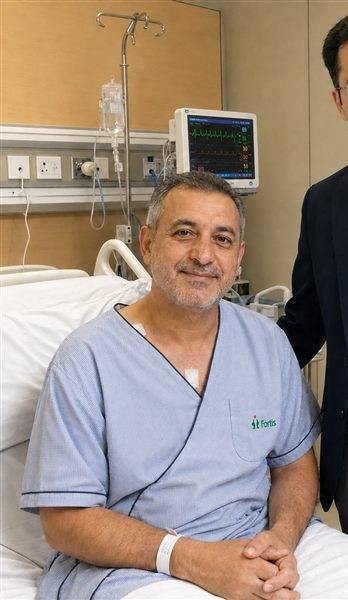
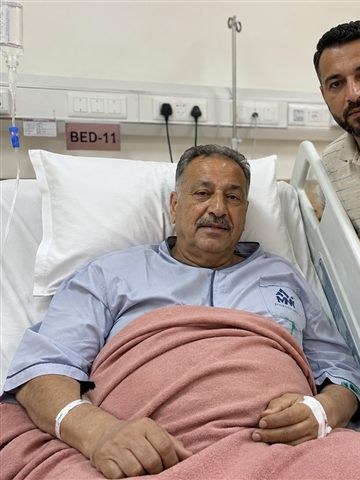
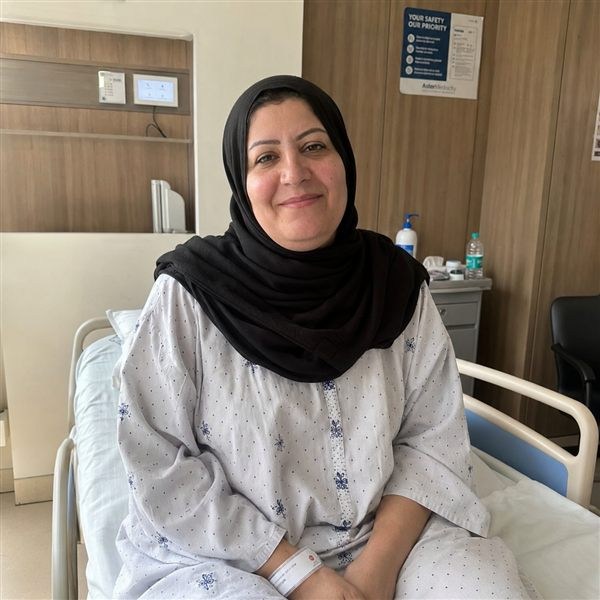
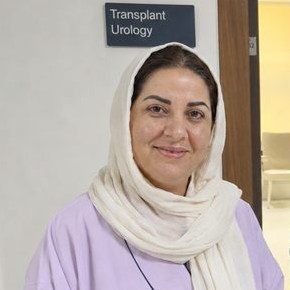
Healing Journeys of Iraqi Patients
Key Takeaways
- Urethral stricture disease requires careful selection of the treating reconstructive urologist because repeated dilatation or optical internal urethrotomy may provide only temporary relief. The source reports failure rates as high as 47.6% for these approaches in the cited resource-limited setting, while buccal mucosal graft urethroplasty has been reported at around 85% success across multiple published series.
- The surgeon's specific reconstructive experience is particularly important because urethroplasty has a substantial learning curve. The source cites published research estimating that approximately 100 to 400 cases may be required before consistently successful outcomes are achieved. Iraqi patients should therefore ask for the surgeon's personal urethroplasty case count rather than relying only on the hospital's general urology reputation.
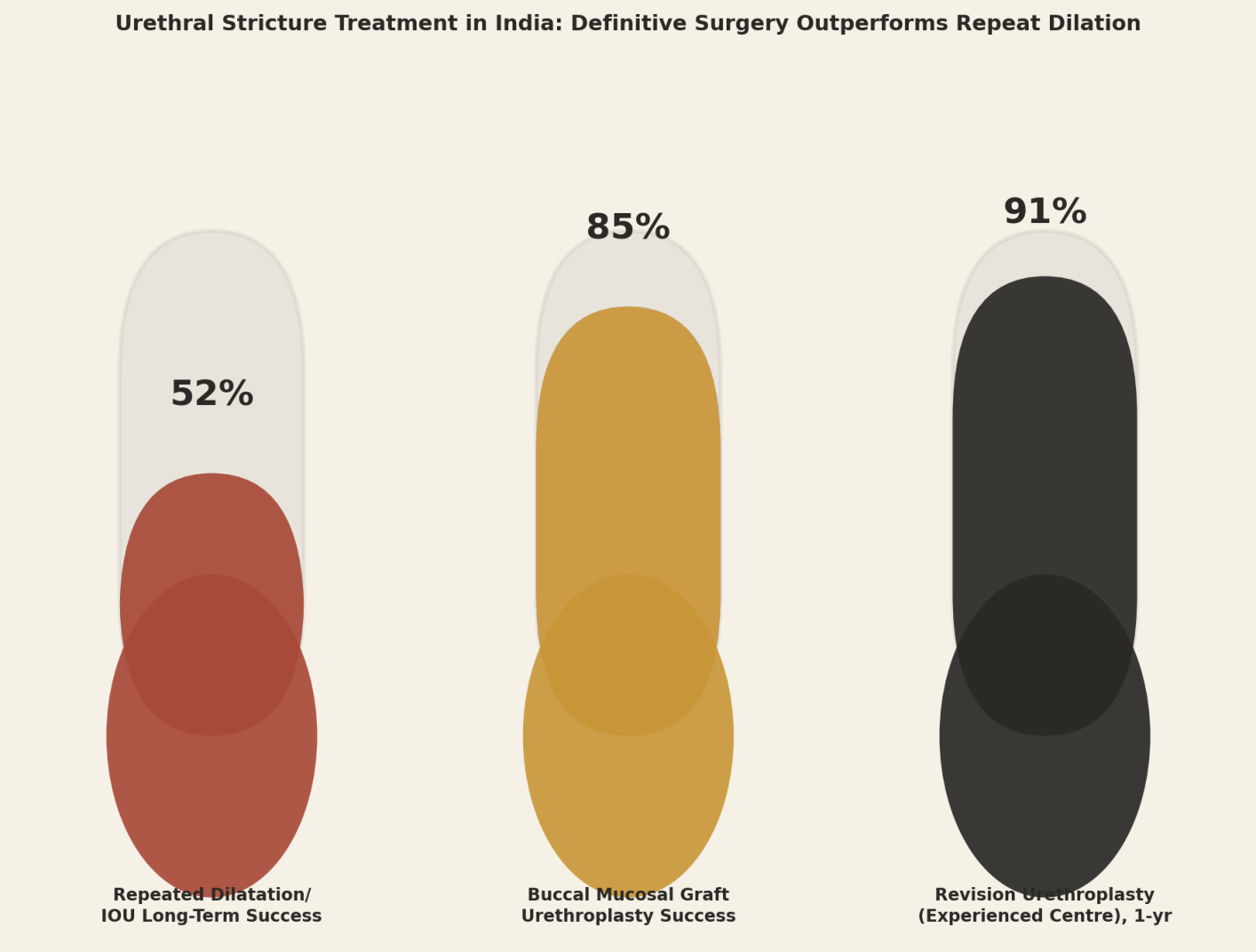
- The visual chart on page 2 compares approximately 52% long-term success for repeated dilatation/optical internal urethrotomy, 85% for buccal mucosal graft urethroplasty and 91% one-year success for revision urethroplasty at an experienced centre. These figures are illustrative published-literature outcomes and should not be interpreted as a guaranteed result for an individual patient.
- Previous failed treatment does not necessarily mean that another reconstruction will have a poor outcome. The source cites a matched study in which revision urethroplasty at an experienced centre achieved 91% success at one year, comparable with 91% after primary surgery. Iraqi patients with previous unsuccessful treatment should therefore specifically ask about the surgeon's revision urethroplasty experience and results.
- Technique and graft selection should be matched to the stricture's length and location. The guide recommends asking whether single-stage or staged urethroplasty is appropriate and whether buccal mucosal graft is suitable for the individual case. Preoperative imaging with retrograde urethrography and voiding cystourethrography can help define the exact stricture characteristics before surgical planning.
- Reconstructive urology should involve more than the operating surgeon. The source recommends a fellowship-trained reconstructive urologist, an anaesthesiologist familiar with the positioning required for these procedures and, when graft tissue is required, a team experienced in buccal mucosal graft harvesting. A structured uroflowmetry and follow-up programme is also important for detecting recurrence early.
- Accreditation should be independently verified rather than accepted from hospital marketing material. The source recommends checking JCI and NABH status and confirming that the surgeon is specifically trained in reconstructive urology.
Quick Facts
- Treatment
- Urosurgery and reconstructive urology
- Primary Patients
- Iraqi patients seeking complex urological treatment in India
- Main Speciality
- Reconstructive urology
- Key Procedure
- Urethroplasty
- Common Condition
- Urethral stricture disease
- Temporary Treatments
- Dilatation and optical internal urethrotomy
- Definitive Treatment
- Urethroplasty where clinically appropriate
- Buccal Graft Success
- Around 85% in cited published series
- Repeated Treatment Failure
- Up to 47.6% in the cited setting
- Revision Urethroplasty
- 91% one-year success in the cited experienced-centre study
- Learning Curve
- Published research cited approximately 100–400 cases
- Graft Material
- Buccal mucosal graft may be considered
- Surgical Options
- Single-stage or staged urethroplasty
- Preoperative Imaging
- Retrograde urethrography and voiding cystourethrography
- Key Specialist
- Fellowship-trained reconstructive urologist
- Support Team
- Anaesthesiologist and graft-harvesting team when required
- Follow-Up
- Structured uroflowmetry and postoperative monitoring
- Accreditation
- Verify current JCI and/or NABH status
- Revision Cases
- Ask for revision-specific outcomes
- Main Red Flag
- Repeated dilatation without discussion of definitive urethroplasty
- Documentation
- Carry previous operative reports, imaging and treatment records
- Author
- Dr. Dheeraj Bojwani
- Experience
- 24+ Years
In Brief
For Iraqi patients with urethral stricture, the most important question is not simply whether a hospital performs urethroplasty, but whether the specific reconstructive urologist has substantial, procedure-matched experience. Patients should review the stricture's length and location, understand why a particular graft and surgical technique are recommended, ask about revision experience when previous treatment has failed, and confirm a structured postoperative uroflowmetry and follow-up programme.
Why the Choice of Reconstructive Urologist in India Matters as Much as the Choice of Hospital
Based on my interactions with international patients, published research illustrates this exact problem with real clarity. A study of urethral stricture management in a resource-limited setting found that repeated urethral dilatation and optical internal urethrotomy, both temporary, less invasive treatments, carried a failure rate as high as 47.6 percent, yet these procedures remained the dominant approach because treating surgeons often lacked the specific training and experience to perform definitive urethroplasty. By contrast, buccal mucosal graft urethroplasty, using tissue from inside the cheek to reconstruct the narrowed urethral segment, has been consistently reported with success rates around 85 percent across multiple published series, offering a genuinely durable solution rather than a temporary fix requiring repeated procedures. Reconstructive urology carries one of the longest surgical learning curves in the field, with published research estimating that a surgeon requires between 100 and 400 cases before achieving consistently successful outcomes, a figure worth understanding when evaluating a specific surgeon's experience. Reassuringly, for patients who have already experienced a failed urethroplasty elsewhere, a large matched study found that revision surgery at an experienced centre achieved success rates comparable to first-time surgery, 91 percent at one year in both groups, meaning a previous failure does not have to mean a poor long-term outcome if the second attempt is performed by genuinely experienced hands. This tells a family something important: the specific surgeon's training and case-specific experience, not simply the availability of some form of treatment, determines whether this condition is genuinely resolved.
How Patients from Iraq Can Verify a Urosurgery Hospital’s Accreditation in India
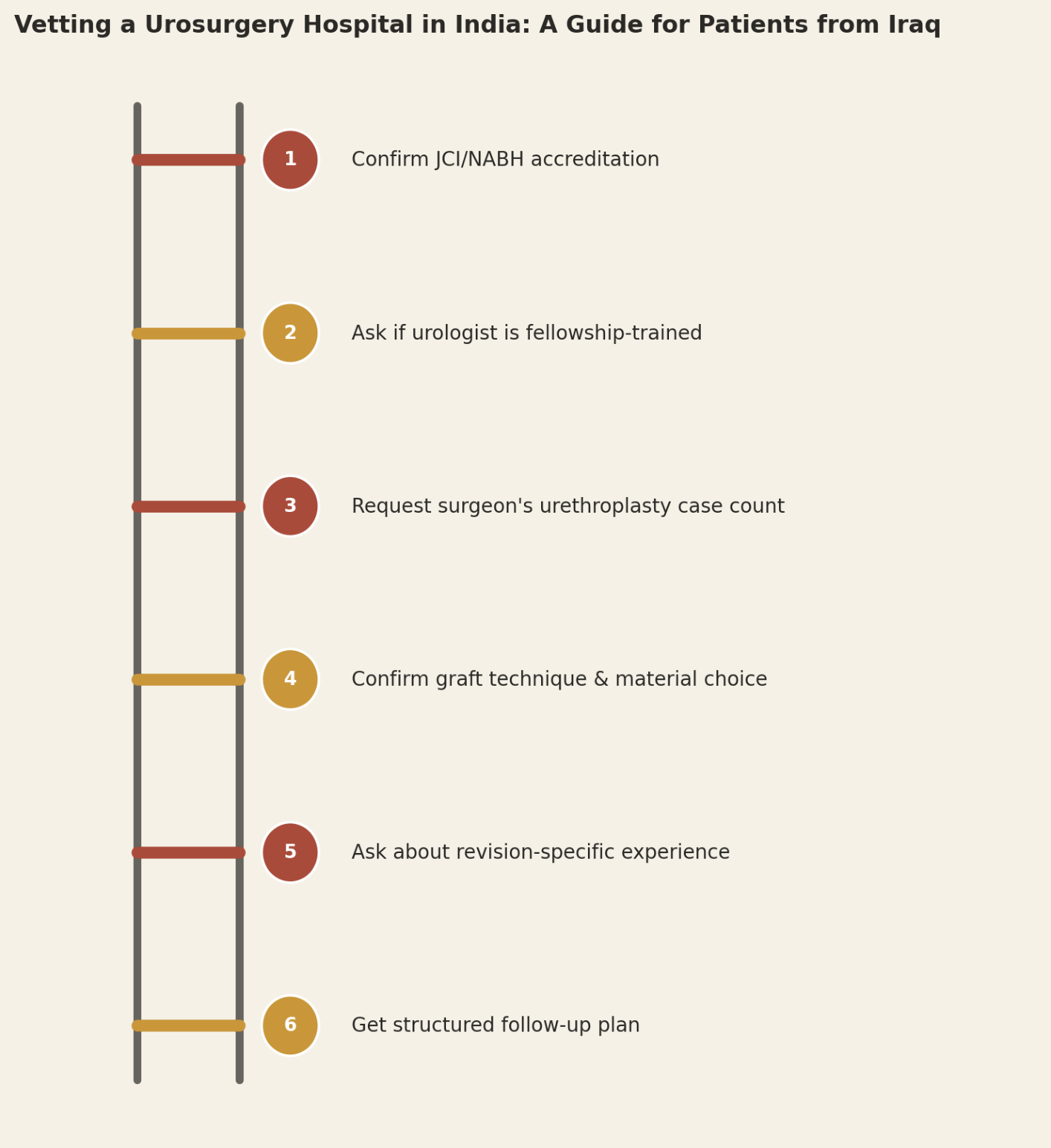
The fastest filter I recommend to every Iraqi patient calling about urethral stricture or complex reconstructive urology is verifiable accreditation, not marketing language. Joint Commission International, JCI, audits a hospital’s overall clinical safety systems against the same standard used across the United States and Europe. The National Accreditation Board for Hospitals and Healthcare Providers, NABH, is India’s own domestic equivalent, and in my experience of 24 years advising patients on this exact decision, a centre holding both marks together is a meaningfully stronger signal than either alone. For urethral reconstruction specifically, ask one further, very direct question: is the surgeon performing my procedure a dedicated, fellowship-trained reconstructive urologist, or a general urologist offering urethroplasty as an occasional part of a broader practice.
Urosurgery Volume and Technique-Specific Criteria That Predict Outcomes in India
Based on my interactions with dozens of reconstructive urology programmes over the years, a surgeon’s own specific, procedure-matched case count, not simply their general urology experience, is one of the clearest predictors of a good outcome for this particular field. In my experience of 24 years advising patients on exactly this kind of decision, the surgeons most worth trusting are the ones who state their own case count directly, since this field’s genuinely long learning curve makes the number unusually meaningful. Ask directly, in writing:
- How many urethroplasty procedures has this specific surgeon personally performed, and where does this fall relative to the substantial case volume published research associates with consistent success?
- Which specific technique and graft material is being recommended for my stricture, and why is it the appropriate choice for my specific stricture length and location?
- If I have already had a failed procedure elsewhere, what is this surgeon's own specific experience and success rate with revision urethroplasty, distinct from primary cases?
- What is the realistic plan if repeated dilatation or optical urethrotomy has not resolved my symptoms, and why might definitive urethroplasty be the more appropriate next step for my situation?
A surgeon confident in their own experience will answer these specifically. A surgeon who recommends repeated dilatation without discussing definitive urethroplasty as an option deserves a second opinion before you commit.
Vetting a Urosurgery Hospital in India: A Guide for Patients from Iraq
Questions Patients from Iraq Should Ask About the Urosurgery Team in India
Complex reconstructive urology is never genuinely the work of one surgeon alone. In my experience of 24 years watching these programmes operate, the strongest units bring together a fellowship-trained reconstructive urologist, an anaesthesiologist experienced in the specific positioning this surgery requires, and, for cases requiring graft tissue, a surgeon or team experienced specifically in buccal mucosal graft harvest technique. A dedicated uroflowmetry and post-operative follow-up programme is a further important component, since regular objective monitoring after surgery is how a recurrence is caught early, often before symptoms become severe again. Ask specifically who fills each of these roles for your case, and confirm that your specific stricture has been properly characterised with detailed imaging before a final surgical plan is set.
Urosurgery Technology Standards in India That Patients from Iraq Should Check
The specific technology and technique available change what a surgeon can achieve for your specific stricture. Ask whether the hospital uses retrograde urethrography and voiding cystourethrography together to precisely map your stricture’s exact length and location before surgery, since accurate pre-operative characterisation directly affects surgical planning. Ask whether the centre has genuine experience with both single-stage and staged urethroplasty technique, since your specific stricture characteristics may make one approach more appropriate than the other. Ask also whether buccal mucosal graft is the centre’s preferred substitution material, since published comparative research has found this tissue type consistently outperforms several alternative graft materials in both success rate and complication profile. Ask directly which of these specific capabilities apply to your case, not simply whether the hospital performs urethroplasty in general terms.
Red Flags Patients from Iraq Should Watch For When Choosing a Urosurgery Hospital in India
Over the years, certain patterns have become reliable warning signs for me. A hospital that offers only repeated dilatation or optical urethrotomy without ever discussing definitive urethroplasty as an option has not presented the genuinely more durable solution current evidence supports. A surgeon who cannot state their own specific urethroplasty case count has not given you the single figure most directly linked to this field’s substantial learning curve. A centre that cannot describe its specific graft technique and success rate has not given you information specific enough to be useful. And a centre that does not offer a structured follow-up plan involving periodic uroflowmetry has not prepared to catch a possible recurrence early, when it is easiest to manage.
Factors Every Patient from Iraq Should Weigh Before Choosing Urosurgery in India
A Closing Thought for Iraqi Patients
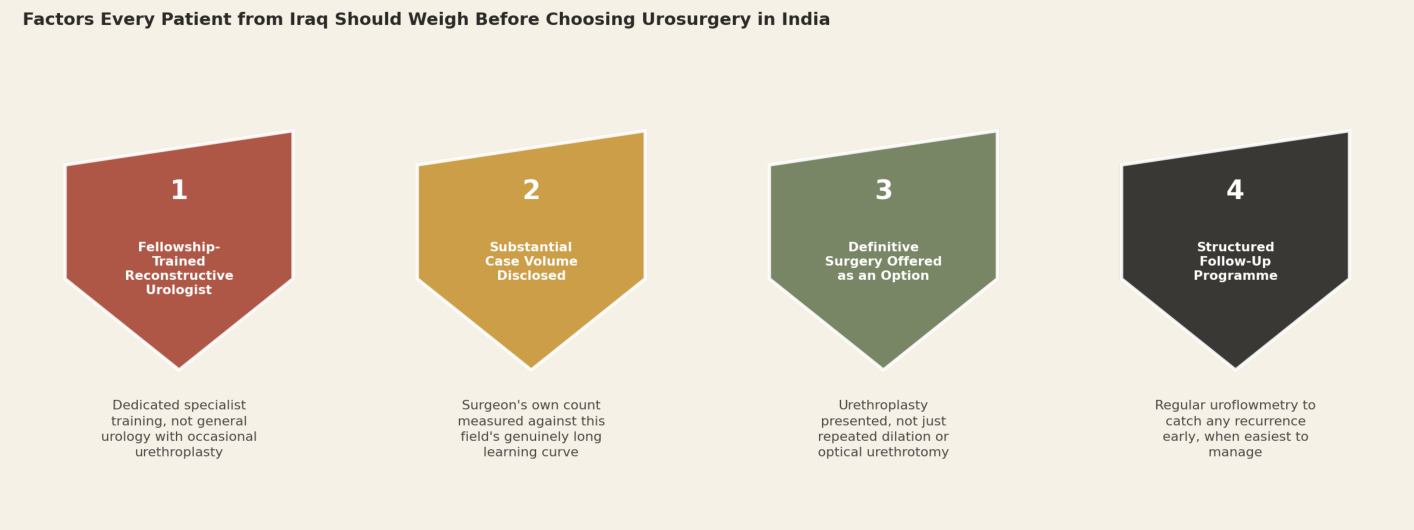
Urethral stricture disease deserves a genuinely durable solution from a fellowship-trained reconstructive urologist with substantial, tracked case experience, not repeated temporary procedures from a surgeon without specific urethroplasty training. Based on my interactions with international patients over more than two decades, the patients who ask about surgeon-specific case counts, technique selection, and definitive treatment options consistently achieve more lasting resolution than those who accept repeated dilatation as their only option. My role, and the role of any advisor a patient works with, should be to help you ask these exact questions and confirm honestly that the specific surgeon and specific hospital in front of you are the right fit for your exact case. Iraq’s patients deserve the same standard of scrutiny in this decision as any patient anywhere else in the world.
Sources & Further Reading
- Joint Commission International (JCI) — Accredited Organizations Directory (jointcommissioninternational.org)
- National Accreditation Board for Hospitals & Healthcare Providers (NABH), India (nabh.co)
- PMC — Outcome of Urethral Strictures Managed by General Surgeons in a Rural Setting of India (pmc.ncbi.nlm.nih.gov)
- PMC — Long-Term Outcomes of One-Stage Augmentation Anterior Urethroplasty: A Systematic Review and Meta-Analysis (pmc.ncbi.nlm.nih.gov)
- Medscape — Comparable Outcomes Between Repeat and Primary Urethroplasty (medscape.com)
Frequently Asked Questions by Iraqi Patients about Selecting a Urosurgery Specialist and Hospital in India
Is urethroplasty available in India for Iraqi patients?
Yes. The source specifically focuses on urethroplasty and reconstructive urology services in India for Iraqi patients with urethral stricture disease.
Is urethroplasty better than repeated dilatation for urethral stricture?
The source presents urethroplasty as the more definitive treatment option, while repeated dilatation and optical internal urethrotomy can have substantial failure rates. The appropriate treatment still depends on the patient's individual stricture.
What is the success rate of buccal mucosal graft urethroplasty in India?
The source cites success rates of around 85% across multiple published series for buccal mucosal graft urethroplasty. Individual outcomes depend on stricture characteristics and surgical expertise.
What is buccal mucosal graft urethroplasty?
It is a reconstructive procedure that uses tissue from inside the cheek to reconstruct a narrowed urethral segment. The source identifies buccal mucosal graft as an important substitution material in urethral reconstruction.
Should Iraqi patients choose single-stage or staged urethroplasty?
The choice depends on the characteristics of the stricture. The guide recommends confirming whether the surgeon has genuine experience with both approaches and why one is more appropriate for the patient's specific case.
Can urethroplasty be successful after previous failed treatment?
Yes. The cited matched study reported 91% one-year success after revision urethroplasty at an experienced centre, comparable with primary surgery in that study. Previous failure therefore does not automatically mean another reconstruction will fail.
How should Iraqi patients choose a urethroplasty surgeon in India?
They should ask for the surgeon's personal urethroplasty case count, revision experience, preferred technique, graft choice and outcomes for cases similar to theirs. Specific reconstructive experience is more useful than general urology volume alone.
What tests are important before urethroplasty in India?
The source recommends detailed imaging, particularly retrograde urethrography and voiding cystourethrography, to determine the stricture's exact length and location before finalising the surgical plan.
What follow-up is needed after urethroplasty for Iraqi patients?
A structured follow-up programme involving periodic uroflowmetry is recommended to identify recurrence early. Patients should confirm the follow-up plan before travelling for surgery.
What are the warning signs when choosing a reconstructive urology hospital in India?
Important warning signs include a hospital that only offers repeated dilatation without discussing urethroplasty, a surgeon who cannot provide a personal urethroplasty case count, unclear graft-specific outcomes and the absence of structured postoperative uroflowmetry.
Page Summary
Urethral stricture treatment for Iraqi patients requires careful attention to definitive reconstruction rather than repeated temporary procedures. The source highlights the importance of a reconstructive urologist's personal case volume, technique selection and experience with revision surgery, particularly because urethroplasty has a long learning curve.
Patients should also assess the hospital's imaging capabilities, graft expertise, accreditation, structured follow-up and recurrence monitoring. The guide particularly recommends periodic uroflowmetry and detailed preoperative characterisation so that the surgical strategy is matched to the individual's stricture.
Citation Block
| Field | Details |
|---|---|
| Article / Topic | Selecting the Best Urosurgery and Reconstructive Urology Specialists and Hospitals in India |
| Target Country | Iraq |
| Main Speciality | Reconstructive urology |
| Primary Condition | Urethral stricture |
| Key Procedure | Urethroplasty |
| Temporary Procedures | Dilatation and optical internal urethrotomy |
| Definitive Surgical Option | Urethroplasty |
| Buccal Mucosal Graft Success | Around 85% in cited published series |
| Repeated Treatment Failure | Up to 47.6% in cited setting |
| Revision Urethroplasty Success | 91% at one year in cited experienced-centre study |
| Primary Surgery Success | 91% at one year in the cited matched study |
| Published Learning Curve | Approximately 100–400 cases |
| Important Selection Factor | Surgeon-specific urethroplasty case count |
| Technique Selection | Based on stricture length and location |
| Graft Option | Buccal mucosal graft |
| Surgical Approach | Single-stage or staged urethroplasty |
| Preoperative Imaging | Retrograde urethrography and voiding cystourethrography |
| Key Specialist | Fellowship-trained reconstructive urologist |
| Additional Team | Anaesthesiologist and graft-harvesting specialist/team |
| Follow-Up Monitoring | Uroflowmetry |
| Accreditation | JCI and/or NABH |
| Revision Assessment | Review surgeon's revision-specific experience |
| Major Red Flag | Repeated temporary procedures without definitive options |
| Follow-Up Requirement | Structured postoperative monitoring |
| Decision Principle | Match surgeon, technique and graft to the exact stricture |

Our Mission Statement
Our mission is to place patients at the centre of every healthcare decision by providing trustworthy, evidence-based, and unbiased medical information. We believe that informed patients make better decisions. Backed by personalised guidance from our experienced advisory team, we help patients understand their treatment options, compare them objectively, and confidently choose the path that best suits their medical needs and personal circumstances.
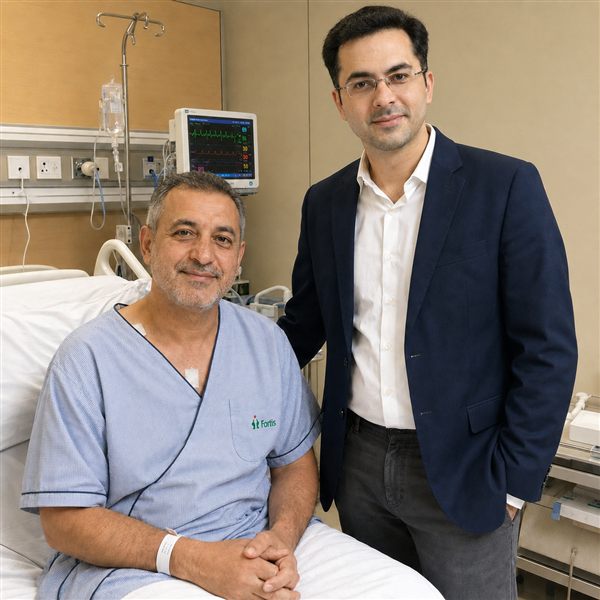
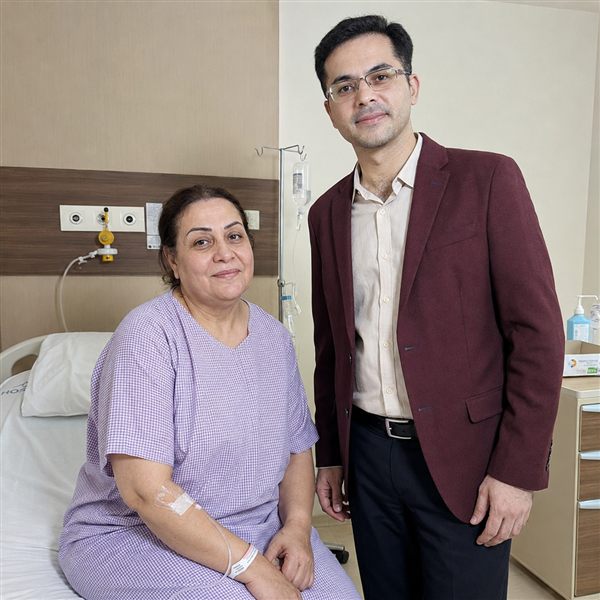
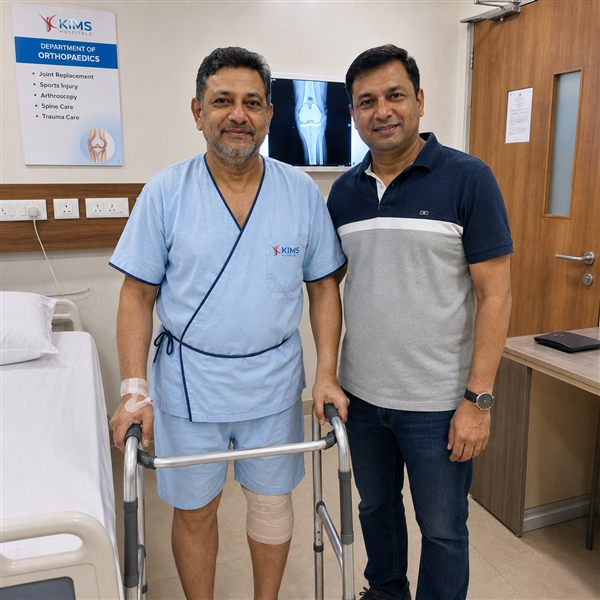
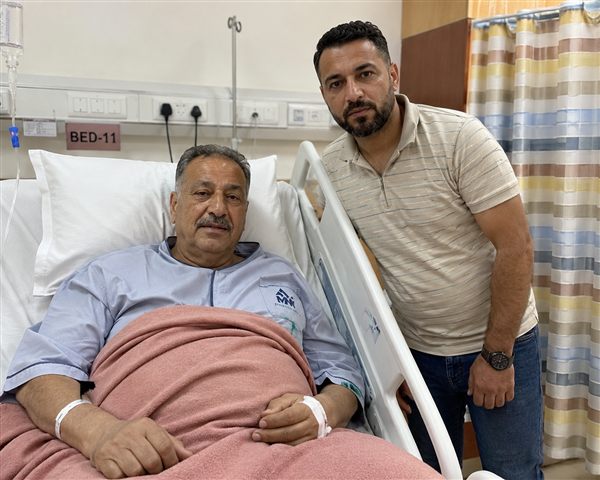
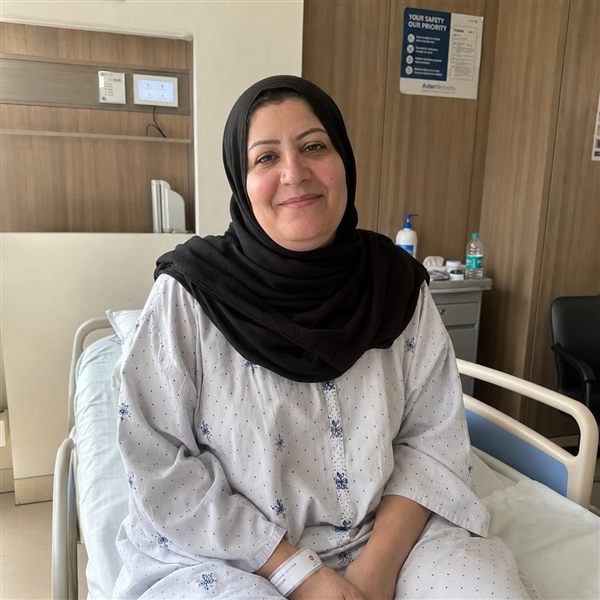
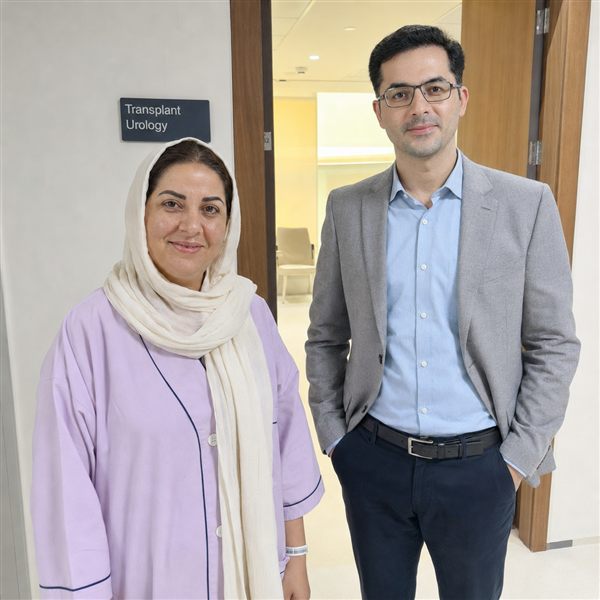
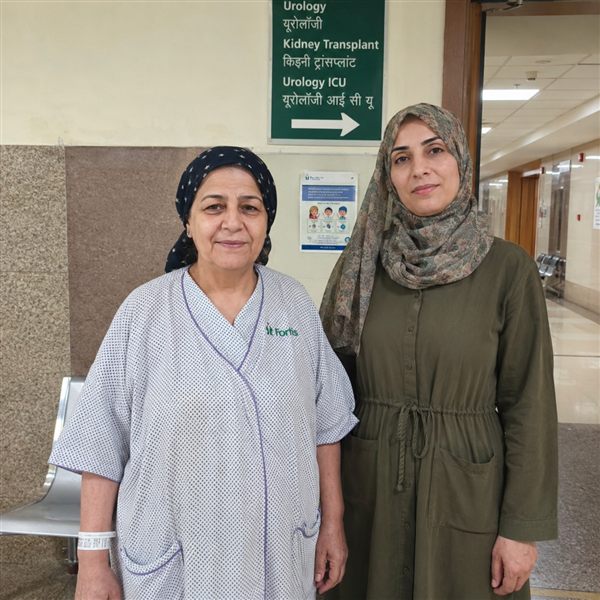
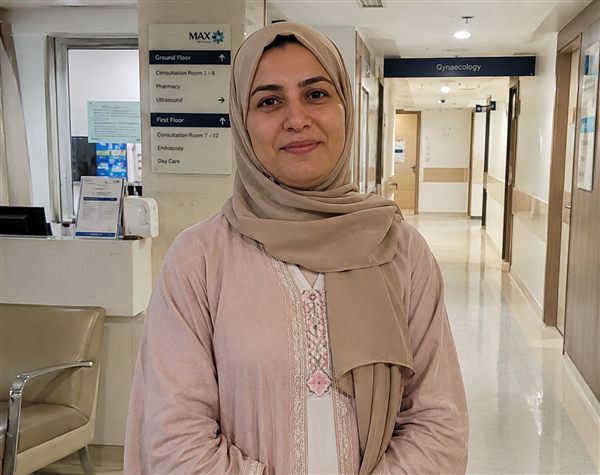
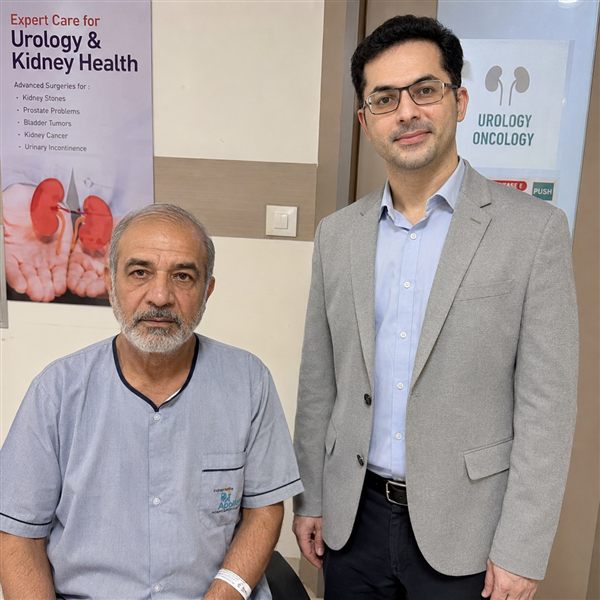
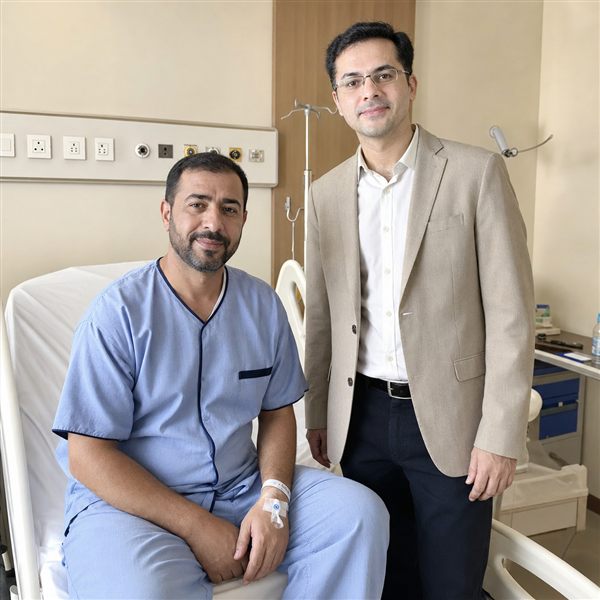
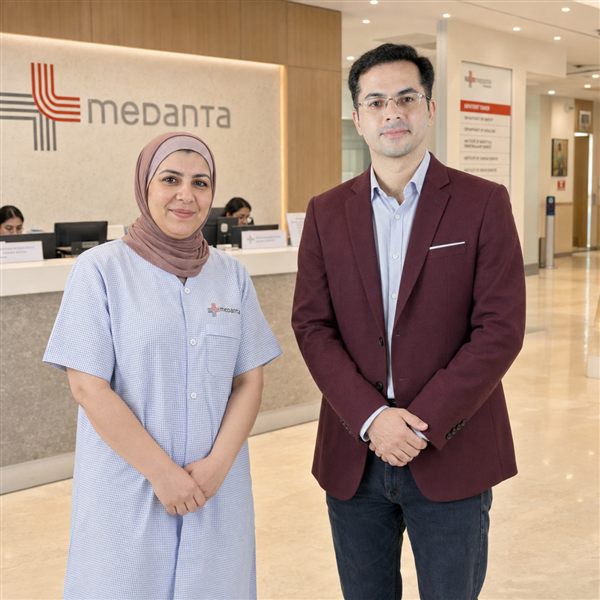
Patient Testimonials from Iraq


Ready to Take the First Step?
Share your Medical Reports with our Healthcare Managers Today and Get a FREE CONSULTATION, a Personalized Treatment Plan, and Complete Support from Arrival to Recovery.
Get Your Free ConsultationAreas We Serve
Indian Health Guru Consultants proudly assists patients from Iraq and surrounding Middle Eastern countries in accessing advanced, affordable and trusted medical treatment in India. Our team provides complete support for medical opinions, hospital selection, treatment planning, visa assistance, travel coordination, accommodation and post-treatment follow-up.
We regularly serve patients from:
- Iraq
- Turkey
- Iran
- Kuwait
- Jordan
- Syria
- Qatar
- Bahrain
- Oman
- Yemen
- Saudi Arabia
- United Arab Emirates
No matter where you are located, our experienced team is committed to making your medical journey to India safe, smooth, transparent and stress-free from the first enquiry to your return home.
From Iraq to India: Your Complete Patient Guide
- HIPEC Cancer Surgery in India for Iraqis
- Paediatric Neurosurgery in India for Iraqis
- Breast Cancer Treatment in India for Iraqi Patients
- IVF and Fertility Treatment in India for Iraqis
- Dental Surgery in India for Iraqis
- Urosurgery and Reconstructive Urology in India for Iraqis
- Oral and Maxillofacial Surgery in India for Iraqis
- Scoliosis Correction Surgery in India for Iraqis
- Heart Failure Treatment and Surgery in India for Iraqis
- Laparoscopic and Robotic Myomectomy in India for Iraqis
- Knee Surgery in India for Iraqis
- Proton Therapy in India for Iraqis
- Kidney Transplant in India for Iraqis
- Cervical and Lumbar Disc Replacement Surgery in India for Iraqis
- Penile Implant Surgery in India for Iraqis
- Cancer Treatment in India for Iraqi Patients
- Neurosurgery in India for Iraqis
- Liver Transplant in India for Iraqis