

Selecting the Best Neuronavigation and Advanced Brain Surgery Specialists and Hospitals in India: A Guide for Patients from Iraq
A doctor’s honest, question-by-question guide for patients from Iraq on vetting an advanced brain surgery hospital in India — real-time imaging capability, accreditation, awake craniotomy expertise, and the exact questions worth asking before you book anything.
Over the years, I have found that “neuronavigation” is one of the most overused words in brain surgery marketing, since nearly every modern neurosurgery department owns some form of it, yet the specific way it is used, whether the imaging is updated during surgery or simply loaded once beforehand, changes how much tumour is actually removed. In my experience of 24 years advising families through exactly this decision, this single distinction, real-time updated imaging versus a single pre-operative scan, is precisely what separates a genuinely modern brain tumour programme from one using the word as marketing language.
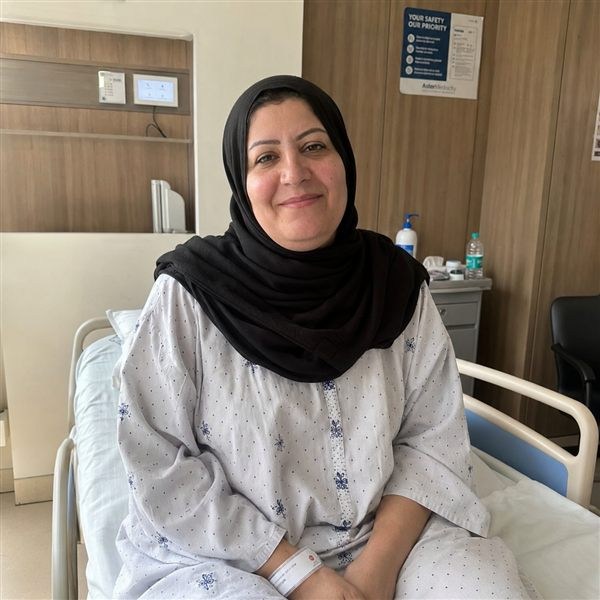
Healing Journeys of Iraqi Patients
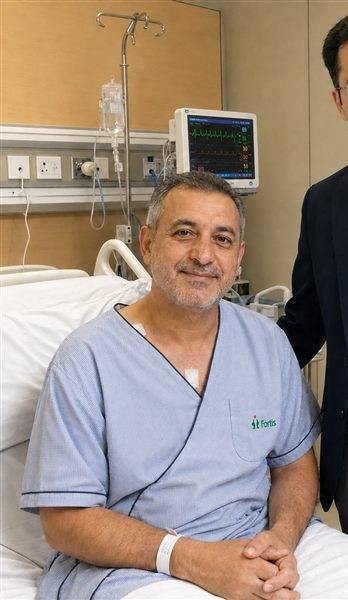
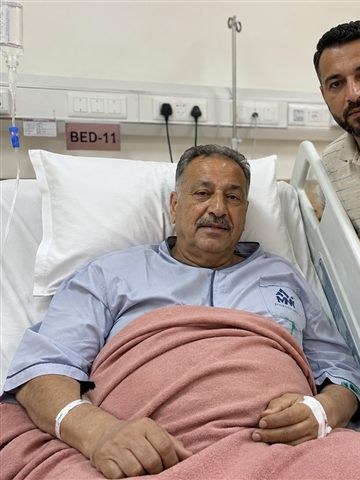
Key Takeaways
- Neuronavigation is widely used in modern neurosurgery, but the source stresses that simply having a neuronavigation system does not demonstrate advanced surgical capability. The critical distinction is whether imaging is updated during the operation to account for brain shift or whether the team relies on a single scan obtained before surgery.
- The evidence presented in the guide shows why real-time imaging can matter. A systematic review involving 13 surgical series and 527 patients found complete tumour resection at the first intraoperative scan in 35.2% of cases, while additional resection guided by intraoperative MRI increased the final gross total resection rate to 56.3%, with a permanent complication rate of 4.1%. For tumours in eloquent brain regions, combining updated imaging with awake craniotomy was associated with gross total resection rates as high as 74.7% in glioblastoma surgery, with persistent neurological deficits beyond three months reported at 1.9%.
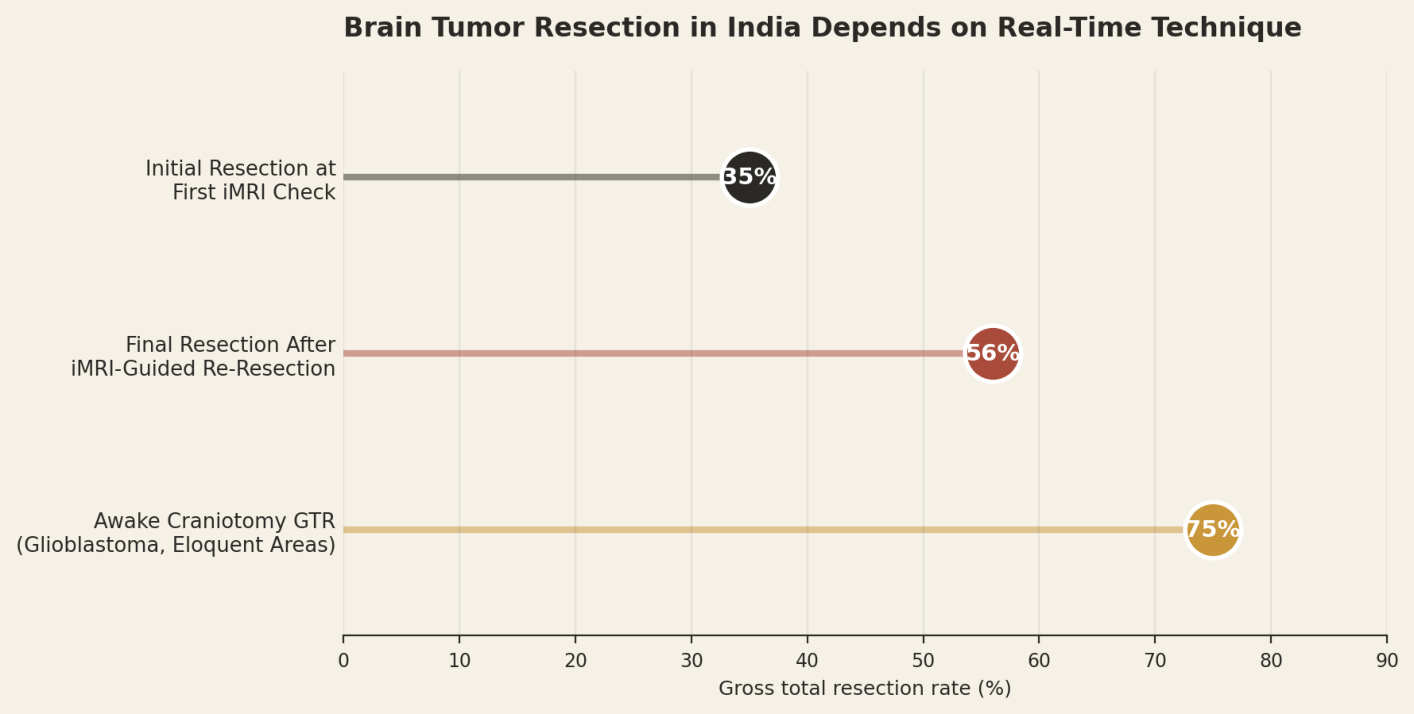
- The chart on page 2 visually reinforces this difference, showing approximately 35% gross total resection at the initial intraoperative MRI check, approximately 56% after MRI-guided additional resection, and approximately 75% for awake-craniotomy gross total resection in glioblastoma involving eloquent areas.
- Accreditation is an important initial filter, but it should not be the only selection criterion. The guide recommends verifying JCI or NABH accreditation and then asking a more specific question: whether the hospital's neuronavigation system genuinely updates imaging during surgery or simply uses pre-operative scans.
- Patients should also compare technique-specific experience rather than relying only on a hospital's overall neurosurgical volume. The guide recommends asking whether genuine intraoperative MRI is available, whether awake craniotomy and functional mapping are offered for tumours near eloquent brain areas, the centre's own gross total resection and permanent neurological complication rates for comparable tumour locations, and how many awake craniotomy procedures the specific surgical and anaesthesia team has performed together.
- Advanced brain tumour surgery requires coordinated multidisciplinary expertise. The source identifies a neurosurgeon trained in awake and image-guided surgery, a neuroanaesthesiologist experienced with patients who must be awakened during surgery, a neurophysiologist for intraoperative functional mapping, a speech and language therapist for language-area tumours, and an MRI technologist experienced in intraoperative imaging protocols.
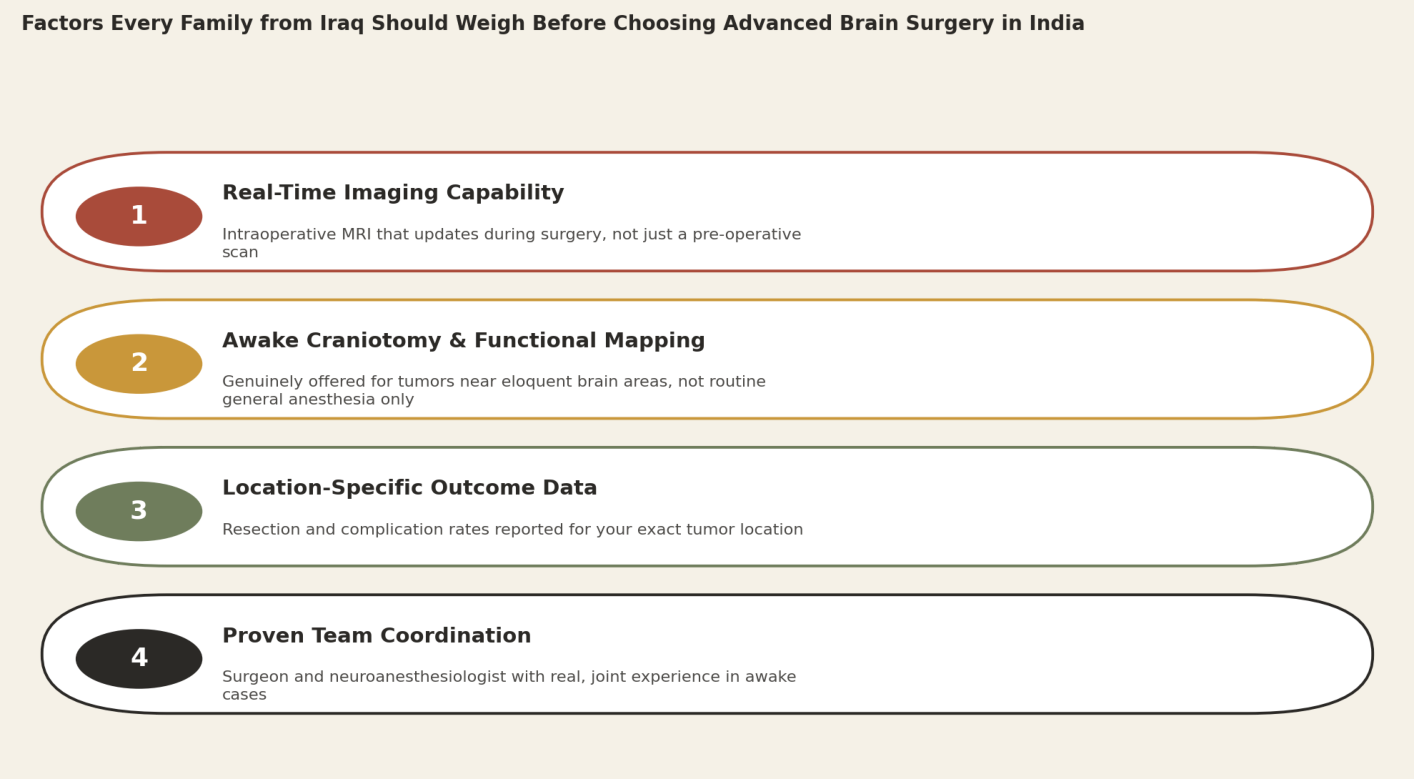
- Red flags include advertising neuronavigation without explaining intraoperative imaging updates, recommending surgery near eloquent areas without offering awake mapping when appropriate, lacking location-specific outcome data, or having a neurosurgeon and neuroanaesthesiologist without previous joint awake-craniotomy experience. The page 4 checklist highlights real-time imaging capability, awake craniotomy and functional mapping, location-specific outcome data and proven team coordination.
Quick Facts
- Treatment
- Neuronavigation and advanced brain tumour surgery
- Primary Patients
- Iraqi patients requiring complex or image-guided brain surgery in India
- Main Speciality
- Neurosurgery
- Key Specialist
- Neurosurgeon experienced in image-guided and awake brain surgery
- Core Technology
- Intraoperative MRI and neuronavigation
- Major Issue
- Brain shift can reduce the accuracy of pre-operative imaging during surgery
- Initial Resection
- 35.2% complete resection at the first intraoperative scan in the cited review
- Final Resection
- 56.3% after additional MRI-guided resection
- Permanent Complication Rate
- 4.1% in the cited combined intraoperative MRI and awake-craniotomy review
- Awake Craniotomy
- May be particularly relevant for tumours near eloquent brain areas
- Glioblastoma Example
- Up to 74.7% gross total resection reported in the cited literature
- Persistent Neurological Deficits
- 1.9% beyond three months in the cited eloquent-area glioblastoma literature
- Functional Mapping
- Helps identify speech, movement, and other critical brain functions
- Pre-operative Imaging
- Functional MRI and diffusion tensor imaging may assist planning
- Intraoperative Mapping
- Direct cortical and subcortical electrical stimulation may be used during awake surgery
- Specialist Team
- Neurosurgeon, neuroanaesthesiologist, neurophysiologist, speech and language therapist, and MRI technologist
- Accreditation
- Verify JCI or NABH accreditation
- Important Outcome Data
- Ask for tumour-location-specific resection and complication rates
- Team Experience
- Confirm previous joint experience between the surgical and anaesthesia teams
- Author
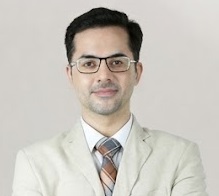
- Dr. Dheeraj Bojwani
- Experience
- 24+ Years
In Brief
For Iraqi families considering advanced brain tumour surgery in India, the key selection factor is not simply whether a hospital owns neuronavigation equipment but how the technology is integrated into the surgical process. The source highlights the importance of real-time intraoperative MRI for addressing brain shift, awake craniotomy and functional mapping for tumours near eloquent brain regions, and a coordinated neurosurgical, neuroanaesthesia, neurophysiology, speech and imaging team. Patients should request tumour-location-specific resection and complication outcomes and confirm that the proposed hospital has experience with the exact combination of technologies required for their diagnosis.
Why the Choice of Neurosurgical Team in India Matters as Much as the Choice of Equipment
Based on my interactions with international patients, published research on this exact point is genuinely revealing. A systematic review pooling thirteen surgical series and 527 patients using combined intraoperative MRI and awake craniotomy found that at the time of the very first intraoperative scan, complete tumour resection had actually been achieved in only 35.2 percent of cases, a figure that likely reflects what standard neuronavigation using pre-operative imaging alone would report as the final result in many hospitals. However, because the brain physically shifts once the skull is opened, a phenomenon neurosurgeons call brain shift, imaging taken before surgery no longer perfectly matches the tumour’s actual position once surgery begins. By updating the images during the operation and performing supplementary resection based on what the intraoperative scan actually showed, the same review found the final gross total resection rate rose to 56.3 percent, with a permanent complication rate of only 4.1 percent. For tumours in eloquent brain regions specifically, controlling speech, movement, or other critical functions, combining this real-time imaging with awake craniotomy, keeping the patient conscious during key parts of the operation to map function directly, has been associated with gross total resection rates as high as 74.7 percent in glioblastoma surgery specifically, with persistent neurological deficits beyond three months in only 1.9 percent of patients. This tells a family something essential: the specific combination of technologies used, not simply owning a neuronavigation system, is what determines how much tumour is safely removed.
How Patients from Iraq Can Verify a Brain Surgery Hospital’s Accreditation in India
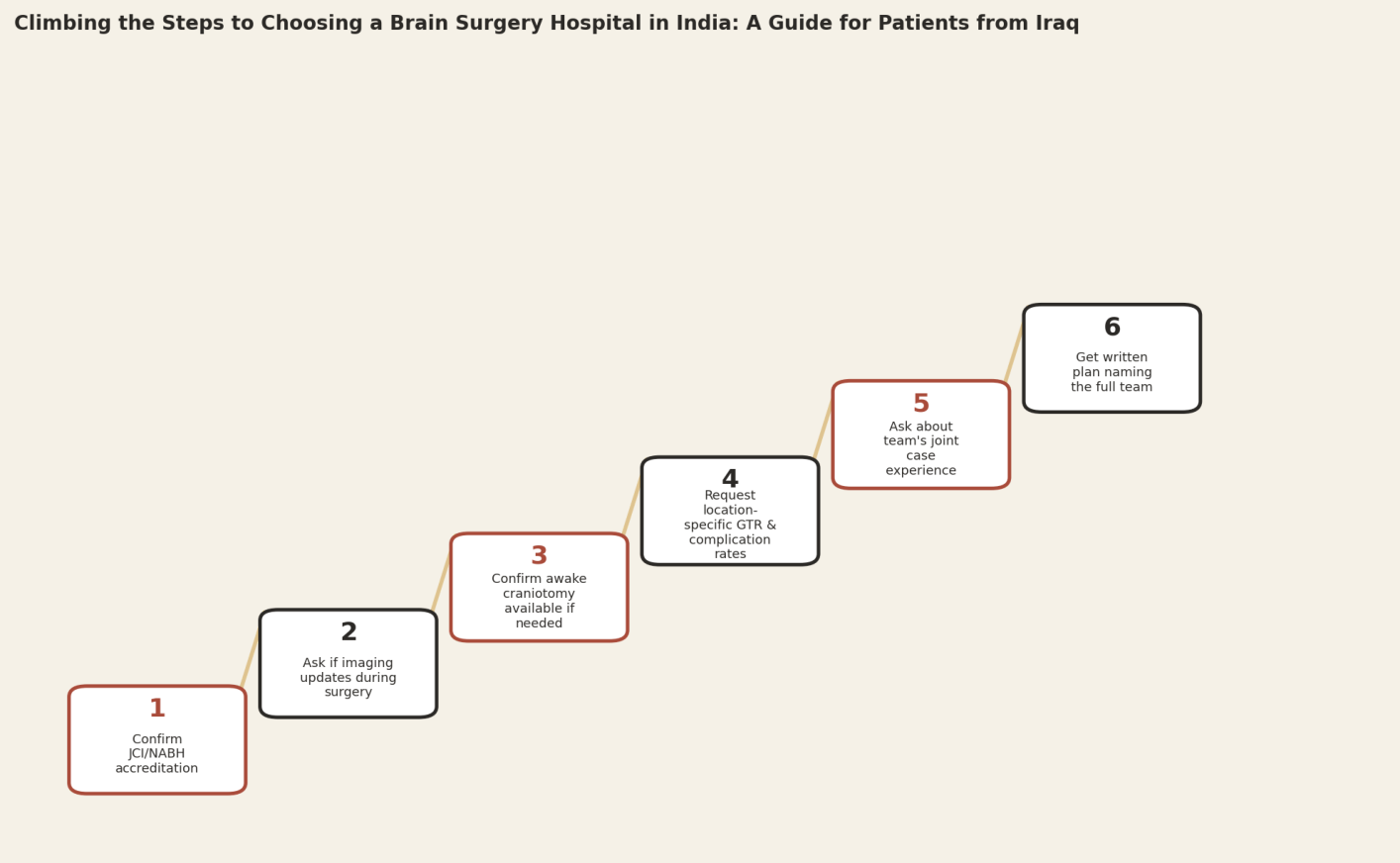
The fastest filter I recommend to every Iraqi family calling about advanced brain tumour surgery is verifiable accreditation, not marketing language. Joint Commission International, JCI, audits a hospital’s overall clinical safety systems against the same standard used across the United States and Europe. The National Accreditation Board for Hospitals and Healthcare Providers, NABH, is India’s own domestic equivalent, and in my experience of 24 years advising families on this exact decision, a centre holding both marks together is a meaningfully stronger signal than either alone. For neuronavigation-assisted brain surgery specifically, ask one further, very direct question: does the hospital’s system update imaging during surgery to account for brain shift, or does it rely solely on a single pre-operative scan loaded before the operation begins.
Neuronavigation Volume and Technique-Specific Criteria That Predict Outcomes in India
Based on my interactions with dozens of neurosurgery programmes over the years, a centre’s specific combination of intraoperative technologies, not simply its overall brain tumour case volume, is one of the clearest predictors of a good outcome for a tumour near critical brain structures. Overall case volume still provides useful context, but a high-volume centre relying solely on pre-operative imaging will not achieve the same resection completeness as a lower-volume centre genuinely using real-time intraoperative technique. Ask directly, in writing:
- Does this hospital have genuine intraoperative MRI capability to update imaging during surgery, or does its neuronavigation rely entirely on pre-operative scans?
- For a tumour near eloquent brain areas, does the surgical team offer awake craniotomy with functional mapping, and what is their own specific gross total resection rate for tumours in this location?
- What is the centre's own permanent neurological complication rate for surgery involving eloquent brain areas specifically, not a general brain surgery statistic?
- How many awake craniotomy procedures has this specific surgical and anaesthesia team performed together, since coordination between these two specialties is critical to the technique's safety?
A centre confident in its own outcomes will answer these specifically. A centre that describes its equipment only in general terms without explaining how it is actually used during surgery deserves a second opinion before you commit.
Climbing the Steps to Choosing a Brain Surgery Hospital in India: A Guide for Patients from Iraq
Questions Patients from Iraq Should Ask About the Brain Surgery Team in India
Advanced brain tumour surgery is never genuinely the work of one surgeon alone. In my experience of 24 years watching these programmes operate, the strongest units bring together a neurosurgeon with specific fellowship training in awake and image-guided technique, a neuroanaesthesiologist experienced specifically in managing anaesthesia for a patient who must be woken during surgery, a neurophysiologist to perform intraoperative functional mapping, and a speech and language therapist present for cases involving language areas specifically. A dedicated MRI technologist trained specifically in intraoperative imaging protocols is a further specific role worth confirming, since the timing and technical execution of the intraoperative scan directly affects how useful the resulting images are for guiding further resection. Ask specifically who fills each of these roles for your case, and confirm that this full team has worked together on cases like yours before, not simply that each specialist exists somewhere in the hospital.
Brain Surgery Technology Standards in India That Patients from Iraq Should Check
The specific technology available changes what a team can safely achieve. Ask whether the intraoperative MRI system is high-field strength, since published research has found lower-field systems meaningfully less capable of guiding complete resection than higher-field alternatives. Ask whether functional MRI and diffusion tensor imaging, techniques that map critical brain pathways before surgery even begins, are used to plan the surgical approach in advance. Ask also whether direct cortical and subcortical electrical stimulation is used during awake portions of surgery, since this technique allows the surgical team to identify functional tissue in real time rather than relying solely on pre-operative mapping predictions. Ask directly which of these specific capabilities apply to your case, not simply whether the hospital owns advanced equipment in general terms.
Red Flags Patients from Iraq Should Watch For When Choosing a Brain Surgery Hospital in India
Over the years, certain patterns have become reliable warning signs for me. A hospital that advertises neuronavigation without being able to explain whether imaging is updated during surgery has likely not addressed the brain shift problem that meaningfully affects resection completeness. A centre that recommends surgery near eloquent brain areas without offering awake craniotomy or functional mapping as an option has not presented the full range of technique current evidence supports. A centre that cannot state its own specific gross total resection and complication rates for tumours in your specific brain location deserves closer questioning before you commit. And a centre whose neurosurgeon and neuroanaesthesiologist have not worked together previously on awake craniotomy cases is asking you to be the case where this critical coordination is tested for the first time.
Factors Every Family from Iraq Should Weigh Before Choosing Advanced Brain Surgery in India
A Closing Thought for Iraqi Families
Advanced brain tumour surgery deserves a team using the full, specific combination of real-time imaging and functional mapping technique that current evidence supports, not simply a hospital that owns equipment carrying an impressive name. Based on my interactions with international patients over more than two decades, the families who ask about intraoperative imaging capability, awake craniotomy experience, and location-specific outcome data consistently arrive at treatment better informed than those who accept general reassurance about “advanced neuronavigation” alone. My role, and the role of any advisor a family works with, should be to help you ask these exact questions and confirm honestly that the specific team and specific hospital in front of you are the right fit for your family’s exact diagnosis. Iraq’s families deserve the same standard of scrutiny in this decision as any family anywhere else in the world.
Sources & Further Reading
- Joint Commission International (JCI) — Accredited Organizations Directory (jointcommissioninternational.org)
- National Accreditation Board for Hospitals & Healthcare Providers (NABH), India (nabh.co)
- PubMed Central — Impact of Combined Use of Intraoperative MRI and Awake Microsurgical Resection on Patients with Gliomas (ncbi.nlm.nih.gov/pmc)
- PubMed Central — Awake Craniotomy for Resection of Supratentorial Glioblastoma: A Systematic Review and Meta-Analysis (ncbi.nlm.nih.gov/pmc)
- American Association of Neurological Surgeons (AANS) — Brain Tumor Patient Information (aans.org)
Frequently Asked Questions by Iraqi Patients about Selecting a Neuronavigation and Brain Surgery Specialist in India
Is neuronavigation and advanced brain tumour surgery available in India for Iraqi patients?
Yes. The guide is specifically designed for patients from Iraq evaluating advanced brain surgery specialists and hospitals in India, including neuronavigation, intraoperative imaging, and awake surgical techniques.
Why is intraoperative MRI important during neuronavigation brain surgery?
The brain can shift after the skull is opened, making the original pre-operative scan less accurate. Updating imaging during surgery can help the surgeon identify residual tumour and guide additional resection.
What is the difference between standard neuronavigation and real-time intraoperative imaging?
Standard neuronavigation may rely on imaging obtained before surgery, whereas real-time intraoperative imaging updates the surgical information after brain shift has occurred. The source considers this distinction particularly important when assessing advanced tumour-resection capability.
When may an Iraqi patient need awake craniotomy in India?
Awake craniotomy may be considered when a tumour is close to eloquent brain areas responsible for speech, movement, or other important functions. Functional mapping can help the surgical team identify and preserve these areas during tumour removal.
What gross total resection outcomes are reported for advanced brain tumour surgery?
The cited review reported 35.2% complete resection at the initial intraoperative scan and 56.3% after additional MRI-guided resection. For selected glioblastoma surgery in eloquent areas using awake craniotomy, rates as high as 74.7% were reported.
What specialists should be involved in awake brain tumour surgery in India?
Depending on the case, the team may include an image-guided neurosurgeon, neuroanaesthesiologist, neurophysiologist, speech and language therapist, and MRI technologist. The guide emphasizes previous teamwork on comparable cases.
What imaging should Iraqi patients ask about before advanced brain surgery in India?
Patients can ask whether the hospital uses functional MRI and diffusion tensor imaging to map important brain structures and pathways before surgery. These investigations can help the team plan surgery around critical functional areas.
Does the type of intraoperative MRI matter for brain tumour surgery?
The guide recommends asking whether the intraoperative MRI system is high-field strength because the cited research indicates that lower-field systems may be less capable of guiding complete tumour resection.
What outcome information should Iraqi patients request from a brain surgery hospital in India?
Patients should request gross total resection and permanent neurological complication rates for tumours in a location comparable to their own rather than relying on a general brain surgery success rate.
What are the main red flags when choosing a neuronavigation brain surgery hospital in India?
Important warning signs include neuronavigation without real-time imaging clarification, lack of awake mapping options for appropriate eloquent-area tumours, unavailable location-specific outcome data, and surgical and anaesthesia teams without previous joint awake-craniotomy experience.
Page Summary
Advanced brain tumour surgery in India should be evaluated on the combination of technology, surgical expertise, functional preservation, and team coordination rather than on the presence of neuronavigation alone. For Iraqi patients, important questions include whether intraoperative MRI is genuinely used to update imaging, whether awake craniotomy and functional mapping are available when appropriate, and whether the centre can provide outcome data for tumours in comparable brain locations.
A suitable programme should also demonstrate coordinated experience among neurosurgery, neuroanaesthesia, neurophysiology, speech and language support, and intraoperative imaging personnel. High-field MRI, functional MRI, diffusion tensor imaging, and direct cortical or subcortical stimulation may provide additional capabilities depending on the diagnosis. Iraqi families should be cautious when hospitals describe advanced equipment in general terms without explaining how it will actually be used for their specific surgery.
Citation Block
| Field | Details |
|---|---|
| Article / Topic | Selecting the Best Neuronavigation and Advanced Brain Surgery Specialists and Hospitals in India |
| Primary Country | Iraq |
| Treatment | Neuronavigation and advanced brain tumour surgery |
| Main Speciality | Neurosurgery |
| Key Specialist | Image-guided and awake brain surgery neurosurgeon |
| Core Technology | Intraoperative MRI and neuronavigation |
| Key Surgical Issue | Brain shift after opening the skull |
| Initial Complete Resection | 35.2% at the first intraoperative scan in the cited review |
| Final Gross Total Resection | 56.3% after MRI-guided additional resection |
| Permanent Complication Rate | 4.1% in the cited review |
| Awake Craniotomy Outcome | Up to 74.7% gross total resection reported for glioblastoma surgery in eloquent areas |
| Persistent Neurological Deficits | 1.9% beyond three months in the cited literature |
| Eloquent Brain Areas | Areas controlling speech, movement, and other critical functions |
| Functional Mapping | Used to identify important brain functions during surgery |
| Pre-operative Planning | Functional MRI and diffusion tensor imaging may be used |
| Intraoperative Mapping | Direct cortical and subcortical electrical stimulation may be used |
| Specialist Team | Neurosurgeon, neuroanaesthesiologist, neurophysiologist, speech and language therapist, MRI technologist |
| Anaesthesia Expertise | Awake-craniotomy experience is important for selected cases |
| MRI Standard | Ask whether high-field intraoperative MRI is available |
| Accreditation | Verify JCI or NABH accreditation |
| Team Coordination | Confirm previous joint experience of the surgical and anaesthesia teams |

Our Mission Statement
Our mission is to place patients at the centre of every healthcare decision by providing trustworthy, evidence-based, and unbiased medical information. We believe that informed patients make better decisions. Backed by personalised guidance from our experienced advisory team, we help patients understand their treatment options, compare them objectively, and confidently choose the path that best suits their medical needs and personal circumstances.
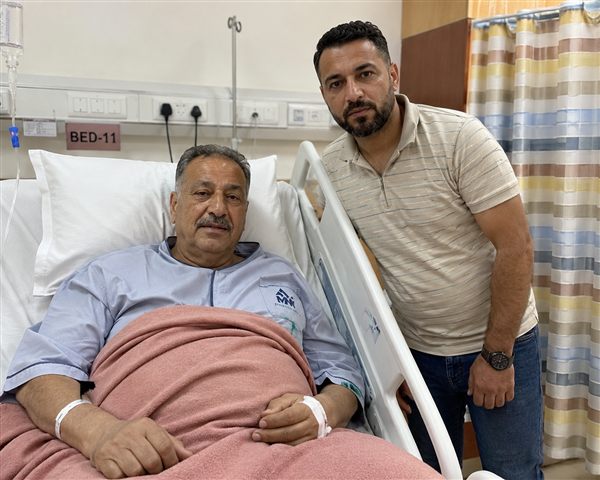
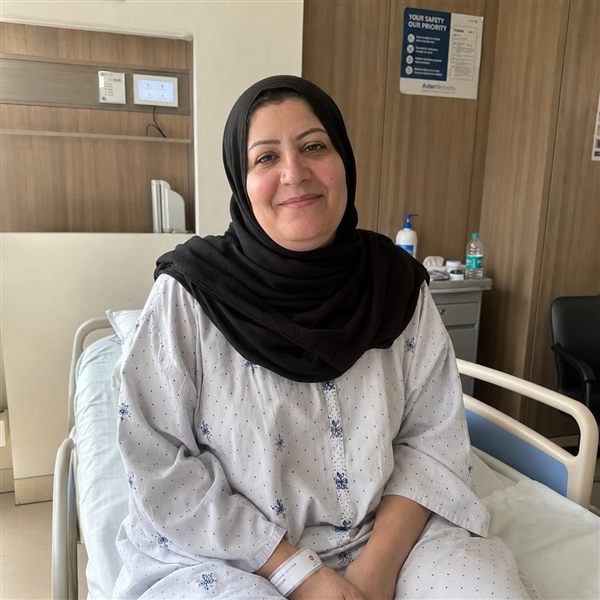
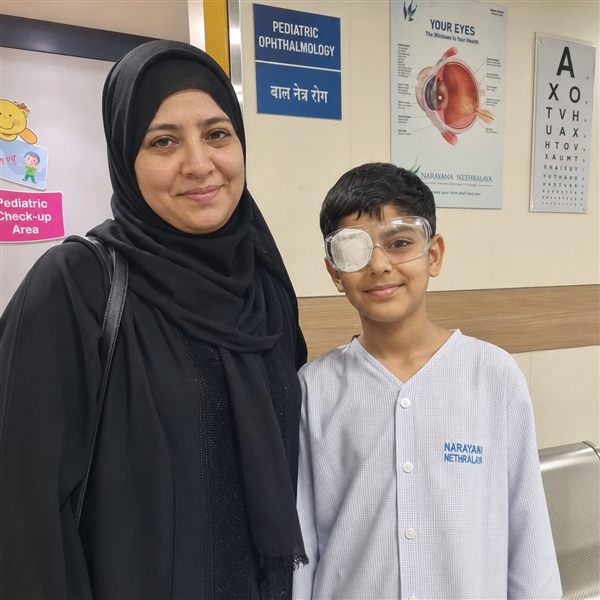
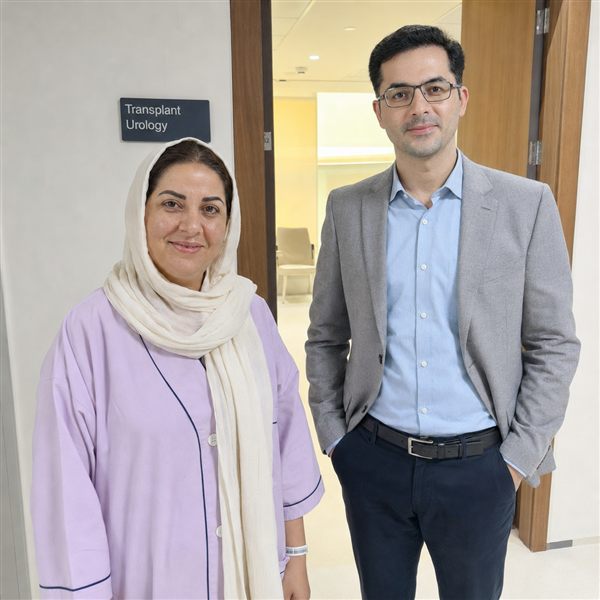
Patient Testimonials from Iraq
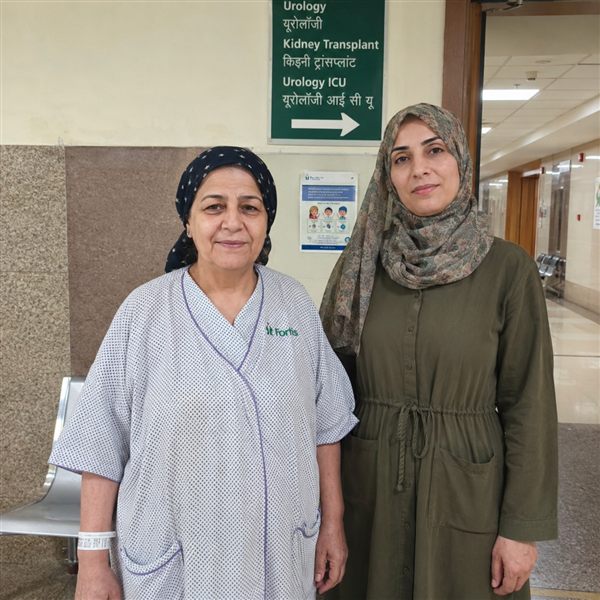
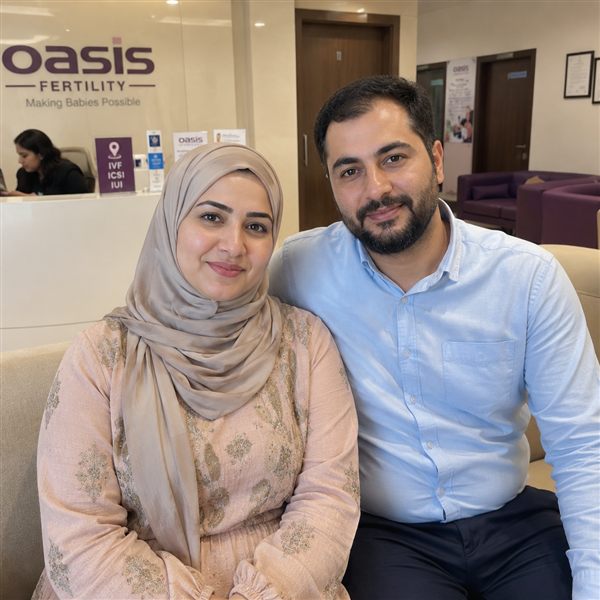
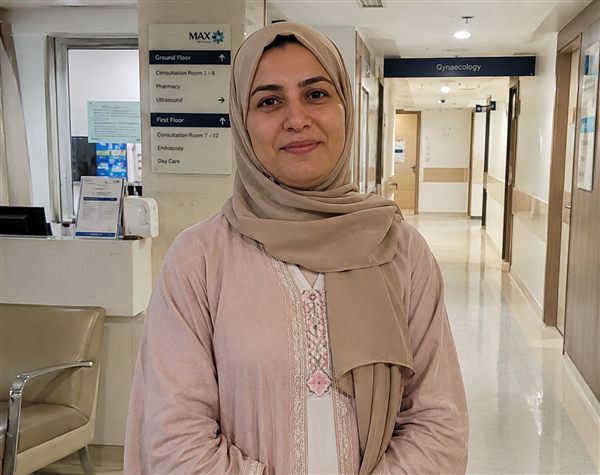
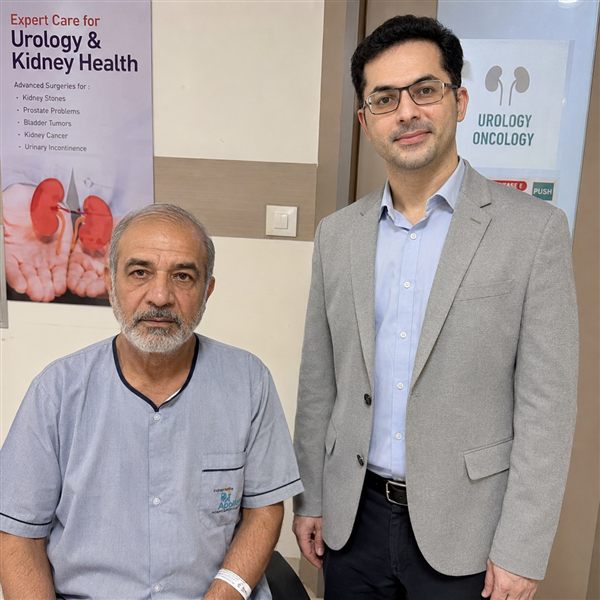
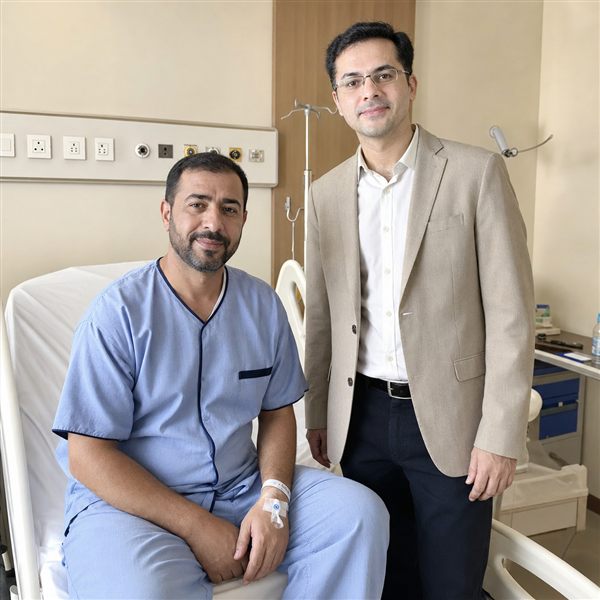
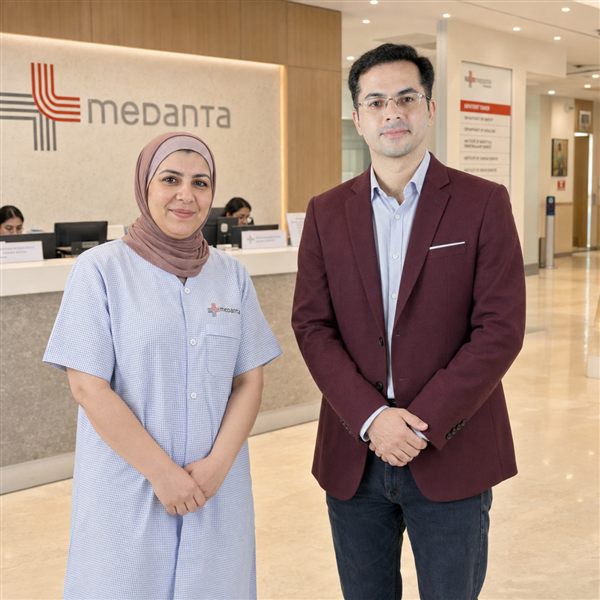

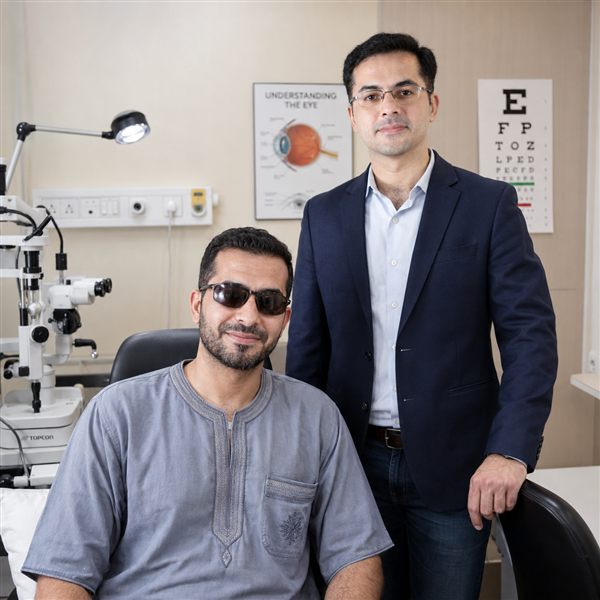
Ready to Take the First Step?
Share your Medical Reports with our Healthcare Managers Today and Get a FREE CONSULTATION, a Personalized Treatment Plan, and Complete Support from Arrival to Recovery.
Get Your Free ConsultationAreas We Serve
Indian Health Guru Consultants proudly assists patients from Iraq and surrounding Middle Eastern countries in accessing advanced, affordable and trusted medical treatment in India. Our team provides complete support for medical opinions, hospital selection, treatment planning, visa assistance, travel coordination, accommodation and post-treatment follow-up.
We regularly serve patients from:
- Iraq
- Turkey
- Iran
- Kuwait
- Jordan
- Syria
- Qatar
- Bahrain
- Oman
- Yemen
- Saudi Arabia
- United Arab Emirates
No matter where you are located, our experienced team is committed to making your medical journey to India safe, smooth, transparent and stress-free from the first enquiry to your return home.
From Iraq to India: Your Complete Patient Guide
- Colorectal Cancer Treatment and Surgery in India for Iraqis
- Urosurgery and Reconstructive Urology in India for Iraqis
- Joint Arthroscopy and Sports Medicine in India for Iraqis
- Cornea Transplant and Advanced Eye Surgery in India for Iraqis
- Laparoscopic and Robotic Myomectomy in India for Iraqis
- Plastic and Reconstructive Surgery in India for Iraqis
- Cardiac Pacemaker Treatment in India for Iraqi Patients
- Dental Implants and Smile Makeover in India for Iraqis
- Shoulder Surgery in India for Iraqis
- Brain Tumour Surgery in India for Iraqi Patients
- Paediatric Neurosurgery in India for Iraqis
- Cardiac Surgery in India for Iraqis
- Leukemia, Lymphoma and Blood Cancer Treatment in India for Iraqis
- Heart Failure Treatment and Surgery in India for Iraqis
- Penile Implant Surgery in India for Iraqis
- Spine Surgery in India for Iraqis
- Weight Loss and Bariatric Surgery in India for Iraqis: Cost & Guide
- Robotic Cancer Surgery in India for Iraqis