

Selecting the Best Myomectomy Surgeons and Hospitals in India: A Guide for Patients from Iraq
A doctor’s honest, question-by-question guide for patients from Iraq on vetting a myomectomy hospital in India — fertility-specific outcomes, accreditation, uterine reconstruction technique, and the exact questions worth asking before you book anything.
Over the years, I have found that myomectomy is one of the procedures where Iraqi women most need reassurance about a very specific concern: whether removing fibroids surgically will still leave the uterus strong enough for a safe future pregnancy. In my experience of 24 years advising women through exactly this decision, the answer depends heavily on two things that a hospital’s general reputation cannot tell you, the specific surgical technique used to close and reconstruct the uterus afterward, and whether the approach chosen, laparoscopic, robotic, or open, genuinely fits your specific fibroid size, number, and location.
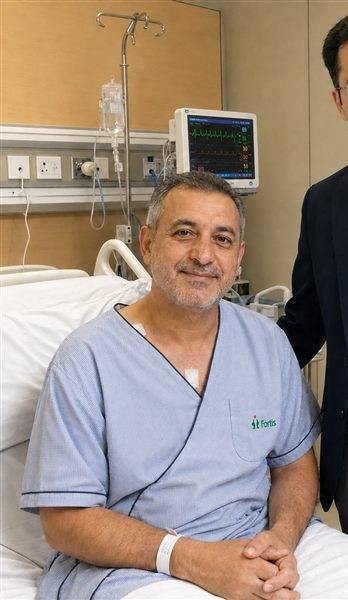
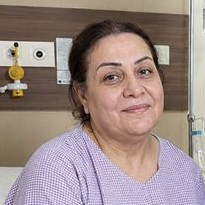
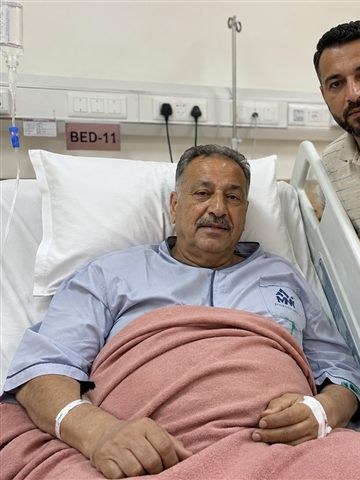
Healing Journeys of Iraqi Patients
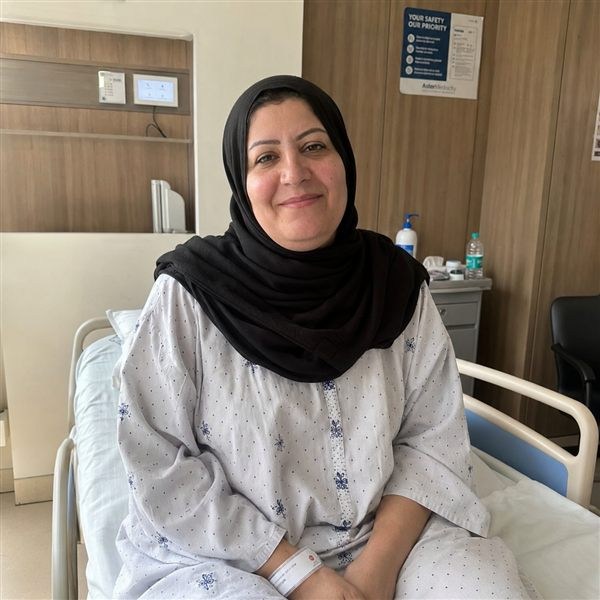

Key Takeaways
- For Iraqi women considering myomectomy in India, the most important consideration is not simply the reputation of the hospital or the name of the surgical technique. Future pregnancy safety depends strongly on how the uterus is reconstructed after fibroid removal and whether laparoscopic, robotic, or open surgery genuinely fits the size, number, and location of the fibroids.
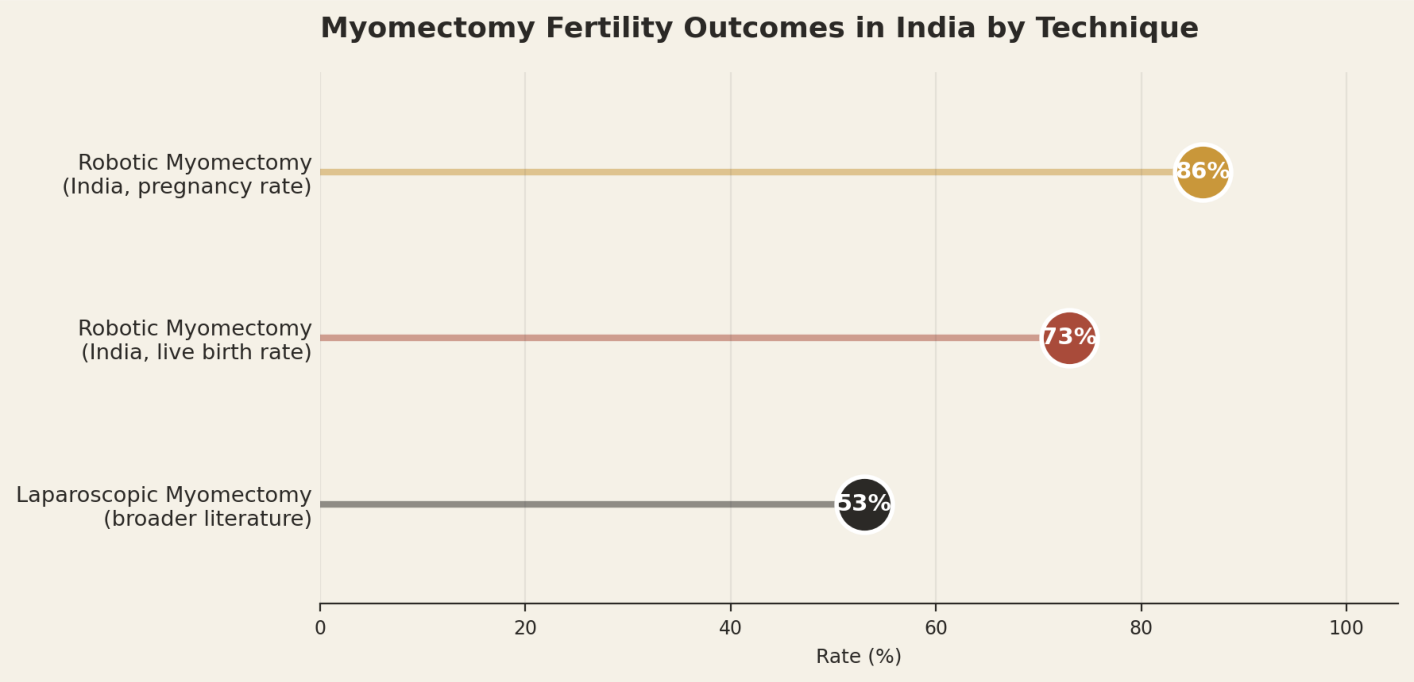
- The source reports a ten-year Indian study of women undergoing robotic-assisted laparoscopic myomectomy for fertility purposes, with a pregnancy rate of 86.04% and a live birth rate of 73.25%. The mean time to conception was approximately 14 months, and the study found no statistically significant difference in pregnancy outcomes according to the number or size of fibroids removed. Broader published reviews of laparoscopic myomectomy reported pregnancy rates of approximately 44% to 62%.
- Fibroid characteristics should directly influence the surgical approach. The guide highlights an Indian comparative study in which fibroid size was an important factor in deciding between laparoscopic and open surgery, with larger fibroids more frequently requiring an open approach despite its longer recovery.
- Accreditation is an important initial quality filter when comparing hospitals in India. The guide recommends checking for verifiable JCI or NABH accreditation and then asking whether the surgeon individually evaluates fibroid size, number, and location before selecting the surgical approach.
- For women who want to preserve fertility, general myomectomy volume is not enough. Patients should ask for the surgeon's own pregnancy and live birth outcomes among fertility-focused myomectomy patients, understand the specific uterine-wall closure and reconstruction technique, and ask how the reconstruction addresses the potential risk of uterine rupture during a future pregnancy.
- A strong fertility-preservation programme may involve several specialists rather than the operating gynaecological surgeon alone. The source identifies the value of a gynaecological surgeon with specific fellowship training in minimally invasive and fertility-preserving techniques, a fertility specialist when conception has already been difficult, maternal-fetal medicine input for complex future pregnancy planning, and an anaesthesiologist experienced in laparoscopic and robotic gynaecological procedures.
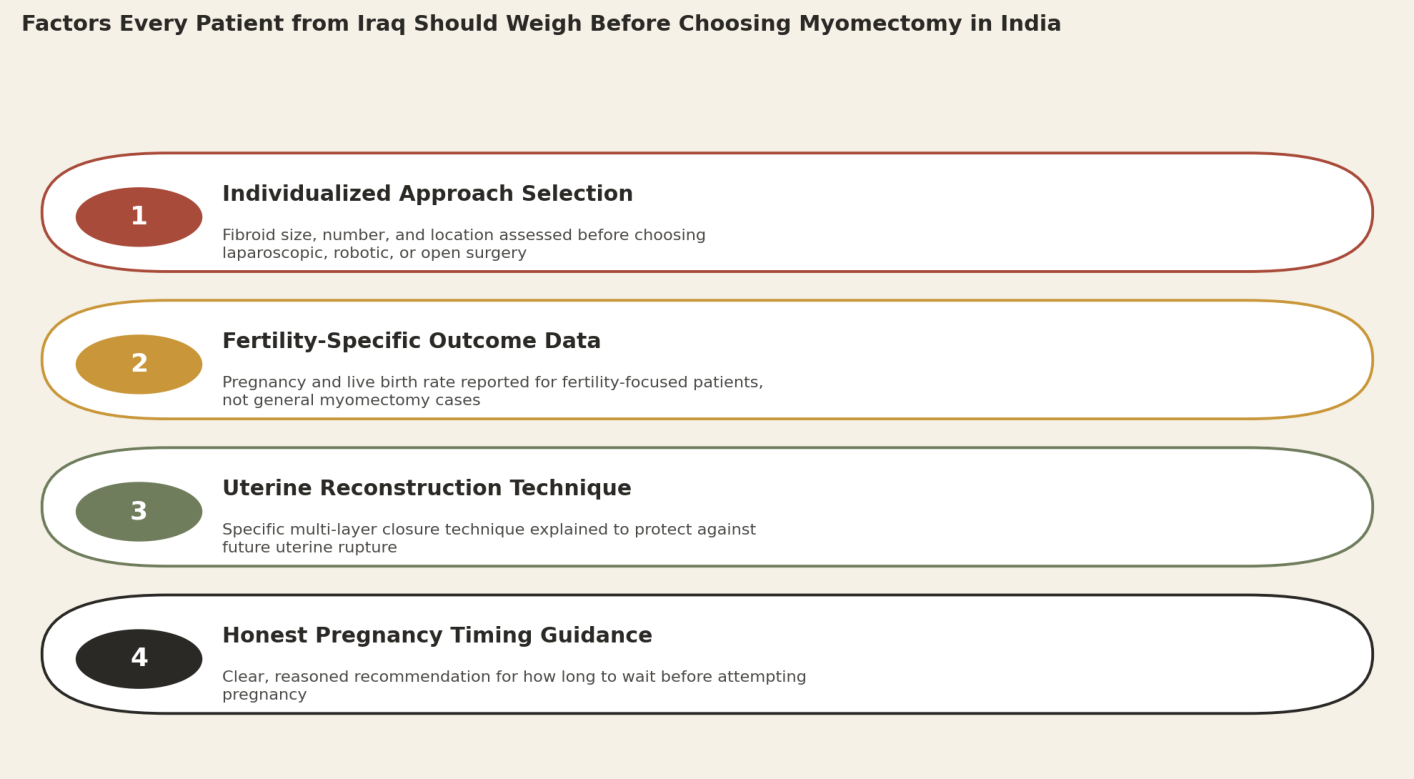
- Important warning signs include using the same approach for every patient, being unable to explain the reconstruction technique or pregnancy waiting period, recommending hysterectomy without a clear reason, or being unable to provide fertility-focused pregnancy and live birth outcomes. The page 4 checklist highlights individualized approach selection, fertility-specific outcome data, uterine reconstruction technique and honest pregnancy timing guidance.
Quick Facts
- Treatment
- Myomectomy for uterine fibroids
- Primary Patients
- Women from Iraq seeking fertility-preserving fibroid surgery in India
- Main Speciality
- Gynaecological surgery
- Key Specialist
- Gynaecological surgeon experienced in fertility-preserving myomectomy
- Surgical Approaches
- Laparoscopic, robotic-assisted, or open myomectomy
- Main Goal
- Remove fibroids while preserving the uterus when clinically appropriate
- Pregnancy Outcome Example
- 86.04% in one ten-year robotic-assisted laparoscopic study
- Live Birth Outcome Example
- 73.25% in the same study
- Mean Time to Conception
- Approximately 14 months in the reported study
- Laparoscopic Evidence
- Published pregnancy rates approximately 44%–62%
- Approach Selection
- Based on fibroid size, number, and location
- Large Fibroids
- May more often require open surgery
- Uterine Reconstruction
- The closure and reconstruction technique should be discussed before surgery
- Future Pregnancy
- Pregnancy timing and uterine rupture considerations should be explained
- Pre-operative Imaging
- Detailed ultrasound or MRI mapping may assist surgical planning
- Robotic Surgery
- May be considered for selected large or multiple fibroids
- Fertility Specialist
- May be involved when conception has already been difficult
- Maternal-Fetal Medicine
- May assist with future pregnancy and delivery planning in complex cases
- Accreditation
- Patients should verify JCI or NABH accreditation
- Author
- Dr. Dheeraj Bojwani
- Experience
- 24+ Years
In Brief
For Iraqi women seeking myomectomy in India, the selection process should focus on fertility preservation, fibroid-specific surgical planning, and the quality of uterine reconstruction rather than hospital reputation alone. The source highlights Indian fertility-focused evidence showing an 86.04% pregnancy rate and 73.25% live birth rate after robotic-assisted laparoscopic myomectomy in one ten-year study, while broader laparoscopic evidence varies between approximately 44% and 62%. The surgeon should explain why laparoscopic, robotic, or open surgery is appropriate for the patient’s fibroid size, number, and location, describe the uterine-wall closure technique, provide relevant fertility-specific outcomes, and explain when pregnancy can safely be attempted after surgery.
Why the Choice of Gynaecological Surgeon in India Matters as Much as the Choice of Approach
Based on my interactions with international patients, India has produced genuinely strong, long-term evidence on this exact question. A ten-year study from a leading Indian hospital following robotic-assisted laparoscopic myomectomy patients specifically seeking fertility found a pregnancy rate of 86.04 percent and a live birth rate of 73.25 percent, with the mean time to conception around fourteen months, and found no statistically significant difference in pregnancy outcome based on the number or size of fibroids removed. This is a genuinely reassuring result specifically for the multi-layer suturing technique used to reconstruct the uterine wall after robotic myomectomy, since a well-reconstructed uterus is precisely what allows a safe future pregnancy and vaginal or planned caesarean delivery. Broader published reviews of laparoscopic myomectomy report pregnancy rates in a wider range, roughly 44 to 62 percent, reflecting real variation across different patient populations, fibroid characteristics, and surgical experience. A separate Indian comparative study also found that fibroid size itself was the key factor determining whether laparoscopic or open surgery was the more appropriate choice, with larger fibroids more often requiring an open approach despite the longer recovery this involves. This tells a family something important: the specific surgical technique and the honest match between your fibroid characteristics and the recommended approach, not simply a general reputation for minimally invasive surgery, is what determines your fertility outcome.
How Patients from Iraq Can Verify a Myomectomy Hospital’s Accreditation in India
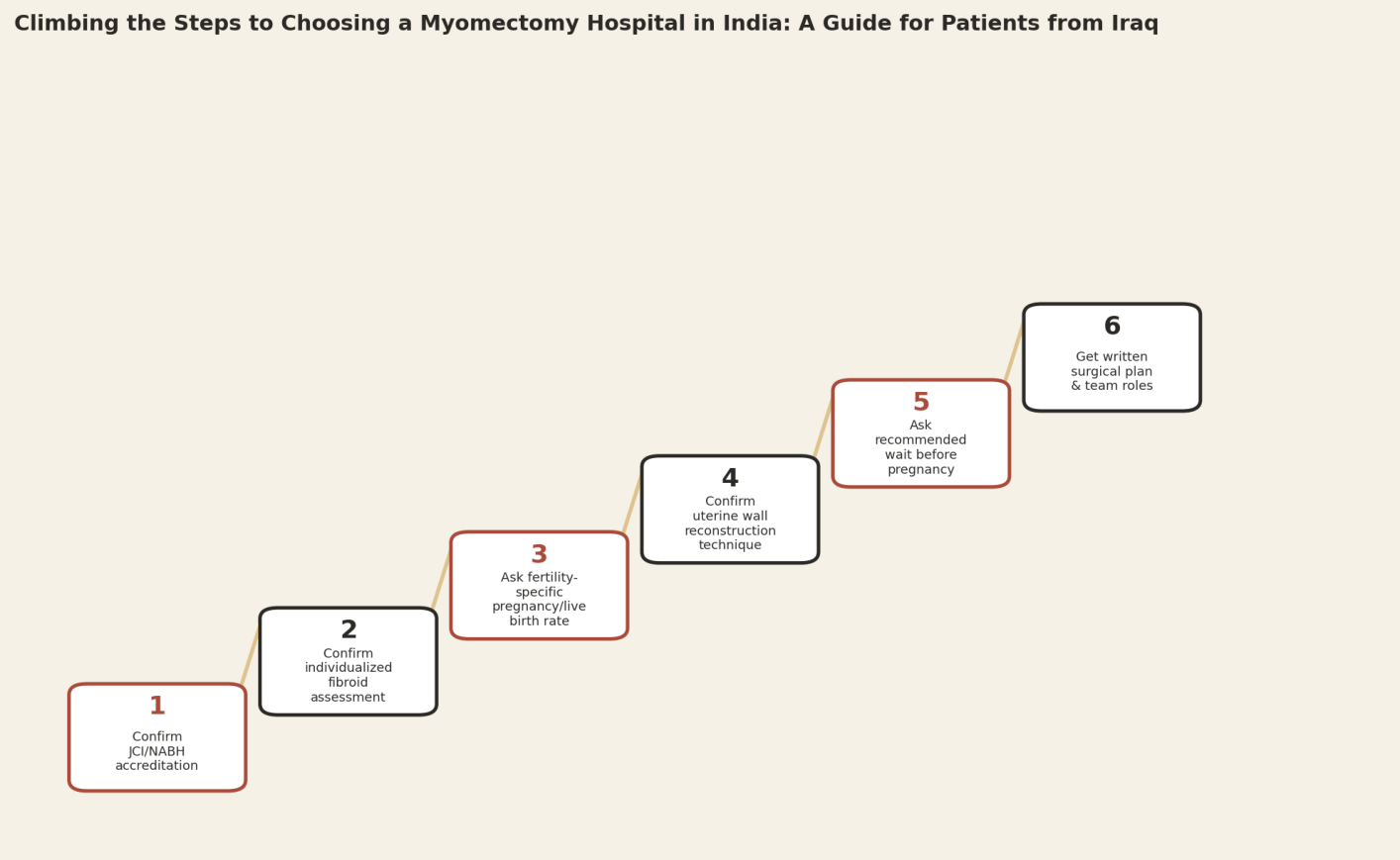
The fastest filter I recommend to every Iraqi woman calling about myomectomy is verifiable accreditation, not marketing language. Joint Commission International, JCI, audits a hospital’s overall clinical safety systems against the same standard used across the United States and Europe. The National Accreditation Board for Hospitals and Healthcare Providers, NABH, is India’s own domestic equivalent, and in my experience of 24 years advising women on this exact decision, a centre holding both marks together is a meaningfully stronger signal than either alone. For myomectomy specifically, ask one further, very direct question: does the surgeon individually assess fibroid size, number, and location before recommending an approach, or does the hospital default to a single technique regardless of your specific case, an important distinction given how clearly fibroid characteristics have been shown to influence which approach is genuinely appropriate.
Myomectomy Volume and Fertility-Preservation Criteria That Predict Outcomes in India
Based on my interactions with dozens of gynaecological surgery programmes over the years, a surgeon’s specific experience with fertility-focused myomectomy, and their specific approach to uterine wall reconstruction, is one of the clearest predictors of a good outcome for a woman planning future pregnancy. General myomectomy volume matters as a baseline, but it does not by itself confirm that a surgeon has the specific fertility-focused experience and reconstruction technique your case actually requires. Ask directly, in writing:
- Given my specific fibroid size, number, and location, why has this specific surgical approach, laparoscopic, robotic, or open, been recommended for my case?
- What is this surgeon's own pregnancy and live birth rate specifically for myomectomy patients seeking fertility, not a general myomectomy statistic that includes women not attempting pregnancy?
- What specific technique is used to close and reconstruct the uterine wall, and how does this technique address the risk of uterine rupture in a future pregnancy?
- How long after surgery does the surgeon recommend waiting before attempting pregnancy, and what is the reasoning behind that specific timeframe?
A surgeon confident in their own outcomes will answer these specifically. A surgeon who recommends the same approach for every fibroid case regardless of size or location deserves a second opinion before you commit.
Climbing the Steps to Choosing a Myomectomy Hospital in India: A Guide for Patients from Iraq
Questions Patients from Iraq Should Ask About the Myomectomy Team in India
Myomectomy for fertility preservation benefits from more than the operating surgeon alone. In my experience of 24 years watching these programmes operate, the strongest units include a gynaecological surgeon with specific fellowship training in minimally invasive and fertility-preserving technique, a fertility specialist involved in planning if conception has already proven difficult, and, for complex cases, a maternal-fetal medicine consultation to plan the safest future pregnancy and delivery approach given the surgical history. A dedicated anaesthesiologist experienced in gynaecological laparoscopic and robotic procedures is a further consideration, since managing anaesthesia for these longer, more technically involved operations benefits from specific familiarity with the positioning and physiological demands involved. Ask specifically who fills each of these roles for your case, and confirm that fertility preservation, not simply symptom relief, has been discussed as the specific goal shaping the surgical plan.
Myomectomy Technology Standards in India That Patients from Iraq Should Check
The specific technology and technique available change both surgical precision and the strength of the uterine reconstruction afterward. Ask whether the hospital offers robotic-assisted surgery specifically for large or multiple fibroids, since the three-dimensional visualisation and articulated instruments this technology provides have been associated with more meticulous suturing in complex cases. Ask whether pre-operative imaging, including detailed ultrasound or MRI mapping of fibroid location, is used to plan the surgical approach precisely before the operation begins. Ask also whether the surgeon uses a specific multi-layer closure technique for the uterine wall, since the strength of this reconstruction is precisely what protects against uterine rupture during a future pregnancy and labour. Ask directly which of these specific capabilities apply to your case, not simply whether the hospital owns advanced equipment in general terms.
Red Flags Patients from Iraq Should Watch For When Choosing a Myomectomy Hospital in India
Over the years, certain patterns have become reliable warning signs for me. A surgeon who recommends the same surgical approach for every fibroid case, without individually assessing your specific size, number, and location, has not given your case the specific evaluation it deserves. A hospital that cannot describe its specific uterine reconstruction technique, or that cannot discuss the reasoning behind its recommended waiting period before pregnancy, has not addressed the fertility-preservation goal that likely brought you to this decision in the first place. A hospital that recommends hysterectomy rather than myomectomy without a clear, specific reason why fibroid removal alone is not appropriate for your case deserves direct questioning. And a surgeon who cannot state their own pregnancy and live birth rate specifically for fertility-focused myomectomy patients has not given you the outcome data most relevant to your actual goal.
Factors Every Patient from Iraq Should Weigh Before Choosing Myomectomy in India
A Closing Thought for Iraqi Families
Myomectomy for a woman planning future pregnancy deserves a surgical approach individually matched to her specific fibroid characteristics, and a uterine reconstruction technique the surgeon can explain with real, specific confidence, not a default approach applied to every case regardless of complexity. Based on my interactions with international patients over more than two decades, the women who ask about fertility-specific outcomes, uterine reconstruction technique, and individualised approach selection consistently achieve more predictable, safer outcomes than those who accept a general reassurance alone. My role, and the role of any advisor a patient works with, should be to help you ask these exact questions and confirm honestly that the specific surgeon and specific hospital in front of you are the right fit for your exact case. Iraq’s women deserve the same standard of scrutiny in this decision as any patient anywhere else in the world.
Sources & Further Reading
- Joint Commission International (JCI) — Accredited Organizations Directory (jointcommissioninternational.org)
- National Accreditation Board for Hospitals & Healthcare Providers (NABH), India (nabh.co)
- PubMed Central — Reproductive Outcomes Following Robot-Assisted Laparoscopic Myomectomy: 10 Years' Experience (ncbi.nlm.nih.gov/pmc)
- PubMed Central — Comparison of Laparoscopic and Open Myomectomy Outcomes, Tertiary Care Hospital in Central India (pmc.ncbi.nlm.nih.gov)
- American College of Obstetricians and Gynecologists (ACOG) — Myomectomy Patient Information (acog.org)
Frequently Asked Questions by Iraqi Patients about Selecting a Myomectomy Surgeon and Hospital in India
Is myomectomy available in India for patients from Iraq?
Yes. The source is specifically designed to help patients from Iraq evaluate myomectomy surgeons and hospitals in India, with particular emphasis on fertility-preserving surgery and individualized surgical planning.
How should Iraqi women choose between laparoscopic, robotic, and open myomectomy in India?
The decision should be based on the size, number, and location of the fibroids. The source notes that larger fibroids may more often require open surgery, while minimally invasive approaches should not be selected simply because they are considered more advanced.
What pregnancy outcomes have been reported after robotic myomectomy in India?
The cited ten-year study reported an 86.04% pregnancy rate and a 73.25% live birth rate among women undergoing robotic-assisted laparoscopic myomectomy for fertility purposes.
Does the size or number of fibroids affect the choice of myomectomy technique?
Yes. The guide emphasizes that fibroid size, number, and location should be assessed individually. It also reports that fibroid size was an important factor in determining whether laparoscopic or open surgery was more appropriate.
What should Iraqi patients ask about uterine reconstruction during myomectomy?
Patients should ask exactly how the uterine wall will be closed and reconstructed and how the technique addresses future pregnancy and uterine rupture considerations.
How long should an Iraqi woman wait before trying to become pregnant after myomectomy in India?
The source does not provide one universal waiting period. It recommends asking the surgeon for the timeframe appropriate to the individual case and the clinical reasoning behind that recommendation.
Should Iraqi women ask for fertility-specific pregnancy and live birth rates from a myomectomy surgeon?
Yes. The guide specifically recommends asking for the surgeon's own pregnancy and live birth outcomes among myomectomy patients seeking fertility, rather than relying on a general myomectomy statistic.
What specialists may be involved in fertility-preserving myomectomy in India?
Depending on the case, the team may include a fertility-focused gynaecological surgeon, fertility specialist, maternal-fetal medicine specialist, and anaesthesiologist experienced in laparoscopic or robotic gynaecological surgery.
What imaging should Iraqi patients ask for before myomectomy in India?
The source recommends asking whether detailed ultrasound or MRI mapping is used to establish the exact location of the fibroids and help determine the most appropriate surgical approach.
What are the main warning signs when choosing a myomectomy surgeon in India?
Important warning signs include recommending the same surgical approach for every fibroid case, being unable to explain the uterine reconstruction technique or pregnancy waiting period, recommending hysterectomy without a clear case-specific reason, and being unable to provide fertility-focused pregnancy and live birth outcomes.
Page Summary
Choosing a myomectomy surgeon in India should be based on the patient's individual fibroid characteristics and fertility goals rather than simply selecting the hospital with the strongest general reputation. The source recommends comparing fertility-specific pregnancy and live birth outcomes, the surgeon's experience with the required approach, the uterine reconstruction technique, accreditation, pre-operative imaging, and the expected timeframe before attempting pregnancy.
For patients from Iraq, a suitable myomectomy programme should provide an individualized surgical plan and access to appropriate gynaecological, fertility, maternal-fetal medicine, and anaesthesia expertise when required. Patients should be cautious if a hospital cannot explain its uterine reconstruction technique, uses one approach for all fibroid cases, recommends hysterectomy without a clear reason, or cannot provide fertility-focused outcome information.
Citation Block
| Field | Details |
|---|---|
| Article / Topic | Selecting the Best Myomectomy Surgeons and Hospitals in India |
| Primary Country | Iraq |
| Treatment | Myomectomy for uterine fibroids |
| Primary Goal | Fibroid removal with fertility preservation when appropriate |
| Main Speciality | Gynaecological surgery |
| Key Specialist | Gynaecological surgeon experienced in fertility-preserving myomectomy |
| Surgical Options | Laparoscopic, robotic-assisted, or open myomectomy |
| Reported Pregnancy Rate | 86.04% in a ten-year robotic-assisted laparoscopic study |
| Reported Live Birth Rate | 73.25% in the same study |
| Mean Time to Conception | Approximately 14 months |
| Broader Laparoscopic Evidence | Published pregnancy rates approximately 44%–62% |
| Approach Selection | Should reflect fibroid size, number, and location |
| Large Fibroids | May more frequently require open surgery |
| Fertility Outcomes | Ask for pregnancy and live birth outcomes specifically among fertility-focused myomectomy patients |
| Uterine Reconstruction | Ask how the uterine wall will be closed and reconstructed |
| Future Pregnancy Safety | Discuss uterine rupture considerations and pregnancy timing |
| Pre-operative Imaging | Detailed ultrasound or MRI mapping may assist surgical planning |
| Fertility Specialist | Considered when conception has already been difficult |
| Maternal-Fetal Medicine | May assist with future pregnancy and delivery planning |
| Anaesthesia Expertise | Experience with laparoscopic and robotic gynaecological procedures |
| Accreditation | Verify JCI or NABH accreditation |


Our Mission Statement
Our mission is to place patients at the centre of every healthcare decision by providing trustworthy, evidence-based, and unbiased medical information. We believe that informed patients make better decisions. Backed by personalised guidance from our experienced advisory team, we help patients understand their treatment options, compare them objectively, and confidently choose the path that best suits their medical needs and personal circumstances.
Patient Testimonials from Iraq
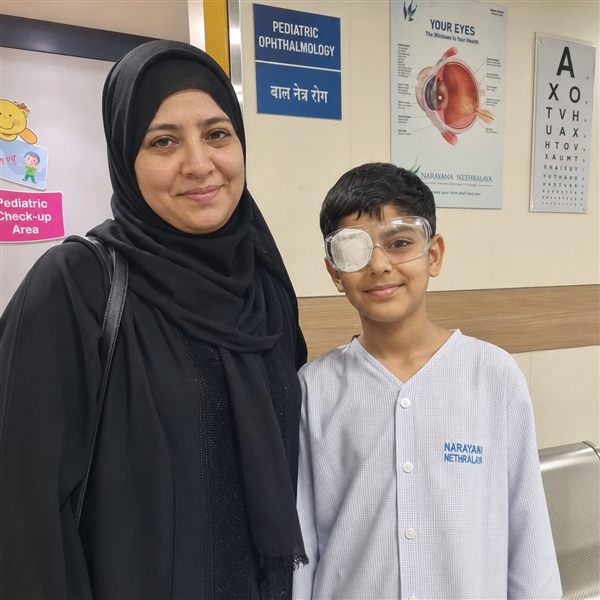
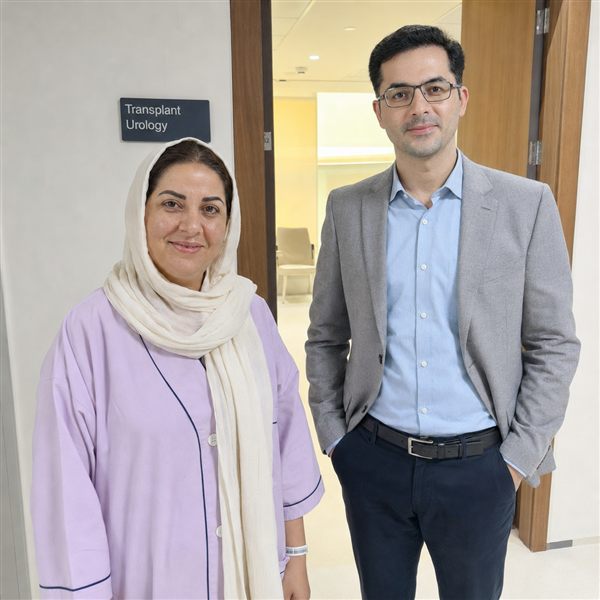
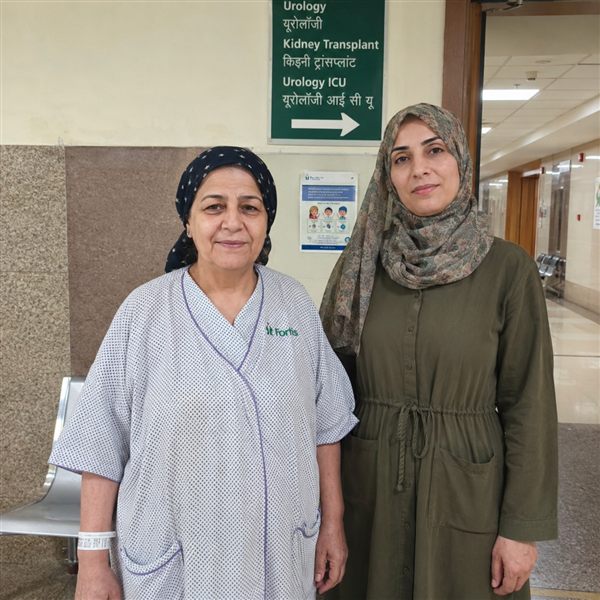

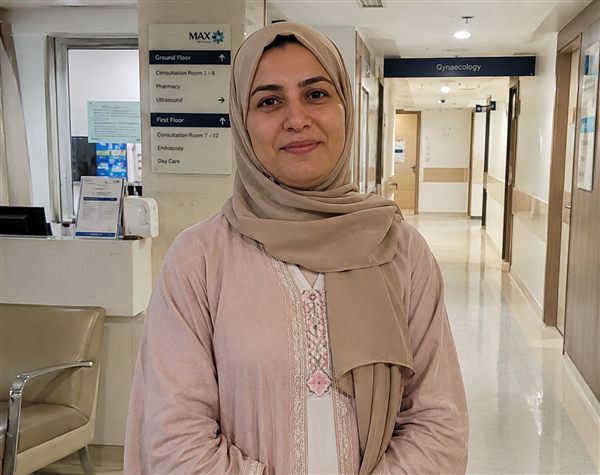

Ready to Take the First Step?
Share your Medical Reports with our Healthcare Managers Today and Get a FREE CONSULTATION, a Personalized Treatment Plan, and Complete Support from Arrival to Recovery.
Get Your Free ConsultationAreas We Serve
Indian Health Guru Consultants proudly assists patients from Iraq and surrounding Middle Eastern countries in accessing advanced, affordable and trusted medical treatment in India. Our team provides complete support for medical opinions, hospital selection, treatment planning, visa assistance, travel coordination, accommodation and post-treatment follow-up.
We regularly serve patients from:
- Iraq
- Turkey
- Iran
- Kuwait
- Jordan
- Syria
- Qatar
- Bahrain
- Oman
- Yemen
- Saudi Arabia
- United Arab Emirates
No matter where you are located, our experienced team is committed to making your medical journey to India safe, smooth, transparent and stress-free from the first enquiry to your return home.
From Iraq to India: Your Complete Patient Guide
- Scoliosis Correction Surgery in India for Iraqis
- Hip Surgery in India for Iraqis
- Robotic Cancer Surgery in India for Iraqis
- Prostate Cancer Treatment and Surgery in India for Iraqis
- Gamma Knife Treatment in India for Iraqis
- Heart Failure Treatment and Surgery in India for Iraqis
- Cardiac Pacemaker Treatment in India for Iraqi Patients
- Cosmetic and Aesthetic Surgery in India for Iraqis
- Brain Tumour Surgery in India for Iraqi Patients
- Kidney Transplant in India for Iraqis
- Liver Transplant in India for Iraqis
- Dental Surgery in India for Iraqis
- Laparoscopic and Robotic Myomectomy in India for Iraqis
- Paediatric Orthopaedic Surgery in India for Iraqis
- IVF and Fertility Treatment in India for Iraqis
- Parkinson's Treatment and DBS Surgery in India for Iraqis
- CyberKnife Treatment in India for Iraqis
- Neuronavigation and Advanced Brain Surgery in India for Iraqis