

Selecting the Best Cosmetic and Aesthetic Surgeons and Hospitals in India: A Guide for Patients from Iraq
A doctor’s honest, question-by-question guide for patients from Iraq on vetting a cosmetic surgery provider in India — board certification, accreditation, technique safety, and the exact questions worth asking before you book anything.
Over the years, I have found that cosmetic surgery is the category where the gap between a genuinely qualified surgeon and someone simply willing to operate is most dangerous, precisely because the patient often cannot tell the difference from a consultation room or a polished website alone. In my experience of 24 years advising patients through this exact decision, verifying a surgeon’s actual credentials is not an optional formality for cosmetic procedures, it is the single factor most directly linked to whether a patient survives a routine, elective operation without serious harm.
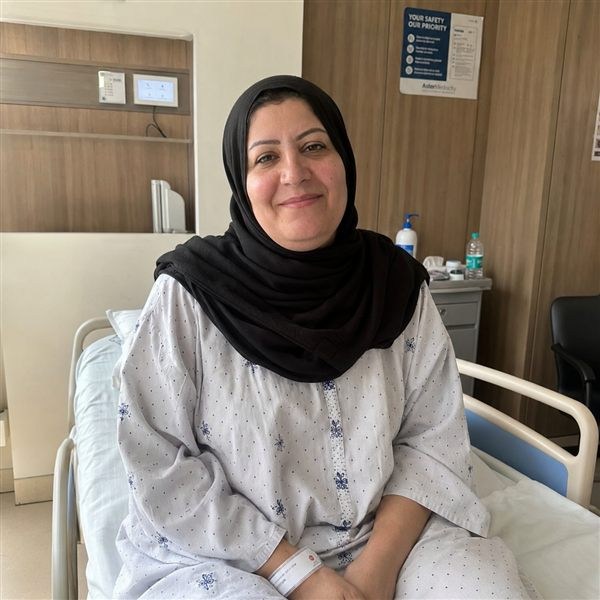
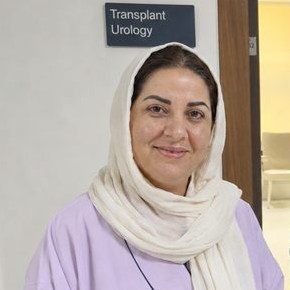
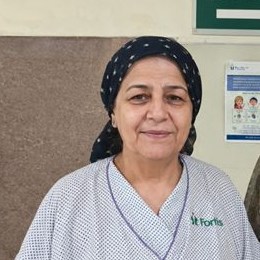
Healing Journeys of Iraqi Patients
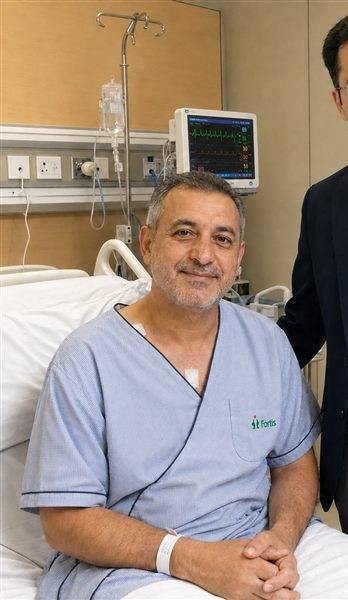
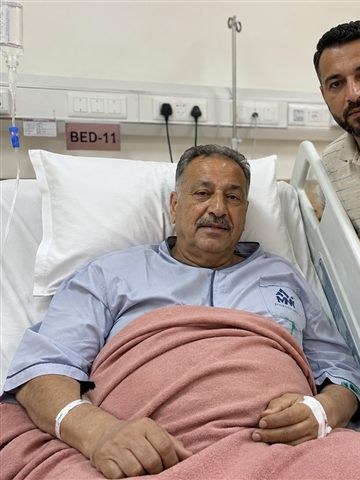
Key Takeaways
- Cosmetic surgery is elective, so verifying the surgeon's qualifications and the safety of the operating facility should be a priority before an Iraqi patient travels to India. The source emphasises that a polished website or consultation cannot reliably demonstrate whether a surgeon is appropriately trained for the procedure. It specifically recommends independently verifying the surgeon's plastic-surgery credentials before making a decision.
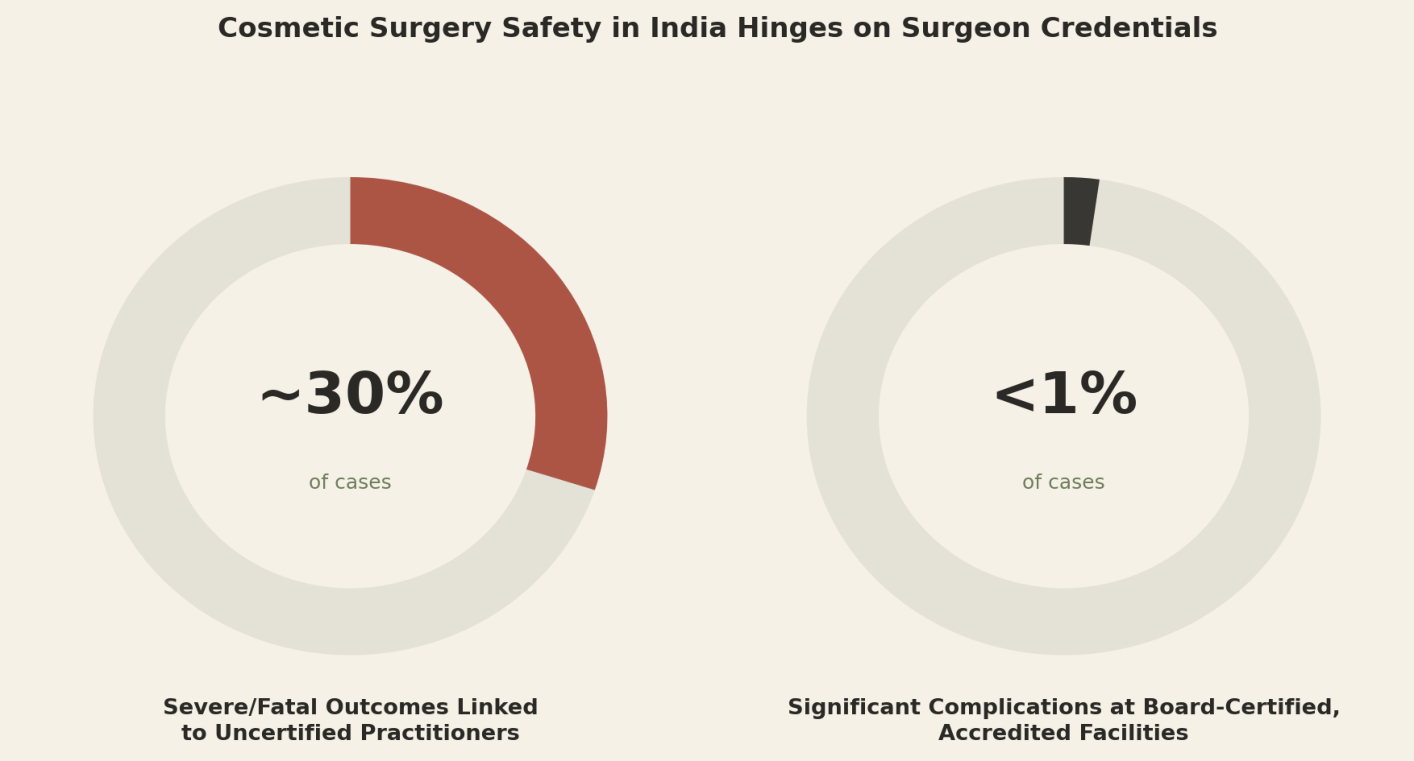
- The source highlights a substantial difference in reported outcomes associated with surgeon credentials and facility standards. Published cosmetic-surgery safety literature cited in the guide found that roughly 30% of severe complications and deaths were linked to practitioners without board certification in plastic surgery, including doctors from other specialties performing procedures outside their expertise. The source contrasts this with significant complication rates of under 1% for most aesthetic procedures performed by board-certified plastic surgeons in accredited facilities.
- The page 2 visual chart reinforces this message, presenting approximately 30% of severe or fatal outcomes as linked to uncredentialed practitioners and significant complications of under 1% in board-certified, accredited settings. These are illustrative figures from the source's cited safety literature rather than individual risk predictions, so Iraqi patients should still ask for procedure-specific complication information from the surgeon they are considering.
- Higher-risk cosmetic procedures require additional scrutiny of the technique being used. The source specifically discusses abdominoplasty, liposuction and buttock augmentation as procedures with higher reported mortality risk even in accredited settings. For buttock augmentation, it identifies strictly subcutaneous fat injection rather than intramuscular injection as an important safety consideration because of the risk of fat embolism. Iraqi patients should therefore ask exactly which technique will be used and why it is considered appropriate.
- Hospital and facility accreditation should be independently verified rather than assumed from marketing material. The guide recommends checking JCI and NABH accreditation and then asking whether the operating surgeon is specifically board-certified in plastic surgery rather than simply being a licensed doctor from another specialty who also performs cosmetic procedures. Patients should also ask whether the operating facility is accredited for the specific procedure rather than relying on a general clinic licence.
- Anaesthesia and emergency preparedness are also important parts of cosmetic surgery safety. The guide recommends a board-certified anaesthesiologist for procedures requiring more than local anaesthesia and advises Iraqi patients to independently verify the anaesthesiologist's qualifications. The operating facility should also have immediate access to blood products and emergency resuscitation equipment and should maintain a formal transfer arrangement with a full-service hospital for emergencies that cannot be managed on-site.
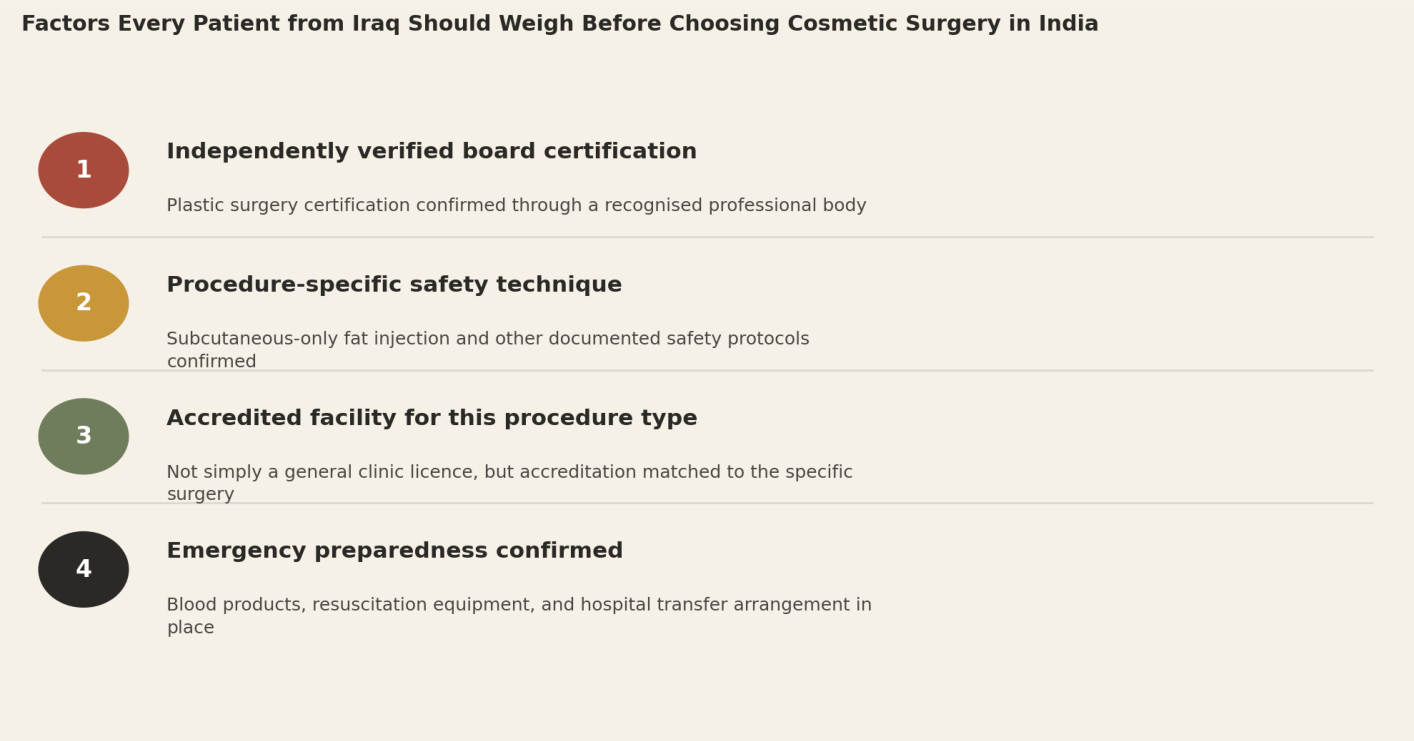
- The source identifies several red flags for Iraqi patients: inability to provide verifiable plastic-surgery board certification, unusually discounted pricing compared with accredited competitors, and resistance to independent verification of credentials or accreditation. The page 4 checklist summarises four factors to assess before choosing cosmetic surgery in India: independently verified board certification, procedure-specific safety technique, an accredited facility appropriate for the surgery and confirmed emergency preparedness.
Quick Facts
- Treatment
- Cosmetic and aesthetic surgery in India
- Primary Patients
- Iraqi patients seeking elective cosmetic procedures
- Main Speciality
- Plastic and aesthetic surgery
- Key Specialist
- Board-certified plastic surgeon
- Credential Check
- Independently verify plastic-surgery certification
- Facility Accreditation
- Verify JCI and/or NABH accreditation
- Procedure Safety
- Ask for the exact technique planned
- Higher-Risk Procedures
- Liposuction, abdominoplasty and buttock augmentation require additional scrutiny
- Buttock Augmentation
- Ask whether fat injection is strictly subcutaneous
- Complication Data
- Request the surgeon's own procedure-specific complication rate
- Revision Data
- Ask for the surgeon's revision rate for the exact procedure
- Anaesthesia
- Confirm the qualifications of the anaesthesiologist
- Emergency Equipment
- Verify resuscitation equipment and access to blood products
- Hospital Transfer
- Confirm a formal emergency transfer arrangement
- Operating Facility
- Should be accredited for the specific procedure where applicable
- Follow-Up
- Confirm a structured postoperative monitoring plan
- Pricing
- Very large discounts should be investigated rather than accepted solely on cost
- Credential Red Flag
- Provider cannot independently verify plastic-surgery certification
- Pre-Travel
- Share medical history and relevant records before surgery
- Author
- Dr. Dheeraj Bojwani
- Experience
- 24+ Years
In Brief
For Iraqi patients considering cosmetic or aesthetic surgery in India, surgeon credentials and facility safety should be evaluated before comparing prices or convenience. The source recommends independently verifying plastic-surgery board certification, confirming that the operating facility is appropriately accredited, reviewing the exact technique planned for the procedure and checking emergency preparedness. For higher-risk procedures such as liposuction and buttock augmentation, patients should ask specifically about the safety protocol and the surgeon’s own complication and revision rates rather than relying on a general statement that cosmetic surgery is safe.
Why the Choice of Board-Certified Surgeon in India Matters as Much as the Choice of Clinic
Based on my interactions with international patients, the published data on this point is genuinely sobering. Analyses of severe complications and deaths following cosmetic procedures have found that roughly 30 percent of the worst outcomes were linked to practitioners without board certification in plastic surgery specifically, cases including surgeries performed by doctors trained in entirely different specialties operating outside their area of expertise. By contrast, cosmetic procedures performed by board-certified plastic surgeons in accredited surgical facilities carry a significant complication rate of well under 1 percent for most aesthetic procedures. Certain procedures, including abdominoplasty, liposuction, and buttock augmentation, carry meaningfully higher mortality risk even in accredited settings, reported in the range of roughly 1 in 13,000 to 1 in 50,000 cases, and specialty guidance has identified specific technique choices, such as strictly subcutaneous rather than intramuscular fat injection during buttock augmentation, as the key safety variable separating a low-risk procedure from a genuinely dangerous one.
How Patients from Iraq Can Verify a Cosmetic Surgery Hospital’s Accreditation in India
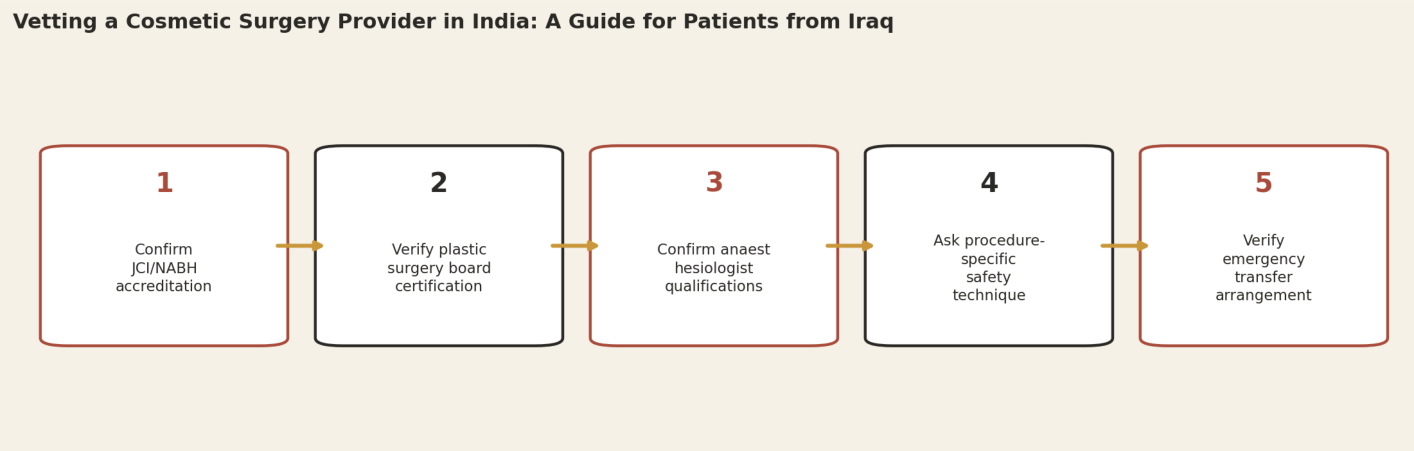
The fastest filter I recommend to every Iraqi patient calling about cosmetic surgery is verifiable accreditation, not marketing language. Joint Commission International, JCI, audits a hospital’s overall clinical safety systems against the same standard used across the United States and Europe. The National Accreditation Board for Hospitals and Healthcare Providers, NABH, is India’s own domestic equivalent, and in my experience of 24 years advising patients on this exact decision, a centre holding both marks together is a meaningfully stronger signal than either alone. For cosmetic surgery specifically, ask one further, very direct question: is the operating surgeon specifically board-certified in plastic surgery, not simply a licensed doctor from a different specialty who also performs cosmetic procedures.
Cosmetic Surgery Credential and Technique Criteria That Predict Safe Outcomes in India
Based on my interactions with dozens of cosmetic surgery practices over the years, verifying a surgeon’s specific board certification and their specific technique for higher-risk procedures is one of the clearest predictors of a safe outcome. Ask directly, in writing:
- Is the surgeon specifically board-certified in plastic surgery, and can this certification be independently verified through a recognised professional body?
- For buttock augmentation specifically, does the surgeon use strictly subcutaneous fat injection technique, and can they explain why this reduces the risk of fat embolism?
- Is the surgical facility itself accredited for the specific type of procedure being performed, not simply a general clinic licence?
- What is the surgeon’s own complication and revision rate for this specific procedure, not a general reassurance about safety?
A surgeon confident in their own credentials and safety record will answer these specifically and provide verifiable documentation. A surgeon or clinic that becomes evasive when asked for specific board certification deserves to be avoided entirely, not simply questioned further.
Vetting a Cosmetic Surgery Provider in India: A Guide for Patients from Iraq
Questions Patients from Iraq Should Ask About the Cosmetic Surgery Team in India
Cosmetic surgery safety depends on more than the operating surgeon alone. In my experience of 24 years watching these practices operate, the safest ones include a board-certified anaesthesiologist for any procedure requiring more than local anaesthesia, accredited operating theatre facilities equipped to manage a genuine emergency, and a clear, structured follow-up protocol for monitoring the specific complications relevant to your procedure. Ask specifically who administers anaesthesia for your procedure and confirm their own qualifications independently, since anaesthesia-related complications are a genuine and preventable risk in cosmetic surgery specifically.
Cosmetic Surgery Facility and Emergency Preparedness Standards in India That Patients from Iraq Should Check
The specific facility and emergency infrastructure available changes how safely a complication can be managed if one occurs. Ask directly whether the operating facility has immediate access to blood products and emergency resuscitation equipment, since procedures such as liposuction and buttock augmentation carry a small but real risk of sudden, serious complications requiring immediate intervention. Ask whether the facility has a formal transfer arrangement with a full-service hospital for emergencies beyond what an outpatient cosmetic surgery centre can manage on-site. A reputable provider will discuss this openly rather than treating the question as unnecessary given how safe the procedure normally is.
Red Flags Patients from Iraq Should Watch For When Choosing a Cosmetic Surgery Provider in India
Over the years, certain patterns have become reliable warning signs for me. A provider who cannot produce specific, verifiable board certification in plastic surgery, offering only a general medical licence instead, is a serious warning sign regardless of how polished their marketing appears. A clinic offering significantly discounted pricing compared with accredited competitors for the same procedure often reflects cut corners in surgeon qualification, facility accreditation, or anaesthesia safety, not simply efficient operations. And a provider who discourages independent verification of their credentials or accreditation status should be avoided entirely.
Factors Every Patient from Iraq Should Weigh Before Choosing Cosmetic Surgery in India
A Closing Thought for Iraqi Families
Cosmetic surgery is elective, which makes verifying genuine safety credentials even more important, not less, since there is no urgent medical necessity forcing an accelerated decision. Based on my interactions with international patients over more than two decades, the patients who independently verify board certification, facility accreditation, and procedure-specific safety technique consistently avoid the serious complications that make headlines. My role, and the role of any advisor a patient works with, should be to help you verify these exact credentials honestly and confirm that the specific surgeon and specific facility in front of you meet a genuine safety standard. Iraq’s patients deserve the same standard of scrutiny in this decision as any patient anywhere else in the world.
Sources & Further Reading
- Joint Commission International (JCI) — Accredited Organizations Directory (jointcommissioninternational.org)
- National Accreditation Board for Hospitals & Healthcare Providers (NABH), India (nabh.co)
- Plastic and Reconstructive Surgery — Global Open: Assessing Cosmetic Surgery Safety (journals.lww.com/prsgo)
- PubMed Central — Liposuction Complications in the Outpatient Setting: A National Analysis (ncbi.nlm.nih.gov/pmc)
- American Board of Plastic Surgery (ABPS) — Verify a Certification (abplasticsurgery.org)
Frequently Asked Questions by Iraqi Patients about Selecting a Cosmetic Surgeon and Hospital in India
Can Iraqi patients undergo cosmetic surgery in India?
Yes. The guide is specifically designed to help patients from Iraq evaluate cosmetic surgeons and surgical facilities in India before choosing an elective procedure.
How should Iraqi patients choose a cosmetic surgeon in India?
They should independently verify that the surgeon is specifically board-certified in plastic surgery and ask for procedure-specific complication and revision data. General medical licensing alone is not enough for the selection criteria described in the guide.
Is cosmetic surgery safe for Iraqi patients in India?
Safety depends substantially on surgeon qualifications, facility standards, anaesthesia and the procedure performed. The source recommends evaluating these factors rather than relying on a general claim that cosmetic surgery is safe.
What should Iraqi patients ask about liposuction in India?
They should ask about the surgeon's specific experience and complication rate, the accreditation of the operating facility, anaesthesia qualifications and emergency preparedness. Liposuction is identified in the source as a procedure requiring particular safety attention.
What should Iraqi patients know about buttock augmentation in India?
The source identifies buttock augmentation as a higher-risk cosmetic procedure and specifically recommends asking whether fat injection is performed strictly in the subcutaneous layer. Patients should also ask the surgeon to explain the safety rationale for the technique.
How can Iraqi patients verify a cosmetic surgeon's qualifications in India?
They should request the surgeon's specific plastic-surgery board certification and independently verify it through a recognised professional body. A provider who cannot produce verifiable credentials is identified as a serious warning sign.
Does the cosmetic surgery facility need accreditation in India?
The guide recommends verifying JCI and/or NABH accreditation and checking that the facility is appropriately accredited for the type of procedure being performed rather than relying only on a general clinic licence.
What anaesthesia qualifications should Iraqi patients check before cosmetic surgery?
For procedures requiring more than local anaesthesia, the guide recommends confirming that a board-certified anaesthesiologist will provide the anaesthesia and independently checking that professional's qualifications.
What emergency facilities should Iraqi patients confirm before cosmetic surgery?
Patients should ask whether the operating facility has emergency resuscitation equipment, immediate access to blood products where needed and a formal transfer arrangement with a full-service hospital for complications that cannot be managed on-site.
Should Iraqi patients choose a cosmetic surgeon in India based mainly on low price?
No. The source warns that significantly discounted pricing compared with accredited competitors may reflect differences in surgeon qualification, facility accreditation or anaesthesia safety. Credentials and procedure-specific safety should be assessed before price.
Page Summary
Cosmetic surgery is elective, making careful verification especially important because patients generally have time to compare surgeons and facilities before committing to treatment. The source recommends focusing on independently verified plastic-surgery credentials, appropriate facility accreditation, procedure-specific safety techniques, anaesthesia qualifications and emergency preparedness. It also warns against choosing a provider solely because of polished marketing or unusually low pricing.
For Iraqi patients travelling to India, the safest selection process should include confirmation of the surgeon's qualifications, the exact technique proposed, the facility's ability to manage complications and the availability of a full-service hospital for emergency transfer when required. The source's page 4 checklist places particular emphasis on board certification, procedure-specific technique, appropriate facility accreditation and emergency preparedness.
Citation Block
| Field | Details |
|---|---|
| Article / Topic | Selecting the Best Cosmetic and Aesthetic Surgeons and Hospitals in India |
| Primary Patients | Patients from Iraq |
| Treatment Area | Cosmetic and aesthetic surgery |
| Main Specialist | Board-certified plastic surgeon |
| Credential Verification | Plastic-surgery certification should be independently verified |
| Illustrative Severe/Fatal Outcome Figure | Approximately 30% linked to uncredentialed practitioners in cited literature |
| Board-Certified Accredited Facilities | Significant complications reported at under 1% for most aesthetic procedures in cited literature |
| Higher-Risk Procedures | Abdominoplasty, liposuction and buttock augmentation |
| Buttock Augmentation Safety | Strictly subcutaneous fat injection highlighted as an important safety technique |
| Accreditation | JCI and NABH |
| Facility Standard | Accreditation appropriate to the specific procedure |
| Complication Data | Ask for surgeon's own procedure-specific rate |
| Revision Data | Ask for surgeon's own revision rate |
| Anaesthesia | Board-certified anaesthesiologist for procedures requiring more than local anaesthesia |
| Emergency Equipment | Immediate access to resuscitation equipment |
| Blood Products | Confirm access when required |
| Emergency Transfer | Formal arrangement with a full-service hospital |
| Follow-Up | Structured monitoring for procedure-specific complications |
| Red Flag | No verifiable plastic-surgery board certification |
| Patient Preparation | Review medical history and procedure suitability before travel |
| Selection Principle | Safety credentials and procedure-specific expertise before price |
| Checklist | Certification, technique, facility accreditation and emergency preparedness |
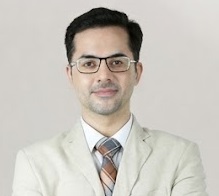

Our Mission Statement
Our mission is to place patients at the centre of every healthcare decision by providing trustworthy, evidence-based, and unbiased medical information. We believe that informed patients make better decisions. Backed by personalised guidance from our experienced advisory team, we help patients understand their treatment options, compare them objectively, and confidently choose the path that best suits their medical needs and personal circumstances.
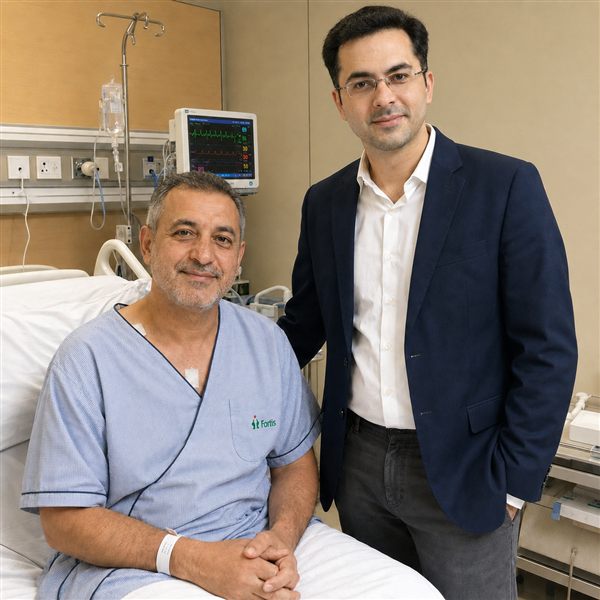
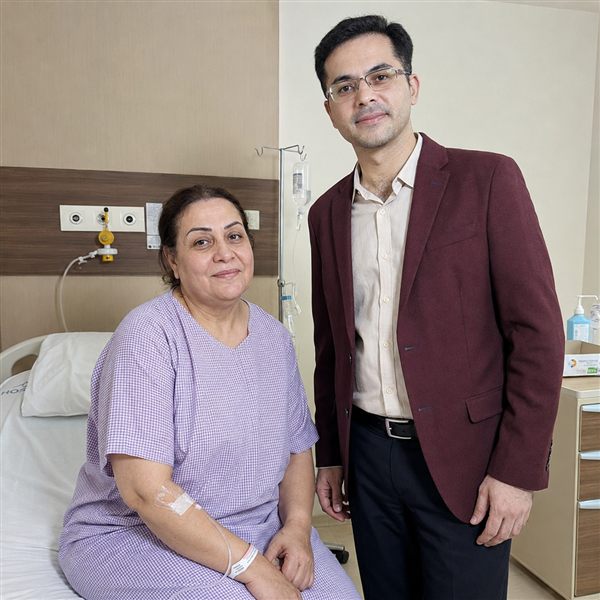
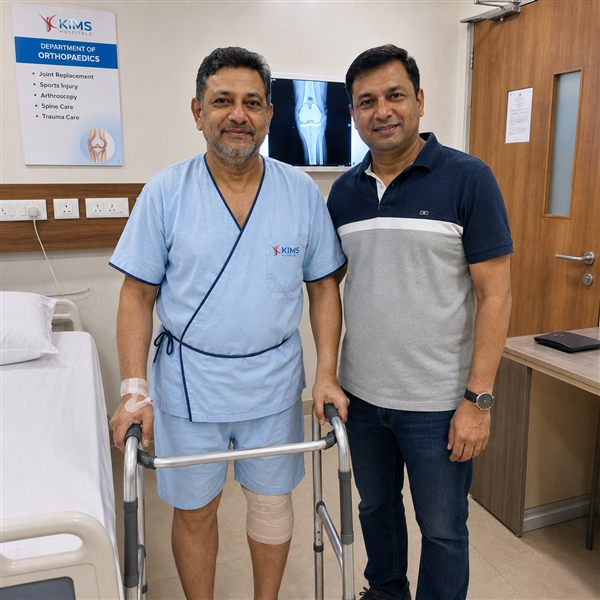
Patient Testimonials from Iraq
Ready to Take the First Step?
Share your Medical Reports with our Healthcare Managers Today and Get a FREE CONSULTATION, a Personalized Treatment Plan, and Complete Support from Arrival to Recovery.
Get Your Free ConsultationAreas We Serve
Indian Health Guru Consultants proudly assists patients from Iraq and surrounding Middle Eastern countries in accessing advanced, affordable and trusted medical treatment in India. Our team provides complete support for medical opinions, hospital selection, treatment planning, visa assistance, travel coordination, accommodation and post-treatment follow-up.
We regularly serve patients from:
- Iraq
- Turkey
- Iran
- Kuwait
- Jordan
- Syria
- Qatar
- Bahrain
- Oman
- Yemen
- Saudi Arabia
- United Arab Emirates
No matter where you are located, our experienced team is committed to making your medical journey to India safe, smooth, transparent and stress-free from the first enquiry to your return home.
From Iraq to India: Your Complete Patient Guide
- Joint Arthroscopy and Sports Medicine in India for Iraqis
- Paediatric Heart Surgery in India for Iraqis
- Cancer Treatment in India for Iraqi Patients
- Urosurgery and Reconstructive Urology in India for Iraqis
- Shoulder Surgery in India for Iraqis
- Pancreatic Cancer Surgery in India for Iraqis
- Cardiac Surgery in India for Iraqis
- Cervical and Lumbar Disc Replacement Surgery in India for Iraqis
- Neurosurgery in India for Iraqis
- Laparoscopic and Robotic Myomectomy in India for Iraqis
- Spine Surgery in India for Iraqis
- Plastic and Reconstructive Surgery in India for Iraqis
- Prostate Cancer Treatment and Surgery in India for Iraqis
- Dental Implants and Smile Makeover in India for Iraqis
- Heart Failure Treatment and Surgery in India for Iraqis
- Paediatric Orthopaedic Surgery in India for Iraqis
- Heart Valve Replacement in India for Iraqis
- Leukemia, Lymphoma and Blood Cancer Treatment in India for Iraqis