

Selecting the Best Cancer Treatment Surgeons and Hospitals in India: A Guide for Patients from Iraq
A doctor’s honest, question-by-question guide for patients from Iraq on vetting a cancer hospital in India — accreditation, tumor board function, hospital-specific outcome data, and the exact questions worth asking before you book anything.
Over the years, I have watched Iraqi families receive a cancer diagnosis and immediately ask me the same question: which country should we go to? In my experience of 24 years advising families through exactly this moment, that is genuinely the wrong first question. The right first question is which specific hospital and which specific multidisciplinary team, because the data from India’s own cancer registries shows survival for the very same cancer type can differ enormously between one hospital and another within the same country. This guide sets out the concrete, verifiable facts that actually predict good cancer care, whatever the specific diagnosis turns out to be.
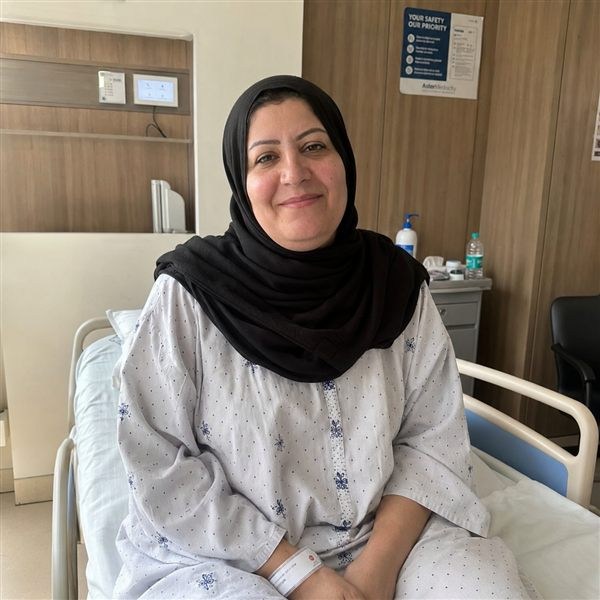
Healing Journeys of Iraqi Patients
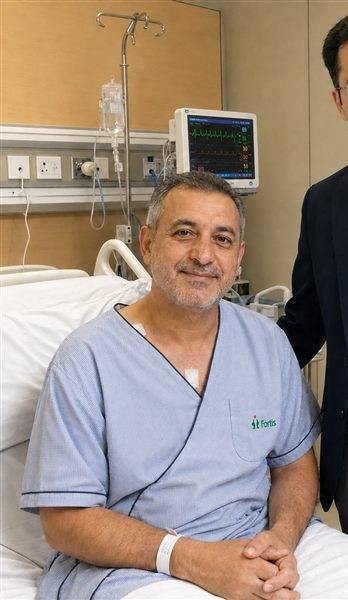
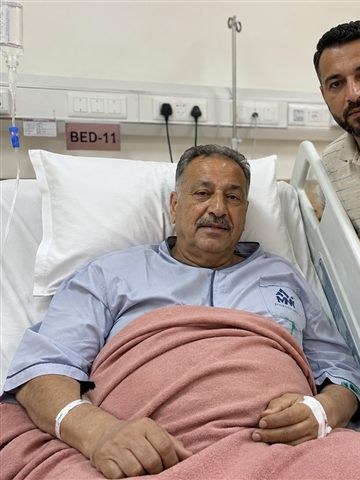

Key Takeaways
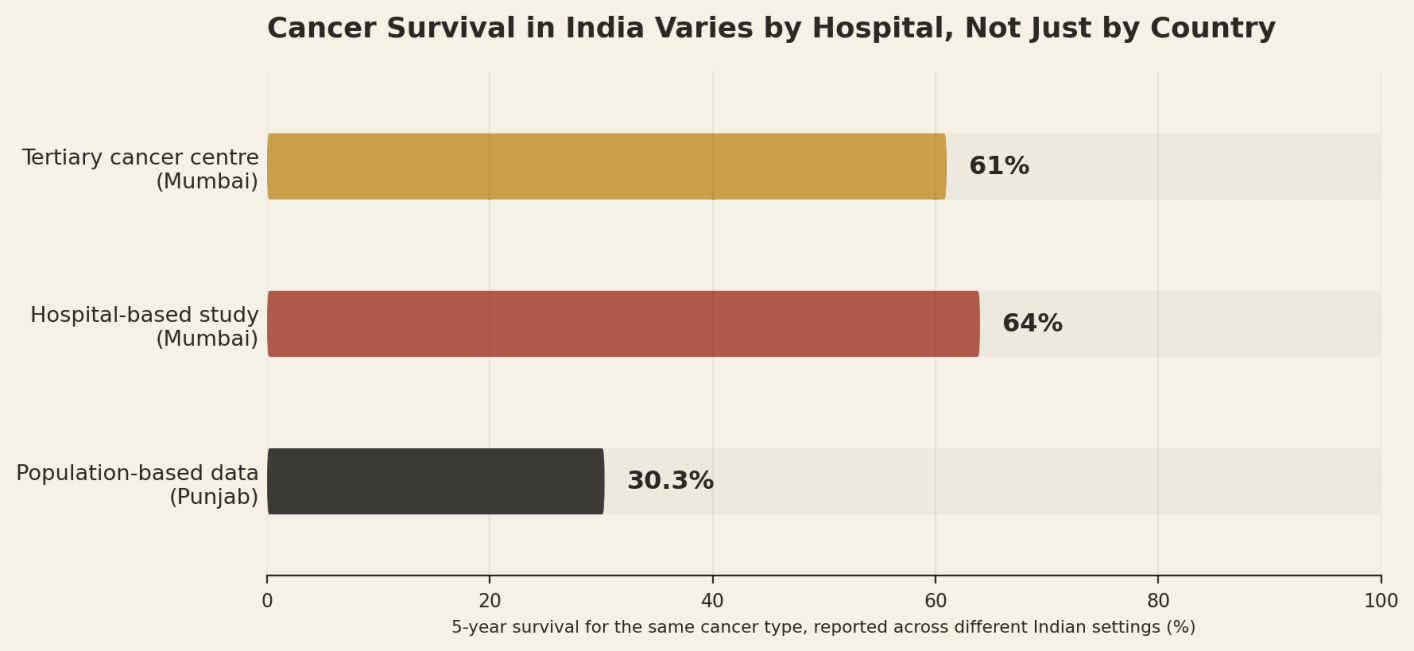
- Choosing a cancer hospital in India should begin with the specific diagnosis and the capabilities of the hospital and treatment team rather than with the country alone. The source highlights that cancer outcomes can vary substantially between hospitals within India. For prostate cancer, it cites a five-year overall survival of 61% at one tertiary cancer centre in Mumbai, 64% in a Mumbai hospital-based study and 30.3% in population-based data from Punjab, illustrating why Iraqi patients should examine hospital-specific information rather than rely on national reputation.
- Accreditation is presented as an important first screening step for Iraqi families considering treatment in India. The guide recommends verifying JCI and NABH accreditation rather than relying on promotional claims. It also stresses that accreditation alone is not enough: patients should ask whether the hospital has a functioning multidisciplinary tumour board that regularly reviews cancer cases. The source notes that among 172 responding hospitals in a national survey, 137 reported having a functioning tumour board, making this a specific point that international patients should verify before selecting a centre.
- Hospital-specific cancer outcomes should be requested in writing whenever possible. Iraqi patients are advised to ask for the hospital’s own five-year survival rate for their exact cancer type and stage, the number of patients treated for that cancer each year and the proportion of patients who complete the recommended treatment course. The guide specifically cautions against accepting only broad claims about India’s cancer-care reputation when a hospital cannot provide diagnosis- and stage-specific information.
- Cancer care should involve a multidisciplinary team rather than depend entirely on one physician. According to the guide, the team may include a surgical oncologist, medical oncologist, radiation oncologist and dedicated pathologist. Iraqi patients should confirm who will manage each part of their treatment and whether their case will actually be discussed at a tumour board before treatment begins. This approach is particularly important when surgery, chemotherapy, targeted therapy or radiotherapy may need to be coordinated as part of one treatment plan.
- Diagnostic and treatment infrastructure should also be checked before an Iraqi patient travels to India. The source recommends asking whether appropriate staging imaging, including PET-CT when relevant to the cancer type, is available on-site. Patients should also verify the accreditation of the pathology laboratory processing the biopsy because pathology findings influence diagnosis, staging and subsequent treatment decisions. The hospital should additionally demonstrate how it supports patients in completing chemotherapy cycles or radiotherapy sessions rather than allowing interruptions in the planned treatment pathway.
- The guide identifies several warning signs that should make Iraqi families reconsider a cancer hospital. These include a hospital that cannot provide its own five-year survival data for the relevant cancer and stage, reliance only on general statements about India’s cancer-care quality, absence of a functioning tumour board and discouraging patients from obtaining a second opinion before major treatment. These concerns matter because a cancer plan should be based on verifiable information about the actual hospital and team rather than pressure to proceed quickly.
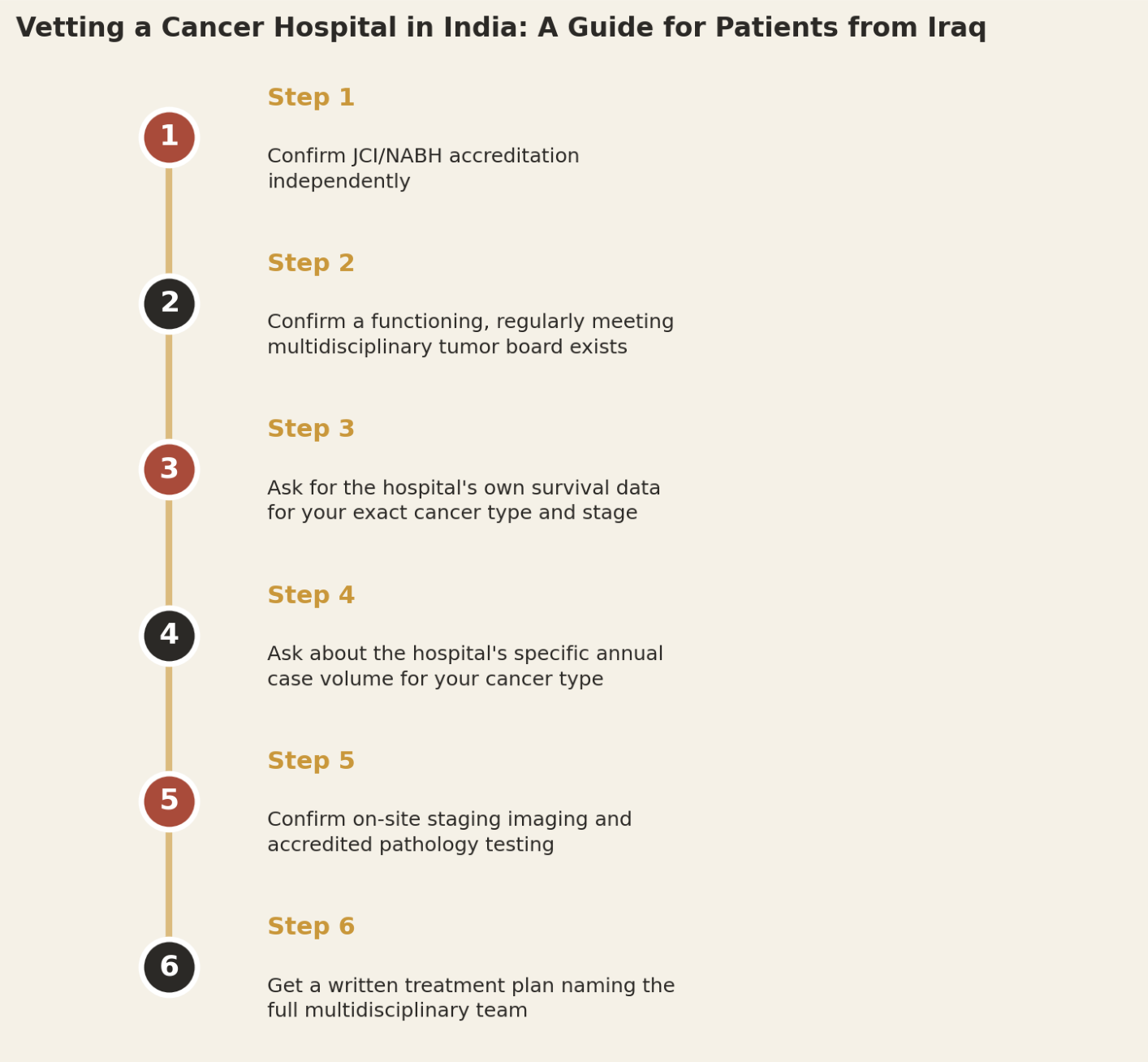
- The central message is that Iraqi patients should compare cancer hospitals on measurable factors rather than choosing solely on reputation or the lowest quoted price. The visual six-step checklist on page 4 reinforces this approach: independently confirm accreditation, verify a functioning tumour board, request survival data for the exact cancer and stage, ask about annual case volume, confirm staging imaging and pathology capabilities, and obtain a written treatment plan naming the multidisciplinary team.
Quick Facts
- Treatment
- Cancer diagnosis, surgery and multidisciplinary oncology care in India
- Primary Patients
- Iraqi patients seeking cancer treatment in India
- Main Speciality
- Oncology and cancer care
- Key Specialists
- Surgical oncologist, medical oncologist, radiation oncologist and pathologist
- Hospital Selection
- Based on diagnosis-specific expertise and hospital-specific outcomes
- Accreditation
- Verify JCI and/or NABH accreditation
- Tumour Board
- Confirm a functioning multidisciplinary tumour board
- Outcome Data
- Ask for five-year survival for the exact cancer type and stage
- Annual Volume
- Ask how many patients with the specific cancer are treated each year
- Treatment Completion
- Check how the hospital supports completion of chemotherapy or radiotherapy
- Diagnostics
- Confirm appropriate staging imaging, including PET-CT where relevant
- Pathology
- Verify the accreditation and capabilities of the pathology laboratory
- Treatment Plan
- Request a written plan naming the multidisciplinary team
- Second Opinion
- A hospital should not discourage an independent second opinion
- Technology
- Confirm that required diagnostic and treatment facilities are available
- Treatment Approach
- Should be based on the specific cancer diagnosis, stage and patient needs
- Primary Selection Factor
- Hospital-specific evidence rather than country-wide reputation
- Patient Preparation
- Share biopsy, pathology, imaging and previous treatment records before travel
- Follow-Up
- Confirm how treatment completion and follow-up will be coordinated after returning to Iraq
- Author
- Dr. Dheeraj Bojwani
- Experience
- 24+ Years
In Brief
For Iraqi patients seeking cancer treatment in India, the most useful selection process is to evaluate the hospital and cancer team against specific, verifiable criteria. The source recommends checking JCI/NABH accreditation, confirming a regularly functioning multidisciplinary tumour board, asking for hospital-specific five-year survival data for the exact cancer type and stage, reviewing annual case volume, confirming appropriate staging and pathology facilities, and obtaining a written treatment plan from the full oncology team. The page 2 comparison chart demonstrates why this approach matters, showing different five-year survival figures for the same cancer across Indian settings: 61% at a tertiary cancer centre, 64% in a hospital-based Mumbai study and 30.3% in population-based Punjab data.
Why the Choice of Cancer Hospital in India Matters as Much as the Choice of Country
Based on my interactions with international patients, the single clearest illustration of this comes from India’s own published data. For prostate cancer, one specific tertiary cancer centre in Mumbai reported a five-year overall survival of 61 percent, a Mumbai hospital-based study reported 64 percent, while population-based data from Punjab reported just 30.3 percent for the same disease. This is not a difference between countries, it is a difference between specific hospitals and specific systems of care within the same country, driven by earlier diagnosis, treatment completeness, and access to multidisciplinary care. A national survey of hospitals registered under India’s own National Cancer Registry Programme found that of 172 hospitals that responded, only 137, just under 80 percent, reported having a functioning multidisciplinary tumour board at all. Involvement of a genuine tumour board has been associated with meaningfully better treatment compliance and outcomes. In other words, the country you choose matters far less than the specific hospital, and specifically whether that hospital has the multidisciplinary infrastructure your exact cancer needs.
How Patients from Iraq Can Verify a Cancer Hospital’s Accreditation in India
The fastest filter I recommend to every Iraqi family calling about any cancer diagnosis is verifiable accreditation, not marketing language. Joint Commission International, JCI, audits a hospital’s overall clinical safety systems against the same standard used across the United States and Europe, and is the credential most recognised by international patients specifically. The National Accreditation Board for Hospitals and Healthcare Providers, NABH, is India’s own domestic equivalent, and in my experience of 24 years advising families on this exact decision, a centre holding both marks together is a meaningfully stronger signal than either alone. For cancer treatment specifically, ask one further, very direct question: does this hospital have a functioning multidisciplinary tumour board that actually meets and reviews cases, given that national data shows roughly one in five registered Indian cancer hospitals does not.
The Volume and Experience Metrics That Predict Cancer Treatment Outcomes in India
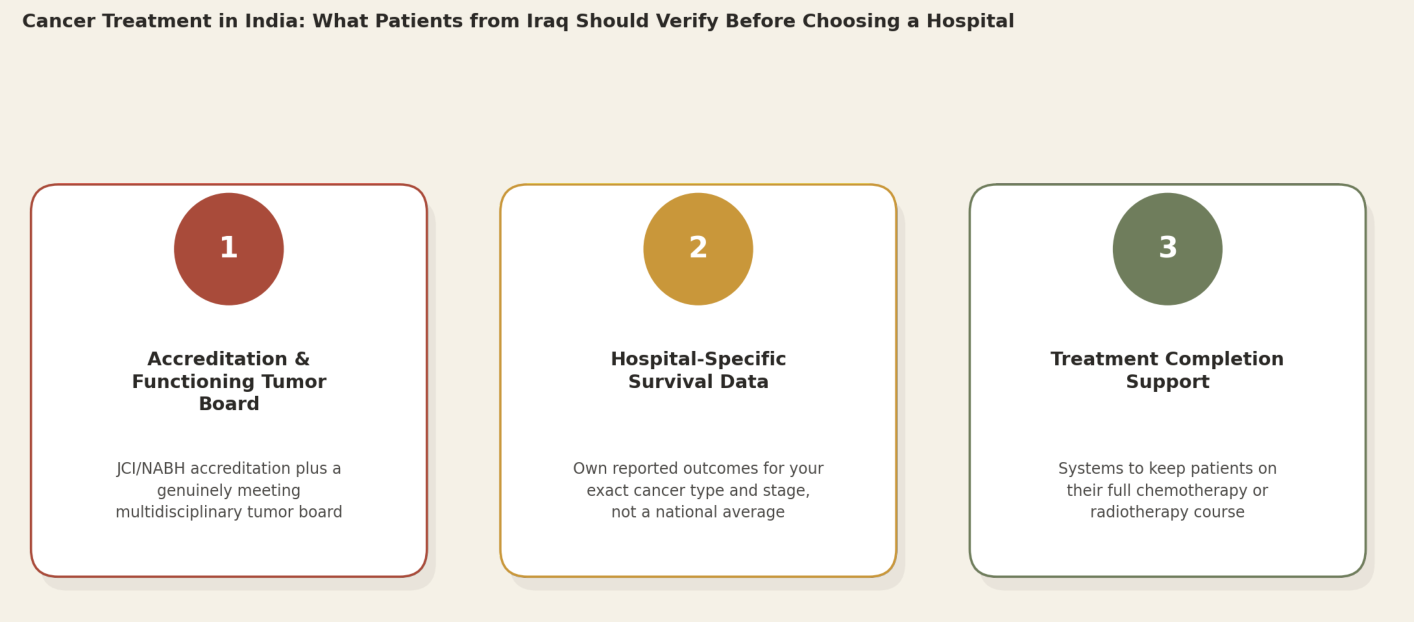
Based on my interactions with dozens of cancer centres over the years, hospital-specific outcome data, not a country-wide average, is what should guide a family’s decision. Ask directly, in writing:
- Does this specific hospital have a functioning, regularly meeting multidisciplinary tumour board that will review your exact case before treatment begins?
- What is the hospital’s own reported five-year survival rate for your specific cancer type and stage, not a general cancer statistic?
- How many patients with your specific cancer type does this hospital treat annually, and how does that compare with other centres you are considering?
- What percentage of patients here complete their full recommended treatment course, since incomplete treatment has been directly linked to substantially worse survival in published Indian data?
A hospital confident in its own outcomes will answer these specifically and promptly. A hospital that responds only with general reassurance about India’s overall cancer care reputation, rather than its own specific numbers, deserves a second opinion before you commit.
Questions Patients from Iraq Should Ask About the Cancer Team in India
Cancer treatment is never genuinely the work of one doctor alone. In my experience of 24 years watching cancer programmes operate, the strongest ones bring together a surgical oncologist, a medical oncologist to manage chemotherapy and targeted therapy, a radiation oncologist for cases needing radiotherapy, and a dedicated pathologist to confirm the precise diagnosis and staging that determines everything that follows. Ask specifically who fills each of these roles for your case, and confirm directly that your case will be presented and discussed at an actual tumour board meeting, with more than one specialist weighing in, rather than a single doctor deciding the plan independently.
Cancer Diagnostic and Treatment Technology Standards in India That Patients from Iraq Should Check
The specific technology and infrastructure available changes what a hospital can safely offer. Ask whether accurate staging imaging, PET-CT where relevant to your cancer type, is available on-site rather than requiring referral elsewhere and delaying treatment. Ask whether the pathology laboratory processing your biopsy holds its own specific accreditation, since an accurate diagnosis is the foundation everything else depends on. For cancers where completeness of treatment has been shown to matter enormously, ask directly how the hospital supports patients in completing the full recommended course, including chemotherapy cycles and radiotherapy sessions, rather than losing patients to follow-up partway through.
Red Flags Patients from Iraq Should Watch For When Choosing a Cancer Hospital in India
Over the years, certain patterns have become reliable warning signs for me. A hospital that cannot state its own five-year survival rate for your specific cancer type and stage, offering only a general statement about India’s overall cancer care quality, has not given you information you can actually use. A hospital without a functioning, regularly meeting tumour board, given that national data shows this is genuinely missing at a meaningful share of registered Indian cancer centres, is a real gap worth asking about directly. And a hospital that discourages a second opinion before major cancer surgery or treatment is one of the clearest signals a family can receive that something is being rushed.
Vetting a Cancer Hospital in India: A Guide for Patients from Iraq
A Closing Thought for Iraqi Families
A cancer diagnosis deserves a treatment plan built on the specific, verifiable track record of the hospital and team in front of you, not on a country’s general reputation or the lowest quoted price. Based on my interactions with international patients over more than two decades, the families who ask about hospital-specific survival data, tumour board function, and treatment completion rates consistently make better-informed decisions than those who choose based on India’s reputation alone. My role, and the role of any advisor a family works with, should be to help you ask these exact questions and confirm honestly that the specific hospital and team in front of you are the right fit for your family’s exact diagnosis. Iraq’s families deserve the same standard of scrutiny in this decision as any family anywhere else in the world.
Sources & Further Reading
- Joint Commission International (JCI) — Accredited Organizations Directory (jointcommissioninternational.org)
- National Accreditation Board for Hospitals & Healthcare Providers (NABH), India (nabh.co)
- Indian Journal of Medical Research — National Cancer Registry Programme, India (ijmr.org.in)
- PubMed Central — Profiling of Tumour Board Characteristics in Indian Cancer Hospitals (pmc.ncbi.nlm.nih.gov)
- BJUI Compass — Survival Outcomes in Cancer Patients Treated at an Indian Tertiary Care Centre (bjui-journals.onlinelibrary.wiley.com)
Frequently Asked Questions by Iraqi Patients about Selecting a Cancer Treatment Surgeon and Hospital in India
Can Iraqi patients receive cancer treatment in India?
Yes. The guide is specifically designed to help patients from Iraq evaluate Indian hospitals and cancer teams before travelling for treatment. The focus is on selecting the right centre for the patient's particular cancer.
How should Iraqi patients choose a cancer hospital in India?
They should compare hospitals using accreditation, tumour board function, cancer-specific survival data, annual case volume, diagnostic facilities and treatment-completion support rather than relying only on reputation or price.
Why is a multidisciplinary tumour board important for cancer treatment in India?
A tumour board allows specialists such as surgical, medical and radiation oncologists and pathologists to review the patient's diagnosis and treatment plan together. Iraqi patients should confirm that the board actually meets and reviews cases.
What cancer survival information should Iraqi patients ask Indian hospitals for?
Patients should ask for the hospital's own five-year survival rate for their exact cancer type and stage. General statistics about cancer treatment in India are less useful for comparing individual hospitals.
How can Iraqi patients assess a cancer surgeon's hospital experience in India?
They should ask how many patients with the same cancer are treated at the hospital each year and request relevant hospital-specific outcome information. The source recommends focusing on measurable experience rather than broad claims of expertise.
Which cancer specialists should be involved in an Iraqi patient's treatment in India?
Depending on the diagnosis, the team may include a surgical oncologist, medical oncologist, radiation oncologist and pathologist. Patients should confirm the responsibilities of each specialist before treatment begins.
Should Iraqi patients check pathology and cancer staging before treatment in India?
Yes. The guide recommends confirming the capability and accreditation of the pathology laboratory and ensuring that appropriate staging investigations, including PET-CT when relevant, are available.
How should Iraqi patients check whether chemotherapy or radiotherapy can be completed properly in India?
They should ask the hospital what systems are in place to keep patients on their recommended chemotherapy or radiotherapy schedule. Treatment completion is specifically identified in the guide as an important factor to verify.
Should Iraqi patients seek a second opinion before major cancer treatment in India?
A second opinion can be an important part of evaluating a major cancer treatment decision. The guide identifies discouraging a patient from seeking a second opinion as a warning sign.
What should Iraqi patients obtain from an Indian cancer hospital before travelling?
They should obtain a written treatment plan identifying the multidisciplinary team and clarifying the proposed treatment pathway. They should also have their medical, pathology and imaging records reviewed so the hospital can assess the case appropriately before treatment.
Page Summary
For Iraqi patients, selecting a cancer hospital in India requires more than comparing hospital names, prices or general reputations. The source places particular emphasis on independently verifying accreditation, tumour board function, cancer-specific outcomes, annual patient volume, diagnostic infrastructure and treatment-completion support. Hospital-specific survival data can differ considerably even within India, making direct comparison of the relevant cancer type and stage especially important.
A suitable cancer programme should provide access to a multidisciplinary team and a clear treatment pathway covering diagnosis, staging, surgery, systemic treatment and radiotherapy when required. Iraqi families should obtain a written treatment plan, ask focused questions about the hospital's experience with their particular cancer and remain alert to red flags such as vague outcome claims, lack of tumour board review or pressure against seeking a second opinion. The source's closing message is that the right decision should be based on the verifiable record of the specific hospital and team rather than India's reputation or the lowest quoted price.
Citation Block
| Field | Details |
|---|---|
| Article / Topic | Selecting the Best Cancer Treatment Surgeons and Hospitals in India |
| Primary Patients | Patients from Iraq |
| Treatment Area | Cancer diagnosis, surgery and multidisciplinary oncology care |
| Main Selection Principle | Evaluate the specific hospital and multidisciplinary team rather than India as a whole |
| Hospital Outcome Data | Hospital-specific cancer outcomes should be requested |
| Illustrative Survival Data | 61% tertiary cancer centre, 64% Mumbai hospital-based study and 30.3% Punjab population-based data for the same cancer |
| Tumour Board Data | 137 of 172 responding hospitals reported a functioning multidisciplinary tumour board |
| Accreditation | JCI and NABH should be independently verified |
| Tumour Board Requirement | Confirm that the board functions regularly and reviews the patient's case |
| Cancer Outcome Question | Ask for five-year survival for the exact cancer type and stage |
| Annual Case Volume | Ask how many patients with the specific cancer are treated annually |
| Treatment Completion | Ask what percentage of patients complete the recommended treatment course |
| Core Cancer Team | Surgical oncologist, medical oncologist, radiation oncologist and pathologist |
| Treatment Coordination | Confirm that specialists discuss the case together |
| Staging Imaging | Confirm appropriate imaging and PET-CT where relevant |
| Pathology | Verify pathology laboratory accreditation and diagnostic capability |
| Chemotherapy Support | Confirm systems supporting completion of all recommended cycles |
| Radiotherapy Support | Confirm systems supporting completion of the prescribed course |
| Red Flag | Hospital cannot provide cancer- and stage-specific survival data |
| Written Documentation | Obtain a written treatment plan naming the full multidisciplinary team |
| Decision Basis | Verifiable hospital and team performance rather than lowest price |
| Source Visual | Page 2 chart compares five-year cancer survival across different Indian settings |
| Selection Checklist | Accreditation, tumour board, survival data, annual volume, diagnostics and written treatment plan |


Our Mission Statement
Our mission is to place patients at the centre of every healthcare decision by providing trustworthy, evidence-based, and unbiased medical information. We believe that informed patients make better decisions. Backed by personalised guidance from our experienced advisory team, we help patients understand their treatment options, compare them objectively, and confidently choose the path that best suits their medical needs and personal circumstances.
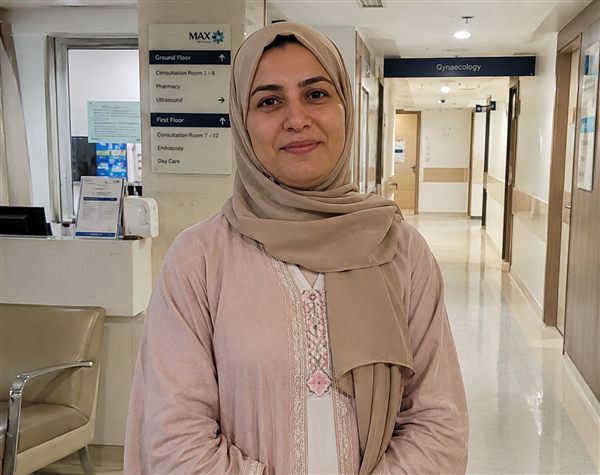
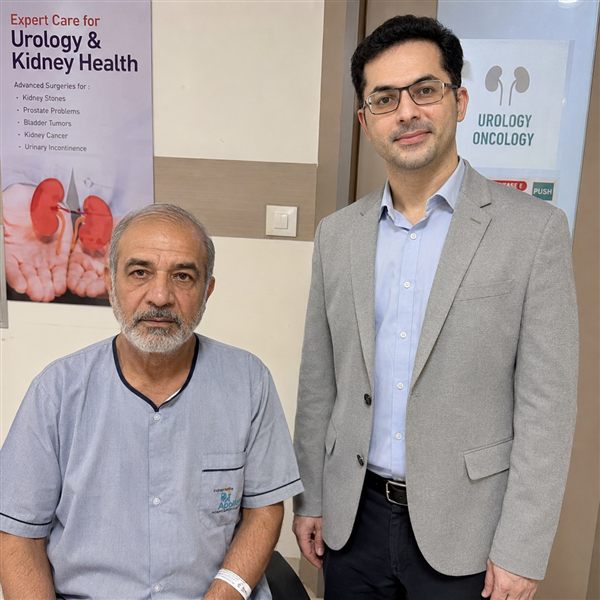
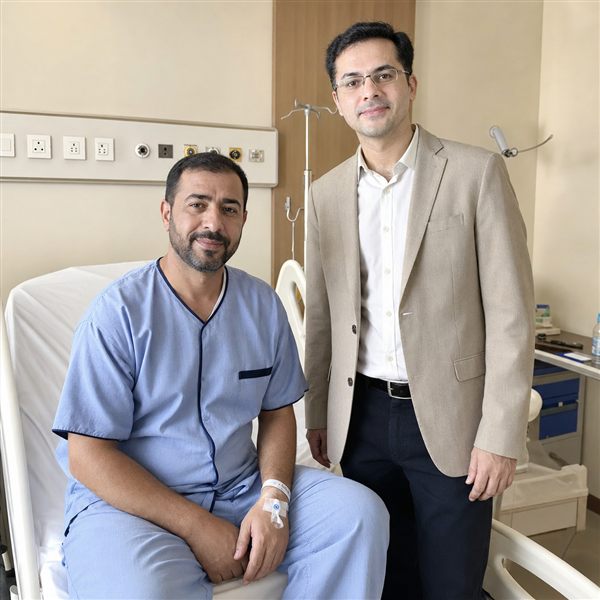
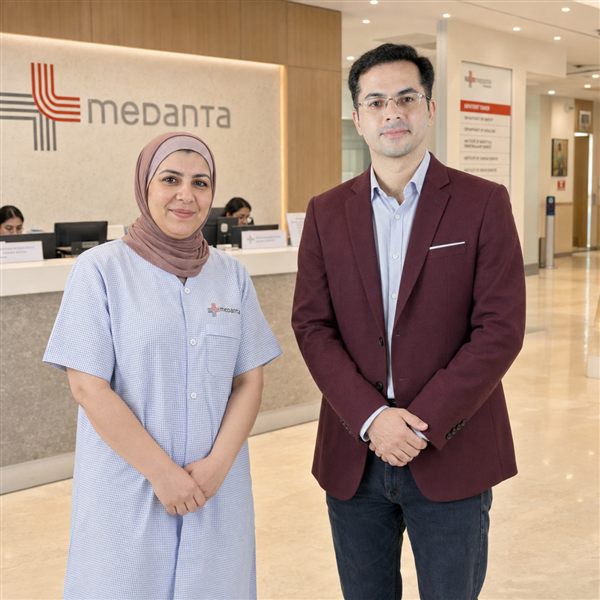
Patient Testimonials from Iraq
Ready to Take the First Step?
Share your Medical Reports with our Healthcare Managers Today and Get a FREE CONSULTATION, a Personalized Treatment Plan, and Complete Support from Arrival to Recovery.
Get Your Free ConsultationAreas We Serve
Indian Health Guru Consultants proudly assists patients from Iraq and surrounding Middle Eastern countries in accessing advanced, affordable and trusted medical treatment in India. Our team provides complete support for medical opinions, hospital selection, treatment planning, visa assistance, travel coordination, accommodation and post-treatment follow-up.
We regularly serve patients from:
- Iraq
- Turkey
- Iran
- Kuwait
- Jordan
- Syria
- Qatar
- Bahrain
- Oman
- Yemen
- Saudi Arabia
- United Arab Emirates
No matter where you are located, our experienced team is committed to making your medical journey to India safe, smooth, transparent and stress-free from the first enquiry to your return home.
From Iraq to India: Your Complete Patient Guide
- Colorectal Cancer Treatment and Surgery in India for Iraqis
- Pancreatic Cancer Surgery in India for Iraqis
- Cardiac Pacemaker Treatment in India for Iraqi Patients
- IVF and Fertility Treatment in India for Iraqis
- Hip Surgery in India for Iraqis
- Heart Valve Replacement in India for Iraqis
- Complex Joint Revision Surgery in India for Iraqis
- Neurosurgery in India for Iraqis
- Scoliosis Correction Surgery in India for Iraqis
- Shoulder Surgery in India for Iraqis
- Radiotherapy and Modern Cancer Treatment in India for Iraqis
- Cosmetic and Aesthetic Surgery in India for Iraqis
- Knee Surgery in India for Iraqis
- Oral and Maxillofacial Surgery in India for Iraqis
- Neuronavigation and Advanced Brain Surgery in India for Iraqis
- Breast Cancer Treatment in India for Iraqi Patients
- Robotic Cancer Surgery in India for Iraqis
- Leukemia, Lymphoma and Blood Cancer Treatment in India for Iraqis