

15 Frequently Asked Questions : Proton Therapy in India for Bangladeshi Patients
Proton Therapy, also called proton beam radiation therapy, is an advanced form of external-beam radiation treatment that uses positively charged proton particles instead of conventional photon or X-ray beams. A major physical characteristic of proton beams is that their radiation dose can be concentrated at a planned depth, with substantially less exit dose beyond the target compared with conventional photon radiation. This can potentially reduce radiation exposure to nearby healthy tissues in appropriately selected patients. Proton Therapy may be considered for selected cancers, particularly when the tumour is close to sensitive or critical structures and reducing unnecessary radiation exposure could be clinically valuable. It has been used or studied for cancers involving areas such as the brain, head and neck, spine, eye, lung and prostate, among others. However, Proton Therapy is not automatically better than conventional radiation for every cancer or every patient. The appropriate radiation technique depends on tumour location, stage, treatment objective, previous treatment, nearby organs and the expected dose distribution. The National Cancer Institute notes that research continues to compare proton therapy with conventional radiation in different cancers. For Bangladeshi patients considering Proton Therapy in India, treatment planning should begin with a detailed review of pathology, imaging and previous cancer treatment. A radiation-oncology team can then determine whether Proton Therapy provides a meaningful potential advantage over other modern radiation techniques.
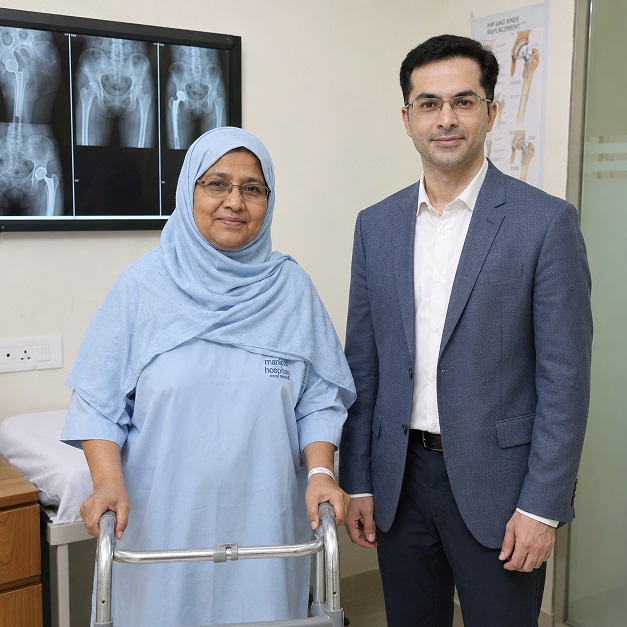
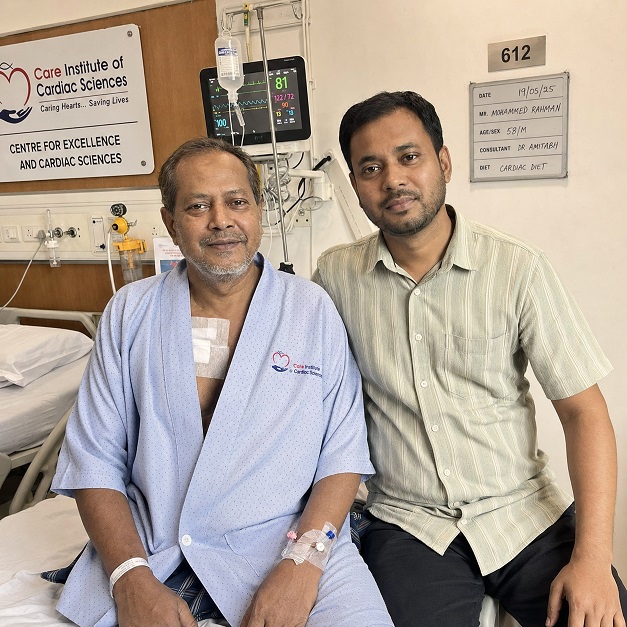
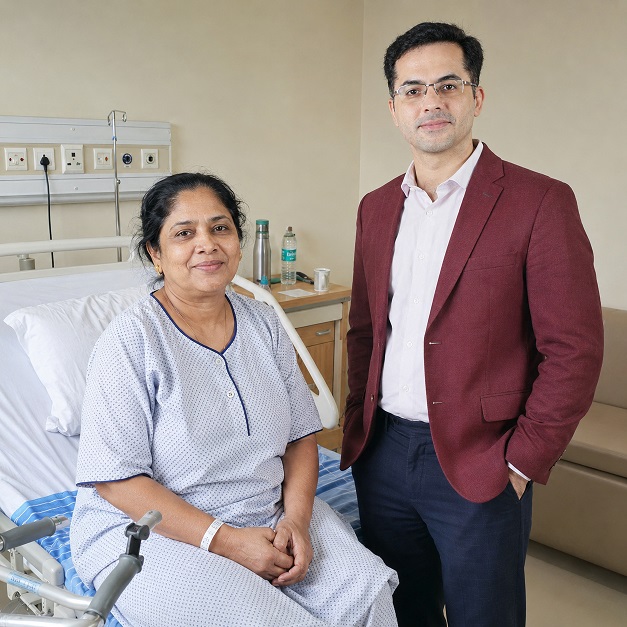
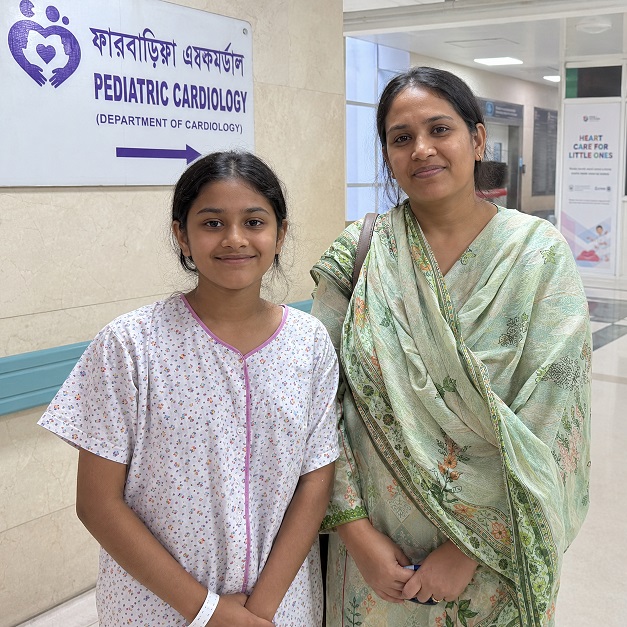
Healing Journeys of Bangladeshi Patients
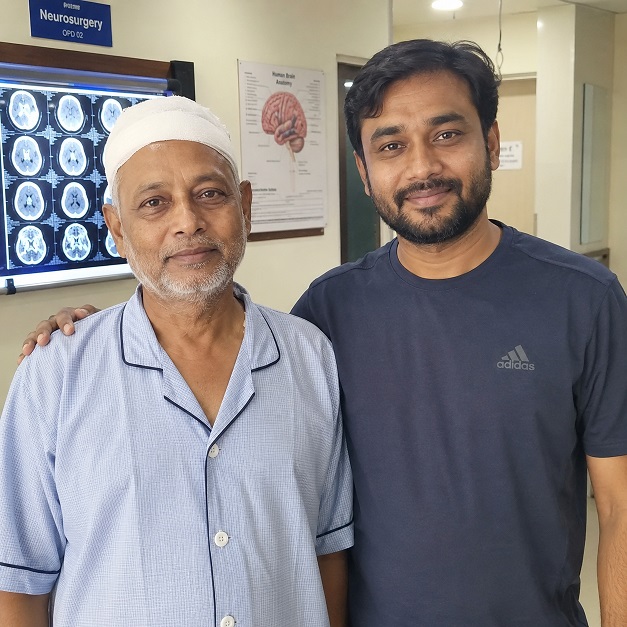
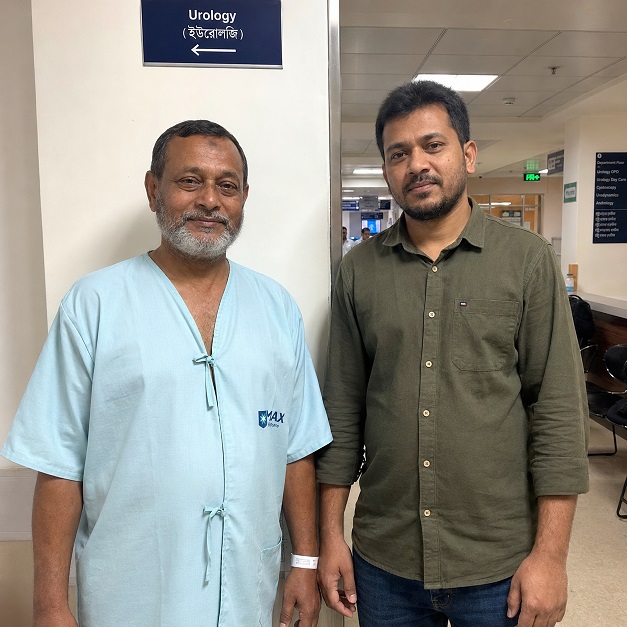
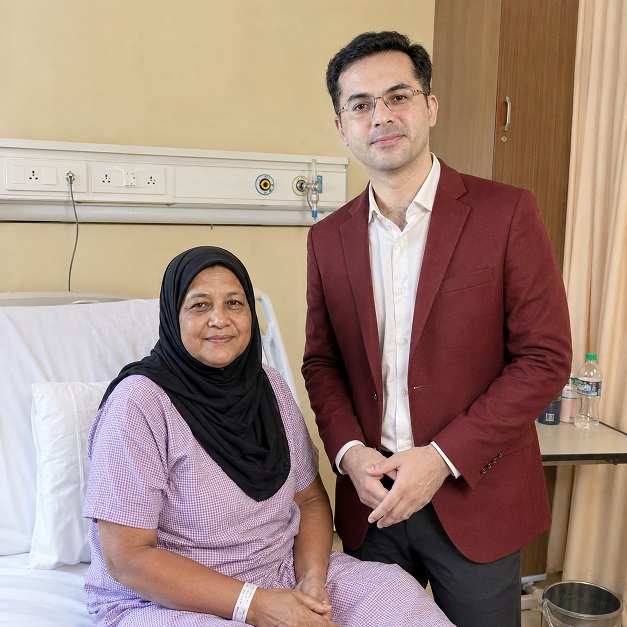

Q1 · What is Proton Therapy?
Proton Therapy is a type of external-beam radiation therapy that uses high-energy protons to deliver radiation to a tumour. Like conventional radiation, Proton Therapy damages the DNA of cancer cells. When the damage is sufficiently severe, cancer cells can stop dividing or die. The major difference is how the radiation dose is deposited.
Conventional Photon Radiation
Photon radiation travels through the body and continues beyond the tumour, exposing tissues along its path and beyond the target.
Proton Radiation
Protons can be planned to deposit much of their radiation dose at a specific depth and then stop, reducing the amount of radiation delivered beyond the target.
This physical property is sometimes called the Bragg peak. The practical objective is to deliver the prescribed dose to the tumour while reducing unnecessary radiation exposure to surrounding normal tissues.
Potential Advantages
For selected patients, Proton Therapy may
- Reduce radiation dose to nearby healthy tissues
- Reduce radiation exposure beyond the tumour
- Help protect critical organs close to the treatment area
- Be useful when tumours are close to sensitive structures
- Be valuable in selected children because of the importance of reducing unnecessary radiation exposure to developing tissues
However, the potential advantage depends on the individual treatment plan. A conventional photon technique such as IMRT or VMAT may provide an equally appropriate or preferable treatment plan for some patients.
Q2 · How much does Proton Therapy cost in Bangladesh compared with India?
Proton Therapy is generally more expensive than many conventional radiation techniques because of the specialised equipment, facility requirements, treatment planning and multidisciplinary infrastructure involved.
The total cost depends on
- Cancer type
- Tumour location
- Treatment objective
- Number of fractions
- Proton treatment technique
- Treatment planning
- Imaging
- Immobilisation
- Anaesthesia where required
- Concurrent chemotherapy
- Hospitalisation
- Additional cancer medicines
- Follow-up
For planning purposes, this guide uses
- US$1 ≈ BDT 122
- US$1 ≈ INR 96
| Treatment / Procedure | Bangladesh Estimated Cost | India Estimated Cost | Potential Saving |
|---|---|---|---|
| Proton Therapy Consultation & Eligibility Assessment | BDT 100,000–250,000 US$820–2,050 | INR 50,000–150,000 US$520–1,565 | Approx. 15%–30% |
| Proton Therapy Treatment Planning & CT Simulation | BDT 300,000–600,000 US$2,460–4,920 | INR 200,000–400,000 US$2,085–4,170 | Approx. 10%–25% |
| Proton Therapy — Standard Treatment Course | BDT 4,000,000–7,000,000 US$32,790–57,375 | INR 2,500,000–4,500,000 US$26,040–46,875 | Approx. 10%–25% |
| Proton Therapy — Complex Treatment Course | BDT 5,500,000–9,000,000 US$45,080–73,770 | INR 3,500,000–6,000,000 US$36,460–62,500 | Approx. 10%–25% |
| Proton Therapy for Paediatric Cancer | BDT 4,500,000–8,000,000 US$36,885–65,575 | INR 3,000,000–5,500,000 US$31,250–57,290 | Approx. 10%–25% |
| Proton Therapy for Brain / Skull-Base Tumours | BDT 4,500,000–8,500,000 US$36,885–69,670 | INR 3,000,000–5,800,000 US$31,250–60,420 | Approx. 10%–25% |
| BDT 4,500,000– INR 3,000,000–Proton Therapy for Head & Approx. 8,000,000 US$36,885– 5,500,000 US$31,250–Neck Cancer 10%–25% 65,575 57,290 |
| INR 3,000,000–Proton Therapy for Spine BDT 4,500,000– Approx. 5,800,000 US$31,250–Selected Thoracic Tumours 8,500,000 US$36,885– 10%–25% 60,420 69,670 |
Potential savings are indicative planning ranges and are not guaranteed. Actual costs can vary substantially according to the treatment centre, cancer type, treatment complexity, number of fractions, treatment planning, medicines, anaesthesia, hospitalisation and associated cancer treatment. Proton Therapy can be substantially more expensive than conventional radiation, and evidence comparing proton and photon treatment continues to develop for different cancer types.
Patients should ask whether the quotation includes
- Proton-oncology consultation
- Radiation-oncology consultation
- Pathology review
- CT simulation
- MRI fusion where required
- Treatment planning
- Dosimetry
- Immobilisation
- Proton treatment sessions
- Image guidance
- Anaesthesia where required
- Concurrent chemotherapy
- Other cancer medicines
- Hospitalisation
- Follow-up consultations
- Additional imaging
Patients should request a detailed written quotation and ask the treatment centre to specify the number of planned fractions and what is included in the total package.
Q3 · Which Indian cities can Bangladeshi patients consider for Proton Therapy?
| City | Proton Therapy / Cancer Treatment Environment |
|---|---|
| Delhi / NCR | Major oncology infrastructure, radiation oncology and multidisciplinary cancer evaluation |
| Advanced oncology evaluation, radiation oncology and cancer Gurugram treatment |
| Oncology consultation, radiation treatment and multidisciplinary Noida cancer services |
| Mumbai Major cancer-treatment infrastructure and advanced radiation oncology |
| Chennai Comprehensive oncology and advanced radiation-treatment services |
| Advanced cancer care, radiation oncology and multidisciplinary Bengaluru treatment |
| Hyderabad Oncology surgery, medical oncology and radiation services |
| Kolkata Cancer diagnosis, chemotherapy, radiation and oncology care |
| Ahmedabad Oncology consultation and radiation-treatment services |
| Pune Cancer diagnosis, radiation oncology and multidisciplinary care |
| Kochi Oncology and radiation-treatment services |
| Thiruvananthapuram Oncology, radiation and cancer-treatment services |
| Goa Cancer evaluation and selected oncology services |
| Nagpur Regional cancer treatment, radiation oncology and oncology services |
For Proton Therapy specifically, Bangladeshi patients should verify the availability of an operating proton facility and confirm that the centre is currently accepting the particular cancer type before making travel arrangements. The choice of city should be based on the patient's diagnosis and the availability of the required proton service rather than city size alone.
Q4 · Which hospitals in India can Bangladeshi patients consider for Proton Therapy and Modern Cancer Treatment?
The following hospitals are part of the established Indian hospital reference list. Because Proton Therapy is a highly specialised service, patients should specifically confirm whether the required proton service is available at the selected centre before travelling.
Delhi Hospitals
- Fortis Escorts Heart Institute, New Delhi
- BLK-Max Super Speciality Hospital, New Delhi
- Max Super Speciality Hospital, Saket
- Indraprastha Apollo Hospitals, New Delhi
- Sir Ganga Ram Hospital
- Max Super Speciality Hospital, Patparganj
- Manipal Hospital, Dwarka
- Fortis Hospital, Vasant Kunj
- Institute of Brain and Spine Hospital
- Dharamshila Narayana Hospital
- Indian Spinal Injuries Centre
- AIIMS New Delhi
Chennai Hospitals
- MGM Healthcare
- MIOT International
- Apollo Hospitals, Greams Road
- Sri Ramachandra Medical Centre
- SIMS Hospital
- Kauvery Hospital
- Gleneagles HealthCity Chennai
- Vijaya Hospital
- Apollo Speciality Hospitals
- Rela Hospital
Mumbai Hospitals
- Bombay Hospital & Medical Research Centre
- Lilavati Hospital & Research Centre
- Jaslok Hospital & Research Centre
- Gleneagles Hospital, Mumbai
- Nanavati Max Super Speciality Hospital
- Kokilaben Dhirubhai Ambani Hospital
- P. D. Hinduja Hospital & Medical Research Centre
- Sir H. N. Reliance Foundation Hospital
- Wockhardt Hospitals, Mumbai
- Apollo Hospitals, Mumbai
Bengaluru Hospitals
- Manipal Hospital, Old Airport Road
- Manipal Hospital, Whitefield
- Manipal Hospital, Yeshwanthpur
- Apollo Hospitals, Bengaluru
- Fortis Hospital, Bannerghatta Road
- Aster CMI Hospital
- Sakra World Hospital
- Narayana Health City
- Sagar Hospitals
- Kauvery Hospital, Bengaluru
Hyderabad Hospitals
- KIMS Hospitals
- Yashoda Hospitals
- Apollo Health City
- CARE Hospitals
- Continental Hospitals
- Gleneagles Hospitals, Hyderabad
- Sunshine Hospitals
- Star Hospitals
Gurugram Hospitals
- Fortis Memorial Research Institute (FMRI)
- Medanta – The Medicity
- Artemis Hospital
- Max Hospital, Gurugram
- CK Birla Hospital, Gurugram
- Manipal Hospital, Gurugram
- Paras Health
- Narayana Superspeciality Hospital
Noida Hospitals
- Fortis Hospital, Noida
- Jaypee Hospital
- Max Super Speciality Hospital, Noida
- Yatharth Hospital
- Kailash Hospital
- Metro Hospital & Heart Institute
- Metro Center for Neurosciences
Kolkata Hospitals
- Apollo Multispeciality Hospitals
- AMRI Hospitals
- Fortis Hospital, Anandapur
- Manipal Hospitals, Salt Lake
- Medica Superspecialty Hospital
- Narayana Superspeciality Hospital
- Ruby General Hospital
Pune Hospitals
- Ruby Hall Clinic
- Jehangir Hospital
- Deenanath Mangeshkar Hospital
- Sahyadri Super Speciality Hospital
- Aditya Birla Memorial Hospital
- Manipal Hospital, Kharadi
- Medicover Hospital, Pune
Ahmedabad Hospitals
- Apollo Hospitals, Ahmedabad
- Zydus Hospitals
- Sterling Hospitals
- Shalby Hospitals
- HCG Hospitals
- SAL Hospital
- CIMS Hospital
Kochi Hospitals
- Aster Medcity
- Amrita Hospital
- VPS Lakeshore Hospital
- Rajagiri Hospital
- Aster MIMS
- Lisie Hospital
- Renai Medicity
Thiruvananthapuram Hospitals
- KIMSHEALTH Hospital
- Ananthapuri Hospitals and Research Institute
- SUT Hospital
- SP Medifort Hospital
- PRS Hospital
- GG Hospital
Goa Hospitals
- Manipal Hospital, Goa
- Healthway Hospital
- Manipal Hospitals, Dona Paula
- Goa Medical College and Hospital
- Apollo Victor Hospital
Nagpur Hospitals
- Wockhardt Hospitals, Nagpur
- Alexis Multispeciality Hospital
- CARE Hospitals, Nagpur
- Kingsway Hospitals
- Lata Mangeshkar Hospital
Q5 · What types of Proton Therapy and Modern Cancer Treatments are available?
Proton Therapy itself can be delivered using different technological approaches and treatment-planning methods.
1. Passive Scattering Proton Therapy
An earlier proton-delivery approach that uses scattering systems to spread and shape the proton beam.
2. Pencil Beam Scanning
Pencil beam scanning directs narrow proton beams across the tumour according to the treatment plan.
It can allow highly conformal dose distribution and is particularly useful for selected complex tumour shapes.
3. Intensity-Modulated Proton Therapy
Intensity-modulated proton approaches can vary beam intensity and delivery to create a customised dose distribution.
4. Image-Guided Proton Therapy
Imaging may be used to improve patient positioning and treatment accuracy.
5. Proton Therapy for Brain Tumours
Proton treatment may be considered for selected brain tumours, particularly where reducing radiation to surrounding normal brain or other critical structures is important.
6. Proton Therapy for Skull-Base Tumours
Tumours close to the brainstem, optic structures and other sensitive anatomy may require particularly careful radiation planning.
7. Proton Therapy for Head and Neck Cancers
In selected patients, proton therapy may help reduce radiation exposure to nearby normal structures.
8. Proton Therapy for Spine Tumours
Selected spinal tumours may be considered for proton treatment when the tumour is close to the spinal cord or other critical structures.
9. Proton Therapy for Paediatric Cancers
Children may sometimes be considered for proton therapy because limiting unnecessary radiation exposure to developing tissues can be particularly important.
10. Proton Therapy for Selected Thoracic Cancers
Selected lung and mediastinal tumours may be considered after detailed radiation planning.
11. Proton Therapy for Selected Prostate Cancers
Proton therapy is available as one radiation option for selected prostate cancer patients, although conventional modern photon radiation is also an established treatment option.
12. Proton Therapy Combined with Chemotherapy
Some cancers require radiation and chemotherapy together.
13. Proton Therapy Combined with Surgery
Radiation may be delivered before or after surgery depending on the tumour.
14. Proton Therapy Combined with Other Systemic
Treatment
Selected patients may receive targeted therapy, immunotherapy or hormone therapy according to the cancer.
15. Conventional Advanced Radiotherapy as an
Alternative
Modern photon-based techniques such as IMRT, IGRT, VMAT and stereotactic radiotherapy may provide highly conformal treatment for many cancers.
The appropriate treatment should be determined through comparison of actual radiation plans rather than assuming that Proton Therapy is automatically the preferred option.
Q6 · Who may be suitable for Proton Therapy?
Proton Therapy may be considered when the planned proton dose distribution offers a clinically meaningful potential advantage.
Potential situations include tumours
- Close to critical organs
- Near the brain or spinal cord
- Near the optic structures
- Near the heart
- Near the lungs
- Near other sensitive organs
- In children where reducing unnecessary radiation exposure may be important
- In selected patients requiring re-irradiation
Proton Therapy has been used for cancers involving the brain, eye, head and neck, spine, lung and prostate, among other sites.
Previous Radiation
Patients who have already received radiation require particularly careful assessment.
The previous radiation dose and treatment field must be reviewed before considering additional radiation.
Proton Therapy is not automatically suitable when:
- The tumour is not appropriately located
- Conventional radiation can achieve a comparable or adequate dose distribution
- The expected benefit does not justify the additional cost or travel
- The required proton facility or treatment protocol is unavailable
A radiation oncologist should compare proton and photon treatment plans when the choice is clinically relevant.
Q7 · What tests are required before Proton Therapy?
Proton Therapy planning requires detailed anatomical and cancer information.
Depending on the cancer, investigations may include
- Biopsy
- Histopathology
- Immunohistochemistry
- Molecular testing
- CT scan
- MRI
- PET-CT
- Ultrasound
- Endoscopy
- Blood tests
- Previous radiation records
CT Simulation
A planning CT is generally important for determining
- Tumour location
- Target volume
- Nearby organs
- Patient positioning
- Proton beam path
MRI Fusion
For brain, head-and-neck, spine and other selected cancers, MRI information may be incorporated into treatment planning.
PET-CT
PET-CT may help determine active tumour areas in selected cancers.
Previous Radiation Review
Patients who previously received radiation should provide
- Previous treatment plan
- Total dose
- Fractionation
- Treatment area
- Dose distribution if available
Additional Assessment
Depending on the cancer, the patient may require
- Blood counts
- Kidney-function tests
- Liver-function tests
- Cardiac evaluation
- Pulmonary assessment
- Anaesthesia assessment
- Neurocognitive assessment
The exact tests depend on the cancer and treatment plan.
Q8 · What medical records should Bangladeshi patients send before travelling?
Bangladeshi patients should send a complete cancer-treatment file for preliminary review.
Important documents include
- Biopsy report
- Histopathology report
- Immunohistochemistry report
- Molecular-testing report
- Genetic-testing report where applicable
- CT scan reports
- CT images
- MRI reports
- MRI images
- PET-CT reports
- PET-CT images
- Previous operation reports
- Previous chemotherapy records
- Previous radiation-treatment summary
- Previous radiation dose
- Previous radiation treatment plan if available
- Current medication list
- Blood-test reports
- Discharge summaries
Patients should also provide
- Exact cancer diagnosis
- Cancer stage
- Date of diagnosis
- Current symptoms
- Previous treatment
- Response to treatment
- Current medications
- Previous radiation exposure
- Current oncologist's recommendation
- Known molecular or biomarker results
For patients who have already received radiation, previous treatment information is especially important because the amount and location of prior radiation can affect the safety and feasibility of additional radiation. Where appropriate, pathology slides or tissue blocks may be requested for review.
Q9 · How does Proton Therapy work?
Proton Therapy generally involves several stages.
Step 1: Cancer Diagnosis Review
The oncology team confirms
- Cancer type
- Stage
- Tumour location
- Previous treatment
- Treatment objective
Step 2: Radiation-Oncology Consultation
The radiation oncologist evaluates whether Proton Therapy could provide a meaningful advantage.
Step 3: Comparison with Other Radiation Techniques
The team may compare Proton Therapy with
- IMRT
- VMAT
- IGRT
- Stereotactic radiation
- Other appropriate techniques
The objective is to determine which treatment can deliver the required tumour dose while appropriately limiting exposure to normal tissues.
Step 4: CT Simulation
A planning CT establishes the patient's anatomy and treatment position.
Step 5: Treatment Planning
The radiation team determines
- Target volume
- Proton beam direction
- Dose
- Fractionation
- Organs at risk
- Beam arrangement
Step 6: Quality Assurance
The treatment plan undergoes technical verification before treatment begins.
Step 7: Proton Treatment
The patient is positioned on the treatment table and the proton beam is delivered according to the approved plan.
The machine generally does not touch the patient.
Step 8: Monitoring
The radiation team monitors
- Positioning
- Treatment tolerance
- Side effects
- Clinical status
Step 9: Follow-Up
After treatment, the patient may require
- Imaging
- Oncology review
- Blood tests
- Additional systemic therapy
- Rehabilitation
- Long-term surveillance
Q10 · What are the alternatives to Proton Therapy?
Proton Therapy is one of several radiation-treatment options.
IMRT
Intensity-Modulated Radiation Therapy can provide highly conformal photon radiation and is widely used for many cancers.
VMAT
VMAT delivers modulated radiation while the machine rotates around the patient.
IGRT
Image-guided radiation can improve treatment positioning and targeting.
Stereotactic Radiation
For selected tumours, SRS, SRT or SBRT can deliver highly focused radiation over a limited number of treatments.
Brachytherapy
Internal radiation may be appropriate for selected cancers.
Surgery
Some localised tumours may be treated primarily with surgery.
Chemotherapy
Systemic treatment may be used before, after or instead of local treatment depending on the cancer.
Immunotherapy
Selected cancers may respond to immunotherapy.
Targeted Therapy
Molecularly selected cancers may be treated with targeted medicines.
Active Surveillance
Selected low-risk cancers may sometimes be monitored instead of immediately treated.
Why comparison matters
The National Cancer Institute notes that proton therapy may reduce radiation exposure to normal tissues, but research comparing proton and conventional radiation continues across cancer types.
Therefore, patients should ask the radiation team to compare the expected dose distribution and clinical benefits of Proton Therapy with appropriate photon-based treatment.
Q11 · What should Bangladeshi patients ask before accepting a Proton Therapy quotation?
Patients should ask
- What is the exact cancer diagnosis?
- What is the cancer stage?
- What is the treatment objective?
- Why is Proton Therapy being recommended?
- What specific advantage is expected over IMRT or VMAT?
- Has a comparative radiation plan been prepared?
- Which organs are expected to receive less radiation?
- What proton technology will be used?
- Is pencil beam scanning available?
- How many proton treatment sessions are required?
- Is CT simulation included?
- Is MRI fusion included where required?
- Is treatment planning included?
- Is dosimetry included?
- Is image guidance included?
- Are immobilisation devices included?
- Is chemotherapy required?
- Are other cancer medicines required?
- What side effects are expected?
- What additional expenses could arise?
- What happens if treatment needs to be changed?
- How long will the patient need to stay in India?
- When can the patient return to Bangladesh?
- What follow-up imaging is required?
- Can follow-up be coordinated with an oncologist in Bangladesh?
Patients should request a written quotation and treatment plan before travelling.
Q12 · How long should Bangladeshi patients stay in India for Proton Therapy?
The duration depends on the cancer and prescribed proton treatment schedule.
Initial Assessment
Approximately 3–7 days may be required for
- Oncology consultation
- Radiation-oncology consultation
- Pathology review
- Imaging
- CT simulation
- Treatment planning
Proton Treatment
Some patients may receive a relatively short course, while others may require several weeks of daily treatment.
The number of fractions depends on
- Cancer type
- Tumour location
- Treatment objective
- Total prescribed dose
- Fractionation strategy
External-beam radiation is commonly delivered in repeated sessions, although schedules vary significantly by cancer and treatment approach.
International Patients
Bangladeshi patients should allow additional time for
- Treatment planning
- Additional investigations
- Treatment verification
- Medical review
- Side-effect management
- Unexpected schedule changes
Patients should not book a rigid return flight until the treatment team confirms the expected treatment schedule.
Q13 · What is recovery like after Proton Therapy?
Recovery varies according to
- Cancer type
- Treatment site
- Total radiation dose
- Number of fractions
- Concurrent chemotherapy
- Patient's general health
Proton Therapy can still cause radiation side effects because the therapeutic radiation itself can affect normal tissues close to the treatment target.
Possible Side Effects
Depending on the treatment area, patients may experience
- Fatigue
- Skin irritation
- Redness
- Swelling
- Appetite changes
- Nausea
- Local pain
- Headache
- Mouth or throat symptoms
- Difficulty swallowing
- Bowel changes
- Urinary symptoms
- Site-specific effects
The side effects depend heavily on the area being treated.
Brain and Head-and-Neck Treatment
Patients may experience
- Fatigue
- Headache
- Skin changes
- Hair loss in the treatment area
- Mouth or throat discomfort
- Swallowing difficulties depending on the treatment field
Chest Treatment
Possible effects may include
- Fatigue
- Cough
- Chest discomfort
- Difficulty breathing in some cases
Abdominal or Pelvic Treatment
Possible effects may include
- Nausea
- Diarrhoea
- Abdominal discomfort
- Urinary symptoms
Paediatric Patients
Children require particularly careful long-term follow-up because treatment-related effects can sometimes appear months or years after therapy.
Patients should follow the radiation team's instructions regarding
- Skin care
- Nutrition
- Hydration
- Activity
- Medicines
- Follow-up imaging
Q14 · How can follow-up be managed after returning to Bangladesh?
Before returning to Bangladesh, patients should obtain a complete treatment file.
It should include
- Final diagnosis
- Cancer stage
- Proton treatment summary
- Total proton dose
- Number of fractions
- Treatment area
- Treatment technique
- Radiation-plan information where available
- Concurrent chemotherapy details
- Other cancer medicines
- Pathology reports
- Molecular-testing results
- Imaging reports
- Follow-up recommendations
Follow-Up in Bangladesh
Depending on the cancer, follow-up may involve
- Radiation oncologist
- Medical oncologist
- Surgical oncologist
- Imaging specialist
- Other relevant specialists
Follow-up may include
- CT
- MRI
- PET-CT
- Blood tests
- Tumour markers where appropriate
- Clinical examination
Patients should ask the treating team
- When should the first follow-up occur?
- When should imaging be performed?
- Which symptoms require urgent assessment?
- What medicines should continue?
- Is additional chemotherapy required?
- Is additional radiation planned?
Urgent Medical Attention
Patients should seek prompt medical care for
- Severe breathing difficulty
- High fever
- Severe dehydration
- Persistent vomiting
- Severe uncontrolled pain
- Significant bleeding
- Sudden neurological symptoms
- Severe weakness
- Rapid deterioration
Q15 · Should a Bangladeshi patient travel to India for Proton Therapy?
Bangladeshi patients may consider India for Proton Therapy when a specialist determines that proton treatment may provide a meaningful clinical or dosimetric advantage.
Potential situations may include selected
- Brain tumours
- Skull-base tumours
- Head and neck cancers
- Spine tumours
- Eye tumours
- Paediatric cancers
- Lung or thoracic tumours
- Prostate cancers
- Other tumours close to critical structures
Proton Therapy is not automatically preferable for every cancer. The NCI notes that proton therapy can reduce radiation exposure to nearby normal tissue, but comparative evidence is still developing for different cancers and treatment situations.
Before travelling, Bangladeshi patients should compare
- Exact cancer diagnosis
- Cancer stage
- Treatment objective
- Proton eligibility
- Expected benefit over IMRT/VMAT or another technique
- Treatment plan
- Number of fractions
- Expected stay in India
- Total treatment cost
- Additional cancer-treatment requirements
- Follow-up arrangements in Bangladesh
Patients should ideally send their pathology reports, imaging, previous treatment records and previous radiation plans before travelling. The final decision regarding Proton Therapy should be made after individual assessment by an appropriately qualified radiation-oncology team.
Final Bangladeshi Patient Pre-Travel Checklist
Diagnosis and Medical Records
- Biopsy report
- Histopathology report
- Immunohistochemistry report
- Molecular-testing report
- Genetic-testing report where applicable
- CT reports
- CT images
- MRI reports
- MRI images
- PET-CT report
- PET-CT images
- Previous surgery reports
- Previous chemotherapy records
- Previous radiation-treatment summary
- Previous radiation dose and fraction details
- Previous radiation treatment plan where available
- Discharge summaries
- Recent blood-test reports
- Current medication list
Proton Therapy Planning
- Confirm exact cancer type
- Confirm cancer stage
- Confirm treatment objective
- Confirm whether Proton Therapy is appropriate
- Ask why Proton Therapy is preferred
- Ask whether an IMRT / VMAT comparison has been performed
- Ask which organs may receive less radiation
- Confirm proton technology being used
- Confirm number of treatment fractions
- Confirm CT simulation requirements
- Confirm MRI/PET fusion requirements
- Confirm immobilisation requirements
- Confirm whether chemotherapy is required
- Understand expected side effects
Cost and Hospital
- Proton consultation cost confirmed
- Radiation-oncology consultation confirmed
- CT simulation cost confirmed
- Treatment-planning cost confirmed
- Dosimetry cost confirmed
- Proton-session cost confirmed
- Image-guidance cost clarified
- Immobilisation cost clarified
- Anaesthesia cost clarified where applicable
- Chemotherapy cost confirmed
- Other cancer medicines confirmed
- Hospitalisation cost clarified
- Additional-session charges clarified
- Follow-up cost clarified
- Written quotation obtained
Travel
- Valid passport
- Appropriate Indian medical-travel documentation
- Printed medical records
- Digital copies of imaging
- Original pathology documents where available
- Previous radiation records if applicable
- Hospital appointment confirmation
- Accommodation arrangements
- Travel companion where appropriate
- Flexible return-flight arrangements
- Budget for additional treatment days
Follow-Up
- Proton treatment summary
- Total radiation dose
- Number of fractions
- Treatment technique
- Treatment area
- Concurrent chemotherapy details
- Medication schedule
- Follow-up imaging plan
- Next oncology appointment
- Bangladesh follow-up arrangement
- Emergency warning signs understood
Final Note
Proton Therapy in India for Bangladeshi Patients may provide a useful radiation-treatment option for selected cancers, particularly when reducing radiation exposure to nearby healthy tissues or critical structures is an important consideration. The main advantage of Proton Therapy comes from its physical dose-distribution characteristics. Protons can be planned to stop at a selected depth, potentially reducing radiation beyond the tumour. However, this does not mean Proton Therapy is automatically more effective or safer for every patient. The clinical value depends on the individual tumour, anatomy and treatment plan. Bangladeshi patients should therefore ask the radiation-oncology team to explain why Proton Therapy is being recommended and, where appropriate, compare the proposed proton plan with modern photon techniques such as IMRT or VMAT. Patients who have previously received radiation should provide complete previous radiation information before travelling because prior radiation exposure can affect the feasibility and planning of additional treatment. Before travelling to India, patients should obtain a written treatment plan explaining the proposed Proton Therapy technique, number of fractions, expected treatment duration, estimated cost, major exclusions and follow-up arrangements. Right Diagnosis. Right Radiation Oncology Team. Right Treatment Plan.
Page Summary
This guide answers 15 frequently asked questions about proton therapy in India for Bangladeshi patients. It sets out indicative cost ranges in BDT, USD and INR for procedures such as proton therapy consultation & eligibility assessment, proton therapy treatment planning & CT simulation, proton therapy — standard treatment course and proton therapy — complex treatment course, and lists 14 Indian cities and 109 hospitals to research. It also covers treatment options, the medical reports to send before travel, the treatment process, alternatives, quotation questions, expected stay in India, recovery, follow-up care and a pre-travel checklist for patients from Bangladesh.


Our Mission Statement
Our mission is to place patients at the centre of every healthcare decision by providing trustworthy, evidence-based, and unbiased medical information. We believe that informed patients make better decisions. Backed by personalised guidance from our experienced advisory team, we help patients understand their treatment options, compare them objectively, and confidently choose the path that best suits their medical needs and personal circumstances.
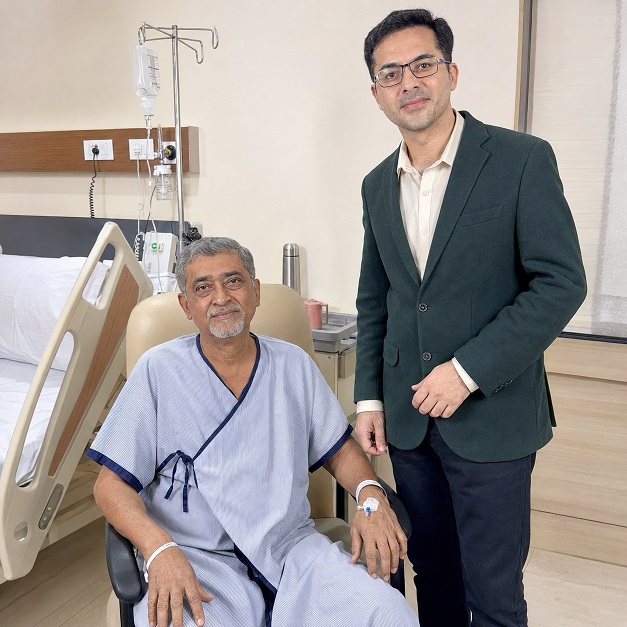
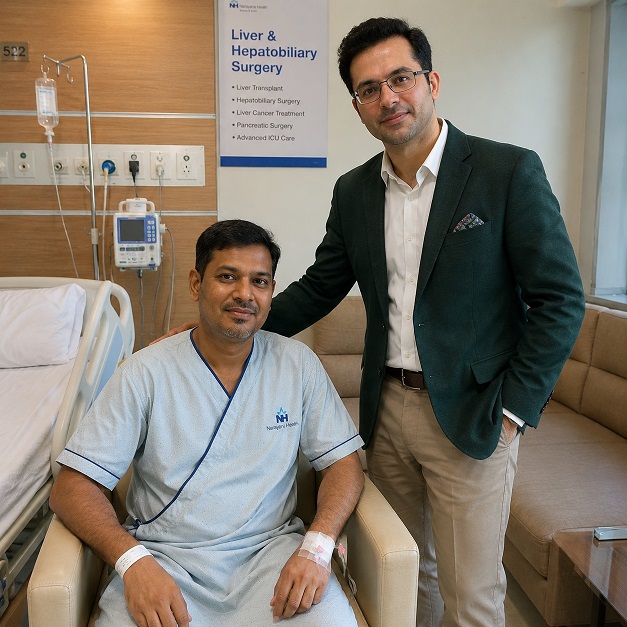
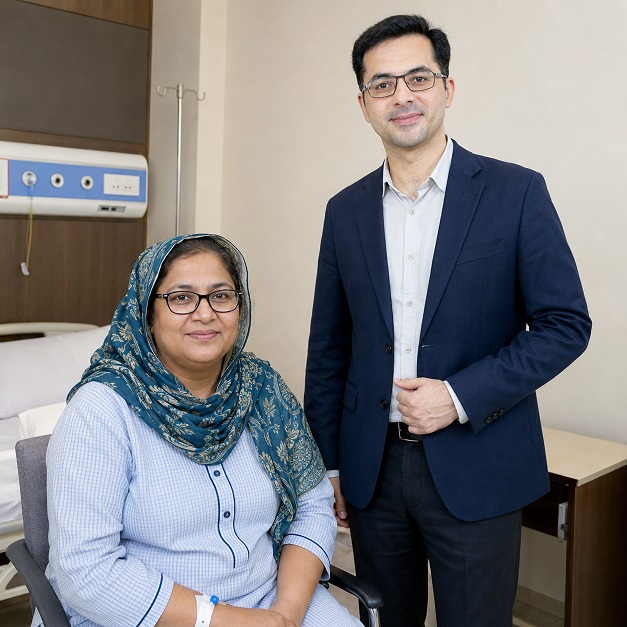
Patient Testimonials from Bangladesh
Ready to Take the First Step?
Share your medical reports with our healthcare managers today and receive a FREE CONSULTATION, a personalized treatment plan and complete support from your arrival to your recovery.
Get Your Free ConsultationFrom Bangladesh to India: Your Complete Patient Guide
- Complex Orthopaedic and Joint Revision Surgery in India for Bangladeshi Patients
- Heart Failure Treatment and Surgery in India for Bangladeshi Patients
- Joint Arthroscopy and Sports Medicine in India for Bangladeshi Patients
- Leukemia, Lymphoma and Blood Cancer Treatment in India for Bangladeshi Patients
- Kidney Transplant in India for Bangladeshi Patients
- Liver Transplant in India for Bangladeshi Patients
- Hip Surgery in India for Bangladeshi Patients
- Knee Surgery in India for Bangladeshi Patients
- Spine Surgery in India for Bangladeshi Patients
- Shoulder Surgery in India for Bangladeshi Patients
- IVF and Fertility Treatment in India for Bangladeshi Patients
- Robotic Cancer Surgery in India for Bangladeshi Patients
- Brain Tumor Treatment in India for Bangladeshi Patients
- Neurosurgery in India for Bangladeshi Patients
- Prostate Cancer Treatment and Surgery in India for Bangladeshi Patients
- Cardiac Surgery in India for Bangladeshi Patients
- Dental Implants and Smile Makeover in India for Bangladeshi Patients
- Weight Loss and Bariatric Surgery in India for Bangladeshi Patients