

Prostate Cancer Treatment and Surgery in India: A Complete Guide for Patients from Bangladesh
A practical guide covering prostate cancer diagnosis, treatment choices, robotic surgery, costs, travel planning and long-term PSA follow-up for Bangladeshi patients seeking treatment in India.
What a Bangladeshi patient and their family should know before choosing a hospital, city and surgeon across the border — costs, process and the questions worth asking before you book a ticket. Prostate cancer is often described as a slow, manageable disease in Western patient information — caught early through routine PSA testing, frequently treated with surveillance alone. That picture does not hold up well across Asia. A multi-centre study of prostate cancer patients across the region found that 58 percent presented with late-stage disease at diagnosis, a pattern the researchers linked to inconsistent screening access and awareness across Asian healthcare systems. Bangladesh has no organised PSA screening programme, and urinary or sexual symptoms are often something men delay discussing with any doctor, let alone a specialist — which means by the time a diagnosis is made, straightforward surveillance is frequently no longer an option on the table. This guide sets out what prostate cancer treatment in India actually involves, what it realistically costs compared with the UK and US, and the practical decisions that separate a smooth trip from a stressful one.
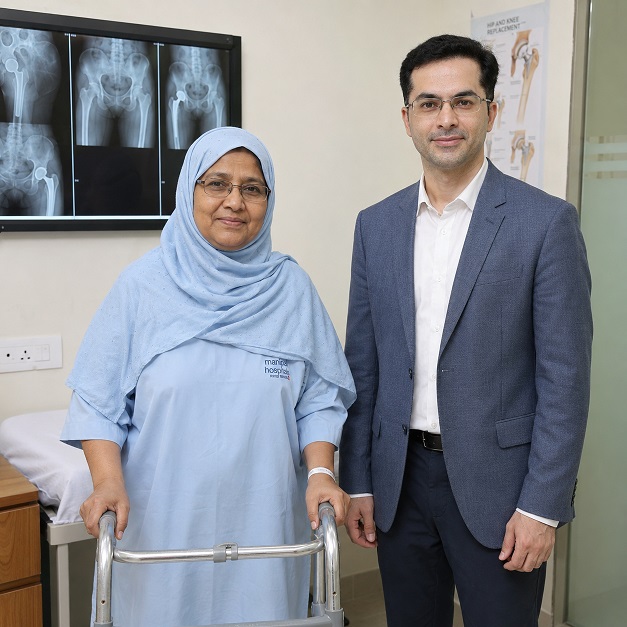
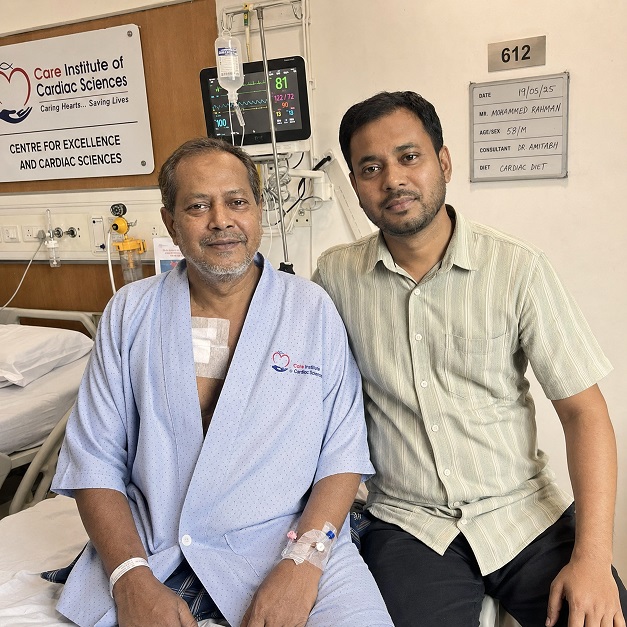
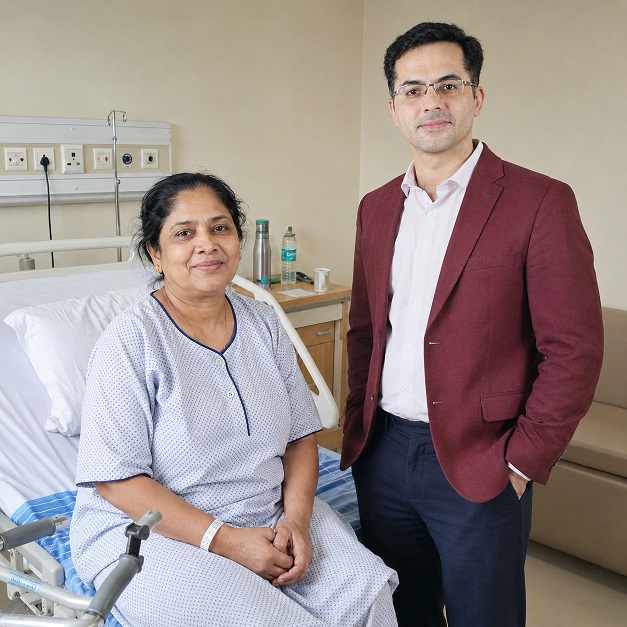
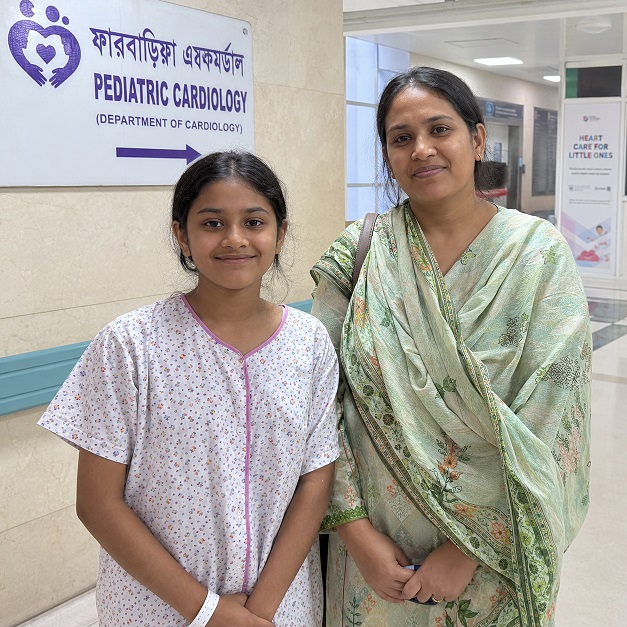
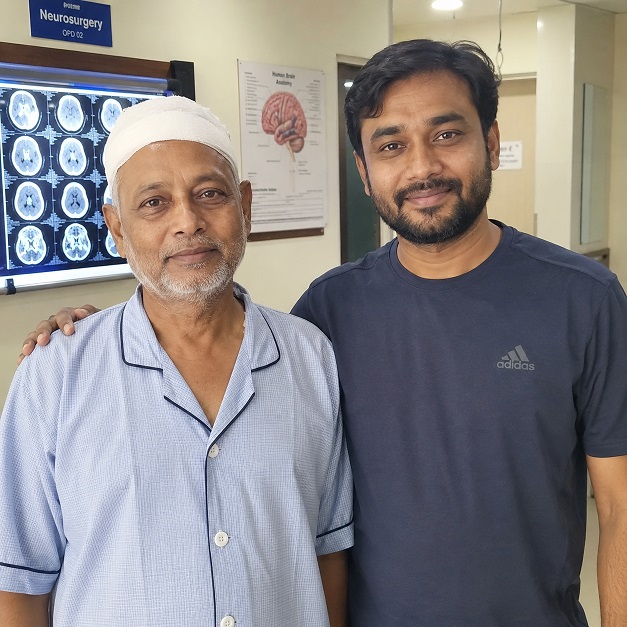
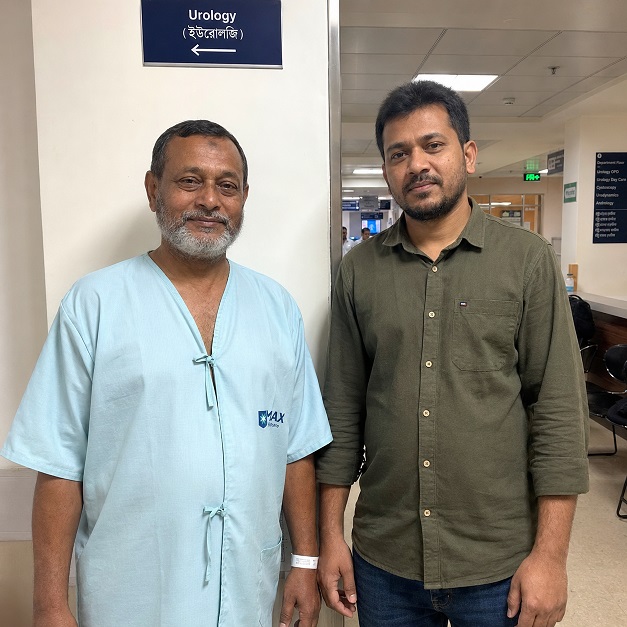
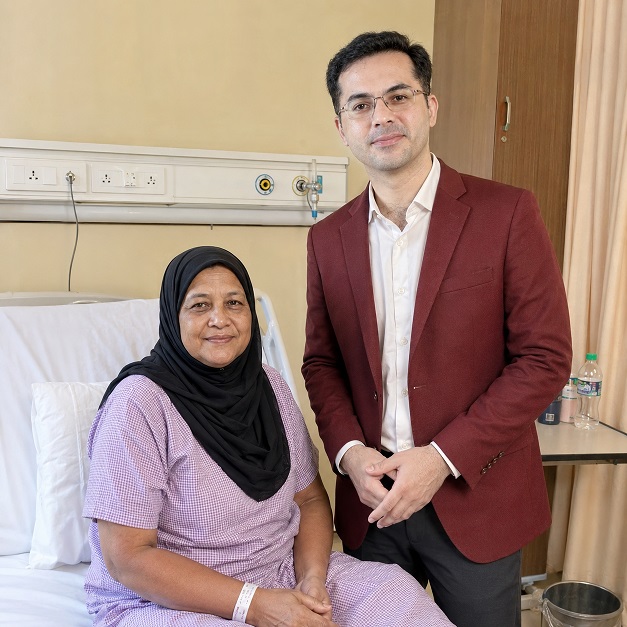
Healing Journeys of Bangladeshi Patients
Key Takeaways
- Prostate cancer treatment depends on the cancer's grade and stage. Treatment is not automatically surgery. Depending on the Gleason score, stage, age and overall health, options may include active surveillance, radical prostatectomy, radiotherapy, brachytherapy or hormone therapy.
- Late diagnosis can influence treatment choices for Bangladeshi patients. The guide cites a regional study in which 58% of prostate cancer patients presented with late-stage disease. Bangladesh also does not have an organised PSA screening programme, making timely evaluation of concerning symptoms important.
- Active surveillance can be appropriate for selected low-risk cancers. Men with very low-risk, slow-growing prostate cancer may be monitored through PSA testing and biopsies rather than receiving immediate surgery or radiation. The decision should be made with a urologic oncologist after appropriate assessment.
- Robotic radical prostatectomy is an important surgical option for suitable patients. The procedure removes the prostate and may be performed using robotic-assisted technology. Where the cancer's location permits, nerve-sparing surgery may help preserve continence and erectile function.
- India offers several treatment approaches within major specialist centres. Centres in Kolkata, Chennai, Delhi and Mumbai may provide robotic prostatectomy, external-beam radiotherapy, brachytherapy and hormone therapy, allowing treatment to be matched to the patient's disease rather than relying on a single available procedure.
- Surgeon experience should be assessed specifically for robotic prostatectomy. Patients should ask about the operating surgeon's personal case volume, experience with nerve-sparing techniques and outcomes, rather than relying only on the reputation of the hospital or its overall urology department.
- Treatment costs in India are considerably lower in the guide's illustrative comparison. Robotic radical prostatectomy is estimated at approximately US$6,500–15,000 in India, compared with US$25,000–45,000 in the UK and US$30,000–80,000+ in the United States. Actual costs vary according to hospital, surgeon, cancer complexity and services included.
- The total financial plan should include travel and continuing care. International patients may spend another approximately US$3,800–7,000 on transport, accommodation and incidental expenses per visit. Patients should also clarify staging scans, robotic-system charges, hospitalisation and the possible need for radiotherapy or hormone therapy.
Quick Facts
- Treatment
- Prostate Cancer Treatment and Surgery
- Country
- India
- Patients
- Bangladeshi Patients
- Key Specialists
- Urologic Oncologist, Urologist and Radiation Oncologist
- Treatment Options
- Active Surveillance, Robotic Prostatectomy, Radiotherapy, Brachytherapy and Hormone Therapy
- Key Assessment
- Gleason Score, Cancer Stage, PSA and Overall Health
- Advanced Technology
- Robotic-Assisted Prostatectomy
- India Cost
- US$6,500–15,000 for illustrative robotic prostatectomy
- UK Cost
- US$25,000–45,000
- US Cost
- US$30,000–80,000+
- Hospital Stay
- Approximately 2–4 days after robotic prostatectomy
- Overall Stay
- Approximately 15–20 days for surgery
- Pre-Travel Assessment
- PSA, biopsy reports and staging information reviewed before travel
- Medical Visa
- Hospital invitation and medical-attendant documentation required
- Follow-Up
- Long-term PSA monitoring in Bangladesh
- Key Selection Factor
- Surgeon-specific robotic prostatectomy experience
- Warning Sign
- Choosing surgery without confirming cancer stage and alternative treatment options
- Author
- Dr. Dheeraj Bojwani
- Experience
- 24+ Years
In Brief
Prostate cancer treatment in India for Bangladeshi patients may involve active surveillance, robotic radical prostatectomy, radiotherapy, brachytherapy or hormone therapy. The most appropriate approach depends on the cancer's Gleason score, stage and the patient's overall health.
What Prostate Cancer Treatment Actually Involves
Not every prostate cancer diagnosis leads straight to surgery, and the right approach depends heavily on the cancer's grade (Gleason score), stage, and the patient's age and overall health. Urologic oncologists generally draw on:
- Active surveillance — close monitoring with regular PSA tests and biopsies for very low-risk, slow-growing cancers, delaying treatment unless the disease shows signs of progressing.
- Radical prostatectomy — surgical removal of the prostate gland, performed as open surgery or, increasingly, using robotic-assisted (da Vinci) technique, which allows smaller incisions and, in suitable cases, nerve-sparing to help preserve continence and erectile function.
- Radiotherapy — external beam radiation delivered over several weeks, or brachytherapy, where radioactive seeds are placed directly into the prostate.
- Hormone therapy (androgen deprivation therapy) — used for locally advanced or metastatic disease, often combined with radiotherapy or newer systemic drugs.
Ask a urologic oncologist for the specific Gleason score and stage, and why one treatment path is being recommended over the alternatives — the right answer depends entirely on how advanced the disease already is at diagnosis.
Why the Regional Diagnostic Gap Matters for Treatment Planning
Because Bangladesh lacks an organised prostate cancer screening programme, and because urinary symptoms in older men are often assumed to be an ordinary part of ageing rather than investigated, many men are not diagnosed until the cancer has already grown beyond the prostate or spread further. This has a direct planning consequence: a family should not assume active surveillance or a straightforward, nerve-sparing surgery will be the recommended path until a urologist has actually staged the disease with imaging and blood tests. It also means that any man over 50 — or over 40 with a family history — experiencing new or worsening urinary symptoms should be encouraged to see a urologist promptly rather than waiting for symptoms to become severe.
Why India Specifically for Prostate Cancer Treatment?
India has become a common destination for Bangladeshi patients seeking urologic oncology treatment abroad. Peer-reviewed research surveying patients directly at the Indian Visa Application Centre in Chittagong found that the decision consistently comes down to a combination of experienced specialist surgeons, hospital quality and cost, rather than any single factor. Several practical advantages reinforce this pattern for prostate cancer specifically:
- High-volume robotic surgery experience in larger urology centres in Kolkata, Chennai, Delhi and Mumbai, including nerve-sparing techniques for suitable candidates.
- A full range of treatment options — surgery, external beam radiotherapy, brachytherapy and hormone therapy — under one roof, so the choice can be matched to the cancer's actual stage rather than to whichever single technique a smaller centre happens to offer.
- Structured long-term PSA follow-up protocols, since prostate cancer surveillance after treatment continues for years, not months.
- Easy connectivity and an established medical-visa system built specifically around Bangladeshi patients, including a dedicated government portal for hospital invitation letters and provision for up to three accompanying attendants.
Advisor's Note — DR. Dheeraj Bojwani
"In 24 years of guiding patients through this decision, the clearest advice I give a Bangladeshi family facing prostate cancer treatment is this: ask directly about nerve-sparing surgery and its effect on continence and erectile function. These are questions many patients feel too uncomfortable to raise, especially with family in the room, but they matter enormously to quality of life afterward, and a good surgeon will discuss them openly rather than waiting to be asked."
Prostate Cancer Treatment India Cost vs Other Countries
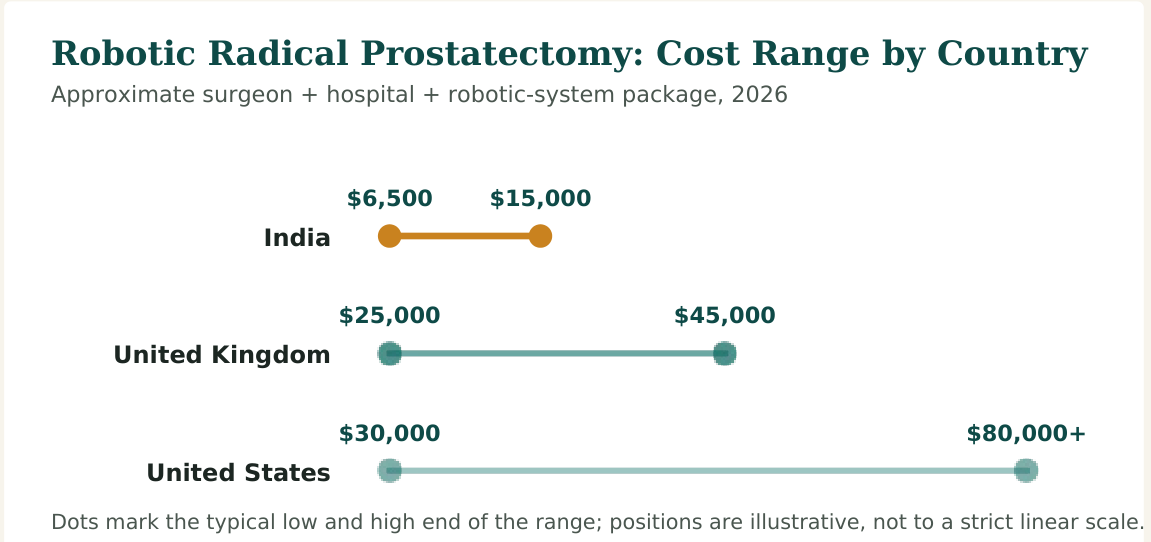
What the Numbers Actually Mean
The headline number matters less than what it includes. A Bangladeshi patient comparing quotes should ask each Indian hospital to confirm whether the figure covers the robotic-system fee, whether a nerve-sparing approach is included where medically appropriate, the full hospital stay rather than just the operating theatre fee, and pre-operative staging tests such as MRI. Radiotherapy, brachytherapy or hormone therapy — needed instead of or alongside surgery for more advanced disease — is almost always priced separately.
Peer-reviewed research on cross-border medical travel found that international patients spend an average of 3,800 to 7,000 US dollars per visit once transport, accommodation and incidental costs are added to treatment itself — a range worth budgeting for on top of the surgery cost shown above. Robotic prostatectomy typically involves a shorter hospital stay than many major surgeries — often just 2 to 4 days — but realistically still requires 15 to 20 days total in India to allow for catheter removal and an initial recovery check before flying.
A note on insurance
Most Bangladeshi health insurance policies do not cover overseas treatment, and Indian hospitals generally expect self-pay or an advance deposit from international patients. Confirm this before travelling rather than after arrival.
The Typical Journey of a Bangladeshi Patient Planning Prostate Cancer Treatment in India
Most Bangladeshi patients follow a broadly similar sequence, whether they travel independently or through a medical-facilitation service. Knowing the shape of it in advance makes each step easier to plan for.
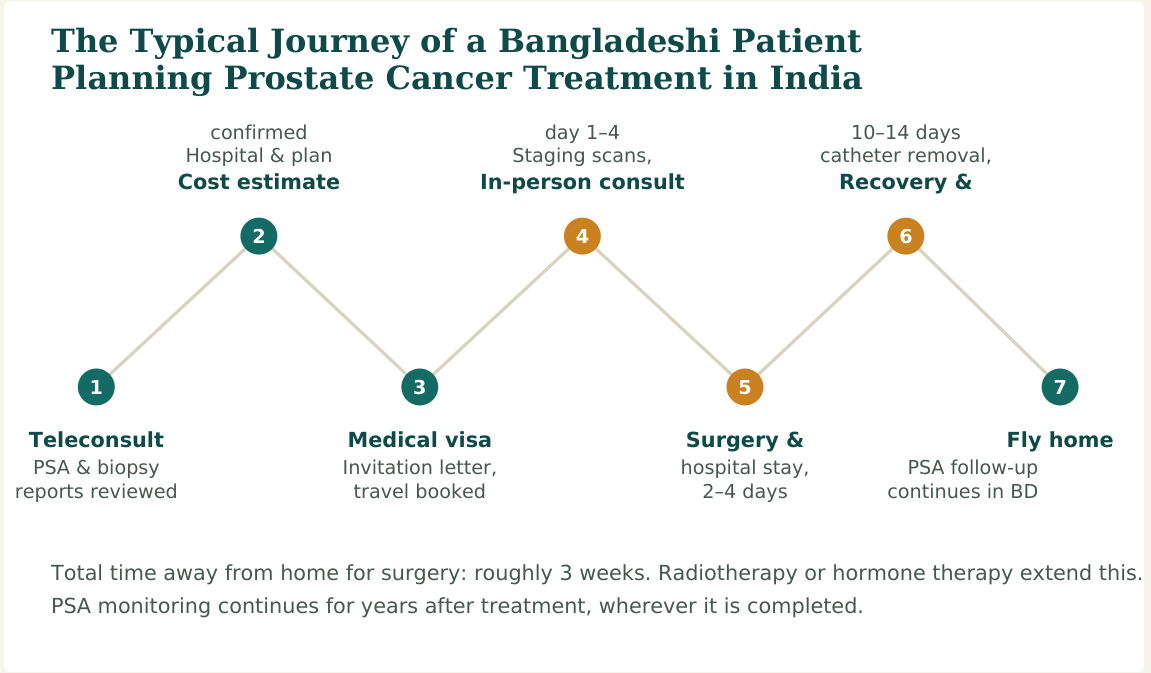
Total time away from home for surgery: roughly 3 weeks. Radiotherapy or hormone therapy extend this. PSA monitoring continues for years after treatment, wherever it is completed.
Factors a Bangladeshi Patient Should Weigh Before Prostate Cancer Treatment in India
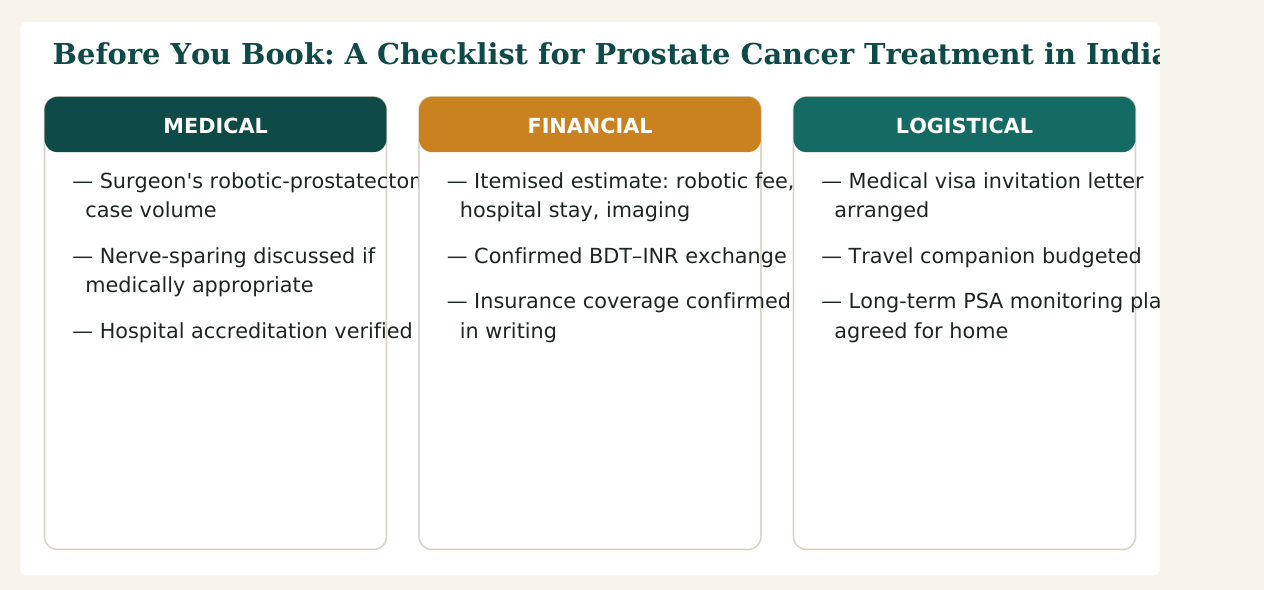
Beyond the surgery itself, the decisions that most affect a patient's experience are logistical and financial rather than purely medical. Consider each of the following before confirming a hospital:
- Which city, not just which hospital. Kolkata is closest and most familiar linguistically; Chennai, Delhi and Mumbai often have a wider choice of high-volume robotic urology centres. Weigh travel time and cost against the specific surgeon's experience.
- The surgeon's personal case volume in robotic prostatectomy — not the hospital's overall reputation. Ask directly how many procedures the operating surgeon performs each year, and their specific experience with nerve-sparing technique.
- Genuine hospital accreditation. Ask whether the hospital holds NABH or JCI accreditation and verify it directly through the accreditation board's own directory rather than taking a brochure's word for it.
- An itemised, written estimate covering the robotic-system fee, hospital stay, and staging imaging, with clarity on what happens financially if radiotherapy or hormone therapy is needed in addition to surgery.
- Medical visa documentation. A formal invitation letter from the treating hospital, submitted through India's official medical-visa channel, is required at the Indian visa centre in Dhaka, Chittagong, Sylhet or Rajshahi.
- A travel companion. Indian hospitals generally expect at least one attendant to stay with the patient; factor their stay, food and local transport into the budget.
- A written long-term PSA monitoring plan for after you return, since surveillance for recurrence continues for years — agree in advance who manages this in Bangladesh.
- An open conversation about continence and sexual function, before surgery, not after — ask what to realistically expect and what support (such as pelvic floor physiotherapy) is available.
Before You Book: A Checklist for Prostate Cancer Treatment in India
About this guide. This article is intended for general information and planning purposes only and does not replace a consultation with a qualified urologist or oncologist. Costs are approximate, change over time, and vary by hospital, city, cancer stage and individual case complexity. Always request a current, written, itemised estimate directly from the hospital before travelling.
A Closing Words
For most Bangladeshi families, India offers a genuine value proposition for prostate cancer treatment: high-volume robotic surgical experience, a full range of options from surveillance through hormone therapy, at a fraction of the cost charged in the UK or US. The value, however, depends entirely on the specifics: an honest staging assessment before assuming any one treatment path, an open conversation about continence and sexual function, a transparent itemised estimate, and a realistic plan for long-term PSA monitoring back home. Patients who ask detailed questions before booking, rather than after arriving, consistently report a smoother experience — medically and financially.
Sources
- 🌐 National Medical Commission of India — statutory body for verifying a doctor's registration and specialist qualifications. · nmc.org.in
- 🌐 National Accreditation Board for Hospitals & Healthcare Providers (NABH) — India's principal healthcare accreditation authority, under the Quality Council of India. · nabh.co
- 🌐 The Malaysia Prostate Cancer (M-CaP) Study. Peer-reviewed study, hosted via NIH/NCBI, on stage at presentation among Asian prostate cancer patients. · pmc.ncbi.nlm.nih.gov/articles/PMC8607241
- 🌐 Determinants of Bangladeshi patients' decision-making process and satisfaction toward medical tourism in India. Peer-reviewed study, hosted via NIH/NCBI. · pmc.ncbi.nlm.nih.gov/articles/PMC10185743
- 🌐 Government of India — Medical Value Travel / e-Medical Visa Portal, Bureau of Immigration, Ministry of Home Affairs — official channel for hospital invitation letters and medical-visa provisions for Bangladeshi nationals. · indianfrro.gov.in/frro/medicalvaluetravel
Frequently Asked Questions by Bangladeshi Patients about Prostate Cancer Treatment and Surgery in India
What prostate cancer treatments are available in India for Bangladeshi patients?
Options may include active surveillance, robotic radical prostatectomy, external-beam radiotherapy, brachytherapy and hormone therapy. The appropriate choice depends on cancer stage, Gleason score and overall health.
How much does robotic prostatectomy cost in India?
The guide gives an illustrative 2026 range of US$6,500–15,000 for robotic radical prostatectomy. Patients should obtain a current itemised quotation directly from the hospital.
Is robotic prostatectomy suitable for every prostate cancer patient?
No. Suitability depends on the cancer's stage, location and the patient's overall health. Some low-risk cancers may be managed through active surveillance, while advanced disease may require radiation or systemic treatment.
What is nerve-sparing prostate surgery?
Nerve-sparing surgery attempts to preserve nerves located close to the prostate when the cancer's position makes this medically appropriate. It may improve the chances of preserving erectile function and continence after surgery.
Why is prostate cancer sometimes diagnosed late in Bangladesh?
The guide notes that Bangladesh does not have an organised PSA screening programme and that urinary symptoms may be mistaken for normal ageing. Regional research cited in the guide found that 58% of patients presented with late-stage disease.
How long should a Bangladeshi patient stay in India after robotic prostatectomy?
The hospital stay is typically around 2–4 days, while the guide recommends approximately 15–20 days overall in India to allow for catheter removal and an initial recovery assessment before returning home.
Can prostate cancer follow-up continue in Bangladesh?
Yes. PSA monitoring continues for years after treatment. The Indian team can provide a follow-up schedule that can be coordinated with a urologist or oncologist in Bangladesh.
Which Indian cities can Bangladeshi prostate cancer patients consider?
The guide highlights Kolkata, Chennai, Delhi and Mumbai as major locations with specialist urology and oncology services. Patients should compare the specific surgeon's experience and treatment capabilities rather than selecting a city solely on convenience.
Does Bangladeshi health insurance usually cover prostate cancer treatment in India?
The guide states that most Bangladeshi health insurance policies do not cover overseas treatment. Patients should verify their individual policy before travelling and confirm the hospital's payment and advance-deposit requirements.
What should a Bangladeshi patient ask before choosing a prostate cancer surgeon in India?
Ask about the surgeon's personal robotic prostatectomy volume, experience with nerve-sparing surgery, cancer staging process, hospital accreditation, treatment alternatives, itemised costs and the long-term PSA follow-up plan.
Page Summary
Prostate cancer treatment in India can provide Bangladeshi patients access to urologic oncology teams offering several treatment approaches, including active surveillance for selected low-risk disease, robotic radical prostatectomy, radiotherapy, brachytherapy and hormone therapy. The guide particularly highlights the importance of determining the cancer's Gleason score and stage before deciding whether surgery is appropriate.
Citation Block
| Field | Information |
|---|---|
| Topic | Prostate Cancer Treatment and Surgery in India |
| Treatment | Robotic Prostatectomy, Radiotherapy, Brachytherapy, Hormone Therapy & Active Surveillance |
| Country | India |
| Patients | Bangladeshi Patients |
| Key Specialists | Urologic Oncologist, Urologist & Radiation Oncologist |
| Treatment Selection | Gleason Score, Cancer Stage, Age & Overall Health |
| Surgical Care | Radical Prostatectomy With Nerve-Sparing Where Medically Appropriate |
| Robotic Surgery | Robotic-Assisted Radical Prostatectomy for Suitable Candidates |
| Radiotherapy | External-Beam Radiotherapy and Brachytherapy |
| Systemic Treatment | Hormone Therapy for Locally Advanced or Metastatic Disease |
| India Cost | US$6,500–15,000 for Illustrative Robotic Radical Prostatectomy |
| UK Cost | US$25,000–45,000 |
| US Cost | US$30,000–80,000+ |
| Pre-Travel Assessment | PSA, Biopsy Reports and Staging Information Reviewed Before Travel |
| Travel Planning | Medical Visa, Hospital Invitation, Attendant and Accommodation |
| Overall Stay | Approximately 15–20 Days for Robotic Prostatectomy |
| Follow-Up | Long-Term PSA Monitoring and Urologic Follow-Up in Bangladesh |
| Key Selection Factor | Personal Surgeon Experience With Robotic Prostatectomy and Nerve-Sparing |
| Warning Sign | Surgery Recommended Without Adequate Staging or Discussion of Alternatives |


Our Mission Statement
Our mission is to place patients at the centre of every healthcare decision by providing trustworthy, evidence-based, and unbiased medical information. We believe that informed patients make better decisions. Backed by personalised guidance from our experienced advisory team, we help patients understand their treatment options, compare them objectively, and confidently choose the path that best suits their medical needs and personal circumstances.
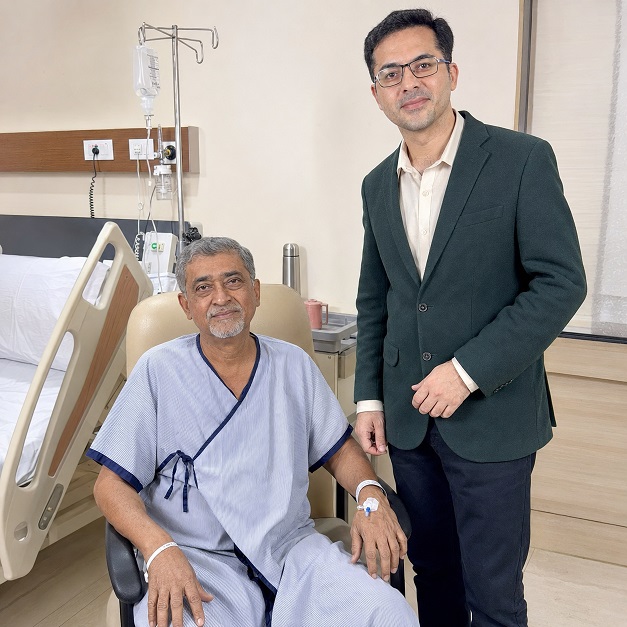
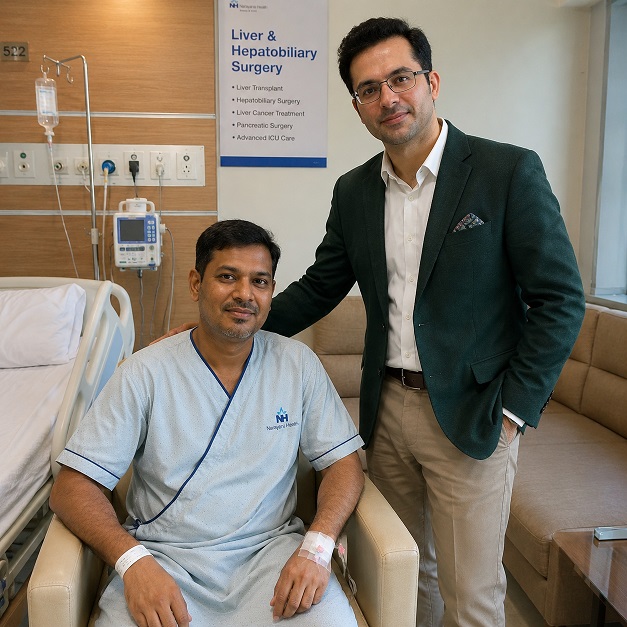
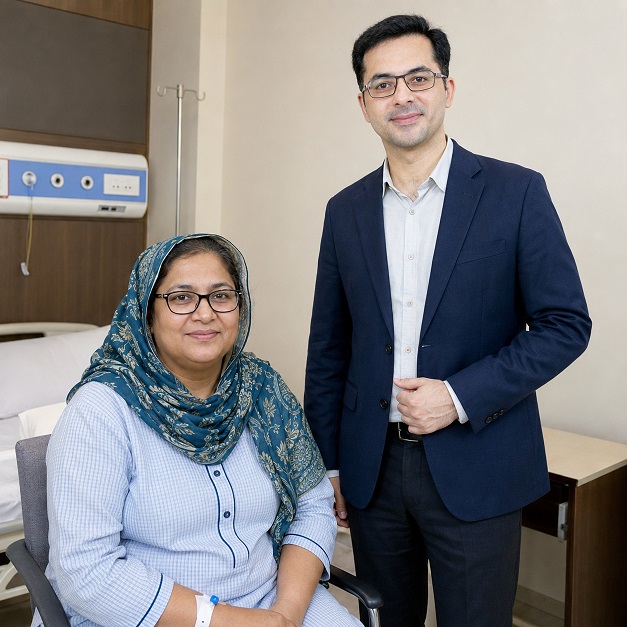
Patient Testimonials from Bangladesh
Ready to Take the First Step?
Share your medical reports with our healthcare managers today and receive a FREE CONSULTATION, a personalized treatment plan and complete support from your arrival to your recovery.
Get Your Free ConsultationFrom Bangladesh to India: Your Complete Patient Guide
- Complex Orthopaedic and Joint Revision Surgery in India for Bangladeshi Patients
- Heart Failure Treatment and Surgery in India for Bangladeshi Patients
- Joint Arthroscopy and Sports Medicine in India for Bangladeshi Patients
- Leukemia, Lymphoma and Blood Cancer Treatment in India for Bangladeshi Patients
- Kidney Transplant in India for Bangladeshi Patients
- Liver Transplant in India for Bangladeshi Patients
- Hip Surgery in India for Bangladeshi Patients
- Knee Surgery in India for Bangladeshi Patients
- Spine Surgery in India for Bangladeshi Patients
- Shoulder Surgery in India for Bangladeshi Patients
- IVF and Fertility Treatment in India for Bangladeshi Patients
- Robotic Cancer Surgery in India for Bangladeshi Patients
- Brain Tumor Treatment in India for Bangladeshi Patients
- Neurosurgery in India for Bangladeshi Patients
- Prostate Cancer Treatment and Surgery in India for Bangladeshi Patients
- Cardiac Surgery in India for Bangladeshi Patients
- Dental Implants and Smile Makeover in India for Bangladeshi Patients
- Weight Loss and Bariatric Surgery in India for Bangladeshi Patients