

Heart Failure Treatment and Surgery in India: A Complete Guide for Patients from Bangladesh
What a Bangladeshi patient and their family should know before choosing a hospital, city and cardiac team across the border — costs, process and the questions worth asking before you book a ticket.
Heart failure quietly accounts for a remarkable share of cardiac hospital admissions in Bangladesh. A review of over 14,000 patients admitted to a major cardiac hospital in Dhaka found that nearly one in seven — almost 2,000 patients — were admitted specifically for heart failure, with coronary artery disease the leading underlying cause. Despite this substantial burden, a separate review of the country's cardiovascular disease landscape noted that reliable data on heart failure's true prevalence at the community level in Bangladesh remain almost non-existent, meaning the true scale of the problem outside hospital walls is likely still underestimated. This guide sets out what heart failure treatment and surgery in India actually involve, what it realistically costs compared with the UK and US, and the practical decisions that separate a smooth trip from a stressful one.
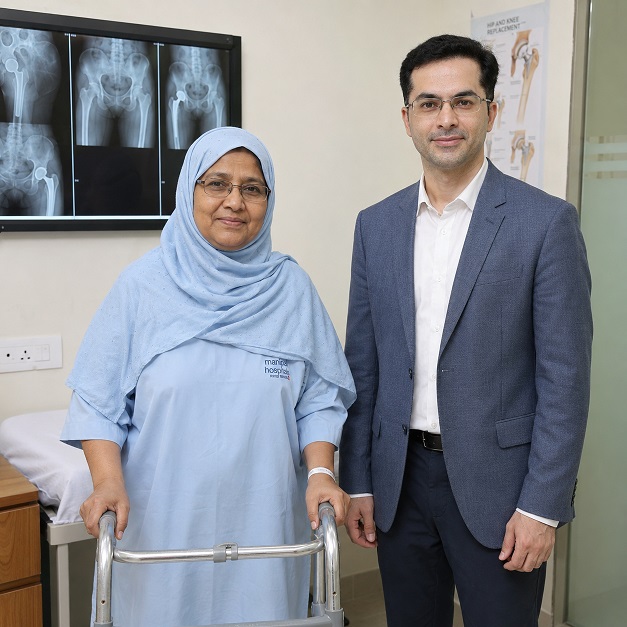
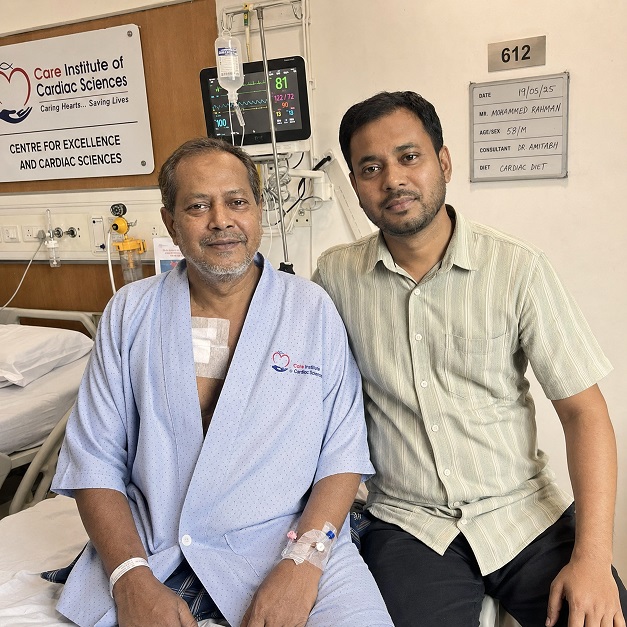
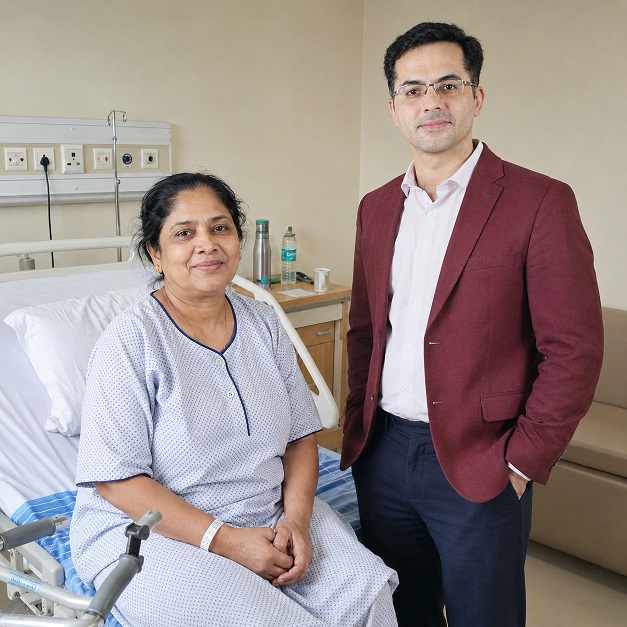
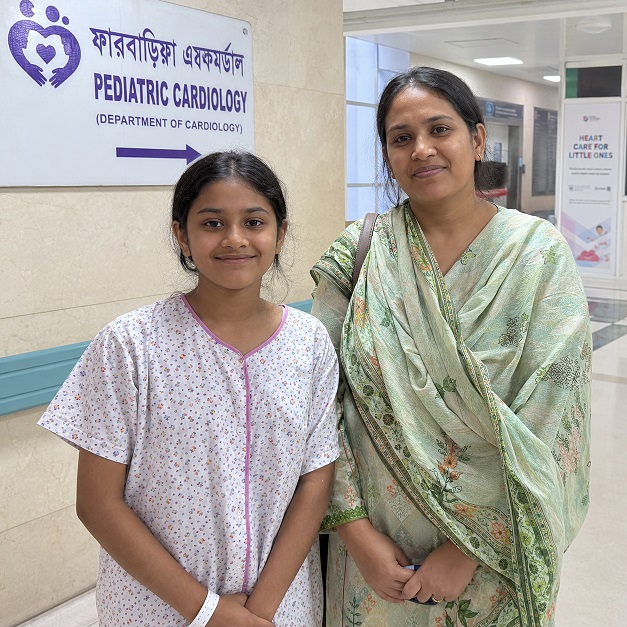
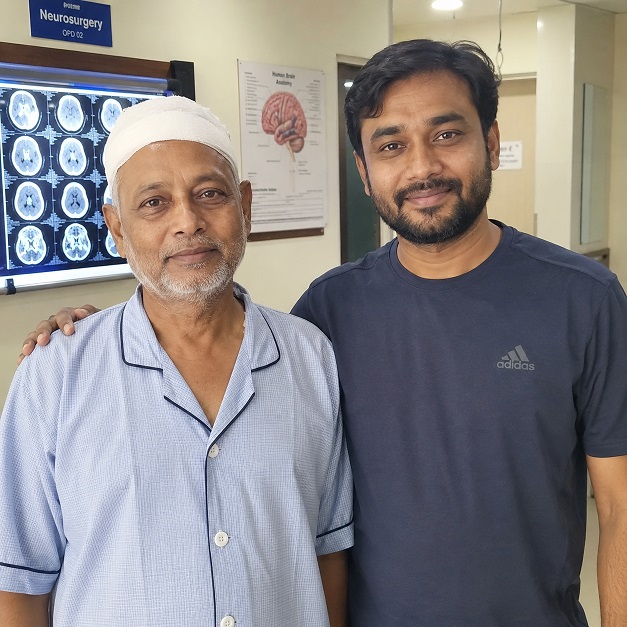
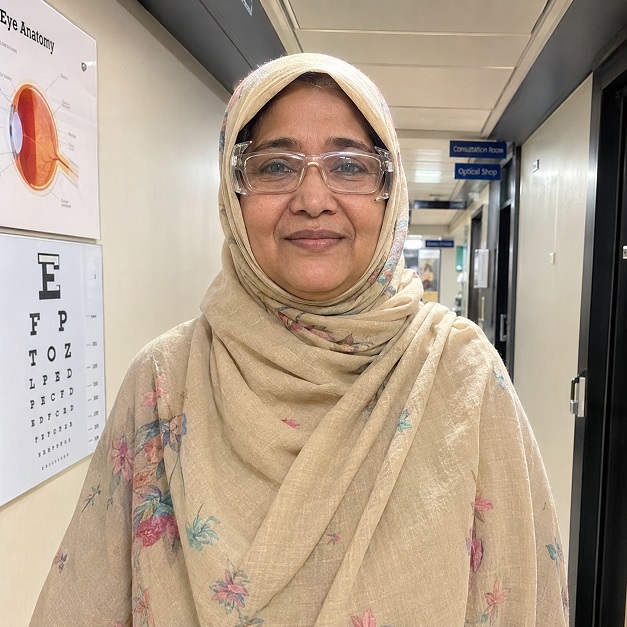
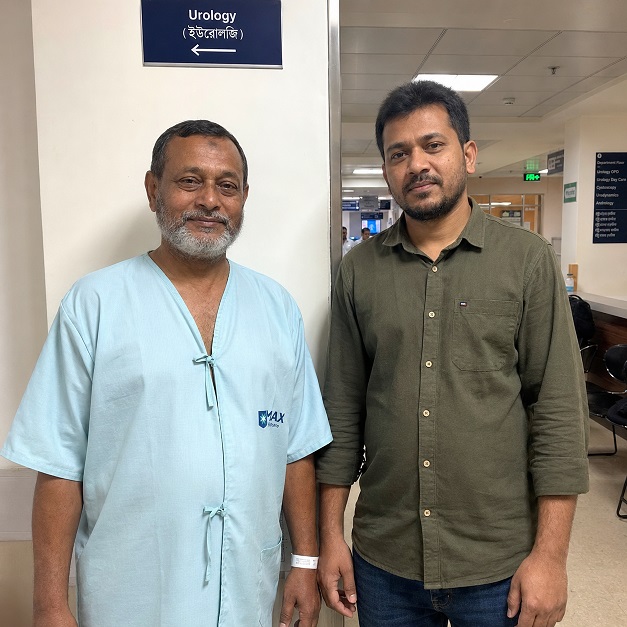
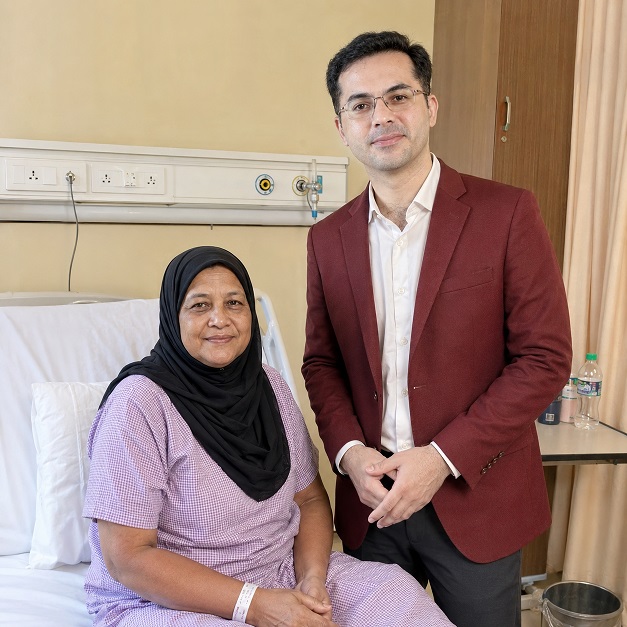
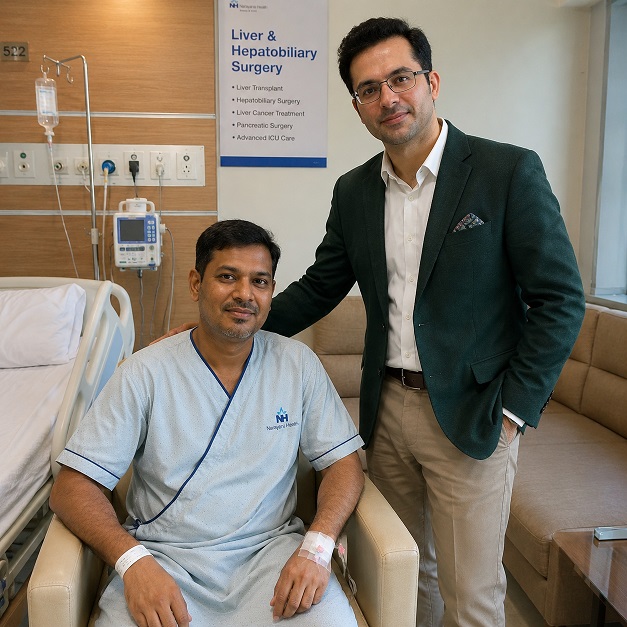
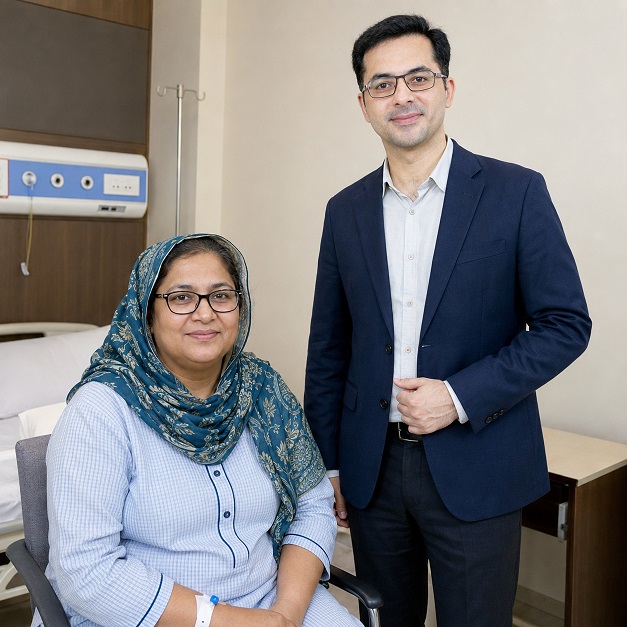
Healing Journeys of Bangladeshi Patients

Key Takeaways
- Heart failure occurs when the heart cannot pump blood as effectively as the body needs. The guide emphasises identifying and treating the underlying cause rather than focusing only on symptom management.
- A review of more than 14,000 patients admitted to a major cardiac hospital in Dhaka found that nearly one in seven, or almost 2,000 patients, were admitted specifically for heart failure. Coronary artery disease was identified as the leading underlying cause.
- Treatment generally begins with guideline-directed medical therapy, which forms the foundation of heart failure care. Depending on the cause and severity, treatment may also include coronary revascularisation, valve repair or replacement, CRT, LVAD or heart transplantation.
- The guide strongly recommends confirming whether coronary artery disease has been properly investigated. When blocked coronary arteries are contributing to heart failure, bypass surgery or angioplasty may address an important underlying cause and potentially improve heart function.
- CRT is intended for selected patients with specific electrical conduction abnormalities. The guide distinguishes CRT-P, a resynchronisation pacemaker, from CRT-D, which combines resynchronisation with defibrillation capability.
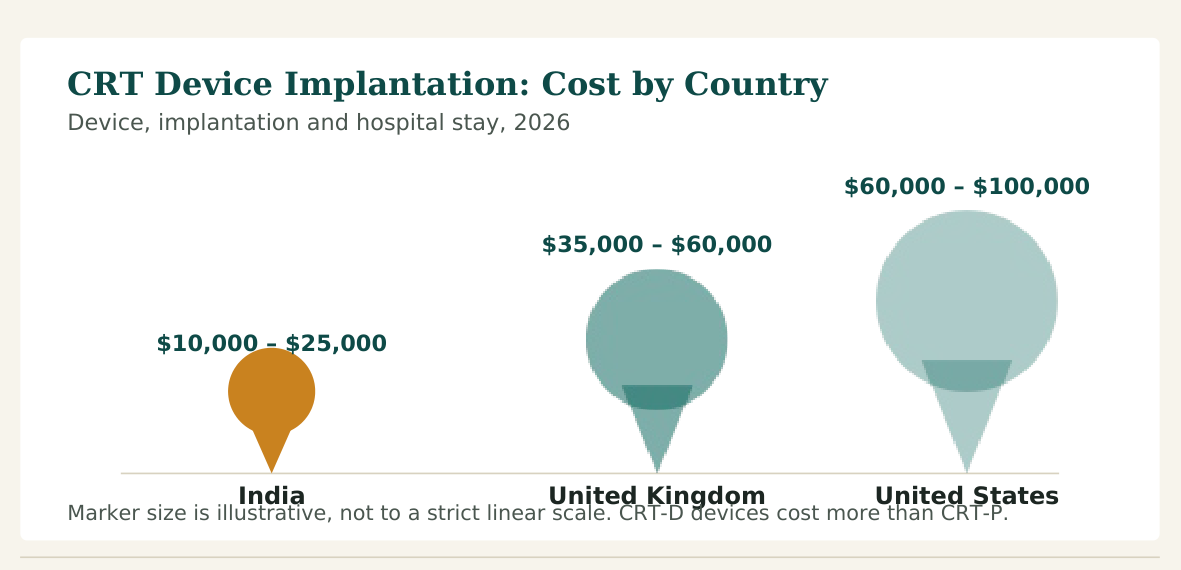
- The cost chart on page 3 estimates CRT device implantation at US$10,000–25,000 in India, compared with US$35,000–60,000 in the UK and US$60,000–100,000 in the United States. CRT-D devices, additional revascularisation and complex cases may increase costs.
- International patients may need an additional US$3,800–7,000 per visit for transport, accommodation and incidental expenses. Device implantation alone typically requires approximately 7–10 days in India, although combined procedures may require a longer stay.
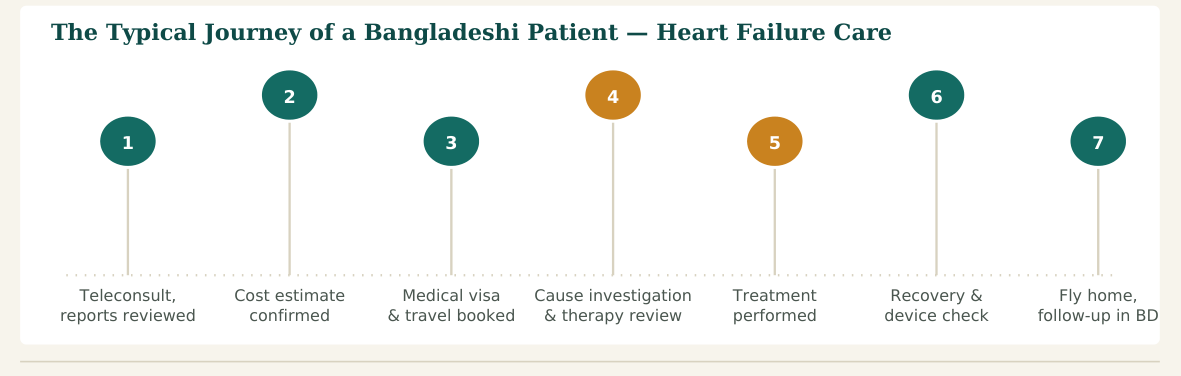
- The seven-stage journey on page 4 covers teleconsultation, cost confirmation, medical visa and travel, investigation of the underlying cause, treatment, recovery and device checking, followed by return to Bangladesh and continuing follow-up.
- The guide also emphasises that ongoing heart failure care does not end after treatment in India. Patients should return to Bangladesh with a written long-term management plan, covering continued medication, monitoring and lifestyle management, while follow-up can be coordinated with a cardiologist in Bangladesh.
Quick Facts
- Treatment
- Heart Failure Treatment and Surgery
- Primary Patients
- Bangladeshi patients seeking advanced heart failure care in India
- Main Treatment Options
- Medical therapy, coronary revascularisation, CRT, valve repair or replacement, LVAD and heart transplant
- Key Cause to Investigate
- Coronary artery disease is the leading identified cause among hospitalised Bangladeshi patients in the cited study
- CRT Cost in India
- US$10,000–25,000
- UK Cost
- US$35,000–60,000 for CRT device implantation
- US Cost
- US$60,000–100,000 for CRT device implantation
- Typical Device Stay
- Approximately 7–10 days
- Additional Travel Budget
- Approximately US$3,800–7,000 per visit
- CRT-P vs CRT-D
- CRT-P provides resynchronisation; CRT-D combines resynchronisation with defibrillation
- Key Specialist
- Cardiologist / Heart Failure Specialist
- Main Cities
- Kolkata, Chennai, Delhi and Mumbai
- Hospital Check
- Verify NABH or JCI accreditation directly
- Cost Check
- Confirm device type and whether additional revascularisation is included
- Follow-Up
- Long-term medication, monitoring and heart failure management continue after returning to Bangladesh
- Author
- Dr. Dheeraj Bojwani
- Experience
- 24+ Years
In Brief
Heart failure treatment in India for Bangladeshi patients involves identifying the underlying cause, optimising medical therapy and considering advanced interventions only when clinically appropriate. Options described in the guide range from medicines and coronary revascularisation to valve procedures, CRT, LVAD and heart transplantation. For CRT implantation, the estimated Indian cost is US$10,000–25,000, with a typical stay of 7–10 days for device implantation alone. Patients should confirm the specific device type, investigate coronary artery disease, verify that medical therapy has been optimised, obtain an itemised estimate and establish a long-term management plan before travelling.
What Heart Failure Treatment and Surgery Actually Involve
Heart failure means the heart is no longer pumping blood as effectively as the body needs, and treatment is built around identifying and, where possible, correcting the underlying cause, not simply managing symptoms. Cardiologists generally work through:
- Guideline-directed medical therapy — a specific combination of medications proven to improve survival in heart failure, forming the foundation of treatment before any device or surgical option is considered.
- Coronary revascularisation — bypass surgery or angioplasty to restore blood flow when heart failure is caused or worsened by blocked coronary arteries, addressing the underlying problem rather than only its consequences.
- Cardiac resynchronisation therapy (CRT) — a specialised device for patients with specific electrical conduction abnormalities, coordinating the heart's pumping action more effectively.
- Valve repair or replacement, when heart failure is caused or significantly worsened by valve disease.
- Left ventricular assist devices and heart transplant, reserved for advanced heart failure that has not responded adequately to other treatment.
Ask a cardiologist to confirm whether the specific cause of heart failure has been identified, and whether medical therapy has been genuinely optimised, before assuming a device or surgical option is the next step.
Why the Regional Pattern Matters for Treatment Planning
Because coronary artery disease is the leading identified cause of heart failure among hospitalised Bangladeshi patients, and because community-level surveillance of heart failure in the country remains so limited, many patients may be managed for heart failure symptoms without necessarily having the underlying blocked arteries fully investigated and addressed. This has a direct planning consequence: a patient with heart failure should ask specifically whether coronary artery disease has been ruled out or treated, since revascularisation can meaningfully improve heart function when blocked arteries are a significant contributing factor, rather than relying on medication alone to manage a correctable problem.
Why India Specifically for Heart Failure Treatment?
India has become an accessible destination for Bangladeshi patients seeking advanced heart failure care abroad. Peer-reviewed research surveying patients directly at the Indian Visa Application Centre in Chittagong found that the decision consistently comes down to a combination of experienced specialist teams, hospital quality and cost. Several practical advantages reinforce this pattern for heart failure specifically:
- Dedicated heart failure programmes that systematically investigate and address underlying causes, rather than defaulting to symptom management alone.
- Full access to guideline-directed medical therapy, properly optimised before device or surgical options are considered.
- A complete range of advanced options, from revascularisation and CRT through to left ventricular assist devices and transplant for the most advanced cases.
- Easy connectivity and an established medical-visa system built specifically around Bangladeshi patients, including a dedicated government portal for hospital invitation letters and provision for up to three accompanying attendants.
Advisor's Note — DR. Dheeraj Bojwani
"In 24 years of guiding patients through this decision, the clearest advice I give a Bangladeshi patient with heart failure is this: ask directly whether the specific underlying cause has been identified, particularly whether blocked coronary arteries have been properly investigated, since addressing this can genuinely improve heart function rather than only managing symptoms. And ask whether your medication regimen has been fully optimised according to current guidelines before any device or surgery is proposed."
CRT Device Implantation: Cost by Country
Device, implantation and hospital stay, 2026
What the Numbers Actually Mean
The headline number matters less than what it includes. A Bangladeshi family comparing quotes should ask each Indian hospital to confirm the specific device type — a CRT pacemaker alone (CRT-P) is priced differently from a combined CRT-defibrillator (CRT-D) — and whether the figure includes any concurrent revascularisation procedure if coronary artery disease is also being addressed. Ongoing medication remains part of treatment regardless of any device fitted.
Peer-reviewed research on cross-border medical travel found that international patients spend an average of 3,800 to 7,000 US dollars per visit once transport, accommodation and incidental costs are added to treatment itself — a range worth budgeting for on top of the treatment cost shown above. Device implantation typically requires 7 to 10 days in India, covering assessment, the procedure and an initial device check.
A note on insurance
Most Bangladeshi health insurance policies do not cover overseas treatment, and Indian hospitals generally expect self-pay or an advance deposit from international patients. Confirm this before travelling rather than after arrival.
The Typical Journey of a Bangladeshi Patient Planning Heart Failure Treatment in India
Most Bangladeshi patients follow a broadly similar sequence, whether they travel independently or through a medical-facilitation service. Knowing the shape of it in advance makes each step easier to plan for.
The Typical Journey of a Bangladeshi Patient — Heart Failure Care
Factors a Bangladeshi Patient Should Weigh Before Heart Failure Treatment in India
Beyond the treatment itself, the decisions that most affect a patient's experience are logistical and financial rather than purely medical. Consider each of the following before confirming a hospital:
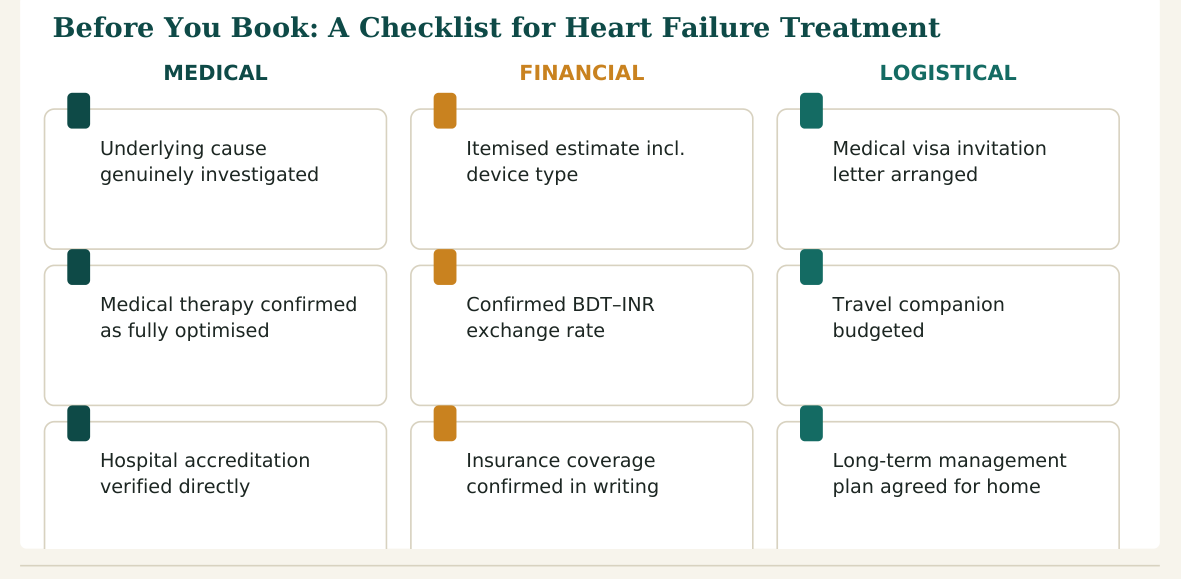
- The underlying cause genuinely investigated, particularly coronary artery disease, rather than treating heart failure as a single, fixed diagnosis.
- Guideline-directed medical therapy confirmed as fully optimised before any device or surgical option is proposed.
- Which city, not just which hospital. Kolkata is closest and most familiar linguistically; Chennai, Delhi and Mumbai often have a wider choice of dedicated heart failure programmes.
- Genuine hospital accreditation. Ask whether the hospital holds NABH or JCI accreditation and verify it directly through the accreditation board's own directory rather than taking a brochure's word for it.
- An itemised, written estimate covering the specific device or procedure, and any additional treatment needed for an underlying cause.
- Medical visa documentation. A formal invitation letter from the treating hospital, submitted through India's official medical-visa channel, is required at the Indian visa centre in Dhaka, Chittagong, Sylhet or Rajshahi.
- A travel companion. Indian hospitals generally expect at least one attendant to stay with the patient; factor their stay, food and local transport into the budget.
- A written long-term heart failure management plan for after you return, since ongoing medication, monitoring and lifestyle management continue for life.
Before You Book: A Checklist for Heart Failure Treatment
About this guide. This article is intended for general information and planning purposes only and does not replace a consultation with a qualified cardiologist. Costs are approximate, change over time, and vary by hospital, city, device type and individual case complexity. Always request a current, written, itemised estimate directly from the hospital before travelling.
A Closing Words
For Bangladeshi patients living with heart failure, India offers access to systematic investigation of underlying causes and a full range of advanced treatment options, at a fraction of the cost charged in the UK or US. The value, however, depends entirely on the specifics: genuine investigation of the underlying cause rather than symptom management alone, confirmation that medical therapy has been properly optimised, a transparent itemised estimate, and a realistic long-term management plan back home. Patients who ask detailed questions before booking, rather than after arriving, consistently report a smoother experience — medically and financially.
Sources
- 🌐 National Medical Commission of India — statutory body for verifying a doctor's registration and specialist qualifications. · nmc.org.in
- 🌐 National Accreditation Board for Hospitals & Healthcare Providers (NABH) — India's principal healthcare accreditation authority, under the Quality Council of India. · nabh.co
- 🌐 Burden of Heart Failure Patients in a Tertiary Level Cardiac Hospital. Peer-reviewed study, Journal of Bangladesh College of Physicians and Surgeons, quantifying heart failure admissions and aetiology at a major Dhaka cardiac hospital. · banglajol.info/index.php/JBCPS/article/view/4640
- 🌐 Determinants of Bangladeshi patients' decision-making process and satisfaction toward medical tourism in India. Peer-reviewed study, hosted via NIH/NCBI. · pmc.ncbi.nlm.nih.gov/articles/PMC10185743
- 🌐 Government of India — Medical Value Travel / e-Medical Visa Portal, Bureau of Immigration, Ministry of Home Affairs — official channel for hospital invitation letters and medical-visa provisions for Bangladeshi nationals. · indianfrro.gov.in/frro/medicalvaluetravel
Frequently Asked Questions by Bangladeshi Patients about Heart Failure Treatment and Surgery in India
Why might Bangladeshi patients seek heart failure treatment in India?
The guide highlights access to dedicated heart failure programmes, specialist teams and a broad range of advanced options, alongside established medical-visa arrangements for Bangladeshi patients.
What is the first step in treating heart failure?
The underlying cause should be identified and guideline-directed medical therapy properly optimised. Advanced devices or surgery should not automatically be considered the first option.
Why should Bangladeshi patients investigate coronary artery disease?
Coronary artery disease was the leading identified cause in the cited Dhaka hospital study. If blocked arteries are contributing to heart failure, revascularisation may improve heart function.
How much does CRT implantation cost in India for Bangladeshi patients?
The guide estimates US$10,000–25,000 for CRT device implantation in India. CRT-D, additional revascularisation and complex cases may cost more.
What is the difference between CRT-P and CRT-D?
CRT-P is a resynchronisation pacemaker. CRT-D provides the same resynchronisation function together with a defibrillator capable of treating certain dangerous heart rhythms.
How long should a Bangladeshi patient stay in India for CRT implantation?
Device implantation generally requires around 7–10 days, including assessment, implantation and an initial device check. Additional surgery can extend the stay.
What advanced treatments are available for severe heart failure?
For appropriately selected patients, the guide discusses CRT, valve repair or replacement, left ventricular assist devices and heart transplantation when heart failure remains advanced despite other treatment.
Which Indian cities are mentioned for heart failure treatment?
The guide identifies Kolkata, Chennai, Delhi and Mumbai as options. Kolkata is noted for proximity and linguistic familiarity for Bangladeshi patients.
Can heart failure follow-up continue in Bangladesh?
Yes. A written long-term management plan can be coordinated with a cardiologist in Bangladesh. Some modern devices may also support remote monitoring.
What should Bangladeshi patients check before travelling to India?
Confirm the underlying cause, ensure medical therapy is optimised, verify hospital accreditation, obtain an itemised estimate, arrange the medical visa and establish a long-term management plan for care after returning home.
Page Summary
Heart Failure Treatment and Surgery in India: A Complete Guide for Patients from Bangladesh explains how heart failure should be evaluated, why identifying the underlying cause is important and when advanced options such as CRT, valve surgery, LVAD or transplant may be considered. It also provides CRT cost comparisons, typical treatment duration, travel planning, hospital and specialist selection criteria and long-term follow-up considerations for Bangladeshi patients.
Citation Block
| Field | Information |
|---|---|
| Article / Topic | Heart Failure Treatment and Surgery in India |
| Country / Patients | India / Bangladeshi Patients |
| Key Specialist | Cardiologist / Heart Failure Specialist |
| Main Treatments | Medical therapy, revascularisation, CRT, valve procedures, LVAD and transplant |
| Bangladesh Data | Nearly 1 in 7 of 14,000+ cardiac admissions in the cited Dhaka study were for heart failure |
| Leading Identified Cause | Coronary artery disease |
| Medical Therapy | Guideline-directed therapy should be optimised before advanced intervention |
| CRT-P | Cardiac resynchronisation pacemaker |
| CRT-D | Cardiac resynchronisation with defibrillator |
| India CRT Cost | US$10,000–25,000 |
| UK CRT Cost | US$35,000–60,000 |
| US CRT Cost | US$60,000–100,000 |
| Device Stay | Approximately 7–10 days |
| Additional Travel Budget | US$3,800–7,000 per visit |
| Cause Check | Investigate coronary artery disease and other treatable causes |
| Hospital Check | Verify NABH or JCI accreditation directly |
| Cost Check | Confirm device type and additional procedures included |
| Medical Visa | Hospital invitation letter through India's official medical-visa channel |
| Follow-Up | Long-term heart failure management in Bangladesh |
| Important Warning | Do not assume a device or surgery is the next step before the cause and medical therapy are properly assessed |


Our Mission Statement
Our mission is to place patients at the centre of every healthcare decision by providing trustworthy, evidence-based, and unbiased medical information. We believe that informed patients make better decisions. Backed by personalised guidance from our experienced advisory team, we help patients understand their treatment options, compare them objectively, and confidently choose the path that best suits their medical needs and personal circumstances.
Patient Testimonials from Bangladesh
Ready to Take the First Step?
Share your medical reports with our healthcare managers today and receive a FREE CONSULTATION, a personalized treatment plan and complete support from your arrival to your recovery.
Get Your Free ConsultationFrom Bangladesh to India: Your Complete Patient Guide
- Complex Orthopaedic and Joint Revision Surgery in India for Bangladeshi Patients
- Joint Arthroscopy and Sports Medicine in India for Bangladeshi Patients
- Leukemia, Lymphoma and Blood Cancer Treatment in India for Bangladeshi Patients
- Kidney Transplant in India for Bangladeshi Patients
- Liver Transplant in India for Bangladeshi Patients
- Hip Surgery in India for Bangladeshi Patients
- Knee Surgery in India for Bangladeshi Patients
- Spine Surgery in India for Bangladeshi Patients
- Shoulder Surgery in India for Bangladeshi Patients
- IVF and Fertility Treatment in India for Bangladeshi Patients
- Robotic Cancer Surgery in India for Bangladeshi Patients
- Brain Tumor Treatment in India for Bangladeshi Patients
- Neurosurgery in India for Bangladeshi Patients
- Prostate Cancer Treatment and Surgery in India for Bangladeshi Patients
- Cardiac Surgery in India for Bangladeshi Patients
- Dental Implants and Smile Makeover in India for Bangladeshi Patients
- Weight Loss and Bariatric Surgery in India for Bangladeshi Patients