

15 Frequently Asked Questions : Parkinson’s Treatment and DBS Surgery in India for Bangladeshi Patients
Parkinson's disease is a progressive neurological disorder that can affect movement, balance, walking, speech and other functions. Treatment is individualised according to symptoms, disease duration, response to medication, age, overall health and the presence of complications. For some Bangladeshi patients, Parkinson's disease can remain reasonably controlled with medicines for several years. However, some patients eventually develop motor fluctuations, medication-related dyskinesia, tremor that is difficult to control, or other complications that may require advanced treatment. Deep Brain Stimulation (DBS) is an established surgical treatment for selected patients with Parkinson's disease and certain other movement disorders. DBS involves implanting electrodes in specific areas of the brain and connecting them to an implanted pulse generator. The system delivers controlled electrical stimulation to targeted brain regions. DBS does not cure Parkinson's disease and is not suitable for every patient. Careful neurological assessment, medication-response evaluation, brain imaging and multidisciplinary review are important before surgery. India provides neurological and neurosurgical services across several major cities, including movement-disorder assessment, Parkinson's medication management, DBS evaluation, DBS implantation, programming and postoperative follow-up.
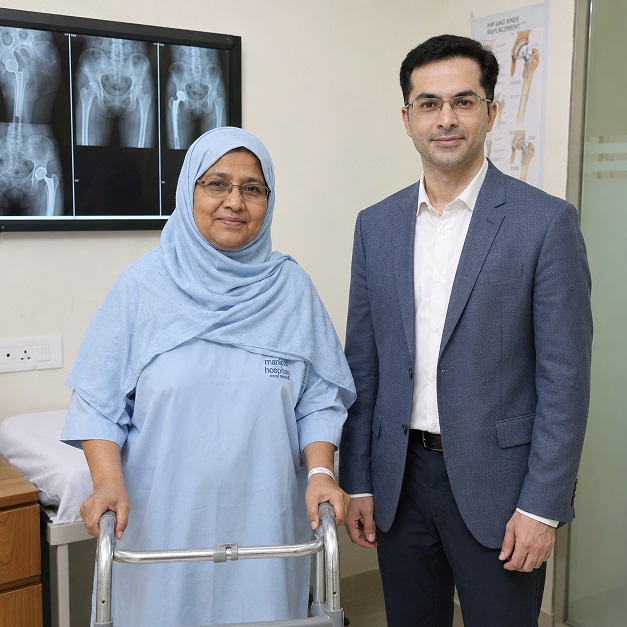
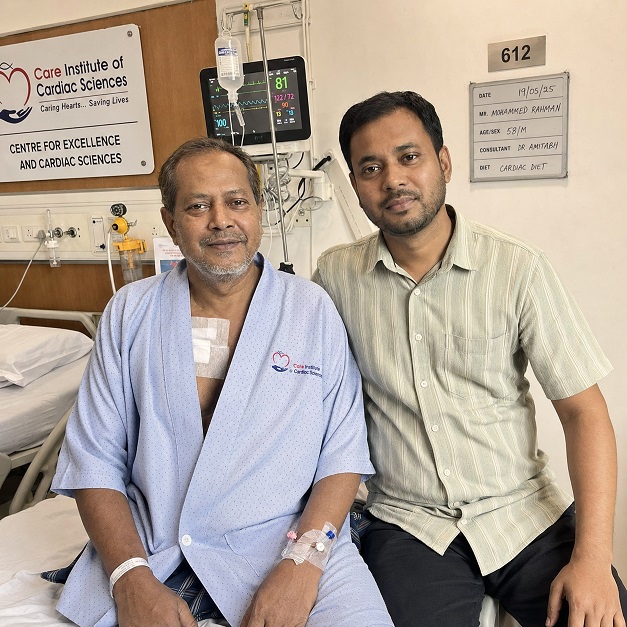
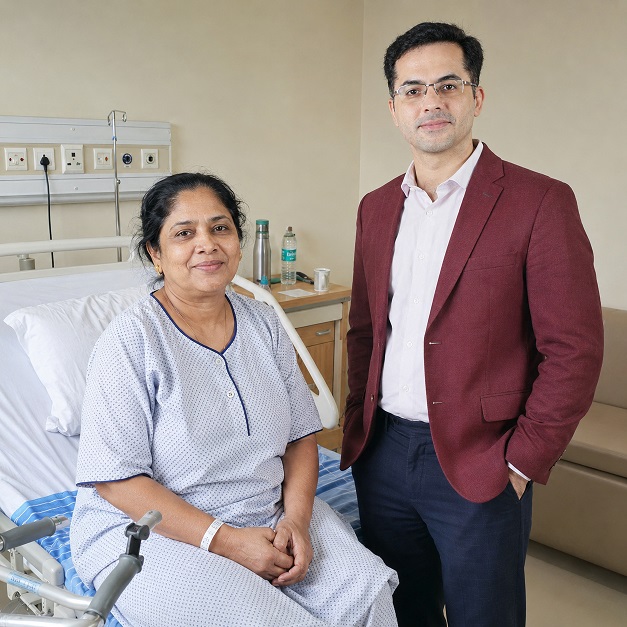
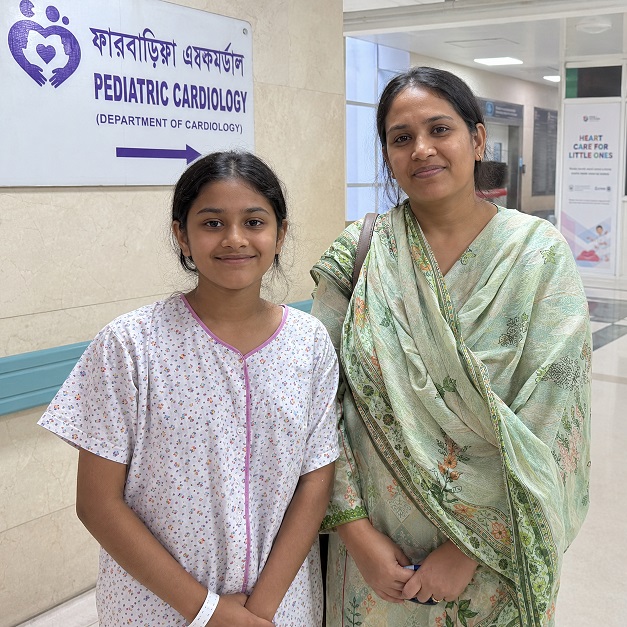
Healing Journeys of Bangladeshi Patients
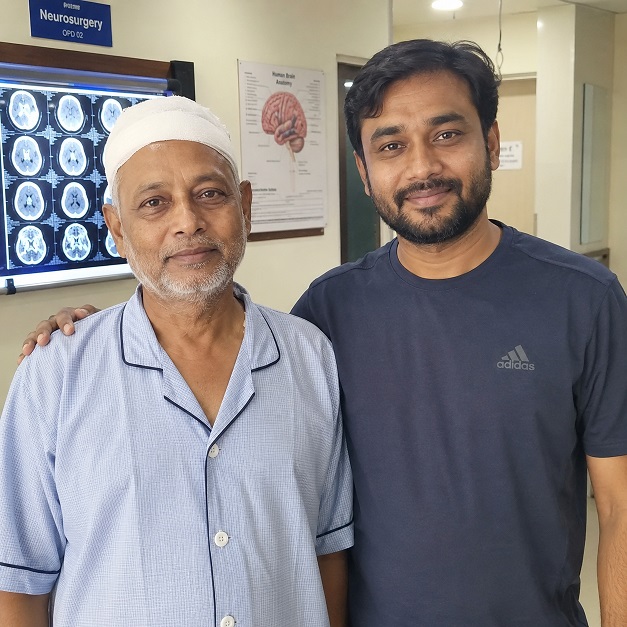
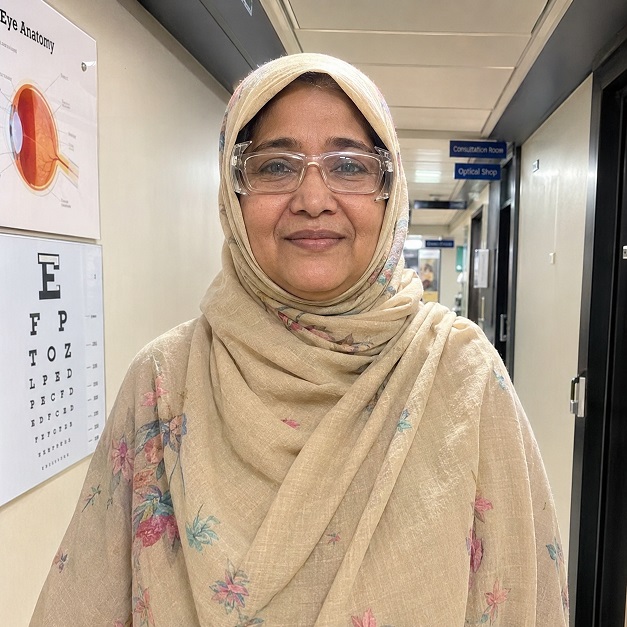
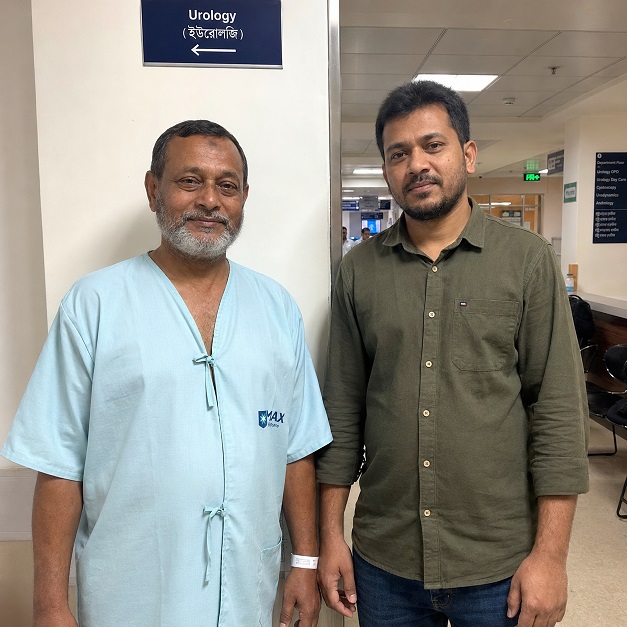
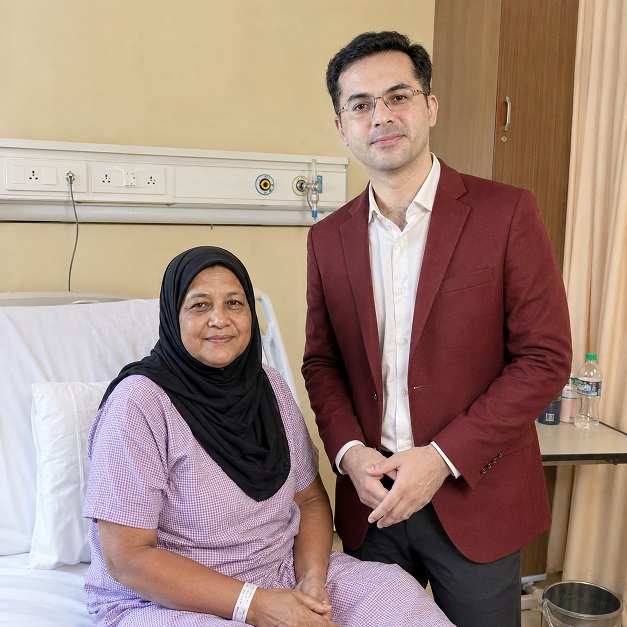
Q1 · What is Parkinson's Treatment and DBS Surgery?
Parkinson's disease treatment aims to control symptoms, maintain mobility and independence, reduce complications and improve quality of life.
Treatment may include
- Parkinson's medicines
- Physiotherapy
- Occupational therapy
- Speech and swallowing therapy
- Exercise and rehabilitation
- Dietary and lifestyle support
- Management of sleep and non-motor symptoms
- Advanced medication delivery
- Deep Brain Stimulation in selected patients
What is Deep Brain Stimulation?
Deep Brain Stimulation, commonly called DBS, is a neurosurgical treatment in which thin electrodes are placed in specific areas of the brain involved in movement control.
The electrodes are connected to an implanted pulse generator through extension wires. The pulse generator sends electrical stimulation to the targeted brain region.
The DBS system generally consists of
- Brain electrodes
- Extension leads
- An implanted pulse generator
- An external programming device used by the medical team
DBS does not remove the underlying Parkinson's disease. Instead, it can help control selected movement symptoms.
Symptoms that may improve
In appropriately selected patients, DBS may help with
- Tremor
- Rigidity
- Slowness of movement
- Motor fluctuations
- "Off" periods
- Medication-related dyskinesia
The response varies between patients. DBS generally does not reliably treat every Parkinson's symptom, particularly some non-motor symptoms.
Q2 · How much does Parkinson's Treatment and DBS Surgery cost in Bangladesh compared with India?
The cost of Parkinson's treatment varies according to whether the patient requires routine neurological care, advanced medication management, DBS evaluation, DBS surgery, the type of DBS system and postoperative programming.
The total DBS cost can depend on
- Type of DBS device
- Number of electrodes
- Surgical technique
- Hospitalisation
- Neurosurgical fees
- Neurologist and movement-disorder specialist fees
- Anaesthesia
- Brain imaging
- Neurophysiological testing
- Programming sessions
- Battery or pulse-generator type
- Postoperative follow-up
- Complications
For planning purposes, this guide uses
- US$1 ≈ BDT 122
- US$1 ≈ INR 96
| Treatment / Procedure | Bangladesh Estimated Cost | India Estimated Cost | Potential Saving |
|---|---|---|---|
| Parkinson's Neurology Evaluation & Treatment Planning | BDT 50,000–120,000 US$410–985 | INR 25,000–70,000 US$260–730 | Approx. 20%–35% |
| Advanced Parkinson's / Movement-Disorder Assessment | BDT 80,000–180,000 US$655–1,475 | INR 40,000–100,000 US$415–1,040 | Approx. 20%–35% |
| DBS Eligibility Evaluation | BDT US$1,230–2,870 150,000–350,000 US$1,230–2,870 | INR 80,000–200,000 US$835–2,085 | Approx. 15%–30% |
| BDT 2,500,000– INR 1,500,000–DBS Surgery with Standard Approx. 4,500,000 US$20,490– 2,800,000 US$15,625–System 15%–30% 36,885 29,170 |
| DBS Surgery with INR 2,000,000–BDT 3,500,000– Approx. Advanced Rechargeable 3,500,000 US$20,835–5,500,000 US$28,690– 10%–25% System 36,460 45,080 |
| DBS Programming & Initial INR 25,000–80,000 Approx. BDT 50,000–150,000 Follow-Up US$260–835 15%–30% US$410–1,230 |
| DBS Generator Battery BDT 600,000– INR 350,000–700,000 Approx. Replacement 1,200,000 US$4,920– US$3,645–7,290 15%–30% 9,835 |
| Advanced Parkinson's INR 20,000–80,000 Approx. BDT 40,000–150,000 Medication Management US$210–835 15%–30% US$330–1,230 |
Potential savings are indicative planning ranges and are not guaranteed. Actual costs can vary according to the DBS device, battery type, surgical complexity, hospital, specialist fees, investigations, room category, programming requirements and complications.
Patients should ask whether the quotation includes
- Neurologist consultation
- Movement-disorder specialist assessment
- Neurosurgical consultation
- DBS eligibility evaluation
- Brain imaging
- Neuropsychological assessment
- Medication-response testing
- Surgical planning
- DBS electrodes
- Pulse generator
- Extension leads
- Anaesthesia
- Operating-room charges
- Hospital room
- ICU charges
- Initial programming
- Postoperative consultation
- Device programming
- Follow-up visits
- Battery or generator-related costs
Patients should obtain a detailed written quotation and clarify whether the quoted amount includes the complete DBS system and postoperative programming.
Q3 · Which Indian cities can Bangladeshi patients consider for Parkinson's Treatment and DBS Surgery?
| City | Parkinson's & DBS Treatment Environment |
|---|---|
| Delhi / NCR | Movement-disorder neurology, neurosurgery, DBS evaluation, implantation and programming |
| Gurugram | Neurology, neurosurgery, movement-disorder assessment and advanced Parkinson's care |
| Noida | Neurology, neurosurgery, Parkinson's management and selected DBS services |
| Mumbai | Advanced neurology, movement-disorder care and DBS surgery |
| Chennai | Neurology, neurosurgery, movement-disorder management and DBS |
| Bengaluru | Movement-disorder neurology, functional neurosurgery and DBS |
| Hyderabad | Neurology, neurosurgery, Parkinson's management and DBS |
| Kolkata | Neurology, neurosurgery and Parkinson's treatment |
| Ahmedabad | Neurological evaluation, movement-disorder care and selected DBS services |
| Pune | Neurology, neurosurgery and Parkinson's management |
| Kochi | Neurology, neurosurgery and advanced neurological treatment |
| Thiruvananthapuram | Neurology, neurosurgery and movement-disorder services |
| Goa | Neurological consultation and selected specialist services |
| Nagpur | Neurology, neurosurgery and Parkinson's treatment services |
Bangladeshi patients should select a centre based on the availability of a movement-disorder specialist, functional neurosurgeon, DBS programming service and the ability to provide long-term follow-up.
Q4 · Which hospitals in India can Bangladeshi patients consider for Parkinson's Treatment and DBS Surgery?
The following hospitals are part of the established Indian hospital reference list. Patients should confirm the availability of Parkinson's and DBS services for their particular case before travelling.
Delhi Hospitals
- Fortis Escorts Heart Institute, New Delhi
- BLK-Max Super Speciality Hospital, New Delhi
- Max Super Speciality Hospital, Saket
- Indraprastha Apollo Hospitals, New Delhi
- Sir Ganga Ram Hospital
- Max Super Speciality Hospital, Patparganj
- Manipal Hospital, Dwarka
- Fortis Hospital, Vasant Kunj
- Institute of Brain and Spine Hospital
- Dharamshila Narayana Hospital
- Indian Spinal Injuries Centre
- AIIMS New Delhi
Chennai Hospitals
- MGM Healthcare
- MIOT International
- Apollo Hospitals, Greams Road
- Sri Ramachandra Medical Centre
- SIMS Hospital
- Kauvery Hospital
- Gleneagles HealthCity Chennai
- Vijaya Hospital
- Apollo Speciality Hospitals
- Rela Hospital
Mumbai Hospitals
- Bombay Hospital & Medical Research Centre
- Lilavati Hospital & Research Centre
- Jaslok Hospital & Research Centre
- Gleneagles Hospital, Mumbai
- Nanavati Max Super Speciality Hospital
- Kokilaben Dhirubhai Ambani Hospital
- P. D. Hinduja Hospital & Medical Research Centre
- Sir H. N. Reliance Foundation Hospital
- Wockhardt Hospitals, Mumbai
- Apollo Hospitals, Mumbai
Bengaluru Hospitals
- Manipal Hospital, Old Airport Road
- Manipal Hospital, Whitefield
- Manipal Hospital, Yeshwanthpur
- Apollo Hospitals, Bengaluru
- Fortis Hospital, Bannerghatta Road
- Aster CMI Hospital
- Sakra World Hospital
- Narayana Health City
- Sagar Hospitals
- Kauvery Hospital, Bengaluru
Hyderabad Hospitals
- KIMS Hospitals
- Yashoda Hospitals
- Apollo Health City
- CARE Hospitals
- Continental Hospitals
- Gleneagles Hospitals, Hyderabad
- Sunshine Hospitals
- Star Hospitals
Gurugram Hospitals
- Fortis Memorial Research Institute (FMRI)
- Medanta – The Medicity
- Artemis Hospital
- Max Hospital, Gurugram
- CK Birla Hospital, Gurugram
- Manipal Hospital, Gurugram
- Paras Health
- Narayana Superspeciality Hospital
Noida Hospitals
- Fortis Hospital, Noida
- Jaypee Hospital
- Max Super Speciality Hospital, Noida
- Yatharth Hospital
- Kailash Hospital
- Metro Hospital & Heart Institute
- Metro Center for Neurosciences
Kolkata Hospitals
- Apollo Multispeciality Hospitals
- AMRI Hospitals
- Fortis Hospital, Anandapur
- Manipal Hospitals, Salt Lake
- Medica Superspecialty Hospital
- Narayana Superspeciality Hospital
- Ruby General Hospital
Pune Hospitals
- Ruby Hall Clinic
- Jehangir Hospital
- Deenanath Mangeshkar Hospital
- Sahyadri Super Speciality Hospital
- Aditya Birla Memorial Hospital
- Manipal Hospital, Kharadi
- Medicover Hospital, Pune
Ahmedabad Hospitals
- Apollo Hospitals, Ahmedabad
- Zydus Hospitals
- Sterling Hospitals
- Shalby Hospitals
- HCG Hospitals
- SAL Hospital
- CIMS Hospital
Kochi Hospitals
- Aster Medcity
- Amrita Hospital
- VPS Lakeshore Hospital
- Rajagiri Hospital
- Aster MIMS
- Lisie Hospital
- Renai Medicity
Thiruvananthapuram Hospitals
- KIMSHEALTH Hospital
- Ananthapuri Hospitals and Research Institute
- SUT Hospital
- SP Medifort Hospital
- PRS Hospital
- GG Hospital
Goa Hospitals
- Manipal Hospital, Goa
- Healthway Hospital
- Manipal Hospitals, Dona Paula
- Goa Medical College and Hospital
- Apollo Victor Hospital
Nagpur Hospitals
- Wockhardt Hospitals, Nagpur
- Alexis Multispeciality Hospital
- CARE Hospitals, Nagpur
- Kingsway Hospitals
- Lata Mangeshkar Hospital
Q5 · What types of Parkinson's Treatment and DBS procedures are available?
Parkinson's management can involve conventional treatment as well as advanced therapies.
1. Medication-Based Parkinson's Treatment
Medicines may include
- Levodopa-based therapy
- Dopamine agonists
- MAO-B inhibitors
- COMT inhibitors
- Amantadine
- Other symptom-specific medicines
The exact medication regimen should be determined by a neurologist.
2. Physiotherapy and Rehabilitation
Physiotherapy can focus on
- Walking
- Balance
- Strength
- Flexibility
- Posture
- Transfers
- Fall prevention
3. Speech and Swallowing Therapy
Speech-language therapy may help selected patients with
- Speech difficulties
- Voice changes
- Swallowing problems
4. Advanced Medication Management
Patients with motor fluctuations may require more specialised medication adjustment.
5. Deep Brain Stimulation
DBS involves implantation of electrodes in selected brain targets.
Common DBS targets used for Parkinson's disease include
- Subthalamic nucleus (STN)
- Globus pallidus internus (GPi)
The target is selected according to the patient's symptoms, treatment history and specialist assessment.
6. Rechargeable DBS Systems
Some DBS systems use rechargeable implanted pulse generators.
The appropriate system depends on clinical requirements, expected energy consumption, device availability and patient preference.
7. Non-Rechargeable DBS Systems
Traditional systems may use a battery that eventually requires replacement.
8. DBS Programming
After implantation, the system needs programming and adjustment.
Programming may require several visits because stimulation settings are individualised.
9. Battery / Generator Replacement
When the implanted generator reaches the end of its usable life, replacement may be required.
Q6 · Who may be suitable for Parkinson's Treatment and DBS Surgery?
DBS is generally considered only after detailed assessment.
Potential DBS candidates may have
- Confirmed Parkinson's disease
- Significant motor symptoms
- Motor fluctuations
- Medication-related dyskinesia
- Tremor that remains difficult to control
- Good response to levodopa for relevant motor symptoms
- Symptoms significantly affecting daily life
Important considerations
The treating team may assess
- Age
- Disease duration
- Medication response
- Cognitive function
- Psychiatric history
- Balance and gait
- Speech
- Swallowing
- Other medical conditions
- Brain imaging
- Ability to attend programming and follow-up
DBS may be less suitable when significant cognitive impairment, uncontrolled psychiatric illness, severe balance problems or other factors make the expected benefit limited or the surgical risk unacceptable. The final decision requires individual assessment.
Q7 · What tests are required before Parkinson's Treatment and DBS Surgery?
DBS assessment may involve several investigations. These can include:
Neurological Evaluation
A movement-disorder specialist evaluates
- Tremor
- Rigidity
- Bradykinesia
- Gait
- Balance
- Motor fluctuations
- Dyskinesia
- Medication response
Medication Challenge / Levodopa Response Assessment
The medical team may compare symptoms when medication is working and when it is not, where appropriate.
Brain MRI
MRI may be used to
- Evaluate brain anatomy
- Exclude other structural conditions
- Assist with surgical planning
Neuropsychological Assessment
Cognitive testing may assess
- Memory
- Attention
- Executive function
- Processing
- Mood
- Other cognitive functions
Blood Tests
Routine preoperative tests may include
- Complete blood count
- Kidney function
- Liver function
- Electrolytes
- Blood glucose
- Coagulation tests
Additional tests may be required depending on age and medical history.
Anaesthesia Assessment
Before surgery, the patient may undergo
- ECG
- Chest evaluation
- Cardiac assessment where required
- Anaesthesia consultation
The exact testing protocol varies by patient and treatment centre.
Q8 · What medical records should Bangladeshi patients send before travelling?
Bangladeshi patients should provide as complete a neurological record as possible.
Important documents include
- Parkinson's diagnosis report
- Neurologist consultation notes
- Previous movement-disorder evaluations
- Current medication list
- Previous Parkinson's medicines
- Medication doses and timing
- History of medication response
- History of "on" and "off" periods
- Dyskinesia history
- Tremor history
- Walking and balance assessment
- Previous MRI brain
- CT brain where available
- Neuropsychological assessment if performed
- Previous hospital discharge summaries
- Previous surgery records
- Blood-test reports
- ECG reports
- Other major medical records
Patients should clearly describe
- When symptoms began
- When Parkinson's disease was diagnosed
- Current symptoms
- Current medicines
- Medication schedule
- Duration of medication benefit
- Duration of "off" periods
- Presence of dyskinesia
- Falls or balance problems
- Cognitive or memory concerns
- Sleep problems
- Speech or swallowing problems
- Previous treatment changes
- Other medical conditions
A short video showing walking, tremor or other relevant movement symptoms may sometimes help the specialist understand the patient's current condition, although it does not replace clinical examination.
Q9 · How does Parkinson's Treatment and DBS Surgery work?
DBS treatment generally follows several stages.
Step 1: Movement-Disorder Assessment
A neurologist assesses the diagnosis and determines whether advanced treatment should be considered.
Step 2: Medication Review
The specialist reviews
- Current medicines
- Dose timing
- "On" periods
- "Off" periods
- Dyskinesia
- Tremor
- Medication response
Step 3: DBS Eligibility Assessment
The medical team evaluates
- Motor symptoms
- Cognitive function
- Psychiatric status
- General health
- Surgical risk
- Expected benefit
Step 4: Brain Imaging
MRI and other investigations may be used for anatomical assessment and surgical planning.
Step 5: Surgical Planning
The neurosurgical team identifies the appropriate target and trajectory for electrode placement.
Step 6: Electrode Implantation
Thin DBS electrodes are placed into carefully selected areas of the brain.
The procedure may be performed using stereotactic or image-guided techniques.
Step 7: Pulse Generator Placement
The implanted electrodes are connected to extension wires that lead to a pulse generator placed under the skin, commonly in the chest area.
Step 8: Initial Programming
After implantation, the DBS system is programmed.
The stimulation settings are adjusted according to
- Symptoms
- Side effects
- Medication response
- Patient tolerance
Step 9: Medication Adjustment
DBS may allow medication doses to be adjusted in some patients, but medicines may still be necessary.
Step 10: Long-Term Programming
Several programming sessions may be required to optimise stimulation.
The process is not necessarily completed in one appointment.
Q10 · What are the alternatives to Parkinson's Treatment and DBS Surgery?
DBS is only one component of advanced Parkinson's management. Alternatives or complementary approaches may include:
Optimised Medication
A neurologist may adjust
- Medication type
- Dose
- Timing
- Combination therapy
Physiotherapy
Exercise and physiotherapy can help maintain mobility and reduce complications.
Occupational Therapy
Occupational therapy may help patients adapt daily activities and improve independence.
Speech and Swallowing Therapy
Therapy may help selected patients with speech and swallowing difficulties.
Advanced Medication Delivery
Selected patients may be considered for specialised medication-delivery approaches depending on availability and clinical suitability.
Focused Ultrasound
In selected movement-disorder situations, focused ultrasound may be considered for specific symptoms. Suitability depends on the diagnosis, symptom profile and treatment availability.
Supportive Management
Treatment may also focus on
- Sleep
- Constipation
- Blood-pressure problems
- Mood
- Nutrition
- Pain
- Falls
- Other non-motor symptoms
DBS should therefore be considered as part of a broader Parkinson's treatment plan rather than as a standalone cure.
Q11 · What should Bangladeshi patients ask before accepting a Parkinson's Treatment or DBS quotation?
Patients and families should ask
- Is the diagnosis definitely Parkinson's disease?
- Is DBS appropriate for this patient?
- What symptoms are expected to improve?
- Which symptoms may not improve?
- Is the patient responding adequately to levodopa?
- What DBS target is being recommended?
- Why is this target being selected?
- Is one or both sides of the brain being treated?
- What type of DBS system is being proposed?
- Is the system rechargeable or non-rechargeable?
- Which components are included in the quotation?
- Are the electrodes included?
- Is the pulse generator included?
- Are extension leads included?
- Are programming sessions included?
- How many days of hospitalisation are expected?
- What are the major surgical risks?
- What are the possible stimulation-related side effects?
- How many programming sessions may be required?
- How long should the patient stay in India after surgery?
- When can the patient travel by air?
- What medicines will continue after surgery?
- When will the first programming appointment take place?
- How will programming be managed after returning to Bangladesh?
- What happens when the DBS battery reaches the end of its service life?
Patients should request a written quotation and a separate written treatment plan.
Q12 · How long should Bangladeshi patients stay in India for Parkinson's Treatment and DBS Surgery?
The duration depends on the assessment and procedure.
Initial Consultation
Approximately 3–7 days may be required for
- Neurology consultation
- Movement-disorder assessment
- Imaging
- Medication evaluation
- Neuropsychological assessment
- Surgical planning
DBS Surgery
Hospitalisation after DBS implantation varies according to the patient's condition and the surgical protocol.
Patients may need approximately 5–10 days around the surgical period, although the exact duration can be shorter or longer.
Programming
DBS programming may require additional visits after surgery.
Some centres may initiate programming after an interval following implantation, depending on the device and clinical protocol.
International Patients
Bangladeshi patients should plan for additional days because
- Additional investigations may be required
- Medication adjustments may take time
- Surgery may be rescheduled
- Programming may require more than one visit
- Postoperative observation may be extended if needed
Patients should avoid booking a non-refundable return flight too close to the expected discharge date.
Q13 · What is recovery like after Parkinson's Treatment and DBS Surgery?
Recovery after DBS is gradual.
Immediately After Surgery
The patient may experience
- Surgical-site discomfort
- Fatigue
- Mild headache
- Temporary weakness
- Bruising or swelling
- Tiredness from hospitalisation
The treating team will monitor the patient for surgical and neurological complications.
After Discharge
Patients may need
- Wound care
- Medication continuation
- Activity restrictions
- Follow-up
- DBS programming
- Neurological assessment
DBS Programming
Programming is an important part of DBS treatment.
The stimulation settings may need adjustment over multiple appointments.
The goal is to find a balance between
- Symptom control
- Medication requirements
- Stimulation-related side effects
Physical Activity
Activity should be increased gradually according to the surgeon's instructions.
Patients should avoid activities that could damage the implanted system until the surgical team confirms that normal activity can resume.
Medication
DBS does not automatically eliminate Parkinson's medication.
Medication changes should be made by the treating neurologist.
Long-Term Recovery
The benefit of DBS may become clearer as programming is adjusted.
Some patients require several programming sessions before the most useful settings are established.
Q14 · How can follow-up be managed after returning to Bangladesh?
Long-term follow-up is an important part of DBS treatment.
Before leaving India, Bangladeshi patients should obtain
- Final diagnosis
- Surgical report
- DBS device information
- Device model and serial information where provided
- Electrode location information
- Initial programming settings
- Medication schedule
- Discharge summary
- Follow-up schedule
- Wound-care instructions
- Emergency instructions
Programming Follow-Up
Patients should have access to a neurologist or movement-disorder specialist familiar with DBS.
Follow-up may involve
- Symptom assessment
- Device interrogation
- Programming adjustments
- Medication adjustments
- Side-effect assessment
- Battery status assessment
DBS Device Information
Patients should keep their device information accessible at all times.
This may be useful if they require
- MRI
- Surgery
- Emergency treatment
- Device troubleshooting
- Battery replacement
Patients should tell healthcare providers that they have an implanted DBS system before undergoing medical procedures or imaging.
When to Seek Medical Attention
Patients should seek prompt medical attention for
- Fever
- Wound redness or discharge
- Severe headache
- New weakness
- Seizure
- Sudden neurological deterioration
- Severe confusion
- Repeated falls
- Device-related concerns
Follow-up between India and Bangladesh can be coordinated when clinically appropriate, but the patient should have a clear local follow-up arrangement before leaving India.
Q15 · Should a Bangladeshi patient travel to India for Parkinson's Treatment and DBS Surgery?
Bangladeshi patients may consider India for
- Parkinson's diagnosis review
- Movement-disorder consultation
- Second opinions
- Advanced Parkinson's medication management
- DBS eligibility assessment
- DBS surgery
- DBS programming
- Long-term device management
- Parkinson's rehabilitation
However, DBS should not be selected simply because it is an advanced procedure.
The key questions are
- Is the diagnosis correct?
- Are the symptoms significantly affecting daily life?
- Is there a meaningful response to Parkinson's medication?
- Are motor fluctuations or dyskinesias present?
- Is tremor inadequately controlled?
- Is the patient's cognitive and psychiatric profile suitable?
- Is the surgical risk acceptable?
- Can the patient attend postoperative programming?
- Is long-term DBS follow-up available after returning to Bangladesh?
A Bangladeshi patient considering DBS should ideally send complete neurological records before travelling. This allows the treating team to determine whether the patient appears suitable for further assessment and whether additional investigations may be required. The final decision should be made after an in-person evaluation by the appropriate movement-disorder and neurosurgical team.
Final Bangladeshi Patient Pre-Travel Checklist
Medical Records
- Parkinson's diagnosis records
- Neurologist reports
- Movement-disorder specialist reports
- Current medication list
- Previous medication history
- Medication doses and timings
- Record of "on" and "off" periods
- Dyskinesia history
- Tremor history
- Walking and balance assessment
- Previous MRI brain
- CT reports where applicable
- Neuropsychological assessment if available
- Blood-test reports
- ECG reports
- Previous hospital discharge summaries
DBS Evaluation
- Confirm whether DBS assessment is recommended
- Confirm levodopa response
- Confirm motor fluctuations
- Confirm dyskinesia
- Discuss cognitive status
- Discuss psychiatric history
- Ask about brain MRI
- Ask about neuropsychological testing
- Ask which DBS target is proposed
- Ask whether unilateral or bilateral DBS is planned
- Ask what DBS device is proposed
- Ask whether the device is rechargeable
- Understand expected benefits
- Understand possible limitations
- Understand surgical risks
Cost and Hospital
- Neurology consultation cost confirmed
- DBS evaluation cost confirmed
- Imaging cost confirmed
- Neuropsychological testing cost confirmed
- Neurosurgical cost confirmed
- DBS electrodes included
- Extension leads included
- Pulse generator included
- Anaesthesia included
- Operating-room charges included
- Hospital room charges confirmed
- ICU charges clarified
- Initial programming included
- Follow-up programming cost clarified
- Battery replacement arrangements understood
Travel
- Valid passport
- Appropriate Indian medical-travel documentation
- Printed medical records
- Digital copies of reports
- MRI / imaging records
- Medication list
- Hospital appointment confirmation
- Accommodation arrangements
- Travel companion where appropriate
- Flexible return-flight arrangements
- Budget for additional hospital days
After DBS Surgery
- DBS device details received
- Implant information retained
- Programming settings documented
- Medication schedule documented
- Wound-care instructions received
- Follow-up date confirmed
- Local Bangladesh follow-up identified
- Emergency warning signs understood
- Instructions regarding MRI and other procedures understood
- Battery / generator follow-up plan understood
Final Note
Parkinson's Treatment and DBS Surgery in India for Bangladeshi Patients can involve neurological assessment, medication optimisation, rehabilitation and advanced surgical treatment such as Deep Brain Stimulation. DBS can provide meaningful symptom control for appropriately selected patients, particularly for certain medication-responsive motor symptoms, motor fluctuations, dyskinesia and difficult-to-control tremor. However, DBS is not a cure for Parkinson's disease and does not necessarily improve every symptom. The most important part of DBS planning is careful patient selection. Bangladeshi patients should ideally provide their neurological records, medication history, imaging and information about "on" and "off" periods before travelling. Patients should also understand that DBS surgery is only one part of the treatment pathway. Programming, medication adjustment, rehabilitation and long-term neurological follow-up are essential components of ongoing care. Before travelling to India, patients should obtain a written treatment plan, understand the proposed DBS system, clarify what is included in the quotation and establish how postoperative programming and follow-up will be managed after returning to Bangladesh. Right Diagnosis. Right Movement-Disorder Team. Right Treatment Plan.
Page Summary
This guide answers 15 frequently asked questions about Parkinson’s treatment and DBS surgery in India for Bangladeshi patients. It sets out indicative cost ranges in BDT, USD and INR for procedures such as parkinson's neurology evaluation & treatment planning, advanced parkinson's/movement-disorder assessment and DBS eligibility evaluation, and lists 14 Indian cities and 109 hospitals to research. It also covers treatment options, the medical reports to send before travel, the treatment process, alternatives, quotation questions, expected stay in India, recovery, follow-up care and a pre-travel checklist for patients from Bangladesh.

Our Mission Statement
Our mission is to place patients at the centre of every healthcare decision by providing trustworthy, evidence-based, and unbiased medical information. We believe that informed patients make better decisions. Backed by personalised guidance from our experienced advisory team, we help patients understand their treatment options, compare them objectively, and confidently choose the path that best suits their medical needs and personal circumstances.
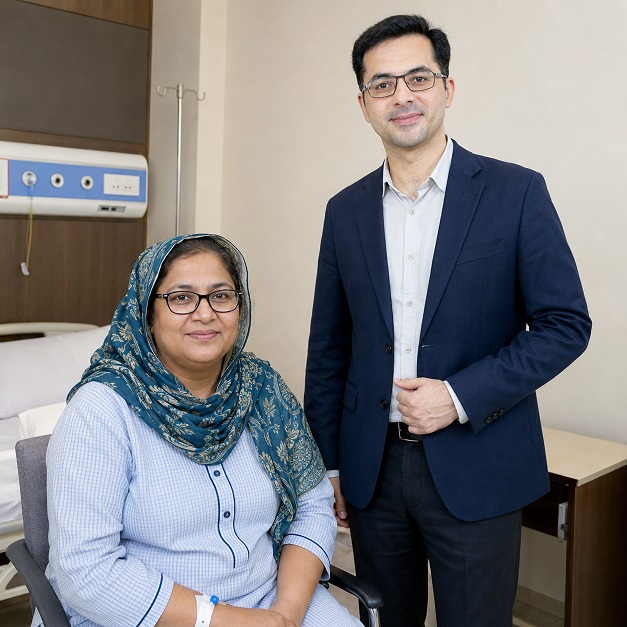
Patient Testimonials from Bangladesh
Ready to Take the First Step?
Share your medical reports with our healthcare managers today and receive a FREE CONSULTATION, a personalized treatment plan and complete support from your arrival to your recovery.
Get Your Free ConsultationFrom Bangladesh to India: Your Complete Patient Guide
- Complex Orthopaedic and Joint Revision Surgery in India for Bangladeshi Patients
- Heart Failure Treatment and Surgery in India for Bangladeshi Patients
- Joint Arthroscopy and Sports Medicine in India for Bangladeshi Patients
- Leukemia, Lymphoma and Blood Cancer Treatment in India for Bangladeshi Patients
- Kidney Transplant in India for Bangladeshi Patients
- Liver Transplant in India for Bangladeshi Patients
- Hip Surgery in India for Bangladeshi Patients
- Knee Surgery in India for Bangladeshi Patients
- Spine Surgery in India for Bangladeshi Patients
- Shoulder Surgery in India for Bangladeshi Patients
- IVF and Fertility Treatment in India for Bangladeshi Patients
- Robotic Cancer Surgery in India for Bangladeshi Patients
- Brain Tumor Treatment in India for Bangladeshi Patients
- Neurosurgery in India for Bangladeshi Patients
- Prostate Cancer Treatment and Surgery in India for Bangladeshi Patients
- Cardiac Surgery in India for Bangladeshi Patients
- Dental Implants and Smile Makeover in India for Bangladeshi Patients
- Weight Loss and Bariatric Surgery in India for Bangladeshi Patients