

15 Frequently Asked Questions : Paediatric Orthopaedic Surgery in India for Bangladeshi Patients
Paediatric orthopaedic surgery is a specialized field focused on diagnosing and treating bone, joint, muscle, tendon, ligament and limb conditions in infants, children and adolescents. Children can develop orthopaedic problems because of congenital conditions, developmental abnormalities, injuries, infections, neuromuscular disorders or growth-related problems. Some conditions can be managed without surgery, while others may require corrective procedures to improve alignment, mobility and function. For Bangladeshi patients, India provides access to specialist paediatric orthopaedic teams, advanced imaging, surgical facilities, rehabilitation services and multidisciplinary care. The appropriate treatment depends on the child's age, diagnosis, growth stage, symptoms, deformity, previous treatment and overall health.
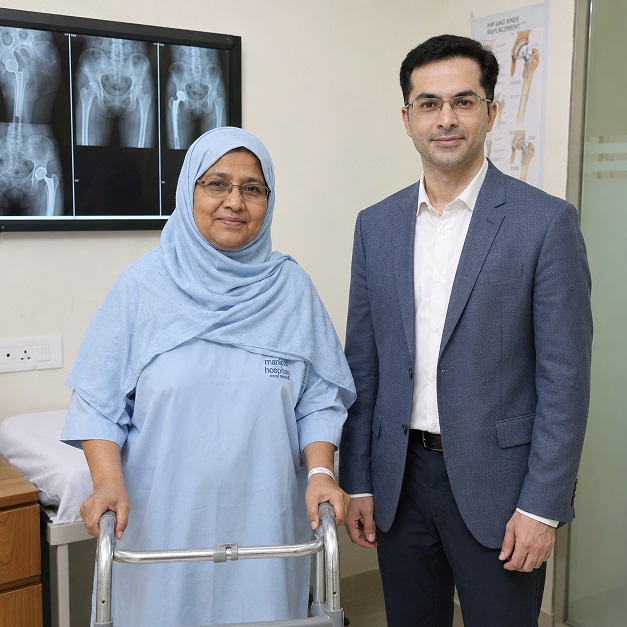
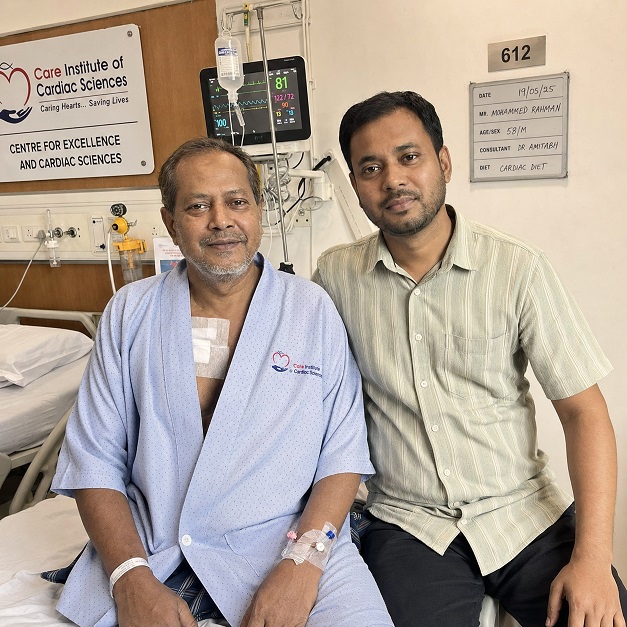
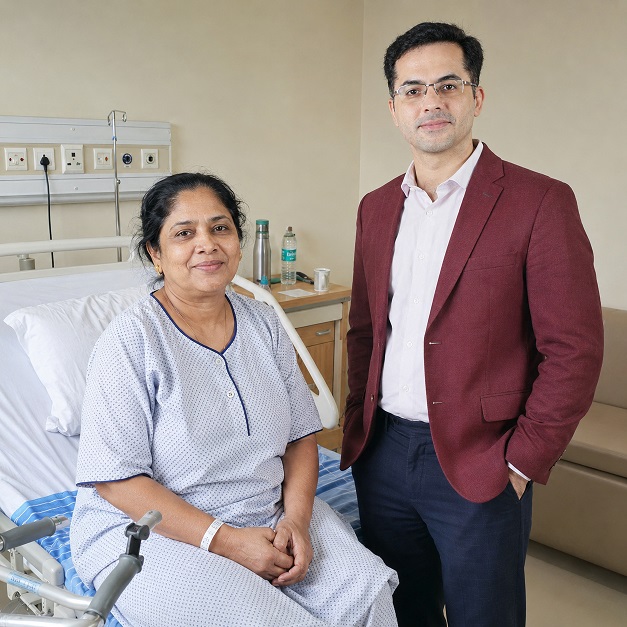
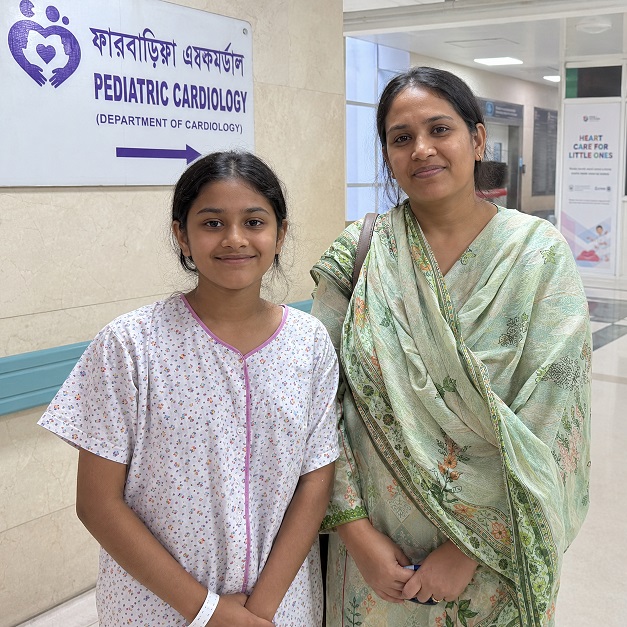
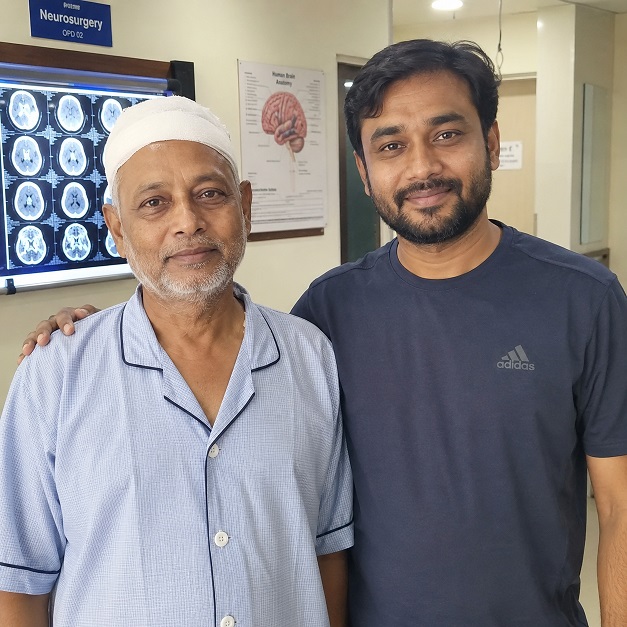
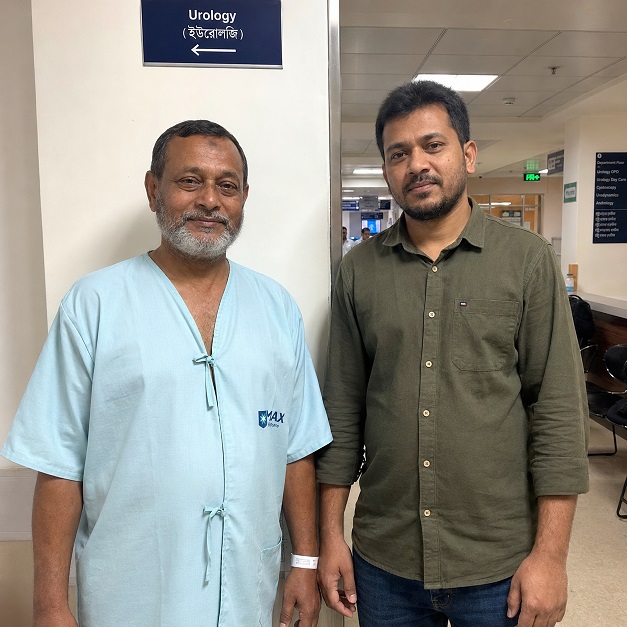
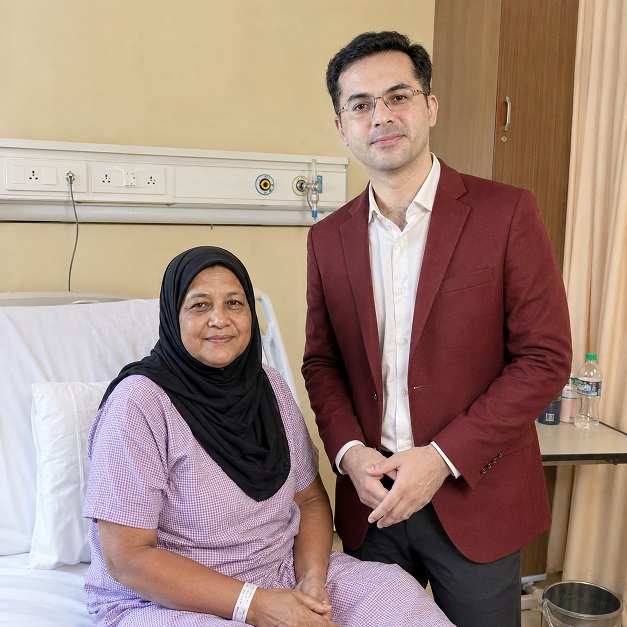
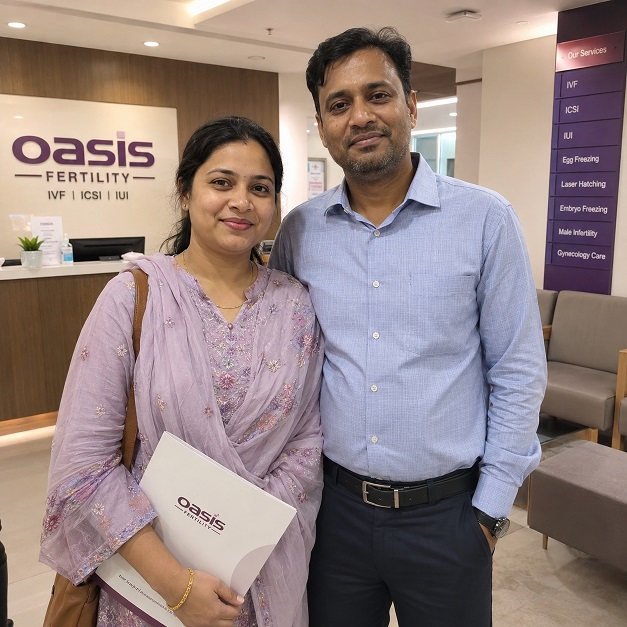
Healing Journeys of Bangladeshi Patients
Q1 · What is Paediatric Orthopaedic Surgery?
Paediatric orthopaedic surgery involves the diagnosis and surgical treatment of musculoskeletal conditions affecting children and adolescents.
It may address conditions involving
- Bones
- Joints
- Muscles
- Tendons
- Ligaments
- Spine
- Hips
- Knees
- Feet and ankles
- Upper limbs
- Growth plates
Conditions that may require paediatric orthopaedic evaluation include
- Congenital limb deformities
- Developmental hip dysplasia
- Clubfoot
- Bow legs or knock knees
- Limb-length differences
- Cerebral palsy-related deformities
- Scoliosis and spinal deformities
- Flat feet or complex foot deformities
- Growth-plate injuries
- Fractures
- Bone and joint infections
- Paediatric sports injuries
- Neuromuscular deformities
- Bone tumours
- Complex joint or limb abnormalities
Treatment may involve observation, physiotherapy, casting, bracing, medication, injections in selected situations or surgery. The objective is not simply to correct an abnormality surgically, but to support appropriate growth, alignment, mobility and function.
Q2 · How much does Paediatric Orthopaedic Surgery cost in Bangladesh compared with India?
The cost depends on the child's diagnosis, complexity of surgery, implants, number of procedures, hospital stay, investigations, anaesthesia and rehabilitation.
For this guide, the indicative exchange rates are
- US$1 ≈ BDT 122
- US$1 ≈ INR 96
Indicative Bangladesh vs India Cost Comparison
| Paediatric Orthopaedic Procedure | Approx. Cost in Bangladesh | Approx. Cost in India | Potential Saving in India |
|---|---|---|---|
| Clubfoot / Foot Deformity Surgery | BDT 3.66–6.10 lakh (US$3,000–5,000) | INR 1.92–3.84 lakh (US$2,000–4,000) | Approx. 25%–50% |
| Developmental Hip Dysplasia Surgery | BDT 4.88–8.54 lakh (US$4,000–7,000) | INR 2.88–5.76 lakh (US$3,000–6,000) | Approx. 20%–45% |
| Limb Deformity Correction | BDT 4.88–9.76 lakh (US$4,000–8,000) | INR 3.36–7.68 lakh (US$3,500–8,000) | Approx. 10%–35% |
| Limb-Lengthening / Reconstruction | BDT 7.32–14.64 lakh (US$6,000–12,000) | INR 5.76–11.52 lakh (US$6,000–12,000) | Approx. 10%–30% |
| Cerebral Palsy Orthopaedic Surgery | BDT 6.10–12.20 lakh (US$5,000–10,000) | INR 4.80–9.60 lakh (US$5,000–10,000) | Approx. 10%–25% |
| Complex Paediatric Orthopaedic Reconstruction | BDT 9.76–18.30 lakh (US$8,000–15,000) | INR 6.72–13.44 lakh (US$7,000–14,000) | Approx. 15%–30% |
| Paediatric Fracture / Complex Trauma Surgery | BDT 3.66–7.32 lakh (US$3,000–6,000) | INR 2.40–5.76 lakh (US$2,500–6,000) | Approx. 10%–35% |
These are indicative planning ranges only. Actual costs depend on the child's specific condition and treatment plan.
A complete quotation should clarify whether it includes
- Paediatric orthopaedic surgeon fees
- Paediatric anaesthesia
- Operating-room charges
- Implants
- Plates, screws or fixation devices
- Hospital room
- ICU/PICU charges where required
- Medicines
- Laboratory investigations
- Imaging
- Physiotherapy
- Casting or braces where applicable
- Nursing
- Follow-up consultations
- Additional procedures if required
Families should compare the complete treatment package rather than only the operation fee.
Q3 · Which Indian cities can Bangladeshi patients consider for Paediatric Orthopaedic Surgery?
| City | Why It May Be Considered |
|---|---|
| Delhi / NCR | Major tertiary-care centre with paediatric orthopaedic, rehabilitation and multidisciplinary services |
| Gurugram | Multispecialty hospitals with paediatric and orthopaedic facilities |
| Noida | Tertiary-care hospitals offering orthopaedic services |
| Mumbai | Major referral centre for complex paediatric orthopaedic conditions |
| Chennai | Established paediatric, orthopaedic and rehabilitation infrastructure |
| Bengaluru | Advanced paediatric orthopaedic and rehabilitation services |
| Hyderabad | Tertiary hospitals with paediatric and orthopaedic departments |
| Kolkata | Geographically convenient for many Bangladeshi families |
| Ahmedabad | Established paediatric and orthopaedic services |
| Pune | Multispecialty hospitals and rehabilitation facilities |
| Kochi | Tertiary-care paediatric and orthopaedic services |
| Thiruvananthapuram | Specialist paediatric medical services |
| Goa | Selected multispecialty paediatric and orthopaedic facilities |
| Nagpur | Central Indian tertiary-care medical hub |
For complex deformities, families should confirm that the selected team has experience with the child's particular condition.
Q4 · Which hospitals in India can Bangladeshi patients consider for Paediatric Orthopaedic Surgery?
Delhi Hospitals
- Fortis Escorts Heart Institute, New Delhi
- BLK-Max Super Speciality Hospital, New Delhi
- Max Super Speciality Hospital, Saket
- Indraprastha Apollo Hospitals, New Delhi
- Sir Ganga Ram Hospital
- Max Super Speciality Hospital, Patparganj
- Manipal Hospital, Dwarka
- Fortis Hospital, Vasant Kunj
- Institute of Brain and Spine Hospital
- Dharamshila Narayana Hospital
- Indian Spinal Injuries Centre
- AIIMS New Delhi
Chennai Hospitals
- MGM Healthcare
- MIOT International
- Apollo Hospitals, Greams Road
- Sri Ramachandra Medical Centre
- SIMS Hospital
- Kauvery Hospital
- Gleneagles HealthCity Chennai
- Vijaya Hospital
- Apollo Speciality Hospitals
- Rela Hospital
Mumbai Hospitals
- Bombay Hospital & Medical Research Centre
- Lilavati Hospital & Research Centre
- Jaslok Hospital & Research Centre
- Gleneagles Hospital, Mumbai
- Nanavati Max Super Speciality Hospital
- Kokilaben Dhirubhai Ambani Hospital
- P. D. Hinduja Hospital & Medical Research Centre
- Sir H. N. Reliance Foundation Hospital
- Wockhardt Hospitals, Mumbai
- Apollo Hospitals, Mumbai
Bengaluru Hospitals
- Manipal Hospital, Old Airport Road
- Manipal Hospital, Whitefield
- Manipal Hospital, Yeshwanthpur
- Apollo Hospitals, Bengaluru
- Fortis Hospital, Bannerghatta Road
- Aster CMI Hospital
- Sakra World Hospital
- Narayana Health City
- Sagar Hospitals
- Kauvery Hospital, Bengaluru
Hyderabad Hospitals
- KIMS Hospitals
- Yashoda Hospitals
- Apollo Health City
- CARE Hospitals
- Continental Hospitals
- Gleneagles Hospitals, Hyderabad
- Sunshine Hospitals
- Star Hospitals
Gurugram Hospitals
- Fortis Memorial Research Institute (FMRI)
- Medanta – The Medicity
- Artemis Hospital
- Max Hospital, Gurugram
- CK Birla Hospital, Gurugram
- Manipal Hospital, Gurugram
- Paras Health
- Narayana Superspeciality Hospital
Noida Hospitals
- Fortis Hospital, Noida
- Jaypee Hospital
- Max Super Speciality Hospital, Noida
- Yatharth Hospital
- Kailash Hospital
- Metro Hospital & Heart Institute
- Metro Center for Neurosciences
Kolkata Hospitals
- Apollo Multispeciality Hospitals
- AMRI Hospitals
- Fortis Hospital, Anandapur
- Manipal Hospitals, Salt Lake
- Medica Superspecialty Hospital
- Narayana Superspeciality Hospital
- Ruby General Hospital
Pune Hospitals
- Ruby Hall Clinic
- Jehangir Hospital
- Deenanath Mangeshkar Hospital
- Sahyadri Super Speciality Hospital
- Aditya Birla Memorial Hospital
- Manipal Hospital, Kharadi
- Medicover Hospital, Pune
Ahmedabad Hospitals
- Apollo Hospitals, Ahmedabad
- Zydus Hospitals
- Sterling Hospitals
- Shalby Hospitals
- HCG Hospitals
- SAL Hospital
- CIMS Hospital
Kochi Hospitals
- Aster Medcity
- Amrita Hospital
- VPS Lakeshore Hospital
- Rajagiri Hospital
- Aster MIMS
- Lisie Hospital
- Renai Medicity
Thiruvananthapuram Hospitals
- KIMSHEALTH Hospital
- Ananthapuri Hospitals and Research Institute
- SUT Hospital
- SP Medifort Hospital
- PRS Hospital
- GG Hospital
Goa Hospitals
- Manipal Hospital, Goa
- Healthway Hospital
- Manipal Hospitals, Dona Paula
- Goa Medical College and Hospital
- Apollo Victor Hospital
Nagpur Hospitals
- Wockhardt Hospitals, Nagpur
- Alexis Multispeciality Hospital
- CARE Hospitals, Nagpur
- Kingsway Hospitals
- Lata Mangeshkar Hospital
Families should confirm that the selected centre has dedicated paediatric orthopaedic services and appropriate paediatric anaesthesia and postoperative care.
Q5 · What types of Paediatric Orthopaedic Surgery are available?
The treatment depends on the child's diagnosis and stage of growth.
1. Clubfoot Surgery
Selected children with persistent or complex clubfoot may require corrective procedures.
2. Developmental Hip Dysplasia Surgery
Depending on age and severity, procedures may include reduction and corrective bone surgery.
3. Limb Deformity Correction
Abnormal alignment of the legs or arms may be corrected through appropriate procedures.
4. Limb-Length Discrepancy Treatment
Selected children may undergo procedures to address significant differences in limb length.
5. Cerebral Palsy Orthopaedic Surgery
Surgery may address contractures, muscle imbalance or skeletal deformities in appropriately selected children.
6. Paediatric Fracture Surgery
Complex fractures involving bones or growth plates may require fixation.
7. Paediatric Spine Surgery
Selected spinal deformities may require specialist surgical treatment.
8. Bone and Joint Reconstruction
Children with complex congenital or acquired abnormalities may require reconstructive procedures.
9. Guided Growth Procedures
Selected growth-related deformities may be treated using temporary implants designed to guide bone growth.
10. Limb Reconstruction
Complex deformities, bone defects or limb-length differences may require staged reconstruction.
The treatment strategy must take the child's growth potential into account.
Q6 · Who may be suitable for Paediatric Orthopaedic Surgery?
Surgery may be considered for children with
- Significant congenital deformities
- Developmental hip problems
- Persistent clubfoot
- Severe limb deformity
- Significant limb-length difference
- Cerebral palsy-related contractures or deformities
- Complex fractures
- Growth-plate injuries
- Severe joint abnormalities
- Bone or joint infections requiring surgery
- Certain bone tumours
- Progressive spinal deformities
- Functional limitations that cannot be adequately managed conservatively
Not every child with an orthopaedic condition needs surgery.
Depending on the condition, treatment may include
- Physiotherapy
- Bracing
- Casting
- Splinting
- Observation
- Medication
- Rehabilitation
The specialist should assess the child's growth, function and long-term development before recommending surgery.
Q7 · What tests are required before Paediatric Orthopaedic Surgery?
Investigations depend on the child's diagnosis.
Possible tests include
- X-rays
- Standing full-limb X-rays
- Pelvis and hip X-rays
- Ultrasound in selected infants
- MRI
- CT scan in selected complex conditions
- Bone scan in selected cases
- Blood tests
- Infection-related tests
- Genetic testing in selected congenital conditions
- Neurological assessment
- Gait analysis in selected cases
- Growth and skeletal-maturity assessment
Children undergoing major surgery may also require
- Blood grouping
- Coagulation testing
- Kidney and liver function tests
- Cardiac evaluation where appropriate
- Anaesthesia assessment
The treating team determines which investigations are necessary.
Q8 · What medical records should Bangladeshi patients send before travelling?
Parents should prepare a complete medical file.
Important records include
- Child's diagnosis
- Age
- Medical history
- Birth history where relevant
- Developmental history
- Previous treatment
- Previous surgeries
- Previous physiotherapy records
- X-rays
- MRI reports and images
- CT scans where applicable
- Blood tests
- Medication list
- Previous specialist opinions
- Discharge summaries
Parents should also describe
- Current symptoms
- Mobility limitations
- Pain
- Walking pattern
- Deformity
- Changes over time
- Previous casting or bracing
- Previous fractures
- Previous infections
- Functional limitations
For growing children, information about growth and development can be especially useful.
Q9 · How does Paediatric Orthopaedic Surgery work?
The treatment pathway generally involves several stages.
Step 1: Medical Record Review
The specialist reviews the child's history and previous investigations.
Step 2: Physical Examination
The child is examined for alignment, range of motion, strength, gait and functional limitations.
Step 3: Imaging Review
X-rays, MRI or CT scans are assessed according to the condition.
Step 4: Diagnosis and Treatment Planning
The specialist determines whether surgery is necessary and what procedure is appropriate.
Step 5: Preoperative Assessment
The child undergoes paediatric anaesthesia and medical assessment.
Step 6: Surgery
The selected corrective or reconstructive procedure is performed.
Step 7: Postoperative Monitoring
The child is monitored for pain, circulation, neurological status and wound condition.
Step 8: Immobilisation or Support
Depending on the operation, a cast, brace, splint or other support may be required.
Step 9: Rehabilitation
Physiotherapy and gradual return to movement are introduced according to the treatment plan.
Step 10: Long-Term Follow-Up
Because children are still growing, follow-up may be required to monitor bone alignment and development.
Q10 · What are the alternatives to Paediatric Orthopaedic Surgery?
Depending on the child's condition, alternatives may include
- Observation
- Physiotherapy
- Occupational therapy
- Casting
- Bracing
- Splinting
- Orthotic devices
- Activity modification
- Medication
- Pain management
- Serial casting
- Rehabilitation
Some conditions can be successfully managed without surgery, especially when identified early. However, progressive deformities, significant functional impairment, certain fractures and structural abnormalities may require surgery. Parents should ask the specialist whether continued conservative treatment is reasonable and what the expected outcome would be without surgery.
Q11 · What should Bangladeshi patients ask before accepting a Paediatric Orthopaedic Surgery quotation?
Parents should ask
- What is the child's exact diagnosis?
- Why is surgery recommended?
- Is surgery urgent?
- Can the procedure be delayed?
- What happens if surgery is delayed?
- What exact procedure is being proposed?
- Will one or more procedures be required?
- Will implants be required?
- What type of implants will be used?
- Are implants included in the quotation?
- Are paediatric anaesthesia charges included?
- Are surgeon fees included?
- Are hospital charges included?
- Are medicines included?
- Are investigations included?
- Is ICU/PICU care included if required?
- Will a cast or brace be required?
- How long will the child remain in hospital?
- How long will rehabilitation take?
- When can the child walk normally?
- When can the child return to school?
- When can the family travel back to Bangladesh?
- What follow-up imaging will be required?
- How will follow-up be managed after returning home?
- What is the complete estimated treatment cost?
Parents should request a detailed written quotation with all major inclusions and exclusions.
Q12 · How long should Bangladeshi patients stay in India?
The required stay depends on the child's condition and complexity of surgery. Indicative planning periods include:
| Treatment Situation | Possible Overall Stay in India |
|---|---|
| Specialist evaluation and investigations | 3–7 days |
| Minor paediatric orthopaedic procedure | 5–10 days |
| Clubfoot / foot reconstruction | 1–2 weeks |
| Hip reconstruction | 2–3 weeks |
| Limb deformity correction | 2–4 weeks |
| Cerebral palsy-related orthopaedic surgery | 2–4 weeks |
| Complex limb reconstruction | 3–5 weeks |
| Major spinal deformity surgery | 3–5 weeks |
These are approximate planning estimates. The actual duration depends on the child's recovery, wound condition, mobility and need for rehabilitation or additional procedures. Families should keep return travel flexible until the treating team confirms that the child is fit to travel.
Q13 · What is recovery like after Paediatric Orthopaedic Surgery?
Recovery depends on the procedure, child's age, overall health and extent of reconstruction.
The child may require
- Pain management
- Cast or brace care
- Wound care
- Physiotherapy
- Occupational therapy
- Walking training
- Strengthening exercises
- Range-of-motion exercises
- Gradual return to school and activities
Some children may need crutches, walkers or other mobility aids temporarily.
Parents should follow the surgeon's instructions regarding
- Weight-bearing
- Cast care
- Brace use
- Bathing
- School attendance
- Sports
- Running and jumping
- Physical activity
Parents should seek medical attention if the child develops
- Fever
- Increasing pain
- Wound discharge
- Significant swelling
- Cold or discoloured fingers or toes
- New weakness or numbness
- Loss of movement
- Breathing difficulty
- Severe pain beneath a cast
- Other sudden or concerning symptoms
Long-term follow-up may be particularly important in growing children because bone and limb alignment can change as the child develops.
Q14 · How can follow-up be managed after returning to Bangladesh?
Before leaving India, parents should obtain
- Discharge summary
- Operative report
- Diagnosis
- Implant details where applicable
- Imaging reports
- Medication list
- Cast or brace instructions
- Physiotherapy programme
- Follow-up schedule
- Activity restrictions
- Warning signs requiring medical attention
Follow-up may involve
- Local paediatric orthopaedic specialist
- Orthopaedic surgeon
- Paediatrician
- Physiotherapist
- Occupational therapist
- Rehabilitation specialist
- Remote consultation with the treating team in India where appropriate
Children may need periodic X-rays or clinical assessments to monitor growth and alignment. Parents should maintain a complete record of all procedures, implants, imaging and rehabilitation.
Q15 · Should a Bangladeshi patient travel to India for Paediatric Orthopaedic Surgery?
Travelling to India for paediatric orthopaedic surgery is an individual medical decision.
Families should consider
- Child's exact diagnosis
- Age and growth stage
- Severity of deformity
- Functional limitations
- Urgency of treatment
- Proposed procedure
- Need for implants
- Expected hospital stay
- Rehabilitation requirements
- Total treatment cost
- Travel arrangements
- Follow-up requirements in Bangladesh
A specialist review of the child's medical records and imaging before travelling can help clarify whether surgery is appropriate and what treatment may be required. Parents should obtain a clear diagnosis, proposed treatment plan and detailed quotation before finalizing travel arrangements.
Final Bangladeshi Patient Pre-Travel Checklist
Before travelling to India for paediatric orthopaedic surgery, confirm:
Final Note
Paediatric orthopaedic conditions require special consideration because children are still growing. Treatment must therefore account not only for the current deformity or symptoms but also for future growth, development, mobility and function. For Bangladeshi families considering treatment in India, sending complete medical records, previous treatment details and appropriate imaging for specialist review before travelling can help clarify the diagnosis, treatment options, expected hospital stay and approximate cost. The final treatment decision should always be made after evaluation by a qualified paediatric orthopaedic specialist. Right Diagnosis. Right Paediatric Orthopaedic Team. Right Treatment Plan.
Page Summary
This guide answers 15 frequently asked questions about paediatric orthopaedic surgery in India for Bangladeshi patients. It sets out indicative cost ranges in BDT, USD and INR for procedures such as clubfoot/foot deformity surgery, developmental hip dysplasia surgery, limb deformity correction and limb-lengthening/reconstruction, and lists 14 Indian cities and 109 hospitals to research. It also covers treatment options, the medical reports to send before travel, the treatment process, alternatives, quotation questions, expected stay in India, recovery, follow-up care and a pre-travel checklist for patients from Bangladesh.

Our Mission Statement
Our mission is to place patients at the centre of every healthcare decision by providing trustworthy, evidence-based, and unbiased medical information. We believe that informed patients make better decisions. Backed by personalised guidance from our experienced advisory team, we help patients understand their treatment options, compare them objectively, and confidently choose the path that best suits their medical needs and personal circumstances.
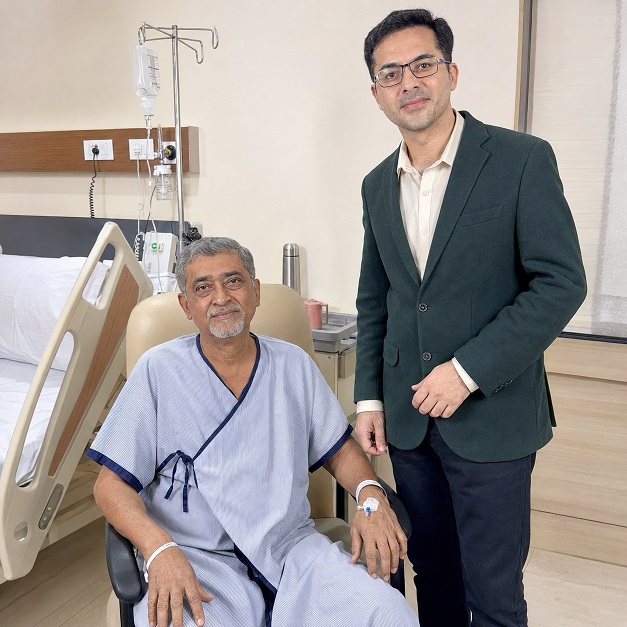
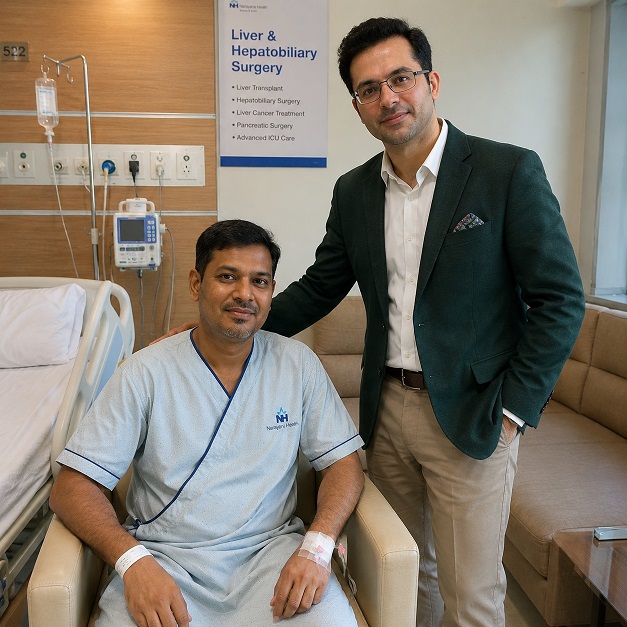
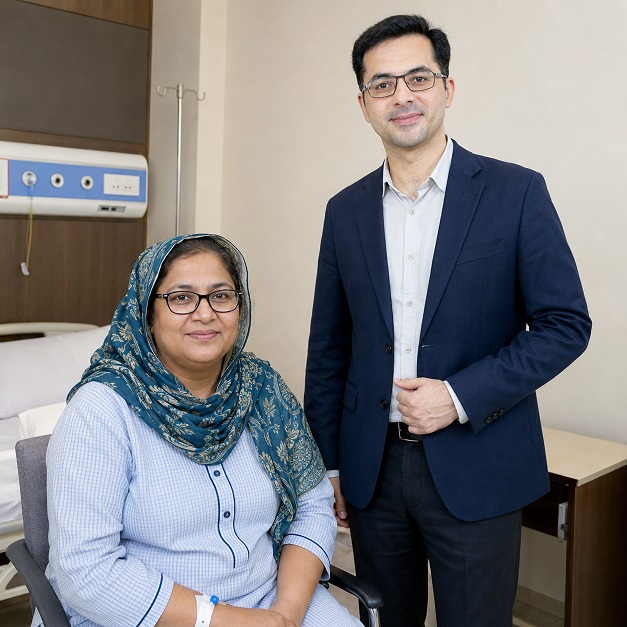
Patient Testimonials from Bangladesh
Ready to Take the First Step?
Share your medical reports with our healthcare managers today and receive a FREE CONSULTATION, a personalized treatment plan and complete support from your arrival to your recovery.
Get Your Free ConsultationFrom Bangladesh to India: Your Complete Patient Guide
- Complex Orthopaedic and Joint Revision Surgery in India for Bangladeshi Patients
- Heart Failure Treatment and Surgery in India for Bangladeshi Patients
- Joint Arthroscopy and Sports Medicine in India for Bangladeshi Patients
- Leukemia, Lymphoma and Blood Cancer Treatment in India for Bangladeshi Patients
- Kidney Transplant in India for Bangladeshi Patients
- Liver Transplant in India for Bangladeshi Patients
- Hip Surgery in India for Bangladeshi Patients
- Knee Surgery in India for Bangladeshi Patients
- Spine Surgery in India for Bangladeshi Patients
- Shoulder Surgery in India for Bangladeshi Patients
- IVF and Fertility Treatment in India for Bangladeshi Patients
- Robotic Cancer Surgery in India for Bangladeshi Patients
- Brain Tumor Treatment in India for Bangladeshi Patients
- Neurosurgery in India for Bangladeshi Patients
- Prostate Cancer Treatment and Surgery in India for Bangladeshi Patients
- Cardiac Surgery in India for Bangladeshi Patients
- Dental Implants and Smile Makeover in India for Bangladeshi Patients
- Weight Loss and Bariatric Surgery in India for Bangladeshi Patients