

Oral and Maxillofacial Surgery in India: A Complete Guide for Patients from Bangladesh
What a Bangladeshi patient should know before choosing a hospital, city and surgeon across the border — costs, process and the questions worth asking before you book a ticket.
Facial trauma is one of the leading reasons patients seek oral and maxillofacial surgery in Bangladesh. A retrospective study of 329 cases at Dhaka Dental College Hospital found that men outnumbered women by nearly five to one among patients with facial fractures, with the mandible and the zygomaticomaxillary complex — the cheekbone and surrounding midface — the two most frequently fractured sites, overwhelmingly among men in their twenties involved in road traffic accidents. For many of these patients, a facial fracture is not simply painful and disfiguring in the short term; poorly aligned healing can permanently affect how the jaw functions, how the teeth meet, and how the face itself looks. This guide sets out what oral and maxillofacial surgery in India actually involves, what it realistically costs compared with the UK and US, and the practical decisions that separate a smooth trip from a stressful one.
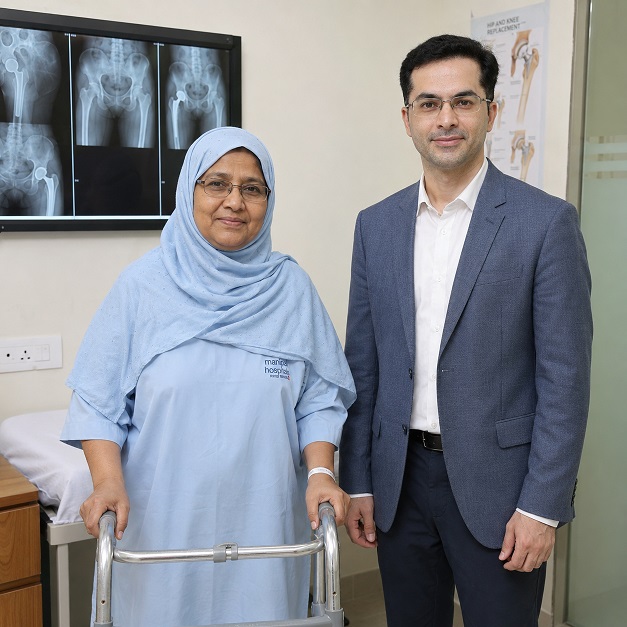
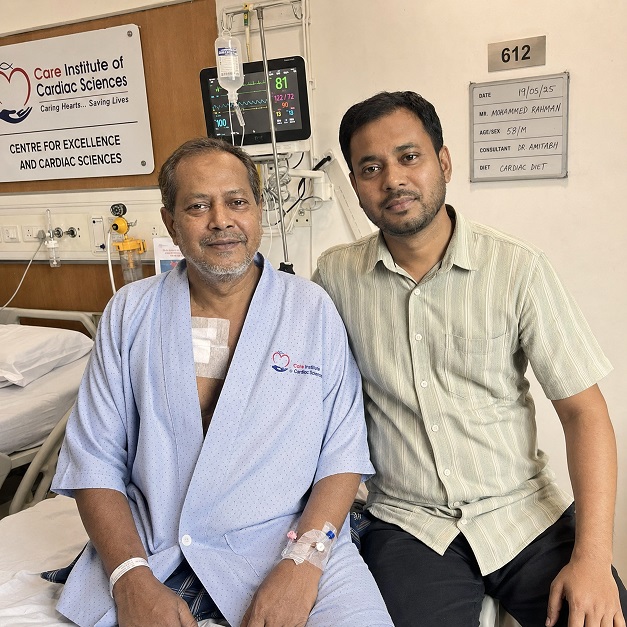
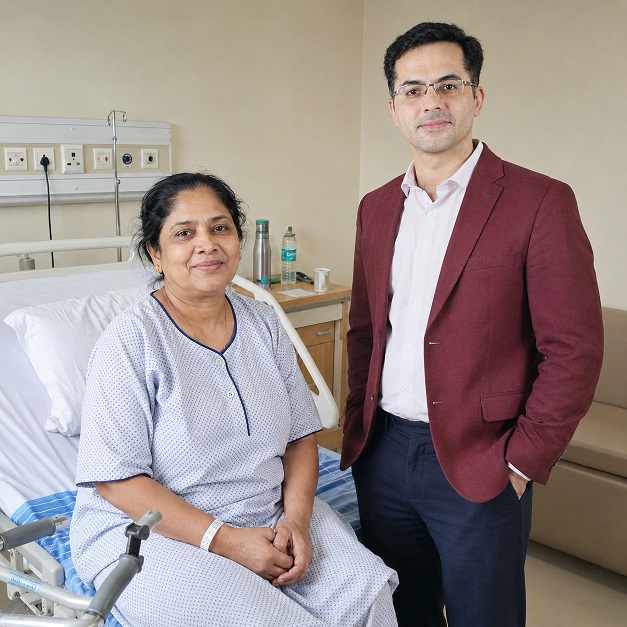
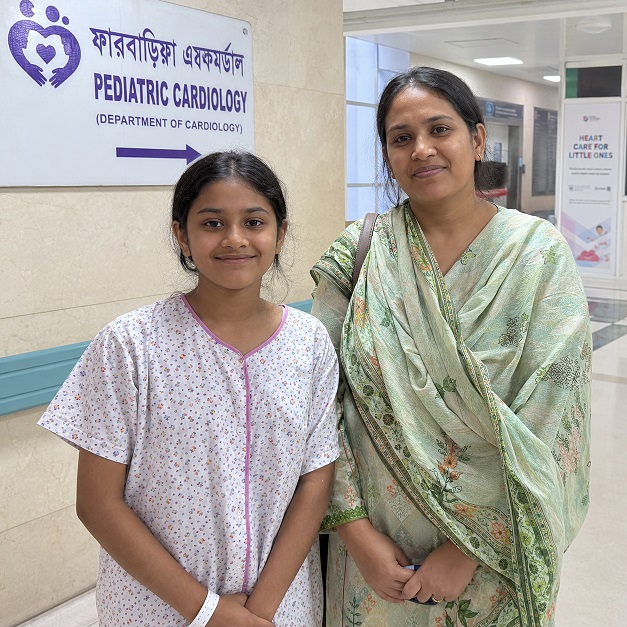
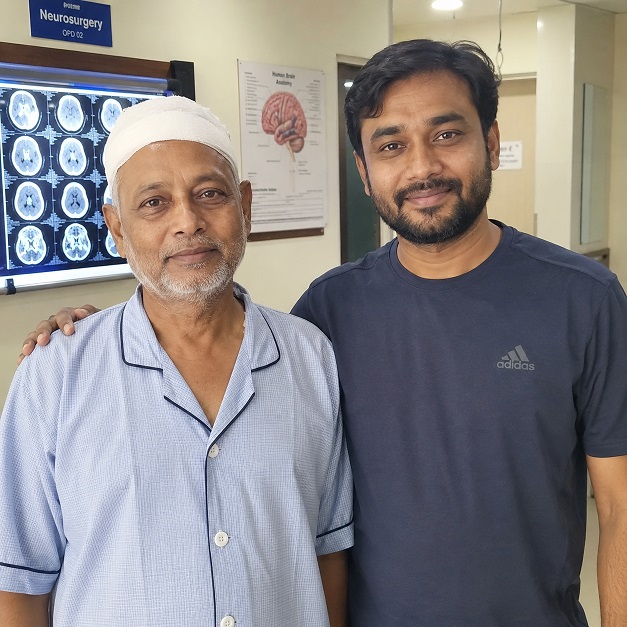
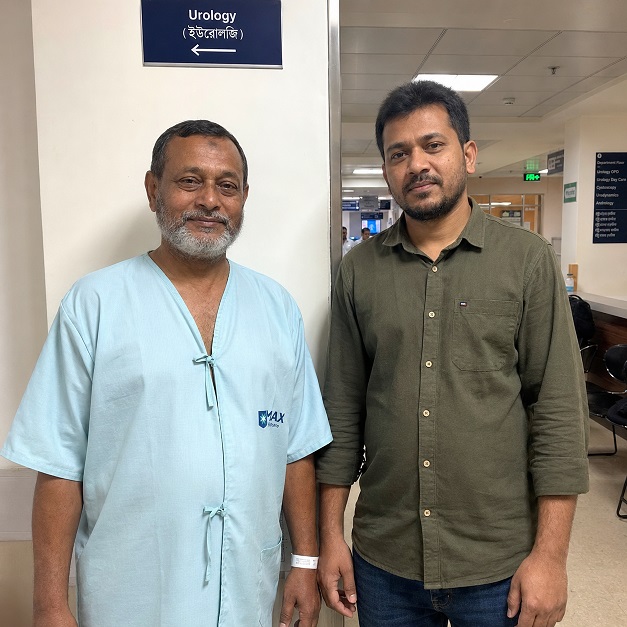
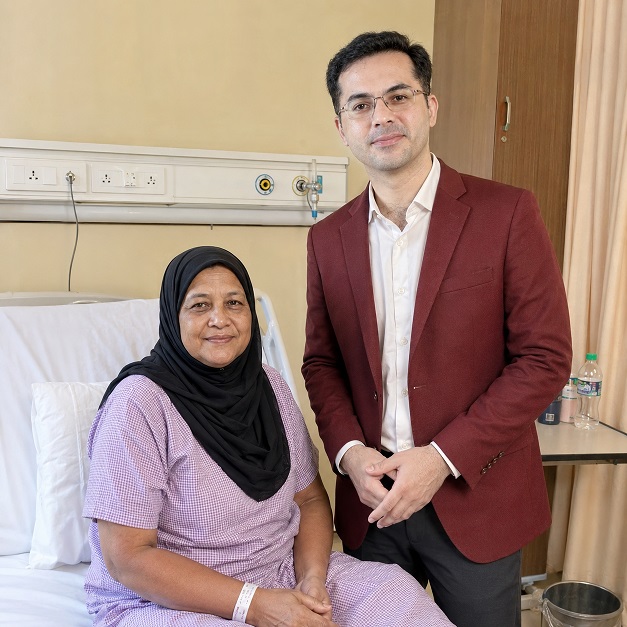
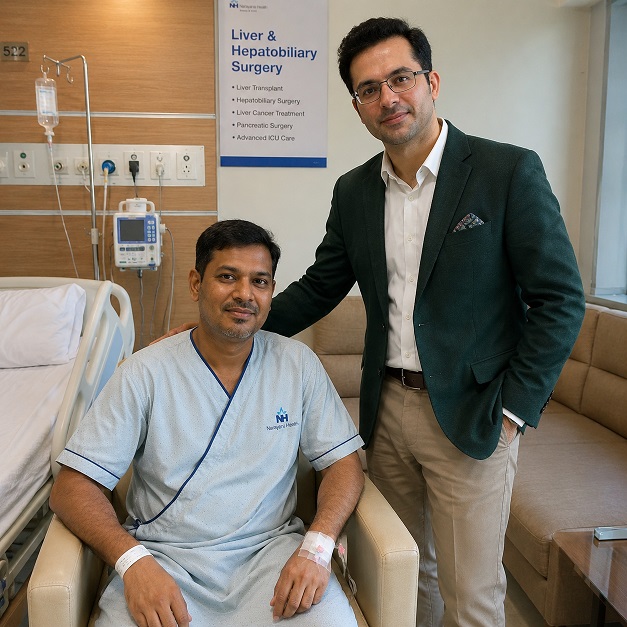
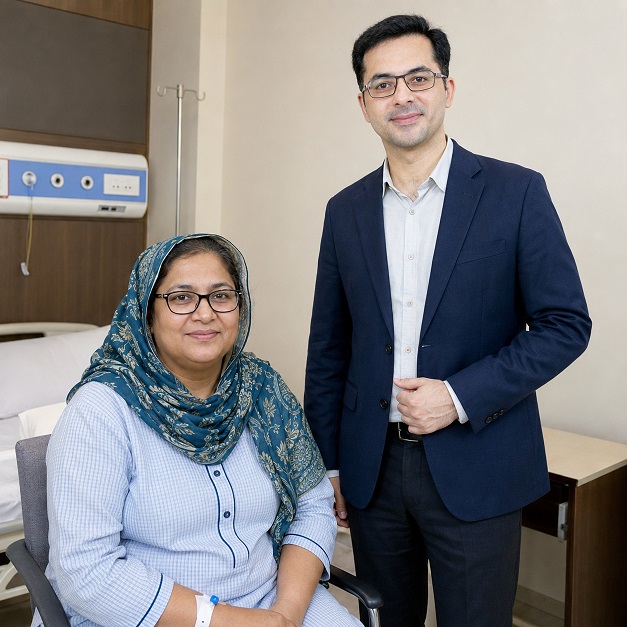
Healing Journeys of Bangladeshi Patients
Key Takeaways
- The guide highlights facial trauma as an important reason patients in Bangladesh require oral and maxillofacial surgery. A retrospective study of 329 cases at Dhaka Dental College Hospital found that men outnumbered women by nearly five to one among facial-fracture patients, with the mandible and zygomaticomaxillary complex being the most frequently fractured sites. Many cases involved young men and road traffic accidents.
- Oral and maxillofacial surgery covers conditions involving the mouth, jaws, face and neck, including facial fracture repair, orthognathic surgery, TMJ surgery and facial reconstruction. For displaced facial fractures, the guide particularly recommends confirming that open reduction with plate and screw fixation (ORIF) is being offered rather than wiring alone.
- For complex or multiple facial fractures, 3D imaging-guided surgical planning can help improve the accuracy of bone realignment. The guide also highlights integrated orthodontic coordination when trauma has affected the patient's bite, as well as reconstruction involving bone grafting and plating when required.
- India is presented as an accessible option for Bangladeshi patients because leading centres offer dedicated maxillofacial trauma units, precise fixation techniques and 3D-guided planning. Kolkata, Chennai, Delhi and Mumbai are highlighted, with Kolkata being geographically and linguistically familiar for many Bangladeshi patients.
- The cost chart on page 3 gives an indicative 2026 range of US$3,500–7,000 in India for facial-fracture ORIF including surgery, implants and hospital stay. The comparable ranges shown are US$15,000–30,000 in the UK and US$20,000–40,000 in the US. Multiple fractures and complex reconstruction may cost more.
- The guide stresses that Bangladeshi patients should not compare treatment quotations based only on the surgical fee. They should confirm whether the estimate includes plate and screw implants, 3D imaging where required and follow-up visits for healing and bite alignment. Multiple fracture sites and bone grafting should be priced separately where applicable.
- The seven-stage journey diagram on page 4 covers teleconsultation and imaging review, cost confirmation, medical visa and travel, 3D imaging and surgical planning, surgery, recovery and bite assessment, followed by return to Bangladesh. A standard facial-fracture repair generally requires 10–14 days in India, although complex or multiple fractures may require longer.
- The guide recommends checking the surgeon's personal facial-trauma reconstruction experience, rather than relying only on general dental or oral-surgery experience. Hospital accreditation, an itemised estimate and a written bite-alignment follow-up plan should also be confirmed before travelling.
Quick Facts
- Author
- Dr. Dheeraj Bojwani
- Experience
- 24+ Years
- Treatment
- Oral and Maxillofacial Surgery
- Country
- India
- Patients
- Bangladeshi Patients
- Key Specialist
- Oral and Maxillofacial Surgeon
- Main Procedures
- Facial Fracture Repair, Orthognathic Surgery, TMJ Surgery and Facial Reconstruction
- Primary Trauma Technique
- Open Reduction and Internal Fixation (ORIF)
- Fixation
- Titanium Plates and Screws
- Advanced Planning
- 3D Imaging-Guided Surgical Planning
- India Cost
- US$3,500–7,000 for facial-fracture ORIF
- UK Cost
- US$15,000–30,000
- US Cost
- US$20,000–40,000
- Typical Time in India
- Approximately 10–14 days
- Surgeon Check
- Confirm personal facial-trauma reconstruction experience
- Hospital Check
- Verify NABH or JCI accreditation directly
- Cost Check
- Confirm implants, imaging and follow-up are included
- Medical Visa
- Medical visa supported by an invitation from the treating Indian hospital
- Attendant
- Provision for up to three accompanying attendants
- Follow-Up
- Written bite-alignment and healing plan for care in Bangladesh
- Key Warning
- For displaced fractures, confirm precise plate fixation rather than wiring alone.
In Brief
Oral and maxillofacial surgery in India can provide Bangladeshi patients access to precise facial-fracture repair, jaw surgery, TMJ procedures and reconstructive treatment through dedicated specialist teams. The guide particularly emphasises open reduction with plate and screw fixation for displaced fractures, 3D imaging for complex cases and surgeon-specific experience in facial trauma reconstruction. Facial-fracture ORIF is estimated at approximately US$3,500–7,000 in India, with a typical stay of 10–14 days, followed by bite-alignment and healing follow-up that can continue with a dentist or oral surgeon in Bangladesh.
What Oral and Maxillofacial Surgery Actually Involves
Oral and maxillofacial surgery addresses conditions affecting the mouth, jaws, face and neck, spanning trauma, congenital conditions and reconstruction after disease. Surgeons generally work with:
- Facial fracture repair (ORIF) — open reduction and internal fixation using titanium plates and screws to precisely realign fractured bone, offering more accurate long-term results than older closed reduction or wiring-only methods for displaced fractures.
- Orthognathic (jaw) surgery — correcting jaw misalignment, whether from untreated or poorly healed trauma or congenital skeletal discrepancy, to restore normal bite function and facial balance.
- TMJ (jaw joint) surgery — for jaw joint disorders that cause pain, clicking or restricted jaw movement.
- Facial reconstruction after tumour removal or trauma, including bone grafting and plating to restore both function and appearance.
Ask an oral and maxillofacial surgeon to confirm whether precise plate fixation is being offered for a displaced fracture, and whether 3D imaging is used to plan complex cases, since these factors genuinely affect how well the jaw and face heal.
Why the Regional Pattern Matters for Treatment Planning
Because facial fractures in Bangladesh are so heavily concentrated among young men involved in road traffic accidents, and because the mandible and midface are the most frequently affected sites, precise surgical realignment matters enormously for this population's long-term function and appearance. This has a direct planning consequence: a patient with a displaced facial fracture should specifically confirm that genuine open reduction with plate fixation is being offered, not simply wiring the jaw shut, since imprecise healing can permanently affect the bite and facial symmetry of a young person with decades of life ahead.
Why India Specifically for Oral and Maxillofacial Surgery?
India has become an accessible destination for Bangladeshi patients seeking oral and maxillofacial surgery abroad. Peer-reviewed research surveying patients directly at the Indian Visa Application Centre in Chittagong found that the decision consistently comes down to a combination of experienced specialist teams, hospital quality and cost. Several practical advantages reinforce this pattern for oral and maxillofacial surgery specifically:
- Dedicated maxillofacial trauma units with genuine experience in precise plate fixation for complex facial fractures.
- 3D imaging-guided surgical planning for complex or comminuted fractures, improving the accuracy of realignment.
- Integrated orthodontic coordination, important for correcting bite problems that can result from facial trauma.
- Easy connectivity and an established medical-visa system built specifically around Bangladeshi patients, including a dedicated government portal for hospital invitation letters and provision for up to three accompanying attendants.
Advisor's Note — DR. Dheeraj Bojwani
"In 24 years of guiding patients through this decision, the clearest advice I give a Bangladeshi patient with a facial fracture is this: ask directly whether open reduction with plate fixation is being offered, rather than closed reduction or wiring alone, for any displaced fracture. And for complex midface or multiple fractures, ask whether 3D imaging is being used to plan the surgery, since precision here genuinely affects how your bite and facial symmetry turn out."
Facial Fracture Surgery (ORIF): Cost by Country
Surgery, implants and hospital stay, 2026
| Country | Typical Cost |
|---|---|
| India | $3,500 – $7,000 |
| United Kingdom | $15,000 – $30,000 |
| United States | $20,000 – $40,000 |
What the Numbers Actually Mean
The headline number matters less than what it includes. A Bangladeshi patient comparing quotes should ask each Indian hospital to confirm whether the figure covers plate and screw implants, 3D imaging if the case is complex, and follow-up visits to monitor healing and bite alignment. Cases involving multiple fracture sites or requiring bone grafting are priced differently from a single, straightforward fracture.
Peer-reviewed research on cross-border medical travel found that international patients spend an average of 3,800 to 7,000 US dollars per visit once transport, accommodation and incidental costs are added to treatment itself — a range worth budgeting for on top of the surgery cost shown above. A standard facial fracture repair typically requires 10 to 14 days in India, covering pre-operative imaging, surgery and an initial healing check.
A note on insurance
Most Bangladeshi health insurance policies do not cover overseas treatment, and Indian hospitals generally expect self-pay or an advance deposit from international patients. Confirm this before travelling rather than after arrival.
The Typical Journey of a Bangladeshi Patient Planning Maxillofacial Surgery in India
Most Bangladeshi patients follow a broadly similar sequence, whether they travel independently or through a medical-facilitation service. Knowing the shape of it in advance makes each step easier to plan for.
- Teleconsult, imaging reviewed
- Cost estimate confirmed
- Medical visa & travel booked
- 3D imaging & surgical planning
- Surgery performed
- Recovery & bite check
- Fly home, follow-up in BD
Total time away from home is usually 10 to 14 days; complex or multi-fracture cases may need longer.
Factors a Bangladeshi Patient Should Weigh Before Maxillofacial Surgery in India
Beyond the surgery itself, the decisions that most affect a patient's experience are logistical and financial rather than purely medical. Consider each of the following before confirming a hospital:
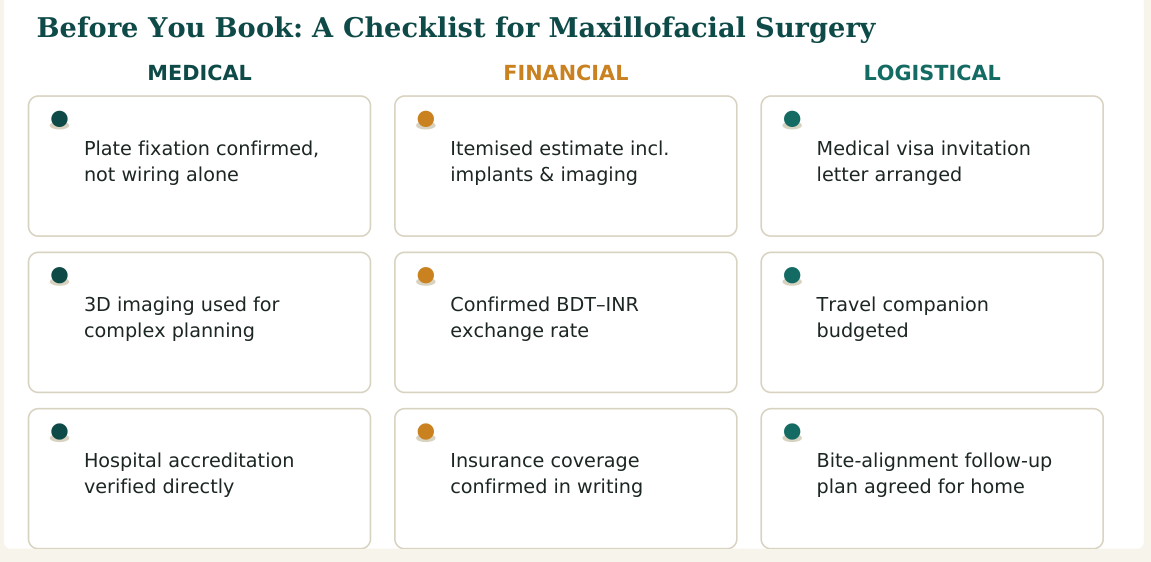
- Genuine plate fixation confirmed for displaced fractures, rather than closed reduction or wiring alone.
- 3D imaging-guided planning offered for complex or multiple fractures, where precision matters most.
- Which city, not just which hospital. Kolkata is closest and most familiar linguistically; Chennai, Delhi and Mumbai often have a wider choice of dedicated maxillofacial trauma centres.
- The surgeon's personal volume in facial trauma reconstruction, not general dental or oral surgery experience alone.
- Genuine hospital accreditation. Ask whether the hospital holds NABH or JCI accreditation and verify it directly through the accreditation board's own directory rather than taking a brochure's word for it.
- An itemised, written estimate covering implants, imaging, and the number of fracture sites being treated.
- Medical visa documentation. A formal invitation letter from the treating hospital, submitted through India's official medical-visa channel, is required at the Indian visa centre in Dhaka, Chittagong, Sylhet or Rajshahi.
- A written bite-alignment and follow-up plan for after you return, since monitoring how the jaw heals and functions continues for weeks to months after surgery.
Before You Book: A Checklist for Maxillofacial Surgery
A Closing Words
For Bangladeshi patients with facial trauma or jaw conditions, India offers genuine reconstructive expertise using precise fixation techniques and 3D-guided planning, at a fraction of the cost charged in the UK or US. The value, however, depends entirely on the specifics: confirmation that genuine plate fixation is being offered rather than wiring alone, a surgeon with real facial trauma volume, a transparent itemised estimate, and a realistic bite-alignment follow-up plan back home. Patients who ask detailed questions before booking, rather than after arriving, consistently report a smoother experience — medically and financially.
Sources
- 🌐 Dental Council of India (DCI) — statutory body under the Dentists Act, 1948, regulating dental education and registration of dentists and oral & maxillofacial surgeons across India. · dciindia.gov.in
- 🌐 National Accreditation Board for Hospitals & Healthcare Providers (NABH) — India's principal healthcare accreditation authority, under the Quality Council of India. · nabh.co
- 🌐 Analysis of maxillofacial fractures pattern in a tertiary hospital in Bangladesh: A retrospective study of 329 cases. Peer-reviewed study, Journal of Dentomaxillofacial Science, quantifying the pattern of facial fractures treated at Dhaka Dental College Hospital. · jdmfs.org/index.php/jdmfs/article/view/1129
- 🌐 Determinants of Bangladeshi patients' decision-making process and satisfaction toward medical tourism in India. Peer-reviewed study, hosted via NIH/NCBI. · pmc.ncbi.nlm.nih.gov/articles/PMC10185743
- 🌐 Government of India — Medical Value Travel / e-Medical Visa Portal, Bureau of Immigration, Ministry of Home Affairs — official channel for hospital invitation letters and medical-visa provisions for Bangladeshi nationals. · indianfrro.gov.in/frro/medicalvaluetravel
Frequently Asked Questions by Bangladeshi Patients about Oral and Maxillofacial Surgery in India
Can Bangladeshi patients receive facial-fracture surgery in India?
Yes. The guide presents India as an accessible option for Bangladeshi patients requiring oral and maxillofacial surgery, including precise fixation of displaced facial fractures and complex reconstruction.
Why is plate fixation important for a displaced facial fracture?
Open reduction with plate and screw fixation allows the surgeon to precisely realign the fractured bone. The guide emphasises that accurate healing can affect long-term bite alignment and facial symmetry.
Should Bangladeshi patients ask about 3D imaging before complex facial-fracture surgery?
Yes. For complex, comminuted or multiple fractures, the guide recommends asking whether 3D imaging-guided planning will be used because precise pre-operative planning can improve realignment.
How much does facial-fracture surgery cost in India for Bangladeshi patients?
The page 3 cost chart gives an indicative range of US$3,500–7,000 for facial-fracture ORIF, including surgery, implants and hospital stay. Multiple fractures or complex reconstruction may increase the cost.
How long should a Bangladeshi patient stay in India for facial-fracture surgery?
A standard facial-fracture repair generally requires 10–14 days in India, including imaging, surgery and an initial healing and bite check. More complex fractures may require a longer stay.
What experience should a Bangladeshi patient look for in a maxillofacial surgeon?
The guide recommends checking the surgeon's personal volume in facial-trauma reconstruction, rather than relying only on general dental or oral-surgery experience.
Which Indian cities are highlighted for Bangladeshi maxillofacial patients?
The guide highlights Kolkata, Chennai, Delhi and Mumbai. Kolkata is particularly convenient for many Bangladeshi patients because of geographical proximity and linguistic familiarity.
What should be included in a maxillofacial surgery quotation for Bangladeshi patients?
Patients should confirm whether the quotation includes plate and screw implants, 3D imaging where required and follow-up visits. Multiple fracture sites and bone grafting should be separately clarified in the estimate.
Can a Bangladeshi patient's bite return to normal after jaw-fracture surgery?
The guide states that in most cases the bite can return to normal when the fracture is precisely realigned and properly fixed. Some patients may require jaw exercises or minor orthodontic adjustment afterward.
Can follow-up after maxillofacial surgery continue in Bangladesh?
Yes. The Indian surgical team can provide a written bite-alignment and healing follow-up plan for a dentist or oral surgeon in Bangladesh, with periodic video follow-up where appropriate.
Page Summary
The six-page guide explains oral and maxillofacial surgery in India for Bangladeshi patients, with particular emphasis on facial trauma, ORIF, 3D imaging-guided planning, jaw surgery, TMJ surgery and facial reconstruction. It stresses precise fixation for displaced fractures, surgeon-specific facial-trauma experience, hospital accreditation, transparent costing and continued bite-alignment follow-up after returning to Bangladesh. The page 3 cost chart places facial-fracture ORIF at US$3,500–7,000 in India, while the page 4 journey diagram shows a seven-stage pathway requiring approximately 10–14 days in India for a standard case.
Citation Block
| Field | Information |
|---|---|
| Article / Topic | Oral and Maxillofacial Surgery in India for Patients from Bangladesh |
| Treatment | Facial fracture repair, jaw surgery, TMJ surgery and facial reconstruction |
| Country / Patients | India / Bangladeshi Patients |
| Key Specialist | Oral and Maxillofacial Surgeon |
| Primary Trauma Procedure | Open Reduction and Internal Fixation (ORIF) |
| Fixation Method | Titanium plates and screws |
| Advanced Planning | 3D imaging-guided planning for complex or multiple fractures |
| Common Fracture Sites | Mandible and zygomaticomaxillary complex |
| India Cost | US$3,500–7,000 for facial-fracture ORIF |
| UK Cost | US$15,000–30,000 |
| US Cost | US$20,000–40,000 |
| Typical Time in India | Approximately 10–14 days |
| Surgeon Requirement | Genuine personal experience in facial-trauma reconstruction |
| Hospital Requirement | Dedicated maxillofacial trauma capability |
| Hospital Check | Verify NABH or JCI accreditation directly |
| Cost Check | Confirm implants, 3D imaging and follow-up visits are included |
| Complex Cases | Multiple fractures and bone grafting may require different pricing and longer stays |
| Medical Visa | Medical visa supported by an invitation from the treating Indian hospital |
| Attendant | Provision for up to three accompanying attendants |
| Follow-Up | Written bite-alignment and healing plan for care in Bangladesh |
| City Options | Kolkata, Chennai, Delhi and Mumbai |
| Key Selection Criteria | Plate-fixation capability, 3D planning, surgeon-specific trauma volume, accreditation and transparent costing |
| Important Warning | Displaced fractures should not automatically be managed with wiring alone; confirm the planned fixation method before travel |
| Travel Planning | Budget separately for transport, accommodation and incidental expenses |
| Insurance Check | Confirm overseas-treatment coverage in writing before travelling |

Our Mission Statement
Our mission is to place patients at the centre of every healthcare decision by providing trustworthy, evidence-based, and unbiased medical information. We believe that informed patients make better decisions. Backed by personalised guidance from our experienced advisory team, we help patients understand their treatment options, compare them objectively, and confidently choose the path that best suits their medical needs and personal circumstances.
Patient Testimonials from Bangladesh
Ready to Take the First Step?
Share your medical reports with our healthcare managers today and receive a FREE CONSULTATION, a personalized treatment plan and complete support from your arrival to your recovery.
Get Your Free ConsultationFrom Bangladesh to India: Your Complete Patient Guide
- Complex Orthopaedic and Joint Revision Surgery in India for Bangladeshi Patients
- Heart Failure Treatment and Surgery in India for Bangladeshi Patients
- Joint Arthroscopy and Sports Medicine in India for Bangladeshi Patients
- Leukemia, Lymphoma and Blood Cancer Treatment in India for Bangladeshi Patients
- Kidney Transplant in India for Bangladeshi Patients
- Liver Transplant in India for Bangladeshi Patients
- Hip Surgery in India for Bangladeshi Patients
- Knee Surgery in India for Bangladeshi Patients
- Spine Surgery in India for Bangladeshi Patients
- Shoulder Surgery in India for Bangladeshi Patients
- IVF and Fertility Treatment in India for Bangladeshi Patients
- Robotic Cancer Surgery in India for Bangladeshi Patients
- Brain Tumor Treatment in India for Bangladeshi Patients
- Neurosurgery in India for Bangladeshi Patients
- Prostate Cancer Treatment and Surgery in India for Bangladeshi Patients
- Cardiac Surgery in India for Bangladeshi Patients
- Dental Implants and Smile Makeover in India for Bangladeshi Patients
- Weight Loss and Bariatric Surgery in India for Bangladeshi Patients