

HIPEC Cancer Surgery in India: A Complete Guide for Patients from Bangladesh
What a Bangladeshi patient and their family should know before choosing a hospital, city and surgical team across the border — costs, process and the questions worth asking before you book a ticket.
Gastric cancer in Bangladesh is overwhelmingly diagnosed late. A study of gastric cancer patients in the country found that 80 percent presented with disease already considered inoperable by conventional standards, and only one in five patients underwent curative surgery. For many of these patients, the reason surgery is ruled out is that the cancer has already spread across the lining of the abdominal cavity — a pattern called peritoneal carcinomatosis. This is precisely the situation HIPEC, hyperthermic intraperitoneal chemotherapy combined with cytoreductive surgery, was developed to address, offering a carefully selected group of patients an option beyond the standard "inoperable" verdict. This guide sets out what HIPEC cancer surgery in India actually involves, what it realistically costs compared with the UK and US, and the practical decisions that separate a smooth trip from a stressful one.
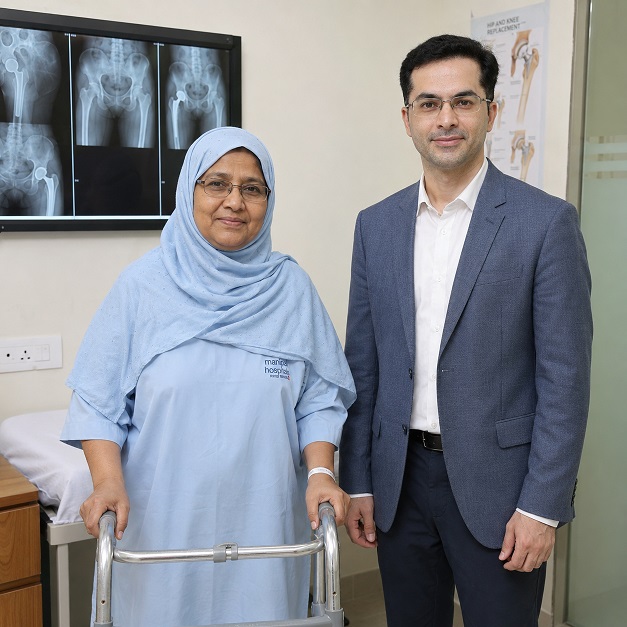
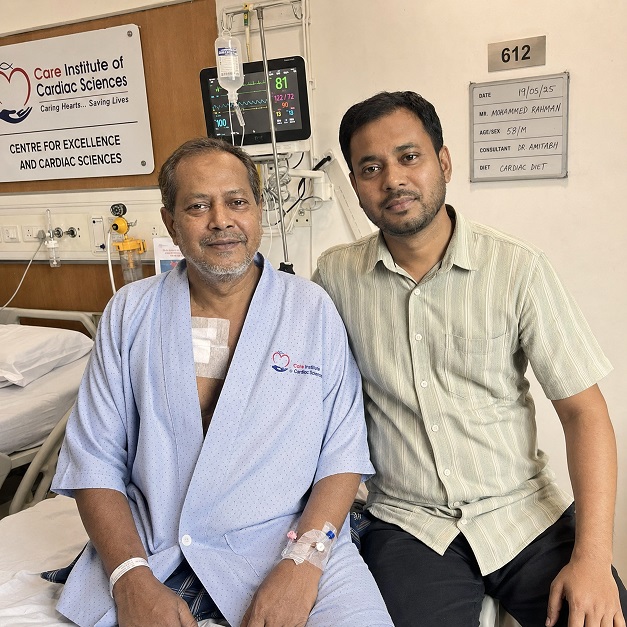
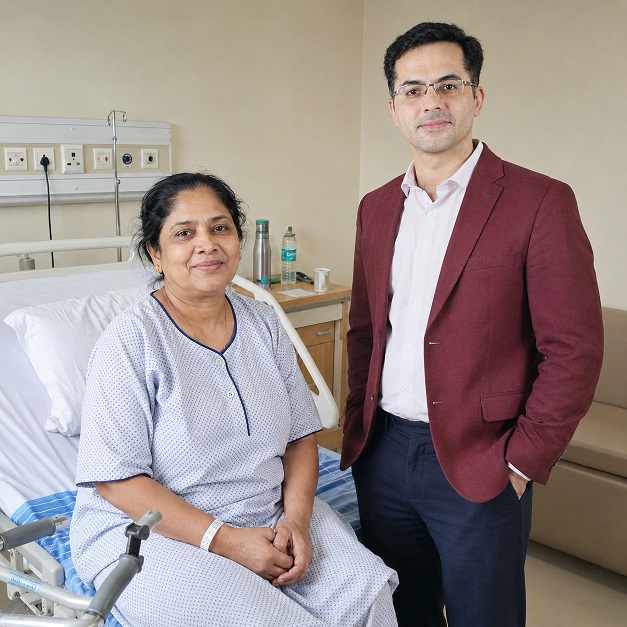
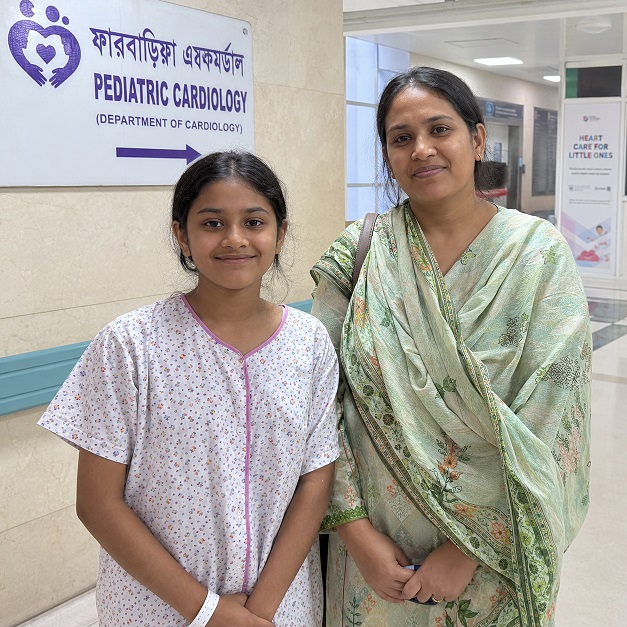
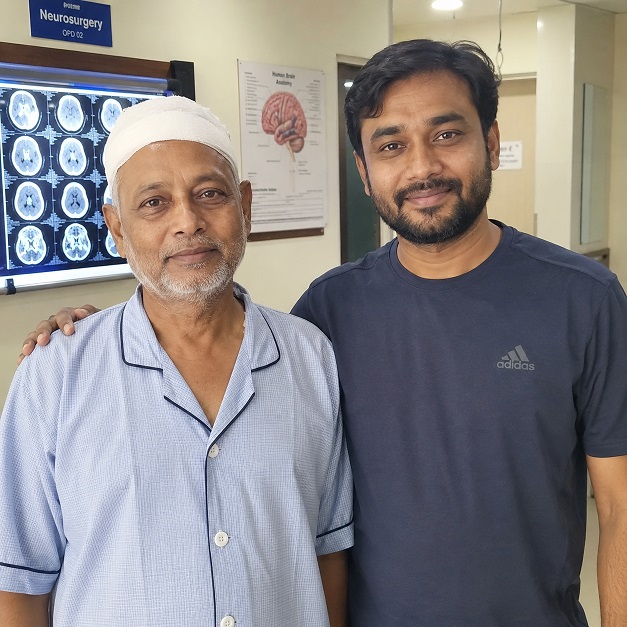
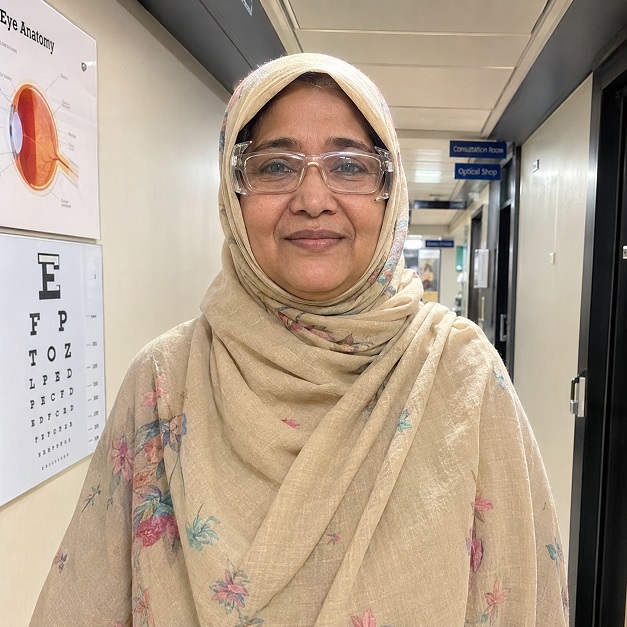
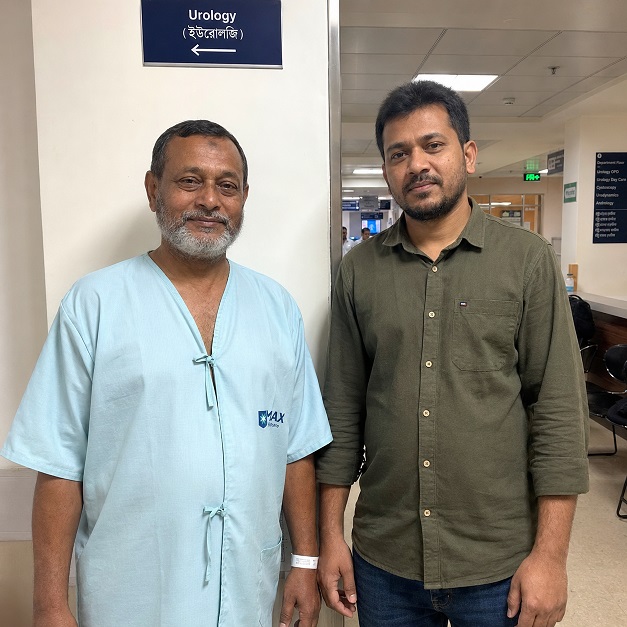
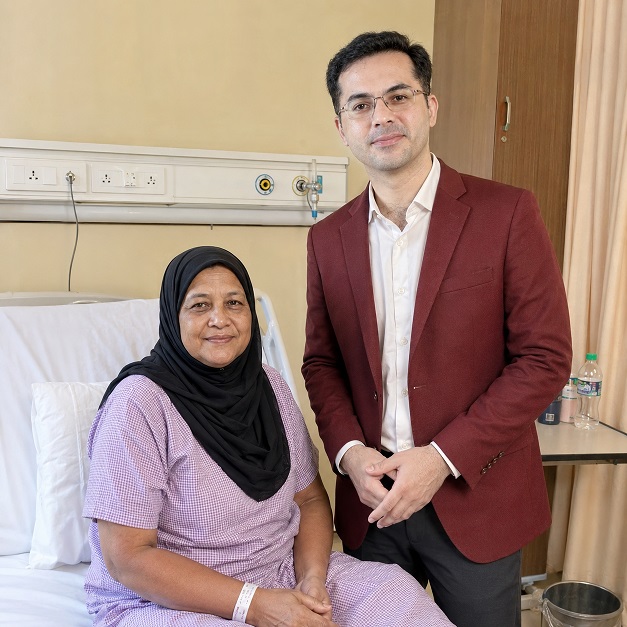
Healing Journeys of Bangladeshi Patients

Key Takeaways
- The guide highlights the late presentation of gastric cancer in Bangladesh. A study cited in the guide found that 80% of gastric cancer patients presented with disease considered inoperable by conventional standards, while only one in five underwent curative surgery. Peritoneal carcinomatosis, where cancer spreads across the abdominal lining, is one pattern for which HIPEC and cytoreductive surgery may be considered in carefully selected patients.
- HIPEC is not a standalone treatment. It is combined with cytoreductive surgery (CRS), which aims to remove all visible tumour from the abdominal cavity, followed immediately by circulation of heated chemotherapy within the abdomen for approximately 60–90 minutes to target microscopic remaining cancer cells.
- The guide lists common indications including appendiceal cancer and pseudomyxoma peritonei, colorectal cancer with peritoneal spread, ovarian cancer with peritoneal spread, gastric cancer with limited peritoneal involvement and primary peritoneal mesothelioma. HIPEC is not appropriate for every patient with peritoneal disease.
- Patient selection depends heavily on the Peritoneal Cancer Index (PCI) and whether complete or near-complete cytoreduction is realistically achievable. Patients with very extensive disease or poor fitness for a prolonged, demanding operation may not be suitable. The guide recommends a dedicated second opinion when a general hospital has labelled the disease "inoperable."
- India is presented as an option because of dedicated peritoneal surface malignancy programmes, genuine CRS/HIPEC surgical volume, multidisciplinary tumour boards and established postoperative and ICU care. Kolkata, Chennai, Delhi and Mumbai are highlighted, with Kolkata offering particular geographic and linguistic familiarity for Bangladeshi patients.
- The cost chart on page 3 gives an indicative 2026 range of US$8,000–18,000 in India for combined cytoreductive surgery and HIPEC, compared with US$37,500–75,000 in the UK and US$100,000–150,000 in the US. Multi-organ resection, greater disease extent and extended ICU care can increase the final cost.
- The guide stresses that HIPEC is unusually difficult to quote precisely before surgery because the exact extent of disease may only become clear during the operation. Bangladeshi patients should therefore confirm whether the estimate includes both CRS and HIPEC, expected ICU and hospital stay, and a financial contingency for more extensive surgery.
- The seven-stage journey diagram on page 4 covers teleconsultation and imaging review, cost confirmation, medical visa and travel, PCI assessment and candidacy confirmation, CRS + HIPEC lasting approximately 6–12 hours, ICU/hospital recovery and return to Bangladesh. The guide recommends planning for approximately 3–4 weeks in India.
Quick Facts
- Author
- Dr. Dheeraj Bojwani
- Experience
- 24+ Years
- Treatment
- HIPEC Cancer Surgery
- Country
- India
- Patients
- Bangladeshi Patients
- Key Specialist
- Surgical Oncologist / Peritoneal Surface Malignancy Specialist
- Main Treatment
- Cytoreductive Surgery + HIPEC
- HIPEC Duration
- Approximately 60–90 minutes
- Surgery Duration
- Approximately 6–12 hours
- Common Indications
- Appendiceal Cancer, Pseudomyxoma Peritonei, Colorectal Cancer with Peritoneal Spread, Ovarian Cancer with Peritoneal Spread and Selected Gastric Cancer
- Candidacy Tool
- Peritoneal Cancer Index (PCI)
- Treatment Goal
- Complete or near-complete removal of visible tumour
- India Cost
- US$8,000–18,000 for combined CRS + HIPEC
- UK Cost
- US$37,500–75,000
- US Cost
- US$100,000–150,000
- Typical Stay
- Approximately 3–4 weeks
- ICU Care
- Required as part of postoperative recovery planning
- Centre Check
- Confirm dedicated CRS/HIPEC case volume
- Team Check
- Multidisciplinary tumour board with genuine peritoneal malignancy expertise
- Hospital Check
- Verify NABH or JCI accreditation directly
- Medical Visa
- Indian medical visa with hospital invitation
- Attendants
- Up to three accompanying attendants
- Financial Planning
- Include a contingency because the final surgical extent may only become clear during surgery
- Follow-Up
- Long-term surveillance plan for continued care in Bangladesh
- Key Warning
- A general "inoperable" diagnosis should not automatically rule out HIPEC; obtain a dedicated HIPEC second opinion when appropriate.
In Brief
HIPEC cancer surgery in India can provide carefully selected Bangladeshi patients access to dedicated peritoneal surface malignancy programmes combining cytoreductive surgery and heated intraperitoneal chemotherapy. The guide emphasises that candidacy should be determined using the Peritoneal Cancer Index and the surgical team's assessment of whether complete or near-complete tumour removal is achievable, rather than relying only on a previous "inoperable" diagnosis. Combined CRS and HIPEC is estimated at approximately US$8,000–18,000 in India, with the surgery often lasting 6–12 hours and requiring a typical 3–4 week stay, including ICU and hospital recovery, followed by long-term surveillance in Bangladesh.
What HIPEC Cancer Surgery Actually Involves
HIPEC is not a standalone treatment — it is always combined with cytoreductive surgery, and the two together form a single, intensive treatment approach for cancer that has spread across the abdominal lining rather than to distant organs. The process generally works as follows:
- Cytoreductive surgery (CRS) — an extensive operation to remove all visible tumour tissue from the abdominal cavity, sometimes involving parts of several organs, aiming for complete or near-complete removal of everything that can be seen.
- Hyperthermic intraperitoneal chemotherapy (HIPEC) — immediately following surgery, a heated chemotherapy solution is circulated directly within the abdominal cavity for 60 to 90 minutes, targeting microscopic cancer cells that surgery alone cannot remove, while limiting the wider-body side effects of standard intravenous chemotherapy.
- Common indications — appendiceal cancer and pseudomyxoma peritonei, colorectal cancer with peritoneal spread, ovarian cancer with peritoneal spread, gastric cancer with limited peritoneal involvement, and primary peritoneal mesothelioma.
HIPEC is not appropriate for every patient with peritoneal disease. Candidacy depends heavily on the extent of disease, measured using the Peritoneal Cancer Index, and whether complete or near-complete cytoreduction is realistically achievable — patients with very extensive disease or poor overall fitness for a long, demanding surgery are generally not good candidates.
Why the Regional Pattern Matters for Treatment Planning
Because such a high proportion of Bangladeshi gastric cancer patients present with disease considered inoperable by standard measures, many are told there is little more that conventional surgery can offer, without necessarily being evaluated specifically for HIPEC and cytoreductive surgery — a highly specialised approach requiring expertise that is not widely available domestically. This has a direct planning consequence: for the subset of patients whose disease pattern is genuinely suited to it, being told "inoperable" at a general hospital should prompt a specific second opinion from a centre with real HIPEC experience, rather than being treated as the final word.
Why India Specifically for HIPEC Cancer Surgery?
India has become an accessible destination for Bangladeshi patients seeking HIPEC and cytoreductive surgery abroad. Peer-reviewed research surveying patients directly at the Indian Visa Application Centre in Chittagong found that the decision consistently comes down to a combination of experienced specialist teams, hospital quality and cost. Several practical advantages reinforce this pattern for HIPEC specifically:
- Dedicated peritoneal surface malignancy programmes, with genuine surgical volume and structured Peritoneal Cancer Index-based patient selection, rather than an occasional procedure offered by a general surgical oncology unit.
- Multidisciplinary tumour boards that assess candidacy honestly, including for patients whose disease may be too extensive to benefit from the approach.
- Established post-operative and ICU care, since this is a long, demanding operation requiring careful recovery management.
- Easy connectivity and an established medical-visa system built specifically around Bangladeshi patients, including a dedicated government portal for hospital invitation letters and provision for up to three accompanying attendants.
Advisor's Note — DR. Dheeraj Bojwani
"In 24 years of guiding patients through this decision, the clearest advice I give a Bangladeshi family considering HIPEC is this: ask specifically for the Peritoneal Cancer Index score and whether the surgical team genuinely believes complete cytoreduction is achievable for this particular case. HIPEC's benefit depends heavily on how much visible tumour can actually be removed — incomplete cytoreduction meaningfully reduces the value of the procedure. Get a real second opinion from a centre with genuine HIPEC volume, not just any hospital willing to offer it."
HIPEC Surgery India Cost vs Other Countries
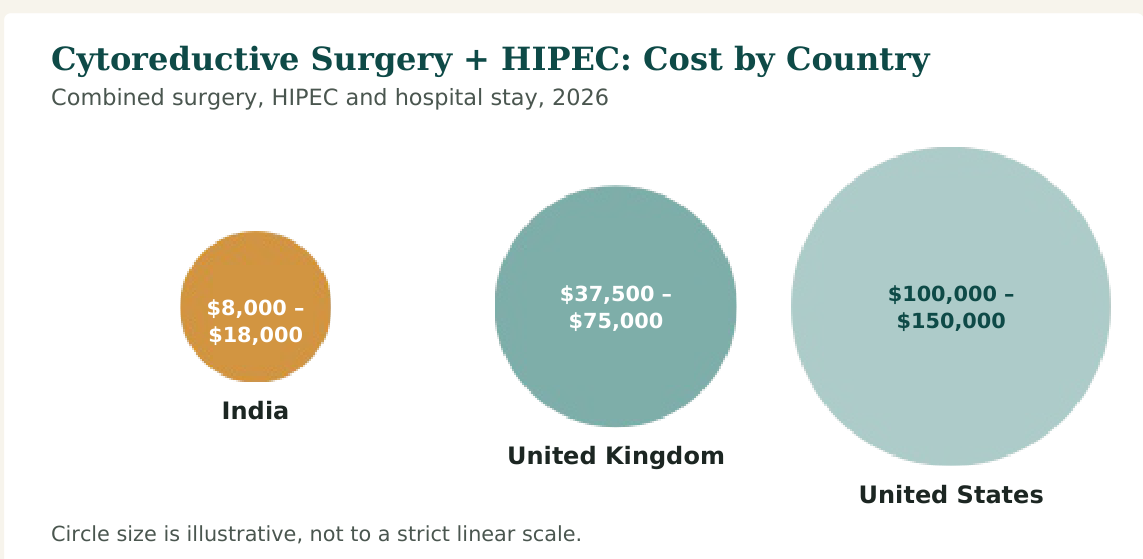
What the Numbers Actually Mean
The headline number matters less than what it includes. A Bangladeshi family comparing quotes should ask each Indian hospital to confirm whether the figure covers both the cytoreductive surgery and the HIPEC procedure together, the expected ICU and hospital stay, and what happens financially if the surgery turns out to be more extensive than initially planned once the surgeon can see the full extent of disease. This is genuinely one of the harder procedures to quote precisely in advance, since the exact extent of surgery needed often isn't fully clear until the operation is underway.
Peer-reviewed research on cross-border medical travel found that international patients spend an average of 3,800 to 7,000 US dollars per visit once transport, accommodation and incidental costs are added to treatment itself — a range worth budgeting for on top of the surgery cost shown above. HIPEC involves one of the longer hospital stays covered in this series: realistically, 3 to 4 weeks in India covers pre-operative workup, the surgery itself (often 6 to 12 hours), ICU recovery and a stable period before travel.
A note on insurance
Most Bangladeshi health insurance policies do not cover overseas treatment, and Indian hospitals generally expect self-pay or an advance deposit from international patients. Confirm this before travelling rather than after arrival.
The Typical Journey of a Bangladeshi Patient Planning HIPEC Surgery in India
Most Bangladeshi patients follow a broadly similar sequence, whether they travel independently or through a medical-facilitation service. Knowing the shape of it in advance makes each step easier to plan for.
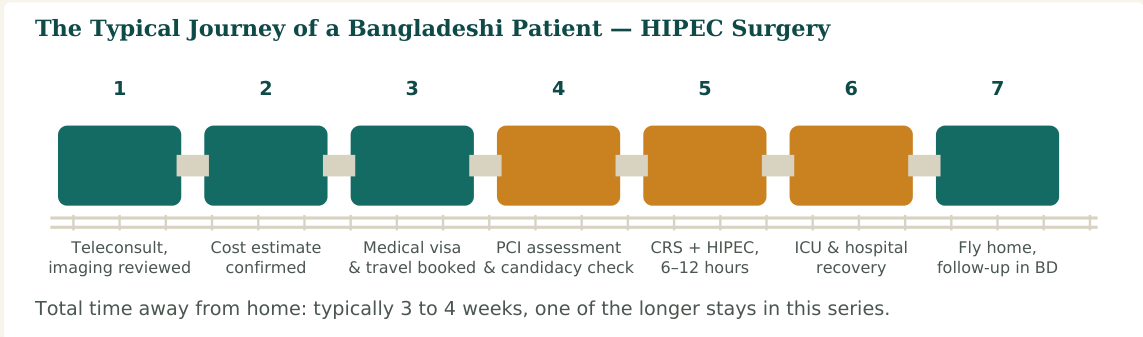
Total time away from home: typically 3 to 4 weeks, one of the longer stays in this series.
Factors a Bangladeshi Patient Should Weigh Before HIPEC Surgery in India
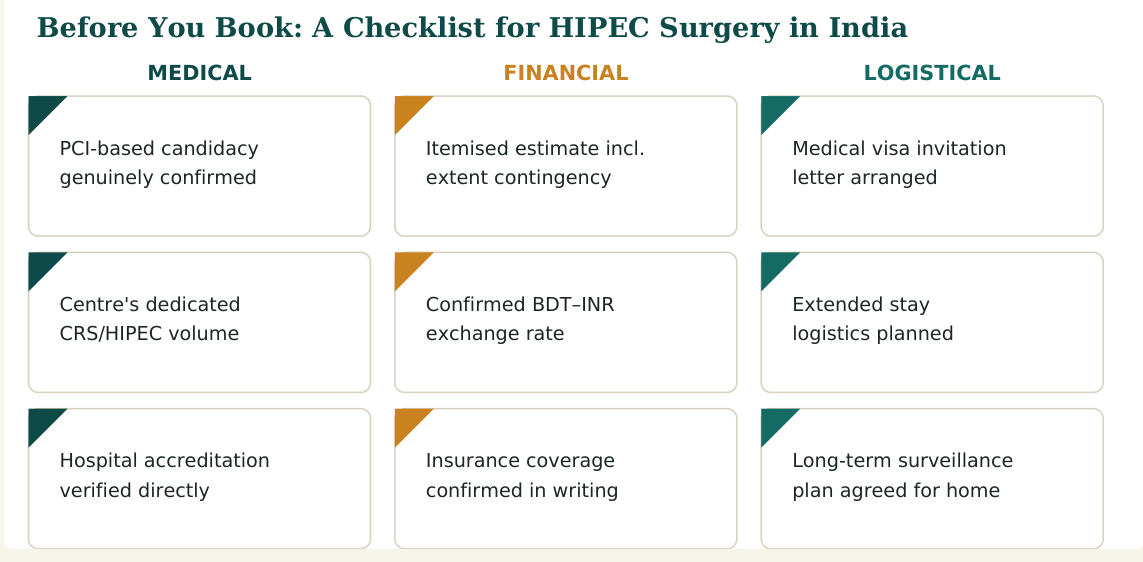
Beyond the surgery itself, the decisions that most affect a patient's experience are logistical and financial rather than purely medical. Consider each of the following before confirming a hospital:
- Genuine candidacy confirmed through Peritoneal Cancer Index assessment, not assumed from a general "inoperable" label alone.
- The centre's dedicated HIPEC case volume — not general oncology surgery volume. Ask directly how many CRS/HIPEC procedures the team performs each year.
- Which city, not just which hospital. Kolkata is closest and most familiar linguistically; Chennai, Delhi and Mumbai often have a wider choice of dedicated peritoneal surface malignancy programmes.
- Genuine hospital accreditation. Ask whether the hospital holds NABH or JCI accreditation and verify it directly through the accreditation board's own directory rather than taking a brochure's word for it.
- An itemised estimate with a clear contingency for the fact that the exact extent of surgery often can't be finalised until the operation itself.
- Medical visa documentation. A formal invitation letter from the treating hospital, submitted through India's official medical-visa channel, is required at the Indian visa centre in Dhaka, Chittagong, Sylhet or Rajshahi.
- Family logistics for an extended stay, since ICU recovery and hospital stay after this surgery is longer than most other procedures covered in this series.
- A written long-term surveillance plan for after you return, since monitoring for recurrence continues for years after HIPEC.
Before You Book: A Checklist for HIPEC Surgery in India
A Closing Words
For carefully selected Bangladeshi patients, India offers access to HIPEC and cytoreductive surgery that may not be routinely considered domestically, even for patients told their disease is inoperable, at a fraction of the cost charged in the UK or US. The value, however, depends entirely on the specifics: genuine Peritoneal Cancer Index-based confirmation of candidacy, a centre with real dedicated HIPEC volume, a transparent estimate that accounts for the surgery's inherent uncertainty, and a realistic plan for the extended recovery and years of follow-up that this procedure requires. Families who ask detailed questions before booking, rather than after arriving, consistently report a smoother experience — medically and financially.
Sources
- 🌐 National Medical Commission of India — statutory body for verifying a doctor's registration and specialist qualifications. · nmc.org.in
- 🌐 National Accreditation Board for Hospitals & Healthcare Providers (NABH) — India's principal healthcare accreditation authority, under the Quality Council of India. · nabh.co
- 🌐 Evaluation of Risk Factors for Gastric Cancer in a Bangladeshi Population. Peer-reviewed study, SAS Journal of Surgery, quantifying late-stage presentation and inoperability rates among Bangladeshi gastric cancer patients. · saspublishers.com/article/22300/download
- 🌐 Determinants of Bangladeshi patients' decision-making process and satisfaction toward medical tourism in India. Peer-reviewed study, hosted via NIH/NCBI. · pmc.ncbi.nlm.nih.gov/articles/PMC10185743
- 🌐 Government of India — Medical Value Travel / e-Medical Visa Portal, Bureau of Immigration, Ministry of Home Affairs — official channel for hospital invitation letters and medical-visa provisions for Bangladeshi nationals. · indianfrro.gov.in/frro/medicalvaluetravel
Frequently Asked Questions by Bangladeshi Patients about HIPEC Cancer Surgery in India
Can a Bangladeshi patient told that their gastric cancer is inoperable still be considered for HIPEC?
Possibly. The guide explains that "inoperable" by conventional surgical standards does not automatically exclude HIPEC and CRS when disease is limited to the peritoneum. A dedicated HIPEC second opinion should assess the actual disease pattern.
What is the Peritoneal Cancer Index and why is it important for Bangladeshi patients?
The PCI measures how extensively cancer has spread across the abdominal surfaces. It is a major factor in deciding whether enough tumour can be removed to make CRS + HIPEC worthwhile.
Which cancers can potentially be treated with HIPEC in India?
The guide lists appendiceal cancer and pseudomyxoma peritonei, colorectal cancer with peritoneal spread, ovarian cancer with peritoneal spread, selected gastric cancer and primary peritoneal mesothelioma. Eligibility is individual.
How much does HIPEC surgery cost in India for Bangladeshi patients?
The page 3 cost chart gives an indicative range of US$8,000–18,000 for combined CRS and HIPEC in India. The final cost can rise with multi-organ surgery, greater disease extent or prolonged ICU care.
Why is it difficult to give a fixed HIPEC price before surgery?
The guide explains that the true extent of abdominal disease may only become clear during surgery, which can change how extensive the cytoreduction needs to be. Bangladeshi patients should therefore request a written contingency policy.
How long should Bangladeshi patients plan to stay in India for HIPEC?
Families should plan for approximately three to four weeks, covering pre-operative assessment, the 6–12-hour operation, ICU recovery, hospital care and a stable period before travel home.
What should Bangladeshi patients ask about a HIPEC hospital in India?
Ask specifically about the centre's annual CRS/HIPEC case volume, PCI-based selection process, multidisciplinary tumour board, ICU facilities and experience managing complex peritoneal malignancies. General oncology surgery volume alone is not enough.
Should a Bangladeshi patient choose HIPEC simply because a hospital offers it?
No. The guide recommends confirming that the patient is genuinely suitable and that complete or near-complete cytoreduction is achievable. A multidisciplinary team should determine whether HIPEC, another treatment, or a combination is most appropriate.
What should be included in a HIPEC quotation for a Bangladeshi patient?
The estimate should clarify whether it includes both CRS and HIPEC, ICU and hospital stay, and how additional costs will be handled if more extensive surgery is required than initially expected.
Can follow-up after HIPEC in India continue in Bangladesh?
Yes. The guide recommends a written long-term surveillance plan that can be continued with an oncologist in Bangladesh, with periodic communication or video follow-up with the Indian treating team where appropriate.
Page Summary
The six-page guide explains HIPEC cancer surgery in India for Bangladeshi patients, focusing on peritoneal carcinomatosis, patient selection and the combination of cytoreductive surgery with heated intraperitoneal chemotherapy. It highlights the importance of the Peritoneal Cancer Index, complete tumour removal, dedicated CRS/HIPEC surgical volume, multidisciplinary assessment and ICU recovery. The page 3 cost chart places combined CRS + HIPEC at US$8,000–18,000 in India, while the page 4 journey diagram presents a seven-stage pathway involving 6–12 hours of surgery and approximately 3–4 weeks in India.
Citation Block
| Field | Information |
|---|---|
| Article / Topic | HIPEC Cancer Surgery in India for Patients from Bangladesh |
| Treatment | Cytoreductive Surgery (CRS) + HIPEC |
| Country / Patients | India / Bangladeshi Patients |
| Key Specialist | Surgical Oncologist / Peritoneal Surface Malignancy Specialist |
| Main Indications | Appendiceal cancer, pseudomyxoma peritonei, colorectal cancer with peritoneal spread, ovarian cancer with peritoneal spread and selected gastric cancer |
| HIPEC Duration | Approximately 60–90 minutes |
| Surgery Duration | Approximately 6–12 hours |
| Candidacy Assessment | Peritoneal Cancer Index and assessment of whether complete or near-complete cytoreduction is achievable |
| Treatment Goal | Remove all or nearly all visible tumour before heated chemotherapy |
| India Cost | US$8,000–18,000 for combined CRS + HIPEC |
| Typical Stay | Approximately 3–4 weeks |
| Centre Requirement | Dedicated CRS/HIPEC programme with genuine procedure-specific surgical volume |
| Team Requirement | Multidisciplinary tumour board with experience in peritoneal surface malignancies |
| Hospital Requirement | Established postoperative and ICU care; verify NABH or JCI accreditation directly |
| Cost Check | Confirm CRS, HIPEC, ICU/hospital stay and contingency for more extensive surgery |
| Medical Visa | Medical visa supported by an invitation from the treating Indian hospital |
| Follow-Up | Long-term surveillance plan for continued care in Bangladesh |
| Key Selection Criteria | PCI-based candidacy, dedicated HIPEC volume, complete cytoreduction expertise, ICU support and transparent costing |
| Important Warning | HIPEC is not suitable for every patient; very extensive disease or inability to achieve adequate cytoreduction may make the procedure inappropriate |


Our Mission Statement
Our mission is to place patients at the centre of every healthcare decision by providing trustworthy, evidence-based, and unbiased medical information. We believe that informed patients make better decisions. Backed by personalised guidance from our experienced advisory team, we help patients understand their treatment options, compare them objectively, and confidently choose the path that best suits their medical needs and personal circumstances.
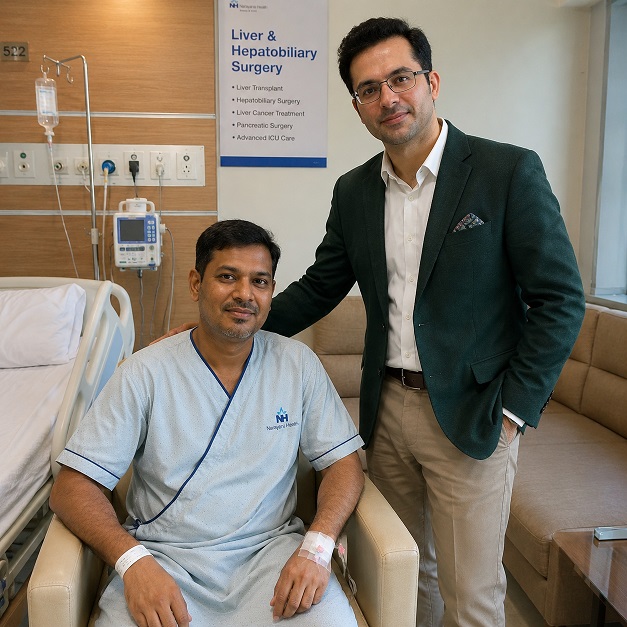
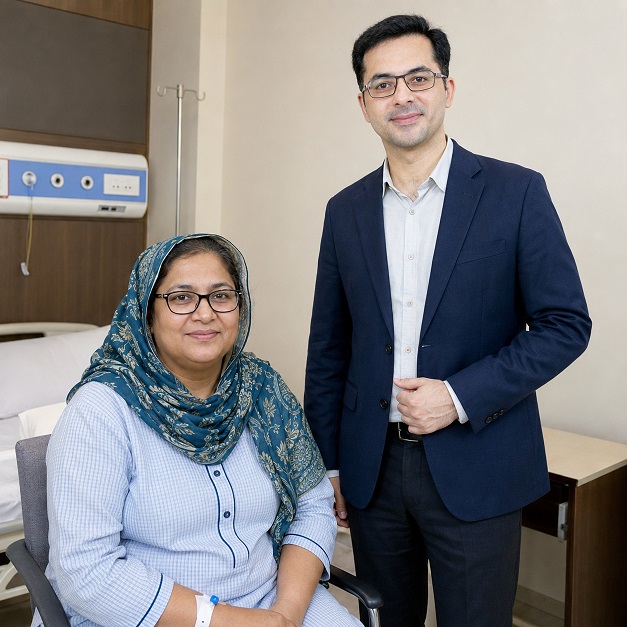
Patient Testimonials from Bangladesh
Ready to Take the First Step?
Share your medical reports with our healthcare managers today and receive a FREE CONSULTATION, a personalized treatment plan and complete support from your arrival to your recovery.
Get Your Free ConsultationFrom Bangladesh to India: Your Complete Patient Guide
- Complex Orthopaedic and Joint Revision Surgery in India for Bangladeshi Patients
- Heart Failure Treatment and Surgery in India for Bangladeshi Patients
- Joint Arthroscopy and Sports Medicine in India for Bangladeshi Patients
- Leukemia, Lymphoma and Blood Cancer Treatment in India for Bangladeshi Patients
- Kidney Transplant in India for Bangladeshi Patients
- Liver Transplant in India for Bangladeshi Patients
- Hip Surgery in India for Bangladeshi Patients
- Knee Surgery in India for Bangladeshi Patients
- Spine Surgery in India for Bangladeshi Patients
- Shoulder Surgery in India for Bangladeshi Patients
- IVF and Fertility Treatment in India for Bangladeshi Patients
- Robotic Cancer Surgery in India for Bangladeshi Patients
- Brain Tumor Treatment in India for Bangladeshi Patients
- Neurosurgery in India for Bangladeshi Patients
- Prostate Cancer Treatment and Surgery in India for Bangladeshi Patients
- Cardiac Surgery in India for Bangladeshi Patients
- Dental Implants and Smile Makeover in India for Bangladeshi Patients
- Weight Loss and Bariatric Surgery in India for Bangladeshi Patients