

15 Frequently Asked Questions : HIPEC Cancer Surgery in India for Bangladeshi Patients
HIPEC, or Hyperthermic Intraperitoneal Chemotherapy, is a specialised cancer treatment that may be used together with major abdominal cancer surgery, particularly when cancer has spread to the lining of the abdominal cavity, known as the peritoneum. HIPEC is generally performed after cytoreductive surgery (CRS), during which the surgical team removes visible tumour deposits as completely as safely possible. A heated chemotherapy solution is then circulated directly inside the abdominal cavity for a specified period. The aim is to treat microscopic cancer cells that may remain on the peritoneal surfaces after surgery. HIPEC is not appropriate for every cancer patient. Suitability depends on the original cancer, extent and distribution of peritoneal disease, imaging findings, previous treatments, general health, organ function and whether the surgical team believes adequate cytoreduction can be achieved. For Bangladeshi patients considering treatment in India, the evaluation should ideally begin with a review of pathology reports, scans, previous chemotherapy records and operative reports before travelling.
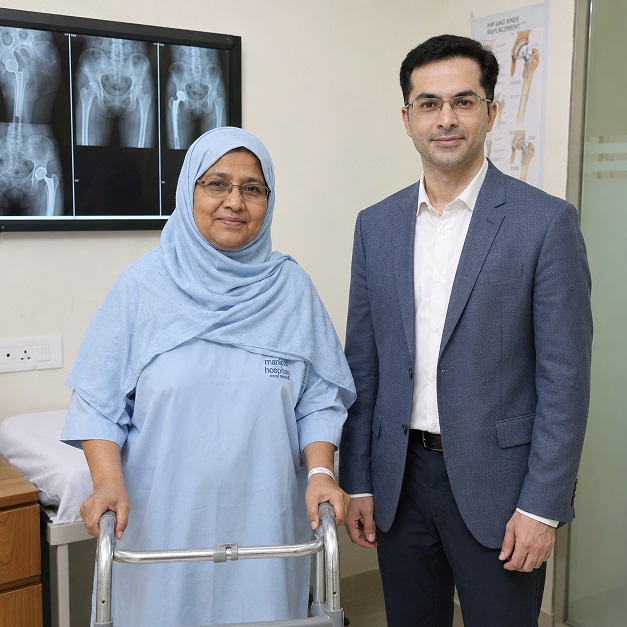
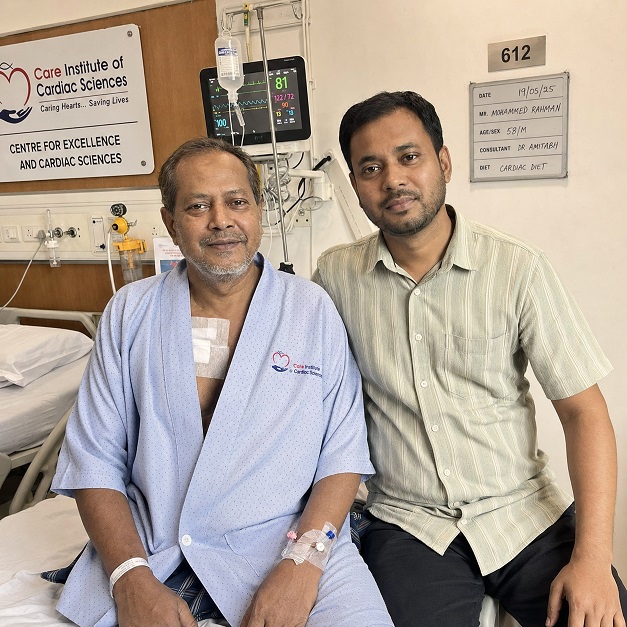
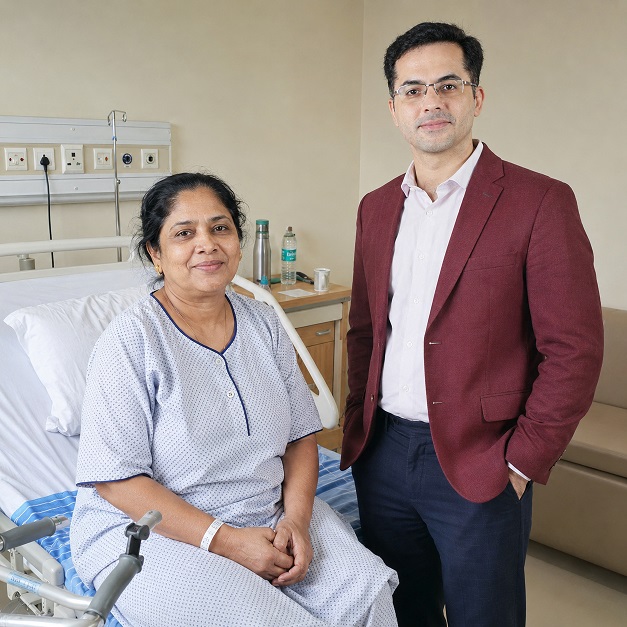
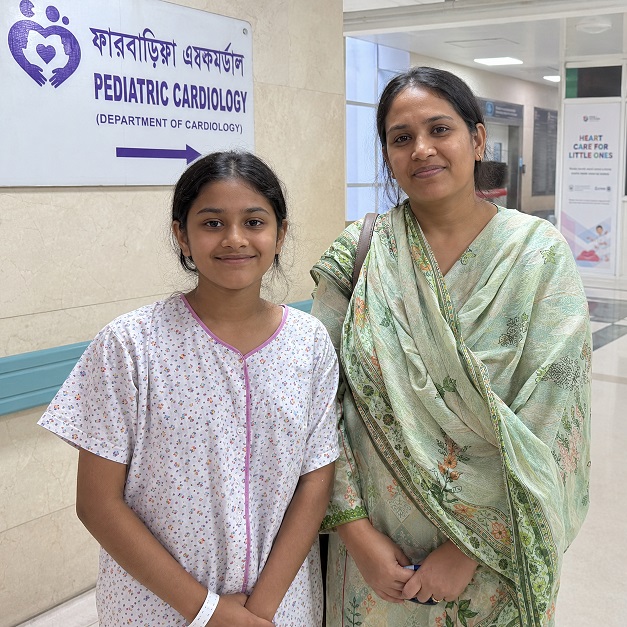
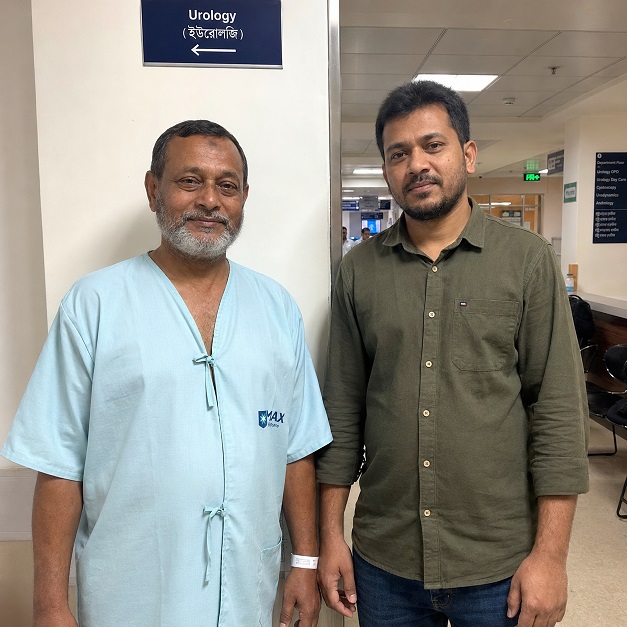
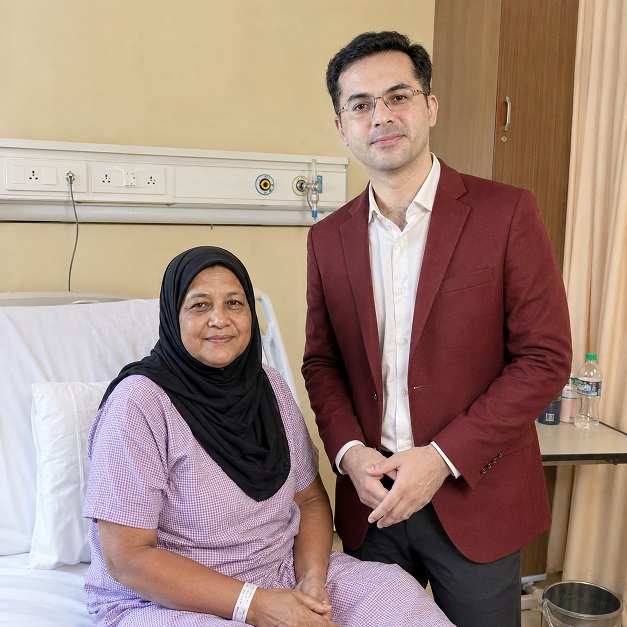
Healing Journeys of Bangladeshi Patients



Q1 · What is HIPEC Cancer Surgery?
HIPEC stands for Hyperthermic Intraperitoneal Chemotherapy. It is a specialised treatment in which chemotherapy is delivered directly into the abdominal cavity in a heated solution, usually after surgeons have removed visible cancer deposits through cytoreductive surgery.
The treatment is designed particularly for selected cancers involving the peritoneal surface. Depending on the cancer type and individual circumstances, HIPEC may be considered for conditions involving peritoneal spread from cancers such as
- Appendix cancer
- Colorectal cancer
- Certain stomach cancers
- Peritoneal mesothelioma
- Selected ovarian, fallopian-tube or primary peritoneal cancers
- Pseudomyxoma peritonei
- Selected other abdominal or pelvic malignancies
The exact indications vary by cancer type and treatment centre. HIPEC is different from conventional intravenous chemotherapy because the chemotherapy solution is delivered directly into the abdominal cavity. The heated solution is circulated for a defined period according to the treatment protocol. HIPEC is often discussed together with cytoreductive surgery (CRS) because the two procedures may be performed during the same operation.
The overall treatment may therefore involve
- Pre-treatment assessment
- Imaging and pathology review
- Systemic chemotherapy before or after surgery when appropriate
- Cytoreductive surgery
- HIPEC during the operation
- Intensive postoperative monitoring
- Recovery and nutritional rehabilitation
- Further systemic treatment where indicated
- Long-term oncology follow-up
Q2 · How much does HIPEC Cancer Surgery cost in Bangladesh compared with India?
The cost of HIPEC varies considerably because it is often combined with extensive cancer surgery. The final quotation depends on the primary cancer, tumour burden, complexity of cytoreduction, organs requiring resection, chemotherapy drug used, ICU requirements, complications and length of hospitalisation.
For planning purposes, this guide uses
- US$1 ≈ BDT 122
- US$1 ≈ INR 96
Indicative HIPEC Cost Comparison
| Treatment / Procedure | Bangladesh Estimated Cost | India Estimated Cost | Potential Saving |
|---|---|---|---|
| HIPEC Consultation & Eligibility Assessment | BDT 25,000–60,000 (US$205–490) | INR 15,000–35,000 (US$155–365) | Approx. 20%–40% |
| Diagnostic Work-up & HIPEC Treatment Planning | BDT 80,000–180,000 (US$655–1,475) | INR 50,000–120,000 (US$520–1,250) | Approx. 20%–35% |
| Cytoreductive Surgery with HIPEC — Standard Complexity | BDT 1,800,000–3,000,000 (US$14,750–24,600) | INR 1,200,000–2,000,000 (US$12,500–20,850) | Approx. 15%–35% |
| Cytoreductive Surgery with HIPEC — Complex Case | BDT 3,000,000–4,500,000 (US$24,600–36,900) | INR 2,000,000–3,200,000 (US$20,850–33,350) | Approx. 15%–30% |
| HIPEC with Major Multivisceral Resection | BDT 4,000,000–6,000,000 (US$32,800–49,200) | INR 2,800,000–4,200,000 (US$29,200–43,750) | Approx. 10%–30% |
| Postoperative Cancer Treatment & Follow-up Planning | BDT 150,000–400,000 (US$1,230–3,280) | INR 100,000–300,000 (US$1,040–3,125) | Approx. 15%–30% |
Note: Potential savings are indicative only and are not guaranteed. Actual costs may be lower or higher depending on the patient's cancer type, surgical complexity and treatment requirements.
Patients should ask whether the quotation includes
- Surgeon and surgical team fees
- Anaesthesia
- Operating-room charges
- Cytoreductive surgery
- HIPEC procedure
- Chemotherapy drug used for HIPEC
- ICU charges
- Hospital room
- Nursing
- Laboratory tests
- Imaging
- Blood products
- Pathology and tissue examination
- Medical supplies
- Medicines
- Complication management
- Additional procedures
- Length of hospital stay
- Follow-up consultations
Bangladeshi patients should obtain a detailed written quotation before travelling and clarify which items are included and which may be billed separately.
Q3 · Which Indian cities can Bangladeshi patients consider for HIPEC Cancer Surgery?
Bangladeshi patients may consider major Indian medical centres in several cities where advanced oncology, gastrointestinal surgery, surgical oncology, intensive care and multidisciplinary cancer services are available.
| City | Services Relevant to HIPEC |
|---|---|
| Delhi / NCR | Surgical oncology, gastrointestinal oncology, advanced imaging, chemotherapy, critical care |
| Gurugram | Comprehensive cancer surgery, oncology, ICU and multidisciplinary cancer care |
| Noida | Surgical oncology, cancer diagnostics, chemotherapy and supportive care |
| Mumbai | Advanced oncology, gastrointestinal cancer surgery and complex abdominal procedures |
| Chennai | Cancer surgery, gastrointestinal oncology, chemotherapy and intensive care |
| Bengaluru | Surgical oncology, advanced imaging, chemotherapy and complex cancer surgery |
| Hyderabad | Oncology, gastrointestinal surgery, surgical oncology and supportive care |
| Kolkata | Cancer diagnosis, surgical oncology and chemotherapy services |
| Ahmedabad | Cancer surgery, oncology and advanced diagnostic services |
| Pune | Surgical oncology, cancer diagnostics and multidisciplinary treatment |
| Kochi | Oncology, major abdominal surgery and supportive cancer care |
| Thiruvananthapuram | Oncology, surgery, imaging and follow-up services |
| Goa Selected oncology and surgical services |
| Nagpur Oncology, cancer surgery, imaging and supportive care |
The appropriate city should be selected based on the patient's cancer type, complexity of surgery, multidisciplinary expertise, expected treatment pathway and availability of postoperative care.
Q4 · Which hospitals in India can Bangladeshi patients consider for HIPEC Cancer Surgery?
Bangladeshi patients can discuss HIPEC evaluation with hospitals offering surgical oncology, gastrointestinal oncology, advanced cancer surgery and critical-care services.
Delhi Hospitals
- Fortis Escorts Heart Institute, New Delhi
- BLK-Max Super Speciality Hospital, New Delhi
- Max Super Speciality Hospital, Saket
- Indraprastha Apollo Hospitals, New Delhi
- Sir Ganga Ram Hospital
- Max Super Speciality Hospital, Patparganj
- Manipal Hospital, Dwarka
- Fortis Hospital, Vasant Kunj
- Institute of Brain and Spine Hospital
- Dharamshila Narayana Hospital
- Indian Spinal Injuries Centre
- AIIMS New Delhi
Chennai Hospitals
- MGM Healthcare
- MIOT International
- Apollo Hospitals, Greams Road
- Sri Ramachandra Medical Centre
- SIMS Hospital
- Kauvery Hospital
- Gleneagles HealthCity Chennai
- Vijaya Hospital
- Apollo Speciality Hospitals
- Rela Hospital
Mumbai Hospitals
- Bombay Hospital & Medical Research Centre
- Lilavati Hospital & Research Centre
- Jaslok Hospital & Research Centre
- Gleneagles Hospital, Mumbai
- Nanavati Max Super Speciality Hospital
- Kokilaben Dhirubhai Ambani Hospital
- P. D. Hinduja Hospital & Medical Research Centre
- Sir H. N. Reliance Foundation Hospital
- Wockhardt Hospitals, Mumbai
- Apollo Hospitals, Mumbai
Bengaluru Hospitals
- Manipal Hospital, Old Airport Road
- Manipal Hospital, Whitefield
- Manipal Hospital, Yeshwanthpur
- Apollo Hospitals, Bengaluru
- Fortis Hospital, Bannerghatta Road
- Aster CMI Hospital
- Sakra World Hospital
- Narayana Health City
- Sagar Hospitals
- Kauvery Hospital, Bengaluru
Hyderabad Hospitals
- KIMS Hospitals
- Yashoda Hospitals
- Apollo Health City
- CARE Hospitals
- Continental Hospitals
- Gleneagles Hospitals, Hyderabad
- Sunshine Hospitals
- Star Hospitals
Gurugram Hospitals
- Fortis Memorial Research Institute (FMRI)
- Medanta – The Medicity
- Artemis Hospital
- Max Hospital, Gurugram
- CK Birla Hospital, Gurugram
- Manipal Hospital, Gurugram
- Paras Health
- Narayana Superspeciality Hospital
Noida Hospitals
- Fortis Hospital, Noida
- Jaypee Hospital
- Max Super Speciality Hospital, Noida
- Yatharth Hospital
- Kailash Hospital
- Metro Hospital & Heart Institute
- Metro Center for Neurosciences
Kolkata Hospitals
- Apollo Multispeciality Hospitals
- AMRI Hospitals
- Fortis Hospital, Anandapur
- Manipal Hospitals, Salt Lake
- Medica Superspecialty Hospital
- Narayana Superspeciality Hospital
- Ruby General Hospital
Pune Hospitals
- Ruby Hall Clinic
- Jehangir Hospital
- Deenanath Mangeshkar Hospital
- Sahyadri Super Speciality Hospital
- Aditya Birla Memorial Hospital
- Manipal Hospital, Kharadi
- Medicover Hospital, Pune
Ahmedabad Hospitals
- Apollo Hospitals, Ahmedabad
- Zydus Hospitals
- Sterling Hospitals
- Shalby Hospitals
- HCG Hospitals
- SAL Hospital
- CIMS Hospital
Kochi Hospitals
- Aster Medcity
- Amrita Hospital
- VPS Lakeshore Hospital
- Rajagiri Hospital
- Aster MIMS
- Lisie Hospital
- Renai Medicity
Thiruvananthapuram Hospitals
- KIMSHEALTH Hospital
- Ananthapuri Hospitals and Research Institute
- SUT Hospital
- SP Medifort Hospital
- PRS Hospital
- GG Hospital
Goa Hospitals
- Manipal Hospital, Goa
- Healthway Hospital
- Manipal Hospitals, Dona Paula
- Goa Medical College and Hospital
- Apollo Victor Hospital
Nagpur Hospitals
- Wockhardt Hospitals, Nagpur
- Alexis Multispeciality Hospital
- CARE Hospitals, Nagpur
- Kingsway Hospitals
- Lata Mangeshkar Hospital
Patients should confirm in advance whether the selected centre currently provides CRS- HIPEC for their specific cancer type and whether the proposed procedure is appropriate for their individual disease.
Q5 · What types of HIPEC Cancer Surgery are available?
HIPEC treatment varies according to the underlying cancer and the extent of peritoneal disease. Potential treatment categories include:
1. Cytoreductive Surgery with HIPEC
Visible tumour deposits are surgically removed as completely as safely possible, followed by heated intraperitoneal chemotherapy.
2. HIPEC for Appendix Cancer
HIPEC may be considered in selected patients with appendiceal tumours and peritoneal dissemination.
3. HIPEC for Pseudomyxoma Peritonei
Some patients with pseudomyxoma peritonei may undergo extensive cytoreductive surgery followed by HIPEC.
4. HIPEC for Colorectal Cancer
Selected colorectal cancers with peritoneal metastases may be assessed for CRS-HIPEC.
5. HIPEC for Peritoneal Mesothelioma
Selected patients with peritoneal mesothelioma may be evaluated for cytoreductive surgery and HIPEC when complete or near-complete cytoreduction is considered achievable.
6. HIPEC for Selected Gastric Cancer
HIPEC may be considered in selected cases, depending on disease distribution, treatment protocol and multidisciplinary assessment.
7. HIPEC in Selected Gynaecological Cancers
HIPEC has been studied in selected ovarian and related peritoneal cancers, but its role varies by disease setting and remains dependent on clinical circumstances and treatment protocol.
8. Complex CRS-HIPEC
Some patients require extensive surgery involving more than one abdominal organ before HIPEC can be performed.
The chemotherapy drug, temperature, duration and surgical approach are determined by the treating oncology team.
Q6 · Who may be suitable for HIPEC Cancer Surgery?
Suitability is determined individually.
A patient may be evaluated for HIPEC when
- Cancer has spread to the peritoneal surface
- The primary cancer is one for which CRS-HIPEC may be considered
- The disease distribution appears potentially amenable to cytoreductive surgery
- There is an appropriate overall medical condition for major abdominal surgery
- Organ function is adequate
- The oncology team considers the expected benefits reasonable for the individual situation
- Complete or sufficiently extensive cytoreduction may be achievable
The amount and distribution of peritoneal disease are important considerations. Some clinical protocols require disease to be largely confined to the peritoneal surfaces and require adequate blood counts, kidney function, liver function and cardiopulmonary fitness.
HIPEC may not be appropriate when
- Disease cannot be adequately removed
- There is extensive involvement of critical structures
- The patient cannot safely tolerate major surgery
- There is significant uncontrolled medical illness
- Organ function is inadequate
- The expected risks outweigh the potential benefits
Final suitability should only be determined after specialist review.
Q7 · What tests are required before HIPEC?
The exact work-up varies according to the cancer. Common investigations may include:
Imaging
- Contrast-enhanced CT scan
- MRI when indicated
- PET-CT in selected cases
- Chest imaging
- Abdominal and pelvic imaging
Pathology
- Original biopsy report
- Histopathology
- Immunohistochemistry when applicable
- Molecular or genetic testing where relevant
Blood Tests
- Complete blood count
- Kidney function
- Liver function
- Electrolytes
- Blood glucose
- Coagulation profile
- Tumour markers where clinically relevant
Preoperative Assessment
- ECG
- Echocardiography where indicated
- Chest evaluation
- Anaesthesia assessment
- Nutritional assessment
In selected patients, additional assessment may be required to determine the extent of peritoneal disease and whether complete cytoreduction is technically feasible.
Q8 · What medical records should Bangladeshi patients send before travelling?
Patients should ideally send a complete medical file before travelling to India.
Recommended documents include
- Biopsy report
- Histopathology report
- Immunohistochemistry report
- CT scan report
- MRI report, if performed
- PET-CT report, if performed
- Actual scan images on CD/DVD or secure digital format
- Previous operation notes
- Previous discharge summaries
- Chemotherapy records
- Radiotherapy records, if applicable
- Current medication list
- Recent blood-test reports
- Tumour-marker reports
- Previous treatment response reports
- Molecular/genetic testing reports, if available
- Comorbidity records
- Previous ICU or hospitalisation records
- Current symptoms
- Treating oncologist's summary
It is especially useful to send the actual imaging, not only the written report, because the treating team may need to review the images themselves. A specialist can then determine whether additional investigations are needed before travelling.
Q9 · How does HIPEC Cancer Surgery work?
HIPEC is generally performed as part of a larger surgical procedure. A simplified treatment pathway is:
Step 1: Anaesthesia
The patient is placed under general anaesthesia.
Step 2: Abdominal Exploration
The surgical team assesses the extent and distribution of cancer inside the abdominal cavity.
Step 3: Cytoreductive Surgery
Visible tumour deposits are removed as completely as safely possible.
Depending on the disease, this may involve removal of tumour deposits from the peritoneum and, in selected cases, resection of affected organs or portions of organs.
Step 4: Preparation for HIPEC
After cytoreduction, specialised tubes are positioned in the abdominal cavity.
Step 5: Heated Chemotherapy
A chemotherapy solution is heated and circulated throughout the abdominal cavity for a specified period according to the treatment protocol.
HIPEC is designed to expose the peritoneal surfaces directly to the chemotherapy solution.
Step 6: Removal of the Solution
The chemotherapy solution is drained from the abdominal cavity.
Step 7: Completion of Surgery
The surgical team completes the operation and closes the abdomen.
Step 8: Postoperative Monitoring
The patient is monitored closely for
- Infection
- Bleeding
- Kidney function
- Electrolyte abnormalities
- Bowel function
- Nutrition
- Blood counts
- Respiratory function
- Wound healing
- Blood clots
- Other surgical complications
The exact procedure differs between patients.
Q10 · What are the alternatives to HIPEC?
HIPEC is only one possible component of cancer treatment. Depending on the cancer, alternatives or complementary approaches may include:
Systemic Chemotherapy
Chemotherapy may be administered intravenously or orally to treat cancer throughout the body.
Conventional Cancer Surgery
Some patients may undergo surgery without HIPEC depending on their cancer type and disease extent.
Targeted Therapy
Certain cancers may respond to medicines directed at specific molecular targets.
Immunotherapy
Selected cancers may be treated using immune-based therapies.
Radiation Therapy
Radiation may be used in selected cancer types and anatomical situations.
Palliative Treatment
When major surgery is not appropriate, treatment may focus on controlling symptoms, slowing disease progression and maintaining quality of life.
Clinical Trials
Some patients may be eligible for clinical trials involving newer treatment approaches.
The appropriate treatment depends on the cancer's biology, stage, previous treatment, molecular characteristics and overall health.
Q11 · What should Bangladeshi patients ask before accepting a HIPEC quotation?
Patients should ask detailed questions before confirming treatment.
About Diagnosis
- What is the exact cancer diagnosis?
- Has the pathology been reviewed by a specialist?
- Has the cancer spread outside the abdominal cavity?
- What is the estimated extent of peritoneal disease?
- Is additional pathology or molecular testing required?
About Surgery
- Is cytoreductive surgery planned?
- How extensive is the expected surgery?
- Which organs may need to be removed or partially resected?
- Is complete cytoreduction expected to be possible?
- Could the planned procedure change during surgery?
About HIPEC
- Which chemotherapy drug will be used?
- Why has that drug been selected?
- How long will the heated chemotherapy be circulated?
- What are the major risks of HIPEC?
- What happens if HIPEC cannot safely be completed?
About Hospitalisation
- How many days may the patient require hospitalisation?
- Is ICU care expected?
- What complications could extend the hospital stay?
- What is the expected recovery period?
- When can the patient safely travel back to Bangladesh?
About Cost
- Does the quotation include the HIPEC drug?
- Does it include ICU and room charges?
- Are blood products included?
- Are complications and additional procedures included?
- What expenses could arise outside the quoted package?
Bangladeshi patients should ask for these answers in writing wherever possible.
Q12 · How long should Bangladeshi patients stay in India?
HIPEC involves major abdominal surgery and generally requires substantially more recovery time than a routine surgical procedure.
The overall India stay may include
- Initial consultation
- Diagnostic review
- Additional testing
- Preoperative preparation
- Surgery
- ICU monitoring if required
- Hospital recovery
- Wound and nutritional management
- Initial postoperative consultation
A broad planning estimate may be: Hospital stay: approximately 10–21 days or longer, depending on surgical complexity and recovery. Total stay in India: approximately 3–6 weeks may be required for some international patients, although this can be shorter or considerably longer depending on the patient's recovery and whether additional treatment is required. Patients should not book a fixed return flight too early. The treating team should confirm when the patient is medically fit to travel.
Q13 · What is recovery like after HIPEC?
Recovery after CRS-HIPEC can be significant because the patient is recovering from major abdominal surgery as well as intraperitoneal chemotherapy.
During the initial period, patients may experience
- Abdominal discomfort
- Fatigue
- Reduced appetite
- Temporary bowel-function changes
- Nausea
- Weakness
- Weight loss
- Changes in blood counts
- Fluid or electrolyte disturbances
Recovery may involve:
Early Mobilisation
Patients are encouraged to move gradually when medically safe to reduce complications associated with prolonged immobility.
Nutrition
Adequate calories, protein and hydration are important.
Some patients may initially require specialised nutritional support.
Wound Care
The surgical incision requires monitoring for infection, drainage or delayed healing.
Bowel Recovery
If bowel surgery was performed, bowel function may take time to return to normal.
Gradual Activity
Physical activity is usually increased gradually according to the surgical team's instructions.
Oncology Follow-up
The oncology team may recommend further chemotherapy or other treatment depending on the cancer and final pathology.
Recovery is individual. A patient should not compare their recovery directly with another HIPEC patient's experience.
Q14 · How can follow-up be managed after returning to Bangladesh?
Before returning to Bangladesh, patients should obtain a complete discharge package.
This should ideally include
- Final diagnosis
- Operative report
- HIPEC details
- Chemotherapy drug used
- Final pathology report
- Discharge summary
- Medication list
- Follow-up schedule
- Blood-test requirements
- Imaging recommendations
- Further chemotherapy plan
- Wound-care instructions
- Dietary instructions
- Emergency warning signs
- Contact details for the treating team
Follow-up can then be coordinated between the patient's local oncology team in Bangladesh and the treating team in India.
Patients may need periodic
- Clinical examination
- Blood tests
- Tumour-marker monitoring
- CT/MRI/PET-CT when indicated
- Chemotherapy
- Nutritional assessment
- Surgical review
The follow-up schedule depends on the original cancer, stage, pathology, treatment received and response. Patients should seek urgent medical attention if they develop symptoms such as severe abdominal pain, persistent vomiting, high fever, breathing difficulty, significant bleeding, wound infection or other concerning symptoms after returning home.
Q15 · Should a Bangladeshi patient travel to India for HIPEC Cancer Surgery?
The decision should be based on the patient's individual medical situation, rather than nationality or cost alone.
Before travelling, Bangladeshi patients should establish
- The exact cancer diagnosis
- Whether the cancer involves the peritoneum
- Whether CRS-HIPEC is medically appropriate
- Whether adequate cytoreduction appears achievable
- Whether the patient is medically fit for major surgery
- What alternative treatments are available
- Whether systemic therapy should be given before or after surgery
- Expected hospitalisation
- Expected recovery period
- Total estimated cost
- Possible complications
- Follow-up requirements after returning to Bangladesh
HIPEC can be an important treatment option for selected patients with peritoneal surface cancers, but it is a complex procedure and is not appropriate for every patient. A remote review of the complete medical records before travel can help determine whether an in-person surgical oncology consultation in India is appropriate.
Final Bangladeshi Patient Pre-Travel Checklist
Before travelling to India for HIPEC Cancer Surgery, Bangladeshi patients should prepare:
Medical Documents
- Passport copy
- Biopsy and pathology reports
- Immunohistochemistry reports
- CT/MRI/PET-CT reports
- Actual scan images
- Previous operation reports
- Previous discharge summaries
- Chemotherapy records
- Radiotherapy records, if applicable
- Recent blood reports
- Current medication list
- Molecular/genetic reports, if available
Treatment Planning
- Specialist opinion before travel
- Written treatment plan
- Estimated surgery and HIPEC cost
- Expected hospital stay
- Expected India stay
- Possible ICU requirement discussed
- Possible complications discussed
- Follow-up plan discussed
- Plan for further chemotherapy discussed
Travel Planning
- Passport and required travel documents
- Medical travel arrangements
- Accommodation for accompanying family member
- Local transportation
- Emergency contact information
- Adequate financial arrangements
- Flexible return-travel arrangements
Before Leaving India
- Final discharge summary
- Final pathology report
- Operative report
- HIPEC treatment details
- Medication list
- Follow-up schedule
- Recommended investigations
- Further treatment plan
- Wound-care instructions
- Instructions for the Bangladesh treating doctor
Final Note
HIPEC is a specialised treatment that combines major cancer surgery with heated chemotherapy delivered directly into the abdominal cavity. It is generally considered only after careful assessment of the cancer type, disease distribution, overall health and feasibility of cytoreductive surgery. For Bangladeshi patients considering treatment in India, the most important step is to arrange a complete medical-record review before travelling. This allows the treating team to understand the diagnosis, previous treatment, imaging findings and likely treatment pathway. Patients should compare treatment plans based on medical suitability, surgical complexity, expected recovery, follow-up arrangements and total estimated expenses—not cost alone. Right Diagnosis. Right Cancer Surgery Team. Right Treatment Plan.
Page Summary
This guide answers 15 frequently asked questions about HIPEC cancer surgery in India for Bangladeshi patients. It sets out indicative cost ranges in BDT, USD and INR for procedures such as HIPEC consultation & eligibility assessment, diagnostic work-up & HIPEC treatment planning, cytoreductive surgery with HIPEC — standard complexity and cytoreductive surgery with HIPEC — complex case, and lists 14 Indian cities and 109 hospitals to research. It also covers treatment options, the medical reports to send before travel, the treatment process, alternatives, quotation questions, expected stay in India, recovery, follow-up care and a pre-travel checklist for patients from Bangladesh.


Our Mission Statement
Our mission is to place patients at the centre of every healthcare decision by providing trustworthy, evidence-based, and unbiased medical information. We believe that informed patients make better decisions. Backed by personalised guidance from our experienced advisory team, we help patients understand their treatment options, compare them objectively, and confidently choose the path that best suits their medical needs and personal circumstances.
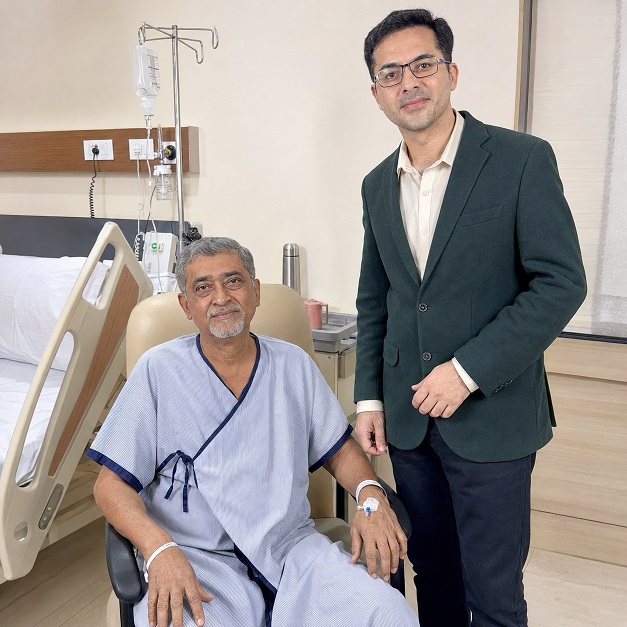
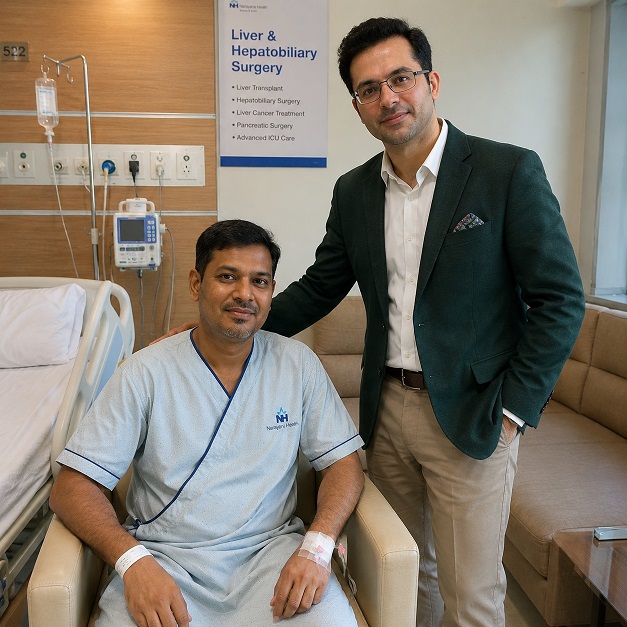
Patient Testimonials from Bangladesh

Ready to Take the First Step?
Share your medical reports with our healthcare managers today and receive a FREE CONSULTATION, a personalized treatment plan and complete support from your arrival to your recovery.
Get Your Free ConsultationFrom Bangladesh to India: Your Complete Patient Guide
- Complex Orthopaedic and Joint Revision Surgery in India for Bangladeshi Patients
- Heart Failure Treatment and Surgery in India for Bangladeshi Patients
- Joint Arthroscopy and Sports Medicine in India for Bangladeshi Patients
- Leukemia, Lymphoma and Blood Cancer Treatment in India for Bangladeshi Patients
- Kidney Transplant in India for Bangladeshi Patients
- Liver Transplant in India for Bangladeshi Patients
- Hip Surgery in India for Bangladeshi Patients
- Knee Surgery in India for Bangladeshi Patients
- Spine Surgery in India for Bangladeshi Patients
- Shoulder Surgery in India for Bangladeshi Patients
- IVF and Fertility Treatment in India for Bangladeshi Patients
- Robotic Cancer Surgery in India for Bangladeshi Patients
- Brain Tumor Treatment in India for Bangladeshi Patients
- Neurosurgery in India for Bangladeshi Patients
- Prostate Cancer Treatment and Surgery in India for Bangladeshi Patients
- Cardiac Surgery in India for Bangladeshi Patients
- Dental Implants and Smile Makeover in India for Bangladeshi Patients
- Weight Loss and Bariatric Surgery in India for Bangladeshi Patients