

Heart Valve Replacement in India: A Complete Guide for Patients from Bangladesh
What a Bangladeshi patient and their family should know before choosing a hospital, city and surgeon across the border — costs, process and the questions worth asking before you book a ticket.
Heart valve disease in Bangladesh follows a very different pattern than it does in the West, and it starts with what causes it. In wealthier countries, most valve replacement treats age-related degeneration in patients in their seventies and eighties. In Bangladesh and across South Asia, rheumatic heart disease — a preventable complication of untreated childhood strep throat — remains the leading cause of valve disease, and a review of the condition in Bangladesh found it predominantly affects young adults, often follows a protracted course before diagnosis, and disproportionately strikes women from lower-income households. For a family facing a valve diagnosis in someone in their twenties or thirties rather than their seventies, the questions, and the treatment choices, are genuinely different. This guide sets out what heart valve replacement in India actually involves, what it realistically costs compared with the UK and US, and the practical decisions that separate a smooth trip from a stressful one.
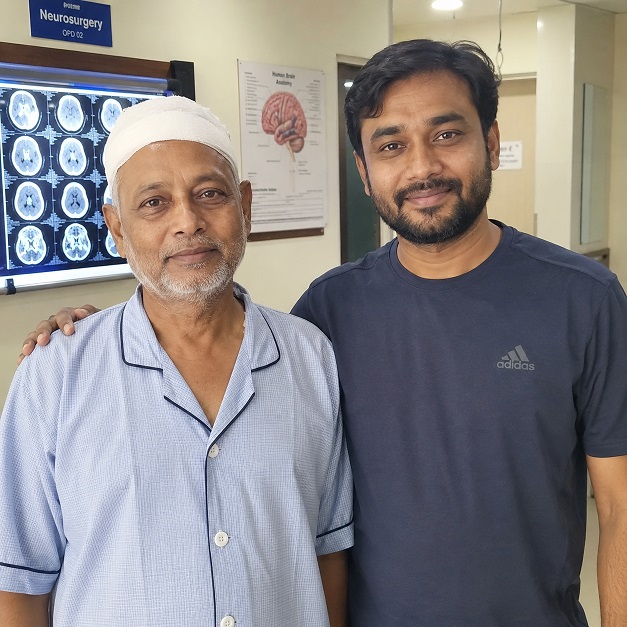
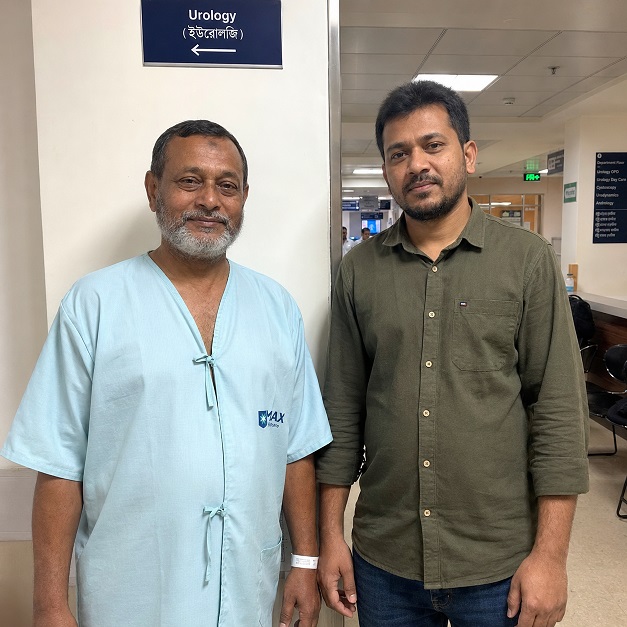
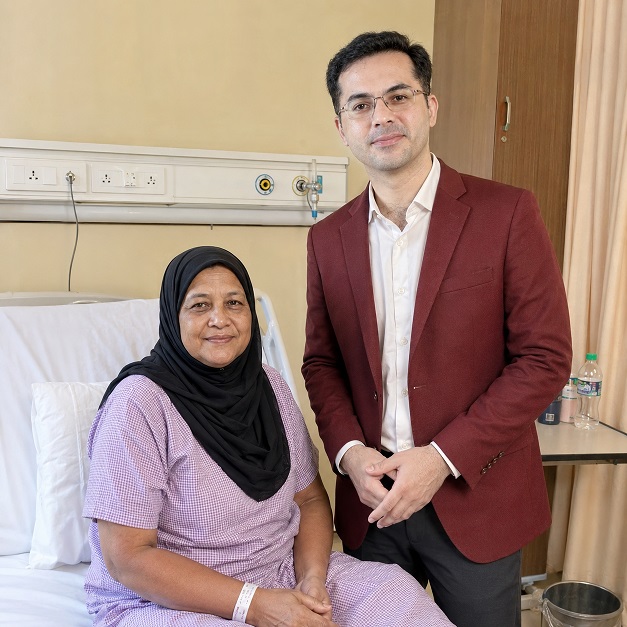
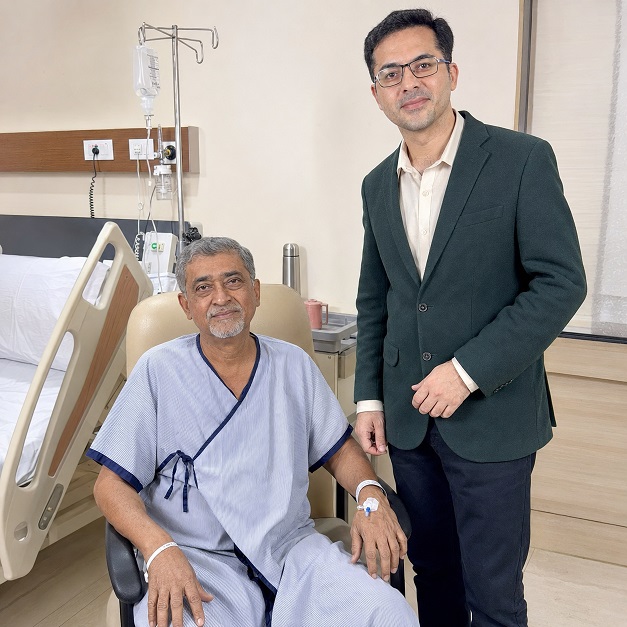
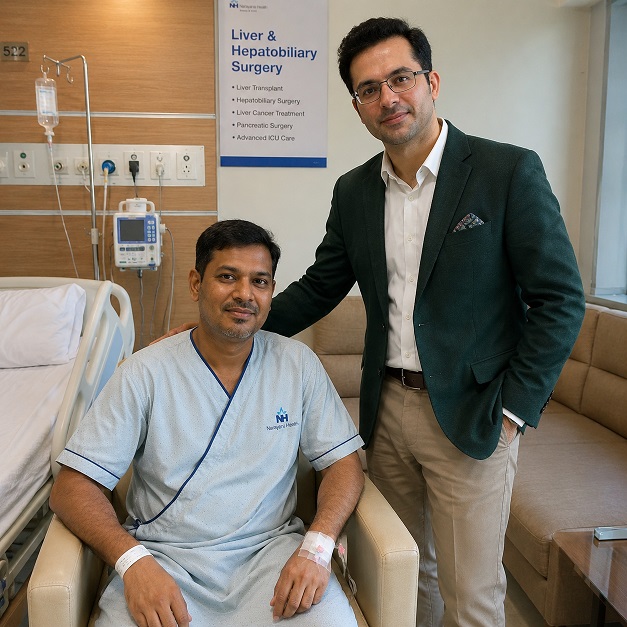
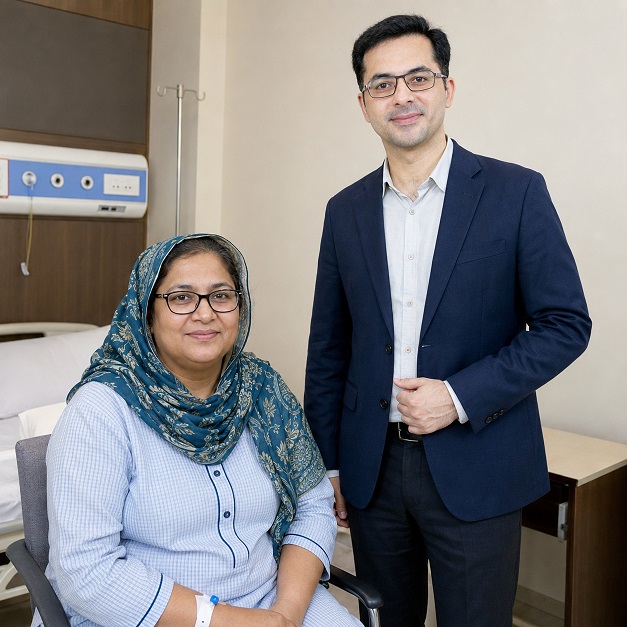
Healing Journeys of Bangladeshi Patients
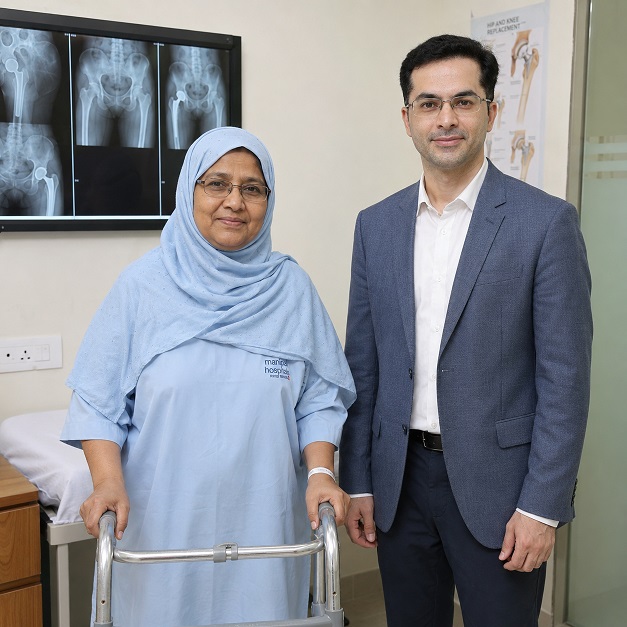
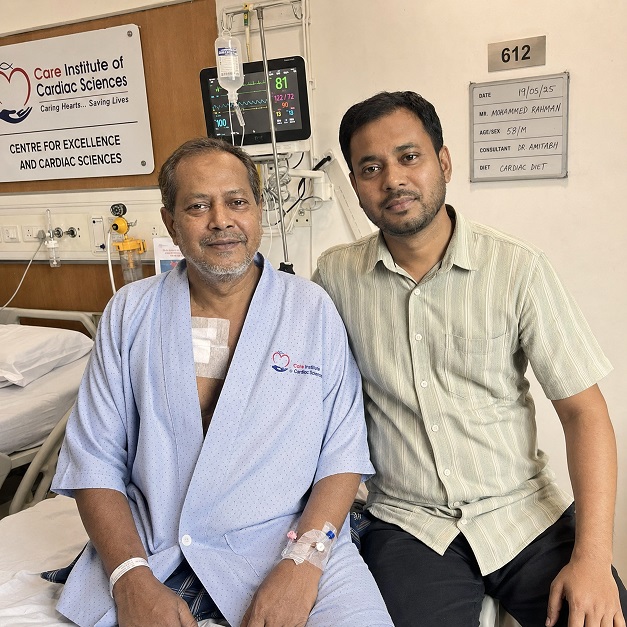
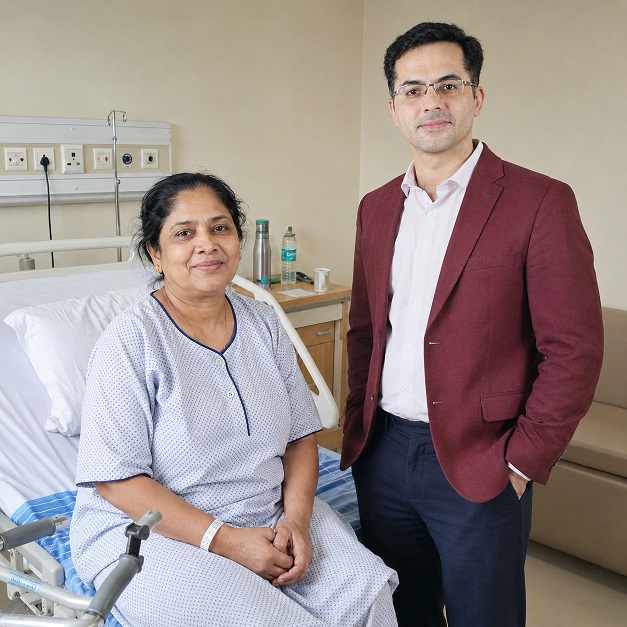
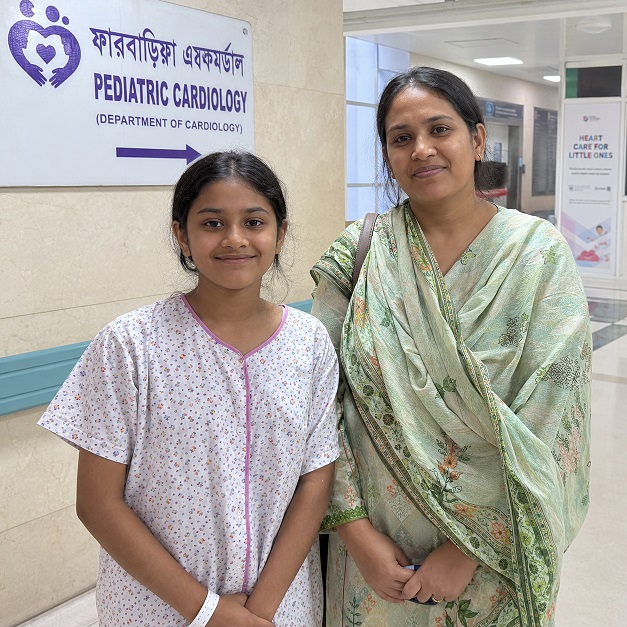
Key Takeaways
- Rheumatic heart disease remains an important cause of valve disease in Bangladesh. Unlike the age-related valve degeneration commonly seen in older Western patients, rheumatic heart disease can affect younger adults and may follow a prolonged course before diagnosis, particularly among women and lower-income populations.
- Not every damaged heart valve requires replacement. Depending on the valve and its anatomy, treatment may include valve repair, mechanical replacement, biological replacement, balloon valvuloplasty or selected transcatheter procedures such as TAVI. The appropriate option must be determined from the patient's individual cardiac assessment.
- Mechanical and biological valves involve different long-term commitments. Mechanical valves are highly durable but require lifelong warfarin therapy and regular INR monitoring, while biological valves generally avoid lifelong anticoagulation but may require another replacement after approximately 10–15 years.
- Valve choice is particularly important for younger Bangladeshi patients. A young adult with rheumatic valve disease may face decades of life with the selected prosthesis, making durability, anticoagulation, lifestyle and reliable access to INR monitoring important considerations rather than simply comparing the initial surgical price.
- India offers several cardiac treatment pathways for Bangladeshi patients. Major cardiac centres in Kolkata, Chennai, Delhi and Mumbai can provide treatment for rheumatic and degenerative valve disease, with access to surgical valve replacement, repair and selected catheter-based approaches.
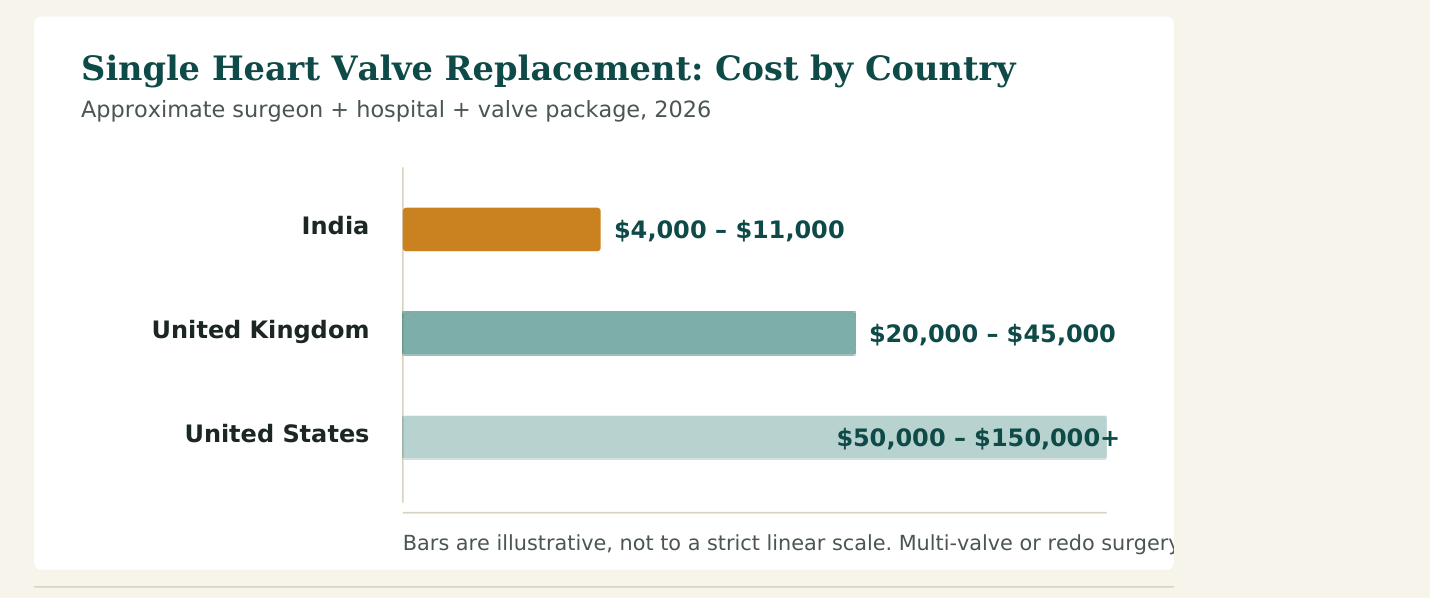
- Heart valve replacement in India can cost considerably less than in the UK or US. The guide gives illustrative 2026 costs of US$4,000–11,000 in India, compared with approximately US$20,000–45,000 in the UK and US$50,000–150,000+ in the US for a single valve replacement.
- The hospital quotation needs to be examined beyond the headline figure. Bangladeshi patients should confirm the valve type and brand, ICU and hospital stay, pre-operative investigations, surgical charges and rehabilitation arrangements. For mechanical valves, ongoing anticoagulation and INR monitoring after returning home should also be planned.
- Long-term follow-up is especially important after mechanical valve replacement. The treatment journey does not end when the patient leaves India; INR monitoring, medication management, echocardiographic follow-up and communication with the treating cardiac team should be arranged before returning to Bangladesh.
Quick Facts
- Treatment
- Heart Valve Repair and Replacement
- Country
- India
- Patients
- Bangladeshi Patients
- Key Specialists
- Cardiologist and Cardiac Surgeon
- Treatment Options
- Valve Repair, Mechanical Valve, Biological Valve, Balloon Valvuloplasty and Selected TAVI
- Key Assessment
- Echocardiography, Valve Anatomy, Severity of Disease and Overall Cardiac Condition
- Valve Types
- Mechanical and Biological/Tissue Valves
- India Valve Replacement Cost
- Approximately US$4,000–11,000
- UK Valve Replacement Cost
- Approximately US$20,000–45,000
- US Valve Replacement Cost
- Approximately US$50,000–150,000+
- Hospital Stay
- Approximately 7–10 days for surgery and initial recovery
- Overall Stay
- Roughly 4–5 weeks for a standard single valve replacement
- Pre-Travel Planning
- Teleconsultation, echocardiogram review, treatment planning and cost estimate
- Visa
- Medical visa supported by hospital invitation documentation
- Attendants
- Up to three accompanying attendants described for Bangladeshi patients
- Follow-Up
- INR monitoring where required, echocardiography, medication management and cardiac rehabilitation
- Key Selection Factor
- Valve-surgery experience and long-term follow-up capability
- Warning Sign
- Choosing a valve solely on initial cost without considering long-term monitoring
- Author
- Dr. Dheeraj Bojwani
- Experience
- 24+ Years
In Brief
Heart valve replacement in India can give Bangladeshi patients access to valve repair, mechanical and biological replacement, balloon valvuloplasty and selected transcatheter procedures. The source particularly emphasises the importance of matching the treatment and valve type to the patient's age, valve disease, lifestyle and ability to maintain long-term follow-up.
What Heart Valve Surgery Actually Involves
Not every damaged valve needs replacing, and the right procedure depends heavily on which valve is affected, how severely, and the patient's age. Cardiac surgeons generally distinguish between:
- Valve repair — reshapes the patient's own valve rather than replacing it, and is preferred whenever the valve anatomy allows, since it avoids the lifelong trade-offs of an artificial valve. It is used more often for mitral regurgitation than for stenosis.
- Mechanical valve replacement — a durable, long-lasting artificial valve made of titanium or carbon, but one that requires lifelong blood-thinning medication (warfarin) and regular INR blood monitoring to prevent clot-related complications.
- Biological (tissue) valve replacement — made from treated animal or donor tissue, does not require lifelong blood thinners, but typically needs replacing again after 10 to 15 years.
- Balloon valvuloplasty and TAVI — catheter-based, non-surgical options. Balloon valvuloplasty can treat pure mitral stenosis, common in younger rheumatic heart disease patients, without open surgery. TAVI (transcatheter aortic valve implantation) is used mainly for older, higher-risk aortic stenosis patients and is less relevant to the typical Bangladeshi rheumatic heart disease profile.
Ask a cardiologist to confirm the specific valve affected, the mechanism of damage, and whether repair is genuinely an option before assuming replacement is the only path.
Why the Regional Disease Pattern Matters for Treatment Planning
Because rheumatic heart disease, not age-related wear, drives most valve disease in Bangladesh, the typical patient is often a young adult with decades of working life ahead — and that changes the calculus around valve choice. A mechanical valve lasts longer than a tissue valve, but committing a 25-year-old to lifelong warfarin therapy is a different decision than making the same choice for a 75-year-old. Reliable long-term anticoagulation monitoring also matters more in practice than it might appear on paper: research on mechanical valve patients in similar low-and middle-income settings found that only around a quarter of blood-thinner test results fell within the safe therapeutic range, with the majority under-treated — a genuine risk factor for stroke or bleeding that has nothing to do with the surgery itself and everything to do with what happens afterward, at home.
Why India Specifically for Heart Valve Replacement?
India has become the most common destination for Bangladeshi patients seeking cardiac treatment abroad. Peer-reviewed research surveying patients directly at the Indian Visa Application Centre in Chittagong found that cardiology is among the most common reasons for the trip, and that the decision consistently comes down to a combination of experienced specialist surgeons, hospital quality and cost. Several practical advantages reinforce this pattern for valve surgery specifically:
- High surgical volume across both rheumatic and degenerative valve disease. Larger cardiac centres in Kolkata, Chennai, Delhi and Mumbai treat both patient profiles regularly, which matters given how differently they present.
- A genuine choice of valve types — mechanical, biological and, where appropriate, catheter-based options — allowing the decision to be matched to the patient's age and life circumstances rather than to whatever a single centre happens to stock.
- Structured anticoagulation counselling for patients receiving a mechanical valve, and established protocols for coordinating follow-up care with physicians back in Bangladesh.
- Easy connectivity and an established medical-visa system built specifically around Bangladeshi patients, including a dedicated government portal for hospital invitation letters and provision for up to three accompanying attendants.
Single Heart Valve Replacement: Cost by Country
Approximate surgeon + hospital + valve package, 2026
Advisor's Note — DR. Dheeraj Bojwani
"In 24 years of guiding patients through this decision, the clearest advice I give a Bangladeshi family facing valve surgery — especially a young patient with rheumatic heart disease — is this: do not choose between a mechanical and a biological valve on price alone. A mechanical valve is often cheaper and lasts longer, but it commits the patient to lifelong blood thinners and regular INR monitoring; a tissue valve avoids that but will likely need replacing again within 10 to 15 years. Ask the surgeon to walk through both paths honestly, including what reliable INR monitoring actually looks like once the patient is back home in Bangladesh."
What the Numbers Actually Mean
The headline number matters less than what it includes. A Bangladeshi patient comparing quotes should ask each Indian hospital to confirm whether the figure covers the valve brand and type (mechanical or biological), the full ICU and hospital stay rather than just the operating theatre fee, pre-operative cardiac workup such as echocardiography and angiography, and post-operative cardiac rehabilitation before discharge. For a mechanical valve, lifelong anticoagulation monitoring is a separate, ongoing cost that continues well after the patient returns to Bangladesh, and deserves as much planning as the surgery itself.
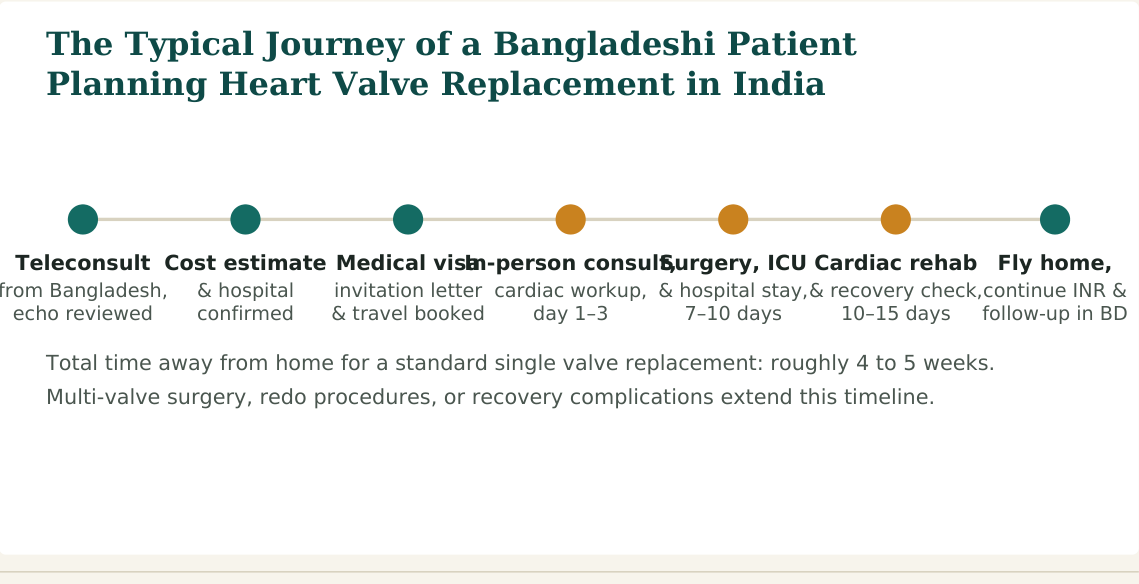
Peer-reviewed research on cross-border medical travel found that international patients spend an average of 3,800 to 7,000 US dollars per visit once transport, accommodation and incidental costs are added to treatment itself — a range worth budgeting for on top of the surgery cost shown above. Cardiac surgery generally requires a longer stay than orthopedic procedures: realistically, a standard single valve replacement requires an additional 20 to 30 days in India to allow for ICU recovery and a stable period before flying; multi-valve or redo surgery takes longer.
A note on insurance
Most Bangladeshi health insurance policies do not cover overseas treatment, and Indian hospitals generally expect self-pay or an advance deposit from international patients. Confirm this before travelling rather than after arrival.
Most Bangladeshi patients follow a broadly similar sequence for valve surgery, whether they travel independently or through a medical-facilitation service. Knowing the shape of it in advance makes each step easier to plan for.
Factors a Bangladeshi Patient Should Weigh Before Heart Valve Replacement in India
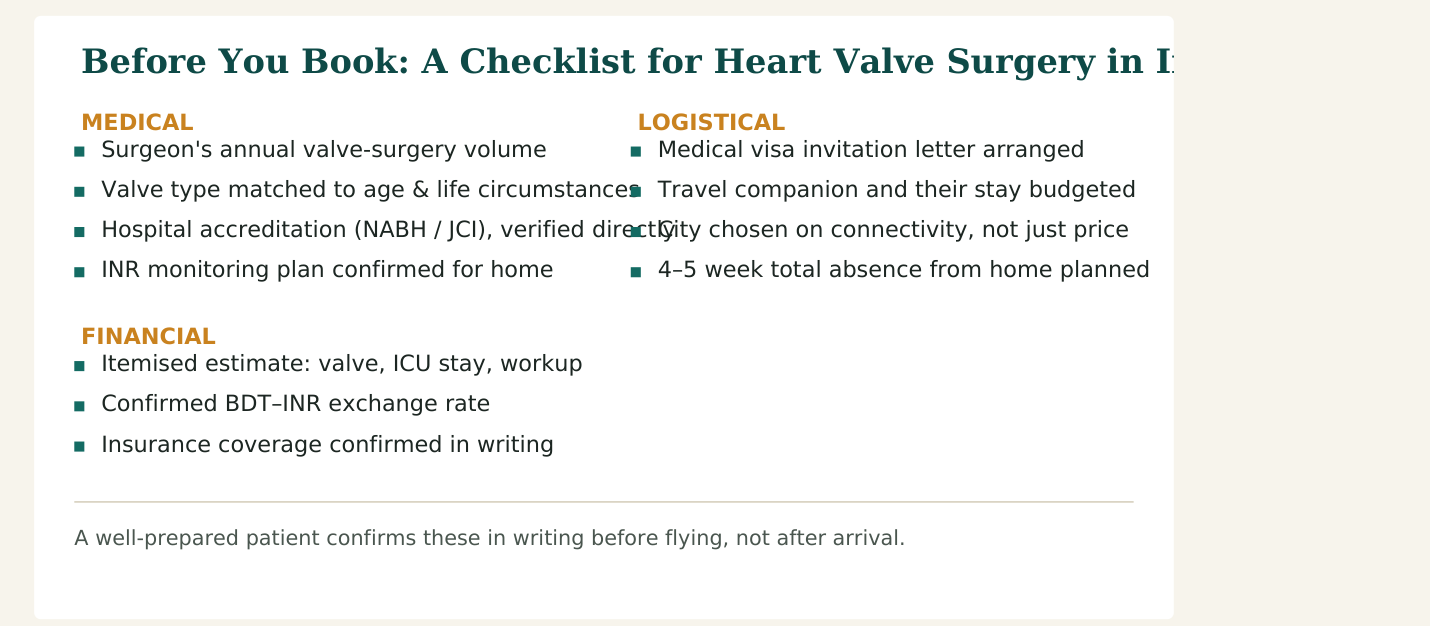
Beyond the surgery itself, the decisions that most affect a patient's experience are logistical and financial rather than purely medical. Consider each of the following before confirming a hospital:
- Which city, not just which hospital. Kolkata is closest and most familiar linguistically; Chennai, Delhi and Mumbai often have a wider choice of high-volume cardiac surgery centres. Weigh travel time and cost against the specific surgeon's experience.
- The surgeon's personal case volume in valve surgery — not the hospital's overall reputation. Ask directly how many valve procedures the operating surgeon performs each year, and whether the centre regularly treats rheumatic as well as degenerative valve disease.
- Genuine hospital accreditation. Ask whether the hospital holds NABH or JCI accreditation and verify it directly through the accreditation board's own directory rather than taking a brochure's word for it.
- An itemised, written estimate covering valve brand and type, ICU and ward stay, pre-operative cardiac workup, and what happens financially if the stay runs longer than planned.
- Medical visa documentation. A formal invitation letter from the treating hospital, submitted through India's official medical-visa channel, is required at the Indian visa centre in Dhaka, Chittagong, Sylhet or Rajshahi.
- A travel companion. Indian hospitals generally expect at least one attendant to stay with the patient; factor their stay, food and local transport into the budget.
- A written cardiac rehabilitation and anticoagulation plan for after you return, including where and how INR monitoring will happen in Bangladesh if a mechanical valve is chosen — this matters as much as the surgery itself.
- Follow-up access. Ask whether the surgeon offers video follow-up consultations, and what the schedule is for echocardiogram checks to confirm the valve is functioning well over time.
About this guide. This article is intended for general information and planning purposes only and does not replace a consultation with a qualified cardiologist or cardiac surgeon. Costs are approximate, change over time, and vary by hospital, city, valve type and individual case complexity. Always request a current, written, itemised estimate directly from the hospital before travelling.
A Closing Words
For most Bangladeshi families, India offers a genuine value proposition for heart valve surgery: surgical experience with both rheumatic and degenerative valve disease, a real choice of valve types matched to a patient's age and life circumstances, at a fraction of the cost charged in the UK or US. The value, however, depends entirely on the specifics: an honest conversation about mechanical versus biological valve trade-offs, a transparent itemised estimate, and a realistic plan for travel, recovery and — critically — long-term anticoagulation monitoring back home. Patients who ask detailed questions before booking, rather than after arriving, consistently report a smoother experience — medically and financially.
Sources
- 🌐 National Medical Commission of India — statutory body for verifying a doctor's registration and specialist qualifications. · nmc.org.in
- 🌐 National Accreditation Board for Hospitals & Healthcare Providers (NABH) — India's principal healthcare accreditation authority, under the Quality Council of India. · nabh.co
- 🌐 Rheumatic fever and rheumatic heart disease in Bangladesh: A review. Peer-reviewed study, hosted via NIH/NCBI, on the burden and pattern of rheumatic heart disease in Bangladesh. · pmc.ncbi.nlm.nih.gov/articles/PMC4759488
- 🌐 Determinants of Bangladeshi patients' decision-making process and satisfaction toward medical tourism in India. Peer-reviewed study, hosted via NIH/NCBI. · pmc.ncbi.nlm.nih.gov/articles/PMC10185743
- 🌐 Government of India — Medical Value Travel / e-Medical Visa Portal, Bureau of Immigration, Ministry of Home Affairs — official channel for hospital invitation letters and medical-visa provisions for Bangladeshi nationals. · indianfrro.gov.in/frro/medicalvaluetravel
Frequently Asked Questions by Bangladeshi Patients about Heart Valve Replacement in India
Is heart valve replacement in India available for Bangladeshi patients?
Yes. Indian cardiac centres offer surgical valve repair and replacement as well as selected catheter-based procedures. The guide identifies Kolkata, Chennai, Delhi and Mumbai as important treatment locations.
How much does heart valve replacement cost in India?
The guide gives an illustrative 2026 range of approximately US$4,000–11,000 for a single valve replacement. The final cost depends on valve type, hospital, procedure and individual case complexity.
What is the difference between a mechanical and biological valve?
A mechanical valve is highly durable but requires lifelong warfarin and INR monitoring. A biological valve generally avoids lifelong anticoagulation but may need replacement after approximately 10–15 years.
Which valve is better for a young Bangladeshi patient?
The source does not recommend one valve universally. Age, lifestyle, durability requirements and the ability to maintain reliable INR monitoring should all be considered with the cardiac surgeon.
Is valve repair possible instead of replacement?
In selected patients, yes. Valve repair preserves the patient's own valve and may be preferred when the anatomy allows, particularly for certain cases of mitral regurgitation.
How long should Bangladeshi patients stay in India?
For a standard single valve replacement, the guide recommends planning for roughly four to five weeks away from home, including assessment, surgery, hospital recovery and rehabilitation.
Do Bangladeshi patients need a medical visa for valve surgery in India?
Yes. Patients travelling for treatment require appropriate medical-visa documentation and an invitation letter from the treating Indian hospital through the applicable official channel.
Can INR monitoring continue in Bangladesh after a mechanical valve?
Yes, but it is essential to arrange reliable long-term monitoring. The patient should leave India with a clear anticoagulation plan and identify a physician or facility in Bangladesh capable of continuing INR monitoring.
Which Indian cities can Bangladeshi patients consider for valve surgery?
The guide highlights Kolkata, Chennai, Delhi and Mumbai. Kolkata may be particularly convenient because of proximity and linguistic familiarity, while the other cities offer additional specialised cardiac centres.
What should patients check before choosing a valve-surgery hospital in India?
Patients should assess the surgeon's valve-surgery experience, hospital accreditation, valve options, itemised treatment estimate, ICU facilities and arrangements for rehabilitation and long-term follow-up after returning to Bangladesh.
Page Summary
Heart valve replacement in India is an option for Bangladeshi patients with significant rheumatic or degenerative valve disease who require repair, replacement or selected catheter-based treatment. India offers access to mechanical and biological valves as well as specialised cardiac surgery, with illustrative single-valve replacement costs of US$4,000–11,000 compared with substantially higher ranges in the UK and US.
Citation Block
| Field | Information |
|---|---|
| Topic | Heart Valve Replacement in India |
| Treatment | Valve Repair, Mechanical Valve Replacement, Biological Valve Replacement, Balloon Valvuloplasty and Selected TAVI |
| Country | India |
| Patients | Bangladeshi Patients |
| Key Specialists | Cardiologist and Cardiac Surgeon |
| Treatment Selection | Valve Type, Disease Severity, Valve Anatomy, Age and Overall Cardiac Condition |
| Rheumatic Valve Disease | Important Cause of Valve Disease in Bangladesh, Particularly Among Younger Adults |
| Mechanical Valve | Highly Durable but Requires Lifelong Warfarin and Regular INR Monitoring |
| Biological Valve | Generally Avoids Lifelong Blood Thinners but May Require Replacement After Approximately 10–15 Years |
| Catheter-Based Options | Balloon Valvuloplasty for Selected Mitral Stenosis and TAVI Mainly for Selected Higher-Risk Aortic Stenosis Patients |
| Key Cities | Kolkata, Chennai, Delhi and Mumbai |
| Hospital Quality | NABH / JCI Accreditation Should Be Verified |
| India Cost | US$4,000–11,000 |
| UK Cost | US$20,000–45,000 |
| US Cost | US$50,000–150,000+ |
| Pre-Travel Assessment | Echocardiogram and Medical Records Review |
| Hospital Stay | Approximately 7–10 Days for Surgery and Initial Recovery |
| Overall Stay | Roughly 4–5 Weeks for Standard Single Valve Replacement |
| Medical Visa | Hospital Invitation and Medical-Visa Documentation |
| Attendants | Up to Three Accompanying Attendants Described for Bangladeshi Patients |
| Follow-Up | INR Monitoring Where Required, Echocardiography, Medication Management and Cardiac Rehabilitation |
| Key Selection Factor | Valve-Surgery Experience and Long-Term Follow-Up Planning |
| Warning Sign | Selecting a Valve Based Only on Initial Cost |


Our Mission Statement
Our mission is to place patients at the centre of every healthcare decision by providing trustworthy, evidence-based, and unbiased medical information. We believe that informed patients make better decisions. Backed by personalised guidance from our experienced advisory team, we help patients understand their treatment options, compare them objectively, and confidently choose the path that best suits their medical needs and personal circumstances.
Patient Testimonials from Bangladesh
Ready to Take the First Step?
Share your medical reports with our healthcare managers today and receive a FREE CONSULTATION, a personalized treatment plan and complete support from your arrival to your recovery.
Get Your Free ConsultationFrom Bangladesh to India: Your Complete Patient Guide
- Complex Orthopaedic and Joint Revision Surgery in India for Bangladeshi Patients
- Heart Failure Treatment and Surgery in India for Bangladeshi Patients
- Joint Arthroscopy and Sports Medicine in India for Bangladeshi Patients
- Leukemia, Lymphoma and Blood Cancer Treatment in India for Bangladeshi Patients
- Kidney Transplant in India for Bangladeshi Patients
- Liver Transplant in India for Bangladeshi Patients
- Hip Surgery in India for Bangladeshi Patients
- Knee Surgery in India for Bangladeshi Patients
- Spine Surgery in India for Bangladeshi Patients
- Shoulder Surgery in India for Bangladeshi Patients
- IVF and Fertility Treatment in India for Bangladeshi Patients
- Robotic Cancer Surgery in India for Bangladeshi Patients
- Brain Tumor Treatment in India for Bangladeshi Patients
- Neurosurgery in India for Bangladeshi Patients
- Prostate Cancer Treatment and Surgery in India for Bangladeshi Patients
- Cardiac Surgery in India for Bangladeshi Patients
- Dental Implants and Smile Makeover in India for Bangladeshi Patients
- Weight Loss and Bariatric Surgery in India for Bangladeshi Patients