

15 Frequently Asked Questions : Heart Failure Treatment and Surgery in India for Bangladeshi Patients
Heart failure is a condition in which the heart is unable to pump or fill adequately to meet the body's needs. It can develop because of coronary artery disease, previous heart attack, high blood pressure, heart-valve disease, cardiomyopathy, congenital heart disease, abnormal heart rhythms and other conditions. Heart failure can occur with reduced pumping function, preserved pumping function or other patterns of cardiac dysfunction. Treatment therefore varies considerably from one patient to another. Current Indian heart-failure guidance emphasises evaluation of the underlying cause, appropriate medical therapy, management of associated conditions and selected use of devices, surgery, transcatheter procedures or transplantation when clinically indicated. For Bangladeshi patients, treatment in India may involve a comprehensive assessment by a cardiologist and, where necessary, a heart-failure specialist, cardiac surgeon, electrophysiologist or transplant team. Treatment may include medicines, lifestyle and rehabilitation measures, coronary revascularisation, valve treatment, pacemaker or defibrillator-based therapy, cardiac resynchronisation therapy, mechanical circulatory support or heart transplantation in selected advanced cases.
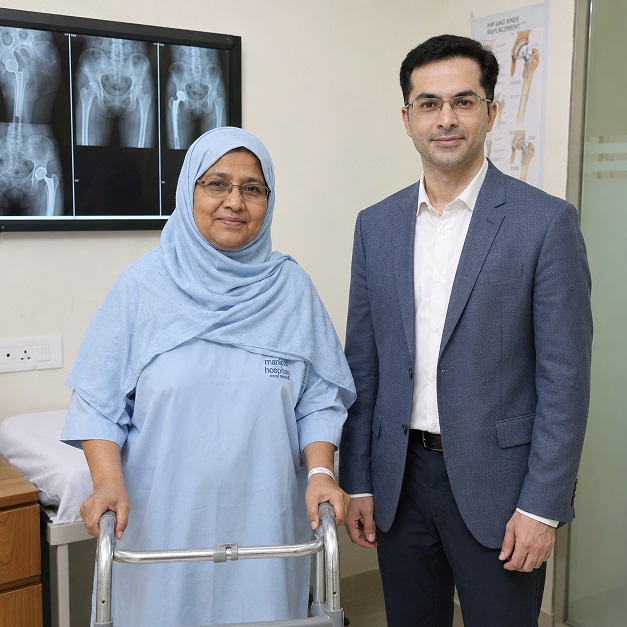
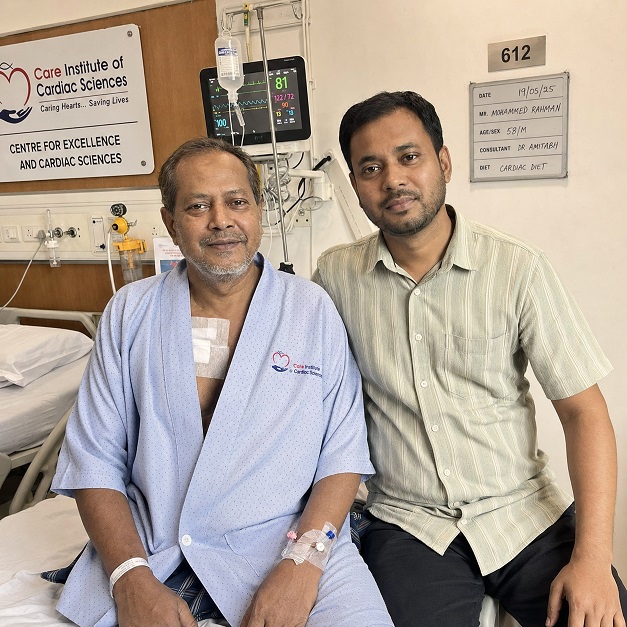
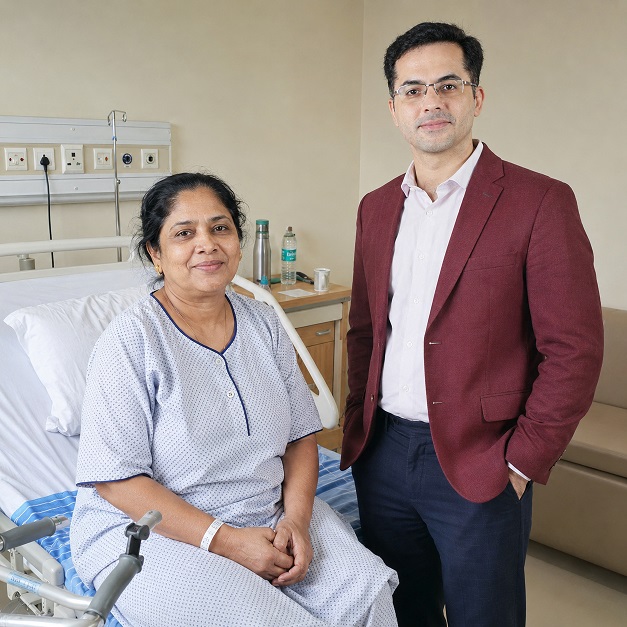
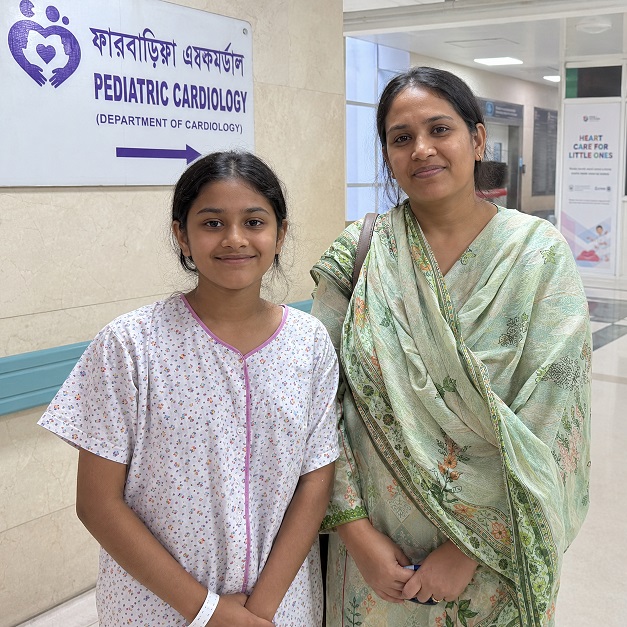
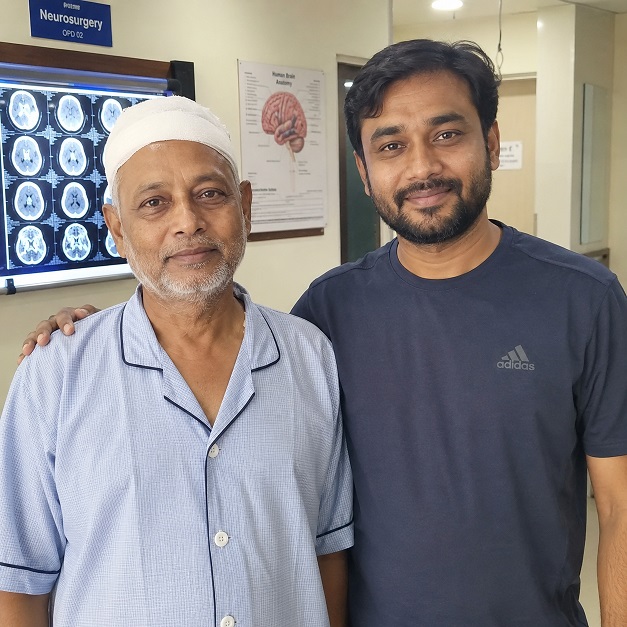
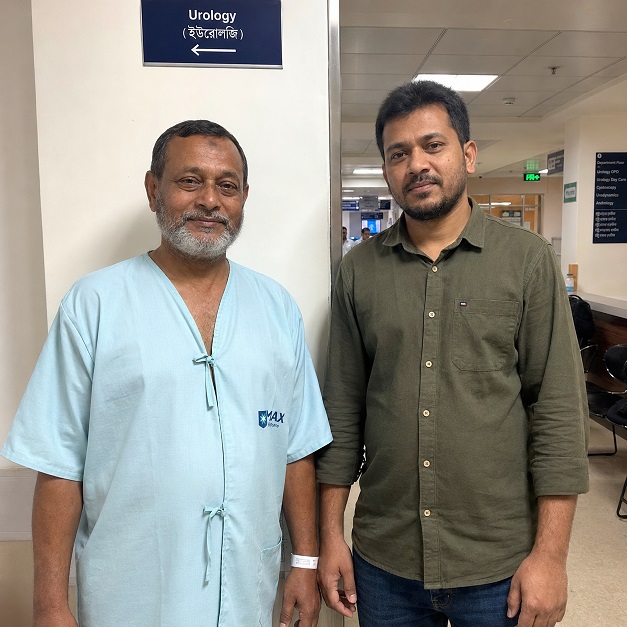
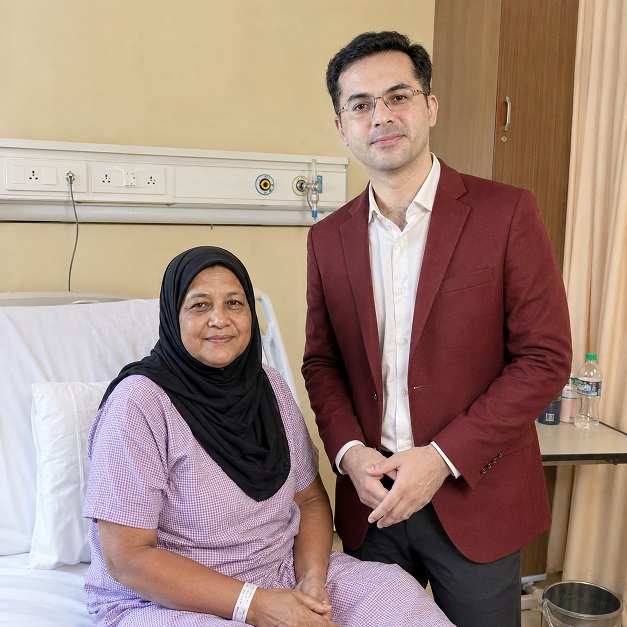
Healing Journeys of Bangladeshi Patients


Q1 · What is Heart Failure Treatment and Surgery?
Heart failure treatment is a comprehensive approach used to control symptoms, improve heart function where possible, reduce hospitalisation and address the underlying cause of heart failure. Heart failure does not necessarily mean that the heart has stopped working. Instead, it means that the heart is not functioning sufficiently for the body's requirements.
Treatment may include
- Medicines
- Fluid and dietary management
- Treatment of coronary artery disease
- Treatment of heart-valve disease
- Management of abnormal heart rhythms
- Pacemaker or defibrillator therapy
- Cardiac resynchronisation therapy
- Coronary artery bypass surgery
- Valve repair or replacement
- Other cardiac surgery
- Mechanical circulatory support
- Heart transplantation in selected advanced cases
The Cardiological Society of India has described heart failure management as involving pharmacological treatment, device therapy, revascularisation, surgery and advanced therapies depending on the patient's condition.
Heart Failure with Reduced Ejection Fraction
In HFrEF, the heart's pumping function is reduced. Treatment generally involves a combination of evidence-based medicines and, in selected patients, device or surgical treatment.
Heart Failure with Preserved Ejection Fraction
In HFpEF, the heart's pumping percentage may remain relatively preserved, but the heart may have difficulty relaxing and filling normally. Management focuses on controlling symptoms, treating associated conditions and addressing the underlying cause. Indian guidance recognises HFpEF as an important form of heart failure requiring clinical assessment and appropriate management.
Advanced Heart Failure
Some patients develop advanced heart failure despite appropriate medical and device treatment.
Selected patients may be assessed for
- Mechanical circulatory support
- Ventricular assist devices
- Heart transplantation
- Other advanced heart-failure therapies
Heart transplantation is generally considered only for carefully selected patients with advanced heart failure who remain significantly affected despite appropriate treatment and who do not have contraindications.
Q2 · How much does Heart Failure Treatment and Surgery cost in Bangladesh compared with India?
The total cost varies greatly because heart failure is not a single operation. Some patients require medicines and monitoring, while others may require angioplasty, bypass surgery, valve surgery, device implantation or advanced heart-failure treatment.
For planning purposes, this guide uses
- US$1 ≈ BDT 122
- US$1 ≈ INR 96
| Treatment / Procedure | Bangladesh Estimated Cost | India Estimated Cost | Potential Saving |
|---|---|---|---|
| Heart Failure Evaluation & Treatment Planning | BDT 80,000–150,000 US$655–1,230 | INR 40,000–80,000 US$415–835 | Approx. 20%–35% |
| Advanced Heart Failure Evaluation | BDT 120,000–220,000 US$985–1,805 | INR 60,000–120,000 US$625–1,250 | Approx. 20%–35% |
| Cardiac Catheterisation / Haemodynamic Evaluation | BDT 180,000–300,000 US$1,475–2,460 | INR 100,000–180,000 US$1,040–1,875 | Approx. 15%–30% |
| Coronary Angioplasty / Stenting for Selected HF Patients | BDT 350,000–650,000 US$2,870–5,330 | INR 200,000–400,000 US$2,085–4,170 | Approx. 15%–30% |
| CABG for Ischaemic Heart Failure | BDT 650,000–1,000,000 US$5,330–8,200 | INR 400,000–650,000 US$4,170–6,770 | Approx. 15%–30% |
| Valve Surgery Associated with Heart Failure | BDT 700,000–1,200,000 US$5,740–9,835 | INR 400,000–750,000 US$4,170–7,810 | Approx. 15%–30% |
| Pacemaker Implantation | BDT 250,000–450,000 US$2,050–3,690 | INR 140,000–250,000 US$1,460–2,605 | Approx. 15%–30% |
| BDT 500,000–850,000 INR 300,000–550,000 Approx. ICD Implantation US$4,100–6,970 US$3,125–5,730 15%–30% |
| BDT 650,000– INR 400,000–750,000 Approx. CRT-P CRT-D 1,100,000 US$5,330– US$4,170–7,810 15%–30% 9,020 |
| INR 2,000,000–Mechanical Circulatory BDT 3,000,000– Approx. 3,500,000 Support LVAD Evaluation 5,000,000 10%–25% US$20,835–36,460 US$24,590–40,985 |
| INR 2,500,000–Heart Transplant Evaluation BDT 3,500,000– Approx. 4,000,000 and Initial Treatment 5,500,000 10%–25% US$26,040–41,665 US$28,690–45,080 |
Potential savings are indicative planning ranges, not guaranteed savings. Actual costs may differ substantially depending on the patient's diagnosis, hospital, specialist team, device or implant, medicines, ICU requirement, procedure complexity, complications and length of stay.
Patients should ask whether the quotation includes
- Cardiologist consultation
- Heart-failure specialist consultation
- Cardiac surgeon consultation
- Diagnostic tests
- Echocardiography
- ECG
- Cardiac imaging
- Coronary angiography
- Catheterisation
- Anaesthesia
- Operation-theatre charges
- Device or implant charges
- ICU charges
- Hospital room
- Medicines
- Blood products
- Consumables
- Additional hospital days
- Rehabilitation
- Follow-up consultations
For advanced heart-failure treatment, patients should obtain a detailed written treatment plan because the final cost can change considerably if additional procedures, prolonged ICU care, mechanical support or transplantation becomes necessary.
Q3 · Which Indian cities can Bangladeshi patients consider for Heart Failure Treatment and Surgery?
| City | Heart Failure Treatment Environment |
|---|---|
| Delhi / NCR | Heart-failure management, cardiac surgery, device therapy, advanced cardiac care and transplant evaluation |
| Gurugram | Heart-failure programmes, cardiac surgery, device therapy and advanced cardiac care |
| Noida | Cardiac evaluation, heart-failure management and postoperative care |
| Mumbai | Advanced heart-failure management, cardiac surgery and device-based treatment |
| Chennai | Heart-failure management, cardiac surgery and rehabilitation |
| Bengaluru | Heart-failure treatment, device therapy, cardiac surgery and advanced cardiac care |
| Hyderabad | Heart-failure management, cardiac surgery and device implantation |
| Kolkata | Cardiac evaluation, heart-failure management and cardiac procedures |
| Ahmedabad | Heart-failure treatment and cardiovascular surgery |
| Pune | Heart-failure management, cardiac procedures and rehabilitation |
| Kochi | Cardiac and heart-failure services |
| Thiruvananthapuram | Cardiology, cardiac surgery and advanced heart-failure care |
| Goa | Cardiac evaluation and selected cardiovascular services |
| Nagpur | Regional cardiac, heart-failure and cardiothoracic services |
Patients with advanced heart failure should confirm that the selected centre has the particular service they require, such as cardiac ICU care, device implantation, cardiac surgery, mechanical circulatory support or transplant evaluation.
Q4 · Which hospitals in India can Bangladeshi patients consider for Heart Failure Treatment and Surgery?
The following hospitals are part of the established Indian hospital reference list. Patients should confirm the availability of the specific heart-failure service required for their individual condition.
Delhi Hospitals
- Fortis Escorts Heart Institute, New Delhi
- BLK-Max Super Speciality Hospital, New Delhi
- Max Super Speciality Hospital, Saket
- Indraprastha Apollo Hospitals, New Delhi
- Sir Ganga Ram Hospital
- Max Super Speciality Hospital, Patparganj
- Manipal Hospital, Dwarka
- Fortis Hospital, Vasant Kunj
- Institute of Brain and Spine Hospital
- Dharamshila Narayana Hospital
- Indian Spinal Injuries Centre
- AIIMS New Delhi
Chennai Hospitals
- MGM Healthcare
- MIOT International
- Apollo Hospitals, Greams Road
- Sri Ramachandra Medical Centre
- SIMS Hospital
- Kauvery Hospital
- Gleneagles HealthCity Chennai
- Vijaya Hospital
- Apollo Speciality Hospitals
- Rela Hospital
Mumbai Hospitals
- Bombay Hospital & Medical Research Centre
- Lilavati Hospital & Research Centre
- Jaslok Hospital & Research Centre
- Gleneagles Hospital, Mumbai
- Nanavati Max Super Speciality Hospital
- Kokilaben Dhirubhai Ambani Hospital
- P. D. Hinduja Hospital & Medical Research Centre
- Sir H. N. Reliance Foundation Hospital
- Wockhardt Hospitals, Mumbai
- Apollo Hospitals, Mumbai
Bengaluru Hospitals
- Manipal Hospital, Old Airport Road
- Manipal Hospital, Whitefield
- Manipal Hospital, Yeshwanthpur
- Apollo Hospitals, Bengaluru
- Fortis Hospital, Bannerghatta Road
- Aster CMI Hospital
- Sakra World Hospital
- Narayana Health City
- Sagar Hospitals
- Kauvery Hospital, Bengaluru
Hyderabad Hospitals
- KIMS Hospitals
- Yashoda Hospitals
- Apollo Health City
- CARE Hospitals
- Continental Hospitals
- Gleneagles Hospitals, Hyderabad
- Sunshine Hospitals
- Star Hospitals
Gurugram Hospitals
- Fortis Memorial Research Institute (FMRI)
- Medanta – The Medicity
- Artemis Hospital
- Max Hospital, Gurugram
- CK Birla Hospital, Gurugram
- Manipal Hospital, Gurugram
- Paras Health
- Narayana Superspeciality Hospital
Noida Hospitals
- Fortis Hospital, Noida
- Jaypee Hospital
- Max Super Speciality Hospital, Noida
- Yatharth Hospital
- Kailash Hospital
- Metro Hospital & Heart Institute
- Metro Center for Neurosciences
Kolkata Hospitals
- Apollo Multispeciality Hospitals
- AMRI Hospitals
- Fortis Hospital, Anandapur
- Manipal Hospitals, Salt Lake
- Medica Superspecialty Hospital
- Narayana Superspeciality Hospital
- Ruby General Hospital
Pune Hospitals
- Ruby Hall Clinic
- Jehangir Hospital
- Deenanath Mangeshkar Hospital
- Sahyadri Super Speciality Hospital
- Aditya Birla Memorial Hospital
- Manipal Hospital, Kharadi
- Medicover Hospital, Pune
Ahmedabad Hospitals
- Apollo Hospitals, Ahmedabad
- Zydus Hospitals
- Sterling Hospitals
- Shalby Hospitals
- HCG Hospitals
- SAL Hospital
- CIMS Hospital
Kochi Hospitals
- Aster Medcity
- Amrita Hospital
- VPS Lakeshore Hospital
- Rajagiri Hospital
- Aster MIMS
- Lisie Hospital
- Renai Medicity
Thiruvananthapuram Hospitals
- KIMSHEALTH Hospital
- Ananthapuri Hospitals and Research Institute
- SUT Hospital
- SP Medifort Hospital
- PRS Hospital
- GG Hospital
Goa Hospitals
- Manipal Hospital, Goa
- Healthway Hospital
- Manipal Hospitals, Dona Paula
- Goa Medical College and Hospital
- Apollo Victor Hospital
Nagpur Hospitals
- Wockhardt Hospitals, Nagpur
- Alexis Multispeciality Hospital
- CARE Hospitals, Nagpur
- Kingsway Hospitals
- Lata Mangeshkar Hospital
Q5 · What types of Heart Failure Treatment and Surgery are available?
Heart failure treatment is divided into several categories depending on the underlying cause and severity.
1. Medical Treatment
Many patients are treated primarily with medicines.
Depending on the type of heart failure, treatment may include
- Diuretics
- Beta-blockers
- ACE inhibitors
- ARBs
- ARNI therapy
- Mineralocorticoid receptor antagonists
- SGLT2 inhibitors
- Other medicines selected according to the patient's condition
Indian heart-failure guidance includes pharmacological therapy as a central part of management.
2. Coronary Artery Treatment
When coronary artery disease contributes to heart failure, selected patients may require
- Coronary angioplasty
- Stent placement
- Coronary artery bypass grafting
Current guidance identifies CABG as an option for selected patients with heart failure with reduced ejection fraction and suitable coronary anatomy.
3. Valve Surgery
Severe valve disease can cause or worsen heart failure.
Treatment may include
- Valve repair
- Valve replacement
- Transcatheter valve procedures
- Combined coronary and valve surgery
For selected patients with severe aortic stenosis and heart failure, surgical or transcatheter aortic valve treatment may be considered.
4. Pacemaker and Device Therapy
Some patients may require
- Pacemaker
- Implantable cardioverter-defibrillator (ICD)
- Cardiac resynchronisation therapy (CRT)
Device selection depends on rhythm, heart function, electrical conduction and other clinical factors.
5. Cardiac Resynchronisation Therapy
CRT can be considered in selected patients whose electrical conduction pattern and heart-failure characteristics meet appropriate criteria.
6. Mechanical Circulatory Support
Patients with advanced heart failure may sometimes require mechanical circulatory support, including ventricular assist devices.
7. Heart Transplantation
Heart transplantation may be considered for carefully selected patients with advanced heart failure who remain severely affected despite appropriate treatment.
Q6 · Who may be suitable for Heart Failure Treatment and Surgery?
Heart failure treatment is appropriate for patients diagnosed with heart failure or those being evaluated because of symptoms or evidence of cardiac dysfunction.
Possible symptoms include
- Breathlessness
- Fatigue
- Reduced exercise tolerance
- Swelling of the legs
- Difficulty breathing when lying down
- Rapid weight gain due to fluid retention
- Persistent cough
- Reduced appetite
- Recurrent hospitalisation for cardiac symptoms
Possible causes include
- Coronary artery disease
- Previous heart attack
- High blood pressure
- Heart-valve disease
- Cardiomyopathy
- Congenital heart disease
- Abnormal heart rhythms
- Inflammatory heart disease
- Certain genetic conditions
- Other structural or functional heart disorders
Surgery or advanced intervention is considered only in selected patients.
Examples include patients with
- Significant coronary disease suitable for revascularisation
- Severe valve disease
- Certain structural abnormalities
- Selected severe mitral or tricuspid regurgitation
- Significant rhythm or electrical abnormalities requiring device treatment
- Advanced heart failure requiring mechanical support
- Advanced heart failure being evaluated for transplantation
Current guidance supports invasive treatment selectively according to the underlying disease, symptoms, anatomy and response to medical or device therapy.
Q7 · What tests are required before Heart Failure Treatment or Surgery?
A complete evaluation is important because treatment depends on the underlying cause.
Tests may include
- Clinical cardiology examination
- Blood pressure measurement
- Pulse and oxygen saturation
- ECG
- Echocardiography
- Chest X-ray
- Complete blood count
- Kidney-function tests
- Liver-function tests
- Electrolytes
- Blood glucose
- HbA1c
- Lipid profile
- Thyroid-function tests
- Cardiac biomarkers where indicated
- BNP or NT-proBNP where clinically appropriate
- Coronary angiography
- CT coronary angiography
- Cardiac MRI
- Stress testing
- Cardiac catheterisation
- Holter monitoring
- Exercise testing
- Pulmonary assessment where required
Echocardiography
Echocardiography can provide information about
- Ejection fraction
- Heart chamber size
- Valve function
- Wall motion
- Pulmonary pressures
- Structural abnormalities
Coronary Evaluation
Patients suspected of having coronary artery disease may require coronary imaging or angiography.
Rhythm Assessment
Patients with suspected arrhythmias may require
- ECG
- Holter monitoring
- Extended rhythm monitoring
- Electrophysiological assessment in selected cases
Advanced Heart Failure Evaluation
Patients being considered for mechanical support or transplantation may undergo additional investigations involving
- Haemodynamic assessment
- Exercise capacity
- Kidney and liver evaluation
- Pulmonary evaluation
- Infection screening
- Other transplant-related investigations
The final test list should be determined by the treating heart-failure team.
Q8 · What medical records should Bangladeshi patients send before travelling to India?
Bangladeshi patients should provide complete cardiac records whenever possible.
Important documents include
- Recent cardiologist reports
- Heart-failure diagnosis
- Echocardiography reports
- Echocardiography images
- ECG reports
- Holter reports
- Coronary angiography reports
- Coronary angiography images
- CT coronary reports
- Cardiac MRI reports
- Previous cardiac surgery records
- Previous angioplasty and stent records
- Previous valve-surgery records
- Pacemaker or ICD information
- Previous hospital discharge summaries
- Blood-test reports
- Kidney-function reports
- Current medication list
- Previous medication history
- Allergy information
Patients should also provide
- Current symptoms
- Duration of symptoms
- Previous cardiac events
- Previous hospitalisations
- Previous heart procedures
- Current medication doses
- Any history of kidney disease
- Any history of diabetes
- Any history of hypertension
- Previous complications
Patients being evaluated for advanced heart failure should also provide any previous transplant or LVAD evaluation records, if available.
Q9 · How does Heart Failure Treatment and Surgery work?
The treatment pathway depends on the cause and severity of heart failure.
Step 1: Comprehensive Evaluation
The cardiac team reviews
- Symptoms
- Medical history
- Previous cardiac events
- Medications
- Echocardiography
- ECG
- Other investigations
Step 2: Identify the Cause
The team determines whether heart failure is associated with
- Coronary artery disease
- Valve disease
- Cardiomyopathy
- Rhythm abnormality
- Congenital disease
- Hypertension
- Another condition
Step 3: Optimise Medical Treatment
Appropriate medicines are selected and adjusted according to the patient's heart-failure type, blood pressure, kidney function, potassium level and other factors.
Step 4: Evaluate Devices
Selected patients may be evaluated for
- Pacemaker
- ICD
- CRT
- Other device-based treatment
Step 5: Evaluate Coronary Disease
If significant coronary artery disease is present, the team may consider
- Medicines
- Angioplasty
- Stenting
- CABG
Step 6: Evaluate Valve Disease
If severe valve disease contributes to heart failure, treatment may involve
- Valve repair
- Valve replacement
- Transcatheter intervention
Step 7: Advanced Heart Failure Assessment
Patients who remain severely affected despite appropriate treatment may be evaluated for
- Mechanical circulatory support
- LVAD
- Heart transplantation
Step 8: Hospital and ICU Management
Patients with acute or severely worsening heart failure may require hospital treatment, oxygen or respiratory support, intravenous medicines and close monitoring.
Step 9: Rehabilitation
Once stable, patients may receive
- Cardiac rehabilitation
- Exercise guidance
- Nutrition advice
- Medication education
- Lifestyle counselling
Step 10: Long-Term Follow-Up
Heart failure generally requires ongoing management rather than a single treatment episode.
Regular follow-up may include
- Cardiologist review
- Echocardiography
- Blood tests
- Medication adjustment
- Device monitoring
- Weight monitoring
- Blood-pressure monitoring
Q10 · What are the alternatives to Heart Failure Surgery?
Not every patient with heart failure requires surgery. Depending on the underlying cause, alternatives may include:
Medical Therapy
Medicines form a major part of heart-failure management.
Treatment is individualised according to
- Heart-failure type
- Ejection fraction
- Blood pressure
- Kidney function
- Heart rhythm
- Other medical conditions
Lifestyle and Rehabilitation
Patients may be advised regarding
- Appropriate physical activity
- Nutrition
- Weight management
- Smoking cessation
- Alcohol reduction or avoidance where appropriate
- Blood-pressure control
- Diabetes management
Angioplasty and Stenting
Selected patients with coronary artery disease may be treated through PCI rather than bypass surgery.
Valve Repair or Transcatheter Treatment
Selected valve conditions may be managed with repair or catheter-based procedures instead of conventional surgery.
Device Therapy
Selected patients may benefit from
- Pacemaker
- ICD
- CRT
Monitoring
Patients with stable disease may sometimes be managed through regular monitoring and medication adjustment.
The appropriate alternative depends on the exact cause and severity of heart failure.
Q11 · What should Bangladeshi patients ask before accepting a Heart Failure Treatment or Surgery quotation?
Patients and families should ask
- What is the exact cause of the heart failure?
- What is the current ejection fraction?
- Is the heart failure with reduced or preserved ejection fraction?
- Is coronary artery disease contributing to the problem?
- Is valve disease contributing to the problem?
- What treatment is recommended first?
- Is surgery actually required?
- Can medical treatment be optimised first?
- Is angioplasty an option?
- Is CABG an option?
- Is valve repair or replacement required?
- Is device therapy appropriate?
- Is CRT appropriate?
- Is an ICD required?
- What are the major risks?
- What investigations are still required?
- What is the expected hospital stay?
- Will ICU treatment be required?
- Are medicines included in the quotation?
- Are devices or implants included?
- Are ICU charges included?
- What happens if the patient requires additional treatment?
- What is the estimated total duration in India?
- What follow-up will be required after returning to Bangladesh?
- If advanced heart failure is present, should the patient be evaluated for LVAD or transplantation?
Patients should request a detailed written treatment plan and quotation before making international travel arrangements.
Q12 · How long should Bangladeshi patients stay in India for Heart Failure Treatment and Surgery?
The duration depends heavily on the treatment required.
Initial Heart-Failure Evaluation
Approximately 3–7 days may be required for
- Specialist consultation
- Echocardiography
- Blood tests
- Imaging
- Treatment planning
Medical Treatment Adjustment
Stable patients may require a shorter stay, while patients requiring medication optimisation, monitoring or hospital treatment may need additional time.
Device Implantation
Patients undergoing pacemaker, ICD or CRT implantation may require several days for the procedure and monitoring, although the total international stay may be longer.
CABG or Valve Surgery
Patients undergoing major cardiac surgery may need approximately 10–21 days or longer in India depending on ICU and postoperative recovery.
Advanced Heart Failure
Patients undergoing LVAD evaluation, mechanical circulatory support or transplant assessment may need a substantially longer stay.
Heart Transplantation
Transplant treatment involves a much longer medical pathway because it includes
- Detailed evaluation
- Eligibility assessment
- Donor-related processes
- Surgery
- ICU care
- Post-transplant monitoring
- Immunosuppressive treatment
The exact timeline cannot be predicted in advance for every patient. Bangladeshi patients should avoid booking a fixed return flight until the treating cardiac team confirms medical stability and travel clearance.
Q13 · What is recovery like after Heart Failure Treatment and Surgery?
Recovery depends on whether the patient receives medical treatment, a device, coronary intervention, valve surgery, CABG or advanced therapy.
After Medical Treatment
Recovery focuses on
- Symptom improvement
- Medication adjustment
- Fluid management
- Blood-pressure control
- Weight monitoring
- Gradual activity
- Follow-up
After Device Implantation
Patients may need
- Wound care
- Device interrogation
- Activity restrictions during early healing
- Long-term device monitoring
After CABG or Valve Surgery
Recovery may involve
- ICU monitoring
- Wound care
- Breathing exercises
- Gradual mobilisation
- Physiotherapy
- Medication adjustment
- Cardiac rehabilitation
After Advanced Heart-Failure Treatment
Patients receiving mechanical circulatory support or transplantation require specialised long-term follow-up.
Cardiac Rehabilitation
Cardiac rehabilitation may include
- Supervised exercise
- Nutrition guidance
- Medication education
- Lifestyle counselling
- Monitoring of cardiovascular response
Long-Term Management
Heart failure generally requires continuing care.
Patients may need regular
- Cardiology appointments
- Echocardiography
- Blood tests
- Medication review
- Device checks
- Weight monitoring
- Blood-pressure monitoring
Recovery should be gradual and guided by the treating team.
Q14 · How can follow-up be managed after returning to Bangladesh?
Before leaving India, patients should obtain a complete medical file.
It should include
- Final discharge summary
- Heart-failure diagnosis
- Procedure report
- Operation report where applicable
- Echocardiography report
- ECG
- Device information where applicable
- Valve information where applicable
- Medication list
- Medication doses
- Blood-test requirements
- Activity instructions
- Dietary recommendations
- Cardiac rehabilitation plan
- Follow-up schedule
After Returning to Bangladesh
Follow-up may include
- Cardiologist consultation
- Heart-failure specialist review where available
- Echocardiography
- ECG
- Blood tests
- Kidney-function monitoring
- Electrolyte monitoring
- Medication adjustment
- Device monitoring
- Weight monitoring
- Blood-pressure monitoring
- Cardiac rehabilitation
Patients who have undergone device implantation should retain the device identification and programming information. Patients with advanced heart failure should also know exactly when to contact their treating team.
Seek urgent medical attention for:
- Severe breathlessness
- Breathlessness at rest
- Severe chest pain
- Fainting
- Confusion
- Rapidly increasing swelling
- Sudden weight gain associated with fluid retention
- Severe weakness
- Blue or grey lips/skin
- New severe palpitations
- Very low blood pressure with symptoms
- Rapid deterioration
Q15 · Should a Bangladeshi patient travel to India for Heart Failure Treatment and Surgery?
Bangladeshi patients may consider India for
- Heart-failure second opinions
- Complex heart-failure evaluation
- Coronary disease assessment
- CABG evaluation
- Valve surgery
- Device implantation
- CRT assessment
- ICD implantation
- Advanced heart-failure assessment
- Mechanical circulatory support evaluation
- Heart-transplant evaluation
However, heart failure is a complex condition and treatment should be based on the patient's exact diagnosis and clinical status.
A Bangladeshi patient considering treatment in India should compare
- Exact cause of heart failure
- Ejection fraction and heart function
- Severity of symptoms
- Coronary artery disease
- Valve disease
- Heart rhythm
- Kidney function
- Proposed medical treatment
- Need for surgery
- Need for device therapy
- Need for advanced heart-failure evaluation
- Hospital and ICU facilities
- Expected cost
- Expected duration in India
- Rehabilitation requirements
- Follow-up arrangements in Bangladesh
For many patients, sending the complete cardiac records before travelling can help the treating team determine which investigations are required and whether the patient should be evaluated for medical, interventional, surgical or advanced heart-failure treatment. The final decision should be based on specialist evaluation rather than cost or location alone.
Final Bangladeshi Patient Pre-Travel Checklist
Medical Records
- Recent cardiologist report
- Heart-failure diagnosis
- Echocardiography report
- Echocardiography images
- ECG reports
- Holter report where applicable
- Coronary angiography report
- Coronary angiography images
- CT coronary report where applicable
- Cardiac MRI report where applicable
- Previous cardiac surgery reports
- Previous angioplasty records
- Previous valve-surgery records
- Pacemaker / ICD / CRT records where applicable
- Previous discharge summaries
- Recent blood-test reports
- Kidney-function reports
- Current medication list
- Allergy information
Treatment Planning
- Confirm exact cause of heart failure
- Confirm ejection fraction
- Confirm heart-failure type
- Review coronary artery disease
- Review valve disease
- Review heart rhythm
- Confirm recommended treatment
- Ask whether surgery is required
- Ask whether device therapy is appropriate
- Ask whether CRT is appropriate
- Ask whether advanced heart-failure evaluation is required
- Understand major risks
- Confirm expected hospital stay
Cost and Hospital
- Cardiologist consultation confirmed
- Heart-failure specialist consultation confirmed where required
- Cardiac surgeon consultation confirmed where required
- Operation charges confirmed
- Device charges confirmed
- ICU charges confirmed
- Hospital-room charges confirmed
- Investigation charges confirmed
- Medicine charges confirmed
- Blood-product charges confirmed
- Additional-day charges clarified
- Rehabilitation charges clarified
- Written quotation obtained
Travel
- Valid passport
- Appropriate Indian medical-travel documentation
- Printed medical records
- Digital copies of cardiac imaging
- Hospital admission plan
- Accommodation arrangements
- Travel companion where appropriate
- Flexible return-flight arrangements
- Budget for additional stay
- Emergency contact information
Follow-Up
- Final discharge summary
- Treatment / operation report
- Device information where applicable
- Valve information where applicable
- Medication schedule
- Blood-test schedule
- Activity instructions
- Cardiac rehabilitation plan
- Follow-up appointment
- Bangladesh cardiologist arrangement
- Emergency warning signs understood
Final Note
Heart Failure Treatment and Surgery in India for Bangladeshi Patients can involve medical management, coronary intervention, bypass surgery, valve treatment, device therapy, cardiac resynchronisation, mechanical circulatory support or transplantation depending on the patient's condition. Not every patient with heart failure requires surgery. The underlying cause must first be identified, and treatment should be tailored to the patient's symptoms, heart function, coronary anatomy, valve status, rhythm and other medical conditions. For international patients, complete cardiac records should ideally be reviewed before travelling. A detailed treatment plan should clarify the proposed approach, investigations, hospital stay, ICU requirements, devices or implants, estimated cost and follow-up arrangements. Patients with advanced heart failure should also understand that treatment may involve a longer pathway than a single hospital procedure, particularly when mechanical circulatory support or transplantation is being considered. Right Diagnosis. Right Heart Failure Team. Right Treatment Plan.
Page Summary
This guide answers 15 frequently asked questions about heart failure treatment and surgery in India for Bangladeshi patients. It sets out indicative cost ranges in BDT, USD and INR for procedures such as heart failure evaluation & treatment planning, advanced heart failure evaluation, cardiac catheterisation/haemodynamic evaluation and coronary angioplasty/stenting for selected HF patients, and lists 14 Indian cities and 109 hospitals to research. It also covers treatment options, the medical reports to send before travel, the treatment process, alternatives, quotation questions, expected stay in India, recovery, follow-up care and a pre-travel checklist for patients from Bangladesh.


Our Mission Statement
Our mission is to place patients at the centre of every healthcare decision by providing trustworthy, evidence-based, and unbiased medical information. We believe that informed patients make better decisions. Backed by personalised guidance from our experienced advisory team, we help patients understand their treatment options, compare them objectively, and confidently choose the path that best suits their medical needs and personal circumstances.
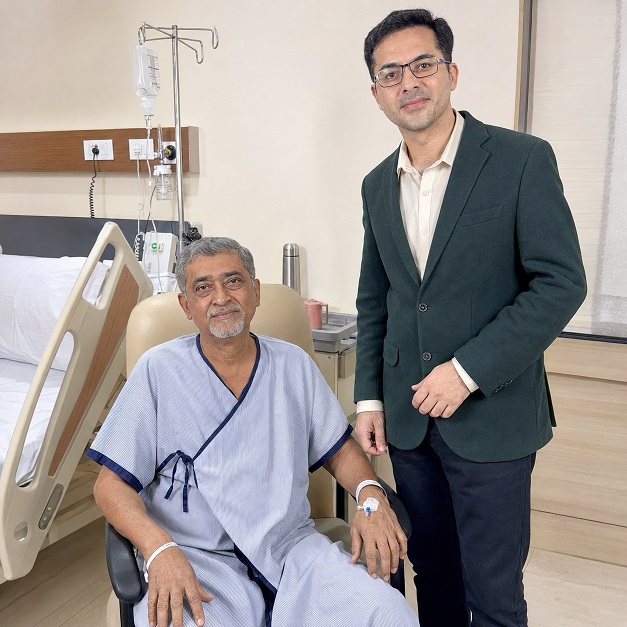
Patient Testimonials from Bangladesh
Ready to Take the First Step?
Share your medical reports with our healthcare managers today and receive a FREE CONSULTATION, a personalized treatment plan and complete support from your arrival to your recovery.
Get Your Free ConsultationFrom Bangladesh to India: Your Complete Patient Guide
- Complex Orthopaedic and Joint Revision Surgery in India for Bangladeshi Patients
- Heart Failure Treatment and Surgery in India for Bangladeshi Patients
- Joint Arthroscopy and Sports Medicine in India for Bangladeshi Patients
- Leukemia, Lymphoma and Blood Cancer Treatment in India for Bangladeshi Patients
- Kidney Transplant in India for Bangladeshi Patients
- Liver Transplant in India for Bangladeshi Patients
- Hip Surgery in India for Bangladeshi Patients
- Knee Surgery in India for Bangladeshi Patients
- Spine Surgery in India for Bangladeshi Patients
- Shoulder Surgery in India for Bangladeshi Patients
- IVF and Fertility Treatment in India for Bangladeshi Patients
- Robotic Cancer Surgery in India for Bangladeshi Patients
- Brain Tumor Treatment in India for Bangladeshi Patients
- Neurosurgery in India for Bangladeshi Patients
- Prostate Cancer Treatment and Surgery in India for Bangladeshi Patients
- Cardiac Surgery in India for Bangladeshi Patients
- Dental Implants and Smile Makeover in India for Bangladeshi Patients
- Weight Loss and Bariatric Surgery in India for Bangladeshi Patients