

Cosmetic and Aesthetic Surgery in India: A Complete Guide for Patients from Bangladesh
Complete guide to cosmetic and aesthetic surgery in India for Bangladeshi patients, covering procedures, reconstructive surgery, costs, surgeon selection, travel and aftercare.
What a Bangladeshi patient and their family should know before choosing a hospital, city and surgeon across the border — costs, process and the questions worth asking before you book a ticket. In Bangladesh, "plastic surgery" often means something more serious than the elective procedures the term evokes elsewhere. Bangladesh has among the highest reported rates of acid violence in the world, disproportionately affecting women, and a study from Dhaka Medical College Hospital's Burn and Plastic Surgery Unit found that more than a third of acid burn patients required surgical treatment, with many needing repeated procedures to release scarring and contractures that develop over time. Alongside this genuine reconstructive need, demand for elective cosmetic procedures — rhinoplasty, body contouring, hair transplantation — has also risen steadily. Both fall under the same medical specialty, and both are covered honestly in this guide. This guide sets out what cosmetic and reconstructive surgery in India actually involves, what it realistically costs compared with the UK and US, and the practical decisions that separate a smooth trip from a stressful one.
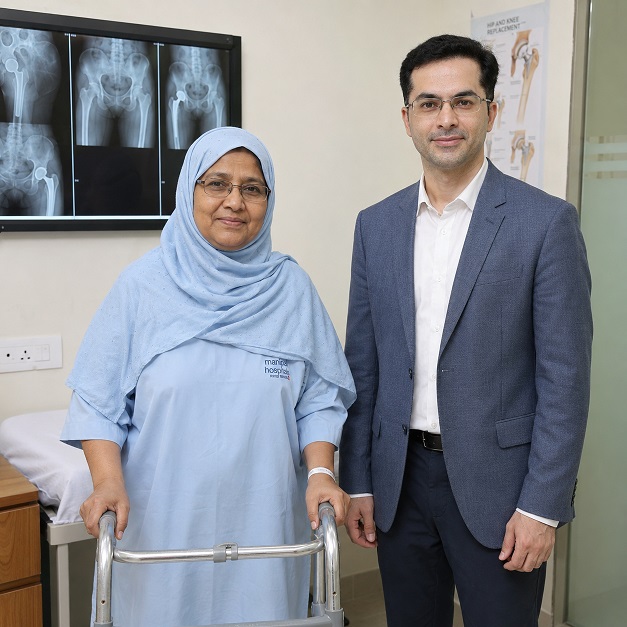
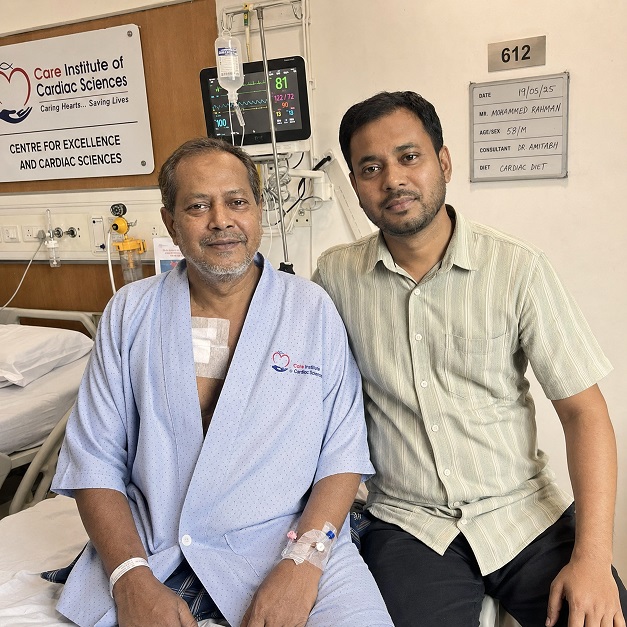
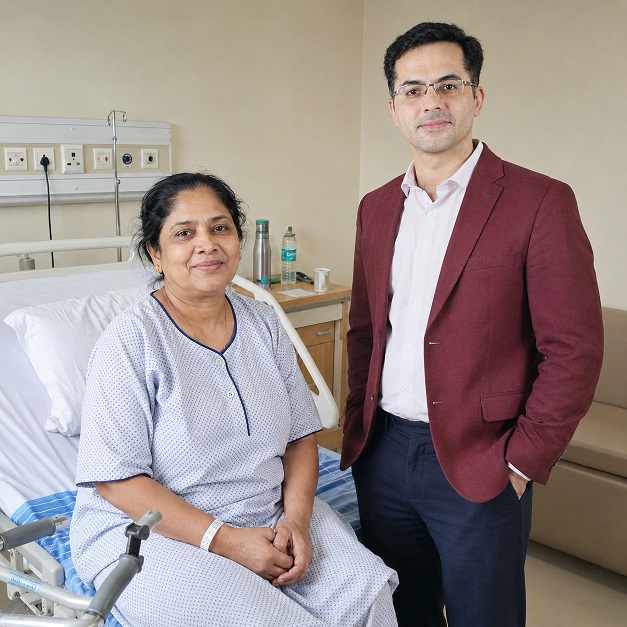
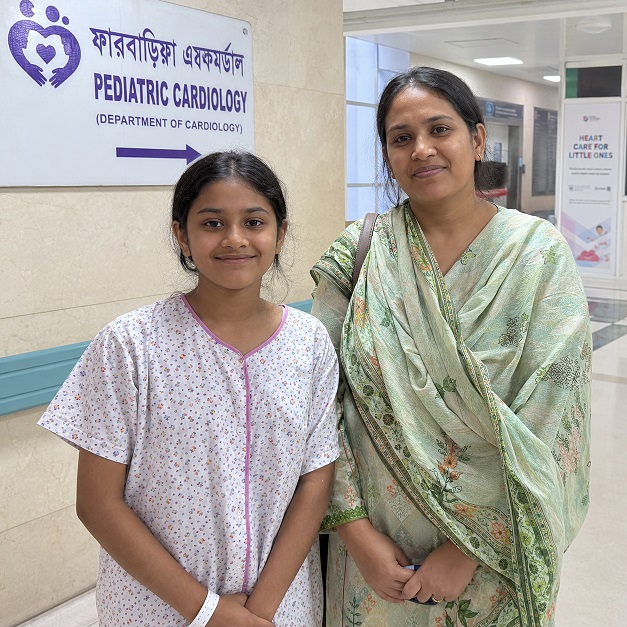
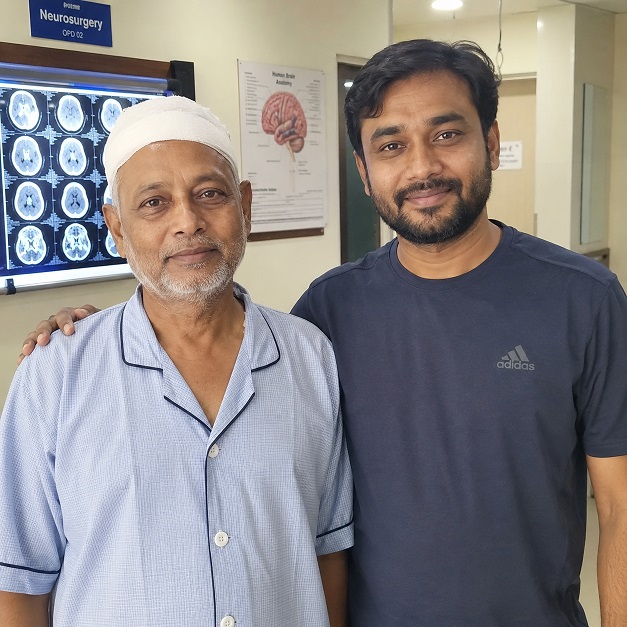
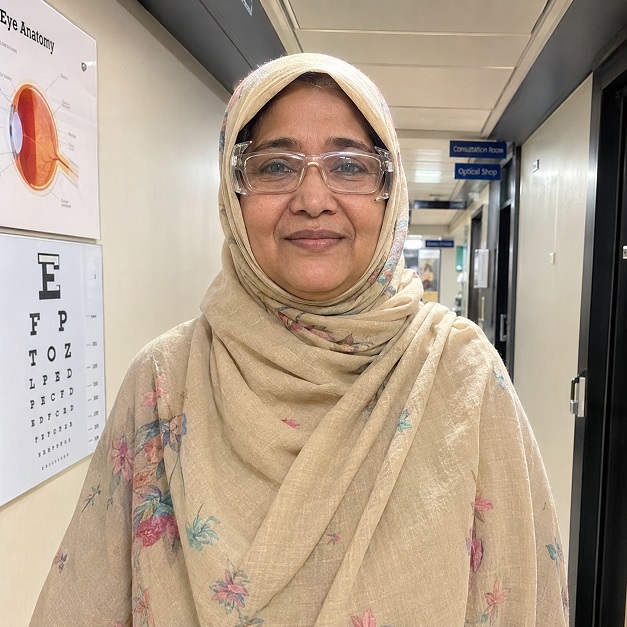
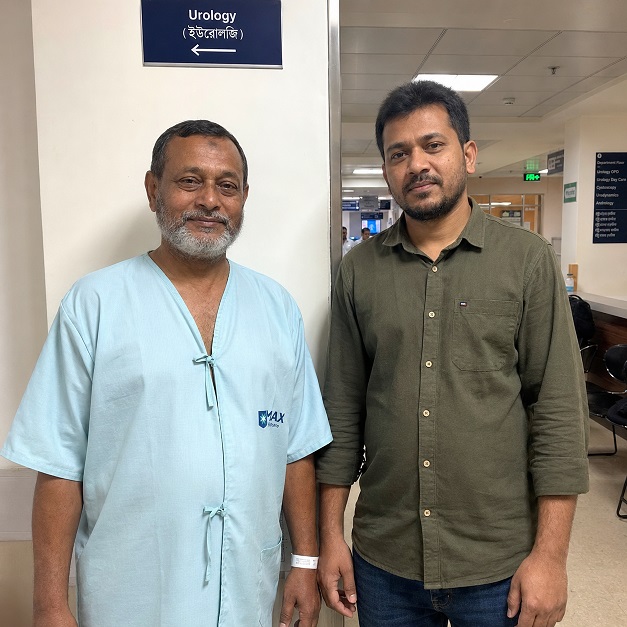
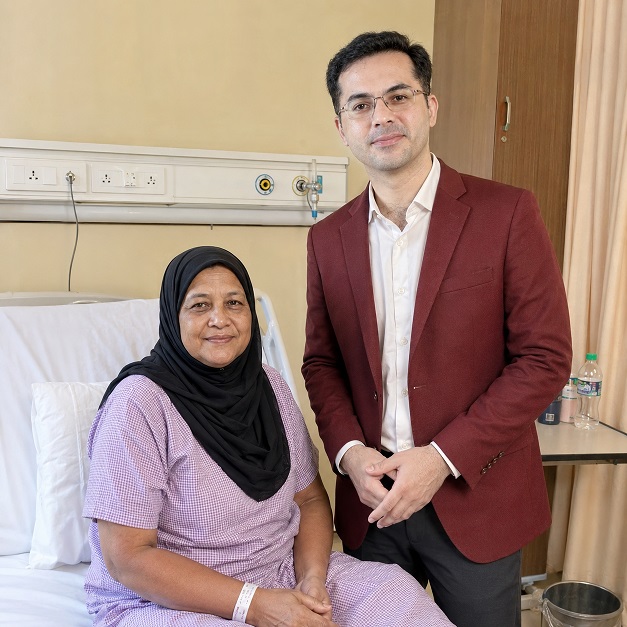
Healing Journeys of Bangladeshi Patients
Key Takeaways
- The guide explains that plastic surgery for Bangladeshi patients can involve either medically necessary reconstructive surgery or elective aesthetic surgery. Reconstructive procedures may address burns, acid violence, trauma or congenital conditions, while elective procedures include rhinoplasty, liposuction, body contouring, breast surgery, hair transplantation and facial procedures.
- A study from the Burn and Plastic Surgery Unit at Dhaka Medical College Hospital found that more than a third of acid-burn patients required surgical treatment, with some needing repeated procedures to address scars and contractures. Severe reconstructive cases may therefore require several planned stages rather than a single operation.
- India is presented as an option because of its experience in complex burn and acid-injury reconstruction, availability of skin grafting, flap reconstruction and tissue expansion, and access to internationally trained plastic surgeons. Kolkata, Chennai, Delhi and Mumbai are highlighted as important centres.
- For elective cosmetic surgery, the guide stresses that the surgeon's credentials should be independently verified. Bangladeshi patients should confirm that the operating doctor is a board-certified plastic surgeon, rather than relying solely on clinic advertising or the title used by a practitioner.
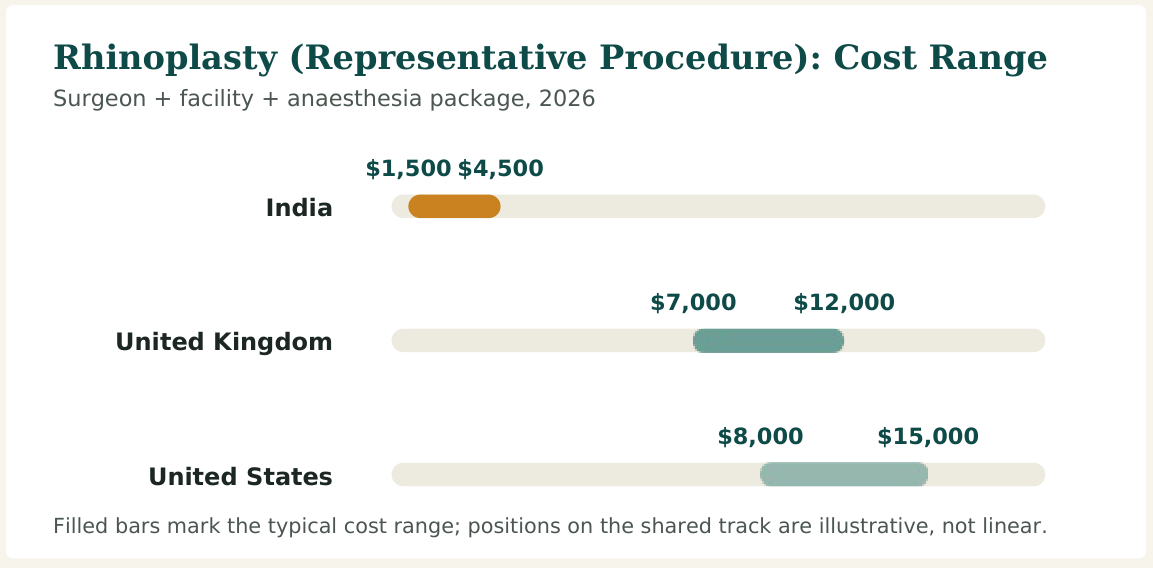
- The rhinoplasty cost chart on page 3 gives an indicative 2026 range of US$1,500–4,500 in India, compared with US$7,000–12,000 in the UK and US$8,000–15,000 in the US. Reconstructive surgery does not have a fixed package price because the total depends on the number and complexity of required stages.
- The guide recommends that Bangladeshi patients obtain an itemised written quotation covering the surgeon's fee, facility, anaesthesia and, where relevant, post-operative garments or splints and revision policies. For reconstructive cases, patients should request an estimate for the complete staged treatment plan rather than focusing on the cost of only the first procedure.
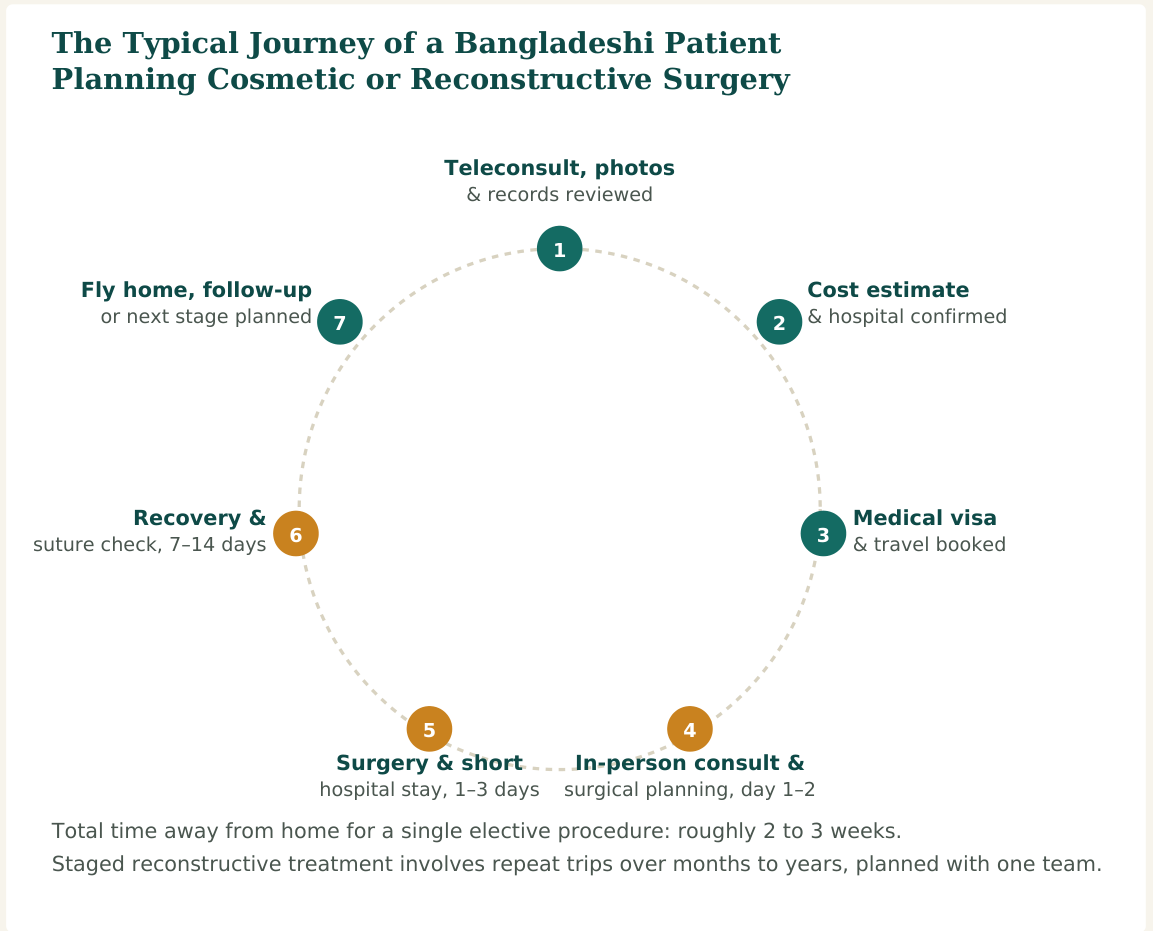
- The seven-stage journey diagram on page 4 shows teleconsultation and record review, hospital and cost confirmation, medical visa and travel, in-person consultation, surgery, recovery and return home for follow-up or the next reconstructive stage. A single elective procedure generally requires around two to three weeks in India, whereas reconstructive treatment may involve repeated visits over months or years.
Quick Facts
- Author
- Dr. Dheeraj Bojwani
- Experience
- 24+ Years
- Treatment
- Cosmetic, Aesthetic and Reconstructive Plastic Surgery
- Country
- India
- Patients
- Bangladeshi Patients
- Key Specialist
- Board-Certified Plastic Surgeon
- Treatment Categories
- Reconstructive Surgery and Elective Aesthetic Surgery
- Reconstructive Procedures
- Scar Revision, Contracture Release, Skin Grafting and Flap Reconstruction
- Elective Procedures
- Rhinoplasty, Liposuction, Body Contouring, Breast Surgery, Hair Transplantation and Facial Surgery
- India Rhinoplasty Cost
- US$1,500–4,500
- UK Cost
- US$7,000–12,000
- US Cost
- US$8,000–15,000
- Typical Elective Stay
- Approximately 2–3 weeks
- Reconstructive Timeline
- May require multiple stages over months or years
- Surgeon Check
- Board certification and experience with the exact procedure or injury type
- Hospital Check
- NABH or JCI accreditation verified directly
- Medical Visa
- Indian medical visa with hospital invitation
- Attendants
- Up to three accompanying attendants
- Aftercare
- Written aftercare and scar-management plan for follow-up in Bangladesh
- Insurance
- Overseas and elective cosmetic treatment is generally not covered; confirm in writing before travel
- Key Warning
- Do not assume severe burn or acid-injury reconstruction can be completed in a single operation.
In Brief
Cosmetic and reconstructive surgery in India can give Bangladeshi patients access to experienced plastic surgeons, advanced reconstructive techniques and elective aesthetic procedures under specialist supervision. The guide emphasises an important distinction between staged reconstructive treatment for burns, acid injuries and trauma and single-trip elective cosmetic procedures, with surgeon credentials and procedure-specific experience being central to safe planning. Rhinoplasty is estimated at approximately US$1,500–4,500 in India, while most elective procedures require around two to three weeks in India for consultation, surgery and initial recovery.
What Cosmetic and Aesthetic Surgery Actually Involves
Plastic surgery covers two genuinely different categories of treatment, and the distinction matters for planning, documentation and expectations:
- Reconstructive surgery — restores function and normal appearance after burns, acid violence, trauma, or congenital conditions. This includes scar revision, contracture release, skin grafting, and flap reconstruction, and is medically necessary rather than elective. Severe cases often require several staged procedures spread over months or years.
- Elective aesthetic surgery — changes normal features by the patient's choice, including rhinoplasty, liposuction and body contouring, breast augmentation or reduction, hair transplantation, and facelift or eyelid surgery.
- Combined cases — some patients need both, such as scar revision alongside cosmetic refinement once the initial reconstructive work has healed.
Ask a plastic surgeon to clarify which category applies to your case, since a reconstructive treatment plan is usually staged over multiple visits, while most elective procedures are completed in a single trip.
Why the Regional Pattern Matters for Treatment Planning
Because Bangladesh's specialised burn and reconstructive surgery capacity is concentrated in a small number of centres, and because severe acid burn or trauma injuries typically require multiple staged surgeries — sometimes over several years as scars mature and contractures recur — patients with genuine reconstructive needs often face a very different journey than someone seeking a single elective procedure. This has a direct planning consequence: a family should ask, early on, whether the recommended treatment is a one-time procedure or the first of several planned stages, and should think about which surgical team will manage the full course of care rather than assuming a single visit will resolve everything.
Why India Specifically for Cosmetic and Aesthetic Surgery?
India has become a leading destination for Bangladeshi patients seeking both reconstructive and elective plastic surgery abroad. Peer-reviewed research surveying patients directly at the Indian Visa Application Centre in Chittagong found that the decision consistently comes down to a combination of experienced specialist surgeons, hospital quality and cost. Several practical advantages reinforce this pattern for plastic surgery specifically:
- Deep published expertise in acid burn and trauma reconstruction — Indian plastic surgeons and their professional association have specifically documented and refined techniques for exactly this kind of complex, staged reconstructive work.
- A full range of reconstructive techniques, including skin grafting, flap reconstruction and tissue expansion, alongside dedicated elective cosmetic surgery infrastructure for patients seeking aesthetic procedures.
- Internationally trained, board-certified plastic surgeons in larger centres in Kolkata, Chennai, Delhi and Mumbai, offering both categories of care under proper medical supervision.
- Easy connectivity and an established medical-visa system built specifically around Bangladeshi patients, including a dedicated government portal for hospital invitation letters and provision for up to three accompanying attendants.
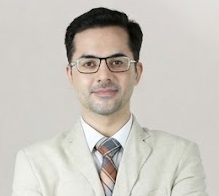
Advisor's Note — DR. Dheeraj Bojwani
"In 24 years of guiding patients through this decision, the clearest advice I give differs depending on the reason for surgery. For a reconstructive patient recovering from burns or trauma, plan for a relationship with one surgical team over multiple visits, not a single trip — ask upfront how many stages the full treatment plan involves. For anyone considering elective cosmetic surgery, the single most important question is whether the surgeon is genuinely a board-certified plastic surgeon, verified independently, rather than a cosmetologist or general practitioner offering surgical procedures outside their training."
What the Numbers Actually Mean
The headline number matters less than what it includes. A Bangladeshi patient comparing quotes for an elective procedure should ask each Indian hospital to confirm whether the figure covers the surgeon's fee, the facility and anaesthesia, post-operative garments or splints, and the clinic's policy on revision surgery if the result needs adjustment. For reconstructive surgery, there is no single package price — ask instead for an estimate of the full staged treatment plan, since the total cost depends on how many procedures the specific injury requires.
Peer-reviewed research on cross-border medical travel found that international patients spend an average of 3,800 to 7,000 US dollars per visit once transport, accommodation and incidental costs are added to treatment itself — a range worth budgeting for on top of the procedure cost shown above. Most elective aesthetic procedures require 10 to 15 days in India for surgery and initial recovery; reconstructive cases vary considerably by stage and complexity.
A note on insurance
Most Bangladeshi health insurance policies do not cover overseas treatment, and elective cosmetic procedures are rarely covered by any insurance policy at all. Reconstructive surgery for a documented injury may qualify for different financial support — confirm this with the treating hospital before travelling rather than after arrival.
Most Bangladeshi patients follow a broadly similar sequence, whether they travel independently or through a medical-facilitation service. Knowing the shape of it in advance makes each step easier to plan for.
Factors a Bangladeshi Patient Should Weigh Before Cosmetic or Reconstructive Surgery in India
Beyond the surgery itself, the decisions that most affect a patient's experience are logistical and financial rather than purely medical. Consider each of the following before confirming a hospital:
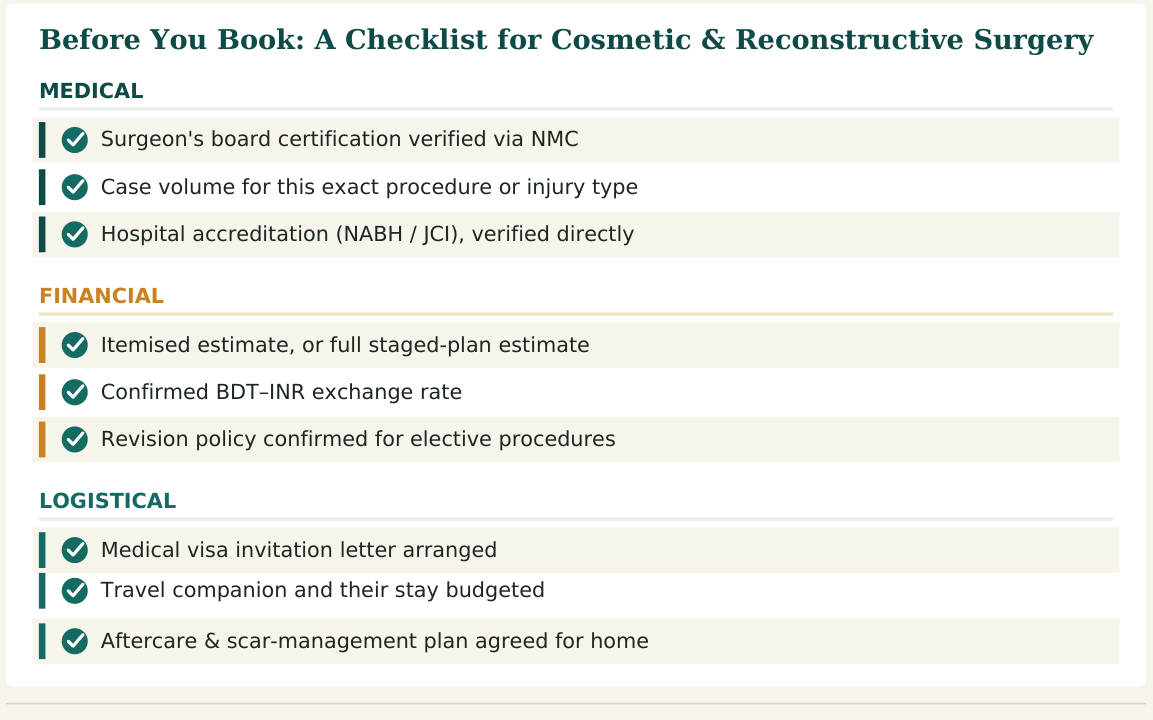
- The surgeon's genuine credentials. Verify independently that the operating surgeon is a board-certified plastic surgeon through India's National Medical Commission, rather than relying on a clinic's marketing material alone.
- Which city, not just which hospital. Kolkata is closest and most familiar linguistically; Chennai, Delhi and Mumbai often have a wider choice of specialised reconstructive and cosmetic surgery centres.
- The surgeon's personal case volume for this specific procedure — reconstructive burn or acid-injury experience is a genuinely different skill set from routine elective cosmetic work.
- Genuine hospital accreditation. Ask whether the hospital holds NABH or JCI accreditation and verify it directly through the accreditation board's own directory rather than taking a brochure's word for it.
- An itemised, written estimate — for elective procedures, covering the surgeon's fee, facility, anaesthesia and revision policy; for reconstructive cases, an estimate of the full staged treatment plan.
- Medical visa documentation. A formal invitation letter from the treating hospital, submitted through India's official medical-visa channel, is required at the Indian visa centre in Dhaka, Chittagong, Sylhet or Rajshahi.
- A travel companion. Indian hospitals generally expect at least one attendant to stay with the patient; factor their stay, food and local transport into the budget.
- A written aftercare and scar-management plan for after you return, so a doctor in Bangladesh can continue monitoring healing and coordinate timing for any further planned stages.
Before You Book: A Checklist for Cosmetic & Reconstructive Surgery
About this guide. This article is intended for general information and planning purposes only and does not replace a consultation with a qualified plastic surgeon. Costs are approximate, change over time, and vary by hospital, city, procedure and individual case complexity. Always request a current, written, itemised estimate directly from the hospital before travelling.
A Closing Words
For most Bangladeshi patients, India offers a genuine value proposition for both reconstructive and cosmetic surgery: deep experience with exactly the kinds of complex, staged reconstruction that severe burns and trauma require, alongside internationally trained cosmetic surgeons, at a fraction of the cost charged in the UK or US. The value, however, depends entirely on the specifics: independently verified surgeon credentials, an honest estimate of the full treatment plan rather than a single procedure quote, and a realistic understanding of the timeline — whether that is a two-week elective trip or a multi-year reconstructive relationship. Patients who ask detailed questions before booking, rather than after arriving, consistently report a smoother experience — medically and financially.
Sources
- 🌐 National Medical Commission of India — statutory body for verifying a doctor's registration and specialist qualifications. · nmc.org.in
- 🌐 National Accreditation Board for Hospitals & Healthcare Providers (NABH) — India's principal healthcare accreditation authority, under the Quality Council of India. · nabh.co
- 🌐 Management of acid burns: experience from Bangladesh. Peer-reviewed study by the Burn and Plastic Surgery Unit, Dhaka Medical College Hospital, hosted via NIH/NLM PubMed. · pubmed.ncbi.nlm.nih.gov/25440856
- 🌐 Determinants of Bangladeshi patients' decision-making process and satisfaction toward medical tourism in India. Peer-reviewed study, hosted via NIH/NCBI. · pmc.ncbi.nlm.nih.gov/articles/PMC10185743
- 🌐 Government of India — Medical Value Travel / e-Medical Visa Portal, Bureau of Immigration, Ministry of Home Affairs — official channel for hospital invitation letters and medical-visa provisions for Bangladeshi nationals. · indianfrro.gov.in/frro/medicalvaluetravel
Frequently Asked Questions by Bangladeshi Patients about Cosmetic and Aesthetic Surgery in India
Do Bangladeshi patients need a medical visa for cosmetic or reconstructive surgery in India?
Yes. The guide states that treatment requires a medical visa supported by an invitation letter from the treating Indian hospital, along with a medical-attendant visa for an accompanying person.
How many attendants can accompany a Bangladeshi patient to India?
The guide states that Bangladeshi patients can have up to three accompanying attendants on medical-attendant visas, with the visa generally valid for up to 60 days.
What is the difference between reconstructive and cosmetic surgery for Bangladeshi patients?
Reconstructive surgery restores function and appearance following burns, acid injuries, trauma or congenital conditions, while cosmetic surgery changes normal features by personal choice. The planning and treatment timelines can differ substantially.
How much does rhinoplasty cost in India for Bangladeshi patients?
The guide's page 3 cost chart gives an indicative range of US$1,500–4,500 for rhinoplasty in India, including surgeon, facility and anaesthesia. The final quotation depends on the individual procedure and hospital.
How should Bangladeshi patients verify a plastic surgeon in India?
Patients should independently verify that the surgeon is a board-certified plastic surgeon and ask about their personal case volume with the specific procedure. For burn or acid-injury reconstruction, relevant reconstructive experience is particularly important.
Can severe acid-burn reconstruction be completed in one trip to India?
Not necessarily. Severe facial or joint-area injuries may require several staged operations over months or years as scars mature and contractures develop. Patients should request a realistic staged treatment plan before travelling.
Which Indian cities are highlighted for Bangladeshi plastic surgery patients?
The guide highlights Kolkata, Chennai, Delhi and Mumbai. Kolkata offers geographic and linguistic familiarity, while Chennai, Delhi and Mumbai provide wider choices of specialised reconstructive and cosmetic surgery centres.
What should be included in a cosmetic surgery quotation for a Bangladeshi patient?
The estimate should clarify the surgeon's fee, facility, anaesthesia, post-operative garments or splints and revision policy, where applicable. Reconstructive patients should instead request a full staged-plan estimate.
How long should a Bangladeshi patient stay in India for elective cosmetic surgery?
For a single elective procedure, most patients should plan for approximately two to three weeks, covering consultation, surgery and the initial recovery check. Reconstructive treatment requires a different timeline depending on the planned stages.
What aftercare should Bangladeshi patients arrange before returning home?
Patients should obtain a written aftercare and scar-management plan that can be followed by a doctor in Bangladesh. For staged reconstruction, the Indian surgical team should also explain when the next procedure may be appropriate.
Page Summary
The seven-page guide explains cosmetic, aesthetic and reconstructive surgery in India for Bangladeshi patients, distinguishing medically necessary reconstruction from elective cosmetic procedures. It covers burn and acid-injury reconstruction, rhinoplasty, body contouring, hair transplantation and other aesthetic procedures, while emphasising independent verification of surgeon credentials, hospital accreditation, transparent costing and realistic treatment timelines. The page 3 cost chart places rhinoplasty at US$1,500–4,500 in India, while the page 4 journey diagram shows a typical two-to-three-week elective treatment pathway and explains why complex reconstructive cases may require repeated visits over months or years.
Citation Block
| Field | Information |
|---|---|
| Article / Topic | Cosmetic and Aesthetic Surgery in India for Patients from Bangladesh |
| Treatment | Cosmetic, aesthetic and reconstructive plastic surgery |
| Country / Patients | India / Bangladeshi Patients |
| Key Specialist | Board-Certified Plastic Surgeon |
| Treatment Categories | Reconstructive surgery and elective aesthetic surgery |
| Reconstructive Procedures | Scar revision, contracture release, skin grafting and flap reconstruction |
| Elective Procedures | Rhinoplasty, liposuction, body contouring, breast surgery, hair transplantation and facial surgery |
| India Rhinoplasty Cost | US$1,500–4,500 |
| Typical Elective Stay | Approximately 2–3 weeks |
| Reconstructive Timeline | Multiple staged procedures may be required over months or years |
| Hospital Requirements | Appropriate specialist services and verified NABH or JCI accreditation |
| Surgeon Check | Board certification and case volume for the exact procedure or injury type |
| Medical Visa | Medical visa supported by an invitation from the treating Indian hospital |
| Aftercare | Written aftercare and scar-management plan for continued care in Bangladesh |
| Key Selection Criteria | Verified credentials, relevant surgical experience, transparent costing and realistic treatment timeline |
| Important Warning | Severe burn or acid-injury reconstruction should not be presented as a guaranteed single-operation treatment |

Our Mission Statement
Our mission is to place patients at the centre of every healthcare decision by providing trustworthy, evidence-based, and unbiased medical information. We believe that informed patients make better decisions. Backed by personalised guidance from our experienced advisory team, we help patients understand their treatment options, compare them objectively, and confidently choose the path that best suits their medical needs and personal circumstances.
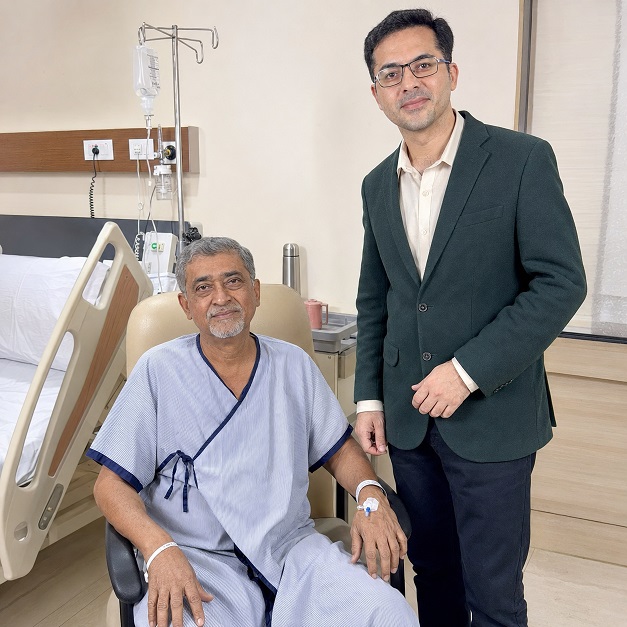
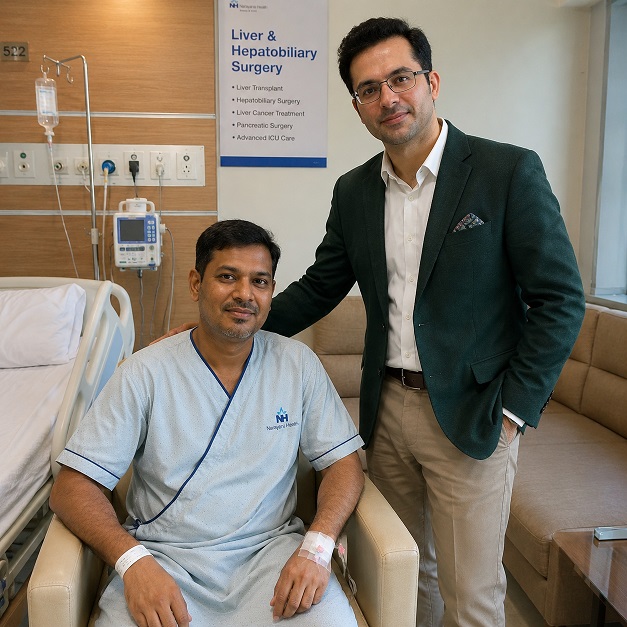
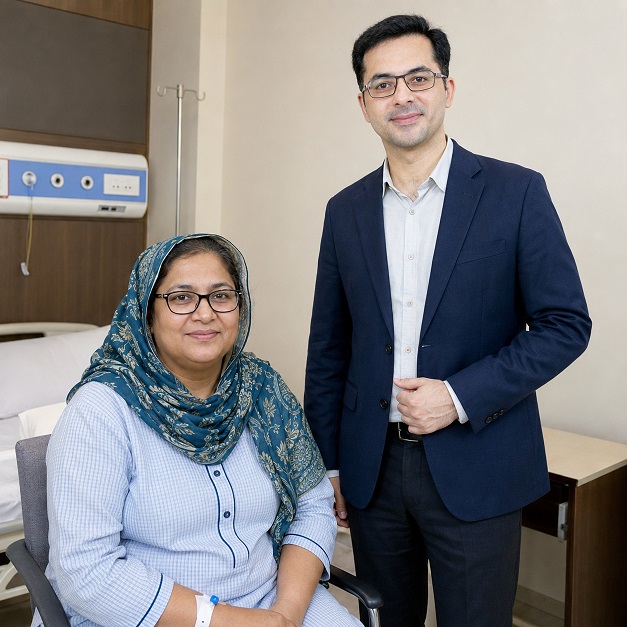
Patient Testimonials from Bangladesh
Ready to Take the First Step?
Share your medical reports with our healthcare managers today and receive a FREE CONSULTATION, a personalized treatment plan and complete support from your arrival to your recovery.
Get Your Free ConsultationFrom Bangladesh to India: Your Complete Patient Guide
- Complex Orthopaedic and Joint Revision Surgery in India for Bangladeshi Patients
- Heart Failure Treatment and Surgery in India for Bangladeshi Patients
- Joint Arthroscopy and Sports Medicine in India for Bangladeshi Patients
- Leukemia, Lymphoma and Blood Cancer Treatment in India for Bangladeshi Patients
- Kidney Transplant in India for Bangladeshi Patients
- Liver Transplant in India for Bangladeshi Patients
- Hip Surgery in India for Bangladeshi Patients
- Knee Surgery in India for Bangladeshi Patients
- Spine Surgery in India for Bangladeshi Patients
- Shoulder Surgery in India for Bangladeshi Patients
- IVF and Fertility Treatment in India for Bangladeshi Patients
- Robotic Cancer Surgery in India for Bangladeshi Patients
- Brain Tumor Treatment in India for Bangladeshi Patients
- Neurosurgery in India for Bangladeshi Patients
- Prostate Cancer Treatment and Surgery in India for Bangladeshi Patients
- Cardiac Surgery in India for Bangladeshi Patients
- Dental Implants and Smile Makeover in India for Bangladeshi Patients
- Weight Loss and Bariatric Surgery in India for Bangladeshi Patients