

15 Frequently Asked Questions : Cardiac Pacemaker Treatment in India for Bangladeshi Patients
Cardiac pacemaker treatment is used to manage certain heart-rhythm problems in which the heart beats too slowly or the electrical signals that control the heartbeat are disrupted. A pacemaker is a small electronic device that monitors the heart's rhythm and delivers electrical impulses when pacing is required. Pacemaker treatment may be considered for selected patients with symptomatic sinus-node dysfunction, significant atrioventricular block, certain conduction disorders and other conditions in which appropriate pacing is clinically indicated. The decision depends on the patient's symptoms, ECG findings, rhythm diagnosis, reversible causes and overall cardiac condition. Different pacing systems are available, including single-chamber, dual-chamber, leadless and biventricular systems used for cardiac resynchronisation therapy in selected heart-failure patients. For Bangladeshi patients considering pacemaker treatment in India, treatment planning generally begins with review of the ECG, Holter monitoring where available, echocardiography, symptoms, previous cardiac records and any previous rhythm or cardiac procedures.
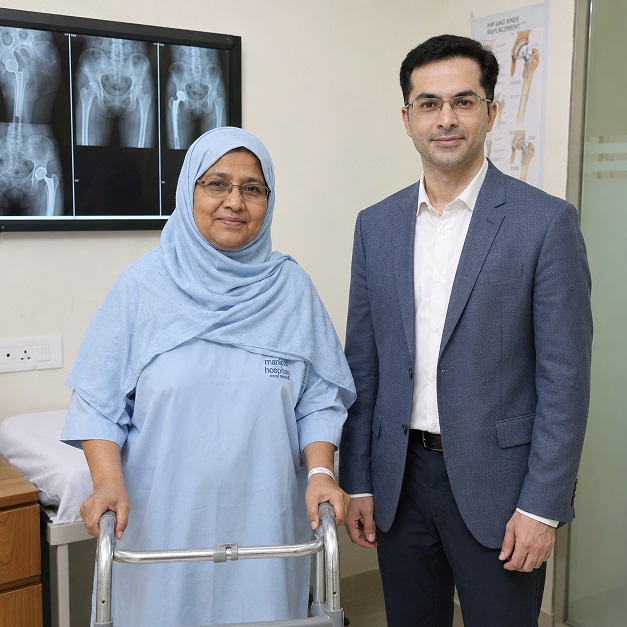
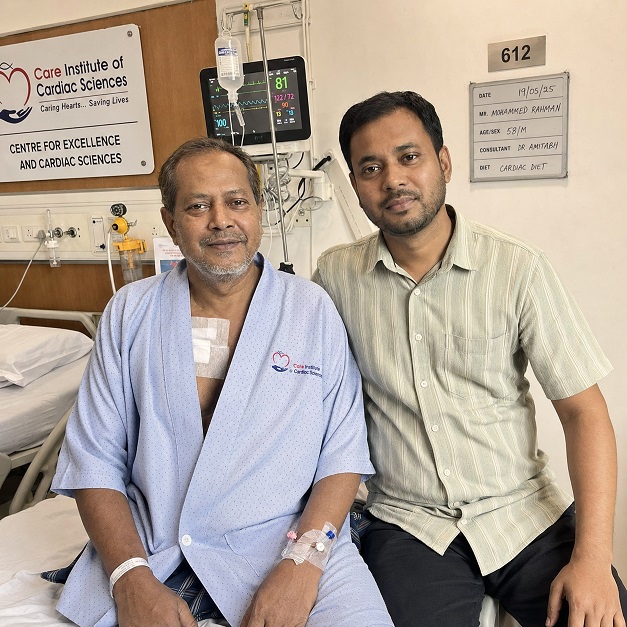
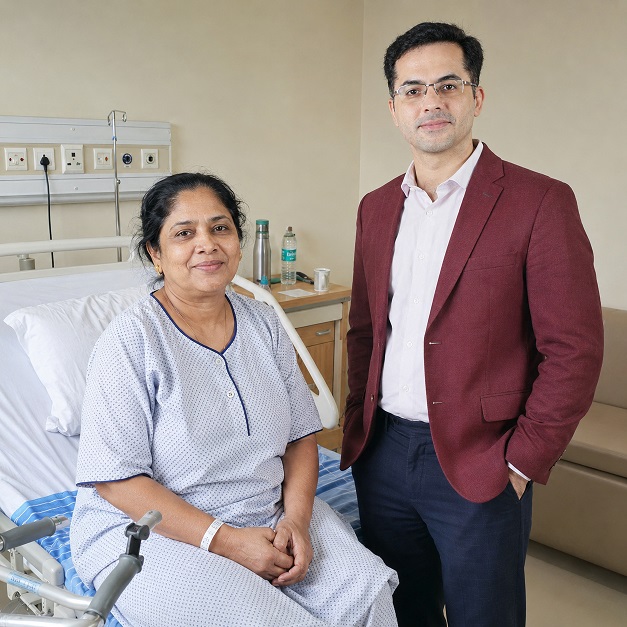
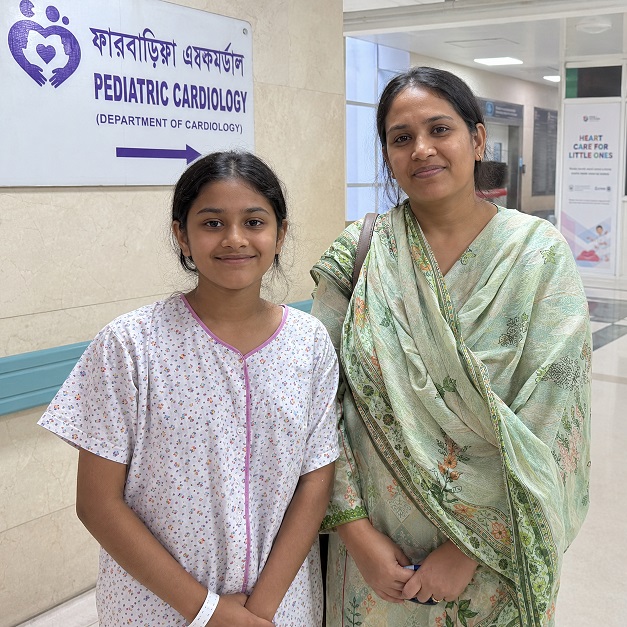
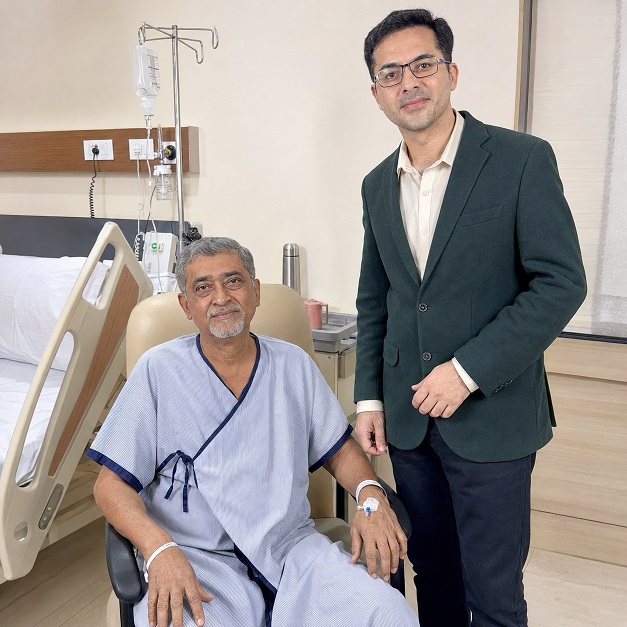
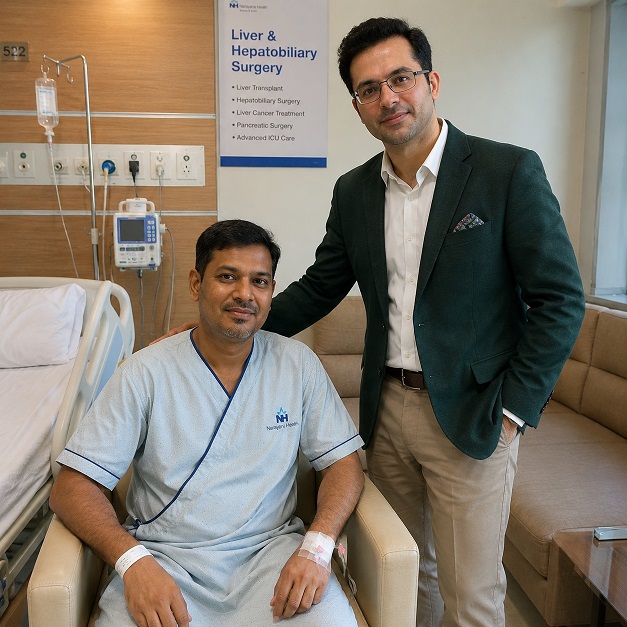
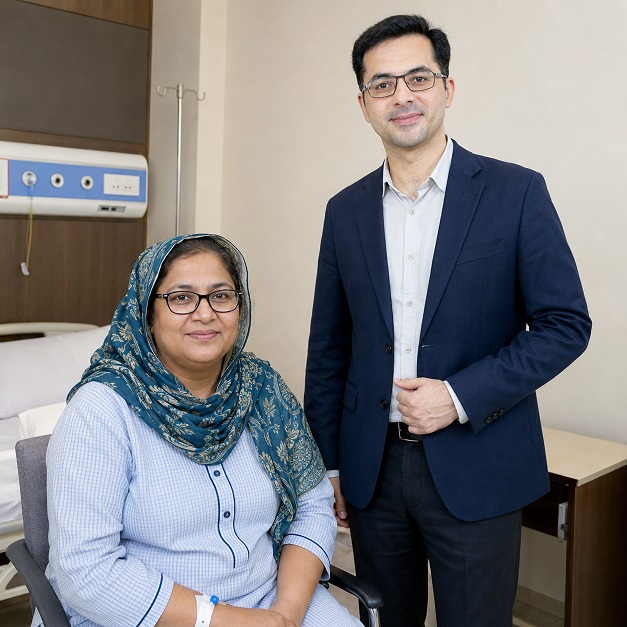
Healing Journeys of Bangladeshi Patients

Q1 · What is Cardiac Pacemaker Treatment?
A cardiac pacemaker is a small electronic device implanted to help regulate the heartbeat when the heart's natural electrical system does not maintain an adequate rhythm.
A conventional pacemaker generally consists of
- A pulse generator containing the battery and electronics
- One or more pacing leads
- Electrodes that deliver electrical impulses to the heart
The generator is commonly positioned beneath the skin near the collarbone, while leads are passed through a vein into the appropriate heart chamber. Leadless pacemakers are another option for selected patients and are placed directly within the heart without conventional chest leads.
Conditions that may require a pacemaker
Pacemaker implantation may be considered for selected patients with
- Symptomatic bradycardia
- Sinus-node dysfunction
- Sick sinus syndrome
- High-grade atrioventricular block
- Complete heart block
- Selected second-degree AV block
- Certain conduction disorders
- Selected congenital heart conditions
- Selected patients with heart failure requiring cardiac resynchronisation
- Certain rhythm problems after cardiac procedures
The most common indications include sinus-node dysfunction and significant atrioventricular block.
What does a pacemaker do?
The device continuously monitors the heart rhythm. When the heart rate falls below the programmed threshold or the heart's electrical conduction requires support, the pacemaker can deliver an electrical impulse to stimulate the heart.
A pacemaker does not cure every underlying heart condition. Instead, it provides electrical support where appropriate.
Q2 · How much does Cardiac Pacemaker Treatment cost in Bangladesh compared with India?
The cost of pacemaker treatment varies according to the type of device, number of leads, manufacturer, hospital, procedure complexity, diagnostic requirements and follow-up.
For planning purposes, this guide uses
- US$1 ≈ BDT 122
- US$1 ≈ INR 96
| Treatment / Procedure | Bangladesh Estimated Cost | India Estimated Cost | Potential Saving |
|---|---|---|---|
| Pacemaker Evaluation and Planning | BDT 80,000–150,000 US$655–1,230 | INR 40,000–80,000 US$415–835 | Approx. 20%–35% |
| Single-Chamber Pacemaker | BDT 250,000–400,000 US$2,050–3,280 | INR 140,000–220,000 US$1,460–2,290 | Approx. 15%–30% |
| Dual-Chamber Pacemaker | BDT 300,000–500,000 US$2,460–4,100 | INR 180,000–300,000 US$1,875–3,125 | Approx. 15%–30% |
| Leadless Pacemaker | BDT 1,200,000–1,800,000 US$9,835–14,755 | INR 800,000–1,300,000 US$8,335–13,540 | Approx. 10%–25% |
| Pacemaker Replacement / Generator Change | BDT 180,000–350,000 US$1,475–2,870 | INR 100,000–200,000 US$1,040–2,085 | Approx. 15%–30% |
| Pacemaker with Lead Revision | BDT 300,000–550,000 US$2,460–4,510 | INR 180,000–350,000 US$1,875–3,645 | Approx. 15%–30% |
| CRT-P Implantation | BDT 650,000–1,100,000 US$5,330–9,020 | INR 400,000–750,000 US$4,170–7,810 | Approx. 15%–30% |
| Complex Pacemaker / Device Procedure | BDT 400,000–700,000 US$3,280–5,740 | INR 250,000–450,000 US$2,605–4,690 | Approx. 15%–30% |
Potential savings are indicative planning ranges, not guaranteed savings. Actual costs can change according to the device selected, manufacturer, number of leads, hospital, cardiologist/electrophysiologist, investigations, complications and length of stay.
Patients should ask whether the quotation includes
- Cardiologist consultation
- Electrophysiologist consultation
- ECG
- Echocardiography
- Holter monitoring
- Blood tests
- Chest X-ray
- Pacemaker device
- Leads
- Device programming
- Procedure charges
- Cath-lab charges
- Anaesthesia or sedation
- Hospital room
- ICU or monitoring charges where required
- Medicines
- Consumables
- Device interrogation
- Follow-up consultation
- Pacemaker programming after implantation
The device itself can represent a substantial part of the total cost. Patients should therefore ask for the exact pacemaker type, manufacturer, model and number of leads proposed. For international patients, a detailed written quotation should be obtained before travel and should clearly identify which device, procedure and follow-up expenses are included.
Q3 · Which Indian cities can Bangladeshi patients consider for Cardiac Pacemaker Treatment?
| City | Pacemaker Treatment Environment |
|---|---|
| Delhi / NCR | Pacemaker implantation, electrophysiology, device follow-up and advanced cardiac care |
| Gurugram | Cardiac rhythm management, device implantation and cardiac monitoring |
| Noida | Pacemaker evaluation, implantation and follow-up |
| Mumbai | Electrophysiology, pacemaker implantation and complex device management |
| Chennai | Cardiac rhythm services, pacemaker treatment and rehabilitation |
| Bengaluru | Electrophysiology, pacemaker implantation and device monitoring |
| Hyderabad | Pacemaker implantation, rhythm evaluation and cardiac care |
| Kolkata | Pacemaker treatment, rhythm assessment and follow-up |
| Ahmedabad | Cardiac rhythm management and device implantation |
| Pune | Pacemaker implantation and cardiovascular follow-up |
| Kochi | Cardiac rhythm services and device management |
| Thiruvananthapuram | Electrophysiology and cardiac device services |
| Goa | Cardiac evaluation and selected device services |
| Nagpur | Regional electrophysiology, pacemaker implantation and cardiac follow-up |
The appropriate city should be selected according to the patient's rhythm diagnosis, required device, specialist availability and follow-up requirements.
Q4 · Which hospitals in India can Bangladeshi patients consider for Cardiac Pacemaker Treatment?
The following hospitals are part of the established Indian hospital reference list. Patients should confirm that electrophysiology, pacemaker implantation and the required device service are available for their individual condition.
Delhi Hospitals
- Fortis Escorts Heart Institute, New Delhi
- BLK-Max Super Speciality Hospital, New Delhi
- Max Super Speciality Hospital, Saket
- Indraprastha Apollo Hospitals, New Delhi
- Sir Ganga Ram Hospital
- Max Super Speciality Hospital, Patparganj
- Manipal Hospital, Dwarka
- Fortis Hospital, Vasant Kunj
- Institute of Brain and Spine Hospital
- Dharamshila Narayana Hospital
- Indian Spinal Injuries Centre
- AIIMS New Delhi
Chennai Hospitals
- MGM Healthcare
- MIOT International
- Apollo Hospitals, Greams Road
- Sri Ramachandra Medical Centre
- SIMS Hospital
- Kauvery Hospital
- Gleneagles HealthCity Chennai
- Vijaya Hospital
- Apollo Speciality Hospitals
- Rela Hospital
Mumbai Hospitals
- Bombay Hospital & Medical Research Centre
- Lilavati Hospital & Research Centre
- Jaslok Hospital & Research Centre
- Gleneagles Hospital, Mumbai
- Nanavati Max Super Speciality Hospital
- Kokilaben Dhirubhai Ambani Hospital
- P. D. Hinduja Hospital & Medical Research Centre
- Sir H. N. Reliance Foundation Hospital
- Wockhardt Hospitals, Mumbai
- Apollo Hospitals, Mumbai
Bengaluru Hospitals
- Manipal Hospital, Old Airport Road
- Manipal Hospital, Whitefield
- Manipal Hospital, Yeshwanthpur
- Apollo Hospitals, Bengaluru
- Fortis Hospital, Bannerghatta Road
- Aster CMI Hospital
- Sakra World Hospital
- Narayana Health City
- Sagar Hospitals
- Kauvery Hospital, Bengaluru
Hyderabad Hospitals
- KIMS Hospitals
- Yashoda Hospitals
- Apollo Health City
- CARE Hospitals
- Continental Hospitals
- Gleneagles Hospitals, Hyderabad
- Sunshine Hospitals
- Star Hospitals
Gurugram Hospitals
- Fortis Memorial Research Institute (FMRI)
- Medanta – The Medicity
- Artemis Hospital
- Max Hospital, Gurugram
- CK Birla Hospital, Gurugram
- Manipal Hospital, Gurugram
- Paras Health
- Narayana Superspeciality Hospital
Noida Hospitals
- Fortis Hospital, Noida
- Jaypee Hospital
- Max Super Speciality Hospital, Noida
- Yatharth Hospital
- Kailash Hospital
- Metro Hospital & Heart Institute
- Metro Center for Neurosciences
Kolkata Hospitals
- Apollo Multispeciality Hospitals
- AMRI Hospitals
- Fortis Hospital, Anandapur
- Manipal Hospitals, Salt Lake
- Medica Superspecialty Hospital
- Narayana Superspeciality Hospital
- Ruby General Hospital
Pune Hospitals
- Ruby Hall Clinic
- Jehangir Hospital
- Deenanath Mangeshkar Hospital
- Sahyadri Super Speciality Hospital
- Aditya Birla Memorial Hospital
- Manipal Hospital, Kharadi
- Medicover Hospital, Pune
Ahmedabad Hospitals
- Apollo Hospitals, Ahmedabad
- Zydus Hospitals
- Sterling Hospitals
- Shalby Hospitals
- HCG Hospitals
- SAL Hospital
- CIMS Hospital
Kochi Hospitals
- Aster Medcity
- Amrita Hospital
- VPS Lakeshore Hospital
- Rajagiri Hospital
- Aster MIMS
- Lisie Hospital
- Renai Medicity
Thiruvananthapuram Hospitals
- KIMSHEALTH Hospital
- Ananthapuri Hospitals and Research Institute
- SUT Hospital
- SP Medifort Hospital
- PRS Hospital
- GG Hospital
Goa Hospitals
- Manipal Hospital, Goa
- Healthway Hospital
- Manipal Hospitals, Dona Paula
- Goa Medical College and Hospital
- Apollo Victor Hospital
Nagpur Hospitals
- Wockhardt Hospitals, Nagpur
- Alexis Multispeciality Hospital
- CARE Hospitals, Nagpur
- Kingsway Hospitals
- Lata Mangeshkar Hospital
Q5 · What types of Cardiac Pacemaker Treatment are available?
Several types of pacing systems are available. The appropriate device depends on the patient's rhythm disorder, heart anatomy and clinical requirements.
1. Single-Chamber Pacemaker
A single-chamber pacemaker generally uses one lead positioned in the appropriate heart chamber.
It may be considered when pacing of a single chamber is appropriate.
2. Dual-Chamber Pacemaker
A dual-chamber system generally uses leads in the right atrium and right ventricle.
It can coordinate atrial and ventricular activity and is used for several types of conduction disorders.
3. Leadless Pacemaker
A leadless pacemaker is a small self-contained device placed directly inside the heart.
It does not require a conventional chest pocket or transvenous pacing lead. It is suitable only for selected patients and particular pacing requirements.
4. Biventricular Pacemaker / CRT-P
Cardiac resynchronisation therapy can use pacing of both ventricles to improve coordination of ventricular contraction in selected patients with heart failure and electrical dyssynchrony.
CRT is not appropriate for every heart-failure patient; eligibility depends on factors such as ejection fraction, symptoms, electrical conduction pattern and QRS duration.
5. Pacemaker with ICD Function
Some implantable cardioverter-defibrillators also provide pacing capability.
An ICD is different from a conventional pacemaker because it can also detect and treat certain dangerous ventricular rhythms.
6. Temporary Pacemaker
Temporary pacing may be used in selected emergency or hospital situations while the underlying condition is assessed or while waiting for a permanent treatment decision.
It is different from a permanent implanted pacemaker.
Q6 · Who may be suitable for Cardiac Pacemaker Treatment?
Pacemaker implantation may be considered for selected patients with clinically significant electrical conduction or rhythm disorders.
Common situations include
- Symptomatic sinus-node dysfunction
- Symptomatic bradycardia
- Significant pauses associated with symptoms
- High-grade AV block
- Complete heart block
- Selected Mobitz type II AV block
- Certain conduction-system diseases
- Selected patients with atrial fibrillation and a slow ventricular rate
- Certain congenital heart conditions
- Selected patients requiring cardiac resynchronisation
Permanent pacing is generally considered when the rhythm abnormality is clinically significant and an appropriate indication exists.
Symptoms that may occur with clinically significant bradycardia
Patients may experience
- Dizziness
- Fainting
- Near-fainting
- Unusual fatigue
- Reduced exercise tolerance
- Breathlessness
- Confusion
- Weakness
- Exercise intolerance
However, symptoms alone do not automatically mean that a pacemaker is required. Doctors also assess whether symptoms correspond to the documented rhythm problem and whether the cause is reversible.
Reversible causes
Some slow heart rhythms may result from
- Certain medicines
- Electrolyte abnormalities
- Temporary illness
- Other reversible conditions
A pacemaker may not be appropriate when the rhythm abnormality is expected to resolve.
Q7 · What tests are required before Cardiac Pacemaker Treatment?
A detailed rhythm evaluation is generally performed before implantation.
Tests may include
- Clinical cardiology examination
- ECG
- Holter monitoring
- Extended rhythm monitoring
- Echocardiography
- Blood tests
- Electrolytes
- Kidney-function tests
- Thyroid-function tests
- Chest X-ray
- Cardiac imaging where required
- Electrophysiology assessment in selected cases
ECG
An ECG may identify
- Bradycardia
- AV block
- Sinus-node abnormalities
- Conduction defects
- Other rhythm disorders
Holter Monitoring
A Holter monitor may record the heart rhythm continuously over a period of time and can help identify intermittent rhythm abnormalities.
Echocardiography
Echocardiography helps assess
- Heart structure
- Heart function
- Ejection fraction
- Valve disease
- Chamber size
Blood Tests
Blood testing may be used to identify potentially reversible contributors, including electrolyte or thyroid abnormalities.
Additional Rhythm Evaluation
Some patients may require extended rhythm monitoring or electrophysiology assessment.
The exact testing pathway should be determined by the treating cardiologist or electrophysiologist.
Q8 · What medical records should Bangladeshi patients send before travelling to India?
Bangladeshi patients should send all available cardiac and rhythm records before travelling.
Important documents include
- Recent cardiologist consultation
- ECG reports
- Holter monitoring reports
- Event-monitor reports where applicable
- Echocardiography reports
- Echocardiography images
- Blood-test reports
- Electrolyte reports
- Thyroid-function tests
- Previous hospital discharge summaries
- Previous cardiac procedure records
- Previous pacemaker records
- Previous device interrogation reports
- Previous cardiac surgery reports
- Current medication list
- Allergy information
Patients should also provide
- Current symptoms
- Duration of symptoms
- Frequency of dizziness or fainting
- Documented heart-rate readings
- Previous episodes of heart block
- Previous cardiac procedures
- Current medicines
- Any medicine-related rhythm problems
- Previous device implantation, if applicable
- The recommendation made by the local cardiologist
If the patient already has a pacemaker, the device card, manufacturer, model, serial information and previous programming reports should be provided whenever available.
Q9 · How does Cardiac Pacemaker Treatment work?
Pacemaker implantation is generally a planned procedure, although emergency implantation may be required in certain serious rhythm disorders.
Step 1: Rhythm Evaluation
The cardiologist or electrophysiologist reviews
- Symptoms
- ECG
- Holter monitoring
- Echocardiography
- Medical history
- Medication history
Step 2: Confirm the Indication
The team determines whether permanent pacing is appropriate and whether a reversible cause should first be addressed.
Step 3: Select the Device
The team chooses an appropriate pacing system, such as
- Single-chamber
- Dual-chamber
- Leadless
- CRT-P
- Another specialised system
Step 4: Preoperative Preparation
The patient may undergo
- Blood tests
- ECG
- Chest imaging
- Echocardiography
- Medication review
- Infection assessment
Step 5: Anaesthesia / Sedation
A standard pacemaker implantation is often performed using local anaesthesia with sedation when appropriate.
Step 6: Device Implantation
For a conventional system
- A small incision is made near the collarbone.
- A vein is accessed.
- The pacing lead or leads are guided into the heart.
- The leads are tested.
- The generator is positioned under the skin.
- The leads are connected to the generator.
- The incision is closed.
Step 7: Device Testing
The pacemaker is programmed and checked to ensure that
- The leads are functioning correctly
- Electrical sensing is appropriate
- Pacing output is appropriate
- The device is responding correctly
Step 8: Observation
The patient is monitored after implantation.
A standard pacemaker procedure may involve an overnight hospital stay, while selected leadless-pacemaker patients may be discharged sooner if clinically appropriate.
Step 9: Discharge
The patient receives
- Medication instructions
- Wound-care instructions
- Activity restrictions
- Device information
- Follow-up schedule
- Pacemaker identification documentation
Step 10: Long-Term Device Follow-Up
Regular device checks are required to monitor
- Battery status
- Lead function
- Pacing percentage
- Device settings
- Arrhythmias detected by the device
Q10 · What are the alternatives to Cardiac Pacemaker Treatment?
A pacemaker is not automatically required for every patient with a slow heart rate. Depending on the cause, alternatives may include:
Observation
Patients with mild or asymptomatic rhythm abnormalities may sometimes be monitored.
Medication Adjustment
If a medicine is contributing to bradycardia, the treating physician may review whether the medicine can be changed or discontinued.
Treatment of Reversible Causes
Electrolyte abnormalities, certain infections, thyroid problems and other reversible conditions may need to be addressed first.
Catheter Ablation
Some rhythm disorders are treated through catheter ablation rather than permanent pacing.
However, ablation is not a substitute for pacing in every type of conduction disorder.
ICD
Patients at risk of life-threatening ventricular arrhythmias may require an ICD rather than a conventional pacemaker, or a device that combines both functions.
CRT
Selected patients with heart failure and electrical dyssynchrony may require cardiac resynchronisation therapy rather than standard single- or dual-chamber pacing.
The appropriate treatment depends on the rhythm diagnosis, symptoms, structural heart disease and clinical risk.
Q11 · What should Bangladeshi patients ask before accepting a Cardiac Pacemaker quotation?
Patients and families should ask
- What is the exact rhythm diagnosis?
- Why is a pacemaker being recommended?
- Is the slow heartbeat causing the symptoms?
- Is the rhythm problem reversible?
- Could medication be causing the problem?
- Which type of pacemaker is required?
- Is a single-chamber system appropriate?
- Is a dual-chamber system appropriate?
- Is a leadless pacemaker an option?
- Is CRT-P required?
- Is an ICD more appropriate than a conventional pacemaker?
- Which manufacturer and model are being proposed?
- How many leads are required?
- What is the expected battery life?
- What are the major procedural risks?
- Is the device included in the quotation?
- Are the leads included?
- Are programming and testing included?
- Are hospital and monitoring charges included?
- Are medicines and consumables included?
- How long will the patient need to stay in India?
- When can the patient travel after implantation?
- When is the first device check required?
- Where can follow-up be performed in Bangladesh?
- What should the patient do if the device produces an alert or symptoms return?
Patients should request the complete device details and financial quotation in writing.
Q12 · How long should Bangladeshi patients stay in India for Cardiac Pacemaker Treatment?
Pacemaker treatment usually requires less hospitalisation than major open-heart surgery, but international patients should allow sufficient time for evaluation, implantation and early follow-up.
Initial Evaluation
Approximately 2–5 days may be required for
- Cardiologist consultation
- ECG
- Holter review
- Echocardiography
- Blood tests
- Device planning
Standard Pacemaker Implantation
The implantation itself may take around one hour in many routine cases, although the duration varies depending on the device and patient's circumstances.
A standard pacemaker patient may stay in hospital overnight for observation.
Complex Device Procedures
Patients undergoing
- CRT implantation
- Lead revision
- Lead extraction
- Generator replacement with additional work
- Complex electrophysiology procedures
may require a longer hospital stay.
International Patient Stay
Bangladeshi patients should generally allow approximately 5–10 days in India for evaluation, implantation and early postoperative review in an uncomplicated case.
Patients with complications or complex device procedures may require longer. Return travel should be planned only after the treating team confirms that the patient is medically stable.
Q13 · What is recovery like after Cardiac Pacemaker Treatment?
Recovery after pacemaker implantation is generally gradual.
During the first few days, patients may experience
- Mild pain
- Tenderness
- Bruising
- Swelling around the incision
- Tiredness
Patients should follow the treating team's wound-care and activity instructions.
Arm and Shoulder Movement
After a conventional pacemaker implantation, the medical team may temporarily restrict heavy lifting and certain arm movements on the implantation side while the leads settle.
NHS patient guidance advises avoiding heavy objects and vigorous exercise for approximately 4–6 weeks and following the treating team's specific instructions.
Wound Care
Patients should
- Keep the wound clean
- Follow dressing instructions
- Avoid unnecessary pressure on the implant site
- Attend the scheduled wound/device review
Device Follow-Up
A pacemaker requires regular monitoring.
Follow-up may include
- Device interrogation
- Battery assessment
- Lead assessment
- Programming adjustments
- Rhythm review
Pacemaker follow-up is commonly scheduled several weeks after implantation and then periodically thereafter.
Pacemaker Battery
Battery longevity varies according to
- Device type
- Pacing requirements
- Programming
- Patient's dependence on pacing
When the battery approaches depletion, a generator replacement procedure may be required. Patients should keep their pacemaker identification card with them and inform healthcare professionals about the device before medical or dental procedures.
Q14 · How can Cardiac Pacemaker follow-up be managed after returning to Bangladesh?
Before leaving India, patients should collect a complete device record.
This should include
- Final discharge summary
- Pacemaker implantation report
- Device manufacturer
- Device model
- Device serial number
- Lead information
- Programming settings
- Implantation date
- Device identification card
- ECG after implantation where applicable
- Chest X-ray where applicable
- Medication list
- Wound-care instructions
- Activity restrictions
- First follow-up date
Follow-Up in Bangladesh
The patient should arrange follow-up with a cardiologist or cardiac rhythm/device clinic.
Follow-up may include
- Pacemaker interrogation
- Battery assessment
- Lead testing
- Device programming
- ECG
- Echocardiography where required
- Medication review
- Assessment of symptoms
Patients should tell every doctor and dentist that they have a pacemaker.
Seek medical attention if:
- The wound becomes increasingly red or swollen
- Pus or fluid comes from the wound
- Fever develops
- Severe chest pain occurs
- Severe breathlessness develops
- Fainting occurs
- Previous symptoms return
- The patient experiences new significant palpitations
- A device alert is received
These symptoms require appropriate medical assessment.
Q15 · Should a Bangladeshi patient travel to India for Cardiac Pacemaker Treatment?
Bangladeshi patients may consider India for
- Pacemaker second opinions
- Permanent pacemaker implantation
- Dual-chamber pacemaker implantation
- Single-chamber pacemaker implantation
- Leadless pacemaker evaluation
- CRT-P evaluation
- Pacemaker generator replacement
- Lead revision
- Complex cardiac rhythm evaluation
However, not every patient with a slow heartbeat requires a pacemaker.
Before travelling, patients should establish
- Exact rhythm diagnosis
- Relationship between symptoms and rhythm abnormality
- Whether the condition is reversible
- Whether medication is contributing
- Whether a pacemaker is indicated
- Which device is appropriate
- Whether an ICD or CRT system is more suitable
- Expected procedure
- Device model and cost
- Follow-up requirements
For international patients, sending ECGs, Holter reports, echocardiography and previous cardiac records before travel can help the treating team determine whether pacemaker implantation is appropriate and which type of device may be considered. The final treatment decision should be made after specialist evaluation rather than on cost or location alone.
Final Bangladeshi Patient Pre-Travel Checklist
Medical Records
- Recent cardiologist consultation
- ECG reports
- Holter reports
- Event-monitor reports where applicable
- Echocardiography report
- Echocardiography images
- Blood-test reports
- Electrolyte reports
- Thyroid-function reports
- Previous hospital discharge summaries
- Previous cardiac procedure records
- Previous pacemaker records
- Previous device interrogation reports
- Current medication list
- Allergy information
Pacemaker Planning
- Confirm exact rhythm diagnosis
- Confirm heart-rate abnormality
- Confirm symptoms
- Confirm whether symptoms correlate with the rhythm
- Check for reversible causes
- Review current medicines
- Confirm pacemaker indication
- Confirm pacemaker type
- Ask whether leadless pacing is appropriate
- Ask whether CRT is appropriate
- Ask whether ICD therapy is required
- Confirm number of leads
- Confirm device manufacturer and model
Cost and Hospital
- Cardiologist consultation confirmed
- Electrophysiologist consultation confirmed where required
- Device cost confirmed
- Lead cost confirmed
- Procedure charges confirmed
- Cath-lab charges confirmed
- Hospital-room charges confirmed
- Monitoring charges confirmed
- Medicine charges confirmed
- Consumables confirmed
- Device programming included
- Follow-up included
- Written quotation obtained
Travel
- Valid passport
- Appropriate Indian medical-travel documentation
- Printed medical records
- Digital copies of ECG and cardiac imaging
- Hospital admission plan
- Accommodation arrangements
- Travel companion where appropriate
- Flexible return-flight arrangements
- Budget for additional stay
Follow-Up
- Final discharge summary
- Pacemaker implantation report
- Device identification card
- Manufacturer details
- Device model
- Serial number
- Lead information
- Programming information
- Medication schedule
- Wound-care instructions
- First device-check appointment
- Bangladesh cardiologist/device-clinic arrangement
- Emergency warning signs understood
Final Note
Cardiac Pacemaker Treatment in India for Bangladeshi Patients may involve conventional single- or dual-chamber pacing, leadless pacing, cardiac resynchronisation therapy, generator replacement or more complex device procedures. The most important step is confirming that pacemaker implantation is actually indicated. A slow heart rate by itself does not automatically mean that a pacemaker is required. The rhythm diagnosis, symptoms, ECG findings, reversible causes and overall cardiac condition should be assessed first. For international patients, complete cardiac records should ideally be reviewed before travel. Patients should also obtain the exact device details, written quotation, expected hospital stay, post-implant restrictions and a clear plan for device monitoring after returning to Bangladesh. Patients should retain their pacemaker identification card and device information permanently because these details may be needed during future medical or dental treatment and device follow-up. Right Diagnosis. Right Cardiac Rhythm Team. Right Treatment Plan.
Page Summary
This guide answers 15 frequently asked questions about cardiac pacemaker treatment in India for Bangladeshi patients. It sets out indicative cost ranges in BDT, USD and INR for procedures such as pacemaker evaluation and planning, single-chamber pacemaker, dual-chamber pacemaker and leadless pacemaker, and lists 14 Indian cities and 109 hospitals to research. It also covers treatment options, the medical reports to send before travel, the treatment process, alternatives, quotation questions, expected stay in India, recovery, follow-up care and a pre-travel checklist for patients from Bangladesh.


Our Mission Statement
Our mission is to place patients at the centre of every healthcare decision by providing trustworthy, evidence-based, and unbiased medical information. We believe that informed patients make better decisions. Backed by personalised guidance from our experienced advisory team, we help patients understand their treatment options, compare them objectively, and confidently choose the path that best suits their medical needs and personal circumstances.
Patient Testimonials from Bangladesh
Ready to Take the First Step?
Share your medical reports with our healthcare managers today and receive a FREE CONSULTATION, a personalized treatment plan and complete support from your arrival to your recovery.
Get Your Free ConsultationFrom Bangladesh to India: Your Complete Patient Guide
- Complex Orthopaedic and Joint Revision Surgery in India for Bangladeshi Patients
- Heart Failure Treatment and Surgery in India for Bangladeshi Patients
- Joint Arthroscopy and Sports Medicine in India for Bangladeshi Patients
- Leukemia, Lymphoma and Blood Cancer Treatment in India for Bangladeshi Patients
- Kidney Transplant in India for Bangladeshi Patients
- Liver Transplant in India for Bangladeshi Patients
- Hip Surgery in India for Bangladeshi Patients
- Knee Surgery in India for Bangladeshi Patients
- Spine Surgery in India for Bangladeshi Patients
- Shoulder Surgery in India for Bangladeshi Patients
- IVF and Fertility Treatment in India for Bangladeshi Patients
- Robotic Cancer Surgery in India for Bangladeshi Patients
- Brain Tumor Treatment in India for Bangladeshi Patients
- Neurosurgery in India for Bangladeshi Patients
- Prostate Cancer Treatment and Surgery in India for Bangladeshi Patients
- Cardiac Surgery in India for Bangladeshi Patients
- Dental Implants and Smile Makeover in India for Bangladeshi Patients
- Weight Loss and Bariatric Surgery in India for Bangladeshi Patients