

15 Frequently Asked Questions : Bone Marrow Transplant Treatment in India for Bangladeshi Patients
Bone marrow transplant, more accurately called hematopoietic stem cell transplantation (HSCT), is a specialized treatment in which healthy blood-forming stem cells are given to a patient after intensive treatment for certain cancers, blood disorders, immune disorders and inherited conditions. Depending on the disease and the patient's circumstances, the transplanted stem cells may come from the patient themselves or from a suitable donor. Bone marrow transplantation can involve extensive evaluation, chemotherapy or conditioning treatment, stem-cell collection or donation, transplantation, infection prevention and prolonged follow-up. Some patients may need hospitalization for several weeks, while recovery and immune-system rebuilding can continue for months. For Bangladeshi patients, planning treatment in India requires consideration of diagnosis, transplant type, donor availability, HLA matching, infection screening, treatment costs, hospital stay and long-term follow-up after returning to Bangladesh.
Healing Journeys of Bangladeshi Patients
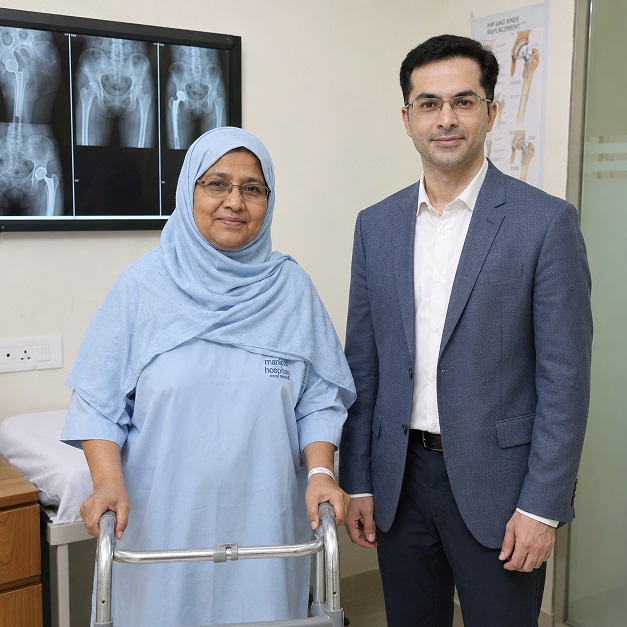
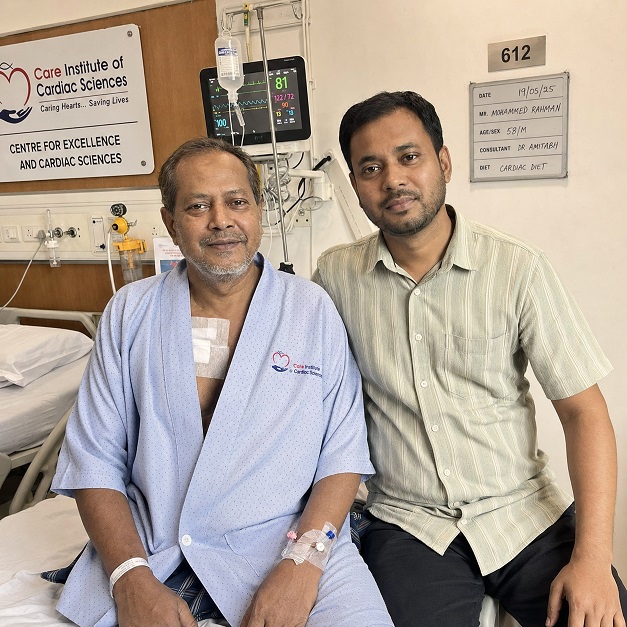
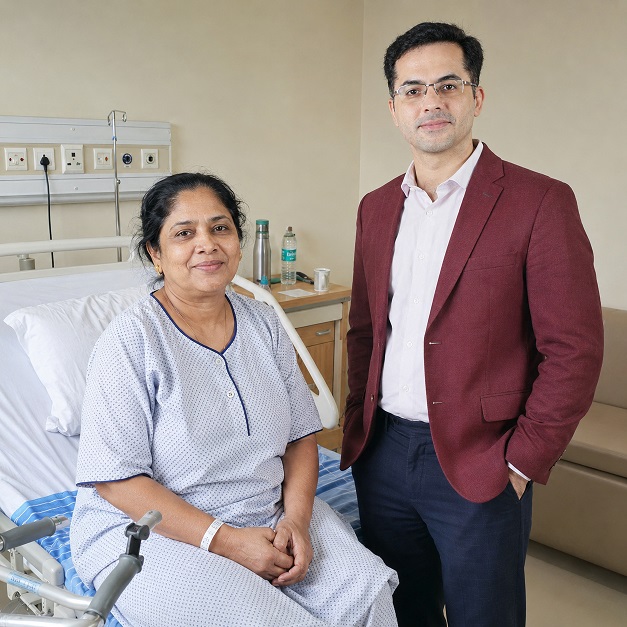
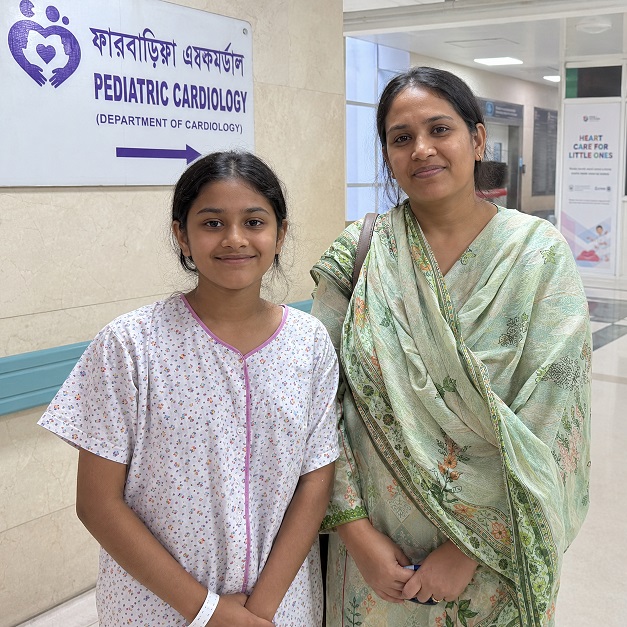
Q1 · What is Bone Marrow Transplant Treatment?
A bone marrow transplant replaces or supports damaged or diseased blood-forming stem cells with healthy hematopoietic stem cells.
These stem cells can develop into
- Red blood cells
- White blood cells
- Platelets
- Other blood-forming cells
The transplant process may be used after intensive treatment has eliminated or suppressed diseased bone-marrow cells.
Main Types of Bone Marrow Transplant
1. Autologous Stem Cell Transplant
The patient's own stem cells are collected before intensive treatment and then returned after conditioning therapy.
This approach may be used for selected conditions such as certain
- Lymphomas
- Multiple myeloma
- Other diseases where autologous transplantation is appropriate
2. Allogeneic Stem Cell Transplant
Stem cells come from another person who is considered a suitable donor.
The donor may be
- A matched sibling
- Another related donor
- A matched unrelated donor
- A haploidentical donor
- Another appropriately selected donor
3. Paediatric Bone Marrow Transplant
Children with certain blood cancers, inherited disorders or immune deficiencies may undergo specialized transplantation.
4. Haploidentical Transplant
A partially matched family donor may be considered for selected patients when an appropriate fully matched donor is unavailable.
The choice of transplant depends on the disease, remission status, patient age, general health, donor availability and transplant-centre assessment.
Q2 · How much does Bone Marrow Transplant Treatment cost in Bangladesh compared with India?
The cost of bone marrow transplantation varies substantially depending on the type of transplant, disease, conditioning treatment, donor requirements, stem-cell source, hospitalization, complications and supportive care.
For planning purposes, this guide uses
- US$1 ≈ BDT 122
- US$1 ≈ INR 96
Indicative Cost Comparison
| Treatment / Procedure | Bangladesh Estimated Cost | India Estimated Cost | Potential Saving |
|---|---|---|---|
| Bone Marrow Transplant Evaluation & Pre-Transplant Assessment | BDT 1,50,000–3,00,000 (US$1,230–2,459) | INR 1,00,000–2,50,000 (US$1,042–2,604) | Approx. 15%–30% |
| Autologous Stem Cell Transplant | BDT 12,00,000–20,00,000 (US$9,836–16,393) | INR 10,00,000–16,00,000 (US$10,417–16,667) | Approx. 10%–20% |
| Allogeneic Matched-Donor Transplant | BDT 18,00,000–30,00,000 (US$14,754–24,590) | INR 15,00,000–25,00,000 (US$15,625–26,042) | Approx. 10%–20% |
| Haploidentical Stem Cell Transplant | BDT 20,00,000–35,00,000 (US$16,393–28,689) | INR 17,00,000–30,00,000 (US$17,708–31,250) | Approx. 10%–20% |
| Paediatric Bone Marrow Transplant | BDT 20,00,000–35,00,000 (US$16,393–28,689) | INR 17,00,000–30,00,000 (US$17,708–31,250) | Approx. 10%–20% |
| Complex / High-Risk Allogeneic Transplant | BDT 25,00,000–40,00,000 (US$20,492–32,787) | INR 20,00,000–35,00,000 (US$20,833–36,458) | Approx. 10%–20% |
These are indicative planning ranges only and are not fixed quotations. Actual costs may vary considerably according to diagnosis, transplant type, donor matching, conditioning regimen, stem-cell collection, medicines, blood products, ICU requirements, infections, graft-versus-host disease, hospitalization and other complications. Potential savings are not guaranteed.
Patients should ask whether the quotation includes
- Initial consultation
- Complete transplant evaluation
- Bone-marrow examination
- HLA typing
- Donor evaluation
- Stem-cell collection
- Conditioning therapy
- Transplant procedure
- Chemotherapy
- Blood products
- Antimicrobial medicines
- Immunosuppressive medicines
- ICU charges
- Isolation-room charges
- Hospital stay
- Laboratory testing
- Imaging
- Pathology
- Management of complications
- Follow-up consultations
Patients should obtain a detailed written quotation and specifically clarify whether donor testing, stem-cell collection, medicines and management of complications are included.
Q3 · Which Indian cities can Bangladeshi patients consider for Bone Marrow Transplant Treatment?
| City | Bone Marrow Transplant Services Patients May Consider |
|---|---|
| Delhi / NCR | Adult and paediatric hematology, stem-cell transplantation and complex blood-disorder care |
| Gurugram | Hematology, oncology and stem-cell transplant evaluation |
| Noida | Hematology, oncology and selected transplant-related services |
| Mumbai | Bone marrow transplantation, hematologic oncology and supportive care |
| Chennai | Adult and paediatric hematology, oncology and stem-cell transplantation |
| Bengaluru | Hematology, oncology and transplant medicine |
| Hyderabad Stem-cell transplantation, hematology and cancer treatment |
| Hematology, oncology and selected bone marrow transplant services Kolkata |
| Ahmedabad Hematology, oncology and stem-cell transplantation |
| Pune Hematology, oncology and transplant-related treatment |
| Kochi Hematology, oncology and selected stem-cell transplant services |
| Thiruvananthapuram Hematology and transplant-related specialist care |
| Selected hematology and oncology services with referral where Goa required |
| Nagpur Hematology, oncology and selected transplant-related services |
Patients should confirm that the selected centre provides the specific transplant type required and has appropriate isolation facilities, transplant ICU support, blood-bank services, infectious-disease support and long-term follow-up.
Q4 · Which hospitals in India can Bangladeshi patients consider for Bone Marrow Transplant Treatment?
Delhi Hospitals
- Fortis Escorts Heart Institute, New Delhi
- BLK-Max Super Speciality Hospital, New Delhi
- Max Super Speciality Hospital, Saket
- Indraprastha Apollo Hospitals, New Delhi
- Sir Ganga Ram Hospital
- Max Super Speciality Hospital, Patparganj
- Manipal Hospital, Dwarka
- Fortis Hospital, Vasant Kunj
- Institute of Brain and Spine Hospital
- Dharamshila Narayana Hospital
- Indian Spinal Injuries Centre
- AIIMS New Delhi
Chennai Hospitals
- MGM Healthcare
- MIOT International
- Apollo Hospitals, Greams Road
- Sri Ramachandra Medical Centre
- SIMS Hospital
- Kauvery Hospital
- Gleneagles HealthCity Chennai
- Vijaya Hospital
- Apollo Speciality Hospitals
- Rela Hospital
Mumbai Hospitals
- Bombay Hospital & Medical Research Centre
- Lilavati Hospital & Research Centre
- Jaslok Hospital & Research Centre
- Gleneagles Hospital, Mumbai
- Nanavati Max Super Speciality Hospital
- Kokilaben Dhirubhai Ambani Hospital
- P. D. Hinduja Hospital & Medical Research Centre
- Sir H. N. Reliance Foundation Hospital
- Wockhardt Hospitals, Mumbai
- Apollo Hospitals, Mumbai
Bengaluru Hospitals
- Manipal Hospital, Old Airport Road
- Manipal Hospital, Whitefield
- Manipal Hospital, Yeshwanthpur
- Apollo Hospitals, Bengaluru
- Fortis Hospital, Bannerghatta Road
- Aster CMI Hospital
- Sakra World Hospital
- Narayana Health City
- Sagar Hospitals
- Kauvery Hospital, Bengaluru
Hyderabad Hospitals
- KIMS Hospitals
- Yashoda Hospitals
- Apollo Health City
- CARE Hospitals
- Continental Hospitals
- Gleneagles Hospitals, Hyderabad
- Sunshine Hospitals
- Star Hospitals
Gurugram Hospitals
- Fortis Memorial Research Institute (FMRI)
- Medanta – The Medicity
- Artemis Hospital
- Max Hospital, Gurugram
- CK Birla Hospital, Gurugram
- Manipal Hospital, Gurugram
- Paras Health
- Narayana Superspeciality Hospital
Noida Hospitals
- Fortis Hospital, Noida
- Jaypee Hospital
- Max Super Speciality Hospital, Noida
- Yatharth Hospital
- Kailash Hospital
- Metro Hospital & Heart Institute
- Metro Center for Neurosciences
Kolkata Hospitals
- Apollo Multispeciality Hospitals
- AMRI Hospitals
- Fortis Hospital, Anandapur
- Manipal Hospitals, Salt Lake
- Medica Superspecialty Hospital
- Narayana Superspeciality Hospital
- Ruby General Hospital
Pune Hospitals
- Ruby Hall Clinic
- Jehangir Hospital
- Deenanath Mangeshkar Hospital
- Sahyadri Super Speciality Hospital
- Aditya Birla Memorial Hospital
- Manipal Hospital, Kharadi
- Medicover Hospital, Pune
Ahmedabad Hospitals
- Apollo Hospitals, Ahmedabad
- Zydus Hospitals
- Sterling Hospitals
- Shalby Hospitals
- HCG Hospitals
- SAL Hospital
- CIMS Hospital
Kochi Hospitals
- Aster Medcity
- Amrita Hospital
- VPS Lakeshore Hospital
- Rajagiri Hospital
- Aster MIMS
- Lisie Hospital
- Renai Medicity
Thiruvananthapuram Hospitals
- KIMSHEALTH Hospital
- Ananthapuri Hospitals and Research Institute
- SUT Hospital
- SP Medifort Hospital
- PRS Hospital
- GG Hospital
Goa Hospitals
- Manipal Hospital, Goa
- Healthway Hospital
- Manipal Hospitals, Dona Paula
- Goa Medical College and Hospital
- Apollo Victor Hospital
Nagpur Hospitals
- Wockhardt Hospitals, Nagpur
- Alexis Multispeciality Hospital
- CARE Hospitals, Nagpur
- Kingsway Hospitals
- Lata Mangeshkar Hospital
Patients should confirm the current availability of a dedicated bone-marrow or hematopoietic stem-cell transplant programme before making travel arrangements.
Q5 · What types of Bone Marrow Transplant Treatment are available in India?
1. Autologous Stem Cell Transplant
The patient's own stem cells are collected, stored and returned after high-dose treatment.
2. Allogeneic Stem Cell Transplant
Stem cells are obtained from another suitable donor.
3. Matched-Sibling Transplant
A brother or sister with appropriate HLA compatibility may be considered as a donor.
4. Matched-Related Donor Transplant
Another suitable family donor may be considered depending on compatibility and transplant assessment.
5. Matched-Unrelated Donor Transplant
A donor outside the immediate family may be identified through appropriate donor registries and matching processes.
6. Haploidentical Transplant
A partially matched family donor may be used in selected cases.
7. Paediatric Stem Cell Transplant
Children with selected cancers, inherited blood disorders, immune deficiencies and other conditions may require specialized transplantation.
8. Transplant for Blood Cancers
HSCT may be considered in selected patients with
- Acute leukemia
- Certain lymphomas
- Multiple myeloma
- Myelodysplastic syndromes
- Other hematologic malignancies
9. Transplant for Non-Malignant Disorders
Selected patients with disorders such as
- Thalassemia
- Aplastic anemia
- Sickle-cell disease
- Certain immune deficiencies
- Selected inherited metabolic disorders
may be evaluated for transplantation. The appropriate transplant type depends on the individual diagnosis and specialist assessment.
Q6 · Who may be suitable for Bone Marrow Transplant Treatment?
A transplant may be considered for selected patients with serious blood, bone-marrow, immune or inherited disorders.
Possible indications include
- Acute leukemia
- Selected chronic leukemias
- Lymphoma
- Multiple myeloma
- Myelodysplastic syndromes
- Aplastic anemia
- Thalassemia
- Sickle-cell disease
- Certain inherited immune disorders
- Selected inherited metabolic diseases
- Other conditions where HSCT may provide an appropriate treatment option
The transplant team considers
- Age
- Diagnosis
- Disease stage
- Disease response to treatment
- Remission status
- General health
- Organ function
- Infection status
- Donor availability
- HLA compatibility
Not every patient with a blood disorder requires transplantation.
Q7 · What tests are required before Bone Marrow Transplant Treatment?
Pre-transplant evaluation can be extensive.
Patient Assessment
Possible investigations include
- Complete blood count
- Bone-marrow aspiration
- Bone-marrow biopsy
- Flow cytometry
- Cytogenetic testing
- Molecular testing
- Disease-specific genetic tests
- Blood-group testing
- HLA typing
- Viral screening
- Infection screening
- Liver-function tests
- Kidney-function tests
- Electrolytes
- ECG
- Echocardiography
- Chest imaging
- Pulmonary-function testing
- Dental evaluation
- Nutritional assessment
Donor Assessment
A potential donor may undergo
- HLA typing
- Blood-group testing
- Infectious-disease screening
- Complete blood count
- General health assessment
- Medical history
- Additional investigations required for stem-cell donation
The final testing plan depends on the disease and transplant protocol.
Q8 · What medical records should Bangladeshi patients send before travelling?
Patients should provide as many relevant records as possible, including
- Complete blood-count reports
- Bone-marrow biopsy reports
- Bone-marrow aspiration reports
- Flow-cytometry reports
- Cytogenetic reports
- Molecular or genetic test results
- Pathology reports
- Disease-staging reports
- Previous chemotherapy records
- Previous radiotherapy records
- Previous hospital discharge summaries
- Blood-transfusion history
- Infection history
- Current medication list
- Blood-group report
- HLA report, if available
- Donor HLA report, if available
- CT / PET-CT reports where relevant
- MRI reports where relevant
- Recent kidney and liver-function tests
Patients should also provide a concise treatment history covering
- Date of diagnosis
- Previous treatments
- Response to treatment
- Current disease status
- Previous complications
- Current symptoms
- Current medications
If a potential donor is available, the donor's available medical and HLA records should also be provided.
Q9 · How does Bone Marrow Transplant Treatment work?
The treatment process generally involves several stages.
Step 1: Transplant Evaluation
The hematology and transplant team confirms the diagnosis and determines whether transplantation is appropriate.
Step 2: Donor Identification
For an allogeneic transplant, an appropriate donor is identified based on HLA compatibility and other clinical factors.
Step 3: Stem-Cell Collection
Stem cells may be collected from
- Peripheral blood
- Bone marrow
- Umbilical cord blood in selected circumstances
Step 4: Conditioning Treatment
The patient receives chemotherapy, with or without radiotherapy, to prepare the body for transplantation.
The conditioning regimen depends on the disease and transplant type.
Step 5: Stem-Cell Infusion
The collected stem cells are infused into the patient through an intravenous line.
The process is generally similar to an intravenous infusion rather than a conventional surgical operation.
Step 6: Engraftment
The transplanted stem cells begin producing new blood cells.
During this period, patients may have very low blood-cell counts and require intensive monitoring and supportive treatment.
Step 7: Infection Prevention and Supportive Care
Treatment may include
- Antibiotics when required
- Antiviral medicines
- Antifungal medicines
- Blood and platelet transfusions
- Nutritional support
- Close laboratory monitoring
Step 8: Long-Term Follow-Up
Allogeneic transplant recipients may require monitoring for
- Graft-versus-host disease
- Infection
- Rejection or graft failure
- Organ complications
- Disease relapse
- Medication-related complications
Q10 · What are the alternatives to Bone Marrow Transplant Treatment?
A bone marrow transplant is not necessary or appropriate for every patient.
Depending on the disease, alternatives may include
- Chemotherapy
- Targeted therapy
- Immunotherapy
- Radiation therapy
- Maintenance treatment
- Supportive care
- Blood transfusions
- Growth-factor treatment
- Iron-chelation treatment for selected patients
- Disease-specific medicines
- Cellular therapies in selected conditions
For some blood cancers, modern targeted or immune-based treatments may be used before transplantation or instead of transplantation. The appropriate treatment depends on the diagnosis, genetic characteristics, disease response and overall health.
Q11 · What should Bangladeshi patients ask before accepting a Bone Marrow Transplant quotation?
Patients and families should ask
- What is the exact diagnosis?
- Is transplantation necessary for this condition?
- What type of transplant is being recommended?
- Is the transplant autologous or allogeneic?
- Is a suitable donor available?
- What is the patient's HLA status?
- What is the donor's HLA status?
- Is haploidentical transplantation being considered?
- What conditioning regimen will be used?
- How long will conditioning take?
- How will stem cells be collected?
- Is stem-cell collection included in the quotation?
- Are donor-related expenses included?
- Are chemotherapy medicines included?
- Are blood and platelet transfusions included?
- Is isolation-room hospitalization included?
- Are ICU charges included?
- Are antimicrobial medicines included?
- What complications could increase the cost?
- What is the expected hospital stay?
- How long should the patient remain in India after discharge?
- What is the risk of graft-versus-host disease?
- What long-term medicines may be required?
- How will follow-up be managed in Bangladesh?
- What expenses are excluded from the quotation?
Patients should request an itemized written quotation before travelling.
Q12 · How long should Bangladeshi patients stay in India for Bone Marrow Transplant Treatment?
The overall stay can be considerably longer than that required for routine surgery.
It may include
- Initial specialist evaluation
- Additional investigations
- Donor evaluation
- Conditioning therapy
- Stem-cell transplantation
- Engraftment monitoring
- Management of complications
- Early post-transplant follow-up
The hospital stay may extend for several weeks, particularly for allogeneic transplantation.
The actual duration depends on
- Transplant type
- Disease
- Conditioning regimen
- Blood-count recovery
- Infection
- Graft-versus-host disease
- Organ function
- Other complications
Patients should plan accommodation and finances for a potentially extended stay in India. They should not arrange early return travel until the treating team confirms that the patient is medically stable for travel.
Q13 · What is recovery like after Bone Marrow Transplant Treatment?
Recovery after transplantation is gradual and can continue for months.
During the early period, patients may experience
- Fatigue
- Weakness
- Reduced blood counts
- Nausea
- Appetite changes
- Mouth sores
- Increased infection risk
- Temporary hair loss
- Digestive symptoms
Patients may require
- Blood transfusions
- Platelet transfusions
- Antibiotics
- Antiviral treatment
- Antifungal treatment
- Nutritional support
- Regular blood tests
After Allogeneic Transplant
Some patients may develop graft-versus-host disease, in which donor immune cells react against the recipient's tissues.
It can affect areas such as
- Skin
- Liver
- Gastrointestinal tract
The transplant team monitors closely for this and other complications.
Long-Term Recovery
Patients may require
- Regular blood testing
- Medication monitoring
- Infection prevention
- Vaccination planning
- Nutritional support
- Gradual physical rehabilitation
- Disease surveillance
The immune system may take a substantial amount of time to recover after transplantation.
Q14 · How can follow-up be managed after returning to Bangladesh?
Before leaving India, patients should obtain
- Complete discharge summary
- Transplant report
- Conditioning-treatment summary
- Stem-cell source and transplant details
- Donor information where appropriate
- Recent blood-test results
- Pathology reports
- Molecular or genetic reports
- Medication list
- Immunosuppressive medication schedule, where applicable
- Infection-prevention instructions
- Follow-up schedule
The patient should arrange ongoing follow-up with a hematologist or transplant specialist in Bangladesh.
Follow-up may include
- Complete blood count
- Liver-function tests
- Kidney-function tests
- Drug-level monitoring
- Infection testing
- Bone-marrow assessment where required
- Disease-monitoring tests
- Assessment for graft-versus-host disease
- Imaging when clinically indicated
Patients should seek prompt medical attention for symptoms such as
- Fever
- Persistent vomiting
- Severe diarrhoea
- New skin rash
- Jaundice
- Breathing difficulty
- Unusual bleeding
- Severe weakness
- Persistent mouth ulcers
- New or worsening symptoms
Patients should not stop immunosuppressive medicines without specialist guidance.
Q15 · Should a Bangladeshi patient travel to India for Bone Marrow Transplant Treatment?
The decision should be based on the patient's diagnosis, transplant indication, donor availability, treatment plan, expected duration of stay and long-term follow-up requirements.
Before travelling, patients should consider
- Exact diagnosis
- Current disease status
- Previous treatment response
- Recommended transplant type
- Donor availability
- HLA compatibility
- Conditioning regimen
- Expected hospitalization
- Potential complications
- Long-term medication requirements
- Follow-up requirements
- Total estimated treatment cost
- Financial planning for complications or extended hospitalization
- Follow-up arrangements in Bangladesh
Patients should ideally obtain a preliminary transplant opinion after sharing complete medical records and available donor information before making travel arrangements.
Final Bangladesh Patient Pre-Travel Checklist
Final Note
Bone marrow transplantation is a highly specialized treatment that can involve intensive conditioning therapy, stem-cell transplantation, prolonged hospitalization and long-term monitoring. For Bangladeshi patients, early review of the diagnosis, previous treatment records, disease status and donor information can help the transplant team determine the appropriate treatment pathway before travel. Patients should obtain a detailed written treatment plan that explains the transplant type, conditioning regimen, donor requirements, expected hospital stay, estimated costs, possible complications and long-term follow-up requirements. Right Diagnosis. Right Bone Marrow Transplant Team. Right Treatment Plan.
Page Summary
This guide answers 15 frequently asked questions about bone marrow transplant treatment in India for Bangladeshi patients. It sets out indicative cost ranges in BDT, USD and INR for procedures such as bone marrow transplant evaluation & pre-transplant assessment, autologous stem cell transplant, allogeneic matched-donor transplant and haploidentical stem cell transplant, and lists 14 Indian cities and 109 hospitals to research. It also covers treatment options, the medical reports to send before travel, the treatment process, alternatives, quotation questions, expected stay in India, recovery, follow-up care and a pre-travel checklist for patients from Bangladesh.


Our Mission Statement
Our mission is to place patients at the centre of every healthcare decision by providing trustworthy, evidence-based, and unbiased medical information. We believe that informed patients make better decisions. Backed by personalised guidance from our experienced advisory team, we help patients understand their treatment options, compare them objectively, and confidently choose the path that best suits their medical needs and personal circumstances.
Patient Testimonials from Bangladesh
Ready to Take the First Step?
Share your medical reports with our healthcare managers today and receive a FREE CONSULTATION, a personalized treatment plan and complete support from your arrival to your recovery.
Get Your Free ConsultationFrom Bangladesh to India: Your Complete Patient Guide
- Complex Orthopaedic and Joint Revision Surgery in India for Bangladeshi Patients
- Heart Failure Treatment and Surgery in India for Bangladeshi Patients
- Joint Arthroscopy and Sports Medicine in India for Bangladeshi Patients
- Leukemia, Lymphoma and Blood Cancer Treatment in India for Bangladeshi Patients
- Kidney Transplant in India for Bangladeshi Patients
- Liver Transplant in India for Bangladeshi Patients
- Hip Surgery in India for Bangladeshi Patients
- Knee Surgery in India for Bangladeshi Patients
- Spine Surgery in India for Bangladeshi Patients
- Shoulder Surgery in India for Bangladeshi Patients
- IVF and Fertility Treatment in India for Bangladeshi Patients
- Robotic Cancer Surgery in India for Bangladeshi Patients
- Brain Tumor Treatment in India for Bangladeshi Patients
- Neurosurgery in India for Bangladeshi Patients
- Prostate Cancer Treatment and Surgery in India for Bangladeshi Patients
- Cardiac Surgery in India for Bangladeshi Patients
- Dental Implants and Smile Makeover in India for Bangladeshi Patients
- Weight Loss and Bariatric Surgery in India for Bangladeshi Patients