Apollo Hospital
 Fortis Hospital
 Artemis Hospital
 Max Hospital
 Columbia Asia Hospital
 Nova Hospital
 Medanta Hospital


 Jaslok Hospital
 Lilavati Hospital

 Global Hospitals


Abdomino - Perineal Resection of Rectum Surgery in India
Key Takeaways
- Abdomino‑perineal resection removes the diseased lower rectum and anal canal and creates a permanent colostomy in the abdominal wall.
- The operation is performed under general anaesthetic with a ~40 cm lower abdominal incision and typically requires about two weeks of hospital stay.
- Patients are advised to stop smoking, lose excess weight, and have any heart, lung or blood‑pressure conditions controlled before surgery; pre‑admission clinics and a stoma nurse provide assessments and education.
- After surgery, patients have drainage tubes, receive pain medication, start oral intake after 4‑6 days, and receive stoma care training before discharge, with a follow‑up visit around one month later.
- Potential complications include chest infections, delayed return of bowel function, wound infection, and colostomy‑related problems such as skin irritation, stricture or hernia, which may require further treatment.
What is it?
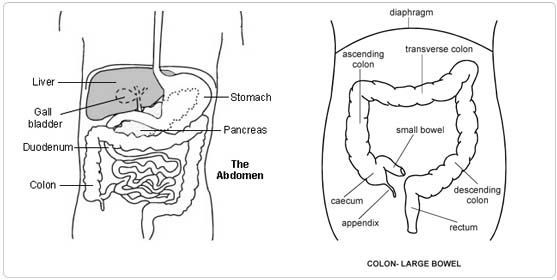
Some of the lowest part of your bowel, the rectum, is diseased and has to be taken out. Because the disease is so near to the opening in the back passage, this has to be taken out as well. If the back passage were left in place, you would be unable to control your bowel motions. You might also get complications from the underlying disease. A new opening for the bowel is made in the wall of your tummy. This is called a colostomy. The waste runs into a special stick-on plastic bag.
The Operation
You will have a general anaesthetic, and will be asleep for the whole operation. A cut about 40 cm (15 inches) long is made in the skin and muscle of the central lower part of the tummy wall. The lower bowel within reach is freed from its bed. Another cut is made around the back passage, which is also freed. The whole of the lower bowel is taken out. A fresh opening is made in the tummy wall for the remaining bowel which is made into a colostomy. The wounds are stitched up. You should plan to leave hospital about two weeks after the operation.
Any Alternatives
Doing nothing will lead to bleeding, discharge, pain and possibly a complete blockage of the bowel. Taking out the diseased bowel, but leaving the back passage in place in your case is risky. You would end up with little control of the bowels and a risk of the disease causing further problems. X-ray treatment and drug treatment on their own are not very good. They may be useful if added to the operation. The surgeon can talk to you about this.. Keyhole operations for this operation are not always possible and only carried out in very selective cases in highly specialised centres.
Before the operation
Stop smoking and get your weight down if you are overweight. (See Healthy Living). If you know that you have problems with your blood pressure, your heart, or your lungs, ask your family doctor to check that these are under control. Check the hospital's advice about taking the Pill or hormone replacement therapy (HRT). Check you have a relative or friend who can come with you to the hospital, take you home, and look after you for the first week after the operation. Bring all your tablets and medicines with you to the hospital. On the ward, you may be checked for past illnesses and may have special tests to make sure that you are well prepared and that you can have the operation as safely as possible.. You will be asked to fill in an operation consent form. Many hospitals now run special preadmission clinics, where you visit for an hour or two, a few weeks or so before the operation for these checks. You will meet the stoma nurse who will help you through the operation and also afterwards.
After - In Hospital
You will most likely have a fine plastic tube coming out of your nose and connected to another plastic bag to drain your stomach. Swallowing may be a little uncomfortable. You will have a dressing on your wounds and a drainage tube nearby, connected to a plastic bag. This is to drain any residual blood from the operation. For the same reason, you will have plastic drainage tubes coming out of the skin near your lower wound. The wounds are painful for two or three days, and you will be given injections and, later, tablets to control this. You may have a fine tube in your back to help control the pain. Ask for more if the pain is not controlled or if it gets worse. A general anaesthetic will make you slow, clumsy and forgetful for about 24 hours. The nurses will help you with everything you need until you are able to do things for yourself. Do not make important decisions during this time. You will probably have a fine drainage tube (catheter) in the penis or front passage to drain the urine from the bladder until you are able to get out of bed easily. You should be eating and drinking normally after about four to six days. The wound has a dressing which may show some staining with old blood in the first 24 hours. There may be stitches or clips in the skin. Sometimes seven or eight stitches are put across the wound to add strength. Stitches and clips are removed after about 7 to 10 days. The drain tube is removed after about 4 days. Your stoma nurse will show you how to manage your colostomy. You can wash as soon as the dressing has been removed but try to keep the wound area dry until the stitches/clips come out. Soap and tap water are entirely adequate. Salted water is not necessary. You will be given an appointment to visit the outpatient department for a check-up about one month after you leave hospital. The stoma nurse will keep in contact with you at home. The nurses will advise about sick notes, certificates etc.
After - At Home
You are likely to feel very tired and need rests two or three times a day for a month or more. You will gradually improve so that by the time three months have passed you will be able to return completely to your usual level of activity. At first discomfort in the wound will prevent you from harming yourself by too heavy lifting. After three months you can lift as much as you used to lift before your operation. You can drive as soon as you can make an emergency stop without discomfort in the wound, i.e. after about four weeks. You can restart sexual relations within three to four weeks when the wound is comfortable enough. There may be some damage to the sex nerves following this operation (some studies suggest that it happens in up to 50% of cases). The Surgeon will talk to you about this. You should be able to return to a light job within eight weeks. Some heavy jobs may not be suitable because of the colostomy.
Possible Complications
As with any operation under general anaesthetic, there is a very small risk of complications related to your heart and lungs. The tests that you will have before the operation will make sure that you can have the operation in the safest possible way and will bring the risk for such complications very close to zero.
This is a major operation and complications can occur more frequently compared with other operations of the bowel. When they happen, they are rapidly recognised and dealt with by surgical staff. If you think that all is not well, please let the doctors or nurses know.
Chest infections may arise, particularly in smokers. Getting out of bed as soon as possible, getting as mobile as possible and co-operating with the physiotherapists to clear the air passages is important to prevent chest infections.
Occasionally the bowel is slow to start working again. This may take a week or more. Your food and water intake will continue through your vein tubing until the bowel works. Sometimes there is some discharge from the drain by the wound. This stops given time.
Wound infection is sometimes seen. This happens relatively more frequently in any bowel operation compared to other 'clean' operations such as taking out your gallbladder and the reason is that the bowel has many bugs that can cause an infection. The infection settles down with antibiotics in a week of two.
Very rarely, during the operation, another part of your bowel, your bladder or a blood vessel can be damaged and this may require another operation to deal with the problem.
Complications related to the colostomy are a skin rash, infection or abscess (a pool of pus) around the colostomy, narrowing/stricture or necrosis (tissue death) of the bowel at or near to the colostomy and also a hernia of the colostomy, a situation where the bowel falls through the skin. These complications occur in approximately 4 to 30% of cases. If you get such complications it is likely that you will need another operation to fix the problem.
Aches and twinges may be felt in the wound for up to six months. Sometimes the lower wound is slow to heal. Sometimes the stoma is troublesome. Sometimes there is some damage to the bladder and sex nerves.
General Advice
The operation should not be underestimated. Some patients are surprised how slowly they regain their normal stamina. Virtually all patients are back doing their normal duties within three months. You will be surprised how good the modern appliances are. Your social life should not be affected by the operation. The stoma nurses will keep in touch with you always. We hope these notes will help you through your operation. They are a general guide. They do not cover everything. Also, all hospitals and surgeons vary a little. If you have any queries or problems, please ask the doctors or nurses.
Some of the common countries from which patients travel to India for surgery are:
| USA | UK | Canada |
| Australia | New Zealand | Nigeria |
| Kenya | Ethiopia | Uganda |
| Tanzania | Zambia | Congo |
| Sri Lanka | Bangladesh | Pakistan |
| Afghanistan | Nepal | Uzbekistan |
Phone Numbers Reach Us-
India & International : +91-9860755000 / +91-9371136499
Email : contact@indianhealthguru.com
Frequently Asked Questions
Below are the downloadable links that will help you to plan your medical trip to India in a more organized and better way. Attached word and pdf files gives information that will help you to know India more and make your trip to India easy and memorable one.
| Click icon to Download Document | ||||||
| About India |  |  | Destinations in India | | | |
| Indian Embassy List | | | Medical Tourism FAQ | | | |
| Visa For India | | | ||||