

Selecting the Best Scoliosis Correction Surgeons and Hospitals in India: A Guide for Patients from Iraq
A doctor’s honest, question-by-question guide for patients from Iraq on vetting a scoliosis surgery hospital in India — technique-specific complication rates, accreditation, and the exact questions worth asking before you book anything.
Over the years, I have found that scoliosis correction surgery is one of the procedures where achieving the largest possible curve correction is not automatically the right goal, since the specific surgical technique chosen for a severe curve can trade a small amount of additional correction for a dramatically higher complication risk, and a family deserves to understand this trade-off clearly before agreeing to a specific approach.
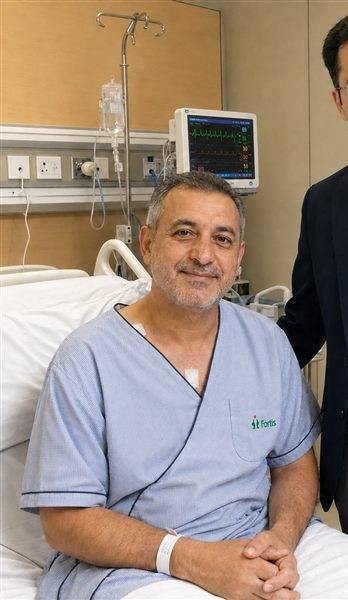
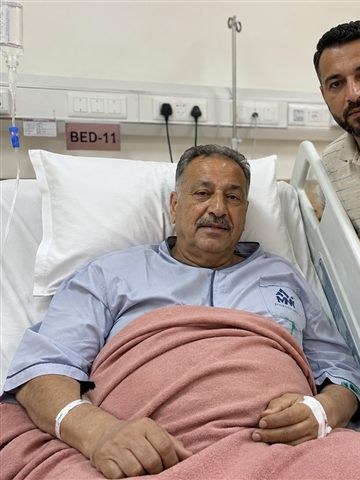
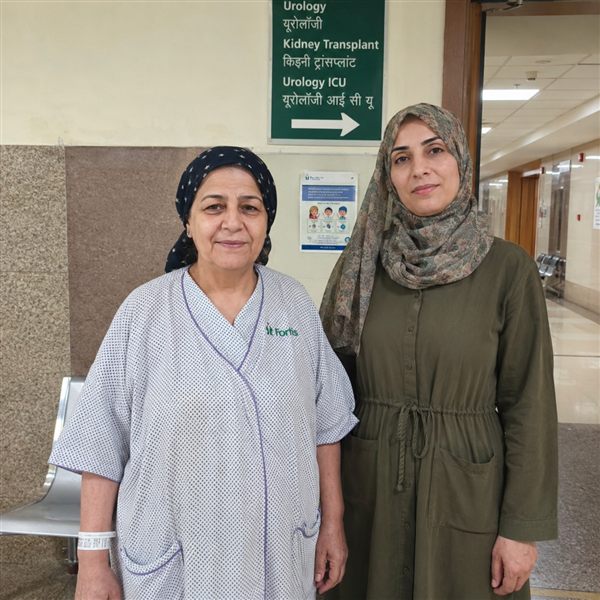
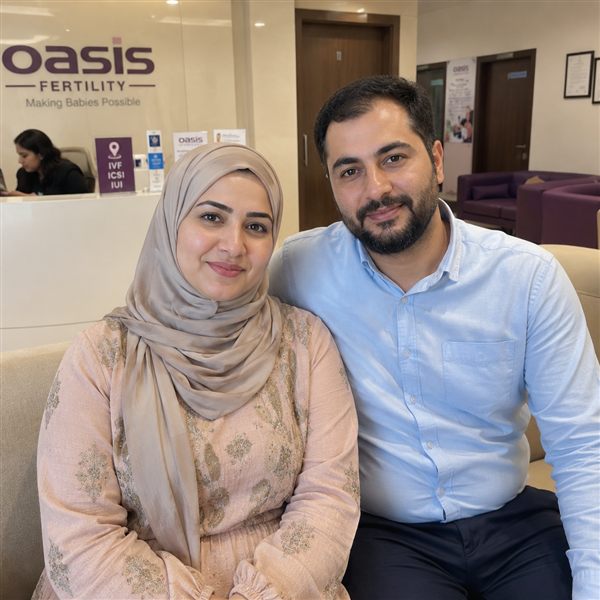
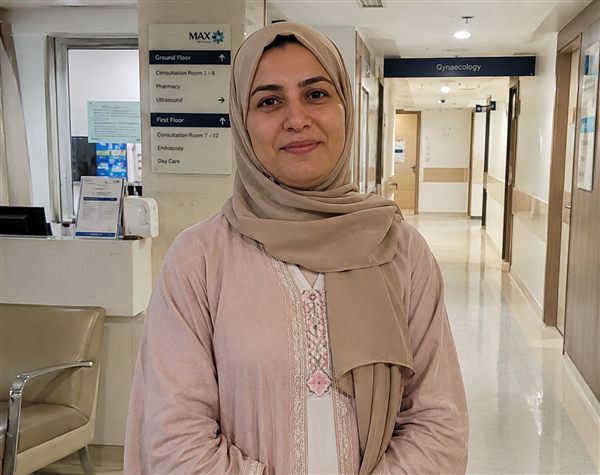
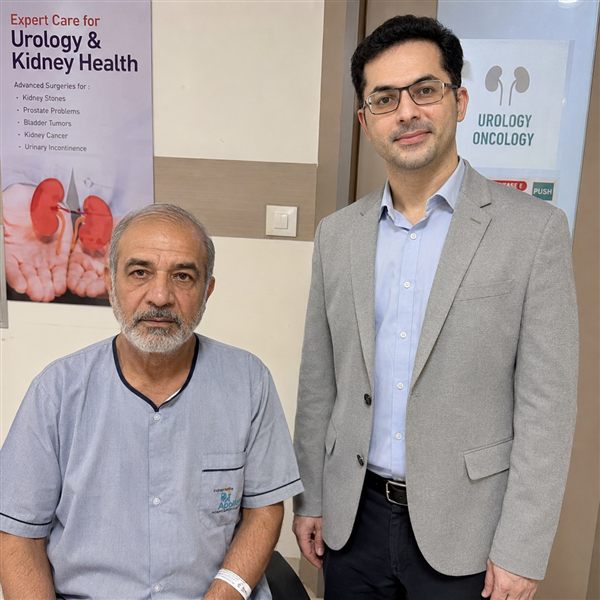
Healing Journeys of Iraqi Patients
Key Takeaways
- Scoliosis correction is not simply about achieving the largest possible curve correction. The source emphasises that aggressive techniques may provide only slightly greater correction while carrying substantially higher complication risks. For Iraqi families, the surgical approach should therefore be selected according to the child's curve severity and individual clinical situation.
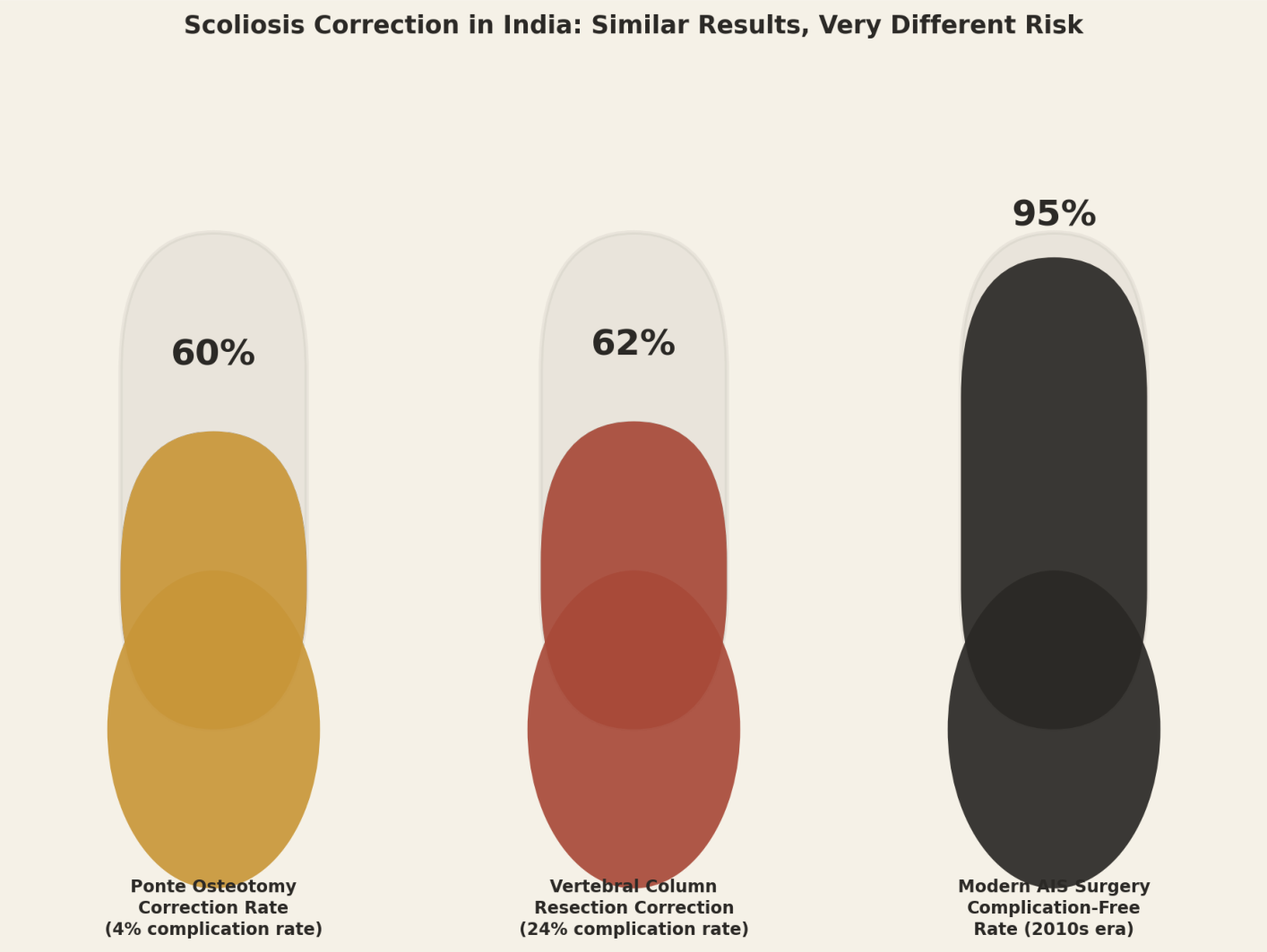
- For severe curves exceeding 90 degrees, the cited systematic review found 62.1% correction with vertebral column resection and a 24% complication rate, compared with 60.3% correction and only 4% complications with Ponte osteotomy. Non-osteotomy approaches achieved 61.5% correction with a 19.6% complication rate, demonstrating the importance of comparing correction against risk.
- The source also notes that curve severity itself can substantially affect risk. In severe neuromuscular scoliosis with curves of 85 degrees or greater, a cited study reported a 30% major complication rate even with a carefully designed hybrid fixation technique. For adolescent idiopathic scoliosis, however, complication rates in published data declined from 18.7% in 1995–1999 to 5.09% in 2010–2013, reflecting improvements in surgical and perioperative care.
- The page 2 visual reinforces this difference: it shows approximately 60% correction with Ponte osteotomy and a 4% complication rate, 62% correction with vertebral column resection and a 24% complication rate, and about 95% complication-free surgery in the modern AIS comparison. The figures illustrate published trends rather than an individual child's expected outcome.
- Iraqi families should ask the surgeon why a particular technique has been chosen instead of simply accepting the most aggressive approach. The guide recommends requesting the surgeon's own complication rate for the exact technique, their experience with curves of similar severity and an explanation of how the proposed approach compares with less aggressive alternatives.
- Complex scoliosis surgery requires a coordinated team. The source identifies a spine surgeon trained in complex deformity correction, neurophysiologist for continuous intraoperative neuromonitoring, anaesthesiologist experienced in blood-loss and positioning issues, paediatric or adolescent specialists where appropriate, and a haematologist or blood-bank coordinator for severe cases.
- Technology can improve both precision and safety. Iraqi families should ask whether the hospital uses intraoperative spinal navigation for accurate screw placement, continuous neuromonitoring throughout correction and, where relevant, robotic-assisted guidance. The source notes that evidence for robotic assistance in severe scoliosis is still developing, so it should not automatically be treated as superior to established techniques.
Quick Facts
- Treatment
- Scoliosis correction surgery
- Primary Patients
- Iraqi children, adolescents and adults requiring scoliosis correction
- Main Speciality
- Complex spinal deformity surgery
- Key Specialist
- Spine surgeon with complex deformity training
- Severe Curve
- More than 90 degrees in the cited severe-scoliosis literature
- Ponte Osteotomy Correction
- 60.3%
- Ponte Osteotomy Complication Rate
- 4%
- Vertebral Column Resection Correction
- 62.1%
- Vertebral Column Resection Complication Rate
- 24%
- Non-Osteotomy Correction
- 61.5%
- Non-Osteotomy Complication Rate
- 19.6%
- Severe Neuromuscular Risk
- 30% major complications in the cited study for curves of 85 degrees or greater
- AIS Complication Trend
- 18.7% to 5.09% in the cited historical comparison
- Neuromonitoring
- Continuous intraoperative spinal cord monitoring
- Navigation
- Intraoperative spinal navigation for screw placement
- Advanced Guidance
- Robotic-assisted guidance may be available for selected severe cases
- Blood Management
- Prepared blood-product availability and management plan
- Core Team
- Complex spine surgeon, neurophysiologist and anaesthesiologist
- Additional Support
- Paediatric/adolescent team and blood-bank or haematology support where required
- Accreditation
- Verify current JCI and/or NABH status
- Key Selection Factor
- Technique-specific complication rate
- Author
- Dr. Dheeraj Bojwani
- Experience
- 24+ Years
In Brief
The most important question for an Iraqi family is whether the surgeon's recommended technique is appropriate for the child's specific curve severity and diagnosis. A strong scoliosis programme should provide technique-specific complication data, continuous neuromonitoring, a prepared blood-management strategy and a clear explanation of why one correction method is preferred over another. Hospitals that cannot explain these points or recommend an aggressive procedure without discussing safer alternatives should be approached cautiously.
Why the Choice of Spine Surgeon in India Matters as Much as the Choice of Technique
Based on my interactions with international families, a systematic review of surgical technique for severe scoliosis, curves exceeding ninety degrees, found something genuinely important for a family to weigh carefully. Vertebral column resection, the most aggressive correction technique, achieved a curve correction of 62.1 percent, but carried a complication rate of 24 percent. Ponte osteotomy, a less aggressive technique, achieved a very similar correction of 60.3 percent, yet its complication rate was just 4 percent, a dramatically safer profile for a nearly identical amount of curve straightening. Non-osteotomy methods achieved 61.5 percent correction with a complication rate of 19.6 percent, sitting between the other two approaches. For the most severe neuromuscular scoliosis cases specifically, curves of eighty-five degrees or greater, one detailed study found a major complication rate of 30 percent even using a carefully designed hybrid fixation technique, underscoring just how much curve severity itself, not only technique choice, shapes realistic expectations. For adolescent idiopathic scoliosis specifically, the more common and typically less severe form of the condition, published research has documented genuine improvement in safety over time, with complication rates falling from 18.7 percent in surgeries performed between 1995 and 1999 to just 5.09 percent in surgeries performed between 2010 and 2013, reflecting real advances in surgical technique and perioperative care. This tells a family something essential: for a severe curve specifically, the choice of surgical technique can mean the difference between a four percent and a twenty-four percent chance of a serious complication, for barely any difference in the correction ultimately achieved.
How Patients from Iraq Can Verify a Scoliosis Surgery Hospital’s Accreditation in India
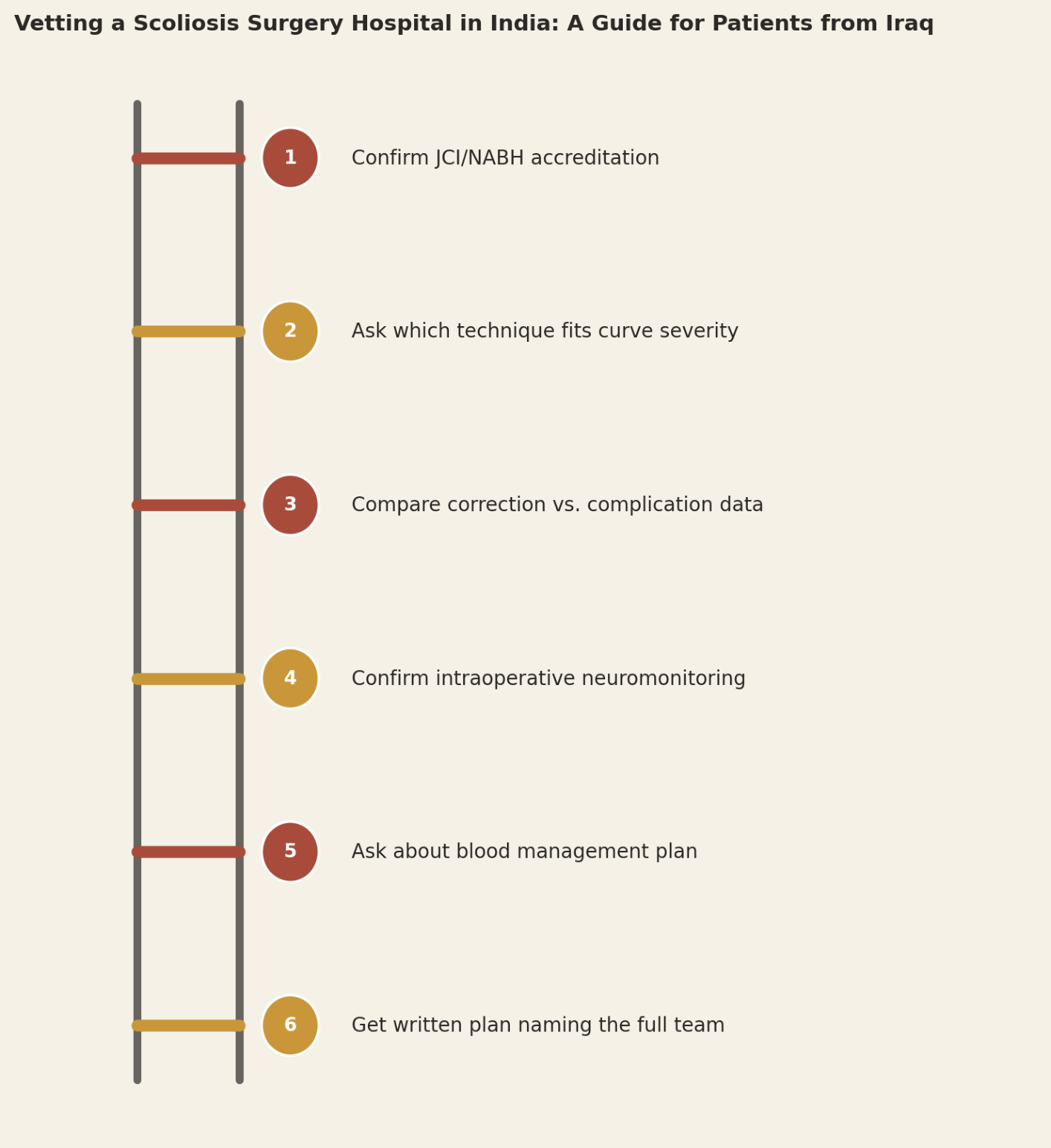
The fastest filter I recommend to every Iraqi family calling about scoliosis correction is verifiable accreditation, not marketing language. Joint Commission International, JCI, audits a hospital’s overall clinical safety systems against the same standard used across the United States and Europe. The National Accreditation Board for Hospitals and Healthcare Providers, NABH, is India’s own domestic equivalent, and in my experience of 24 years advising families on this exact decision, a centre holding both marks together is a meaningfully stronger signal than either alone. For scoliosis surgery specifically, ask one further, very direct question: for a curve as severe as my child’s, which specific surgical technique is being recommended, and what is this surgeon’s own complication rate for that exact technique, not a general scoliosis surgery statistic.
Scoliosis Surgery Volume and Severity-Specific Criteria That Predict Outcomes in India
Based on my interactions with dozens of spine surgery programmes over the years, a surgeon’s specific reasoning for choosing one correction technique over another for your child’s exact curve severity, not simply their overall scoliosis surgery volume, is one of the clearest signs of a trustworthy recommendation. In my experience of 24 years advising families on exactly this kind of decision, the surgeons most worth trusting are the ones who bring up the safer, less aggressive alternative themselves, rather than waiting to be asked. Ask directly, in writing:
- Given my child's specific curve severity, why has this particular surgical technique been recommended over alternatives that may offer similar correction with a different risk profile?
- What is this surgeon's own complication rate for the exact technique being recommended, and how does it compare with the published rates for alternative approaches?
- Does the surgical team use intraoperative neuromonitoring to detect early warning signs of spinal cord stress during correction, and what is their protocol if a warning sign appears?
- What is the surgeon's own experience specifically with curves of this severity, as distinct from their broader scoliosis surgery experience with more moderate cases?
A surgeon confident in their own reasoning will answer these specifically. A surgeon who recommends the most aggressive technique without discussing the comparative complication data deserves a second opinion before you commit.
Vetting a Scoliosis Surgery Hospital in India: A Guide for Patients from Iraq
Questions Patients from Iraq Should Ask About the Scoliosis Surgery Team in India
Scoliosis correction surgery is never genuinely the work of one surgeon alone. In my experience of 24 years watching these programmes operate, the strongest units bring together a spine surgeon with specific fellowship training in complex deformity correction, a neurophysiologist to perform intraoperative neuromonitoring throughout the procedure, an anaesthesiologist experienced in the specific blood loss and positioning considerations this surgery involves, and a dedicated paediatric or adolescent care team for younger patients. A haematologist or blood bank coordinator is a further important role for severe curve correction specifically, since significant intraoperative blood loss is a recognised risk and having a clear, prepared plan for blood product availability matters considerably. Ask specifically who fills each of these roles for your case, and confirm that a genuine, structured surgical plan, not a single surgeon’s default preference, has determined the recommended technique.
Scoliosis Surgery Technology Standards in India That Patients from Iraq Should Check
The specific technology available changes both correction precision and safety. Ask whether the hospital uses intraoperative spinal navigation to guide precise screw placement, since accurate hardware positioning directly affects both correction quality and the risk of neurological injury. Ask whether continuous intraoperative neuromonitoring, tracking spinal cord function throughout the entire procedure, is standard practice, since this technology allows the surgical team to pause or adjust the correction if early warning signs appear. Ask also whether robotic-assisted guidance is available for severe curve correction specifically, since early reported experience with this technology has suggested a potentially lower complication rate compared with conventional technique in this specific patient group, though this evidence is still developing. Ask directly which of these specific capabilities apply to your case, not simply whether the hospital performs scoliosis surgery in general terms.
Red Flags Patients from Iraq Should Watch For When Choosing a Scoliosis Surgery Hospital in India
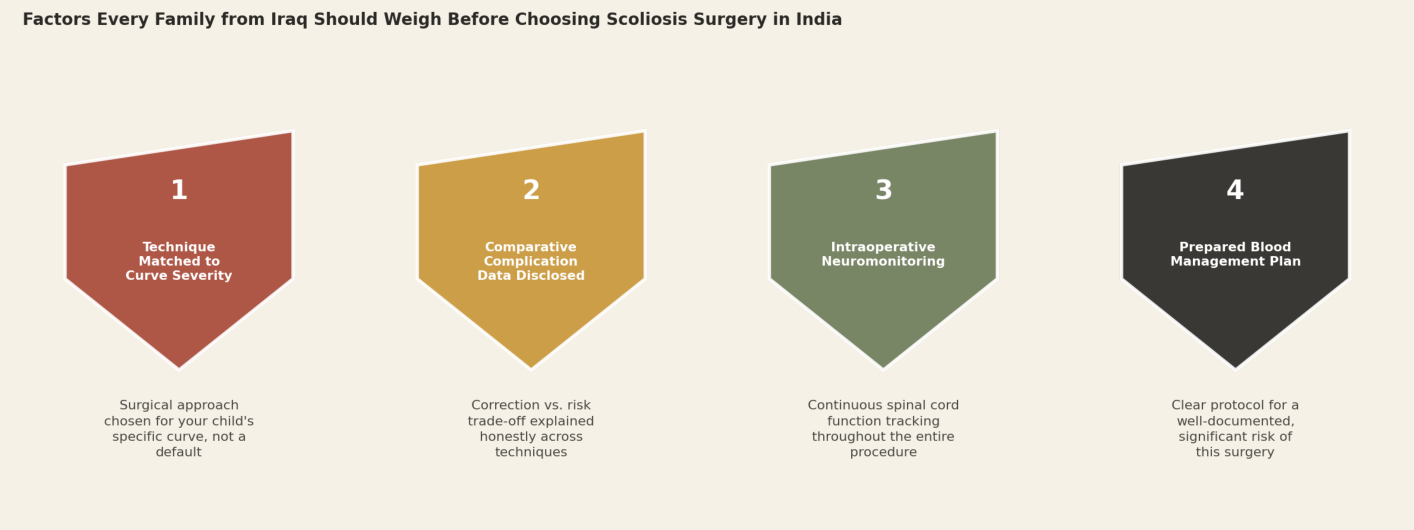
Over the years, certain patterns have become reliable warning signs for me. A surgeon who recommends the most aggressive correction technique without discussing the comparative complication rates of gentler alternatives has not presented the genuine trade-off your family deserves to understand. A hospital that cannot state its own technique-specific complication rate has not given you information specific enough to be useful. A hospital that does not use intraoperative neuromonitoring for a complex deformity correction is not equipped with the safety standard current best practice supports. And a hospital that cannot describe its specific blood management plan for a severe curve correction has not prepared for a well-documented and significant risk of this surgery.
Factors Every Family from Iraq Should Weigh Before Choosing Scoliosis Surgery in India
A Closing Thought for Iraqi Families
Scoliosis correction surgery deserves a technique chosen specifically for your child’s curve severity, weighing correction against genuine complication risk, not simply the most aggressive approach available. Based on my interactions with international patients over more than two decades, the families who ask about technique-specific complication rates, neuromonitoring standards, and the surgeon’s own reasoning consistently achieve safer, better-understood outcomes than those who accept a general recommendation without question. My role, and the role of any advisor a family works with, should be to help you ask these exact questions and confirm honestly that the specific surgeon and specific hospital in front of you are the right fit for your child’s exact diagnosis. Iraq’s families deserve the same standard of scrutiny in this decision as any family anywhere else in the world.
Sources & Further Reading
- Joint Commission International (JCI) — Accredited Organizations Directory (jointcommissioninternational.org)
- National Accreditation Board for Hospitals & Healthcare Providers (NABH), India (nabh.co)
- PMC — Surgical Outcomes and Complication Rates in Severe Scoliosis: A Systematic Review (ncbi.nlm.nih.gov/pmc)
- PMC — Use of a Hybrid Technique in the Surgical Correction of Severe Neuromuscular Scoliosis (Curves ≥85 Degrees) (ncbi.nlm.nih.gov/pmc)
- PMC — Navigation-Assisted One-Staged Posterior Spinal Fusion in Adolescent Idiopathic Scoliosis: A Case Series (ncbi.nlm.nih.gov/pmc)
Frequently Asked Questions by Iraqi Patients about Selecting a Scoliosis Correction Surgeon and Hospital in India
Is scoliosis correction surgery available in India for Iraqi patients?
Yes. The source specifically addresses scoliosis correction for patients from Iraq and provides criteria for evaluating Indian spine surgeons and hospitals.
What is the safest scoliosis surgery for an Iraqi child with a severe curve?
There is no single technique that is safest for every child. The source shows that different techniques can provide similar correction with very different complication rates, so the approach should be matched to curve severity and diagnosis.
How effective is Ponte osteotomy for severe scoliosis?
The cited systematic review reported approximately 60.3% curve correction with a 4% complication rate for Ponte osteotomy in severe curves exceeding 90 degrees.
What are the risks of vertebral column resection for severe scoliosis?
The cited review reported 62.1% correction with a 24% complication rate. The result illustrates why a more aggressive operation should be recommended only when its additional correction is clinically justified.
How does curve severity affect scoliosis surgery for Iraqi patients?
Greater curve severity can increase surgical risk. In the cited severe neuromuscular scoliosis study involving curves of at least 85 degrees, the major complication rate was 30%.
Is intraoperative neuromonitoring important during scoliosis correction?
Yes. The source recommends continuous neuromonitoring to track spinal cord function during correction and allow the surgical team to respond if warning signals appear.
What technology should Iraqi families look for in a scoliosis hospital?
Important capabilities include intraoperative spinal navigation and continuous neuromonitoring. Robotic-assisted guidance may also be available for selected severe cases, although the source notes that evidence for this approach is still developing.
Which specialists should be involved in complex scoliosis surgery?
A strong programme may include a complex-deformity spine surgeon, neurophysiologist, experienced anaesthesiologist, paediatric or adolescent specialists and blood-management support for severe cases.
Why is blood management important in severe scoliosis surgery?
Significant blood loss is a recognised concern during severe curve correction. The guide recommends confirming a prepared plan for blood-product availability and asking who is responsible for blood management.
How should Iraqi families choose the best scoliosis surgeon in India?
They should compare the surgeon's experience with curves of similar severity, technique-specific complication rates, reasoning for choosing the proposed procedure, neuromonitoring standards, navigation capability and blood-management plan.
Page Summary
For Iraqi patients considering scoliosis correction in India, the guide emphasises that the safest and most appropriate operation is not necessarily the technique that produces the greatest correction. In severe scoliosis, the cited evidence shows that techniques with similar correction percentages can have very different complication rates, making technique selection and surgeon reasoning especially important.
Families should compare surgeons according to their experience with curves of similar severity, technique-specific complication outcomes, use of continuous neuromonitoring, spinal navigation and blood-management planning. A multidisciplinary complex-deformity programme is particularly important for severe curves and younger patients.
Citation Block
| Field | Details |
|---|---|
| Article / Topic | Selecting the Best Scoliosis Correction Surgeons and Hospitals in India |
| Target Country | Iraq |
| Treatment Area | Scoliosis correction surgery |
| Main Speciality | Complex spinal deformity surgery |
| Severe Curve Literature | Curves exceeding 90 degrees |
| Ponte Osteotomy Correction | 60.3% |
| Ponte Osteotomy Complication Rate | 4% |
| Vertebral Column Resection Correction | 62.1% |
| Vertebral Column Resection Complication Rate | 24% |
| Non-Osteotomy Correction | 61.5% |
| Non-Osteotomy Complication Rate | 19.6% |
| Severe Neuromuscular Curves | ≥85 degrees |
| Neuromuscular Major Complication Rate | 30% in cited study |
| AIS Historical Complication Rate | 18.7% in 1995–1999 |
| AIS Later Complication Rate | 5.09% in 2010–2013 |
| Key Decision Factor | Curve-specific technique selection |
| Surgeon Assessment | Experience with similar curve severity |
| Monitoring | Continuous intraoperative neuromonitoring |
| Navigation | Intraoperative spinal navigation |
| Possible Advanced Technology | Robotic-assisted guidance |
| Core Team | Spine surgeon, neurophysiologist and anaesthesiologist |
| Additional Team | Paediatric/adolescent specialists |
| Blood Management | Haematology or blood-bank coordination |
| Accreditation | JCI and/or NABH |
| Main Red Flag | Aggressive technique recommended without comparative risk discussion |

Our Mission Statement
Our mission is to place patients at the centre of every healthcare decision by providing trustworthy, evidence-based, and unbiased medical information. We believe that informed patients make better decisions. Backed by personalised guidance from our experienced advisory team, we help patients understand their treatment options, compare them objectively, and confidently choose the path that best suits their medical needs and personal circumstances.
Patient Testimonials from Iraq
Ready to Take the First Step?
Share your Medical Reports with our Healthcare Managers Today and Get a FREE CONSULTATION, a Personalized Treatment Plan, and Complete Support from Arrival to Recovery.
Get Your Free ConsultationAreas We Serve
Indian Health Guru Consultants proudly assists patients from Iraq and surrounding Middle Eastern countries in accessing advanced, affordable and trusted medical treatment in India. Our team provides complete support for medical opinions, hospital selection, treatment planning, visa assistance, travel coordination, accommodation and post-treatment follow-up.
We regularly serve patients from:
- Iraq
- Turkey
- Iran
- Kuwait
- Jordan
- Syria
- Qatar
- Bahrain
- Oman
- Yemen
- Saudi Arabia
- United Arab Emirates
No matter where you are located, our experienced team is committed to making your medical journey to India safe, smooth, transparent and stress-free from the first enquiry to your return home.
From Iraq to India: Your Complete Patient Guide
- Kidney Transplant in India for Iraqis
- Robotic Cancer Surgery in India for Iraqis
- Cardiac Surgery in India for Iraqis
- Neurosurgery in India for Iraqis
- Dental Surgery in India for Iraqis
- Breast Cancer Treatment in India for Iraqi Patients
- Cervical and Lumbar Disc Replacement Surgery in India for Iraqis
- HIPEC Cancer Surgery in India for Iraqis
- Paediatric Heart Surgery in India for Iraqis
- Joint Arthroscopy and Sports Medicine in India for Iraqis
- Oral and Maxillofacial Surgery in India for Iraqis
- Complex Joint Revision Surgery in India for Iraqis
- Pancreatic Cancer Surgery in India for Iraqis
- IVF and Fertility Treatment in India for Iraqis
- Cardiac Pacemaker Treatment in India for Iraqi Patients
- Laparoscopic and Robotic Myomectomy in India for Iraqis
- Paediatric Neurosurgery in India for Iraqis
- Neuronavigation and Advanced Brain Surgery in India for Iraqis