

Selecting the Best Pancreatic Cancer Surgeons and Hospitals in India: A Guide for Patients from Iraq
A doctor’s honest, question-by-question guide for patients from Iraq on vetting a pancreatic cancer hospital in India — tumor-specific outcomes, accreditation, surgical volume, and the exact questions worth asking before you book anything.
Over the years, I have found that pancreatic cancer surgery, most often the Whipple procedure, is discussed by Iraqi families as though every case falls into the same category, when the tumour’s exact location and the cancer’s stage at diagnosis create genuinely different outcome pictures. In my experience of 24 years advising families through exactly this decision, a tumour of the ampulla, the specific point where the bile and pancreatic ducts enter the small intestine, behaves quite differently from a tumour in the pancreatic head itself, and confusing the two when comparing survival statistics leads to badly miscalibrated expectations.
Healing Journeys of Iraqi Patients
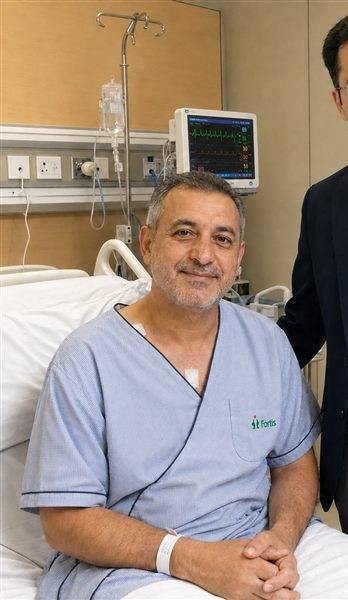

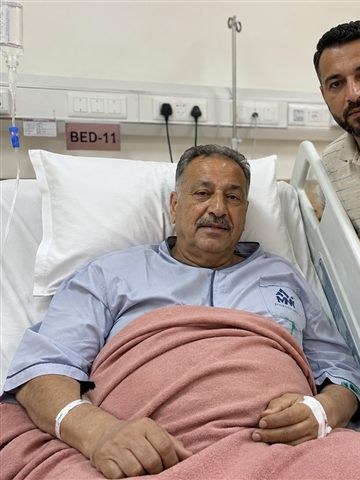
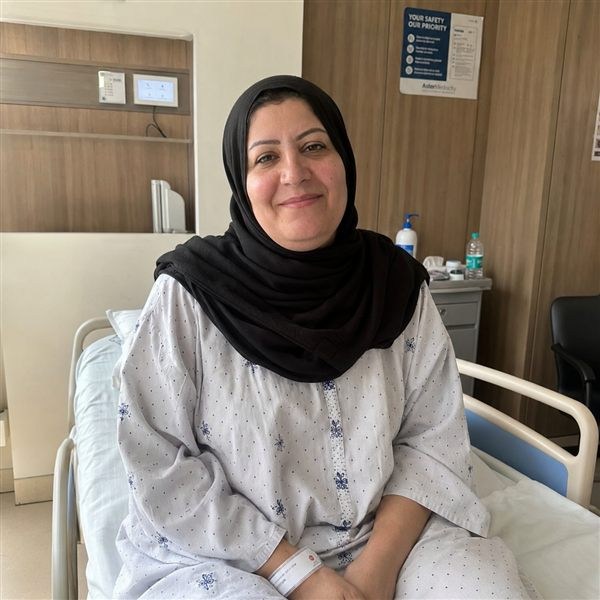



Key Takeaways
- Pancreatic cancer surgery should not be evaluated using one generalized survival percentage because tumour location and stage can produce very different outcomes. The source specifically distinguishes ampullary cancer from cancer originating in the pancreatic head and emphasizes that these conditions should not be treated as though they have identical biological behaviour.
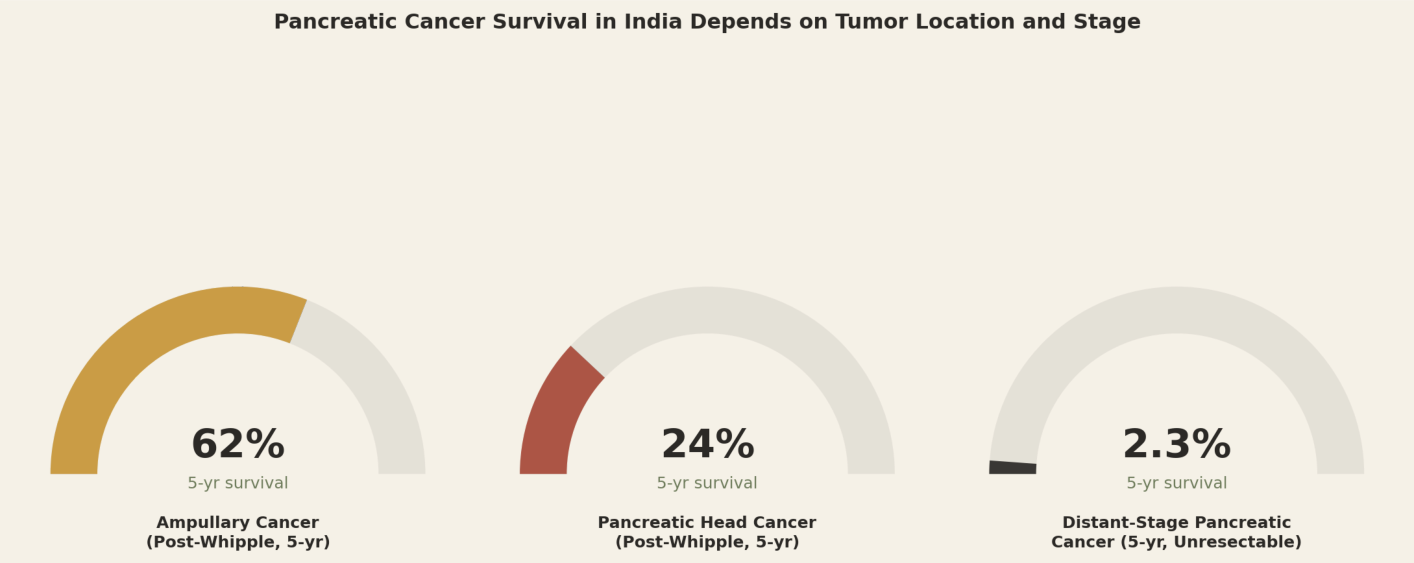
- The source presents substantial differences in reported five-year survival. A study of ampullary cancer treated with the Whipple procedure reported 62% five-year survival, while five-year survival for pancreatic-origin cancer after Whipple is commonly reported at approximately 22%–26%. For distant, unresectable pancreatic cancer, the cited five-year survival is approximately 2.3%. These differences primarily reflect tumour biology and stage rather than differences in surgical skill.
- Surgical volume is another important selection factor. Published research cited in the guide has repeatedly found that specialist centres performing higher numbers of Whipple procedures achieve better five-year survival than lower-volume centres. Iraqi patients should therefore ask specifically how many Whipple procedures the surgical team performs each year.
- The chart on page 2 illustrates the difference clearly, showing approximately 62% five-year survival for ampullary cancer after Whipple, approximately 24% for pancreatic-head cancer after Whipple, and approximately 2.3% for distant-stage unresectable pancreatic cancer.
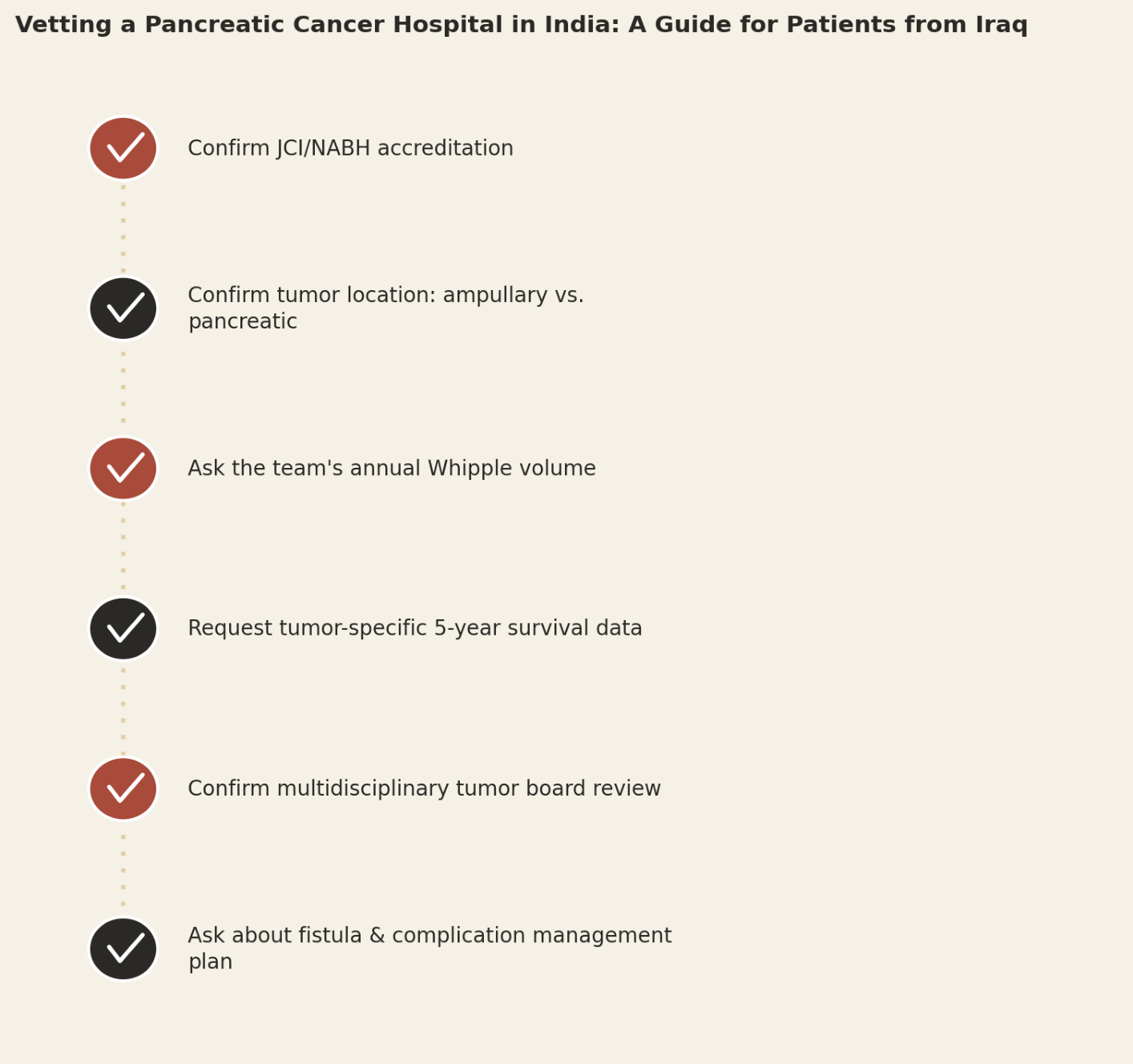
- A trustworthy pancreatic surgery programme should provide outcome information according to tumour location and stage. Patients should ask whether the tumour is ampullary, located in the pancreatic head, or elsewhere; what the team's own Whipple volume and tumour-specific five-year survival are; what the postoperative complication rate is for pancreatic fistula and delayed gastric emptying; and whether a multidisciplinary tumour board has confirmed that the tumour is resectable before surgery is scheduled.
- Pancreatic cancer surgery requires coordinated specialist care rather than the work of one surgeon alone. The source identifies a high-volume hepatobiliary and pancreatic surgeon, medical oncologist, gastroenterologist when pre-operative biliary drainage is required, dedicated intensive care team, specialist dietitian, and multidisciplinary tumour board.
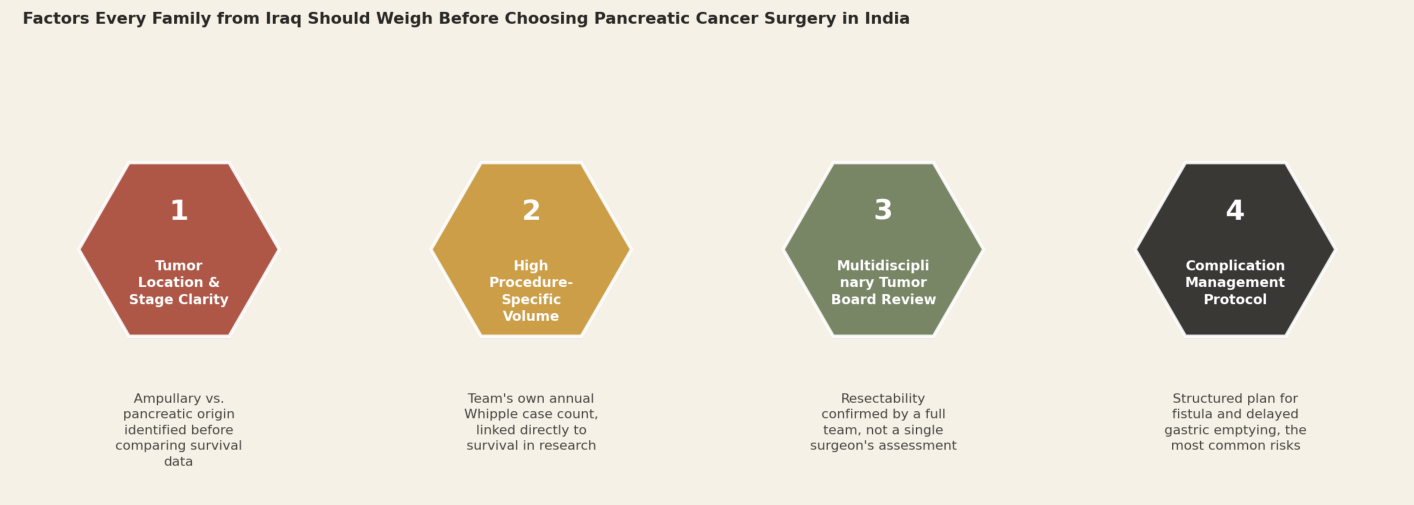
- The source identifies clear warning signs: quoting one generalized survival percentage without considering tumour type and stage, inability to provide the team's Whipple volume and outcomes, proceeding without multidisciplinary tumour-board review, and lacking clear protocols for pancreatic fistula and delayed gastric emptying. The page 4 checklist highlights tumour location and stage clarity, high procedure-specific volume, multidisciplinary tumour board review and a complication management protocol.
Quick Facts
- Treatment
- Pancreatic cancer surgery, including the Whipple procedure when appropriate
- Primary Patients
- Iraqi patients seeking pancreatic cancer treatment in India
- Main Speciality
- Hepatobiliary and pancreatic surgery
- Key Specialist
- High-volume pancreatic surgeon experienced in Whipple surgery
- Common Procedure
- Whipple procedure for selected pancreatic and ampullary tumours
- Ampullary Cancer
- 62% five-year survival in the cited Whipple study
- Pancreatic-Head Cancer
- Approximately 22%–26% five-year survival cited
- Distant Unresectable Disease
- Approximately 2.3% five-year survival cited
- Key Prognostic Factors
- Tumour location, cancer stage, and resectability
- Surgical Volume
- Ask for the team's annual Whipple procedure volume
- Pre-operative Imaging
- Pancreatic-protocol CT may assess resectability
- Tumour Board
- Multidisciplinary review should confirm the treatment plan
- Key Team
- Pancreatic surgeon, medical oncologist, gastroenterologist, intensive care team, and dietitian as required
- Major Complications
- Pancreatic fistula and delayed gastric emptying
- Robotic Whipple
- May be considered for appropriately selected cases
- Nutrition
- Structured nutritional support may be important before and after surgery
- Accreditation
- Verify JCI or NABH accreditation
- Outcome Data
- Ask for tumour-specific survival and complication data
- Follow-Up
- Confirm postoperative complication and nutritional management plans
- Author
- Dr. Dheeraj Bojwani
- Experience
- 24+ Years
In Brief
For Iraqi patients considering pancreatic cancer surgery in India, the most important selection factors are the exact tumour location and stage, the surgical team’s Whipple volume, tumour-specific outcomes, multidisciplinary confirmation of resectability, and preparedness for postoperative complications. The source reports markedly different five-year survival figures for ampullary cancer, pancreatic-origin cancer, and distant unresectable disease, demonstrating why a single general pancreatic cancer survival statistic can be misleading. A suitable centre should combine high-volume pancreatic surgery with oncology, gastroenterology, intensive care, nutritional support, detailed imaging, and structured complication management.
Why the Choice of Pancreatic Surgery Team in India Matters as Much as the Choice of Hospital
Based on my interactions with international patients, the published data on this distinction is genuinely clear. A study of ampullary cancer treated with the Whipple procedure reported a five-year survival of 62 percent, a result reflecting the generally less aggressive biology of tumours arising at the ampulla itself. By contrast, five-year survival after the same Whipple procedure for cancer originating in the pancreas itself is commonly reported in the range of 22 to 26 percent, and for pancreatic cancer diagnosed at a distant, unresectable stage, five-year survival falls to just 2.3 percent, according to data published in CA: A Cancer Journal for Clinicians. This is not a difference in surgical skill, it reflects genuinely different disease biology and the critical importance of catching pancreatic cancer before it has spread. A separate factor with strong, consistent evidence behind it is surgical volume itself: published research has repeatedly found that specialty centres performing a higher volume of Whipple procedures achieve meaningfully better five-year survival than lower-volume centres, independent of the patients’ underlying disease. This tells a family something important: your tumour’s exact location and stage, and the specific centre’s Whipple-specific volume, matter more than a single blended survival statistic borrowed from a different situation.
How Patients from Iraq Can Verify a Pancreatic Cancer Hospital’s Accreditation in India
The fastest filter I recommend to every Iraqi family calling about pancreatic cancer surgery is verifiable accreditation, not marketing language. Joint Commission International, JCI, audits a hospital’s overall clinical safety systems against the same standard used across the United States and Europe. The National Accreditation Board for Hospitals and Healthcare Providers, NABH, is India’s own domestic equivalent, and in my experience of 24 years advising families on this exact decision, a centre holding both marks together is a meaningfully stronger signal than either alone. For pancreatic cancer surgery specifically, ask one further, very direct question: how many Whipple procedures does this specific surgical team perform annually, since published research consistently links higher procedure-specific volume with better survival outcomes.
Pancreatic Surgery Volume and Tumour-Specific Criteria That Predict Outcomes in India
Based on my interactions with dozens of pancreatic surgery programmes over the years, a centre’s specific outcome data by tumour location and stage, not a single blended Whipple procedure statistic, is one of the clearest signs of a trustworthy, evidence-based programme. A centre’s overall pancreatic surgery volume still matters as a baseline, but it does not by itself confirm outcomes specifically for your tumour’s exact location and stage. Ask directly, in writing:
- Is my tumour located at the ampulla, in the pancreatic head, or elsewhere, and how does this specific location change the realistic outcome your surgical team expects?
- What is this specific surgical team's own annual volume of Whipple procedures, and what is their own reported five-year survival for my specific tumour type?
- What is the centre's own postoperative complication rate, particularly for delayed gastric emptying and pancreatic fistula, the two most common complications reported in published series?
- Has my case been reviewed by a multidisciplinary tumour board to confirm resectability before surgery is scheduled, rather than proceeding to surgery based on a single surgeon's assessment alone?
A centre confident in its own outcomes will answer these specifically. A centre that offers only a single general pancreatic cancer survival statistic without engaging with tumour location and stage deserves a second opinion before you commit.
Vetting a Pancreatic Cancer Hospital in India: A Guide for Patients from Iraq
Questions Patients from Iraq Should Ask About the Pancreatic Surgery Team in India
Pancreatic cancer surgery is never genuinely the work of one surgeon alone. In my experience of 24 years watching these programmes operate, the strongest units bring together a hepatobiliary and pancreatic surgeon with specific high-volume Whipple experience, a medical oncologist to coordinate chemotherapy before or after surgery, a gastroenterologist for pre-operative biliary drainage where needed, and a dedicated intensive care team experienced in managing the specific post-operative course this complex surgery involves. A specialist dietitian is a further important role worth confirming, since pancreatic surgery frequently affects digestion and nutrient absorption, and structured nutritional support before and after surgery has been associated with better recovery. Ask specifically who fills each of these roles for your case, and confirm that a genuine multidisciplinary tumour board, not a single surgeon, determined that surgery is the appropriate path forward.
Pancreatic Surgery Technology Standards in India That Patients from Iraq Should Check
The specific technology and technique available change what a centre can safely offer. Ask whether detailed cross-sectional imaging, such as a pancreatic-protocol CT scan, is used to precisely assess resectability before surgery, since accurately determining whether the tumour can genuinely be removed is critical to avoiding an incomplete or unnecessary operation. Ask whether the centre offers minimally invasive or robotic-assisted Whipple procedures for appropriately selected cases, and what their own specific experience and outcomes are with this more technically demanding approach compared with open surgery. Ask also whether the centre has a specific, structured protocol for managing pancreatic fistula, the leakage of pancreatic fluid from the surgical reconnection that remains one of the most common serious complications, since a proactive management plan can meaningfully affect how safely this complication is handled if it occurs. Ask directly which of these specific capabilities apply to your case, not simply whether the hospital performs pancreatic surgery in general terms.
Red Flags Patients from Iraq Should Watch For When Choosing a Pancreatic Surgery Hospital in India
Over the years, certain patterns have become reliable warning signs for me. A hospital that quotes a single survival percentage without asking whether your tumour is ampullary or pancreatic in origin has not engaged with a distinction that meaningfully changes the realistic outcome. A centre that cannot state its own specific Whipple procedure volume and outcomes deserves closer questioning, given how consistently volume has been linked to survival in published research. A centre that proceeds to surgery without a genuine multidisciplinary tumour board review has skipped a step that current best practice considers essential. And a centre that cannot describe its specific protocol for managing pancreatic fistula and delayed gastric emptying, the two most common complications after this surgery, has not demonstrated the preparedness this genuinely complex operation requires.
Factors Every Family from Iraq Should Weigh Before Choosing Pancreatic Cancer Surgery in India
A Closing Thought for Iraqi Families
Pancreatic cancer surgery deserves a treatment plan built on your tumour’s specific location and stage, and a surgical team with genuine, high volume experience in this exact procedure, not a single survival statistic borrowed from a different situation. Based on my interactions with international patients over more than two decades, the families who ask about tumour-specific outcomes, surgical volume, and multidisciplinary review consistently make better-informed decisions than those who accept a general reassurance alone. My role, and the role of any advisor a family works with, should be to help you ask these exact questions and confirm honestly that the specific team and specific hospital in front of you are the right fit for your family’s exact diagnosis. Iraq’s families deserve the same standard of scrutiny in this decision as any family anywhere else in the world.
Sources & Further Reading
- Joint Commission International (JCI) — Accredited Organizations Directory (jointcommissioninternational.org)
- National Accreditation Board for Hospitals & Healthcare Providers (NABH), India (nabh.co)
- PMC — Our Local Experience with the Surgical Treatment of Ampullary Cancer (ncbi.nlm.nih.gov/pmc)
- CA: A Cancer Journal for Clinicians — Cancer Statistics (Pancreatic Cancer Survival by Stage) (acsjournals.onlinelibrary.wiley.com)
- International Journal of Research in Medical Sciences — Outcomes of Whipple Procedure: An Eighteen-Year Experience at a Tertiary Cancer Care Centre in South India (msjonline.org)
Frequently Asked Questions by Iraqi Patients about Selecting a Pancreatic Cancer Surgeon and Hospital in India
Is pancreatic cancer surgery available in India for Iraqi patients?
Yes. The source specifically guides patients from Iraq on selecting pancreatic cancer surgeons and hospitals in India, with particular emphasis on Whipple surgery and tumour-specific treatment planning.
What is the Whipple procedure and when may it be used for pancreatic cancer?
The Whipple procedure is a major pancreatic operation used for selected tumours, including certain cancers involving the pancreatic head or ampulla. Whether surgery is appropriate depends on tumour location, stage, and resectability.
What is the five-year survival for pancreatic cancer after Whipple surgery?
The source reports approximately 22%–26% five-year survival for pancreatic-origin cancer after Whipple, while ampullary cancer treated with Whipple had a reported 62% five-year survival.
Why is ampullary cancer different from pancreatic-head cancer?
Although both may be treated with the Whipple procedure, they arise from different locations and can have different biological behaviour. The source reports substantially different five-year survival figures between the two conditions.
How important is a surgeon's Whipple experience for Iraqi patients?
The guide considers procedure-specific volume an important selection factor and recommends asking how many Whipple procedures the specific surgical team performs annually.
Should an Iraqi patient's pancreatic cancer case be reviewed by a tumour board?
Yes. The source recommends confirming that a multidisciplinary tumour board has reviewed the case and established resectability before surgery is scheduled rather than relying solely on one surgeon's assessment.
What specialists should be involved in pancreatic cancer surgery in India?
A strong programme may include a high-volume pancreatic surgeon, medical oncologist, gastroenterologist, intensive care team, and specialist dietitian.
What complications should Iraqi patients ask about after Whipple surgery?
The source specifically highlights pancreatic fistula and delayed gastric emptying. Patients should ask the hospital about its own complication rates and the structured protocols used if either complication occurs.
What imaging should Iraqi patients ask for before pancreatic cancer surgery in India?
The guide recommends detailed cross-sectional imaging, including a pancreatic-protocol CT, to assess whether the tumour can genuinely be removed.
What are the main warning signs when choosing a pancreatic cancer surgeon in India?
Warning signs include quoting one generalized survival percentage without considering tumour type and stage, inability to provide the team's Whipple volume and outcomes, proceeding without multidisciplinary tumour-board review, and lacking clear protocols for pancreatic fistula and delayed gastric emptying.
Page Summary
Selecting a pancreatic cancer surgeon in India should begin with understanding the patient's tumour location, stage, and resectability rather than comparing hospitals using a single survival percentage. The source demonstrates major differences between ampullary cancer, pancreatic-origin cancer, and distant unresectable disease and emphasizes the importance of high-volume Whipple experience.
For Iraqi families, an appropriate pancreatic cancer programme should provide multidisciplinary tumour-board review, detailed imaging, experienced pancreatic surgeons, oncology support, intensive care, nutritional management, and a structured plan for complications such as pancreatic fistula and delayed gastric emptying. Patients should be particularly cautious when a hospital cannot provide tumour-specific outcomes or its own Whipple volume.
Citation Block
| Field | Details |
|---|---|
| Article / Topic | Selecting the Best Pancreatic Cancer Surgeons and Hospitals in India |
| Primary Country | Iraq |
| Treatment | Pancreatic cancer surgery |
| Common Procedure | Whipple procedure |
| Main Speciality | Hepatobiliary and pancreatic surgery |
| Key Specialist | High-volume pancreatic surgeon |
| Ampullary Cancer Survival | 62% five-year survival in cited Whipple study |
| Pancreatic-Origin Cancer Survival | Approximately 22%–26% five-year survival |
| Distant Unresectable Survival | Approximately 2.3% five-year survival |
| Key Prognostic Factors | Tumour location, stage, and resectability |
| Surgical Volume | Annual Whipple procedure volume should be requested |
| Outcome Data | Tumour- and stage-specific survival information |
| Pre-operative Imaging | Pancreatic-protocol CT and detailed cross-sectional imaging |
| Tumour Board | Multidisciplinary review of resectability |
| Core Team | Pancreatic surgeon, medical oncologist, gastroenterologist, intensive care team |
| Nutritional Support | Specialist dietitian and structured nutritional planning |
| Major Complication | Pancreatic fistula |
| Other Major Complication | Delayed gastric emptying |
| Minimally Invasive Surgery | Ask about appropriately selected minimally invasive or robotic Whipple procedures |
| Accreditation | Verify JCI or NABH accreditation |
| Important Question | How many Whipple procedures does the specific team perform annually? |


Our Mission Statement
Our mission is to place patients at the centre of every healthcare decision by providing trustworthy, evidence-based, and unbiased medical information. We believe that informed patients make better decisions. Backed by personalised guidance from our experienced advisory team, we help patients understand their treatment options, compare them objectively, and confidently choose the path that best suits their medical needs and personal circumstances.
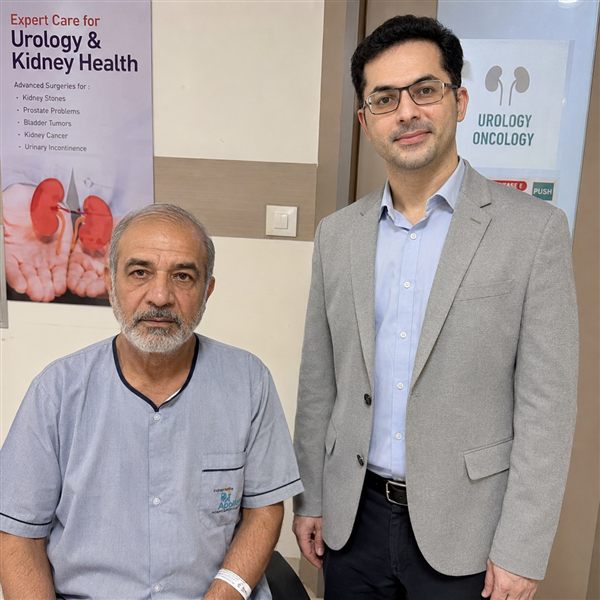
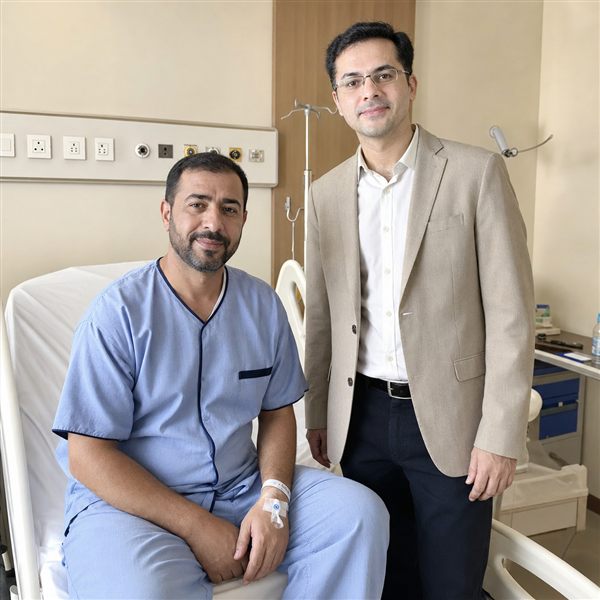
Patient Testimonials from Iraq




Ready to Take the First Step?
Share your Medical Reports with our Healthcare Managers Today and Get a FREE CONSULTATION, a Personalized Treatment Plan, and Complete Support from Arrival to Recovery.
Get Your Free ConsultationAreas We Serve
Indian Health Guru Consultants proudly assists patients from Iraq and surrounding Middle Eastern countries in accessing advanced, affordable and trusted medical treatment in India. Our team provides complete support for medical opinions, hospital selection, treatment planning, visa assistance, travel coordination, accommodation and post-treatment follow-up.
We regularly serve patients from:
- Iraq
- Turkey
- Iran
- Kuwait
- Jordan
- Syria
- Qatar
- Bahrain
- Oman
- Yemen
- Saudi Arabia
- United Arab Emirates
No matter where you are located, our experienced team is committed to making your medical journey to India safe, smooth, transparent and stress-free from the first enquiry to your return home.
From Iraq to India: Your Complete Patient Guide
- Liver Transplant in India for Iraqis
- Cosmetic and Aesthetic Surgery in India for Iraqis
- Heart Failure Treatment and Surgery in India for Iraqis
- Urosurgery and Reconstructive Urology in India for Iraqis
- Breast Cancer Treatment in India for Iraqi Patients
- Dental Implants and Smile Makeover in India for Iraqis
- Neurosurgery in India for Iraqis
- Paediatric Neurosurgery in India for Iraqis
- Paediatric Orthopaedic Surgery in India for Iraqis
- Radiotherapy and Modern Cancer Treatment in India for Iraqis
- Neuronavigation and Advanced Brain Surgery in India for Iraqis
- Laparoscopic and Robotic Myomectomy in India for Iraqis
- Penile Implant Surgery in India for Iraqis
- Knee Surgery in India for Iraqis
- Heart Valve Replacement in India for Iraqis
- Prostate Cancer Treatment and Surgery in India for Iraqis
- Pancreatic Cancer Surgery in India for Iraqis
- Oral and Maxillofacial Surgery in India for Iraqis