

Selecting the Best Kidney Transplant Surgeons and Hospitals in India: A Guide for Patients from Iraq
A doctor’s honest, question-by-question guide for patients from Iraq on vetting a kidney transplant hospital in India — ABO-incompatible expertise, accreditation, team composition, and the exact questions worth asking before you book anything.
Over the years, I have found that kidney transplant is one of the areas where Iraqi families most need a specific piece of information that general hospital marketing rarely provides: whether the specific centre they are considering has genuine, tracked experience with ABO-incompatible transplantation, the technique that allows a transplant to proceed even when a willing living donor’s blood type does not naturally match the recipient’s. In my experience of 24 years advising families through exactly this decision, this single capability, more than almost any other single factor, determines whether a family with a willing but blood-type-incompatible donor can avoid the long wait for a deceased-donor kidney entirely.
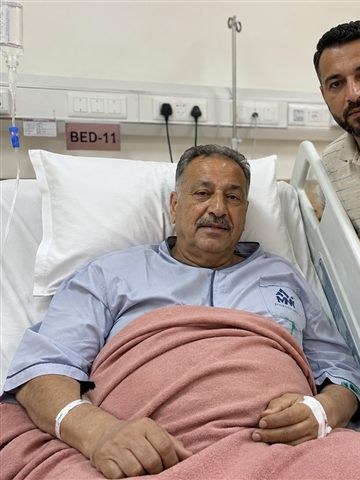
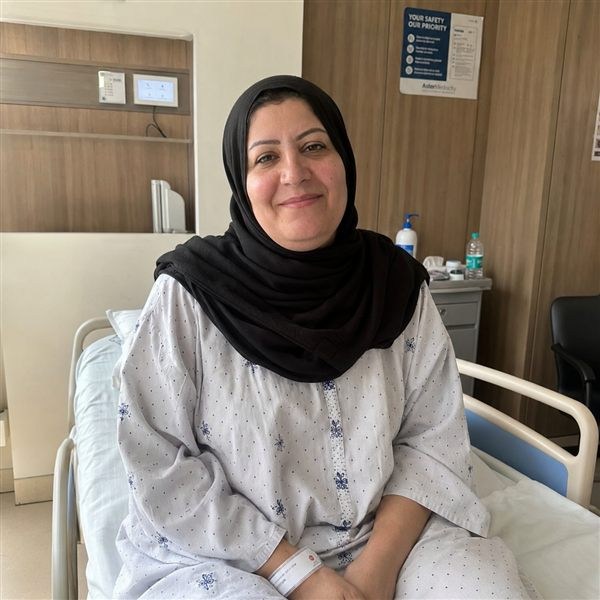
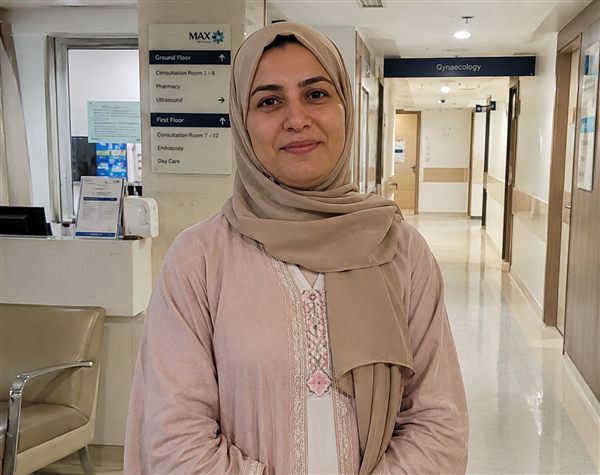
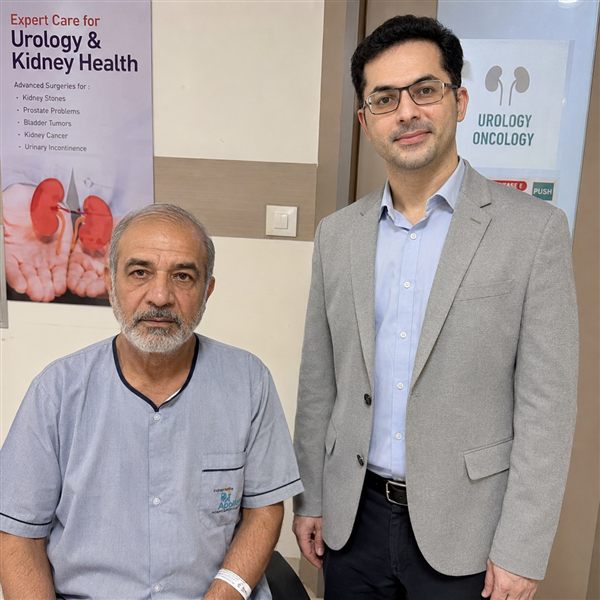
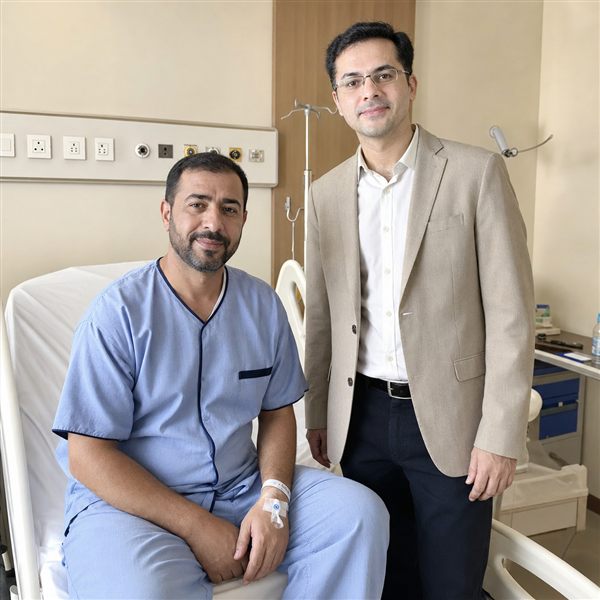
Healing Journeys of Iraqi Patients






Key Takeaways
- For Iraqi families considering kidney transplantation in India, the source identifies ABO-incompatible transplantation as a particularly important capability. This technique can allow a willing living donor to proceed with transplantation despite a blood-type mismatch, provided an appropriate desensitisation and transplant protocol is available. The guide therefore recommends evaluating a centre's specific experience with ABO-incompatible transplantation rather than relying only on its overall kidney transplant volume.
- The source describes India as having extensive experience with living-donor kidney transplantation, while deceased-donor transplantation represents a smaller proportion of national activity. It cites approximately 15% of kidney transplants nationally as coming from deceased donors and notes that roughly one in three healthy, willing living donors may be immunologically incompatible because of blood type or antibody sensitisation. A cited Indian centre reported 93% patient survival after its first 100 ABO-incompatible transplants at a median follow-up of nearly three years.
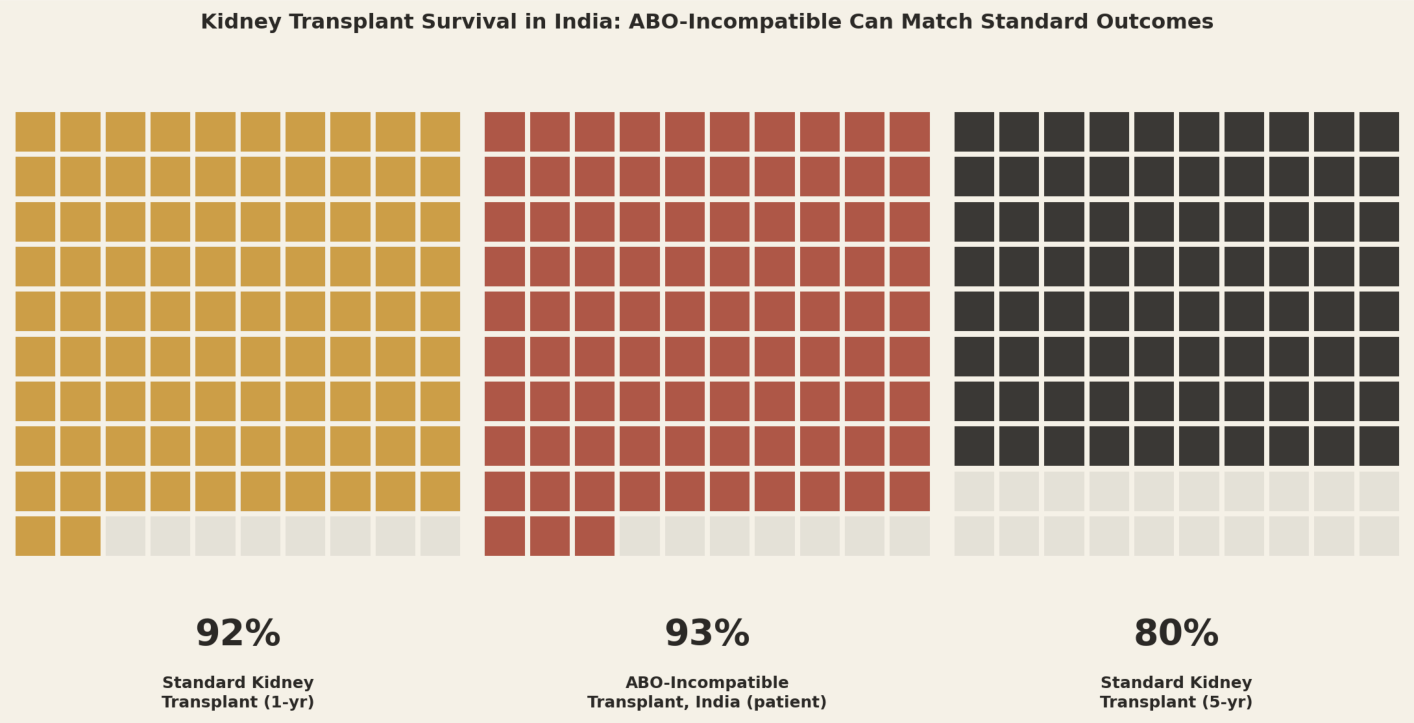
- The chart on page 2 compares illustrative published survival figures, showing approximately 92% one-year survival for standard kidney transplantation, 93% patient survival for ABO-incompatible transplantation and 80% five-year survival for standard kidney transplantation. The source uses these figures to demonstrate that well-managed ABO-incompatible transplantation can achieve outcomes comparable to standard transplantation, while stressing the importance of centre-specific experience.
- Accreditation should be one of the first checks for Iraqi families evaluating a transplant hospital. The guide recommends verifying JCI and NABH accreditation and then asking whether the hospital has a dedicated on-site transplant immunology laboratory. The source highlights that specialised transplant pathology and immunology expertise is concentrated more heavily in major metropolitan centres, making laboratory capability an important consideration when comparing hospitals.
- Compatibility-specific experience is more informative than general transplant volume when the donor-recipient relationship is immunologically challenging. Iraqi families with a blood-type-incompatible donor should ask how many ABO-incompatible transplants the specific centre has performed, its patient and graft survival for this technique, its rejection and post-transplant infection rates, and whether it participates in a kidney-paired donation or swap programme.
- Kidney transplantation requires a multidisciplinary team rather than one surgeon working independently. The source recommends a transplant surgeon, nephrologist, transplant immunologist and dedicated transplant coordinator. It also highlights the value of a living donor advocate whose role is specifically focused on protecting the donor's interests and confirming that the donor's decision is informed and voluntary.
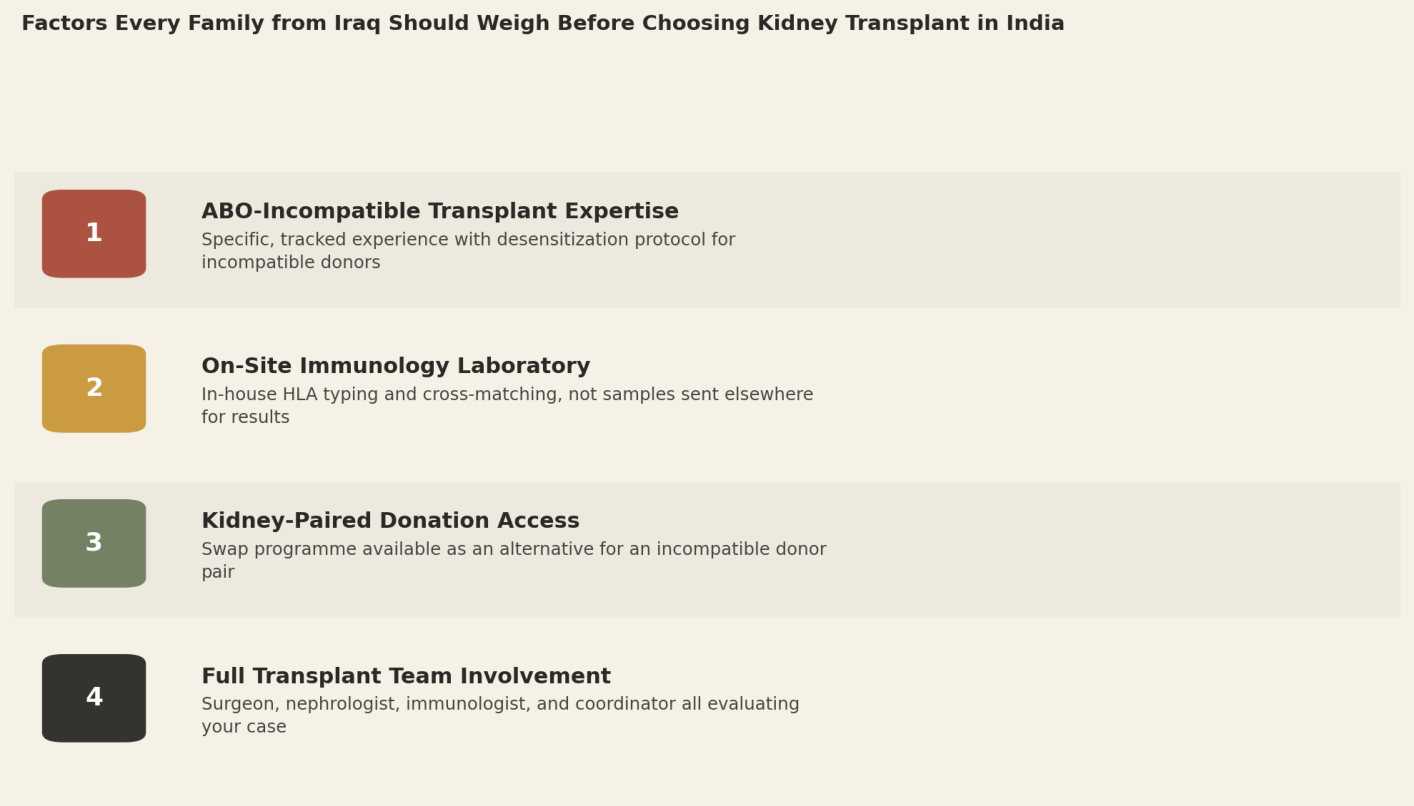
- The source identifies several warning signs: an inability to describe a specific ABO-incompatible protocol, dependence on external laboratories for critical compatibility testing, lack of compatibility-specific outcome data and failure to discuss kidney-paired donation as an alternative. The page 4 checklist places four priorities at the centre of the selection process: ABO-incompatible transplant expertise, an on-site immunology laboratory, access to kidney-paired donation and full transplant-team involvement.
Quick Facts
- Treatment
- Kidney transplantation
- Primary Patients
- Iraqi patients requiring kidney transplantation
- Main Speciality
- Kidney transplant surgery and transplant medicine
- Key Specialist
- Transplant surgeon with compatibility-specific experience
- Important Technique
- ABO-incompatible kidney transplantation
- Living Donation
- A major pathway for kidney transplantation
- ABO-Incompatible Outcome
- 93% patient survival in the cited first-100-case Indian centre experience
- Standard Transplant Survival
- Approximately 90–95% graft survival at one year in cited data
- Five-Year Survival
- Approximately 80% graft survival in cited standard-transplant data
- Compatibility Testing
- HLA typing and cross-matching
- Desensitisation
- May include plasmapheresis or antibody-reducing treatments
- Paired Donation
- Kidney-paired donation may provide an alternative for incompatible donor pairs
- Immunology Laboratory
- Dedicated on-site capability should be confirmed
- Transplant Team
- Surgeon, nephrologist, immunologist and coordinator
- Donor Protection
- Living donor advocate should be considered
- Infection Monitoring
- Ask for centre-specific post-transplant infection outcomes
- Rejection Monitoring
- Ask for centre-specific rejection outcomes
- Accreditation
- Verify JCI and NABH accreditation
- Compatibility Planning
- Donor-recipient compatibility should be assessed before final treatment planning
- Author
- Dr. Dheeraj Bojwani
- Experience
- 24+ Years
In Brief
For Iraqi families with a potential living kidney donor, the most important evaluation is whether the transplant centre has experience with the exact donor-recipient compatibility situation. A strong centre should be able to explain its ABO-incompatible experience, patient and graft outcomes, HLA and cross-matching process, desensitisation protocol, antibody monitoring, paired-donation options and the roles of the complete transplant team.
Why the Choice of Transplant Team in India Matters as Much as the Choice of Hospital
Based on my interactions with international patients, India’s own transplant landscape makes this point unusually clear. India is the global leader in living donor kidney transplantation by volume, yet ranks far lower, 68th globally, in deceased donor transplantation, with deceased donors contributing only around 15 percent of all kidney transplants nationally. This means that for the great majority of Indian kidney transplant patients, a living donor is not simply preferred, it is the realistic pathway, and roughly one in three healthy, willing living donors turn out to be immunologically incompatible with their intended recipient due to blood type or antibody sensitisation. A single Indian centre’s published experience with its first one hundred ABO-incompatible transplants reported a patient survival rate of 93 percent at a median follow-up of nearly three years, a result the authors describe as comparable to standard, blood-type-matched transplants, achieved through a specific desensitisation protocol performed before surgery. Standard living donor kidney transplants in India commonly report graft survival in the range of 90 to 95 percent at one year and roughly 80 percent at five years. This tells a family something important: a centre’s specific, tracked experience with ABO-incompatible technique, not simply its general transplant volume, is what determines whether an incompatible living donor can still be used.
How Patients from Iraq Can Verify a Kidney Transplant Hospital’s Accreditation in India
The fastest filter I recommend to every Iraqi family calling about kidney transplant is verifiable accreditation, not marketing language. Joint Commission International, JCI, audits a hospital’s overall clinical safety systems against the same standard used across the United States and Europe. The National Accreditation Board for Hospitals and Healthcare Providers, NABH, is India’s own domestic equivalent, and in my experience of 24 years advising families on this exact decision, a centre holding both marks together is a meaningfully stronger signal than either alone. For kidney transplant specifically, ask one further, very direct question: does this hospital have an on-site, dedicated transplant immunology laboratory, since published research has found that access to transplant pathology and immunology expertise remains concentrated in India’s major metropolitan centres, with far more limited access in smaller cities.
Kidney Transplant Volume and Compatibility-Specific Criteria That Predict Outcomes in India
Based on my interactions with dozens of kidney transplant programmes over the years, a centre’s specific, tracked experience with your exact donor-recipient compatibility situation, not simply its general transplant volume, is one of the clearest predictors of a good outcome. General transplant volume still matters as a baseline signal of overall programme experience, but it does not by itself confirm that a centre has specific, repeated success with the immunologically harder case your family may be facing. Ask directly, in writing:
- If my willing donor and I are blood-type incompatible, how many ABO-incompatible transplants has this specific centre performed, and what is their own reported patient and graft survival for this specific technique?
- Does the hospital participate in a kidney-paired donation, or swap, programme, which could match my incompatible donor with another patient's compatible donor as an alternative to desensitisation?
- What is the centre's own reported rate of rejection and post-transplant infection, given that both ABO-incompatible transplantation and the immunosuppression it requires carry specific, recognised risks?
- Who performs the pre-transplant compatibility testing and desensitisation protocol, and does this team have specific, dedicated transplant immunology training?
A centre confident in its own experience will answer these specifically. A centre that cannot describe a clear ABO-incompatible protocol, or that seems unfamiliar with the concept, deserves a second opinion before you commit.
Vetting a Kidney Transplant Hospital in India: A Guide for Patients from Iraq

Questions Patients from Iraq Should Ask About the Kidney Transplant Team in India
Kidney transplant is never genuinely the work of one surgeon alone. In my experience of 24 years watching these programmes operate, the strongest units bring together a transplant surgeon, a nephrologist managing both donor and recipient medical evaluation, a transplant immunologist specifically for compatibility testing and desensitisation where needed, and a dedicated transplant coordinator managing the practical logistics of donor evaluation and long-term follow-up. A living donor advocate, a team member specifically responsible for protecting the donor’s own interests and confirming their decision is fully informed and voluntary, is a further role worth confirming exists, since the donor’s wellbeing deserves dedicated attention separate from the recipient’s care team. Ask specifically who fills each of these roles for your case, and confirm that both the donor and recipient have been evaluated by this full team before a final surgical plan is set.
Kidney Transplant Technology Standards in India That Patients from Iraq Should Check
The specific technology and laboratory capability available change what a centre can safely offer. Ask whether the hospital’s immunology laboratory performs its own detailed HLA typing and cross-matching on-site, rather than sending samples elsewhere and waiting for results, since this affects both the speed and precision of compatibility assessment. For ABO-incompatible cases specifically, ask which desensitisation technique the centre uses, such as plasmapheresis or specific antibody-reducing treatments, and how the centre monitors antibody levels throughout the process. Ask also whether the hospital participates in a kidney-paired donation network, since this specific infrastructure, matching your incompatible donor with another patient’s compatible donor, can sometimes avoid the need for desensitisation altogether. Ask directly which of these specific capabilities apply to your case, not simply whether the hospital performs kidney transplants in general terms.
Red Flags Patients from Iraq Should Watch For When Choosing a Kidney Transplant Hospital in India
Over the years, certain patterns have become reliable warning signs for me. A hospital that cannot describe a specific ABO-incompatible desensitisation protocol, despite a genuine blood-type mismatch in your situation, may be steering you toward a longer deceased-donor wait rather than acknowledging a real living-donor option exists. A centre without an on-site immunology laboratory, relying on outside labs for critical compatibility testing, introduces delays and uncertainty into a process where timing matters. A centre that cannot state its own specific outcomes for your exact compatibility situation, offering only a general transplant success rate, has not given you information specific enough to be useful. And a centre that does not mention kidney-paired donation as a possible alternative for an incompatible donor pair is not presenting the full range of options current practice supports.
Factors Every Family from Iraq Should Weigh Before Choosing Kidney Transplant in India
A Closing Thought for Iraqi Families
Kidney transplant offers a family a genuine, life-changing option, and for the many families whose willing donor turns out to be blood-type incompatible, the specific centre’s real experience with ABO-incompatible technique can be the difference between transplant now and years on dialysis waiting for a deceased donor. Based on my interactions with international patients over more than two decades, the families who ask about compatibility-specific outcomes, immunology laboratory capability, and desensitisation protocol consistently make better-informed decisions than those who accept a general transplant success rate alone. My role, and the role of any advisor a family works with, should be to help you ask these exact questions and confirm honestly that the specific team and specific hospital in front of you are the right fit for your family’s exact situation. Iraq’s families deserve the same standard of scrutiny in this decision as any family anywhere else in the world.
Sources & Further Reading
- Joint Commission International (JCI) — Accredited Organizations Directory (jointcommissioninternational.org)
- National Accreditation Board for Hospitals & Healthcare Providers (NABH), India (nabh.co)
- PubMed Central — ABO-Incompatible Kidney Transplantation in India: A Single-Center Experience of First Hundred Cases (pmc.ncbi.nlm.nih.gov)
- PubMed — Current State of Live and Deceased Donor Kidney Transplantation in India: Challenges and Opportunities (pubmed.ncbi.nlm.nih.gov)
- National Organ and Tissue Transplant Organisation (NOTTO), India (notto.mohfw.gov.in)
Frequently Asked Questions by Iraqi Patients about Selecting a Kidney Transplant Surgeon and Hospital in India
Can Iraqi patients undergo kidney transplantation in India?
Yes. The source specifically addresses kidney transplantation for patients from Iraq and focuses on selecting Indian transplant centres with appropriate expertise, laboratory facilities and multidisciplinary teams.
What is ABO-incompatible kidney transplantation for Iraqi patients?
ABO-incompatible transplantation allows a living donor and recipient with incompatible blood types to potentially proceed with transplantation using an appropriate desensitisation protocol and specialised transplant management.
How successful is ABO-incompatible kidney transplantation in India?
The source cites a 93% patient survival rate from an Indian centre's first 100 ABO-incompatible transplants at a median follow-up of nearly three years. Individual outcomes depend on the patient's circumstances and centre expertise.
Should Iraqi patients ask about kidney-paired donation if their donor is incompatible?
Yes. Kidney-paired donation or a swap programme may match an incompatible donor with another recipient while providing the intended patient with a compatible donor, potentially avoiding desensitisation.
What compatibility tests are needed before kidney transplantation?
The guide recommends asking about detailed HLA typing and cross-matching and confirming whether these tests are performed on-site by the hospital's transplant immunology laboratory.
What desensitisation treatments may be used for ABO-incompatible kidney transplantation?
The source specifically mentions approaches such as plasmapheresis and antibody-reducing treatments. The transplant team should explain which protocol is appropriate and how antibody levels will be monitored.
What specialists should be involved in an Iraqi patient's kidney transplant?
The recommended team includes a transplant surgeon, nephrologist, transplant immunologist and dedicated transplant coordinator. A living donor advocate is also an important role for protecting the donor's interests.
What kidney transplant outcomes should Iraqi patients ask hospitals for?
Patients should request outcomes specific to their compatibility situation, including patient and graft survival, rejection rates and post-transplant infection rates rather than relying only on a general transplant success percentage.
Why is an on-site transplant immunology laboratory important?
An on-site laboratory can perform HLA typing and cross-matching without depending on external laboratories. The guide highlights its importance for timely and precise compatibility assessment, particularly in complex donor-recipient situations.
What should Iraqi families check before choosing a kidney transplant hospital in India?
They should verify accreditation, ABO-incompatible transplant experience, compatibility-specific outcomes, on-site immunology facilities, desensitisation protocols, kidney-paired donation access and involvement of the complete transplant team.
Page Summary
Kidney transplantation for Iraqi patients requires careful evaluation of both the transplant hospital and the donor-recipient compatibility situation. The source places particular emphasis on ABO-incompatible transplantation because it may provide a living-donor pathway when blood types do not match, provided the centre has appropriate immunology expertise, desensitisation protocols and experience with the technique.
A suitable Indian transplant centre should provide a dedicated multidisciplinary team, on-site compatibility testing, appropriate immunology facilities and access to kidney-paired donation where relevant. Iraqi families should compare compatibility-specific outcomes rather than relying only on a hospital's general kidney transplant success rate.
Citation Block
| Field | Details |
|---|---|
| Article / Topic | Selecting the Best Kidney Transplant Surgeons and Hospitals in India |
| Primary Patients | Patients from Iraq |
| Treatment Area | Kidney transplantation |
| Key Technique | ABO-incompatible kidney transplantation |
| Main Transplant Pathway | Living-donor kidney transplantation |
| Deceased-Donor Contribution | Approximately 15% of kidney transplants cited nationally |
| Potential Incompatibility | Approximately one in three healthy willing living donors cited as immunologically incompatible |
| ABO-Incompatible Study | First 100 cases at one Indian centre |
| ABO-Incompatible Patient Survival | 93% at median follow-up of nearly three years |
| Standard One-Year Graft Survival | Approximately 90–95% |
| Standard Five-Year Graft Survival | Approximately 80% |
| Accreditation | JCI and NABH |
| Immunology Facility | Dedicated on-site transplant immunology laboratory |
| Compatibility Testing | HLA typing and cross-matching |
| Desensitisation | Plasmapheresis or specific antibody-reducing treatments may be used |
| Antibody Monitoring | Should be performed throughout desensitisation |
| Paired Donation | Kidney-paired donation or swap may be an alternative |
| Core Team | Transplant surgeon, nephrologist, immunologist and coordinator |
| Donor Protection | Living donor advocate |
| Outcome Measures | Patient survival, graft survival, rejection and infection |
| Pre-Transplant Planning | Full donor and recipient evaluation |


Our Mission Statement
Our mission is to place patients at the centre of every healthcare decision by providing trustworthy, evidence-based, and unbiased medical information. We believe that informed patients make better decisions. Backed by personalised guidance from our experienced advisory team, we help patients understand their treatment options, compare them objectively, and confidently choose the path that best suits their medical needs and personal circumstances.
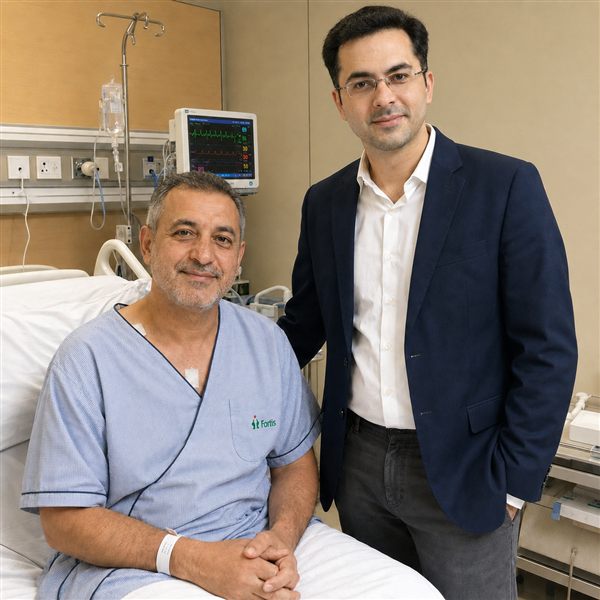
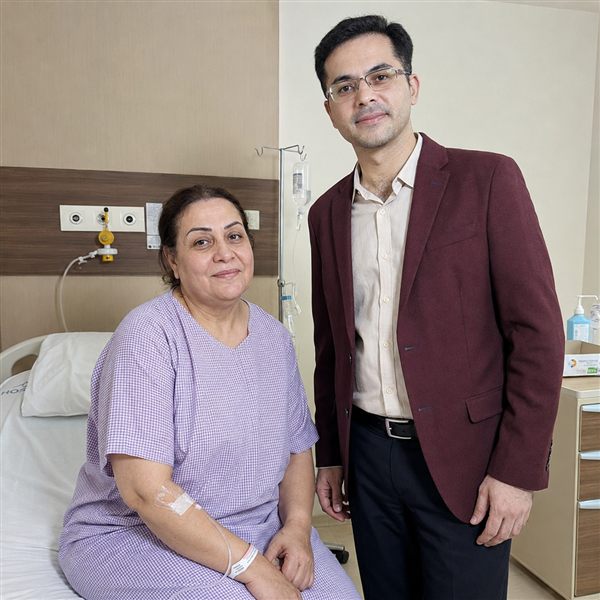
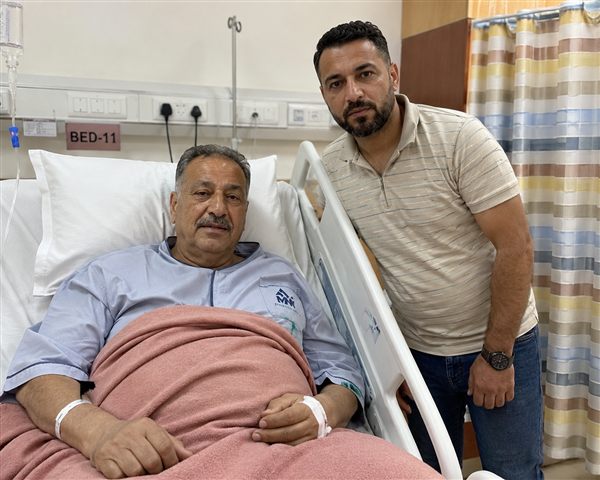
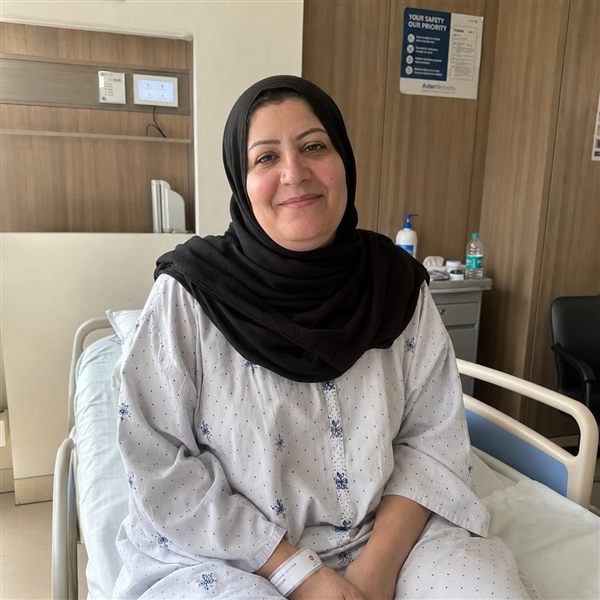
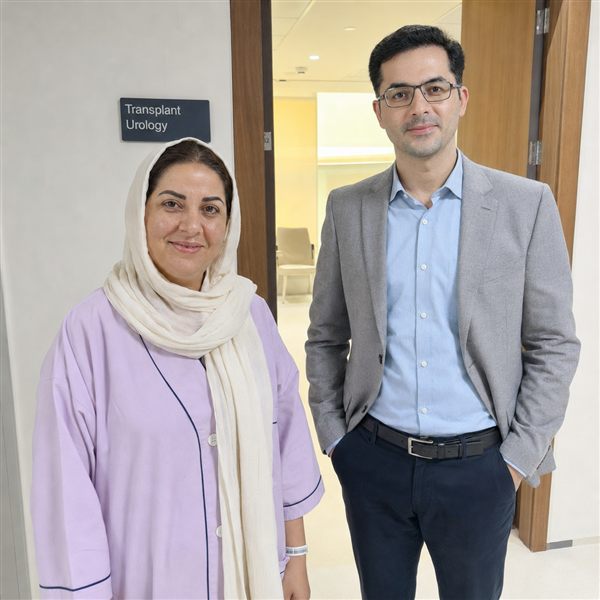
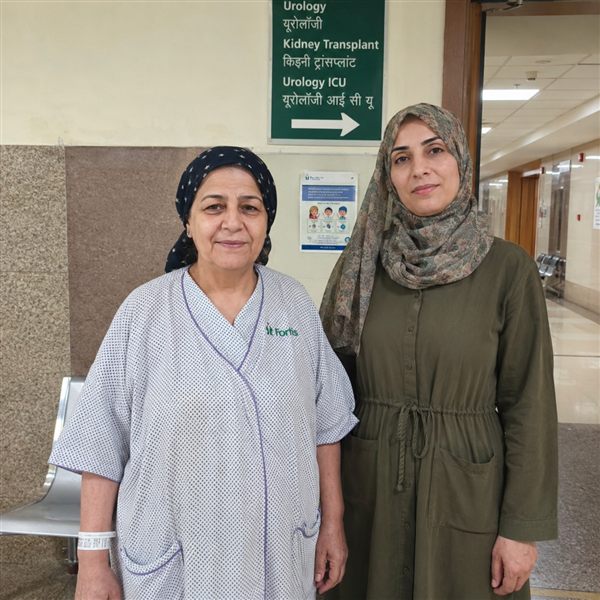
Patient Testimonials from Iraq





Ready to Take the First Step?
Share your Medical Reports with our Healthcare Managers Today and Get a FREE CONSULTATION, a Personalized Treatment Plan, and Complete Support from Arrival to Recovery.
Get Your Free ConsultationAreas We Serve
Indian Health Guru Consultants proudly assists patients from Iraq and surrounding Middle Eastern countries in accessing advanced, affordable and trusted medical treatment in India. Our team provides complete support for medical opinions, hospital selection, treatment planning, visa assistance, travel coordination, accommodation and post-treatment follow-up.
We regularly serve patients from:
- Iraq
- Turkey
- Iran
- Kuwait
- Jordan
- Syria
- Qatar
- Bahrain
- Oman
- Yemen
- Saudi Arabia
- United Arab Emirates
No matter where you are located, our experienced team is committed to making your medical journey to India safe, smooth, transparent and stress-free from the first enquiry to your return home.
From Iraq to India: Your Complete Patient Guide
- Dental Surgery in India for Iraqis
- Gamma Knife Treatment in India for Iraqis
- Weight Loss and Bariatric Surgery in India for Iraqis: Cost & Guide
- Knee Surgery in India for Iraqis
- Urosurgery and Reconstructive Urology in India for Iraqis
- Spine Surgery in India for Iraqis
- Neurosurgery in India for Iraqis
- Prostate Cancer Treatment and Surgery in India for Iraqis
- Breast Cancer Treatment in India for Iraqi Patients
- Heart Failure Treatment and Surgery in India for Iraqis
- Cardiac Pacemaker Treatment in India for Iraqi Patients
- IVF and Fertility Treatment in India for Iraqis
- Cornea Transplant and Advanced Eye Surgery in India for Iraqis
- Cancer Treatment in India for Iraqi Patients
- Leukemia, Lymphoma and Blood Cancer Treatment in India for Iraqis
- Robotic Cancer Surgery in India for Iraqis
- Heart Valve Replacement in India for Iraqis
- Parkinson's Treatment and DBS Surgery in India for Iraqis