

Selecting the Best Bone Marrow Transplant Surgeons and Hospitals in India: A Guide for Patients from Iraq
A doctor’s honest, question-by-question guide for patients from Iraq on vetting a bone marrow transplant hospital in India — accreditation, volume, team composition, and the exact questions worth asking before you book anything.
Over the years, I have noticed the same pattern in almost every phone call I get from an Iraqi family facing a bone marrow transplant: by the time they reach me, they have already collected five or six glossy hospital brochures, each one claiming to be “the best” in India. In my experience, that word, best, is nearly meaningless on its own. What actually predicts whether a transplant succeeds is a specific, checkable set of facts about the exact hospital and the exact physician in front of you, not a marketing slogan. This guide walks through precisely what those facts are, and how to verify them yourself before you commit your family’s time, money, and hope to a specific programme.
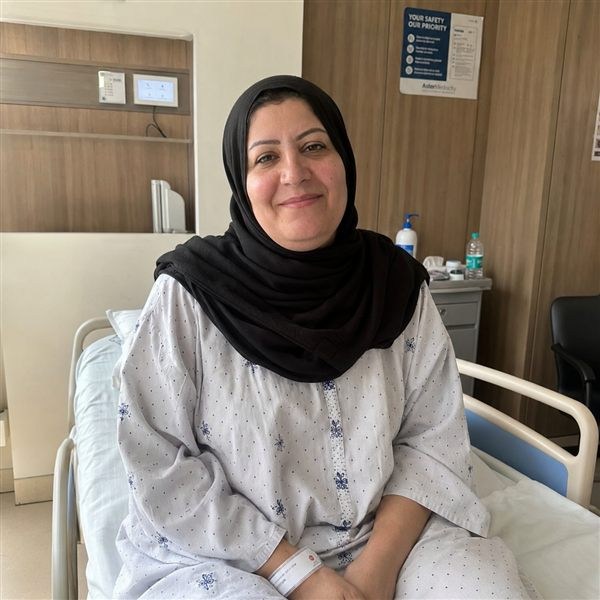
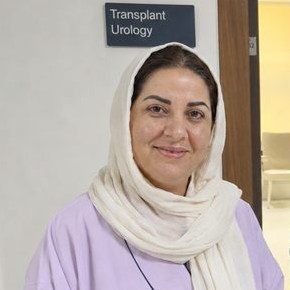
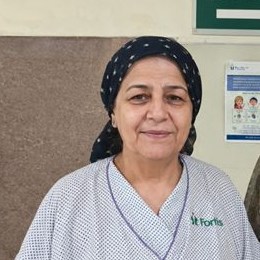
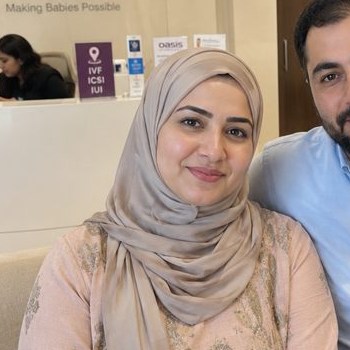
Healing Journeys of Iraqi Patients

Key Takeaways
- For Iraqi families considering a bone marrow transplant in India, the choice of hospital and transplant team can matter as much as the country itself. The source states that reported outcomes in India range from roughly 70% to above 90%, with the variation strongly influenced by the specific hospital, team and transplant category. Sibling-donor allogeneic transplantation is described as commonly reporting outcomes around 75–90%, while unrelated-donor transplantation is generally closer to 60–70% because of greater immunological complexity. These figures should always be interpreted in relation to the patient’s disease, transplant type and clinical risk rather than accepted as a universal hospital success rate.
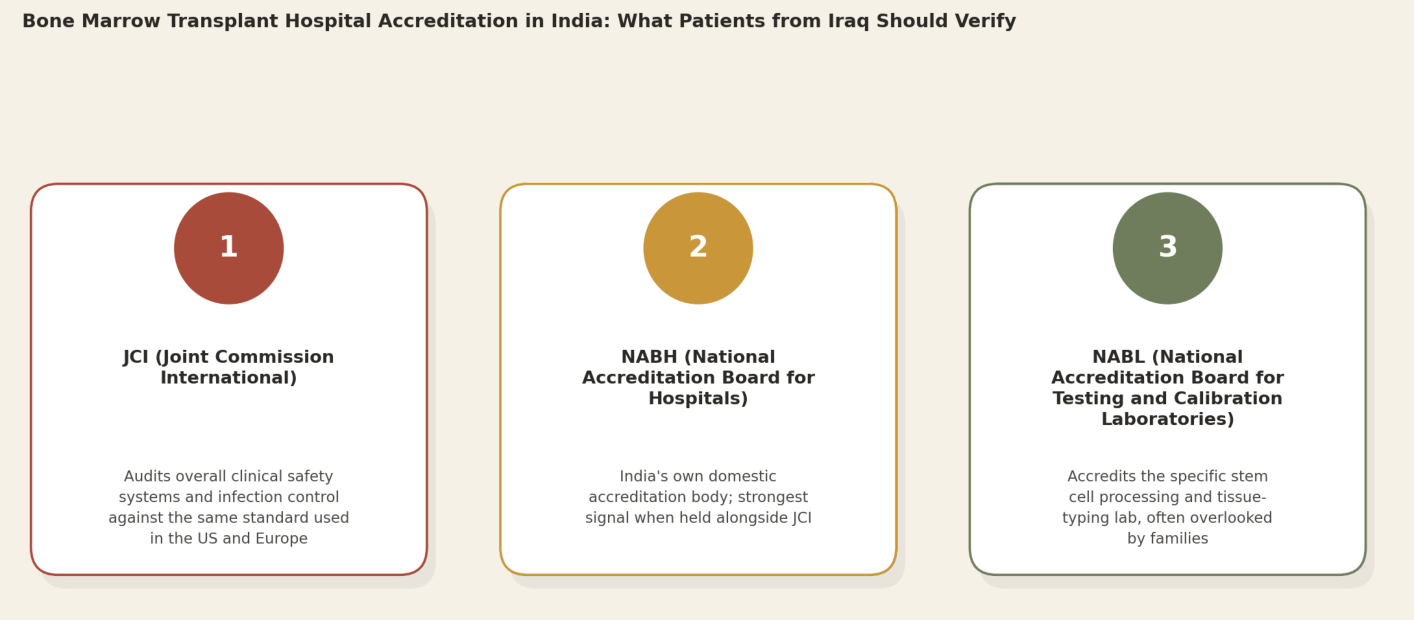
- Accreditation is presented as one of the quickest ways for Iraqi families to screen a BMT hospital in India. The guide identifies JCI, NABH and NABL as three important checks, but each relates to a different part of the transplant pathway. JCI assesses broader hospital safety systems and infection control, NABH provides India’s hospital accreditation framework, while NABL accreditation is particularly relevant to the stem cell processing and tissue-typing laboratory where donor matching and graft preparation take place. The source specifically warns that strong hospital accreditation alongside an unaccredited processing laboratory represents an important gap to investigate.
- The transplant type should be established before comparing success rates. The chart on page 2 illustrates reported ranges of approximately 80–95% for autologous transplantation, 75–90% for sibling-donor allogeneic transplantation and 60–70% for unrelated-donor allogeneic transplantation. The source explains that autologous transplantation uses the patient’s own stem cells and avoids donor-matching risk, while sibling-donor transplantation benefits from a closer immunological match. Unrelated-donor transplantation can be more variable and therefore requires particularly careful evaluation of the individual centre’s experience.
- Transplant volume and physician experience are also important selection criteria. Iraqi families should ask how many autologous and allogeneic transplants the specific centre performed during the previous 12 months, how long the lead transplant physician has performed the exact procedure, and where that physician trained. They should also ask for the centre’s graft-failure rate and severe graft-versus-host disease rate rather than relying only on an overall survival figure. A hospital that can provide specific answers is more transparent than one that responds only with general claims about being among the best in India.
- A BMT programme should be evaluated as a multidisciplinary service rather than as the work of one surgeon or physician. The guide identifies a dedicated transplant haematologist, infectious-disease specialist, transfusion-medicine specialist and transplant coordinator as important members of a strong programme. Iraqi families should ask who will perform each role and how much transplant-specific experience those professionals have. This is especially relevant because infection prevention, blood-product support, donor coordination and communication are integral parts of the transplant pathway.
- The physical infrastructure of the transplant unit is another clinical consideration. The source recommends asking whether the patient’s room is HEPA-filtered and maintained under positive pressure, because transplant recipients can have severely suppressed immunity and are vulnerable to airborne pathogens. It also recommends asking about the nurse-to-patient ratio during the highest-risk period, particularly the first two weeks following transplantation. These details provide a more meaningful picture of the centre’s transplant environment than general hospital facilities alone.
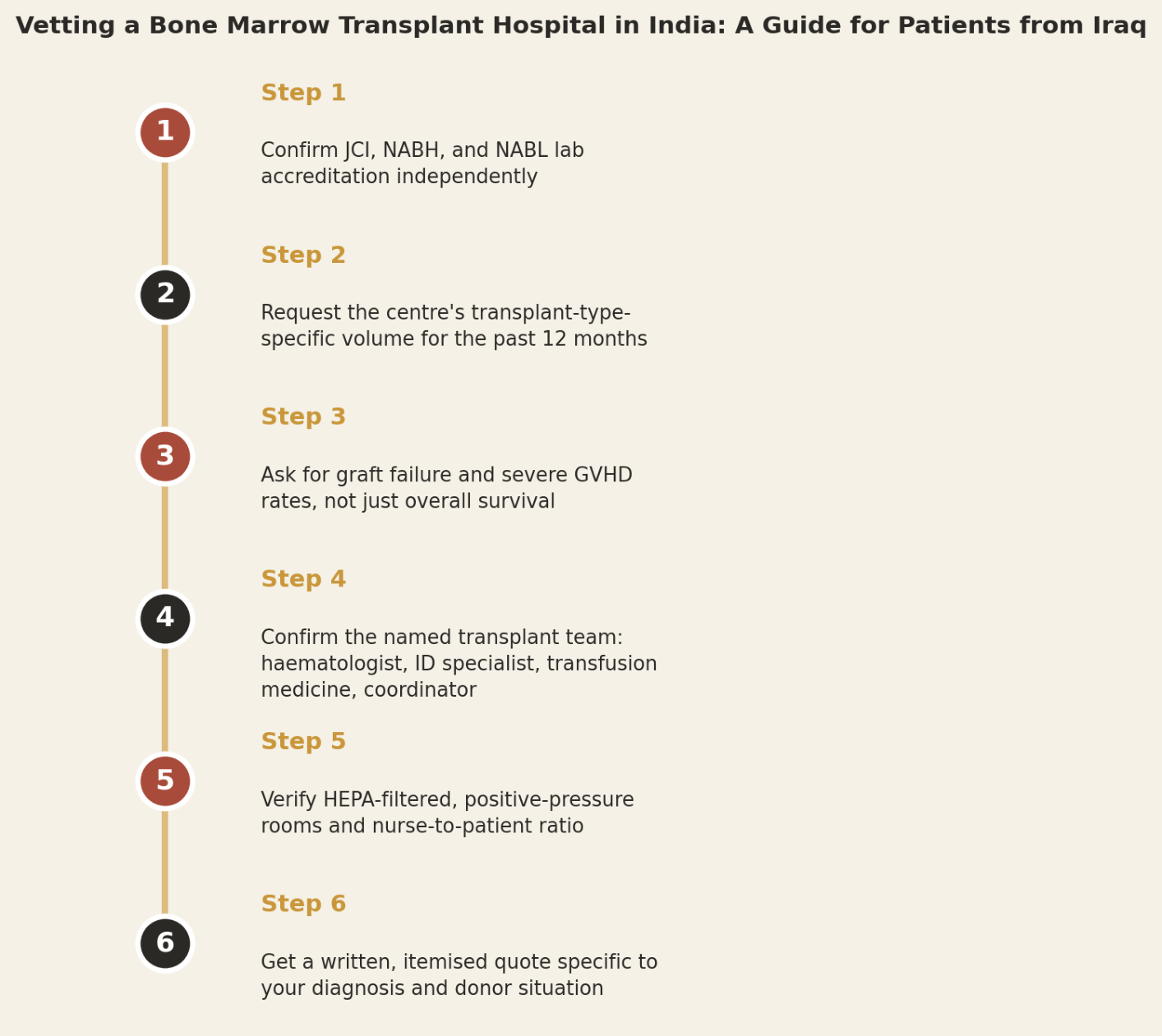
- The selection process should finish with a written, diagnosis-specific assessment rather than a generic transplant quotation. The visual checklist on page 4 summarises six key steps: independently verify JCI, NABH and NABL accreditation; request transplant-type-specific volume for the previous 12 months; ask about graft failure and severe GVHD; confirm the named transplant team; verify HEPA-filtered positive-pressure rooms and nursing ratios; and obtain an itemised quotation based on the diagnosis and donor situation. The source also identifies a flat transplant price without reviewing diagnosis, disease stage and donor availability, vague answers about laboratory accreditation or transplant volume, and discouraging a second opinion as important warning signs.
Quick Facts
- Treatment
- Bone marrow and stem cell transplantation in India
- Primary Patients
- Patients and families from Iraq
- Main Speciality
- Haematology and bone marrow transplantation
- Key Specialist
- Dedicated transplant haematologist
- Main Transplant Types
- Autologous and allogeneic transplantation
- Autologous Reported Range
- Approximately 80–95%
- Sibling-Donor Allogeneic Range
- Approximately 75–90%
- Unrelated-Donor Allogeneic Range
- Approximately 60–70%
- Key Accreditation
- JCI and NABH for hospital systems
- Laboratory Accreditation
- NABL for relevant stem-cell processing and tissue-typing laboratories
- Outcome Checks
- Graft failure and severe GVHD rates should be requested
- Volume Check
- Ask for the centre’s transplant volume during the previous 12 months
- Team
- Transplant haematologist, infectious-disease specialist, transfusion specialist and transplant coordinator
- Infrastructure
- HEPA-filtered, positive-pressure isolation rooms
- Nursing Support
- Ask about the nurse-to-patient ratio during the first two weeks
- Patient Safety
- Infection-control and transplant-specific monitoring are essential
- Cost Assessment
- Request an itemised quote based on diagnosis and donor situation
- Second Opinion
- Patients should be able to seek an independent second opinion
- Pre-Travel
- Share diagnosis, disease stage and donor information for case assessment
- Follow-Up
- Confirm the transplant centre’s post-transplant monitoring plan
- Documentation
- Keep transplant records, laboratory reports and treatment documentation
- Author
- Dr. Dheeraj Bojwani
- Experience
- 24+ Years
In Brief
For Iraqi families, selecting a bone marrow transplant centre in India should be based on verifiable transplant-specific evidence rather than hospital reputation alone. The most important questions involve the exact transplant category, centre volume, physician experience, graft-failure and severe GVHD rates, accreditation of both the hospital and stem-cell laboratory, multidisciplinary team composition, infection-control infrastructure and the availability of a diagnosis- and donor-specific treatment plan. The source’s central recommendation is to obtain specific answers before travelling and confirm that the particular transplant team and hospital are appropriate for the patient’s individual case.
Why the Choice of Hospital in India Matters as Much as the Choice of Country
In my experience of 24 years advising international patients, I can tell you plainly that “India” is not a single answer. Reported bone marrow transplant success rates in the country genuinely range from roughly 70 percent to over 90 percent, and that spread is driven almost entirely by which specific hospital and team perform the procedure, not by the country as a whole. A sibling-donor allogeneic transplant at an experienced centre commonly reports outcomes in the 75 to 90 percent range, while an unrelated-donor transplant, which is immunologically more complex, typically reports outcomes closer to 60 to 70 percent even at strong centres. These are not numbers a family should take on faith from a hospital’s own marketing page; they are numbers a hospital should be willing to discuss openly, with context about which patients and conditions they apply to.
How Patients from Iraq Can Verify a Bone Marrow Transplant Hospital’s Accreditation in India
The single fastest filter I recommend to every Iraqi family I speak with is accreditation, because it is independently verifiable and cannot be faked in a brochure. Three accreditation marks matter specifically for a BMT programme, and each checks something different.
Joint Commission International, JCI, is the accreditation most internationally recognised outside India, and it audits a hospital’s overall clinical safety systems, infection control protocols, and patient safety culture against the same standard used to evaluate hospitals in the United States and Europe.
The National Accreditation Board for Hospitals and Healthcare Providers, NABH, is India’s own domestic accreditation body, and a growing number of leading transplant centres now hold both JCI and NABH simultaneously, which in my experience is a meaningfully stronger signal than either one alone.
The National Accreditation Board for Testing and Calibration Laboratories, NABL, is the one most families overlook, and it specifically accredits the stem cell processing and tissue-typing laboratory attached to the transplant unit, the part of the process where the actual donor match is confirmed and the graft itself is prepared. A hospital with excellent clinical accreditation but an unaccredited processing lab is a genuine gap worth asking about directly.
Understanding Bone Marrow Transplant Success Rate Data in India by Transplant Type
One thing I always tell Iraqi families directly: never accept a single, blended “success rate” number from a hospital without asking what it actually measures. A bone marrow transplant’s expected outcome depends heavily on which of three broad categories it falls into, and a hospital’s marketing number often blends all three together in a way that flatters the average case rather than describing yours specifically.
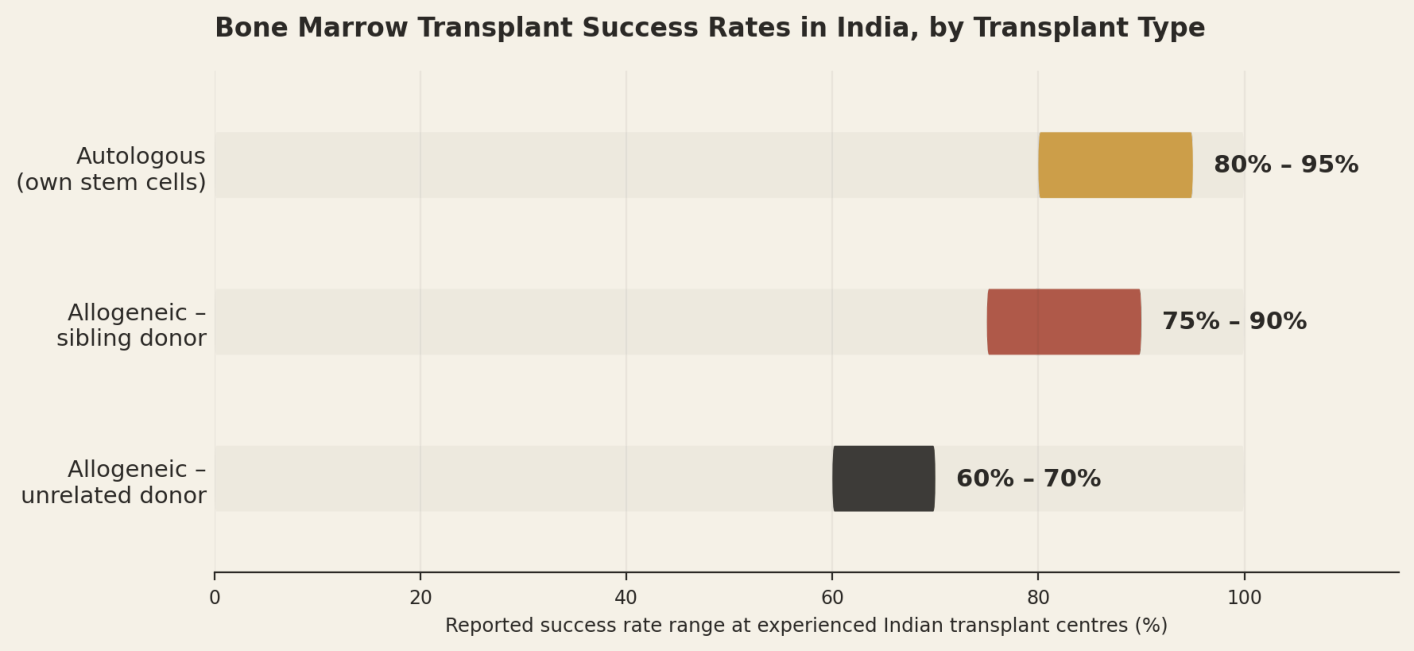
Autologous transplants, using the patient’s own stem cells, generally carry the most favourable outcomes since there is no donor-matching risk involved at all. Sibling-donor allogeneic transplants come next, benefiting from a closer immunological match. Unrelated-donor allogeneic transplants, while often the only option for patients without a matched family donor, carry meaningfully more variability, and this is precisely where a specific hospital’s actual experience, not the country’s reputation, matters most. Ask directly which category your case falls into, and ask for the hospital’s own reported outcomes for that specific category, not the institution-wide average.
The Volume and Experience Metrics That Predict Bone Marrow Transplant Outcomes in India
In my experience of 24 years advising families on this exact decision, transplant volume is one of the most reliable, and most commonly ignored, predictors of outcome. A transplant physician who performs a genuinely high number of BMT procedures a year, and has done so consistently over many years, will have encountered a far wider range of complications, and will have developed a far more refined instinct for managing them early, than one who performs the procedure occasionally. Ask directly, in writing:
- How many allogeneic transplants, and how many autologous transplants, has this specific centre performed in the past twelve months?
- How long has the lead transplant physician been performing this exact procedure, and where did they train?
- Does the hospital’s stem cell laboratory hold its own NABL accreditation, separate from the hospital’s general accreditation?
- What is the hospital’s graft failure rate and its rate of severe graft-versus-host disease specifically, not simply its overall survival rate?
A hospital confident in its own outcomes will answer these questions specifically and promptly. A hospital that deflects, or offers only a general “we are one of the best in India” response, is telling you something important by that evasion alone.
Questions Patients from Iraq Should Ask About the Transplant Team in India
A bone marrow transplant is never really the work of one surgeon. Based on my interactions with dozens of transplant programmes over the years, the strongest units share a specific team structure: a dedicated transplant haematologist leading the case, an infectious disease specialist embedded in the unit given how vulnerable a post-transplant patient is to infection, a transfusion medicine specialist overseeing the blood product support the patient will need, and a dedicated transplant coordinator managing the practical logistics of donor searches, insurance, and family communication. Ask specifically who fills each of these roles for your case, by name, and ask how long each of them has worked specifically in transplant medicine, not general haematology or general internal medicine.
Bone Marrow Transplant Infrastructure Standards in India That Patients from Iraq Should Check
The physical environment a transplant patient recovers in is not a comfort detail; it is a clinical safety feature. The leading Indian transplant units are built around HEPA-filtered, positive-pressure isolation rooms specifically designed to protect a patient whose immune system has been deliberately suppressed from airborne pathogens, and the best units maintain a nursing ratio close to one nurse for every patient during the highest-risk early post-transplant period, rather than the lower ratios used on general wards. Ask directly whether the specific room your family member will occupy is HEPA-filtered and positive-pressure, and ask what the nurse-to-patient ratio is during the first two weeks after transplant specifically, since this is when infection risk is highest.
Red Flags Patients from Iraq Should Watch For at a BMT Hospital in India
Over the years, I have learned to treat certain patterns as genuine warning signs rather than simply differences in style. A hospital that quotes a single flat price for “a bone marrow transplant” without first reviewing the patient’s specific diagnosis, donor availability, and disease stage is very likely underestimating the true cost and complexity of the case. A hospital that cannot name its stem cell laboratory’s specific accreditation status, or that answers a volume question with a vague reassurance rather than a number, deserves a second opinion before you commit. And a hospital that discourages a second opinion at all is, in my experience, one of the clearest warning signs a family can encounter.
Vetting a Bone Marrow Transplant Hospital in India: A Guide for Patients from Iraq
A Closing Thought for Iraqi Families
Choosing where to have a bone marrow transplant performed is, without exaggeration, one of the most consequential medical decisions an Iraqi family will ever make, and it deserves to be made on verifiable facts, not on the strength of a hospital’s marketing photography. Based on my interactions with international patients over more than two decades, the families who do best are the ones who ask the specific questions in this guide before they travel, not after. My role, and the role of any advisor a family works with, should be to help you ask these exact questions, get real answers, and confirm that the specific team and specific hospital in front of you, not simply the country of India in the abstract, is the right choice for your family’s specific case. Iraq’s families deserve the same standard of scrutiny in this decision as any family anywhere else in the world.
Sources & Further Reading
- Joint Commission International (JCI) — Accredited Organizations Directory (jointcommissioninternational.org)
- National Accreditation Board for Hospitals & Healthcare Providers (NABH), India (nabh.co)
- National Accreditation Board for Testing and Calibration Laboratories (NABL), India (nabl-india.org)
- National Marrow Donor Program / Be The Match — Transplant Outcomes Data (bethematch.org)
- European Society for Blood and Marrow Transplantation (EBMT) — Outcome Registries (ebmt.org)
Frequently Asked Questions by Iraqi Patients about Selecting a BMT Surgeon and Hospital in India
What type of bone marrow transplant should an Iraqi patient receive in India?
The appropriate transplant type depends on the patient's disease and donor situation. The source distinguishes autologous, sibling-donor allogeneic and unrelated-donor allogeneic transplantation and recommends asking the hospital which category applies to the individual case.
What are the reported success rates for bone marrow transplantation in India for Iraqi patients?
The guide presents illustrative ranges of about 80–95% for autologous transplantation, 75–90% for sibling-donor allogeneic transplantation and 60–70% for unrelated-donor transplantation. These are not universal guarantees and should be matched to the patient's specific case.
How can Iraqi patients verify a bone marrow transplant hospital in India?
Families should independently check JCI and NABH hospital accreditation and also verify NABL accreditation for the relevant stem-cell processing and tissue-typing laboratory. NABH currently provides an online directory for checking accredited healthcare organisations.
How much BMT experience should an Indian hospital have for an Iraqi patient?
The source recommends asking for the number of autologous and allogeneic transplants performed by the centre during the previous 12 months. Families should also ask about the lead physician's experience with the exact transplant procedure.
What bone marrow transplant outcome figures should Iraqi patients ask for?
Instead of requesting only overall survival, families should ask for transplant-type-specific results, including graft-failure rates and severe graft-versus-host disease rates. These figures can provide a more relevant picture of the centre's experience.
Which specialists should be part of a bone marrow transplant team in India?
A strong transplant programme should include a dedicated transplant haematologist, infectious-disease specialist, transfusion-medicine specialist and transplant coordinator. Families should confirm the names and transplant-specific experience of these team members.
What infection-control facilities should Iraqi patients check before BMT in India?
The guide recommends asking whether the transplant room is HEPA-filtered and maintained under positive pressure. Families should also ask about nursing coverage during the first two weeks, when infection risk is particularly important.
Why is NABL accreditation important for Iraqi patients undergoing BMT in India?
NABL accreditation is particularly relevant to the stem-cell processing and tissue-typing laboratory. According to the source, this is where donor matching is confirmed and the graft is prepared, so laboratory accreditation should be checked separately from hospital accreditation.
Should Iraqi patients get a second opinion before choosing a BMT hospital in India?
Yes. The source specifically identifies a hospital that discourages a second opinion as a warning sign. Families should have the opportunity to compare the diagnosis, transplant approach, outcomes, donor assessment and treatment plan before committing.
What should an Iraqi family ask before accepting a bone marrow transplant quotation from India?
The quotation should be based on the patient's specific diagnosis, disease stage and donor availability rather than a generic BMT package. The guide recommends obtaining a written, itemised quote and confirming exactly what the proposed transplant plan covers.
Page Summary
Selecting a bone marrow transplant hospital in India for an Iraqi patient requires evaluation of the specific transplant type, hospital and laboratory accreditation, transplant volume, physician experience and outcome measures. The source emphasises that overall hospital survival figures can be misleading when they combine different transplant categories, and families should instead request outcomes relevant to their particular transplant type.
The guide also stresses that transplant quality depends on the wider clinical environment. Iraqi families should confirm the named multidisciplinary team, HEPA-filtered positive-pressure rooms, appropriate nursing support, stem-cell laboratory accreditation and a written treatment quotation based on the patient's diagnosis and donor situation. A centre that avoids specific questions or discourages a second opinion should be approached cautiously.
Citation Block
| Field | Details |
|---|---|
| Article / Topic | Selecting the Best Bone Marrow Transplant Surgeons and Hospitals in India |
| Target Patients | Patients from Iraq |
| Treatment Area | Bone marrow and stem cell transplantation |
| Main Selection Criteria | Accreditation, volume, outcomes, team and infrastructure |
| Major Transplant Types | Autologous and allogeneic |
| Autologous Outcome Range | 80–95% reported range |
| Sibling-Donor Outcome Range | 75–90% reported range |
| Unrelated-Donor Outcome Range | 60–70% reported range |
| Hospital Accreditation | JCI and NABH |
| Laboratory Accreditation | NABL |
| Laboratory Role | Stem-cell processing and tissue typing |
| Outcome Assessment | Ask for transplant-type-specific outcomes |
| Volume Assessment | Request the previous 12 months' transplant volume |
| Physician Assessment | Confirm experience with the exact transplant procedure |
| Important Clinical Metrics | Graft failure and severe GVHD rates |
| Lead Specialist | Dedicated transplant haematologist |
| Supporting Specialists | Infectious disease and transfusion medicine specialists |
| Coordination | Dedicated transplant coordinator |
| Isolation Infrastructure | HEPA-filtered, positive-pressure rooms |
| Nursing Assessment | Verify nurse-to-patient ratio during the first two weeks |
| Cost Assessment | Diagnosis- and donor-specific itemised quotation |
| Second Opinion | Should be encouraged rather than discouraged |
| Major Red Flag | Flat price without reviewing diagnosis and donor situation |
| Major Selection Principle | Choose the specific team and hospital based on the patient's exact case |


Our Mission Statement
Our mission is to place patients at the centre of every healthcare decision by providing trustworthy, evidence-based, and unbiased medical information. We believe that informed patients make better decisions. Backed by personalised guidance from our experienced advisory team, we help patients understand their treatment options, compare them objectively, and confidently choose the path that best suits their medical needs and personal circumstances.
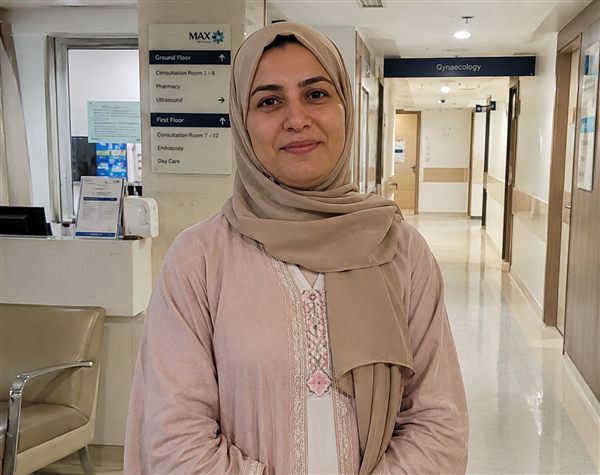
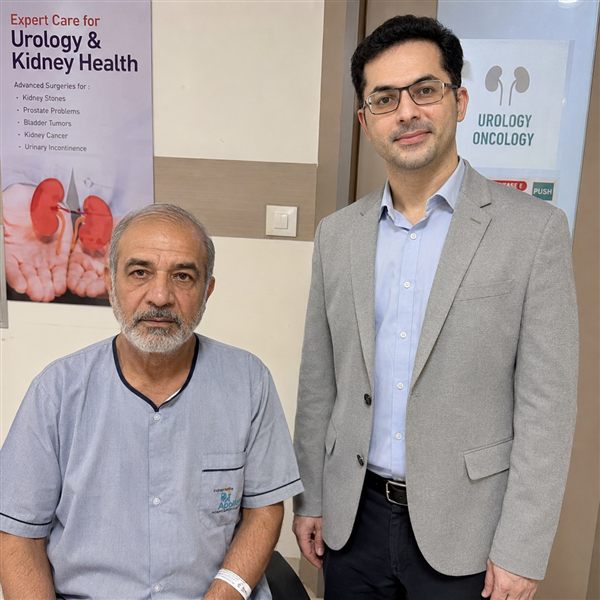
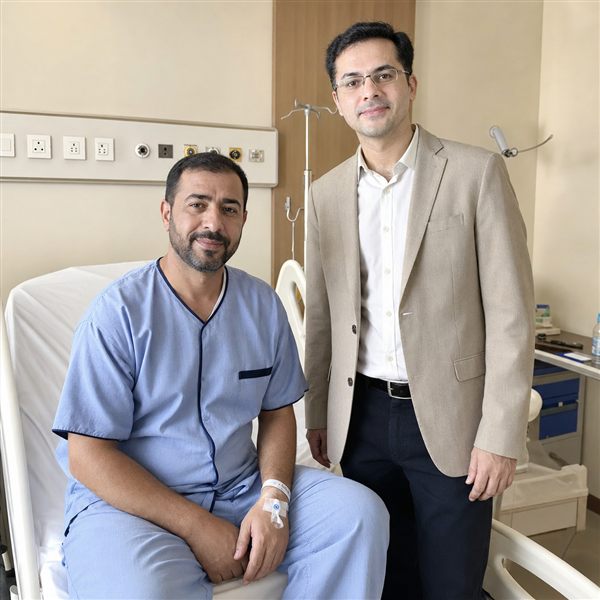
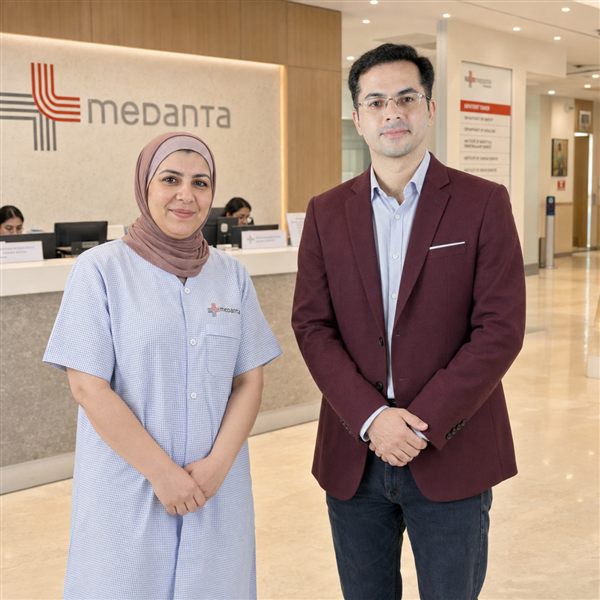
Patient Testimonials from Iraq
Ready to Take the First Step?
Share your Medical Reports with our Healthcare Managers Today and Get a FREE CONSULTATION, a Personalized Treatment Plan, and Complete Support from Arrival to Recovery.
Get Your Free ConsultationAreas We Serve
Indian Health Guru Consultants proudly assists patients from Iraq and surrounding Middle Eastern countries in accessing advanced, affordable and trusted medical treatment in India. Our team provides complete support for medical opinions, hospital selection, treatment planning, visa assistance, travel coordination, accommodation and post-treatment follow-up.
We regularly serve patients from:
- Iraq
- Turkey
- Iran
- Kuwait
- Jordan
- Syria
- Qatar
- Bahrain
- Oman
- Yemen
- Saudi Arabia
- United Arab Emirates
No matter where you are located, our experienced team is committed to making your medical journey to India safe, smooth, transparent and stress-free from the first enquiry to your return home.
From Iraq to India: Your Complete Patient Guide
- Proton Therapy in India for Iraqis
- Knee Surgery in India for Iraqis
- Weight Loss and Bariatric Surgery in India for Iraqis: Cost & Guide
- Neurosurgery in India for Iraqis
- Cardiac Pacemaker Treatment in India for Iraqi Patients
- CyberKnife Treatment in India for Iraqis
- Paediatric Orthopaedic Surgery in India for Iraqis
- Liver Transplant in India for Iraqis
- IVF and Fertility Treatment in India for Iraqis
- Paediatric Neurosurgery in India for Iraqis
- Heart Failure Treatment and Surgery in India for Iraqis
- Complex Joint Revision Surgery in India for Iraqis
- Heart Valve Replacement in India for Iraqis
- Robotic Cancer Surgery in India for Iraqis
- Dental Surgery in India for Iraqis
- Dental Implants and Smile Makeover in India for Iraqis
- Breast Cancer Treatment in India for Iraqi Patients
- Hip Surgery in India for Iraqis