

Selecting the Best Paediatric Heart Surgeons and Hospitals in India: A Guide for Patients from Iraq
A doctor’s honest, question-by-question guide for patients from Iraq on vetting a paediatric heart hospital in India — age-specific outcomes, accreditation, programme structure, and the exact questions worth asking before you book anything.
Over the years, I have found that paediatric heart surgery is one of the areas where Iraqi parents most need to understand that a hospital’s organisational structure, not simply its surgeons’ individual skill, determines whether outcomes match international standards. In my experience of 24 years advising families through exactly this decision, a well-organised programme with structured referral pathways and dedicated paediatric cardiac infrastructure can achieve meaningfully better results than the same surgical skill operating without that structure, and this single factor deserves as much attention as any individual surgeon’s reputation.
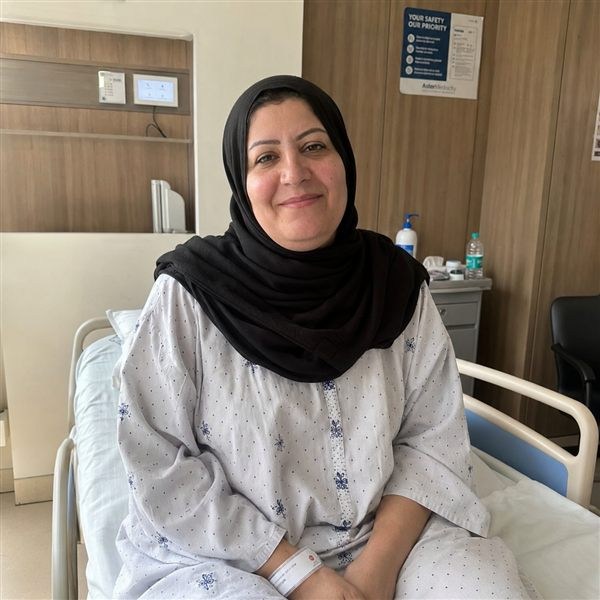
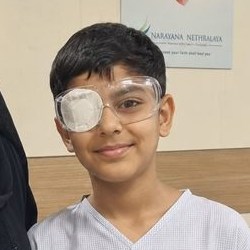
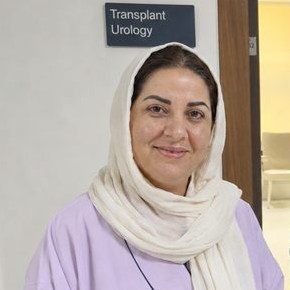
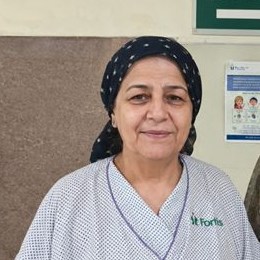
Healing Journeys of Iraqi Patients
Key Takeaways
- For Iraqi families seeking paediatric heart surgery in India, the overall cardiac programme should be assessed alongside the surgeon. Dedicated paediatric infrastructure, organised referrals and multidisciplinary care can influence outcomes. The source reports data from 135 Indian studies involving 30,587 patients, with an overall in-hospital mortality of 5.63%, compared with 2.65% in representative Western registries.
- The child's age and exact heart defect are important when comparing hospitals. A structured regional programme in Kerala reported 2.4% 30-day mortality across 502 cases, matching international standards, while neonatal surgery has reported mortality of 4.5% to 13.5% depending on the defect and centre. Families should therefore ask for results relevant to their child's particular condition.
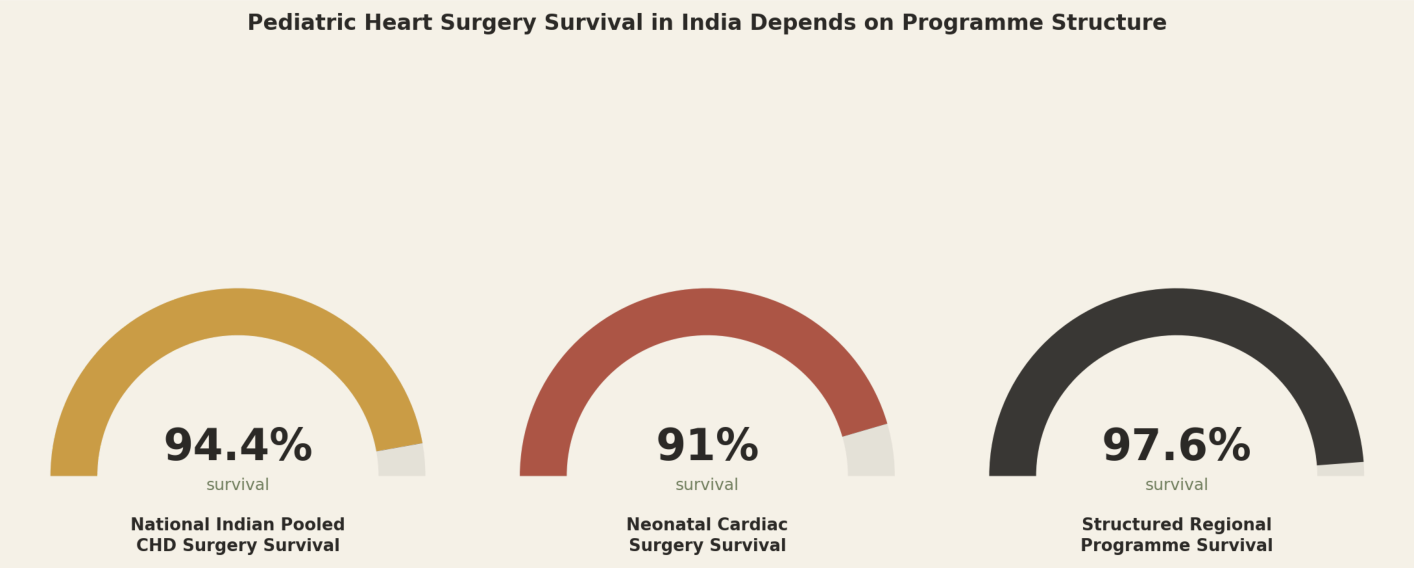
- The page 2 chart illustrates how outcomes can differ between programmes, showing approximately 94.4% survival for national pooled surgery, 91% for neonatal cardiac surgery and 97.6% for a structured regional programme. These figures are illustrative rather than individual predictions, so families should obtain the hospital's own results for their child's diagnosis.
- Iraqi parents should verify JCI or NABH accreditation and confirm that the hospital has a dedicated paediatric cardiac programme. It is useful to determine whether children's heart surgery is handled through a specialised paediatric service rather than a general cardiac department.
- Hospital experience should be judged by defect-specific and age-specific outcomes, not simply by the total number of surgeries performed. Parents should ask about mortality for the child's age group, the number of similar procedures completed recently and the availability of a dedicated paediatric cardiac ICU.
- A strong paediatric cardiac programme should have a multidisciplinary team, including a paediatric cardiac surgeon, paediatric cardiologist, cardiac anaesthesiologist, paediatric ICU team and trained paediatric cardiac perfusionist. Beyond survival, a multicentre Indian study following 1,346 infants found that while 94.8% survived to six months, average developmental scores remained below population norms, showing why long-term neurodevelopmental follow-up matters.
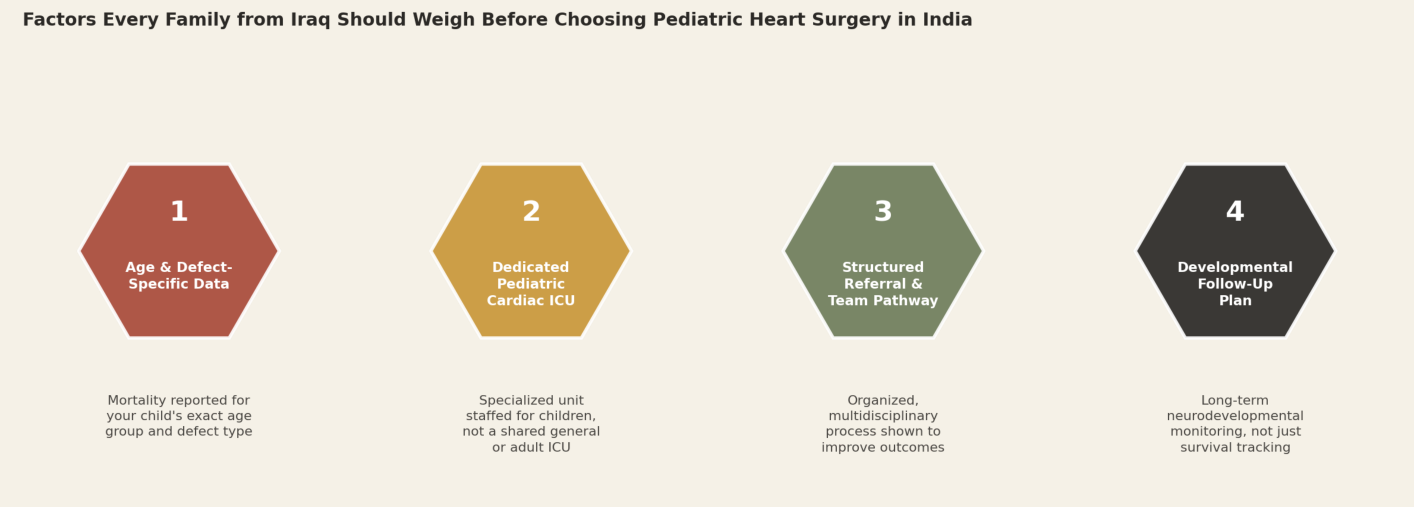
- Warning signs include reliance on a general mortality figure, absence of a dedicated paediatric cardiac ICU, no structured developmental follow-up and an unclear referral or pre-operative pathway. The page 4 checklist highlights age and defect-specific data, dedicated paediatric cardiac ICU, structured referral and team pathway, and a developmental follow-up plan.
Quick Facts
- Treatment
- Paediatric and congenital heart surgery
- Primary Patients
- Children from Iraq requiring treatment for congenital heart conditions
- Main Speciality
- Paediatric cardiac surgery
- Key Specialist
- Paediatric cardiac surgeon experienced in the child's specific congenital defect
- Important Selection Factor
- Dedicated paediatric cardiac programme rather than general adult cardiac surgery
- National Indian Evidence
- 135 studies involving 30,587 patients were included in the cited systematic review
- Pooled Mortality
- 5.63% across Indian studies reporting multiple congenital heart surgeries
- Western Comparison
- Representative Western registry mortality was 2.65%
- Regional Programme Example
- A structured Kerala programme reported 2.4% 30-day mortality across 502 cases
- Neonatal Surgery
- Published Indian series reported 4.5%–13.5% in-hospital mortality depending on defect and centre
- Six-Month Survival
- 94.8% in the cited multicentre infant cohort
- Accreditation
- Verify JCI and/or NABH status
- Paediatric ICU
- Dedicated paediatric cardiac ICU should be confirmed
- Core Team
- Paediatric cardiac surgeon, cardiologist, cardiac anaesthesiologist, ICU team and perfusionist
- Bypass Equipment
- Paediatric-sized equipment should be available for infants and neonates
- Catheterisation
- A dedicated paediatric cardiac catheterisation laboratory may be important for selected cases
- Follow-Up
- Structured developmental and neurodevelopmental follow-up should be available
- Referral Pathway
- Confirm the hospital's structured pre-operative referral process
- Documentation
- Ask for centre-specific outcomes for the child's diagnosis
- Author
- Dr. Dheeraj Bojwani
- Experience
- 24+ Years
In Brief
Choosing paediatric heart surgery in India should involve a structured assessment of the hospital, surgeon and entire cardiac programme. Iraqi families should verify JCI/NABH accreditation, dedicated paediatric cardiac ICU facilities, age- and defect-specific outcomes, paediatric-sized bypass equipment, multidisciplinary staffing, referral pathways and long-term developmental follow-up. The most appropriate hospital is not necessarily the one with the largest overall surgical volume, but the one that can demonstrate experience with the child’s particular age, congenital heart defect and complexity while providing the infrastructure needed throughout diagnosis, surgery and recovery.
Why the Choice of Paediatric Cardiac Programme in India Matters as Much as the Choice of Surgeon
Based on my interactions with international families, a comprehensive systematic review pooling 135 Indian studies and 30,587 patients found an overall in-hospital mortality for congenital heart surgery of 5.63 percent nationally, compared with 2.65 percent in representative Western registries, a real and meaningful gap worth understanding honestly rather than glossing over. However, this national average conceals enormous variation: a structured regional programme in Kerala, built through a genuine public-private partnership with organised referral pathways, achieved a 30-day mortality of just 2.4 percent across 502 cases, matching international standards and reducing regional CHD-related infant mortality by 41 percent. Neonatal cardiac surgery, performed within the first month of life for the most complex cardiac malformations, carries genuinely higher risk everywhere in the world, with published Indian series reporting in-hospital mortality ranging from 4.5 to 13.5 percent depending on the specific defect and centre. Beyond survival itself, a multicentre Indian study following 1,346 infants after heart surgery found that while 94.8 percent survived to six months, average motor and mental developmental scores at that point remained below population norms, a reminder that long-term neurodevelopmental follow-up matters as much as the surgery’s immediate success. This tells a family something important: the specific organisational structure and age-appropriate complexity of the case, not simply a single blended national statistic, should shape what outcome is realistic.
How Patients from Iraq Can Verify a Paediatric Heart Hospital’s Accreditation in India
The fastest filter I recommend to every Iraqi family calling about paediatric heart surgery is verifiable accreditation, not marketing language. Joint Commission International, JCI, audits a hospital’s overall clinical safety systems against the same standard used across the United States and Europe. The National Accreditation Board for Hospitals and Healthcare Providers, NABH, is India’s own domestic equivalent, and in my experience of 24 years advising families on this exact decision, a centre holding both marks together is a meaningfully stronger signal than either alone. For paediatric heart surgery specifically, ask one further, very direct question: does this hospital have a dedicated paediatric cardiac programme with its own tracked outcomes, or does it perform children’s heart surgery within a general adult cardiac surgery department without a distinct paediatric structure.
Paediatric Heart Surgery Volume and Age-Specific Criteria That Predict Outcomes in India
Based on my interactions with dozens of paediatric cardiac programmes over the years, a centre’s specific outcome data by patient age and defect complexity, not a single blended mortality statistic, is one of the clearest signs of a trustworthy, evidence-based programme. A centre’s overall paediatric cardiac surgery volume still provides useful context, but a high volume of straightforward cases tells you little about how the same centre performs on the specific, more complex defect your child may have. Ask directly, in writing:
- What is this centre's own mortality rate specifically for my child's age group, neonate, infant, or older child, and for the specific type of congenital heart defect involved?
- Does the hospital have a dedicated paediatric cardiac intensive care unit staffed specifically for children, distinct from a general or adult cardiac ICU?
- What structured long-term neurodevelopmental follow-up does the programme offer after surgery, given that survival alone does not capture the complete picture of outcome?
- How many procedures of my child's specific defect type has this centre performed in the past year, and how does that compare with other centres you are considering?
A centre confident in its own outcomes will answer these specifically. A centre that offers only a general paediatric cardiac surgery success rate without engaging with age and complexity deserves a second opinion before you commit.
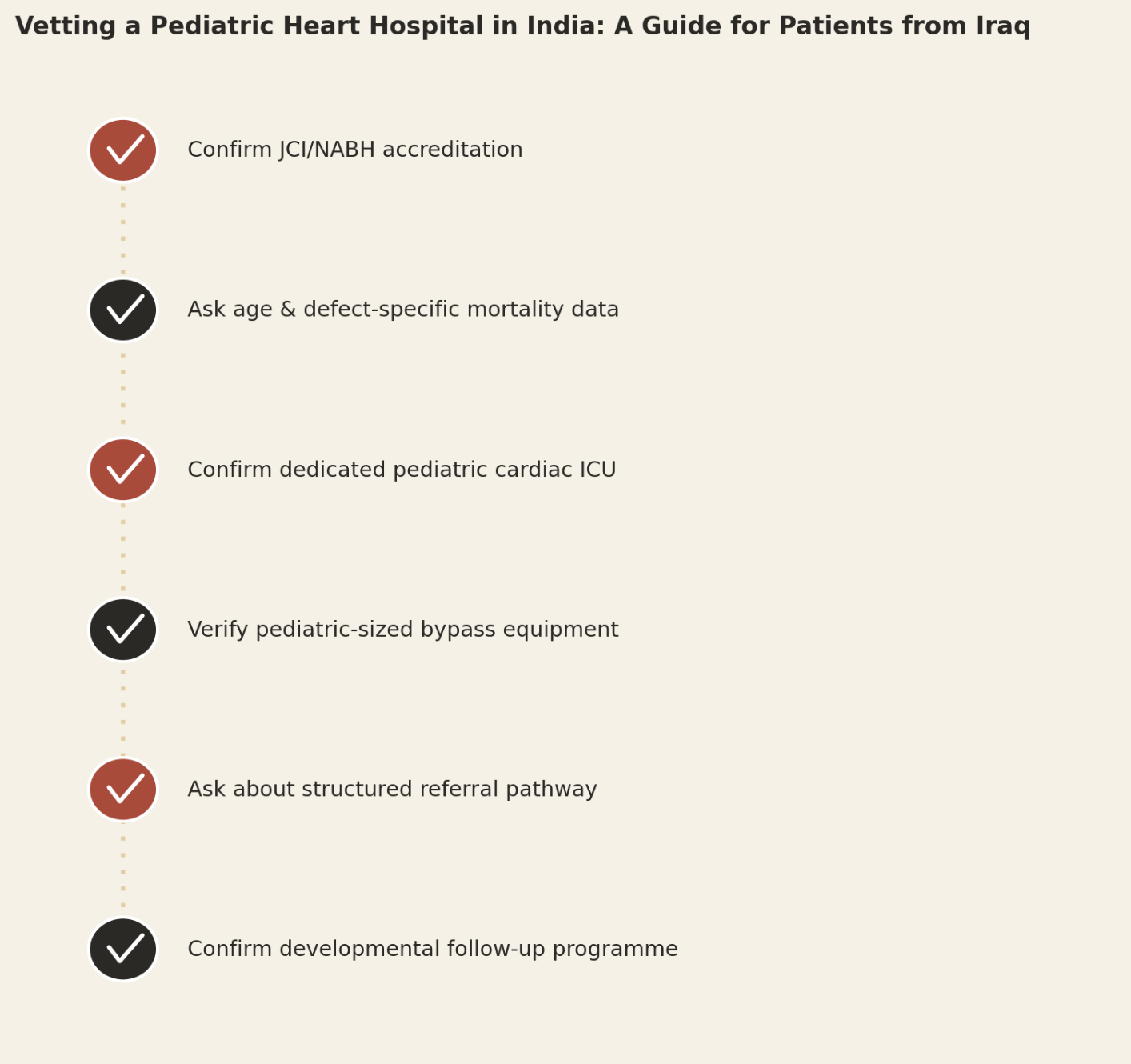
Vetting a Paediatric Heart Hospital in India: A Guide for Patients from Iraq
Questions Patients from Iraq Should Ask About the Paediatric Heart Team in India
Paediatric heart surgery is never genuinely the work of one surgeon alone. In my experience of 24 years watching these programmes operate, the strongest units bring together a paediatric cardiac surgeon, a paediatric cardiologist for pre- and post-operative medical management, a paediatric cardiac anaesthesiologist experienced specifically in the unique physiology of a child’s heart, and a dedicated paediatric cardiac intensive care team. A paediatric cardiac perfusionist, specifically trained in managing cardiopulmonary bypass for infants and small children rather than adults, is a further specific role worth confirming, since the physiological margins for error are considerably narrower in a small child than in an adult patient. Ask specifically who fills each of these roles for your child’s case, and confirm that a structured, multidisciplinary team, not a single surgeon working in isolation, manages your child’s care from diagnosis through recovery.
Paediatric Heart Surgery Technology Standards in India That Patients from Iraq Should Check
The specific technology and infrastructure available change what a centre can safely offer for complex or very young patients. Ask whether the hospital has paediatric-specific cardiopulmonary bypass equipment sized appropriately for infants and neonates, since equipment designed for adults cannot simply be scaled down safely. Ask whether the centre offers a structured developmental follow-up programme after surgery, given the genuine neurodevelopmental considerations documented in published research. Ask also whether the hospital has a dedicated paediatric cardiac catheterisation laboratory for children who may need a combined surgical and catheter-based approach to their specific defect. Ask directly which of these specific capabilities apply to your child’s case, not simply whether the hospital performs paediatric heart surgery in general terms.
Red Flags Patients from Iraq Should Watch For When Choosing a Paediatric Heart Hospital in India
Over the years, certain patterns have become reliable warning signs for me. A hospital that quotes a single national or general mortality statistic without asking about your child’s specific age and defect complexity has not engaged with the factors that most determine outcome. A centre without a dedicated paediatric cardiac ICU, relying on a shared general or adult unit, is not equipped for the specific, intensive monitoring a child’s recovery requires. A centre that offers no structured plan for long-term developmental follow-up has not addressed the complete picture of what a good outcome means for a child. And a centre that cannot describe its specific referral and pre-operative pathway, given how much organised structure has been shown to affect outcomes, has not demonstrated the systematic approach the strongest programmes rely on.
Factors Every Family from Iraq Should Weigh Before Choosing Paediatric Heart Surgery in India
A Closing Thought for Iraqi Families
Paediatric heart surgery deserves a genuinely structured programme with age-specific outcome data, dedicated paediatric infrastructure, and a plan for long-term developmental follow-up, not a single national statistic or a general cardiac surgery reputation. Based on my interactions with international patients over more than two decades, the families who ask about age-specific mortality, dedicated paediatric ICU capability, and developmental follow-up consistently make better-informed decisions than those who accept a general reassurance alone. My role, and the role of any advisor a family works with, should be to help you ask these exact questions and confirm honestly that the specific team and specific hospital in front of you are the right fit for your child’s exact diagnosis. Iraq’s children deserve the same standard of scrutiny in this decision as any child anywhere else in the world.
Sources & Further Reading
- Joint Commission International (JCI) — Accredited Organizations Directory (jointcommissioninternational.org)
- National Accreditation Board for Hospitals & Healthcare Providers (NABH), India (nabh.co)
- Annals of Pediatric Cardiology — The Outcome of Surgery for Congenital Heart Disease in India: A Systematic Review and Meta-Analysis (ovid.com)
- Indian Journal of Pediatrics — Neonatal Cardiac Surgery in India: Current Status and Outcomes (link.springer.com)
- PMC — Neurodevelopmental Outcomes After Infant Heart Surgery for Congenital Heart Disease: A Hospital-Based Multicentre Prospective Cohort Study from India (pmc.ncbi.nlm.nih.gov)
Frequently Asked Questions by Iraqi Patients about Selecting a Paediatric Heart Surgeon and Hospital in India
Is paediatric heart surgery available in India for children from Iraq?
Yes. The source specifically discusses Indian paediatric cardiac programmes serving international families and recommends evaluating hospitals according to paediatric infrastructure, specialist teams and diagnosis-specific outcomes.
How should Iraqi parents choose a paediatric heart surgeon in India?
Parents should look beyond individual reputation and assess the surgeon's experience within a structured paediatric cardiac programme, including the hospital's outcomes for the child's specific age and congenital heart defect.
What congenital heart surgery outcomes should Iraqi families ask Indian hospitals for?
Families should request mortality and outcome data for the child's specific age group and defect rather than accepting a single overall paediatric cardiac surgery success rate.
Should Iraqi patients choose a hospital with a dedicated paediatric cardiac ICU?
A dedicated paediatric cardiac ICU is an important selection criterion in the source because children's postoperative monitoring requirements differ from those of adults.
What specialists should be involved in paediatric heart surgery in India?
The recommended multidisciplinary team includes a paediatric cardiac surgeon, paediatric cardiologist, paediatric cardiac anaesthesiologist, paediatric cardiac ICU team and paediatric cardiac perfusionist.
Is neonatal heart surgery in India more complex than surgery in older children?
Yes. The source identifies neonatal cardiac surgery as higher-risk and reports mortality varying according to the specific defect and centre.
What technology should Iraqi families check before paediatric heart surgery in India?
Families should confirm paediatric-sized cardiopulmonary bypass equipment and, when relevant, a dedicated paediatric cardiac catheterisation laboratory capable of supporting combined treatment approaches.
Does paediatric heart surgery in India require developmental follow-up?
The source strongly supports long-term developmental follow-up because survival does not necessarily represent the complete outcome after infant heart surgery.
What are warning signs when choosing a paediatric heart hospital in India?
Warning signs include reliance on a general mortality figure, absence of a dedicated paediatric cardiac ICU, no structured developmental follow-up and an unclear referral or pre-operative pathway.
What should Iraqi parents confirm before travelling to India for paediatric heart surgery?
They should obtain a clear diagnosis and treatment plan, ask for age- and defect-specific hospital outcomes, verify the paediatric cardiac team and ICU, confirm appropriate infrastructure and understand the planned postoperative and developmental follow-up before committing to treatment.
Page Summary
For Iraqi families considering paediatric heart surgery in India, the selection process should extend beyond a surgeon's reputation. The source emphasises programme structure, dedicated paediatric cardiac infrastructure, age- and defect-specific outcomes, accreditation, multidisciplinary staffing and appropriate technology as key factors when comparing hospitals.
Families should also consider what happens after the operation. A suitable programme should provide dedicated paediatric intensive care, appropriate bypass equipment, a structured referral pathway and long-term developmental follow-up. Asking precise questions about the child's diagnosis, age, surgical volume and expected outcomes can help Iraqi parents make a more informed hospital and surgeon selection.
Citation Block
| Field | Details |
|---|---|
| Article / Topic | Selecting the Best Paediatric Heart Surgeons and Hospitals in India |
| Target Country | Iraq |
| Treatment Area | Paediatric and congenital heart surgery |
| Primary Patient Group | Iraqi children requiring congenital heart surgery |
| Core Selection Principle | Programme structure is as important as individual surgeon reputation |
| Indian Evidence Base | 135 studies |
| Patients Included in Review | 30,587 |
| Indian Pooled Mortality | 5.63% |
| Representative Western Mortality | 2.65% |
| Kerala Programme | 2.4% 30-day mortality across 502 cases |
| Regional Impact | 41% reduction in regional CHD-related infant mortality |
| Neonatal Mortality Range | 4.5%–13.5%, depending on defect and centre |
| Six-Month Infant Survival | 94.8% in cited multicentre cohort |
| Accreditation to Verify | JCI and NABH |
| Dedicated Programme | Paediatric cardiac programme with tracked outcomes |
| Outcome Data Needed | Age- and defect-specific mortality and results |
| Core Clinical Team | Surgeon, cardiologist, anaesthesiologist, ICU team and perfusionist |
| Bypass Requirement | Paediatric-sized cardiopulmonary bypass equipment |
| Additional Infrastructure | Dedicated paediatric cardiac catheterisation laboratory where relevant |
| Long-Term Care | Structured developmental and neurodevelopmental follow-up |


Our Mission Statement
Our mission is to place patients at the centre of every healthcare decision by providing trustworthy, evidence-based, and unbiased medical information. We believe that informed patients make better decisions. Backed by personalised guidance from our experienced advisory team, we help patients understand their treatment options, compare them objectively, and confidently choose the path that best suits their medical needs and personal circumstances.
Patient Testimonials from Iraq


Ready to Take the First Step?
Share your Medical Reports with our Healthcare Managers Today and Get a FREE CONSULTATION, a Personalized Treatment Plan, and Complete Support from Arrival to Recovery.
Get Your Free ConsultationAreas We Serve
Indian Health Guru Consultants proudly assists patients from Iraq and surrounding Middle Eastern countries in accessing advanced, affordable and trusted medical treatment in India. Our team provides complete support for medical opinions, hospital selection, treatment planning, visa assistance, travel coordination, accommodation and post-treatment follow-up.
We regularly serve patients from:
- Iraq
- Turkey
- Iran
- Kuwait
- Jordan
- Syria
- Qatar
- Bahrain
- Oman
- Yemen
- Saudi Arabia
- United Arab Emirates
No matter where you are located, our experienced team is committed to making your medical journey to India safe, smooth, transparent and stress-free from the first enquiry to your return home.
From Iraq to India: Your Complete Patient Guide
- Liver Transplant in India for Iraqis
- Cancer Treatment in India for Iraqi Patients
- Dental Implants and Smile Makeover in India for Iraqis
- Prostate Cancer Treatment and Surgery in India for Iraqis
- Paediatric Orthopaedic Surgery in India for Iraqis
- Proton Therapy in India for Iraqis
- Spine Surgery in India for Iraqis
- Robotic Cancer Surgery in India for Iraqis
- Gamma Knife Treatment in India for Iraqis
- Scoliosis Correction Surgery in India for Iraqis
- Colorectal Cancer Treatment and Surgery in India for Iraqis
- Paediatric Heart Surgery in India for Iraqis
- Radiotherapy and Modern Cancer Treatment in India for Iraqis
- Breast Cancer Treatment in India for Iraqi Patients
- Oral and Maxillofacial Surgery in India for Iraqis
- Neuronavigation and Advanced Brain Surgery in India for Iraqis
- Complex Joint Revision Surgery in India for Iraqis
- Joint Arthroscopy and Sports Medicine in India for Iraqis