

Selecting the Best Neurosurgeons and Hospitals in India: A Guide for Patients from Iraq
A doctor’s honest, question-by-question guide for patients from Iraq on vetting a neurosurgery hospital in India — condition-specific outcomes, accreditation, team composition, and the exact questions worth asking before you book anything.
Over the years, I have found that general neurosurgery covers such a wide range of conditions, from brain aneurysms to hydrocephalus to spinal cord tumours, that a single hospital’s blended “neurosurgery success rate” tells a family almost nothing useful. In my experience of 24 years advising families through exactly this decision, the single most important distinction for a condition like a brain aneurysm specifically is not simply which technique, clipping or coiling, will be used, but whether the aneurysm has already ruptured, since that single fact changes the realistic outcome far more than the specific surgical method chosen.
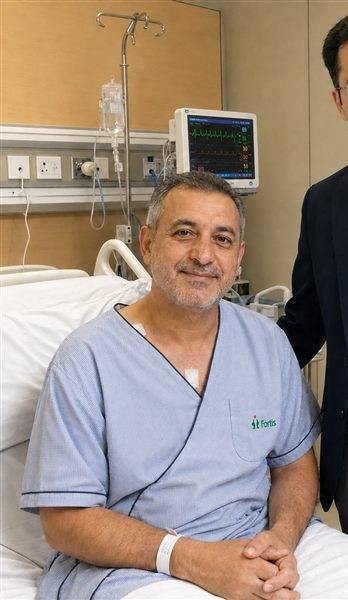
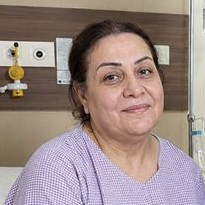
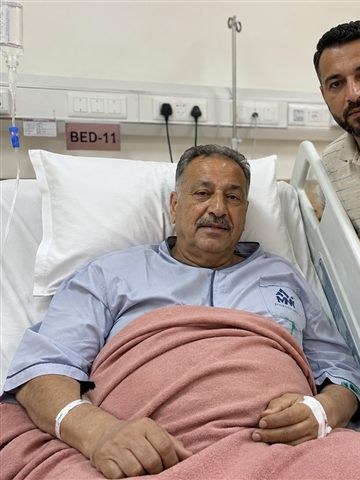
Healing Journeys of Iraqi Patients
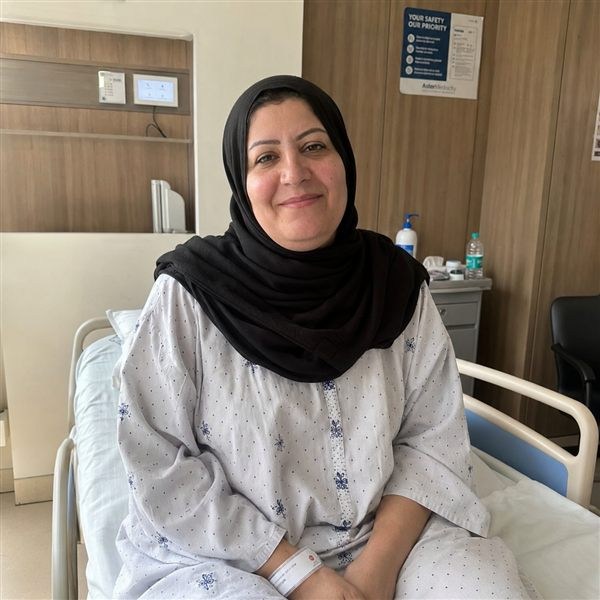
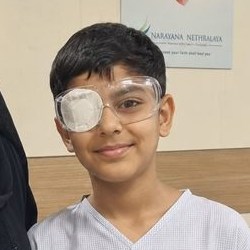
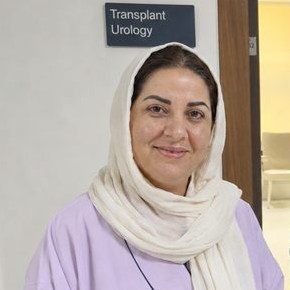
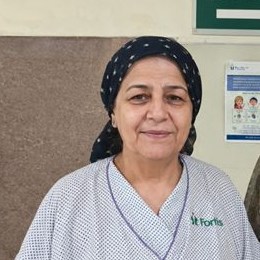
Key Takeaways
- General neurosurgery covers many distinct conditions, including aneurysms, hydrocephalus, tumours, spinal disorders, and paediatric conditions. The source therefore cautions against relying on a single blended “neurosurgery success rate.” For brain aneurysms specifically, whether the aneurysm has ruptured is a major determinant of expected outcome and can be more important than the initial choice between clipping and coiling.
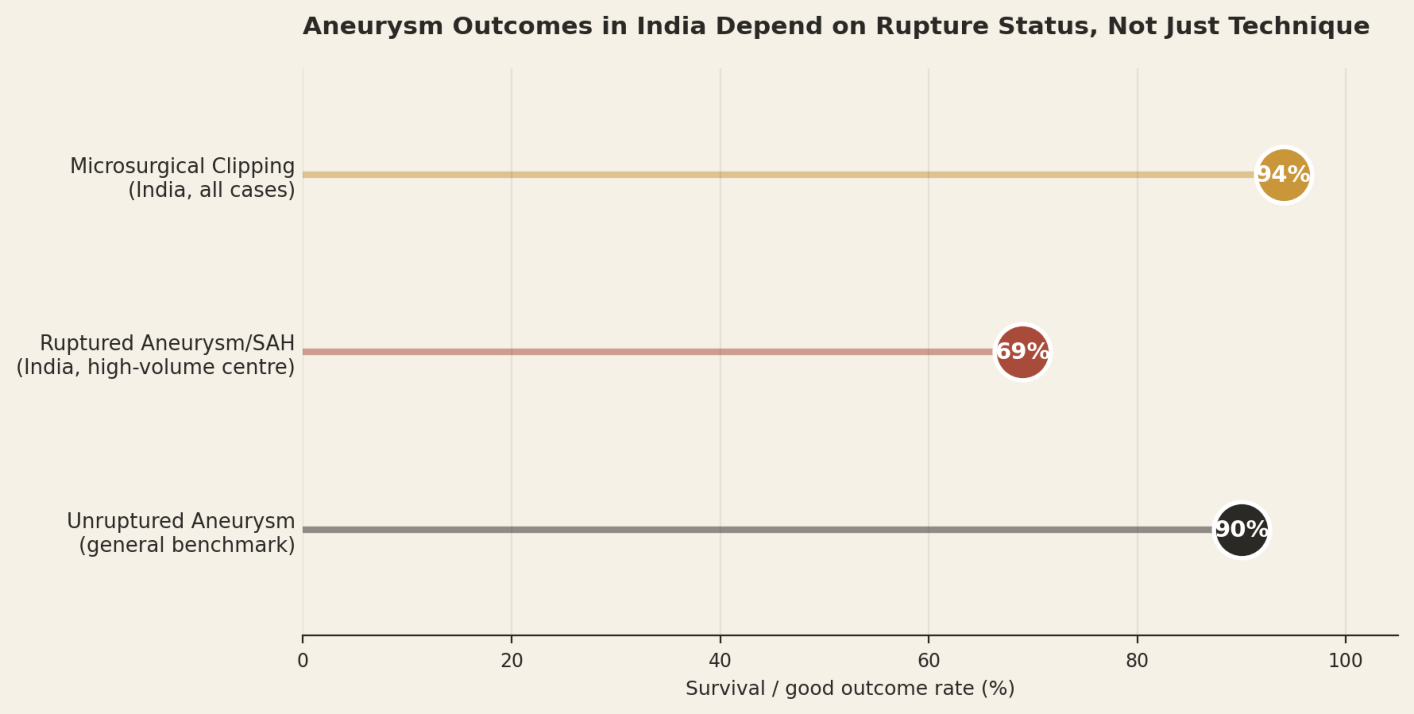
- The source presents Indian aneurysm data to demonstrate the importance of condition and severity. A high-volume Indian centre following 195 patients with ruptured aneurysms causing subarachnoid haemorrhage reported 69% good outcomes at three months, while a separate series of 170 patients undergoing microsurgical clipping, involving both ruptured and unruptured aneurysms, reported 94% survival.
- The choice between microsurgical clipping and endovascular coiling should also be individualized. The source notes that long-term International Subarachnoid Aneurysm Trial data associated coiling with better outcomes at one year but a higher likelihood of retreatment over subsequent years, while clipping tends to offer greater durability but requires a more invasive open procedure.
- The chart on page 2 reinforces the importance of rupture status rather than relying only on technique comparisons. It visually presents approximately 69% good outcome for ruptured aneurysm/subarachnoid haemorrhage cases at a high-volume Indian centre, approximately 94% survival for the Indian microsurgical clipping series, and approximately 90% for an unruptured aneurysm benchmark.
- Accreditation provides an initial quality filter, but the source recommends going beyond hospital credentials. For aneurysm treatment, Iraqi patients should ask whether the hospital offers both microsurgical clipping and endovascular coiling under one roof and whether a multidisciplinary neurovascular team determines the preferred approach according to the patient's aneurysm anatomy.
- Complex neurosurgery also requires coordinated support beyond the operating surgeon. The guide identifies a neurosurgeon, interventional neuroradiologist, neurointensivist, dedicated neurosurgical intensive care unit, neuroanaesthesiologist, and rehabilitation specialist as important components of a strong programme.
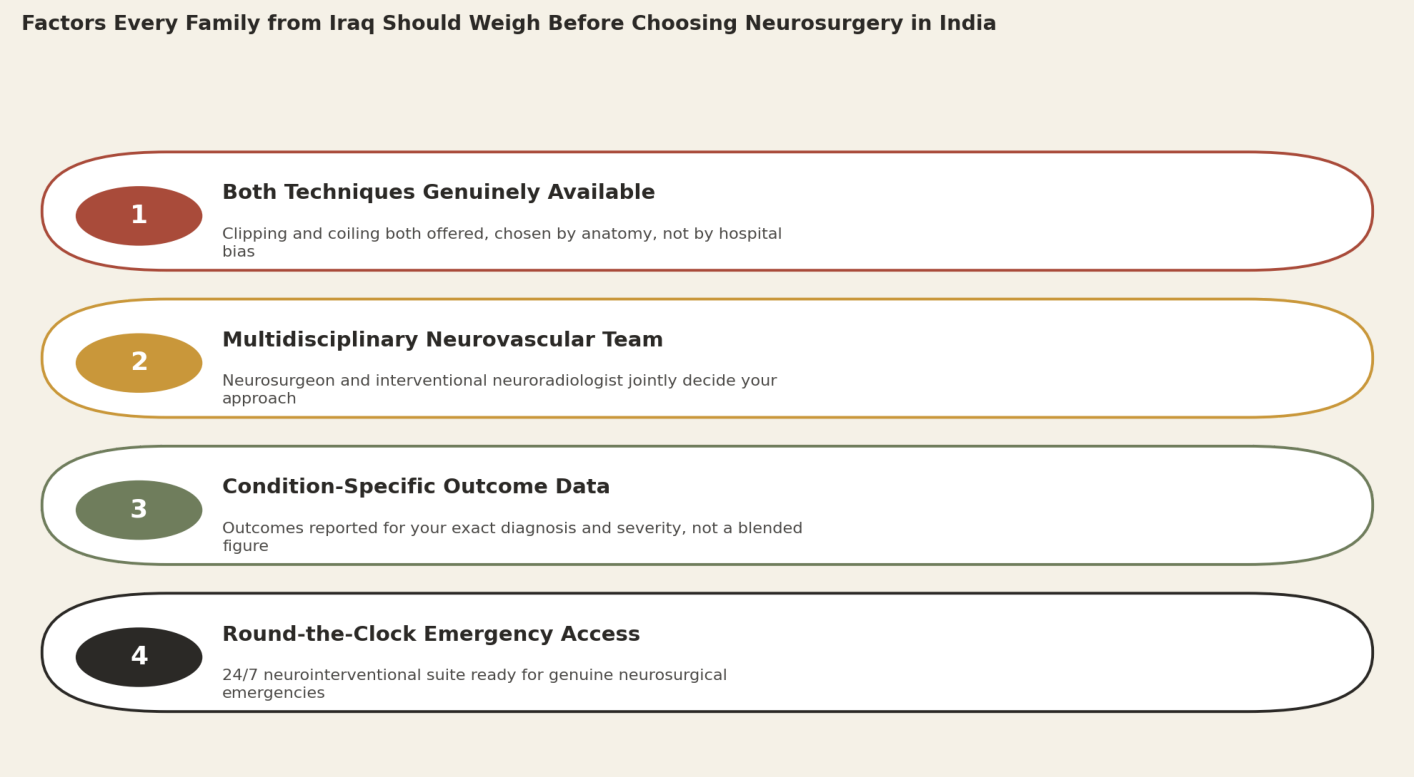
- Hospitals that provide only clipping or only coiling, cannot produce condition-specific outcomes, lack dedicated neurosurgical intensive care, or do not have round-the-clock neurointerventional access are highlighted as important warning signs. The page 4 checklist highlights both techniques genuinely available, a multidisciplinary neurovascular team, condition-specific outcome data and round-the-clock emergency access.
Quick Facts
- Treatment
- Neurosurgery for complex neurological and neurosurgical conditions
- Primary Patients
- Iraqi patients seeking specialist neurosurgical care in India
- Main Speciality
- Neurosurgery
- Key Specialist
- Neurosurgeon with expertise in the patient's specific condition
- Aneurysm Options
- Microsurgical clipping or endovascular coiling when clinically appropriate
- Key Prognostic Factor
- Ruptured versus unruptured aneurysm status
- Ruptured Aneurysm Outcome Example
- 69% good outcome at three months in the cited Indian series
- Clipping Outcome Example
- 94% survival in the cited 170-patient Indian series
- Coiling
- Associated with better one-year outcomes in cited ISAT data but higher retreatment rates
- Clipping
- Generally more durable but involves a more invasive open procedure
- Team
- Neurosurgeon and interventional neuroradiologist should jointly assess suitable aneurysm cases
- Critical Care
- Dedicated neurosurgical intensive care is important for complex cases
- Emergency Access
- Round-the-clock neurointerventional facilities are important for acute conditions
- Technology
- Flow-diverting stents, coiling systems, intraoperative neuromonitoring, and angiography may be relevant
- Intraoperative Imaging
- Indocyanine green angiography may help assess blood flow during clipping
- Accreditation
- Verify JCI or NABH accreditation
- Outcome Data
- Ask for results specific to the diagnosis and severity level
- Rehabilitation
- May be required when neurological or functional effects influence recovery
- Author
- Dr. Dheeraj Bojwani
- Experience
- 24+ Years
In Brief
For Iraqi patients seeking neurosurgery in India, the most important selection principle is to match the neurosurgical team and treatment approach to the exact diagnosis, severity, and anatomy. In aneurysm cases, rupture status substantially affects prognosis, while the choice between clipping and coiling involves a balance between invasiveness, durability, and the possibility of retreatment. A suitable centre should provide condition-specific outcome information, multidisciplinary neurovascular assessment, appropriate endovascular and microsurgical options, dedicated neurosurgical intensive care, and emergency neurointerventional access when required.
Why the Choice of Neurosurgical Team in India Matters as Much as the Choice of Technique
Based on my interactions with international patients, published Indian data on brain aneurysm treatment illustrates this point clearly. A study from a high-volume Indian centre following 195 consecutive patients with a ruptured aneurysm causing subarachnoid haemorrhage found that only 69 percent achieved a good outcome, no or mild disability, at three months, reflecting the genuine severity of bleeding into the brain itself rather than a failure of surgical technique. By contrast, a separate Indian series of 170 patients undergoing microsurgical clipping, a mix of both ruptured and unruptured cases, reported 94 percent survival, and unruptured aneurysms treated electively before any bleeding occurs generally achieve considerably better outcomes than ruptured cases, since the brain has not already suffered the injury that haemorrhage itself causes, a distinction with real implications for how a family should interpret any quoted statistic. On the specific choice between clipping and coiling, long-term data from the International Subarachnoid Aneurysm Trial found coiling associated with better outcomes at one year, but a meaningfully higher rate of needing retreatment over the following years compared with clipping, which tends to be more durable once successfully performed but requires a more invasive, open procedure. This tells a family something important: whether the aneurysm has ruptured, and the specific trade-off between durability and invasiveness for your exact case, matter more than defaulting to whichever technique a hospital happens to prefer.
How Patients from Iraq Can Verify a Neurosurgery Hospital’s Accreditation in India
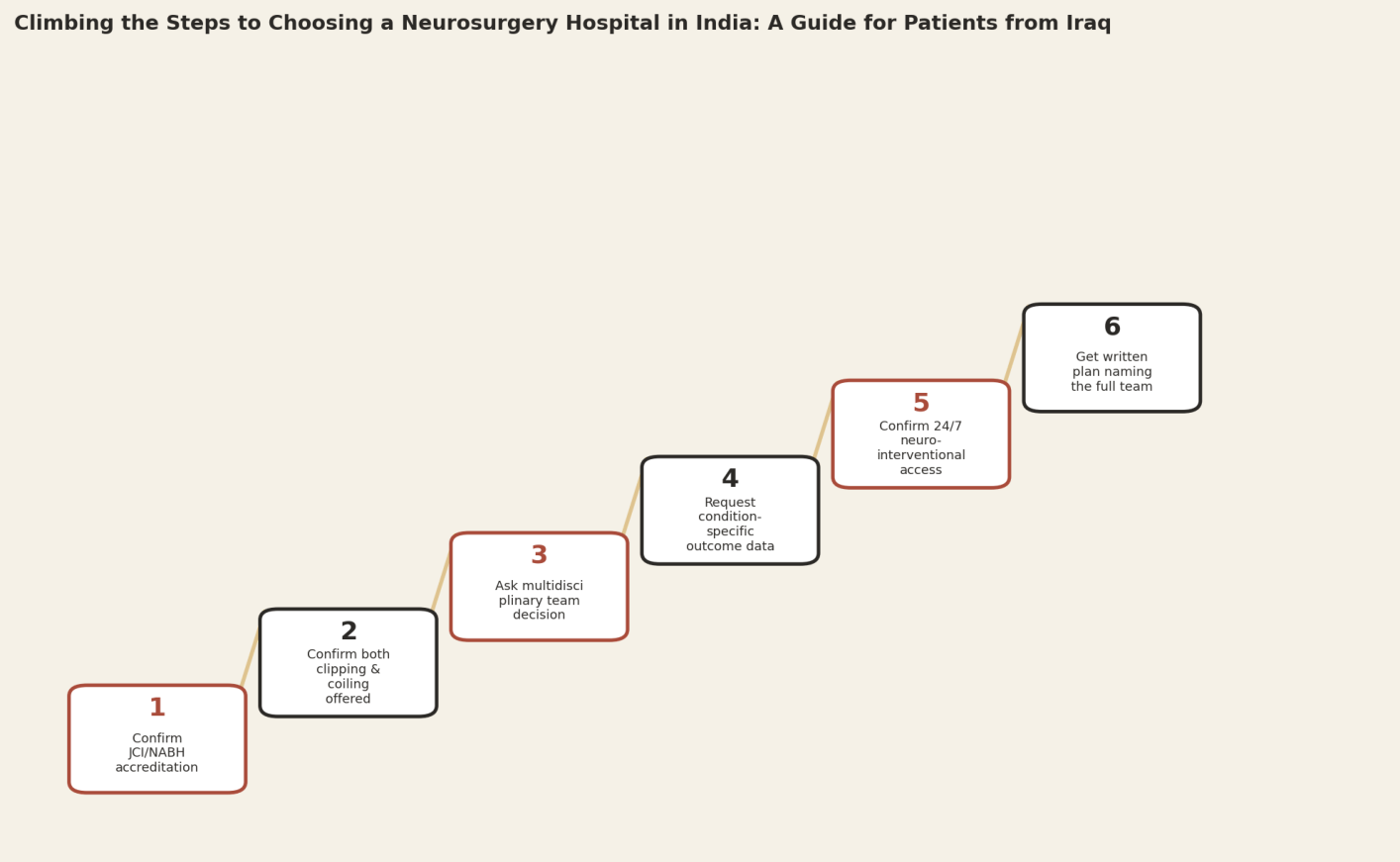
The fastest filter I recommend to every Iraqi family calling about any neurosurgical condition is verifiable accreditation, not marketing language. Joint Commission International, JCI, audits a hospital’s overall clinical safety systems against the same standard used across the United States and Europe. The National Accreditation Board for Hospitals and Healthcare Providers, NABH, is India’s own domestic equivalent, and in my experience of 24 years advising families on this exact decision, a centre holding both marks together is a meaningfully stronger signal than either alone. For aneurysm treatment specifically, ask one further, very direct question: does this hospital offer both microsurgical clipping and endovascular coiling under one roof, with a genuine multidisciplinary team deciding between them based on your specific aneurysm anatomy, or does it perform only one technique and therefore has an inherent bias toward recommending it.
Neurosurgery Volume and Condition-Specific Criteria That Predict Outcomes in India
Based on my interactions with dozens of neurosurgery programmes over the years, a centre’s specific experience with your exact condition, not simply its overall neurosurgery volume, is one of the clearest predictors of a good outcome, since the sub-specialties within neurosurgery, vascular, tumour, spine, paediatric, are genuinely distinct areas of expertise. A centre’s overall neurosurgical case count still provides some context, but it does not substitute for asking specifically about experience with your exact diagnosis and severity level. Ask directly, in writing:
- For an aneurysm specifically, does a multidisciplinary neurovascular team, including both a neurosurgeon and an interventional neuroradiologist, jointly evaluate my case before recommending clipping or coiling?
- What is this centre's own outcome data specifically for my condition's severity grade, not a general neurosurgery statistic that blends mild and severe cases together?
- Does the hospital use intraoperative technology such as indocyanine green angiography during clipping, which allows real-time visualisation of blood flow and has been associated with reduced ischaemic complications?
- What is the centre's specific experience managing my exact condition if it involves an emergency, given how much timing affects outcomes for a ruptured aneurysm or other acute neurosurgical emergency?
A centre confident in its own reasoning will answer these specifically. A centre that offers only one technique regardless of your specific anatomy deserves a second opinion before you commit.
Climbing the Steps to Choosing a Neurosurgery Hospital in India: A Guide for Patients from Iraq
Questions Patients from Iraq Should Ask About the Neurosurgery Team in India
Neurosurgery for vascular and complex conditions is never genuinely the work of one specialist alone. In my experience of 24 years watching these programmes operate, the strongest units bring together a neurosurgeon, an interventional neuroradiologist for endovascular technique, a neurointensivist for the critical post-operative period, and a dedicated neurosurgical intensive care unit equipped to manage the specific complications that can follow brain surgery. A neuroanaesthesiologist experienced specifically in the physiological demands of neurosurgical procedures, and a rehabilitation medicine specialist to plan recovery for patients with any functional impact from the condition itself, round out the strongest programmes. Ask specifically who fills each of these roles for your case, and confirm that a genuine multidisciplinary team, not a single surgeon's preference, determined the recommended approach.
Neurosurgery Technology Standards in India That Patients from Iraq Should Check
The specific technology and infrastructure available change what a centre can safely offer across different neurosurgical conditions. Ask whether the hospital’s endovascular suite has modern flow-diverting stents and coiling technology available for complex aneurysm anatomy that simple coiling alone cannot address. Ask whether intraoperative neuromonitoring is used during procedures near critical neural structures, since this technology can alert the surgical team to potential injury before it becomes permanent. Ask also whether the hospital has a dedicated neurointerventional angiography suite available around the clock, since a ruptured aneurysm or other acute neurosurgical emergency does not follow a convenient schedule and timely access to this specific facility can meaningfully affect outcome. Ask directly which of these specific capabilities apply to your case, not simply whether the hospital performs neurosurgery in general terms.
Red Flags Patients from Iraq Should Watch For When Choosing a Neurosurgery Hospital in India
Over the years, certain patterns have become reliable warning signs for me. A hospital that offers only clipping or only coiling, and therefore recommends that single technique regardless of aneurysm anatomy, has an inherent conflict of interest in its own recommendation. A centre that cannot state its own outcome data specific to your condition's severity grade, offering only a general neurosurgery success rate, has not given you information you can use. A centre without a dedicated neurosurgical intensive care unit is not equipped for the specific, intensive monitoring that complex neurosurgical recovery requires. And a centre without round-the-clock access to neurointerventional facilities is not prepared for the genuine emergencies this field of surgery regularly involves.
Factors Every Family from Iraq Should Weigh Before Choosing Neurosurgery in India
A Closing Thought for Iraqi Families
Neurosurgery covers genuinely distinct conditions requiring genuinely distinct expertise, and the right treatment approach depends on your specific diagnosis, its severity, and your individual anatomy, not a hospital’s single available technique or a general neurosurgery reputation. Based on my interactions with international patients over more than two decades, the families who ask about condition-specific outcome data, multidisciplinary decision-making, and technique-specific reasoning consistently make better-informed decisions than those who accept a single recommendation without question. My role, and the role of any advisor a family works with, should be to help you ask these exact questions and confirm honestly that the specific team and specific hospital in front of you are the right fit for your family’s exact diagnosis. Iraq’s families deserve the same standard of scrutiny in this decision as any family anywhere else in the world.
Sources & Further Reading
- Joint Commission International (JCI) — Accredited Organizations Directory (jointcommissioninternational.org)
- National Accreditation Board for Hospitals & Healthcare Providers (NABH), India (nabh.co)
- American Journal of Neuroradiology — Outcomes of Ruptured Intracranial Aneurysms Treated by Clipping and Coiling in a High-Volume Center (ajnr.org)
- PMC — Durability of Endovascular Coiling vs. Neurosurgical Clipping: 18-Year Follow-Up of the ISAT UK Cohort (pmc.ncbi.nlm.nih.gov)
- American Association of Neurological Surgeons (AANS) — Cerebral Aneurysm Patient Information (aans.org)
Frequently Asked Questions by Iraqi Patients about Selecting a Neurosurgeon and Hospital in India
Can Iraqi patients receive neurosurgery in India?
Yes. The source specifically provides guidance for patients from Iraq evaluating neurosurgeons and hospitals in India for complex neurological conditions.
How should Iraqi patients choose a neurosurgeon for a brain aneurysm in India?
They should look for a neurosurgeon experienced in their exact aneurysm condition and severity, preferably within a multidisciplinary neurovascular team that can evaluate both clipping and coiling when appropriate.
Is aneurysm clipping or coiling better for Iraqi patients?
Neither is universally better. The choice depends on aneurysm anatomy and clinical circumstances, with the cited evidence showing different trade-offs between the durability of clipping and the less invasive nature and early outcomes associated with coiling.
Does a ruptured brain aneurysm have a different outcome from an unruptured aneurysm?
Yes. The source emphasizes that rupture status substantially changes expected outcomes because bleeding itself can cause neurological injury. The cited Indian data showed 69% good outcomes at three months in a ruptured aneurysm series.
Should Iraqi patients choose a hospital that offers both aneurysm clipping and coiling?
The guide recommends asking whether both techniques are available under one roof and whether a multidisciplinary team decides between them according to aneurysm anatomy.
What specialists should be involved in complex aneurysm treatment in India?
A strong programme may include a neurosurgeon, interventional neuroradiologist, neurointensivist, neuroanaesthesiologist, rehabilitation specialist, and dedicated neurosurgical intensive care support.
What technology should Iraqi aneurysm patients ask about in India?
Depending on the aneurysm, patients can ask about advanced coiling systems, flow-diverting stents, intraoperative neuromonitoring, and indocyanine green angiography during clipping.
Why is a dedicated neurosurgical ICU important after brain surgery?
Complex neurosurgical patients can require intensive monitoring and management of neurological and post-operative complications. The source specifically identifies a dedicated neurosurgical intensive care unit as an important component of a strong programme.
What outcome statistics should Iraqi patients request from a neurosurgery hospital in India?
Patients should ask for outcomes specific to their exact diagnosis and severity grade rather than a blended neurosurgery success rate.
What are the main warning signs when choosing a neurosurgeon or hospital in India?
Important warning signs include a hospital offering only clipping or only coiling, inability to provide condition-specific outcomes, lack of dedicated neurosurgical intensive care, and no round-the-clock neurointerventional facilities for emergencies.
Page Summary
Choosing a neurosurgeon in India should begin with the patient's exact diagnosis rather than a hospital's overall neurosurgery reputation. The source particularly emphasizes that aneurysm rupture status, severity, anatomy, and the balance between clipping and coiling can significantly influence treatment decisions and outcomes. Iraqi patients should therefore request condition-specific results instead of relying on a generalized neurosurgical success rate.
A strong neurosurgical programme should combine appropriate surgical and endovascular expertise with neurocritical care, anaesthesia, rehabilitation, advanced technology, and emergency access. For aneurysm patients, having both clipping and coiling available allows the treatment decision to be based more objectively on anatomy and clinical circumstances.
Citation Block
| Field | Details |
|---|---|
| Article / Topic | Selecting the Best Neurosurgeons and Hospitals in India |
| Primary Country | Iraq |
| Main Speciality | Neurosurgery |
| Treatment Scope | Complex neurological and neurosurgical conditions |
| Key Specialist | Condition-specific neurosurgeon |
| Aneurysm Treatment Options | Microsurgical clipping and endovascular coiling |
| Key Prognostic Factor | Ruptured versus unruptured aneurysm |
| Ruptured Aneurysm Data | 69% good outcome at three months in cited Indian series |
| Clipping Data | 94% survival in cited 170-patient Indian series |
| Coiling Evidence | Better one-year outcomes in cited ISAT data but higher retreatment |
| Clipping Evidence | Greater durability with a more invasive procedure |
| Multidisciplinary Team | Neurosurgeon and interventional neuroradiologist |
| Neurocritical Care | Dedicated neurosurgical intensive care unit |
| Anaesthesia | Neuroanaesthesiology expertise |
| Rehabilitation | Rehabilitation medicine support when functional effects require it |
| Intraoperative Technology | Indocyanine green angiography and neuromonitoring |
| Endovascular Technology | Modern coiling and flow-diverting stents |
| Emergency Infrastructure | Round-the-clock neurointerventional angiography access |
| Outcome Assessment | Diagnosis- and severity-specific outcomes |
| Accreditation | JCI or NABH verification |
| Important Selection Question | Whether both clipping and coiling are genuinely available |


Our Mission Statement
Our mission is to place patients at the centre of every healthcare decision by providing trustworthy, evidence-based, and unbiased medical information. We believe that informed patients make better decisions. Backed by personalised guidance from our experienced advisory team, we help patients understand their treatment options, compare them objectively, and confidently choose the path that best suits their medical needs and personal circumstances.
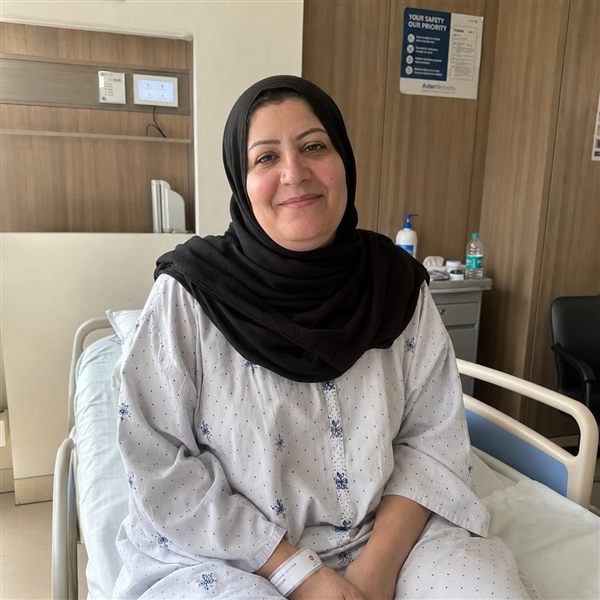
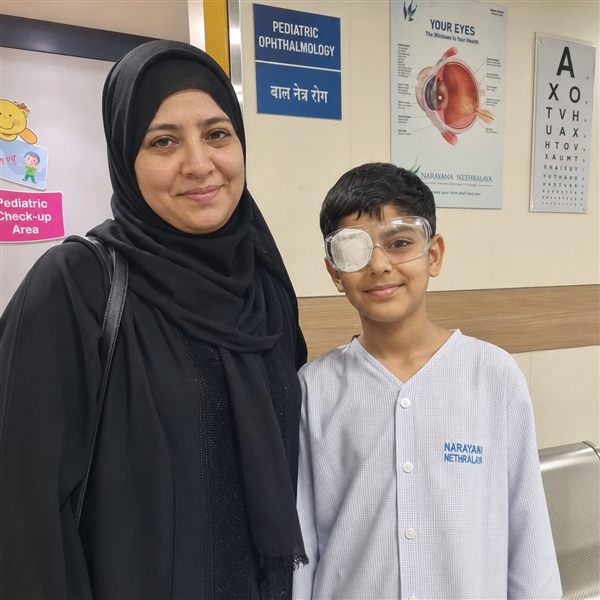
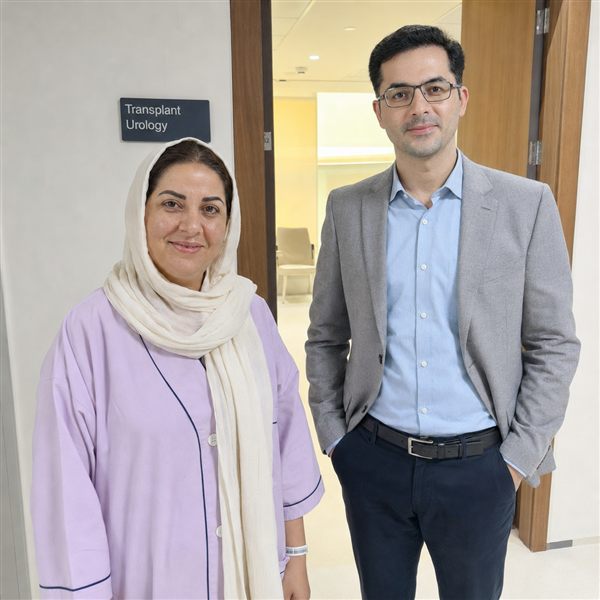
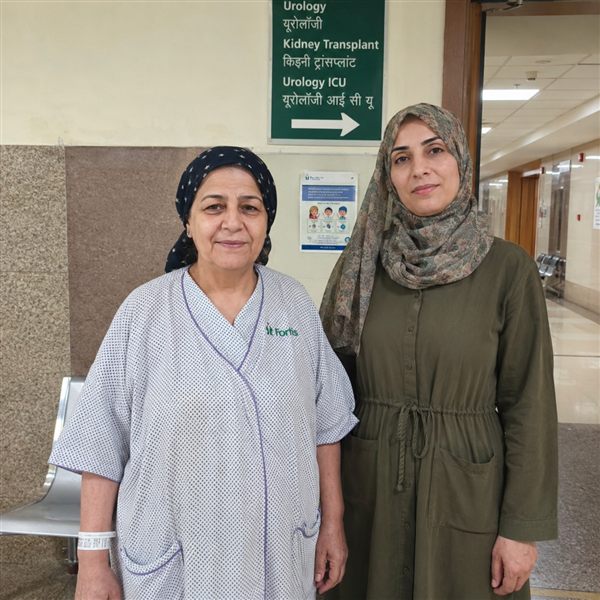
Patient Testimonials from Iraq

Ready to Take the First Step?
Share your Medical Reports with our Healthcare Managers Today and Get a FREE CONSULTATION, a Personalized Treatment Plan, and Complete Support from Arrival to Recovery.
Get Your Free ConsultationAreas We Serve
Indian Health Guru Consultants proudly assists patients from Iraq and surrounding Middle Eastern countries in accessing advanced, affordable and trusted medical treatment in India. Our team provides complete support for medical opinions, hospital selection, treatment planning, visa assistance, travel coordination, accommodation and post-treatment follow-up.
We regularly serve patients from:
- Iraq
- Turkey
- Iran
- Kuwait
- Jordan
- Syria
- Qatar
- Bahrain
- Oman
- Yemen
- Saudi Arabia
- United Arab Emirates
No matter where you are located, our experienced team is committed to making your medical journey to India safe, smooth, transparent and stress-free from the first enquiry to your return home.
From Iraq to India: Your Complete Patient Guide
- Prostate Cancer Treatment and Surgery in India for Iraqis
- Cornea Transplant and Advanced Eye Surgery in India for Iraqis
- Penile Implant Surgery in India for Iraqis
- Cardiac Pacemaker Treatment in India for Iraqi Patients
- Leukemia, Lymphoma and Blood Cancer Treatment in India for Iraqis
- Heart Failure Treatment and Surgery in India for Iraqis
- Oral and Maxillofacial Surgery in India for Iraqis
- Paediatric Neurosurgery in India for Iraqis
- HIPEC Cancer Surgery in India for Iraqis
- Breast Cancer Treatment in India for Iraqi Patients
- Joint Arthroscopy and Sports Medicine in India for Iraqis
- Colorectal Cancer Treatment and Surgery in India for Iraqis
- Spine Surgery in India for Iraqis
- Paediatric Heart Surgery in India for Iraqis
- Cardiac Surgery in India for Iraqis
- Paediatric Orthopaedic Surgery in India for Iraqis
- Cosmetic and Aesthetic Surgery in India for Iraqis
- Liver Transplant in India for Iraqis